
Career guide
Your First Job in 2026: A Step-by-Step Guide — Explained
Transition from college to career with our 2026 job guide. Master AI-proof applications and remote work strategies.
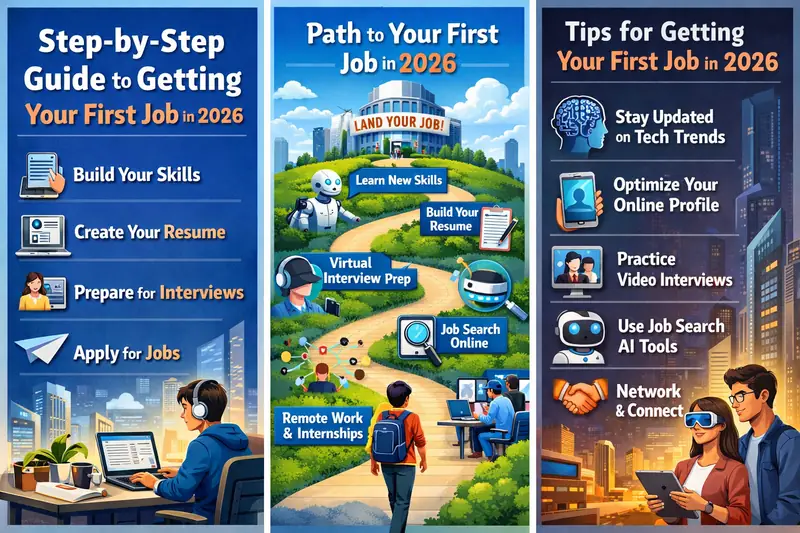
Remember sitting in your final year classroom, staring at the whiteboard, and thinking, "Okay, exams are almost done. Now what?" That feeling of uncertainty is something every Indian graduate faces. You have the degree, the mark sheets, and the enthusiasm, but the bridge between college and that first salary credit often feels broken. This transition, from academic life to professional responsibilities, can feel daunting, especially when you're unsure where to begin or what the modern job market truly demands.

The job market in 2026 is vastly different from even three years ago. The "spray and pray" method, where you send the same resume to 500 companies hoping one replies, is dead. Today, hiring managers use AI tools to filter applications, remote work has opened up global competition, and soft skills are valued just as highly as technical know-how. The sheer volume of applications means that only the most tailored and well-presented candidates stand a chance of even getting noticed by a human recruiter.
Whether you are an engineering graduate from Pune, a commerce student from Delhi, or an arts major from Bangalore, the anxiety is real. The pressure to secure a good first job, meet family expectations, and start building a career can be immense. But here is the good news: companies are hiring. They are just hiring differently. They are looking for proactive, adaptable, and skilled individuals who can demonstrate their potential beyond just academic scores.
In this comprehensive guide, we will walk you through a proven, step-by-step roadmap to landing your first job in 2026. We will move beyond generic advice like "be confident" and give you the actionable strategies, templates, and insider secrets you need to launch your career successfully in the competitive Indian landscape. This guide is designed to equip you with the knowledge and tools to navigate the modern job search effectively, turning your aspirations into tangible career opportunities.
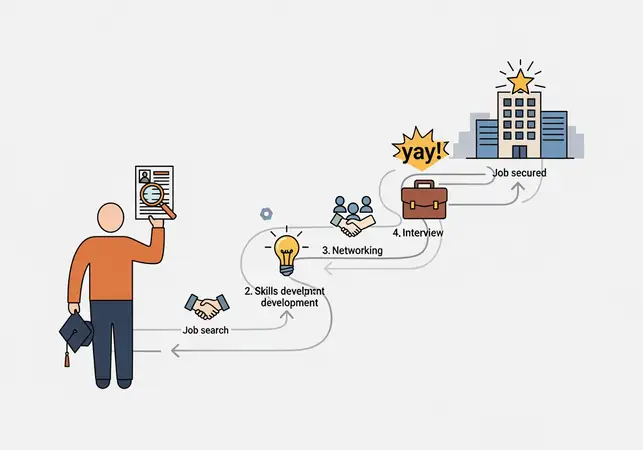
Phase 1: The Preparation, Knowing Yourself and the Market
Before you type a single word on your resume, you need a strategy. Most freshers skip this step and jump straight to applying, which is why they get rejected. Without a clear understanding of your strengths and the market's needs, your efforts will be scattered and ineffective. This foundational phase is crucial for building a strong, targeted approach to your job search.
Step 1: Define Your "Why" and "What"
You cannot hit a target you cannot see. Many candidates apply for "anything" because they are desperate. Recruiters can smell this desperation from a mile away. A lack of direction not only makes your job search inefficient but also signals to employers that you haven't put thought into your career path. Defining your "why" (your motivation and values) and "what" (your skills and desired roles) will provide clarity and focus.
- Self-Audit: Take time to genuinely reflect on your capabilities and interests. List your top 3 hard skills (e.g., Python programming, Financial Accounting, Graphic Design with Adobe Suite) that you've acquired through coursework, projects, or internships. These are measurable and demonstrable abilities. Alongside, identify your top 3 soft skills (e.g., Effective Communication, Team Leadership, Problem-Solving, Adaptability, Patience). Soft skills are increasingly critical, as they dictate how well you collaborate and integrate into a team. Think about situations where you've demonstrated these skills, even in academic or extracurricular settings. Consider using a SWOT analysis (Strengths, Weaknesses, Opportunities, Threats) to get a structured overview of your profile.
- Role Clarity: Instead of broadly looking for "marketing jobs," narrow your focus to specific roles like "Social Media Executive," "Content Writer," "SEO Specialist," or "Digital Marketing Analyst." For engineering graduates, instead of "software jobs," consider "Frontend Developer," "Backend Engineer," "Data Analyst," or "DevOps Trainee." Specificity wins because it allows you to tailor your applications and demonstrate a clear understanding of the role's requirements. Research job descriptions for these specific roles to understand the typical responsibilities and required skills. Look at job titles on government job portals and private sector listings to get a sense of the variety.
- Location Preference: In 2026, hybrid models are standard in Indian metros, offering a blend of in-office and remote work. Decide if you are willing to relocate to major job hubs like Hyderabad, Bangalore, Mumbai, Chennai, or Gurgaon, where a higher concentration of opportunities often exists. Alternatively, if relocation isn't feasible, focus on identifying remote-first companies or roles that explicitly offer work-from-home options. Understanding your geographical flexibility will significantly streamline your job search. Consider the cost of living and lifestyle changes associated with relocation. Research average salaries in different cities to make an informed decision.
Step 2: Understanding the 2026 Indian Job Market
The landscape has shifted dramatically, and staying updated on current trends is vital for freshers. What worked even a few years ago might not be effective today. Understanding these shifts will help you align your preparation with industry demands.
- Skill-Based Hiring: Companies care less about your college brand or your aggregate percentage and more about your demonstrable skills and portfolio. Can you actually do the work? This trend emphasizes practical application over theoretical knowledge. Recruiters are looking for candidates who can hit the ground running or show a strong aptitude for rapid learning. Invest in online certifications (e.g., NPTEL, Coursera, Google Certifications), participate in hackathons, and build personal projects to showcase your abilities. Platforms like LinkedIn Learning and Udemy also offer valuable courses.
- Gig Economy Integration: Many first jobs are now contract roles, project-based assignments, or internships that convert to full-time positions. Do not dismiss these; they are excellent entry points. The gig economy offers flexibility and a chance to gain real-world experience quickly. These roles allow you to build your resume, develop new skills, and make professional connections without the immediate pressure of a long-term commitment. Many companies use internships as an extended interview process, making them a direct pathway to full-time employment. Consider platforms like Upwork or Fiverr for small projects to build your portfolio.
- AI Literacy: Regardless of your field – be it HR, sales, marketing, finance, or coding – you need to know how to use AI tools to boost productivity. AI is no longer a niche technology; it's an integral part of modern workflows. Familiarity with tools like ChatGPT for content generation, Grammarly for writing refinement, data analysis tools with AI capabilities, or even simple automation tools can give you a significant edge. Understanding how AI can streamline tasks and enhance decision-making is a highly valued skill. Explore free AI courses available online to get a foundational understanding.
Emerging Sectors and In-Demand Roles for Freshers
To further refine your target, consider the sectors experiencing significant growth and the roles within them that are actively hiring fresh talent in India:
- Technology & IT Services: Continues to be a dominant sector. Roles like Junior Software Developer (Java, Python, C++), Data Analyst, Business Analyst, Cybersecurity Analyst, Cloud Support Engineer, and UI/UX Designer are consistently in demand. Focus on learning modern frameworks and cloud platforms (AWS, Azure, GCP).
- Fintech: The intersection of finance and technology is booming. Look for roles such as Junior Financial Analyst, Fintech Support Specialist, Risk Analyst, or roles in payment gateway operations. Understanding blockchain and cryptocurrency basics can also be an advantage.
- Digital Marketing & E-commerce: With increasing online presence, roles like Social Media Executive, Content Writer, SEO Specialist, E-commerce Operations Associate, and Performance Marketing Trainee are excellent entry points. Google Ads and Meta Blueprint certifications are highly valued.
- Healthcare & Pharma: Beyond traditional roles, consider Healthcare IT Support, Medical Coder, Clinical Research Coordinator, or roles in health data management. The digitization of healthcare is creating new opportunities.
- Renewable Energy & ESG: Growing focus on sustainability creates opportunities for roles like Junior Project Coordinator (Solar/Wind), ESG Analyst Trainee, or roles in environmental compliance. Knowledge of environmental regulations and sustainability reporting is a plus.
- Supply Chain & Logistics: With India's growing manufacturing and e-commerce, roles in Logistics Coordinator, Supply Chain Analyst, or Operations Executive are important. Understanding supply chain management software and data analytics can set you apart.
Understanding the Importance of Soft Skills in 2026
While technical skills are often the entry ticket, soft skills are what make you a valuable and long-term asset to any organization. Recruiters are increasingly prioritizing these attributes, especially for freshers who may have limited professional experience.
- Communication: The ability to articulate ideas clearly, both verbally and in writing, is paramount. This includes active listening, presenting information effectively, and engaging in constructive dialogue.
- Problem-Solving: Employers seek individuals who can identify issues, analyze situations, and propose practical solutions. This isn't just about technical bugs; it's about navigating workplace challenges.
- Teamwork & Collaboration: Modern workplaces are highly collaborative. Demonstrating your ability to work effectively with diverse teams, contribute positively, and resolve conflicts is crucial.
- Adaptability & Flexibility: The business world is constantly changing. Your ability to learn new skills, adjust to new technologies, and thrive in dynamic environments is a significant asset.
- Time Management & Organization: Being able to prioritize tasks, meet deadlines, and manage your workload efficiently shows professionalism and reliability.
- Critical Thinking: Moving beyond rote learning, critical thinking involves evaluating information, questioning assumptions, and making reasoned judgments.
- Emotional Intelligence: Understanding and managing your own emotions, and recognizing and influencing the emotions of others, contributes to a harmonious and productive work environment.
Practice these skills in your daily life, during academic projects, and in any volunteer work. Be ready to provide examples of how you've demonstrated them during interviews.
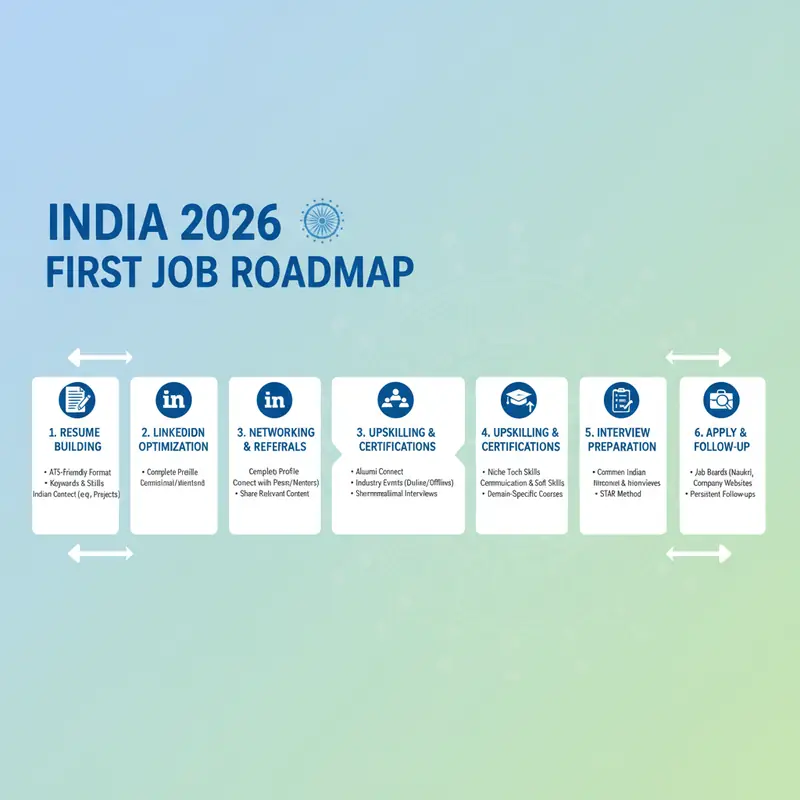
Phase 2: Building Your Professional Arsenal
Your resume and online presence are your marketing brochures. If they are weak, no one buys the product (you). In today's digital age, your professional identity extends far beyond a piece of paper. It encompasses your digital footprint, your online portfolio, and how you present yourself across various platforms. This phase focuses on meticulously crafting these essential assets.
Step 3: Crafting an ATS-Friendly Resume
The Applicant Tracking System (ATS) is the software robot that reads your resume before a human does. If you don't pass the bot, you don't get the interview. Many excellent candidates are overlooked simply because their resume isn't optimized for these systems. Understanding ATS is paramount for getting your application seen.
The Golden Rules for a 2026 Resume:
- Keep it Simple: Avoid complex formatting. No photos, no fancy graphics, no multiple columns that confuse the software. Use a clean, text-based format with standard fonts (e.g., Arial, Calibri, Times New Roman) and clear headings. The goal is readability for both machines and humans. Stick to a professional color scheme, typically black text on a white background. Use templates that are known to be ATS-friendly.
- Keywords are King: Read the job description (JD) meticulously. If they ask for "Client Management," do not write "Customer Service." Use the exact phrasing. ATS systems scan for these specific keywords to determine relevance. Integrate relevant keywords naturally throughout your resume, especially in your skills section, summary, and experience descriptions. If the JD mentions "SQL," ensure "SQL" is on your resume. Use tools like Jobscan to compare your resume against a job description.
- Quantify Your Wins: Weak: "Managed college fest team." Strong: "Led a team of 15 volunteers to organize a college fest with 2,000+ attendees, raising ₹5 Lakhs in sponsorship, resulting in a 20% increase in participation from the previous year." Numbers provide concrete evidence of your impact and achievements, making your contributions tangible and impressive. Even for academic projects, quantify the scope, budget, or results. Use the STAR method (Situation, Task, Action, Result) to structure your bullet points.
- Length: One page. Always one page for freshers. Recruiters spend very little time on each resume, and a concise, impactful single page is far more effective than a lengthy, rambling document. Focus on quality over quantity, highlighting only the most relevant experiences and skills. If you have significant projects or internships, you can use a second page, but ensure the most critical information is on the first.
The Power of a Strong Summary/Objective
For freshers, a compelling resume summary or objective statement is crucial. It's the first thing a recruiter sees and can determine if they read further. Instead of a generic objective, craft a summary that highlights your key skills, career aspirations, and what you bring to the table.
- Objective Statement (if you have a clear career goal): "Highly motivated Computer Science graduate with a strong foundation in Python and Data Structures, seeking an entry-level Software Developer position at [Company Name] to leverage problem-solving skills and contribute to innovative tech solutions." This statement is best for those with very little to no experience, clearly stating your career goal and what you offer.
- Summary Statement (if you have some relevant experience, even academic): "Enthusiastic Marketing graduate with hands-on experience in social media campaigns and content creation during internships. Proficient in Google Analytics and SEO basics, eager to apply digital marketing skills to drive brand engagement and growth for a dynamic organization." This is more effective if you have internships, significant projects, or volunteer experience to highlight.
Ensure this section is concise, keyword-rich, and tailored to the specific job you're applying for, acting as a powerful hook. It should immediately tell the recruiter why you are a good fit for *this* role.
Key Sections to Include in Your Fresher Resume
Beyond the summary, ensure your resume includes these essential sections, ordered logically:
- Contact Information: Name, phone number, professional email, LinkedIn profile URL, and portfolio/GitHub link (if applicable).
- Education: Degree, university name, graduation date, relevant coursework, and any significant academic achievements (e.g., Dean's List, scholarships).
- Skills: Categorize into Technical Skills (programming languages, software, tools) and Soft Skills (communication, teamwork, problem-solving). Be specific.
- Projects: Detail academic or personal projects. For each, describe your role, the technologies used, and the impact or outcome. This is crucial for freshers to demonstrate practical application of skills.
- Internships/Work Experience: Even if unpaid or part-time, list any relevant experience. Use action verbs and quantify achievements.
- Certifications/Awards: List any industry-recognized certifications, awards, or honors.
- Volunteer Experience/Extracurricular Activities: These demonstrate soft skills like leadership, teamwork, and initiative.
Always proofread your resume multiple times for any grammatical errors or typos. A single mistake can undermine your professionalism.
Step 4: The LinkedIn Game
LinkedIn is not social media; it is a search engine for recruiters. In India, 90% of recruiters use LinkedIn to vet candidates, source talent, and verify information. A strong LinkedIn profile is no longer optional; it's a necessity for your job search.
- The Headline: This is your professional tagline, visible to everyone. Stop writing "Student at XYZ College." Instead, craft a keyword-rich headline that reflects your aspirations and skills: "Aspiring Digital Marketer | SEO & Content Enthusiast | Certified in Google Analytics" or "Recent B.Tech Graduate | Python Developer | Machine Learning Enthusiast | Seeking Entry-Level Tech Roles." Use keywords that recruiters would search for. This is your personal SEO for LinkedIn.
- The About Section: This is your chance to tell a story. Who are you? What drives you? What are your career aspirations? Keep it conversational yet professional. Highlight your passion, key skills, and relevant experiences (academic projects, internships, volunteer work). Structure it like a mini-cover letter, explaining your journey and what you're looking for in your first role. Use this space to elaborate on your resume points and add personality.
- Engagement: Do not just lurk. LinkedIn is a professional network, not just a profile repository. Comment thoughtfully on posts by industry leaders, share articles relevant to your field, and post about your own learnings, projects, or certifications. Engaging regularly increases your visibility and demonstrates your interest and knowledge in your chosen field. This also helps you build a personal brand.
- Recommendations and Skills Endorsements: Actively seek recommendations from professors, internship supervisors, or project mentors. These testimonials add credibility to your profile. Similarly, ensure your skills section is comprehensive and seek endorsements from your connections for your key skills. Endorsements from relevant professionals carry more weight.
- Professional Photo: Use a clear, professional headshot. It doesn't need to be studio quality, but it should be well-lit, friendly, and appropriate for a professional setting. Avoid selfies or group photos.
- Custom URL: Customize your LinkedIn profile URL to make it clean and professional (e.g., linkedin.com/in/yourname).
Step 5: Building a Portfolio (Even if You Are Non-Tech)
"But I don't have experience!" Yes, you do. You just haven't documented it. A portfolio is tangible proof of your abilities, showcasing what you can actually do rather than just what you've studied. It’s your opportunity to demonstrate skill-based hiring readiness.
- Coders: A well-maintained GitHub profile is mandatory. Showcase your personal projects, contributions to open-source, or code from academic assignments. Ensure your code is clean, well-documented, and functional. Include a README file for each project explaining its purpose and technologies used. Consider adding live demos or screenshots for web projects.
- Writers/Marketers: Create a simple Medium blog, a Google Drive folder with sample articles, blog posts, social media captions, or even a mock marketing campaign plan. You can also create a free website using platforms like WordPress.com or Google Sites to host your content. Show variety in your writing style and topics. Include analytics if you have them for any campaigns.
- Designers: Behance or Dribbble are industry-standard platforms to showcase your graphic design, UI/UX, or illustration work. Include case studies for your design projects, explaining your process, challenges, and solutions. Even college projects or designs for local NGOs count. Ensure high-quality visuals and clear descriptions.
- Commerce/Management: This might seem harder, but it's entirely possible. Create case studies where you analyze a company's balance sheet, propose a marketing strategy for a local brand, or develop a mock business plan. You can also document your contributions to college events, highlighting your leadership, budgeting, or organizational skills with measurable outcomes. Present these as PDF documents in a Google Drive folder or on a simple personal website. Even a well-structured presentation on a relevant business topic can serve as a portfolio piece.
- Data Analysts: Showcase projects on platforms like Kaggle, or create your own data analysis reports using publicly available datasets. Include your code (e.g., Python notebooks, R scripts) and visualizations. Explain your methodology and findings clearly.
The key is to have a centralized, easily accessible place where you can direct recruiters to see your work. This portfolio acts as a visual and practical extension of your resume, proving your capabilities beyond words.

Phase 3: The Hunt, Sourcing Opportunities Strategically
Now that you are armed with a compelling resume, a robust online presence, and a clear understanding of your goals, it is time to hunt for opportunities. This phase is about smart, strategic application, not just blindly sending out resumes.
Step 6: Targeted Applications vs. Mass Apply
Quality over quantity is the mantra for getting your first job in 2026. Mass applying with a generic resume is a waste of your time and the recruiter's. A targeted approach significantly increases your chances of success.
- The 80/20 Rule: Spend 80% of your time networking and customizing applications for your top 20 dream companies. These are the companies where you genuinely want to work, whose values align with yours, and where you see yourself growing. Spend the remaining 20% on quick-apply job boards, but even then, try to make minor customizations. This focused effort yields better results.
- Customize the Cover Letter: Yes, people still read them if they are good. A cover letter is not a summary of your resume; it's an opportunity to tell the employer why you are specifically interested in *their* company and *this particular* role. Address it to a specific person if possible (e.g., the hiring manager or team lead). Highlight 2-3 key skills or experiences from your resume that directly align with the job description, and explain how you can add value to their team. Research the company's recent projects or values and weave them into your letter.
- Tailor Your Resume: For your top target companies, don't just customize the cover letter; make subtle tweaks to your resume as well. Reorder bullet points to emphasize skills mentioned in the job description, and use the exact keywords from the JD where appropriate. This ensures your resume passes ATS and catches the human eye. Even minor rephrasing can make a difference.
- Understand the Company Culture: Before applying, try to get a sense of the company's culture. Does it align with your working style and values? This research not only helps you tailor your application but also helps you decide if it's a place you'd genuinely want to work. Look at their "Careers" page, social media, and employee reviews.
Step 7: Networking Like a Pro
Networking in India can feel awkward. We are often taught not to ask for favors. But professional networking is about value exchange, not begging. It's about building genuine connections, learning from others, and being helpful. These connections can lead to referrals, insights, and even direct job opportunities that aren't publicly advertised.
How to DM a Recruiter or Senior on LinkedIn:
Your message should be concise, respectful, and clearly state your purpose without being demanding. Focus on learning and building a connection first.
- Don't say: "Hi, any jobs for me?" This is too direct and transactional.
- Do say: "Hi [Name], I've been following [Company Name]'s recent growth in the fintech sector and loved your post about AI integration. I'm a fresh graduate with skills in data analysis and I'm very interested in your entry-level analyst roles. Could you spare 5 minutes for a quick chat about what you look for in a candidate, or perhaps offer advice on breaking into the industry? I'd be grateful for any insights you could share." This message is polite, shows you've done your homework, and offers a clear, low-commitment request.
- Follow-up: If they respond, be prepared to have a genuine conversation. If they don't, a single polite follow-up after a week is acceptable, but don't pester them.
This approach shows you've done your research, are genuinely interested, and respect their time. It opens the door for a conversation, which is the goal of networking.
Informational Interviews: Your Secret Weapon
An informational interview is a brief conversation (15-30 minutes) with someone working in a role or company that interests you. The goal is not to ask for a job, but to gather information, advice, and insights into their career path, the industry, and their company culture. This is a powerful networking tool because it's less intimidating for both parties.
- How to request one: Use a polite LinkedIn message or email. "I'm a recent graduate passionate about [field] and I admire your work at [Company]. I'm hoping to learn more about career paths in this area. Would you be open to a brief 15-minute virtual chat sometime next week to share your insights?" Be specific about the time commitment.
- Prepare questions: Ask about their typical day, what skills are most important, how they got started, and what challenges they face. Focus on open-ended questions that encourage detailed answers. Avoid questions easily answered by a quick Google search.
- Listen actively: Pay attention to their advice and insights. Take notes if appropriate.
- Follow up: Always send a thank-you note within 24 hours, reiterating your appreciation for their time and insights. Mention something specific you learned from the conversation.
Informational interviews can lead to mentorship, referrals, and a deeper understanding of your target roles, making you a more informed and attractive candidate. They can also help you discover roles you hadn't considered or confirm your interest in a particular path.
Attending Virtual and In-Person Career Fairs
Career fairs, both online and offline, are excellent opportunities to meet recruiters and learn about companies directly. Even if you don't find an immediate opening, it's a chance to make connections.
- Prepare your "elevator pitch": A 30-60 second summary of who you are, what you're looking for, and what you can offer.
- Research participating companies: Prioritize those that align with your interests.
- Have your resume ready: Both digital and a few printed copies if it's an in-person event.
- Follow up: Send a personalized thank-you email or LinkedIn message to any recruiters you spoke with.
Step 8: Leveraging Job Portals Effectively
This is where platforms like TrueJobs shine. While networking and targeted applications are crucial, job portals remain a primary source of opportunities. However, simply creating a profile isn't enough; you need to use them strategically.
- Complete Your Profile: Algorithms favor 100% complete profiles. Upload your resume, add all relevant skills (hard and soft), verify your email and phone number, and fill out every section. A complete profile makes you more searchable by recruiters and ensures you don't miss out on opportunities due to incomplete information. Think of it as your digital resume that recruiters can discover.
- Set Alerts: Don't search every day manually. Set up email alerts for specific job titles (e.g., "Junior Accountant," "Sales Trainee," "Entry-Level Data Analyst") and preferred locations. This ensures that new opportunities matching your criteria come directly to your inbox, saving you time and ensuring you're among the first to apply. You can also set alerts for government job results and admit card releases on TrueJobs.
- Verify the Employer: Scams exist, especially for freshers. Use trusted portals that vet their listings to ensure you aren't wasting time on fake interviews or falling victim to fraudulent schemes. Look for legitimate company websites, professional email addresses (not Gmail/Yahoo for official communication), and a clear company presence online. TrueJobs prioritizes verified listings to protect job seekers. If something feels off, trust your gut and research further.
- Utilize Portal Features: Explore features like resume builders, skill assessments, and career advice sections offered by platforms like TrueJobs. These resources are designed to help you optimize your application and improve your job search strategy. Many portals also offer insights into salary trends and company reviews, which can be invaluable.
- Track Your Applications: Keep a spreadsheet or use a job tracker tool to monitor which jobs you've applied for, the date, the company, and the status. This helps you stay organized and follow up effectively.
Phase 4: Ace the Interview
You got the call! Now, the real test begins. The interview is your chance to move beyond your resume and demonstrate your personality, communication skills, and genuine interest. This phase is about meticulous preparation and confident execution.
Step 9: Research is Your Weapon
Walking into an interview without knowing the company is a crime. It shows a lack of interest and professionalism. Thorough research is not just about answering questions; it's about asking intelligent ones and demonstrating your enthusiasm.
- Know the Basics: What do they sell? What services do they offer? Who is the CEO? Who are their main competitors? Understand their mission, vision, and values. Visit their "About Us" page and read their annual reports (if public). This foundational knowledge shows you've done your homework.
- Know the News: Did they just get funding? Did they launch a new product? Are they expanding into a new market? Mentioning recent company news during the interview shows you are proactive, engaged, and genuinely interested in their growth. Follow their social media channels and news releases. This demonstrates current awareness and genuine interest.
- Know the Culture: Check their social media, LinkedIn company page, and employee reviews on platforms like Glassdoor or AmbitionBox. Is it formal and corporate, or casual and startup-like? Dress and speak accordingly. Understanding the culture helps you assess if you'd be a good fit and allows you to tailor your responses to align with their values.
- Research the Interviewer: If you know who will be interviewing you, look them up on LinkedIn. Understand their role, tenure, and any shared connections or interests. This can help you build rapport during the interview. You might find common ground or areas of shared interest to discuss.
- Understand the Role Deeply: Go beyond the job description. What are the key challenges this role might face? How does this role contribute to the team's or company's overall goals? Thinking about these aspects will help you answer behavioral questions more effectively.
Step 10: Practice Makes Perfect: Common Interview Questions
Interviews often follow predictable patterns. While every interview is unique, preparing for common questions will build your confidence and ensure you provide well-thought-out answers.
- "Tell me about yourself." This is not an invitation to recite your resume. It's an opportunity for a concise (1-2 minute) "elevator pitch" that highlights your relevant skills, experiences, and career aspirations, linking them to the role you're interviewing for. Structure it as: Past (briefly), Present (what you're doing now/skills), Future (what you're looking for).
- "Why do you want to work for us?" This is where your company research shines. Talk about their mission, values, products, or recent achievements that genuinely resonate with you. Connect it to your own career goals and how you see yourself contributing.
- "Why are you interested in this role?" Link your skills, experiences, and passions directly to the responsibilities outlined in the job description. Show that you understand the role and are excited about its challenges.
- "What are your strengths?" Choose 2-3 strengths that are relevant to the job and provide specific examples of how you've demonstrated them. Quantify if possible.
- "What are your weaknesses?" This is a tricky one. Don't say you have none, and don't mention a critical skill for the job. Choose a genuine weakness, but frame it in terms of how you are actively working to improve it. For example, "I sometimes struggle with delegating tasks, but I'm actively practicing by assigning clear responsibilities in group projects and trusting my teammates."
- Behavioral Questions (STAR Method): Questions like "Tell me about a time you faced a challenge and how you overcame it," or "Describe a situation where you had to work in a team." Use the STAR method:
- S - Situation: Briefly set the scene.
- T - Task: Describe the goal or task you had.
- A - Action: Explain what *you* did (use "I" not "we").
- R - Result: What was the outcome? Quantify the results if possible and highlight what you learned.
- "Do you have any questions for us?" Always have questions ready! This shows engagement and critical thinking. Ask about team dynamics, growth opportunities, daily responsibilities, or company culture. Avoid asking about salary or benefits in the first interview.
Practice answering these questions out loud, perhaps even recording yourself. This helps you refine your answers and improve your delivery.
Step 11: Dress for Success and Professional Etiquette
First impressions matter, whether it's an in-person or virtual interview.
- Attire: For most corporate roles in India, business formal or business casual is appropriate. For men, a collared shirt, trousers, and polished shoes. For women, a saree, salwar kameez, or a formal shirt/blouse with trousers/skirt. Even for remote roles, dress professionally from the waist up.
- Punctuality: Arrive 10-15 minutes early for in-person interviews. For virtual interviews, log in 5-10 minutes early, test your audio/video, and ensure a stable internet connection.
- Body Language: Maintain eye contact (look at the camera for virtual interviews), sit up straight, and offer a firm handshake (if in-person). Avoid fidgeting. Smile genuinely.
- Follow-up Thank You: Always send a concise, personalized thank-you email within 24 hours of the interview. Reiterate your interest in the role and mention something specific you discussed.
Phase 5: The Offer and Beyond
Congratulations, you've received an offer! This is an exciting moment, but it's also a critical phase where you need to be strategic and thoughtful.
Step 12: Evaluating and Negotiating the Offer
Don't just accept the first offer immediately. Take time to review it thoroughly.
- Understand the Compensation: Beyond the basic salary, understand the full compensation package. This includes:
- CTC (Cost to Company): This is the total expense the company incurs on you. It includes basic salary, HRA, special allowances, provident fund (PF), gratuity, medical insurance, and sometimes even perks like food coupons or transportation allowances.
- In-hand Salary: This is what you actually receive in your bank account after all deductions (PF, professional tax, income tax, etc.). This is often significantly less than the CTC.
- Bonuses/Incentives: Are there performance-based bonuses? What are the criteria?
- Stock Options: Less common for freshers, but good to know if applicable.
- Benefits: Beyond salary, consider:
- Health Insurance: What's covered? Is it for you only or family too?
- Paid Time Off: How many sick days, casual leave, and annual leave days are provided?
- Learning & Development: Does the company offer training programs, certifications, or tuition reimbursement? This is crucial for career growth.
- Work-Life Balance: What are the typical working hours? Is there flexibility?
- Negotiation (for freshers): While extensive negotiation might be difficult for a first job, it's not impossible to ask for clarity or minor adjustments.
- If you have multiple offers, you can leverage one to negotiate slightly higher with your preferred company.
- Focus on non-monetary benefits if salary negotiation isn't fruitful, such as a better learning budget, specific training, or a slightly earlier performance review.
- Always be polite and professional. Express your enthusiasm for the role even while negotiating.
- Read the Fine Print: Understand the notice period, bond agreements (if any, common in some Indian companies for freshers), and probation period terms.
Step 13: The First 90 Days: Making an Impact
Your first three months are crucial for establishing yourself as a valuable team member.
- Listen and Learn: Observe team dynamics, company processes, and unspoken rules. Ask questions when you don't understand something, but try to find answers independently first.
- Be Proactive: Don't wait to be told what to do. Look for opportunities to contribute, offer help, and take initiative
Step-by-Step Guide to Your First Job in 2026
Related: Resume Tips | Interview Prep | Top Soft Skills
FAQs
What skills matter most?Technical and soft skills equallyIs remote work available?Yes, globally
TrueJobs Editorial Team
TrueJobs editorial desk
This article is prepared from the sources referenced in the guide and reviewed for clarity, links and dated information. Read our editorial and corrections policy.
Continue This Topic
Follow the closest earlier and newer coverage so older archive posts keep real contextual crawl paths.
Career Planning Guide for Students: Your Roadmap to Success
A comprehensive career planning guide for students. Learn self-assessment, goal setting, and strategic planning to build a successful professional future.
How to Find Hidden Jobs That Are Never Posted Online
Discover India's hidden job market strategies. Access 70% unadvertised opportunities through networking and referrals.
Read Next

How to Build a Career Without Campus Placement
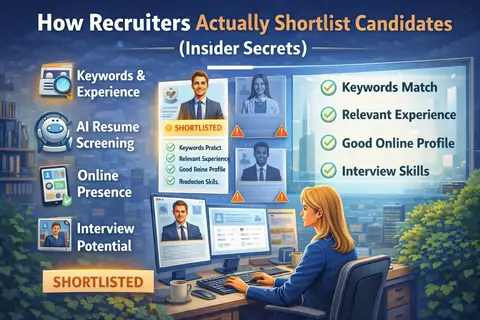
How Recruiters Actually Shortlist Candidates (Insider Secrets)

Career Planning Guide for Students: Your Roadmap to Success

How to Get a Job in India With No Experience
Explore Topics
Perfect Your Resume
Use our AI-powered Resume Builder to create ATS-optimized resumes.
AI Resume Builder