
Career guide
Career Without Campus Placement: Ultimate Guide 2024 — Explained
Did not get placed through campus? Learn proven strategies to build a successful career through off-campus job hunting, networking, and skill development.

Embarking on a career journey is an exciting yet often challenging endeavor, especially for fresh graduates. While campus placements offer a structured entry into the professional world, many individuals find themselves navigating the job market without this direct route. This comprehensive guide will equip you with the strategies, tools, and mindset needed to build a successful and fulfilling career, even if campus placement isn't part of your story.

Why Campus Placement Is Not the Only Path
For many engineering, management, and arts graduates across India, campus placements are often seen as the golden ticket to a successful career. The allure of a job offer even before graduation is undeniably strong. However, not securing a campus placement is far from the end of your career; in fact, it is often simply a different route to the same destination, or even a potentially more enriching one. It can be the beginning of a more intentional, resilient, and ultimately rewarding professional journey, where you actively shape your path rather than passively accepting what's offered. In India's incredibly competitive job market, understanding that multiple pathways exist is not just crucial, but empowering for aspiring professionals.
This perspective shift enables you to take control of your career trajectory, rather than feeling limited or defined by a single recruitment channel, fostering a sense of self-reliance and discovery that can be invaluable throughout your professional life.
The narrative that campus placement is the sole determinant of a successful career is a myth that needs to be debunked. The professional landscape is dynamic and diverse, offering myriad opportunities for those who are proactive, skilled, and persistent. Many highly successful individuals, including entrepreneurs, industry leaders, and specialized professionals, began their careers through off-campus channels, leveraging their unique strengths and forging their own paths. This article will guide you through building a robust career, step-by-step, even without the traditional campus placement, equipping you with the strategies and mindset to thrive.
The Truth About Campus Placements
While campus placements offer a convenient and structured entry point for many graduates, they represent just one facet of the vast and intricate job market. It's important to have a clear-eyed and realistic view of their inherent limitations and understand why they might not always be the perfect fit for every individual or every career aspiration.
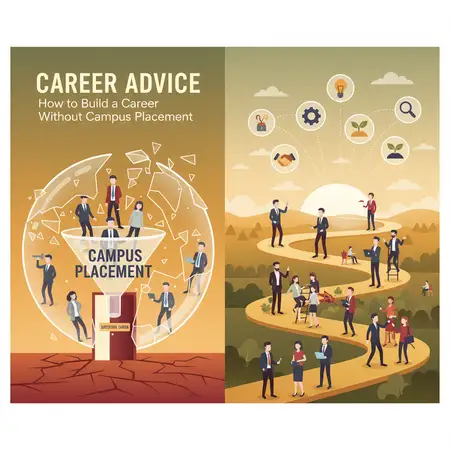
- Limited Company Pool: Campus placements, by their very nature, bring only a fraction of India's diverse hiring companies to your college. Colleges often have established relationships with certain companies, which might lead to a repetitive cycle of recruiters. This means that many innovative startups, niche consulting firms, specialized manufacturing units, cutting-edge research and development centers, government research bodies, and even established multinational corporations (MNCs) often prefer to hire through other channels like direct applications, professional networking, or specialized recruitment agencies. This implies that a significant chunk of potential employers, particularly those seeking specialized skills, offering unique work environments, or operating in emerging sectors, might never visit your campus, leaving a vast array of opportunities unexplored by on-campus candidates.
- Focus on Mass Hiring: Many campus drives, especially for larger IT services, BPO, or manufacturing firms, are designed for mass hiring into generic, entry-level roles. While these provide a steady and often stable start, they might not always align with individual career aspirations, specific skill sets, or offer immediate exposure to challenging, specialized work. Such roles can sometimes lead to a slower growth trajectory or a feeling of being pigeonholed if not actively managed with continuous learning and internal mobility efforts. The sheer volume of hiring can also mean less individualized attention to career development in the initial stages, potentially delaying your access to more impactful or leadership-oriented positions.
- Increased Competition: With lakhs of graduates entering the workforce annually from thousands of colleges, campus placements can be incredibly competitive. The ratio of available positions to eligible candidates is often skewed, making it a challenging environment. Not securing one doesn't reflect your potential, intelligence, or capability, but rather the sheer volume of talent vying for a limited number of on-campus opportunities. It's often a numbers game, and your individual capabilities and potential extend far beyond the outcome of a single recruitment event. Many highly capable individuals simply miss out due to factors beyond their control, such as a bad day during an interview, a specific company's highly subjective hiring criteria, or simply bad luck in a high-stakes scenario.
The Evolving Job Market Landscape
The Indian job market is dynamic and constantly evolving. Factors such as globalization, technological advancements, the rise of the gig economy, and the increasing importance of specialized skills have reshaped traditional hiring practices. Companies are now more open to diverse talent pools and are actively seeking candidates who demonstrate initiative, adaptability, and a strong learning aptitude, regardless of their recruitment channel. This shift creates a fertile ground for individuals who pursue off-campus opportunities, as it allows them to tap into a wider array of roles and industries that might not be represented in campus drives.
Benefits of an Off-Campus Search
Embracing an off-campus job search, while initially daunting, offers several distinct advantages that can significantly shape your long-term career success and personal growth.
- Building Resilience and Self-Reliance: Successfully navigating the off-campus job search teaches invaluable skills that are highly prized in the professional world. These include networking from scratch, effective self-marketing, strategic problem-solving, meticulous research, negotiation skills, and sheer perseverance. These are critical soft skills and character traits that often differentiate top performers in the long run, equipping you with the tenacity and adaptability needed to overcome future career hurdles and thrive in an ever-changing professional landscape. You learn to be your own advocate, take full ownership of your career trajectory, and develop a robust problem-solving mindset.
- Wider Range of Opportunities: By actively seeking opportunities beyond campus, you gain access to a much broader spectrum of companies and roles. This includes innovative startups, niche consultancies, government organizations (like those listed on TrueJobs.co.in), NGOs, social impact organizations, specialized R&D roles, and even international opportunities that may never visit a campus. This wider exposure allows you to find a role that truly aligns with your passions, values, and long-term career goals, rather than settling for what's available on campus, potentially leading to a more fulfilling and impactful career.
- Greater Control and Intentionality: An off-campus search empowers you to be more intentional about your career choices. You get to define your ideal role, company culture, industry, and even work-life balance, and then actively pursue those specific opportunities. This proactive approach fosters a deeper understanding of your own aspirations and strengths, leading to a more satisfying and purpose-driven career path. This intentionality often results in higher job satisfaction and a stronger sense of purpose, as you are actively building a career that resonates with your personal and professional identity.
Step 1: Shift Your Mindset, Redefine Your Success
The first and most critical step in building a successful career without campus placement is a mental one. How you perceive this situation and the attitude you adopt will largely determine your success. Embracing a proactive, positive, and resilient outlook transforms a perceived setback into a powerful opportunity for self-discovery, personal growth, and ultimately, a more fulfilling career journey.
It's natural to feel a sense of disappointment or even frustration if you haven't secured a campus placement. However, dwelling on these feelings can be counterproductive. Instead, view this as a pivotal moment to take charge, redefine what success means to you, and embark on a path that is uniquely yours. This shift in perspective is the bedrock upon which all subsequent actions will be built, enabling you to approach the job market with renewed vigor and a strategic advantage.
From Reactive to Proactive, Taking Charge
Moving from a reactive stance (waiting for opportunities) to a proactive one (creating opportunities) is fundamental to an effective off-campus job search.
- Acknowledge and Move On: It's perfectly okay to feel disappointed or even a little disheartened if you didn't secure a campus placement. Allow yourself a brief period to acknowledge these feelings, but then consciously choose to move forward with a positive and determined outlook. Treat not getting a campus placement as a redirect, not a rejection. Understand that every successful professional history has its share of detours, challenges, and initial setbacks. Embrace the opportunity to chart your own course, learning valuable lessons from this initial experience that will serve you well throughout your career. This resilience is a highly valued trait in the professional world, demonstrating your ability to adapt and overcome.
- Take Ownership: Your career is 100% your responsibility. This is an incredibly empowering realization. Instead of waiting for opportunities to come to you, or relying solely on external factors, actively go out and create them. This involves continuous learning, strategic networking, persistent application, and a willingness to adapt. You are the architect of your professional future, and this newfound ownership will drive you to explore avenues you might not have considered otherwise, leading to greater innovation and personal satisfaction.
- Create a Routine: Structure breeds success, especially during an intensive job search. Dedicate specific, consistent hours daily to job hunting activities. Treat it like a full-time job, ideally 6-8 hours a day, five days a week. For example, you could dedicate mornings (9 AM - 1 PM) to researching companies, tailoring applications, and sending out emails; afternoons (2 PM - 5 PM) to skill development through online courses or personal projects; and evenings (6 PM - 7 PM) to networking and informational interviews. A structured approach helps maintain momentum, track progress, prevents burnout by ensuring a balanced effort, and instills discipline that will benefit your future career.
- Set Realistic Goals: Break down your job search into smaller, manageable, and measurable goals. For instance, aim to apply to 5-10 relevant jobs daily, complete one online module weekly, connect with two new professionals in your target industry every week, or refine your resume/portfolio for a specific role. Celebrate these small wins to stay motivated and build confidence. Regularly review your progress against your goals and be flexible enough to adjust your strategy as needed, based on feedback and market trends. This iterative approach keeps you focused and adaptable, allowing you to fine-tune your efforts for maximum impact.
Cultivating a Growth Mindset
A growth mindset, as opposed to a fixed mindset, is crucial for navigating the challenges of an off-campus job search. It's the belief that your abilities and intelligence can be developed through dedication and hard work. When faced with rejections or setbacks, a growth mindset allows you to view them as learning opportunities rather than failures. This perspective fuels perseverance, encourages continuous improvement, and fosters a positive outlook essential for long-term success.
- Embrace Challenges: See obstacles as opportunities to learn and grow, rather than insurmountable barriers.
- Learn from Feedback: Actively seek feedback on your applications and interviews, and use it constructively to improve.
- Celebrate Small Victories: Acknowledge and celebrate every small step forward, from completing a new course to getting an interview call.
- Stay Curious: Continuously seek new knowledge and skills, adapting to the evolving demands of the job market.
Step 2: The Off-Campus Job Search Strategy, Your Personalised Approach
Leveraging a multi-pronged approach is key to an effective off-campus job search. The job market is vast and varied, and relying on a single method will severely limit your reach. Don't put all your eggs in one basket; diversify your efforts across various platforms and strategies to maximize your chances of success and uncover opportunities that might not be immediately visible.
Leverage Online Job Portals, Optimising Your Digital Persona
India boasts several robust job portals that serve as powerful tools for job seekers. TrueJobs.co.in, Naukri.com, LinkedIn Jobs, Indeed, Monster, and Shine.com are prominent examples. However, these platforms are only effective if used strategically and if your digital persona is meticulously optimized. Your online presence is often the first, and sometimes the only, impression you make on a recruiter.
- Create a Killer Profile: This is your digital resume and often the first point of contact. Complete every section thoroughly and accurately, ensuring consistency across all platforms. Use a professional, clear headshot. Highlight your skills, academic projects, internships, volunteer work, and educational background clearly and concisely. For TrueJobs.co.in, ensure your profile is 100% complete, as this often prioritizes your application and increases your visibility to government recruiters. An Applicant Tracking System (ATS) friendly resume is also crucial; this means using standard fonts, clear headings, and incorporating keywords that an ATS can easily parse, ensuring your profile is easily scannable by automated systems.
- Use Keywords Relevant to Your Field: Recruiters and ATS systems use specific keywords to find suitable candidates. Populate your resume, cover letter, and online profiles with industry-specific terms, technical skills, and buzzwords relevant to the roles you're targeting. For example, if you're an engineering graduate seeking a software development role, include terms like "Python," "Java," "Data Structures," "Algorithms," "SQL," "Cloud Computing," "Agile Methodology," etc. If you're in marketing, use terms like "Digital Marketing," "SEO," "SEM," "Content Creation," "Social Media Strategy," "Google Analytics." For finance, consider "Financial Modeling," "Risk Analysis," "Valuation." Ensure these are genuinely skills you possess and can articulate with examples in an interview.
- Set Up Job Alerts for Immediate Notifications: Don't manually search for jobs every day; let the platforms do the heavy lifting. Set up email alerts for specific job titles, companies, industries, and locations that match your criteria. This ensures you're among the first to know about new openings, giving you a competitive edge in applying before the competition becomes too stiff. Timeliness can often be a significant factor in getting your application noticed, especially for popular entry-level positions that receive a high volume of applications quickly.
Go Direct: Company Career Pages, Targeting Your Dreams
Many companies, especially larger corporations, government organizations, and those with very specific hiring processes, prefer candidates to apply directly through their official websites. This often means less competition compared to general job boards and provides a direct route to their internal recruitment system.
- Identify 20-30 Dream Companies: Research companies in your desired industry, sector (e.g., IT, manufacturing, banking, government), and location. Look beyond the household names; consider mid-sized companies, rapidly growing startups, and even niche firms that align with your values, career goals, and skill set. Utilize resources like industry reports, business news articles, company review sites (e.g., Glassdoor, AmbitionBox), professional forums, and startup incubators for your research. Understand their mission, values, recent projects, and company culture to ensure a good fit.
- Bookmark and Visit Their Career Pages Weekly: Create a spreadsheet or a dedicated folder in your browser for these companies. Set a reminder to check their 'Careers' or 'Jobs' sections regularly, ideally weekly. Companies often post openings on their internal portals before or instead of using external job boards. Direct applications demonstrate genuine interest and can sometimes bypass the initial screening filters of large job platforms, giving your application more direct visibility to the hiring team.
- Look for Fresher Programmes and Graduate Trainee Roles: Many organizations, particularly large corporations and government bodies, have structured entry-level programs specifically designed for recent graduates. These are often called 'Management Trainee,' 'Graduate Engineer Trainee,' 'Associate Analyst,' 'Young Professional,' 'Apprenticeship,' or 'Entry-Level Specialist' programs. These roles are specifically designed for candidates without prior experience and offer structured learning, mentorship, and clear development paths, making them excellent entry points into a company and providing a solid foundation for your career.
Tap into LinkedIn, Your Professional Network Hub
LinkedIn is far more than just a job board; it's a dynamic professional network, a powerful tool for building your personal brand, showcasing your expertise, and connecting with industry leaders, recruiters, and potential mentors.
- Build a Professional Profile with a Compelling Headline: Your LinkedIn profile should be a comprehensive, living resume. Your headline is critical – it should clearly state what you do or what you aspire to do (e.g., "Aspiring Data Analyst | Skilled in Python, SQL, Power BI | Seeking Entry-Level Opportunities in Tech"). Your "About" section should tell your unique story, highlight your passion, key achievements, and career aspirations, using keywords relevant to your target roles. Populate all sections: experience, education, skills, projects, certifications, and recommendations, ensuring it's always up-to-date.
- Connect with Recruiters and HR Professionals: Follow companies you're interested in and actively connect with their HR teams, talent acquisition specialists, and hiring managers. When sending a connection request, always include a brief, personalized note stating your interest in their company or industry, rather than immediately asking for a job. Build rapport first. For example: "Hi [Name], I admire [Company]'s work in [specific area]. I'm an aspiring [Your Role] with skills in [Skill 1, Skill 2] and would love to connect and learn more about the industry."
- Engage with Content in Your Field: Don't just passively consume content. Share insightful articles relevant to your industry, comment thoughtfully on posts from industry leaders, and even publish your own small articles, project updates, or reflections. This increases your visibility, establishes you as an informed and engaged professional, and can lead to valuable connections, discussions, and even direct opportunities. It demonstrates your passion, knowledge, and ability to contribute to industry conversations.
- Use LinkedIn's Job Search Features: Leverage LinkedIn's robust job search filters for "entry-level" or "fresher" roles. Apply directly through the platform. Also, utilize the "Easy Apply" feature for speed, but always remember to tailor your resume and cover letter to each application, even for quick submissions, to maximize your chances. While "Easy Apply" is convenient, a personalized application always stands out more.
Crafting an ATS-Friendly Resume and Cover Letter
In today's digital age, most large companies use Applicant Tracking Systems (ATS) to screen resumes before a human ever sees them. Understanding how to optimize your application for these systems is paramount.
- Resume Optimization:
- Keywords: Ensure your resume contains keywords from the job description. If the job description mentions "Java Development" and "Agile Methodologies," make sure those exact phrases appear in your resume if you have those skills. This is crucial because ATS systems scan for these terms to determine relevance.
- Format: Use a clean, simple format. Avoid complex graphics, tables, or unusual fonts that an ATS might struggle to parse. Stick to standard sections like "Contact Information," "Summary/Objective," "Education," "Skills," "Experience/Projects." A chronological or functional format is generally preferred for clarity.
- File Type: PDF is generally preferred as it preserves formatting, but some systems might request a Word document. Always check the application instructions carefully to avoid immediate disqualification.
- Quantify Achievements: Instead of "Managed social media," write "Increased social media engagement by 25% over 3 months, leading to a 10% rise in website traffic." Numbers speak volumes and provide concrete evidence of your impact and capabilities.
- Tailored Cover Letter:
- Personalize: Address the hiring manager by name if possible. Research the company and the role to show genuine interest. A generic cover letter is easily spotted and often disregarded.
- Highlight Fit: Explain why your skills and experience (even academic projects or internships) make you a perfect fit for this specific role and this specific company. Connect your experiences directly to the job requirements.
- Concise and Impactful: Keep it to one page, focusing on 2-3 key reasons why you're an ideal candidate. Be persuasive and articulate your enthusiasm without being verbose.
Exploring Government Job Opportunities
For many graduates in India, government jobs offer stability, good benefits, and a sense of public service. These roles are often filled through competitive examinations and direct recruitment processes, completely independent of campus placements. Platforms like TrueJobs.co.in are specifically designed to help you navigate this sector.
- Regularly Check Government Job Portals: Websites of various ministries, departments, Public Sector Undertakings (PSUs), and state government bodies regularly announce vacancies. TrueJobs.co.in aggregates these opportunities, making it easier to find relevant openings.
- Understand Eligibility Criteria: Government jobs often have specific age limits, educational qualifications, and sometimes even domicile requirements. Carefully review these before applying.
- Prepare for Competitive Exams: Many government jobs require clearing written examinations (e.g., UPSC, SSC, banking exams, state PSCs). Dedicate time to prepare for these exams, which often test general knowledge, quantitative aptitude, reasoning, and English language skills.
- Look for Apprenticeships and Internships: Some government organizations offer apprenticeship programs that can lead to permanent positions. These are excellent ways to gain experience and get a foot in the door.
Step 3: Build Your Skills, Become Irreplaceable
In the absence of a prestigious campus tag or extensive prior work experience, your demonstrable skills become your most valuable asset. Employers are increasingly adopting a "skills-first" approach, looking for candidates who can hit the ground running, contribute immediately, and adapt to new challenges. This means that your ability to perform tasks, solve problems, and apply knowledge practically is paramount, often outweighing traditional academic credentials alone.
The job market is rapidly evolving, driven by technological advancements and changing industry demands. Continuous upskilling and a proactive focus on practical application are no longer optional but essential for long-term career success. By investing in your skill development, you not only make yourself more attractive to employers but also build the confidence and capability to excel in any professional environment, positioning yourself as a versatile and indispensable asset.
Why Skills Matter More Now, The New Currency
The shift towards a skills-based economy means that employers are prioritising practical competencies over mere degrees. This "skills-first" approach means your ability to perform tasks and solve problems is paramount. The rapidly evolving job market, driven by technological advancements, demands continuous upskkilling and a focus on practical application.
- Digital Skills: In almost every industry, proficiency in digital tools is a baseline expectation. This includes advanced proficiency in tools like Microsoft Excel (for data manipulation, analysis, and reporting), Google Sheets, presentation software (PowerPoint, Google Slides), and specific industry software (e.g., AutoCAD for engineering design, Tally for accounting and financial management, Salesforce for Customer Relationship Management, Adobe Creative Suite for design roles, SAP for enterprise resource planning). Understanding data visualization tools like Tableau or Power BI is also increasingly valuable for making data-driven decisions.
- Programming Languages: For tech roles, mastery of relevant programming languages is non-negotiable. This could include Python (for data science, web development, automation), Java (for enterprise applications, Android development), C++ (for system programming, game development), JavaScript (for web development, front-end and back-end), R (for statistical analysis), or Go (for cloud infrastructure). Beyond syntax, a strong understanding of data structures, algorithms, software development principles, and version control systems (like Git) is equally important for building robust and scalable solutions.
- Soft Skills: Often referred to as "power skills," these are highly sought after across all industries and are critical for career progression. Key soft skills include effective communication (both written and verbal, for presentations, reports, and team interactions), teamwork and collaboration, critical thinking, problem-solving, adaptability to change, time management, leadership potential, and emotional intelligence. These interpersonal and cognitive skills enable effective collaboration, innovation, successful navigation of workplace dynamics, and are often the differentiator between good and great professionals.
- Domain-Specific Skills: Depending on your chosen field, specific domain knowledge and skills are crucial. For example, in marketing, SEO/SEM, content marketing, social media advertising, and analytics are vital. In finance, financial modeling, risk analysis, knowledge of regulatory compliance, and investment strategies are key. In healthcare, specific medical procedures, patient care, understanding of health informatics, and medical coding are essential. For supply chain, knowledge of logistics, inventory management, and procurement processes is critical.
How to Upskill, Practical Avenues
There are numerous accessible and affordable ways to acquire and refine the skills employers are looking for. The key is to be proactive and consistent in your learning journey.
- Take Online Certifications: Platforms like Coursera, Udemy, edX, NPTEL, Swayam, and LinkedIn Learning offer a vast array of courses and certifications. Look for industry-recognized credentials such as Google Career Certificates (e.g., Data Analytics, IT Support, Project Management), AWS certifications (for cloud computing), HubSpot certifications (e.g., Digital Marketing, Inbound Marketing), or Microsoft certifications. Opt for courses that include hands-on projects, quizzes, and practical applications, as these help you build a tangible portfolio and demonstrate real-world competence to potential employers.
- Build Projects to Showcase Your Abilities: This is arguably the most crucial step for freshers. Practical projects demonstrate your ability to apply theoretical knowledge to real-world problems. For example, if you're a budding data analyst, analyze a public dataset (e.g., from Kaggle or government data portals) and present your findings with compelling visualizations and insights. If you're a web developer, build a small portfolio website, an e-commerce clone, a utility app, or contribute to a local business's online presence. Store these projects on GitHub (for tech roles) or create a personal portfolio site to visually demonstrate your practical skills and problem-solving approach.
- Contribute to Open-Source Projects (for Tech Roles): For those in technology fields, contributing to open-source projects is an excellent way to not only hone your coding skills but also demonstrate collaboration, version control proficiency (e.g., Git), and real-world problem-solving abilities. It shows initiative, a commitment to continuous learning, and the ability to work within a team on a shared codebase, which are highly valued by tech companies. Platforms like GitHub host countless open-source projects looking for contributors, providing a real-world development environment.
- Attend Workshops and Bootcamps: Many organizations, both online and offline, offer short-term, intensive programs focused on specific, in-demand skills. Look for local or online bootcamps in areas like digital marketing, full-stack web development, data science, UI/UX design, or cybersecurity. These often provide accelerated learning, hands-on experience, and valuable networking opportunities with instructors and fellow learners, offering a fast track to acquiring job-ready skills.
The Power of a Portfolio
A portfolio is a curated collection of your best work that demonstrates your skills, experience, and potential. For freshers, it's an indispensable tool to bridge the gap between academic knowledge and practical application.
- Visual Evidence: Unlike a resume that lists skills, a portfolio *shows* them. For designers, it's mockups and finished projects that illustrate their aesthetic and technical abilities. For writers, it's articles and content samples that showcase their communication style and research skills. For developers, it's GitHub repositories with clean code and deployed applications that prove their coding prowess.
- Storytelling: Each project in your portfolio should tell a story: what was the problem you aimed to solve, what was your specific role in the project, what tools and technologies did you use, what was the measurable outcome or impact, and what did you learn from the experience? This narrative helps recruiters understand your thought process and contributions.
- Accessibility: Create an online portfolio (a simple website or a dedicated platform like Behance, Dribbble, or GitHub Pages) that is easy to navigate and share. Ensure it's mobile-friendly and loads quickly, as recruiters often review portfolios on various devices.
- Tailor Your Portfolio: Just like your resume, tailor your portfolio to the specific job you're applying for. Highlight projects most relevant to the role's requirements, even if it means creating different versions of your portfolio for different applications.
Internships and Volunteer Work: Gaining Practical Experience
When formal work experience is limited, internships and volunteer roles become invaluable. They offer a practical understanding of industry operations, allow you to apply your skills in a real-world setting, and provide opportunities to build a professional network.
- Seek Out Internships: Many companies, including startups and NGOs, offer internships to freshers. These can be paid or unpaid, full-time or part-time. The primary goal is to gain experience, learn new skills, and make professional connections. Platforms like Internshala, LetsIntern, and LinkedIn are great places to find internship opportunities.
- Volunteer for Relevant Causes: Volunteering not only helps the community but also allows you to develop and showcase skills. For example, if you're interested in marketing, volunteer to manage social media for a local NGO. If you're an aspiring developer, offer to build a website for a small business.
- Freelancing and Gig Work: Platforms like Upwork, Fiverr, and Freelancer.in allow you to take on small projects and build a portfolio of paid work. This is particularly useful for those in creative fields, IT, and content creation. It demonstrates initiative, client management skills, and the ability to deliver results.
Step 4: Network Strategically, Unlock the Unseen Opportunities
Networking is often misunderstood as simply asking for a job. In reality, it's about building genuine relationships, exchanging value, learning from others' experiences, and establishing yourself as a credible professional in your field. It's a long-term investment in your career, opening doors to opportunities that are often not publicly advertised.
In India, where personal connections and referrals hold significant weight, strategic networking can be a game-changer. It's not just about who you know, but also about who knows you and what value you can bring, making it a powerful tool for career advancement and discovering hidden opportunities.
The Hidden Job Market, Beyond the Job Boards
Estimates consistently suggest that a significant percentage, often cited as 70-80%, of jobs are never publicly advertised on job boards or company career pages. These positions are filled through internal referrals, word-of-mouth, professional networks, and direct outreach. This "hidden job market" exists for several compelling reasons:
- Cost-Efficiency: Recruiting through networks saves companies significant time and money on advertising, screening, and background checks, making it a preferred method for many organizations.
- Trust and Fit: Companies often prefer to hire trusted candidates who come referred by existing employees, as these individuals are more likely to be a good cultural fit, have a pre-vetted work ethic, and perform well, reducing hiring risks.
- Speed: Filling a role through a referral can be much faster than going through a lengthy public recruitment process, which is crucial for urgent hiring needs.
- Specialized Roles: Niche or highly specialized roles are often filled by tapping into specific professional communities or expert networks rather than relying on broad advertisements that may not reach the right candidates.
Understanding this hidden market underscores the critical importance of networking. By building connections, you gain access to these unadvertised opportunities and position yourself as a known quantity within your target industry, significantly increasing your chances of landing a desirable role.
Networking Tips, Building Genuine Connections
Effective networking requires a thoughtful, respectful, and consistent approach. It's about giving as much as you receive, and focusing on building authentic relationships.
- Reach Out to Alumni from Your College: Your college alumni network is an incredibly powerful and often underutilized resource. Alumni understand your background, share a common bond, and are often willing to help junior members of their alma mater. Connect with them on LinkedIn, briefly introduce yourself, and express genuine interest in their career path, asking for an informational interview (a brief chat to learn about their role and industry, not to ask for a job directly). Shared alma mater creates an immediate common ground and a sense of camaraderie, making them more receptive to your outreach.
- Attend Industry Meetups and Webinars: Look for local industry associations, startup events, tech meetups (like those organized by Google Developer Groups, AWS User Groups, or specific programming language communities), and online webinars. Platforms like Meetup.com, Eventbrite, and industry-specific forums can help you find relevant events. These are excellent places to meet professionals in your field, learn about industry trends, gain insights, and expand your contact list. Always go with a learning mindset and be prepared to introduce yourself concisely with an "elevator pitch" about your interests and skills.
- Request Informational Interviews: This is a low-pressure, high-value way to learn about a company, industry, or specific role. Reach out to professionals (e.g., via LinkedIn) and politely ask for 15-20 minutes of their time to learn about their career journey, their role, their company, and their insights into the industry. Remember to have thoughtful, open-ended questions prepared, actively listen, and always follow up with a sincere thank-you note. The goal is to gather information and build a connection, not to solicit a job directly, which can often lead to a job lead down the line.
- Leverage Family and Friends: Inform your immediate and extended network – family, friends, former teachers, mentors – that you are job hunting and what kind of roles or industries you are interested in. You never know who might have a lead, a connection, or valuable advice. Frame your request as seeking advice, insights, or introductions, rather than directly asking for a job, which makes people more comfortable and willing to help.
Maintaining Your Network
Networking is not a one-time activity; it's an ongoing process of relationship building. Once you've made connections, it's important to nurture them.
- Stay in Touch: Periodically check in with your contacts. Share relevant articles, congratulate them on professional achievements, or simply send a friendly message.
- Offer Help: Networking is a two-way street. If you come across information or an opportunity that might benefit someone in your network, share it. Being helpful makes you a valuable connection.
- Update Your Contacts: Keep your network informed about your progress and new skills. This ensures they have the latest information about your capabilities when an opportunity arises.
Step 5: Master the Interview Process, Your Moment to Shine
Securing an interview is a significant achievement, but converting it into a job offer requires meticulous preparation and confident execution. The interview is your opportunity to demonstrate not just your skills and experience, but also your personality, enthusiasm, and cultural fit.
Preparation is Key
Thorough preparation can significantly boost your confidence and performance during an interview.
- Research the Company and Role: Understand the company's mission, values, products/services, recent news, and culture. Thoroughly analyze the job description to identify key responsibilities and required skills. This allows you to tailor your answers and ask informed questions.
- Anticipate Questions: Prepare for common interview questions (e.g., "Tell me about yourself," "Why are you interested in this role?", "What are your strengths and weaknesses?", "Where do you see yourself in five years?"). For freshers, behavioral questions are common (e.g., "Tell me about a time you faced a challenge and how you overcame it," "Describe a situation where you worked in a team").
- Practice the STAR Method: For behavioral questions, use the STAR method (Situation, Task, Action, Result) to structure your answers. This provides concrete examples of your skills and experiences.
- Prepare Your Questions: Always have 2-3 thoughtful questions to ask the interviewer. This demonstrates your engagement and interest (e.g., "What does a typical day look like in this role?", "What are the biggest challenges facing the team right now?", "How does the company support employee growth and development?").
During the Interview
Your demeanor and communication skills are as important as your answers.
- Dress Professionally: First impressions matter. Dress appropriately for the industry and role you're interviewing for.
- Be Punctual: Arrive early for in-person interviews or log in a few minutes before for virtual interviews.
- Maintain Eye Contact and Body Language: Show confidence and engagement. Smile, nod, and maintain good posture.
- Listen Actively: Pay close attention to the interviewer's questions and comments. Ask for clarification if needed.
- Be Authentic and Enthusiastic: Let your personality shine through. Show genuine interest in the role and the company.
Follow-Up After the Interview
A timely and professional follow-up can leave a lasting positive impression.
- Send a Thank-You Note: Within 24 hours, send a personalized thank-you email to each interviewer. Reiterate your interest in the role, mention something specific you discussed, and briefly restate why you're a good fit.
- Be Patient: The hiring process can take time. Avoid bombarding the recruiter with calls or emails. If you haven't heard back within the specified timeframe, a polite follow-up email is acceptable.
Step 6: Embrace Continuous Learning and Adaptability
The professional world is constantly evolving. What is relevant today might be obsolete tomorrow. To build a sustainable and successful career, especially without the initial push of campus placement, you must commit to lifelong learning and adaptability.
Staying Relevant in a Changing World
- Read Industry Publications and Blogs: Stay informed about the latest trends, technologies, and challenges in your field.
- Join Professional Associations: These organizations often provide resources, networking events, and opportunities for professional development.
- Seek Mentorship: Find experienced professionals who can guide you, offer advice, and help you navigate your career path.
- Be Open to New Experiences: Don't be afraid to take on new challenges, even if they seem outside your comfort zone. These experiences can lead to unexpected growth and opportunities.
- Develop a Personal Learning Plan: Identify skills you need to acquire or improve and create a structured plan to achieve them. This could involve online courses, books, workshops, or practical projects.
The Importance of Adaptability
The ability to adapt to new technologies, changing job roles, and shifting industry demands is a critical skill for career longevity. Be flexible, open to feedback, and willing to pivot your career path if necessary. The most successful professionals are those who can learn, unlearn, and relearn throughout their careers.
FAQ
What if I have no experience for off-campus jobs?
Many entry-level off-campus jobs are specifically designed for freshers. Focus on highlighting your academic projects, internships (even short ones), volunteer work, relevant coursework, and any certifications or personal projects that demonstrate your skills. Emphasize your eagerness to learn and your strong foundational knowledge. Building a portfolio of practical work, even if unpaid initially, is crucial to showcase your abilities.
How long should I expect the off-campus job search to take?
The duration of an off-campus job search can vary widely depending on your field, skills, market demand, and your persistence. It can range from a few weeks to several months. It's important to set realistic expectations, maintain a structured routine, and stay resilient. Remember that it's a marathon, not a sprint. Continuously refine your strategy based on feedback and market trends.
Is it worth pursuing government jobs if I didn't get campus placement?
Absolutely! Government jobs are a highly sought-after career path in India, offering stability, good benefits, and a clear career progression. They are typically recruited through competitive examinations and direct applications, completely independent of campus placements. Platforms like TrueJobs.co.in are excellent resources for finding and preparing for these opportunities. Many successful professionals have built fulfilling careers in the government sector without ever going through campus recruitment.
Related: Alternative Career Paths | Resume Tips
TrueJobs Editorial Team
TrueJobs editorial desk
This article is prepared from the sources referenced in the guide and reviewed for clarity, links and dated information. Read our editorial and corrections policy.
Continue This Topic
Follow the closest earlier and newer coverage so older archive posts keep real contextual crawl paths.
Best Resume Format for Experienced Professionals
Discover the ideal resume format for mid-career and senior professionals. Learn to showcase leadership, quantify achievements, and structure your resume for maximum impact.
Career Planning Guide for Students: Your Roadmap to Success
A comprehensive career planning guide for students. Learn self-assessment, goal setting, and strategic planning to build a successful professional future.
Read Next
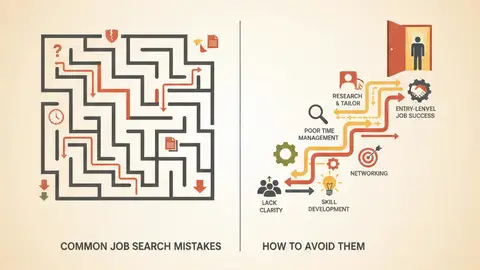
Common Job Search Mistakes Freshers Make (And How to Avoid Them)
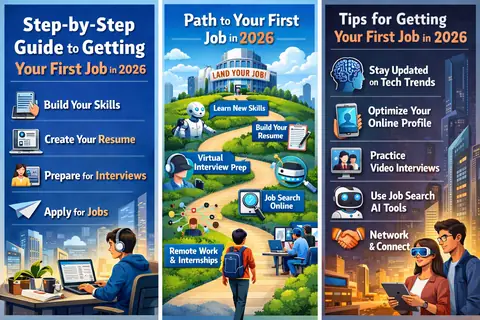
Step-by-Step Guide to Getting Your First Job in 2026

What Recruiters Look for in Online Job Applications
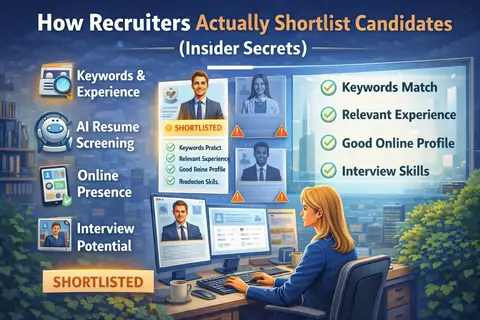
How Recruiters Actually Shortlist Candidates (Insider Secrets)
Explore Topics
Perfect Your Resume
Use our AI-powered Resume Builder to create ATS-optimized resumes.
AI Resume Builder