
Career guide
Career Planning Guide for Students - Complete Roadmap — Explained
A comprehensive career planning guide for students. Learn self-assessment, goal setting, and strategic planning to build a successful professional future.

Choosing a career is a pivotal decision for Indian students. This guide from TrueJobs provides a clear roadmap to navigate this crucial phase, from self-discovery to strategic planning for a successful future.
Career Planning Guide for Students: Your Roadmap to Success
Choosing a career is one of the most significant decisions you will make, shaping not just your professional life, but also your personal well-being, financial stability, and overall satisfaction. In the dynamic landscape of the Indian economy, where new industries emerge and evolve rapidly, a proactive approach to career planning is more crucial than ever. The sheer volume of options, coupled with societal expectations and peer pressure, can often leave students feeling overwhelmed and uncertain about their future. This comprehensive career planning guide, brought to you by TrueJobs, is designed to help Indian students move from confusion to clarity, empowering them to make informed choices that lead to a fulfilling and successful career path.
By systematically understanding yourself and the opportunities available, you can build a resilient and rewarding career that aligns with your true potential and aspirations. This guide will walk you through essential steps, from self-discovery to exploring the vast professional landscape, ensuring you are well-equipped to make strategic decisions for your future.

Benefits of Career Planning
Engaging in thoughtful career planning offers a multitude of advantages that extend far beyond simply securing a job. It's about building a foundation for sustainable success and personal growth, ensuring that your efforts are directed towards a meaningful future. This strategic approach empowers you to navigate the complexities of the modern job market with confidence and foresight, transforming potential anxieties into actionable strategies.
- Providing Direction: A clear career plan gives you a roadmap, defining your destination and the paths you can take to get there. This sense of purpose helps you make daily academic and extracurricular choices that align with your long-term aspirations. For instance, knowing you want to pursue a career in data science will guide your choice of electives in college, participation in relevant hackathons, and selection of online courses. It prevents aimless wandering and provides a sense of control over your future, making your educational journey more focused and productive. Without a clear direction, students might find themselves pursuing degrees or skills that don't genuinely excite them or lead to their desired professional outcomes, resulting in wasted time and resources. This clarity helps you prioritize your studies, select relevant internships, and even choose mentors who can guide you towards your specific goals.
- Reducing Stress: The uncertainty surrounding future employment can be a significant source of anxiety for students, especially in a competitive job market like India's. Having a well-researched plan, even if flexible, alleviates this stress by providing a structured approach. You'll feel more prepared and less overwhelmed by the sheer number of options or the fear of making the "wrong" choice. This proactive approach transforms anxiety into actionable steps, giving you peace of mind. Knowing you've explored options, understood requirements, and prepared accordingly builds confidence, reducing the mental burden of an unknown future. It empowers you to take control of your narrative rather than feeling like a passive participant in your career journey.
- Maximising Potential: Effective career planning encourages you to introspect and identify your unique strengths, talents, and passions. By aligning your career choices with these inherent abilities, you're more likely to pursue a profession where you can excel, be motivated, and continually grow, thereby maximizing your personal and professional potential. When you genuinely enjoy what you do and are good at it, work feels less like a chore and more like a fulfilling endeavor. This alignment leads to higher job satisfaction, better performance, and greater opportunities for advancement, as you're naturally inclined to invest more effort and creativity. It allows you to leverage your natural aptitudes and develop them into marketable skills, leading to a more impactful and rewarding career.
- Staying Ahead: The professional world is constantly changing, with new technologies and industries emerging at a rapid pace. Career planning is not a one-time event but an ongoing process that encourages you to stay informed about industry trends, technological advancements, and evolving skill requirements. This foresight allows you to proactively acquire relevant skills and adapt to new opportunities, ensuring your relevance and competitiveness in the job market. For example, understanding the rise of AI can prompt you to learn machine learning, making you future-ready. In India, where digital transformation is accelerating, staying updated on skills like cloud computing, cybersecurity, and data analytics is crucial for long-term career resilience. This forward-thinking approach ensures you remain adaptable and valuable in an ever-evolving job landscape.
- Informed Decision-Making: Rather than making impulsive choices influenced by peer pressure, parental expectations, or societal norms, a planned approach enables you to make decisions based on solid research, self-awareness, and realistic expectations. This reduces the likelihood of career dissatisfaction down the road, saving you from costly career changes or prolonged periods of unhappiness. It empowers you to own your choices and their outcomes. This means choosing a college major, an internship, or a first job not just because it's popular, but because it genuinely fits your profile and long-term goals. It moves you away from reactive decisions towards proactive, well-thought-out career moves.
- Resource Optimisation: Planning helps you effectively allocate your most valuable resources: time, money, and effort. By having a clear career goal, you can direct your educational investments, skill development activities, and networking efforts towards pursuits that directly contribute to your career goals. This ensures efficiency and prevents wasted resources on irrelevant courses, certifications, or activities that don't align with your long-term vision. For instance, if you aspire to join the civil services, you'll focus your efforts on competitive exam preparation rather than pursuing a highly specialized technical certification that isn't directly relevant. This strategic allocation of resources ensures every step you take brings you closer to your desired career outcome.
Step 1: Self-Assessment – The Foundation of Your Journey
Before you can chart a course to your desired destination, you must first understand your starting point. Self-assessment is therefore the most fundamental step in career planning. It's about deep introspection to uncover your core strengths, preferences, values, and personality traits. This internal exploration provides the crucial insights needed to identify career paths that will genuinely resonate with you, leading to greater satisfaction and success. Think of it as building a strong foundation before constructing a skyscraper; a weak foundation leads to instability, just as a poor self-assessment can lead to an unfulfilling career. This step is not about finding the "perfect" job, but about understanding yourself well enough to identify a range of suitable and satisfying options.

Identify Your Interests
Your interests are powerful indicators of where your passion lies and what kind of work will keep you engaged and motivated. What subjects do you genuinely enjoy studying, even outside of exam pressure? What activities make you lose track of time, where you're fully engaged and energised? Think about your hobbies, the topics you love discussing, or the types of books and articles you gravitate towards. For example, if you love dissecting complex problems and finding innovative solutions, perhaps engineering, research, or a career in cybersecurity might be a good fit. If you enjoy creating visual content, writing stories, or designing new products, consider design, content creation, journalism, or the arts.
Similarly, if you find yourself fascinated by current affairs and human behaviour, a career in journalism, social work, psychology, or public administration might be more suitable than one in a purely technical field. If you enjoy coding for fun, pursuing a career in software development would naturally align with your passion. Don't dismiss any interest as "not a real career"; many niche interests have thriving professional avenues today, from ethical hacking to food blogging, and even professional gaming. Reflect on what truly excites you and makes you feel alive, as these are strong signals for potential career paths.
Practical Tips for Identifying Interests
- Reflect on Childhood Hobbies: Often, our earliest interests reveal innate inclinations. What did you love doing as a child? Building things, telling stories, solving puzzles, helping others? These early inclinations, often pursued purely for joy, can point towards natural talents or areas of deep curiosity that can be rekindled and developed professionally.
- Explore Diverse Subjects: Don't limit yourself to academic subjects. Explore online courses, documentaries, and books on a wide range of topics, from astrophysics to ancient history, from entrepreneurship to environmental science. Platforms like Coursera, edX, and even YouTube offer free introductory courses that can expose you to new fields without significant commitment. This broad exploration can uncover unexpected passions.
- Pay Attention to What Energizes You: What activities make you feel alive and engaged, even when they are challenging? What topics do you naturally seek out information about? When do you experience a state of "flow" where time seems to disappear? These are strong indicators of your intrinsic motivation and areas where you are likely to excel and find satisfaction.
- Keep a "Curiosity Journal": Jot down anything that sparks your curiosity, any problems you'd like to solve, or any skills you'd like to acquire. Over time, patterns will emerge. This journal can be a powerful tool for self-discovery, helping you connect seemingly unrelated interests and identify overarching themes that could lead to a fulfilling career.
- Talk to People: Discuss your interests with friends, family, teachers, and mentors. Sometimes, an external perspective can help you see connections you missed. Ask them what they observe about your strengths and passions. Engaging in these conversations can offer fresh insights and validate your own observations, helping you refine your understanding of your interests.
- Volunteer or Join Clubs: Actively participate in school clubs, community service, or volunteer opportunities that align with your nascent interests. This hands-on experience can help you determine if a theoretical interest translates into practical enjoyment and engagement. For instance, if you're interested in environmental science, volunteering for a local clean-up drive or an environmental NGO can provide valuable real-world exposure.
Recognise Your Skills and Aptitudes
This involves cataloguing both what you can do (your skills) and what you have the natural ability to learn quickly (your aptitudes). Differentiating between these helps you understand your current capabilities and your potential for growth. Skills are developed through practice and training, while aptitudes are innate talents that make certain skills easier to acquire. Recognizing both allows you to identify roles where you can immediately contribute and areas where you have a natural advantage for future development.
- Hard Skills: These are teachable abilities or skill sets that are easy to quantify and often acquired through formal education or training. Examples include coding (e.g., Python, Java, C++), data analysis (using tools like R, SQL, Excel, Tableau), advanced mathematics, specific software proficiency (e.g., AutoCAD for engineering, Photoshop/Illustrator for graphic design, SAP for enterprise resource planning, Tally for accounting), foreign language fluency (e.g., French, German, Japanese, which can open doors in multinational companies), financial modelling, digital marketing techniques (SEO, SEM, social media marketing), or even practical skills like electrical wiring or culinary arts. For Indian students, proficiency in multiple regional languages (e.g., Hindi, Tamil, Bengali, Marathi) can also be a valuable hard skill, especially in roles requiring pan-India communication, local market understanding, or government services. These skills are often listed explicitly in job descriptions and are verifiable through certifications or portfolios. Consider what technical knowledge or tools you are proficient in.
- Soft Skills: These are personal attributes that enable you to interact effectively and harmoniously with other people and navigate workplace challenges. They are often less tangible but critically important for workplace success and are highly sought after by employers. Examples include strong communication (verbal, written, and non-verbal), leadership, problem-solving, critical thinking, adaptability, emotional intelligence, teamwork, time management, negotiation, creativity, and resilience. In the diverse and collaborative Indian work environment, skills like cross-cultural communication, conflict resolution, and collaborative problem-solving are particularly valued. Reflect on group projects, leadership roles in school clubs, volunteer work, or even family responsibilities where you demonstrated these qualities. How did you resolve disagreements? How did you motivate your team? How did you manage multiple deadlines? These skills are often developed through experience and self-awareness and are crucial for career progression, regardless of the industry. Employers increasingly value soft skills as they are difficult to automate and essential for navigating complex human interactions.
Developing Your Skills
Identifying your skills is just the first step; actively developing them is crucial. For hard skills, consider online courses (Coursera, Udemy, NPTEL, edX, Simplilearn), certifications from reputable bodies (e.g., Microsoft, Google, AWS), workshops, and practical projects. Building a portfolio of your work (e.g., coding projects on GitHub, design mockups on Behance, writing samples) is an excellent way to showcase hard skills. For soft skills, engage in public speaking clubs (like Toastmasters), participate in debates, take on leadership roles in student bodies, volunteer for community initiatives, or join college committees. Actively seek feedback from teachers, mentors, and peers to understand areas for improvement. Practice active listening, participate in group discussions, and take initiative in problem-solving situations.
Remember, soft skills are best honed through consistent practice and real-world application. Don't underestimate the power of internships and part-time jobs in developing both hard and soft skills simultaneously, providing a practical learning environment.
Understand Your Values
Your values are the core principles that guide your life and choices. A career that clashes with your fundamental values will likely lead to dissatisfaction, even if it offers high pay or prestige. Consider what truly matters to you in life and how your work can align with those principles. This alignment is key to long-term job satisfaction and a sense of purpose. Values act as your internal compass, ensuring your career path feels authentic and meaningful.
- Financial Gain? If wealth creation, financial security, and a high standard of living are paramount, careers in finance, entrepreneurship, high-demand tech roles, or management consulting might be appealing. These often come with competitive salaries and opportunities for rapid advancement. However, be prepared for demanding work environments and potentially long hours. For many Indian students, financial stability is a primary driver, often linked to family responsibilities and aspirations.
- Work-Life Balance? If personal time, family, hobbies, and mental well-being are highly important, you might prioritise roles with predictable hours, remote work options, or flexible schedules over high-pressure, demanding jobs that require extensive travel or long hours. Careers in government, teaching, or certain corporate roles might offer better balance. This value often means accepting a potentially lower salary in exchange for more personal freedom. Prioritising work-life balance can lead to greater overall happiness and reduced burnout.
- Social Impact? If making a tangible difference in the community, helping others, or contributing to a larger cause is your driving force, consider careers in NGOs, public service (UPSC, State PSC roles), healthcare, education, environmental conservation, or social entrepreneurship. These roles often provide immense personal satisfaction, even if financial rewards are not always the highest. They offer a sense of purpose that transcends monetary compensation. Many young Indians are increasingly drawn to careers that address societal challenges and contribute positively to the nation.
- Creativity? For those who thrive on innovation, artistic expression, generating new ideas, or solving problems in unconventional ways, careers in design (graphic, product, UX/UI), advertising, content creation, research and development, performing arts, or media might be a better fit. These fields allow for self-expression and constant novelty, but often require a strong portfolio and a resilient spirit. The booming digital content industry in India offers numerous creative avenues.
- Leadership? If you enjoy guiding teams, strategising, taking responsibility, and influencing outcomes, look towards management roles, project leadership, entrepreneurship, or positions in policy-making. These roles often involve decision-making and motivating others towards a common goal, requiring strong interpersonal and strategic thinking skills. Leadership opportunities exist across all sectors, from corporate to public service.
- Autonomy/Independence? If you prefer working independently, having control over your projects, setting your own hours, and being your own boss, freelancing, research, certain specialized technical roles, or starting your own venture might suit you. These careers offer freedom but also require significant self-discipline, self-motivation, and the ability to manage uncertainty. The rise of the gig economy has made autonomous work more accessible than ever.
- Learning and Growth: If continuous learning, intellectual challenge, and opportunities for skill development are paramount, consider careers in research, academia, or fast-evolving tech fields. These roles often involve staying updated with the latest advancements and consistently acquiring new knowledge.
Aligning Values with Career Choices
Once you've identified your core values, actively seek out professions and organisations that embody them. Research company cultures, read employee reviews on platforms like Glassdoor or AmbitionBox, and ask questions during informational interviews about how a company supports its employees' values. For example, if social impact is crucial, look for companies with strong Corporate Social Responsibility (CSR) initiatives or consider roles in the non-profit sector. If work-life balance is key, investigate industries known for flexible work arrangements or government jobs with fixed hours. Don't compromise on your fundamental values, as this often leads to burnout and dissatisfaction in the long run. A strong alignment between your personal values and your professional environment is a cornerstone of long-term career satisfaction.
Cultural and Family Values
In India, family values and societal expectations often play a significant role in career choices. It's important to reflect on how these external factors align with your personal values. While respecting family wishes is important, ensuring your career path resonates with your inner self is crucial for long-term happiness and success. Open communication with family about your aspirations and values can help bridge potential gaps. Explain your reasoning, share your research, and involve them in your decision-making process where appropriate. Finding a balance between personal fulfillment and familial expectations is a common challenge for Indian students, and open dialogue is key to navigating it successfully.
This might involve educating your family about new career fields, showcasing their growth potential, or demonstrating how your chosen path can still lead to stability and success, albeit through unconventional routes.
Know Your Personality
Your personality influences how you interact with your environment, where you feel most comfortable, and how you approach tasks. Understanding your personality type can help you identify work environments and roles where you are most likely to thrive and feel productive. It's about finding a workplace culture that complements your natural tendencies, allowing you to perform at your best without constant internal struggle.
- Introvert vs. Extrovert: Are you an introvert who thrives in quiet, analytical work, gaining energy from solitude and deep focus (e.g., research, software development, writing, data analysis), or an extrovert who gains energy from social interaction, teamwork, and public engagement (e.g., sales, marketing, human resources, teaching, public relations)? Introverts often prefer roles with independent work and deep concentration, while extroverts excel in collaborative and client-facing roles. Understanding this can help you choose between a bustling open-plan office and a more secluded research lab.
- Structured vs. Flexible: Do you prefer structured, predictable environments with clear guidelines and routines (e.g., accounting, quality control, government jobs, operations management), or dynamic, fast-paced challenges that require adaptability and quick thinking (e.g., startups, event management, journalism, consulting)? Some individuals thrive on routine and order, while others are energised by constant change and novelty. This influences your comfort level with ambiguity and change.
- Thinker vs. Feeler: Do you tend to make decisions based on logic and objective analysis, prioritising facts and impartiality (e.g., science, engineering, law, finance), or are you more guided by personal values and the impact on people, focusing on harmony and empathy (e.g., social work, counseling, human resources, nursing)? This dimension influences how you approach problem-solving and interpersonal dynamics, and how you handle criticism or conflict.
- Perceiver vs. Judger: Do you prefer to keep your options open and be spontaneous, enjoying flexibility and adapting as you go (e.g., creative roles, research, project management in agile environments), or do you like to plan and organise, preferring closure and adherence to schedules (e.g., administrative roles, traditional project management, event planning)? This impacts your preferred working style and approach to deadlines, as well as your comfort with last-minute changes.
Personality assessments like the Myers-Briggs Type Indicator (MBTI), the Big Five personality traits, or even simpler online quizzes can provide valuable insights into your preferences, helping you understand what kind of work environments and roles would be most conducive to your well-being and success. For instance, an analytical and detail-oriented personality might be well-suited to data science, accounting, or scientific research, while a charismatic and people-oriented individual might thrive in sales, human resources, public relations, or marketing. Remember, these assessments are tools for self-reflection, not definitive labels. They offer a starting point for exploring suitable career paths and understanding your natural inclinations, but should not be used as the sole basis for career decisions.
Your personality can evolve, and you can adapt to different environments, but knowing your natural leanings is a powerful advantage.
Utilizing Personality Assessments
While no single test can perfectly define you, personality assessments can be excellent starting points for self-reflection. They provide a framework to understand your preferences and how they might align with different work environments. Many free online versions of these tests are available, but for deeper insights, consider professional assessments offered by career counsellors. Use the results to spark conversations about potential career paths and to understand why certain roles might feel more natural or challenging to you. Always remember that these are guides, and individual growth and adaptation are always possible. They are not meant to put you in a box, but rather to illuminate your intrinsic preferences and help you make more conscious career choices.
Step 2: Explore Career Options – Uncovering Opportunities
Once you have a deeper understanding of yourself through self-assessment, it's time to look outward and explore the vast world of career possibilities that align with your insights. This is where you connect your inner map with the external terrain, identifying potential destinations that match your strengths, interests, and values. This exploration phase is crucial for broadening your horizons and discovering paths you might not have considered before, moving beyond common perceptions to uncover truly fitting opportunities.
Research Methods
Effective career exploration requires a multi-pronged approach, combining online resources with real-world interactions. A comprehensive strategy will give you a well-rounded view of various industries and roles, helping you make informed decisions.
- Online Research: Leverage the power of the internet. Reputable job portals like TrueJobs, Naukri, LinkedIn, Indeed, and industry-specific portals (e.g., TechGig for IT, Medical Dialogues for healthcare, IIMJobs for management) are excellent starting points. Read about different industries (e.g., Information Technology, Manufacturing, Healthcare, Banking, Financial Services and Insurance (BFSI), Media & Entertainment, Green Energy, Education, Government Sector), typical job roles within them, required qualifications, average salary ranges (which can vary significantly by city and company in India), growth prospects, and day-to-day responsibilities. Look for industry reports from consulting firms (like PwC, Deloitte, EY, KPMG), company websites (for their "Careers" or "About Us" sections), and career blogs. For example, if you're interested in data science, search for "data scientist job description India," "career path data science India," or "data science salary trends India" to gather detailed, localised information. Pay attention to the skills listed in job descriptions – these are direct signals from employers about what they need. Also, explore government job portals and notifications on TrueJobs for public sector opportunities like UPSC, SSC, Banking, and State PSC exams. Utilize online forums and communities (e.g., Reddit, Quora) where professionals discuss their experiences, but always cross-reference information with official sources.
- Informational Interviews: This is an incredibly powerful, yet often underutilised, method. Reach out to professionals in fields that interest you (through LinkedIn, college alumni networks, family contacts, or even friends of friends). Request a brief, informal chat (virtual or in-person) where you ask them about their career journey, daily tasks, challenges, what they like/dislike about their job, and their advice for someone starting out. Frame it as "seeking advice and insights" rather than "asking for a job." Prepare a list of thoughtful questions beforehand. Questions like "What does a typical day look like for you?", "What skills are most important for success in your role?", "What are the biggest challenges you face?", "What advice would you give to someone starting in this field?", or "How do you see this industry evolving in the next 5-10 years?" can provide invaluable real-world perspective that you won't find online. Always send a thank-you note afterwards and offer to connect on LinkedIn. These conversations can demystify roles and provide a realistic picture of a profession.
- Job Shadowing: If possible, spend a day or a few hours observing someone in a role you're considering. This gives you a firsthand, immersive glimpse into the work environment, team dynamics, company culture, and practical aspects of the job. It can either solidify your interest or help you realise it's not for you, saving you significant time and effort down the line. Many companies, especially larger ones, have formal or informal shadowing programs. Reach out to your network or career services department to inquire about such opportunities. This is particularly valuable for understanding the unspoken aspects of a job, such as the pace, stress levels, and interpersonal dynamics.
- Internships and Volunteering: These are hands-on research methods and arguably the most effective way to test out a career path. Gaining firsthand experience through internships, part-time jobs, or volunteer work in relevant sectors allows you to apply your academic knowledge, understand industry culture, build your professional network, and develop practical skills, all while gaining valuable experience for your resume. Look for internships offered by Indian companies in your preferred sector through platforms like TrueJobs, Internshala, LinkedIn, or college placement cells. Even unpaid internships can provide priceless experience and open doors to future opportunities. Volunteering for NGOs or community projects can also offer exposure to different work environments and help you develop soft skills, demonstrating initiative and social responsibility to future employers. These experiences are invaluable for confirming your interests and building a strong foundation for your career.
Leveraging Educational Institutions
Your school or college career services department is a valuable resource. They often have counsellors who can provide personalised guidance, host career fairs where you can meet recruiters from various companies, organise workshops on resume writing and interview skills, and maintain databases of alumni who can offer guidance and networking opportunities. Don't hesitate to utilise these services, as they are specifically designed to help students like you navigate their career journey. Many institutions also have industry tie-ups that can facilitate internships and placements. Actively participate in career workshops, attend guest lectures by industry experts, and engage with alumni networks to gain insights and build connections. These resources are often underutilized but can provide a significant advantage in your career exploration.
Networking: Building Your Professional Circle
Networking is more than just collecting business cards; it's about building genuine relationships with people in your desired field. These connections can provide insights, mentorship, and even job opportunities. Attend industry events, webinars, and college alumni meetups. Join professional groups on LinkedIn. When you connect with someone, focus on learning from them and offering value, rather than immediately asking for a job. A strong professional network is an invaluable asset throughout your career, especially in a relationship-driven market like India. Start by connecting with your professors, seniors, and alumni; their guidance and introductions can be incredibly helpful. Be prepared to articulate your interests and goals clearly and concisely, and always follow up with a thank-you note.
Effective networking is a long-term investment in your career success.
Consider Future Trends
The job market is constantly evolving, driven by globalisation, technological advancements, demographic shifts, and environmental concerns.
Career Planning Guide for Students: Roadmap to Success
Explore more resources: Top Careers | Resume Help | Government Jobs
FAQs
Why is career planning important?Helps make informed career choicesWhat industries are growing?IT, healthcare, renewable energyRelated Resources
- Government Jobs After 12th Pass
- UPSC Civil Services Exam: A Beginner's Guide
- Latest Sarkari Naukri Listings
- Skill Development for Government Jobs
Put this advice into practice
Effective career planning is an ongoing process of self-discovery and strategic action. By following this roadmap, you can build a resilient and rewarding career that leverages your unique potential and aligns with the evolving Indian job market.
TrueJobs Editorial Team
TrueJobs editorial desk
This article is prepared from the sources referenced in the guide and reviewed for clarity, links and dated information. Read our editorial and corrections policy.
Continue This Topic
Follow the closest earlier and newer coverage so older archive posts keep real contextual crawl paths.
Best Career Options After 12th in India
Discover top career choices after 12th in India. TrueJobs.co.in provides comprehensive guidance on emerging opportunities and pathways.
Step-by-Step Guide to Getting Your First Job in 2026
Transition from college to career with our 2026 job guide. Master AI-proof applications and remote work strategies.
Read Next
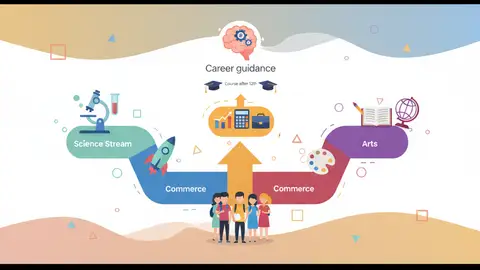
Best Career Options After 12th in India
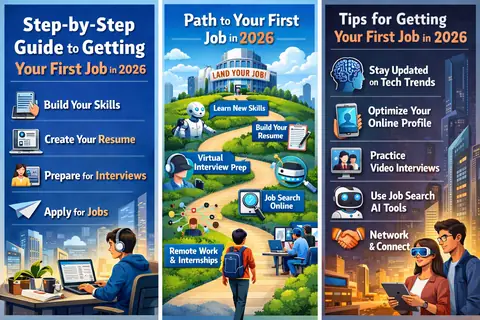
Step-by-Step Guide to Getting Your First Job in 2026

Best Career Options After Graduation in India
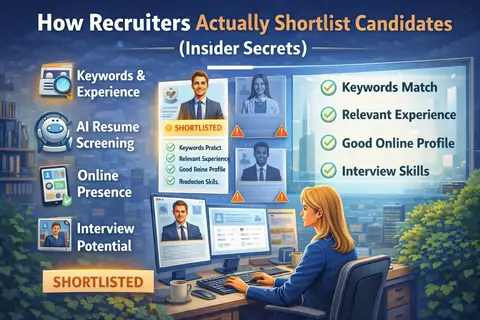
How Recruiters Actually Shortlist Candidates (Insider Secrets)
Explore Topics
Perfect Your Resume
Use our AI-powered Resume Builder to create ATS-optimized resumes.
AI Resume Builder