
Career guide
Hidden Jobs India: Uncover Unadvertised Opportunities — Explained
Discover India's hidden job market strategies. Access 70% unadvertised opportunities through networking and referrals.
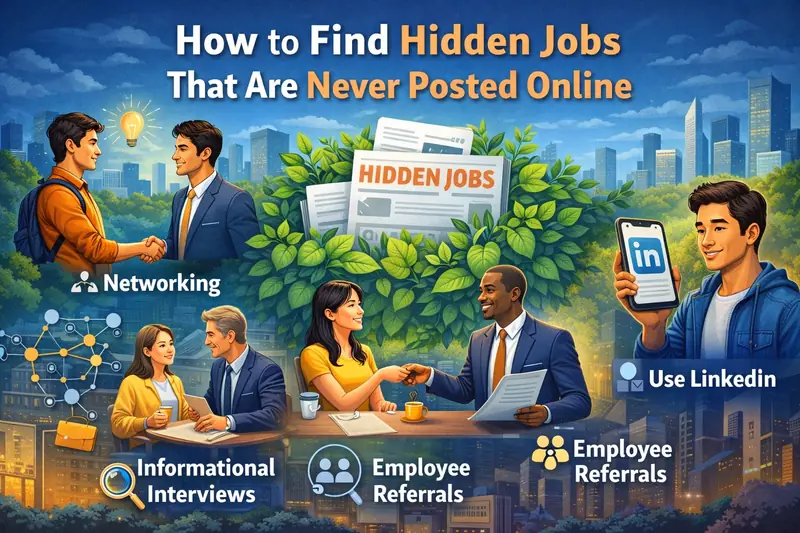
Navigating the competitive landscape of the Indian job market can be challenging, especially when a significant portion of available positions are never publicly advertised. This comprehensive guide will demystify the "hidden job market" and equip you with actionable strategies to uncover these elusive opportunities, giving you a distinct advantage in your career search.

Introduction: The Hidden Job Market Is Real
Did you know that up to 70% of jobs are never advertised publicly? These positions are filled through networking, referrals, and internal promotions before they ever reach a job board. This invisible ecosystem is called the hidden job market, and learning how to tap into it can give you a massive advantage over other candidates.
If you have been applying to dozens of jobs online with little success, it is not because you are not qualified. It is because you are only competing for 30% of available opportunities. The remaining 70% are being filled behind closed doors, often by candidates who knew about the opening before it was even formalized.
Imagine an iceberg: the small tip visible above the water represents the publicly advertised jobs. The vast, submerged portion beneath the surface is the hidden job market, teeming with opportunities that require a different approach to uncover. This hidden segment is where companies find their most trusted and often best-fit candidates, bypassing the competitive and often overwhelming process of public recruitment.


In this comprehensive guide, we will show you exactly how to uncover these hidden opportunities and strategically position yourself as the ideal candidate, often even before a job is officially posted. By understanding the dynamics of this market and adopting proactive strategies, you can shift from passively applying to actively creating your own opportunities.
Why Do Companies Hide Jobs?
Before we dive into effective strategies, it is crucial to understand the fundamental reasons why companies choose not to post every job opening publicly. This insight will empower you to tailor your approach and align with their underlying motivations:
- Cost Savings: The traditional recruitment process is surprisingly expensive. Posting on premium job boards, subscribing to applicant tracking systems, screening hundreds of applications, conducting multiple interview rounds, and background checks all incur significant costs. Hiring through referrals or direct outreach is often much cheaper and more efficient. Companies can save thousands of rupees per hire by leveraging their internal networks.
- Quality of Hire: Referred candidates tend to stay longer, perform better, and integrate more smoothly into the company culture. Companies place a high value on recommendations from their existing, trusted employees because they often come with an implicit endorsement of a candidate's work ethic and cultural fit. This reduces the risk of a bad hire, which can be incredibly costly in terms of time, money, and team morale.
- Confidentiality: Sometimes, a company is replacing an underperforming employee, restructuring a department, or launching a new, strategic project. They may not want this information to be public knowledge for competitive reasons or to maintain internal morale. In such cases, discreet hiring through trusted networks is paramount to avoid speculation or premature announcements.
- Speed: When a critical role needs to be filled urgently, managers often cannot afford to wait for weeks of public advertising and application processing. They will first reach out to their professional networks, contact known talent, or ask for internal referrals. This allows them to quickly identify and onboard qualified candidates, minimizing disruption to operations and project timelines.
- Reduced Application Volume: Public job postings can attract an overwhelming number of unqualified applications. This creates a significant burden on HR teams, who must sift through countless resumes. By tapping into the hidden market, companies can target specific talent pools, leading to a smaller, more qualified applicant pool and a more streamlined selection process.
Understanding these motivations gives you a strategic edge. You are not just begging for a job; you are positioning yourself where hiring managers are already looking, often for specific skills and cultural alignment that traditional job boards struggle to capture.
Strategy 1: Build a Powerful Professional Network
Networking is consistently cited as the single most effective way to access hidden jobs. But let's be clear: networking does not mean awkwardly handing out business cards at events or cold-calling strangers. It means building genuine, mutually beneficial relationships over time, based on trust and shared interests.
Attend Industry Events and Meetups
In 2026, both online and offline industry events are thriving across India. Platforms like Meetup, Eventbrite, and LinkedIn Events list hundreds of professional gatherings every week. Whether it is a tech conference in Bangalore, a marketing workshop in Mumbai, a fintech seminar in Chennai, or a virtual webinar on data science, these are goldmines for making valuable connections.
- Preparation is Key: Before attending, research the speakers, organizers, and any companies sponsoring the event. Identify 2-3 people you would like to meet and understand their work. This proactive research allows you to approach individuals with informed questions and demonstrate genuine interest, making a stronger first impression.
- Engage Thoughtfully: Instead of just collecting business cards, aim for meaningful conversations. Ask open-ended questions about their work, challenges, and insights. Listen more than you speak. Focus on understanding their perspective and identifying common ground, rather than immediately pitching yourself.
- Follow Up Promptly: Within 24-48 hours, send a personalized follow-up message referencing a specific point of discussion. This reinforces the connection and shows your genuine interest. A generic "nice to meet you" email is less effective than one that reminds them of your conversation about a specific industry trend or project.
Leveraging Virtual Events and Webinars
The rise of virtual events has made networking more accessible than ever. Many industry conferences, workshops, and seminars are now held online, allowing you to connect with professionals across India and even globally without geographical constraints.
- Active Participation in Chats: During virtual events, engage in the chat sections. Ask insightful questions, respond to others' comments, and share relevant resources. This can make you visible to other attendees and speakers.
- Connect on LinkedIn During the Event: If you find a speaker or attendee particularly interesting, send them a LinkedIn connection request during or immediately after the event, referencing the specific session or discussion that caught your attention.
- Follow Up with Speakers: Many speakers share their contact information or LinkedIn profiles. A polite email or message thanking them for their insights and asking a follow-up question can initiate a valuable connection.
Leverage Alumni Networks
Your college or university alumni network is one of the most underutilized resources in your job search. Alumni often feel a sense of camaraderie and are more willing to help fellow graduates. Platforms like LinkedIn have dedicated alumni search tools, and many institutions have their own alumni portals. This shared background creates an immediate bond and often leads to more open and helpful conversations.
- Identify Relevant Alumni: Use LinkedIn's alumni tool to filter by company, industry, location, and graduation year. Look for individuals in roles or companies that interest you. Prioritize those who have been in their roles for a few years, as they often have a broader network and more insights to share.
- Craft a Personalized Outreach: A simple message like, "Hi [Name], I graduated from [College] in 2025 and I am exploring opportunities in [Field]. I saw you are working at [Company Name] in a role that interests me. Would you have 10-15 minutes for a quick virtual chat to share your insights?" can open doors you never knew existed. Mentioning your shared alma mater immediately establishes common ground.
- Be Respectful of Their Time: Always offer to work around their schedule and keep your initial request brief and focused on learning, not asking for a job directly. If they agree to a call, prepare your questions in advance to make the most of their time.
Informational Interviews
An informational interview is not a job interview. It is a low-pressure conversation where you ask a professional about their career path, their company culture, their industry, and their advice. The primary goal is to learn, gain insights, and build a relationship, not to directly ask for a job. These conversations are invaluable for understanding the nuances of a role or industry that job descriptions often miss.
- How to Request One: Reach out via LinkedIn or email, explaining your interest in their career journey or industry expertise. Be clear that you are seeking advice, not a job. Frame your request around their knowledge and experience, making it clear you value their insights.
- Prepare Thoughtful Questions: Ask about their typical day, what they enjoy most/least, challenges in their industry, skills they find most valuable, and advice for someone starting out. Avoid questions easily answered by a quick Google search. Focus on questions that elicit personal experiences and perspectives.
- Listen Actively and Take Notes: Show genuine interest in their responses. This is your chance to gather valuable intelligence about potential roles and companies. Active listening also helps you identify potential areas where your skills might align with their company's needs.
- Follow Up and Maintain the Connection: Send a thank-you note. Later, you might share an article relevant to your conversation or update them on your progress, keeping the relationship warm. Often, these conversations naturally lead to job referrals or insights into unadvertised roles. This long-term approach to relationship building is key to unlocking hidden opportunities.
Networking Etiquette and Follow-up
Building a powerful network is an ongoing process that requires consistent effort and good etiquette. It's about nurturing relationships, not just collecting contacts. Think of your network as a garden that needs continuous tending.
- Be a Giver, Not Just a Taker: Offer help, share valuable information, or make introductions for others in your network. Reciprocity is key to strong relationships. If you consistently provide value, people will be more inclined to help you when you need it.
- Personalize Every Interaction: Generic messages are easily ignored. Always tailor your communication to the individual and reference previous interactions or shared interests. This shows you pay attention and value the relationship.
- Regular Check-ins: Don't just reach out when you need something. Periodically check in with your connections, share updates on your career, or congratulate them on their achievements. A quick message to say "I saw your company launched X, congratulations!" can keep the relationship warm.
- Maintain Professionalism: Always be polite, respectful, and mindful of others' time. A strong professional reputation is your greatest asset. This includes being punctual for calls, responding to messages in a timely manner, and always expressing gratitude.
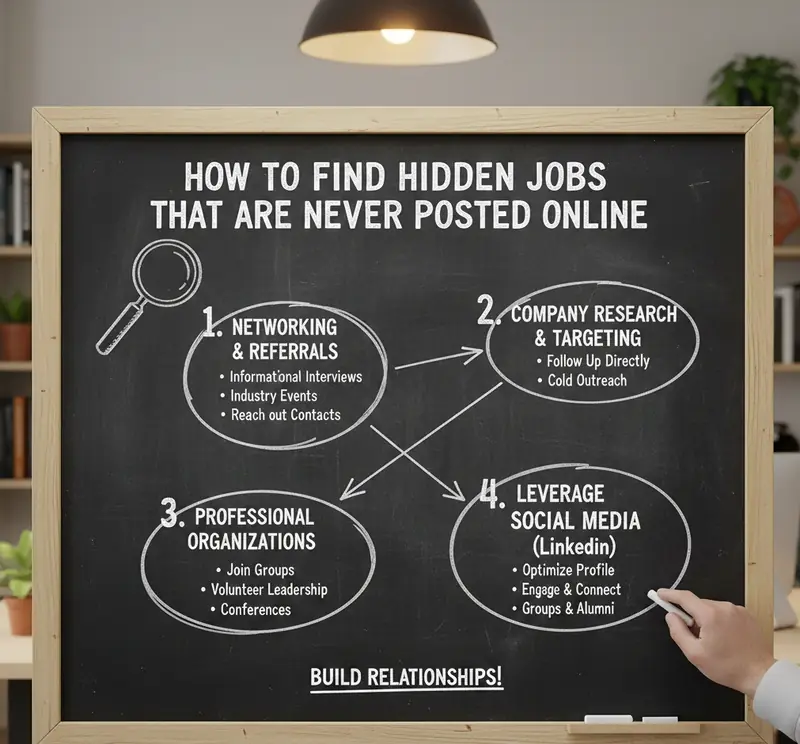
Strategy 2: Master LinkedIn for Hidden Opportunities
LinkedIn is far more than just a job board; it is arguably the most powerful tool for accessing the hidden job market in India and globally. When used strategically, it can connect you directly with decision-makers and unadvertised roles. It acts as your digital professional identity and a dynamic networking platform.
Optimize Your Profile for Discovery
Think of your LinkedIn profile as your digital resume and personal brand. Recruiters and hiring managers use LinkedIn's search functions extensively. Make sure your profile is optimized with relevant keywords to ensure you appear in their searches. A well-optimized profile is your 24/7 marketing tool.
- Compelling Headline: Instead of a generic "Recent Graduate" or "Seeking Opportunities," use a keyword-rich headline like "Aspiring Digital Marketing Specialist | SEO, Content Strategy, Social Media Management | Driving Brand Growth." This immediately tells recruiters what you do and what value you offer.
- Detailed Summary: Craft a concise yet comprehensive summary that highlights your key skills, experiences, career aspirations, and what value you bring. Use industry-specific keywords naturally. This section is your elevator pitch, so make it impactful and easy to read.
- Rich Experience Section: Don't just list job duties. Use action verbs and quantify your achievements whenever possible (e.g., "Increased website traffic by 20%," "Managed projects for 5 clients"). Specific numbers and results make your experience more credible and impressive.
- Skills & Endorsements: List all relevant hard and soft skills. Seek endorsements from colleagues and managers to validate your expertise. The more endorsements you have for key skills, the more credible you appear in search results.
- Recommendations: Actively seek recommendations from former managers, colleagues, or clients. These testimonials provide social proof of your capabilities and work ethic, significantly enhancing your profile's credibility.
Engage with Company Content
Following your target companies and actively engaging with their posts is a subtle yet powerful way to get noticed by hiring managers and team leads. It shows your genuine interest and keeps you informed about their activities.
- Thoughtful Comments: Go beyond "Great post!" Add value by sharing an insight, asking a relevant question, or offering a constructive perspective. This demonstrates your expertise and engagement. For example, if a company posts about a new product, comment on its potential impact or a specific feature.
- Share Relevant Articles: Share industry news or thought leadership pieces, tagging relevant companies or individuals. This positions you as an informed professional and a valuable contributor to industry discussions.
- Interact with Key Personnel: Pay attention to posts from hiring managers, team leads, and senior executives at your target companies. Engaging with their content can make your name familiar to them. This can be a soft introduction before you even send a connection request.
Use the "Open to Work" Feature Strategically
LinkedIn allows you to signal to recruiters that you are open to new opportunities without necessarily broadcasting it to your entire network (though you can choose to do so). This feature is a direct line to recruiters actively searching for candidates. It streamlines the process for both you and potential employers.
- Specify Your Preferences: Clearly define your preferred job titles, locations, work types (full-time, contract), and desired start date. This helps recruiters match you accurately. The more specific you are, the better the quality of leads you'll receive.
- Control Visibility: You can choose to make this visible to "All LinkedIn members" (adding a green #OpenToWork frame to your profile picture) or "Recruiters only." The latter is ideal if you are currently employed and want to keep your job search discreet.
Send Personalized Connection Requests
A generic connection request is often ignored. Always include a brief, personalized note explaining why you want to connect. This significantly increases the chances of your request being accepted and remembered.
- Reference a Shared Connection or Interest: "Hi [Name], I saw we are both connected to [Mutual Connection] and I've been following your work on [Topic]. I'd love to connect and learn more about your insights." This leverages existing relationships.
- Express Admiration for Their Work/Company: "Dear [Name], I'm very impressed by [Company Name]'s recent project in [specific area]. As an aspiring [Your Role], I'd be grateful to connect with professionals like yourself in the field." This shows you've done your research.
- Keep it Concise: LinkedIn connection requests have a character limit, so be direct and to the point. Focus on one clear reason for connecting.
Leveraging LinkedIn Groups and Alumni Tools
LinkedIn offers several features that can help you dive deeper into the hidden job market.
- Join Relevant Groups: Participate in industry-specific LinkedIn Groups. These are often places where members share unadvertised job leads, discuss industry trends, and offer advice. Engage actively to build your reputation. Look for groups related to your specific skills, industry, or even location (e.g., "AI Professionals India," "Fintech Innovators Mumbai").
- Utilize the Alumni Tool: As mentioned earlier, LinkedIn's alumni search function (found on your university's page) is incredibly powerful for identifying and connecting with graduates working in your target companies or industries. This tool allows you to filter by company, job title, and location, making it easy to find relevant contacts.
Proactive Search on LinkedIn
Don't just wait for jobs to appear in your feed. Use LinkedIn's advanced search filters to proactively find potential opportunities and connections. This active approach can uncover leads that passive browsing might miss.
- People Search: Search for hiring managers, team leads, or department heads at your target companies. Connect with them and engage with their content. You can use keywords like "Hiring Manager," "Head of [Department]," or "Recruiter" along with company names.
- Company Search: Follow companies that interest you. Look at their "People" section to identify potential connections. You can also monitor their "Life" tab for insights into company culture and current projects.
- Content Search: Search for posts related to "hiring," "new projects," or "team expansion" within your target industry. This can reveal early signs of growth and potential openings. Use search operators like "hiring OR expanding" within a specific industry or company.
Strategy 3: Target Companies Directly
Instead of waiting for job postings to appear, take a proactive approach by going directly to the companies you want to work for. This demonstrates initiative and allows you to bypass the competition of public applications.
Create a Target Company List
Identifying the right companies is the first critical step. This isn't just about big names; it's about finding organizations that align with your career goals, values, and preferred work environment. A well-researched list ensures your efforts are focused and effective.
- Research Industries and Growth Areas: Look for sectors experiencing rapid growth in India (e.g., AI, renewable energy, fintech, e-commerce, healthcare tech). These industries are more likely to have unadvertised openings due to rapid expansion.
- Identify Companies That Align with Your Values: Do you prefer startups, MNCs, or social enterprises? Research their mission, culture, and recent news. Working for a company whose values resonate with yours can significantly impact job satisfaction.
- Consider Location and Commute: Factor in your preferred geographical area and practicalities of daily travel. While remote work is growing, many roles still require proximity.
- Look for Signs of Growth: Recent funding rounds, new product launches, expansion into new markets, or executive hires are all indicators that a company might be hiring soon. Follow business news and industry publications for these clues.
- Review "Best Places to Work" Lists: Publications and platforms often release lists of top employers. These can be a good starting point for identifying companies with strong cultures and growth potential.
Send Speculative Applications
A speculative application (also known as a "cold application" or "expression of interest") is an email or message you send to a company expressing your interest in working with them, even when no specific position is advertised. This is a direct approach to the hidden job market, showing initiative and a proactive mindset.
- Address it to a Specific Person: Never send it to a generic HR inbox. Use LinkedIn or the company website to find the name and email of a hiring manager, department head, or even a senior team member in your target area. A personalized approach is crucial for standing out.
- Highlight Your Value Proposition: Clearly articulate how your skills and experience can benefit their company, referencing specific projects, values, or challenges they might be facing. This demonstrates you've done your homework and understand their needs.
- Keep it Concise and Professional: Hiring managers are busy. Get straight to the point, express enthusiasm, and attach your tailored resume. The goal is to pique their interest enough for them to want to learn more.
Template for Speculative Application:
Subject: Passionate [Your Role/Skillset] Looking to Contribute to [Company Name]'s [Specific Department/Project]
Dear [Hiring Manager Name],
I have been following [Company Name]'s impressive growth in [specific area, e.g., sustainable technology, digital transformation] and I am particularly impressed by [specific achievement or project, e.g., your recent launch of X product, your commitment to Y initiative]. As a [Your Qualification, e.g., seasoned Software Developer, recent MBA graduate] with a proven track record in [Relevant Skills, e.g., developing scalable web applications, optimizing marketing campaigns], I believe I can add significant value to your team, particularly in [mention a specific area or problem you can solve].
For example, in my previous role at [Previous Company], I [mention a quantifiable achievement relevant to their company, e.g., led a project that reduced operational costs by 15%, developed a content strategy that increased engagement by 25%]. I am eager to contribute my expertise to a forward-thinking organization like yours.
I would welcome the opportunity to discuss how my background aligns with your current or future goals. I have attached my resume for your reference and would be grateful for a brief chat at your convenience.
Thank you for your time and consideration.
Sincerely,
[Your Name]
[Your LinkedIn Profile URL]
[Your Phone Number]
Follow Up Professionally
Many job seekers give up after the first attempt. A polite, well-timed follow-up can make all the difference and demonstrate your genuine interest and persistence. It shows you are serious about the opportunity.
- Timing: If you do not hear back within a week, send a polite follow-up email. Avoid sending multiple emails within a short span, as this can be perceived as pushy.
- Content: Briefly reiterate your interest and reference your previous email. Avoid sounding demanding or impatient. You can add a new piece of information or insight related to their company to show continued engagement.
- Persistence, Not Annoyance: One or two follow-ups are generally sufficient. If you still don't hear back, move on, but keep them in your network. The goal is to stay on their radar, not to harass them.
Researching Company Needs and Culture
Before sending any speculative application, thorough research is paramount. This allows you to tailor your message and demonstrate genuine interest, significantly increasing your chances of a positive response. Understanding a company's DNA helps you speak their language.
- Company Website and News: Look for their "About Us" section, recent press releases, blog posts, and annual reports. Understand their products, services, and market position. This provides a foundational understanding of their business.
- Social Media Presence: Follow them on LinkedIn, Twitter/X, and Instagram. Observe their tone, values, and the types of content they share. This gives you a feel for their public persona and culture.
- Employee Reviews: Websites like Glassdoor or AmbitionBox offer insights into company culture, employee satisfaction, and interview processes. These platforms can reveal unwritten rules or common challenges within the organization.
- Industry Reports: Understand the challenges and opportunities facing their industry. This helps you speak their language and offer relevant solutions. Being knowledgeable about their market demonstrates strategic thinking.
- Recent Job Postings (Even if Not for You): Reviewing their publicly advertised jobs can give you clues about the skills and roles they are currently prioritizing, even if those specific roles aren't a fit for you. This helps you understand their growth areas.
Strategy 4: Leverage Employee Referrals
Employee referral programs are one of the most common and effective ways hidden jobs get filled. Many Indian companies, from large IT services firms like TCS, Infosys, Wipro, and HCLTech to burgeoning startups, offer attractive referral bonuses to employees who recommend successful hires. This incentivizes employees to connect their networks with internal opportunities. A referral can often be your golden ticket past initial screening barriers.
How to Get Referred
- Identify Connections: Use LinkedIn to find individuals working at your target company. Look for people in roles similar to what you're seeking or in the department you wish to join. Focus on second-degree connections if you don't have direct ones.
- Build a Relationship First: Do not immediately ask for a referral. Start by connecting, engaging with their content, or requesting an informational interview. Show genuine interest in their work and the company. The goal is to establish rapport and trust before making any requests.
- Demonstrate Your Value: During your interactions, subtly highlight your skills, experience, and how you could contribute to the company. Make it clear you've done your homework on the company and the role. This makes it easier for your connection to confidently refer you.
- Make it Easy for Them: When you do ask for a referral, provide your updated, tailored resume, a brief summary of the specific role you are interested in (even if it's not publicly posted), and a concise explanation of why you are a good fit. This minimizes the effort required from your referrer, increasing the likelihood they will help.
- Express Gratitude: Regardless of the outcome, always send a heartfelt thank-you message. A simple gesture of appreciation goes a long way in maintaining a positive professional relationship.
The Benefits of Being Referred
Being referred offers significant advantages for both the candidate and the company:
- Increased Visibility: Your application often gets fast-tracked and reviewed by a hiring manager directly, bypassing initial HR screening filters. This means your resume is more likely to be seen by the decision-maker.
- Credibility Boost: A referral from an existing employee acts as a strong endorsement, lending credibility to your application. It signals to the hiring team that you are a known quantity, at least indirectly.
- Insider Information: Your referrer can provide valuable insights into the company culture, interview process, and specific team dynamics, helping you prepare better. This "inside scoop" can be invaluable for tailoring your application and interview responses.
- Faster Hiring Process: Referred candidates often move through the hiring funnel more quickly due to the trust factor involved. Companies save time and resources by relying on trusted recommendations.
- Better Fit: Employees are unlikely to refer someone who wouldn't be a good fit, as their own reputation is on the line. This often leads to a better cultural and skill alignment for both parties.
Strategy 5: Join Professional Communities and Groups
Professional communities, both online and offline, are dynamic ecosystems where industry professionals connect, share knowledge, and often, share unadvertised job leads. These platforms offer a more informal and direct route to opportunities, acting as a pulse on the industry's hiring needs.
Online Communities
- LinkedIn Groups: Join groups specific to your industry, profession, or even location (e.g., "Digital Marketers India," "Python Developers Bangalore"). Actively participate in discussions, share insights, and look for job postings or informal inquiries. These groups are often where early-stage job discussions happen.
- Reddit: Subreddits like r/india, r/developersIndia, r/Indian_Academia, or r/fintechindia often have dedicated job threads, referral opportunities, or discussions where unadvertised roles are mentioned. Be sure to check the rules of each subreddit regarding job postings.
- Discord and Slack Communities: Many niche industries, especially in tech, gaming, and design, have dedicated Discord servers or Slack workspaces where professionals network, collaborate, and share job opportunities informally. These are often more real-time and interactive than traditional forums.
- WhatsApp Groups: In India, industry-specific WhatsApp groups are incredibly popular and a common source of unadvertised job leads, especially for startups and local businesses. Ask your network if they know of any relevant groups you can join. These can be highly localized and very effective.
- Telegram Channels: Similar to WhatsApp, many professional and industry-specific Telegram channels exist where job openings and industry news are shared. These often act as broadcast channels for recruiters and hiring managers.
- Specialized Forums and Platforms: Depending on your field, there might be dedicated online forums or platforms. For example, designers might use Behance or Dribbble, while developers might frequent Stack Overflow or GitHub communities. These platforms often have job boards or community sections where opportunities are shared.
Offline Communities
- Professional Associations: Organizations like NASSCOM (for IT), CII (Confederation of Indian Industry), FICCI (Federation of Indian Chambers of Commerce & Industry), or local chambers of commerce host regular events, workshops, and conferences where you can meet potential employers and industry leaders. Membership often provides access to exclusive networking events and resources.
- Volunteering: Volunteering for industry events, conferences, or causes related to your field can help you build relationships with professionals who might refer you later. It also demonstrates your commitment and passion, and allows you to showcase your skills in a practical setting.
- Local Meetups: Beyond formal events, look for local meetups related to your skills (e.g., "JavaScript Developers Meetup," "Product Management Forum"). These smaller, more informal gatherings are excellent for building genuine connections and often lead to casual conversations about job openings.
- Workshops and Training Programs: Enrolling in specialized workshops or training programs can not only enhance your skills but also connect you with instructors and fellow participants who are active in the industry and might know of opportunities.
Active Participation vs. Passive Observing
Simply joining a group or community is not enough. To truly leverage these platforms for hidden jobs, you must be an active participant. Your visibility and reputation within these communities directly correlate with the opportunities that come your way.
- Contribute Value: Share your expertise, answer questions, and offer helpful resources. This establishes you as a knowledgeable and engaged member. Don't just lurk; participate in discussions.
- Ask Thoughtful Questions: Show your curiosity and willingness to learn. Engaging with others' posts and asking insightful questions can spark conversations and make you memorable.
- Be Consistent: Regular, positive engagement makes you a familiar and respected presence within the community, increasing your chances of being considered for opportunities.
- Maintain Professionalism: Even in informal groups, uphold professional standards in your communication. Your online persona reflects on your professional brand.
Strategy 6: Work with Recruitment Agencies
Recruitment agencies, also known as staffing firms or headhunters, specialize in connecting candidates with companies. They often have access to jobs that are never posted publicly because companies outsource their hiring needs to them, especially for specialized, entry-level, and mid-level positions. These agencies act as gatekeepers to a significant portion of the hidden job market.
How to Approach Agencies
- Register with Reputable Agencies: Focus on well-known and specialized agencies in India such as Randstad India, TeamLease, ManpowerGroup, Adecco India, Kelly Services, or local niche agencies that specialize in your industry (e.g., IT recruitment, finance recruitment). Research their track record and client base.
- Be Clear and Concise: Clearly articulate your skills, experience, career preferences (industry, role, location, salary expectations), and what kind of opportunities you are seeking. Provide them with a polished, up-to-date resume. The more specific you are, the better they can match you.
- Build a Relationship with a Recruiter: Try to connect with a specific recruiter who specializes in your field. They can become a valuable advocate for you. A good recruiter will understand your aspirations and actively look for suitable roles.
- Follow Up Regularly: Agencies manage many candidates. A polite follow-up every few weeks (without being pushy) helps you stay on their radar and shows your continued interest. A quick email or call to check in can make a difference.
- Be Honest: Always be transparent about your job search status, other interviews, and salary expectations. This builds trust with the recruiter and helps them manage expectations with potential employers.
- Prepare for Their Screening: Recruiters often conduct their own initial screenings, which might include skill assessments or preliminary interviews. Treat these seriously, as they are your first step to being presented to their clients.
Building a Relationship with Your Recruiter
Think of your recruiter as an ally in your job search. A strong relationship can significantly enhance your chances of landing a hidden job. They are often your best advocate within the hiring process.
- Communicate Effectively: Respond promptly to their calls and emails. Provide feedback after interviews. Good communication ensures they can represent you accurately and efficiently.
- Be Specific: The more precise you are about your ideal role and company, the better they can match you. Don't be afraid to articulate your non-negotiables and your preferences.
- Trust Their Expertise: Recruiters often have deep insights into the job market and specific companies. Listen to their advice, even if it challenges your initial assumptions. They know what companies are looking for.
- Provide References: Have your professional references ready when requested. Strong references can significantly boost your credibility with both the recruiter and the hiring company.
- Give Feedback: After interviews, provide honest feedback to your recruiter about the role, company, and your experience. This helps them refine their search for you and improve their client relationships.
Strategy 7: Use Social Media Beyond LinkedIn
While LinkedIn is the primary professional network, other social media platforms can also be surprisingly effective for discovering hidden opportunities, especially in creative fields, startups, and specific industries. These platforms offer a more informal and often real-time glimpse into company activities and hiring needs.
- Twitter/X: Follow industry leaders, company accounts, and recruiters in your field. Many individuals and organizations share job openings, internship opportunities, or even hints about future hiring needs on Twitter/X before posting them elsewhere. Use relevant hashtags (e.g., #jobsinindia, #techjobs, #hiring) to find opportunities. Engage with posts from companies you admire.
- Instagram: Some companies, particularly startups, creative agencies, and those targeting younger demographics, post job openings or "we're hiring" announcements on their Instagram stories, posts, or in their bio links. Follow your target companies and engage with their content. Look for "link in bio" for career pages.
- Facebook Groups: Industry-specific Facebook groups in India are active sources of job leads, especially for local businesses, small and medium enterprises (SMEs), and specific communities. Search for groups like "Marketing Jobs in Delhi," "Startup Jobs India," or groups related to your specific skill set. Many smaller businesses rely on these groups for recruitment.
- Personal Branding: Maintain a professional image across all your public social media profiles. Recruiters often check these platforms to get a broader sense of a candidate's personality and interests. Ensure your public content aligns with your professional aspirations.
- YouTube: Some companies use YouTube to showcase their culture, team, and even specific projects. Watching these videos can give you insights into their environment and help you tailor your applications. Occasionally, they might mention hiring needs.
Personal Branding Across Platforms
Your online presence is your digital resume. Ensure consistency and professionalism across all platforms. A cohesive personal brand reinforces your professional image and makes you more appealing to potential employers.
- Consistent Messaging: Ensure your professional narrative is consistent across LinkedIn, Twitter/X, and any other public profiles. What you say about your skills and aspirations should be aligned.
- Professional Profile Pictures: Use clear, professional photos across all platforms. A consistent, professional headshot helps with brand recognition.
- Curate Your Content: Share articles, insights, and engage in discussions that reflect positively on your professional interests and expertise. Your public activity should demonstrate your knowledge and passion for your field.
- Privacy Settings: Review your privacy settings to ensure personal content is appropriately restricted, while professional content is accessible. Maintain a clear distinction between your personal and professional online presence.
- Showcase Your Work: For creative or technical roles, use platforms like GitHub, Behance, or a personal website to showcase your portfolio or projects. Link these from your social media profiles.
Common Mistakes to Avoid
While pursuing hidden jobs, it's easy to fall into common traps that can hinder your progress. Being aware of these pitfalls can help you navigate the hidden job market more effectively:
- Being Too Transactional: Networking is about building relationships, not just collecting contacts or asking for favors. If your interactions are always about what you can get, people will disengage. Focus on genuine connection and offering value first.
- Lack of Follow-Up: Many job seekers fail to follow up after an initial connection, informational interview, or speculative application. Consistent, polite follow-up is crucial for staying on someone's radar and demonstrating your persistence.
- Not Tailoring Your Approach: Sending generic emails, resumes, or LinkedIn messages is a common mistake. Every outreach should be personalized to the individual and the company, showing you've done your homework and genuinely understand their needs.
- Giving Up Too Soon: The hidden job market requires patience and persistence. You might not get an immediate response, or your first few attempts might not lead to anything. Keep refining your approach and continue your efforts.
- Poor Online Presence: An unprofessional or inconsistent online presence (beyond LinkedIn) can be a red flag for recruiters who often check social media. Ensure your public profiles reflect positively on your professional brand.
- Not Being Specific About Your Goals: If you're vague about what kind of role or industry you're interested in, it's difficult for your network or recruiters to help you. Be clear and concise about your career aspirations.
- Expecting an Immediate Job Offer: The goal of tapping into the hidden job market is often to uncover opportunities and build relationships that *might* lead to a job. It's a long-term strategy, not a quick fix. Manage your expectations.
- Neglecting Your Current Network: Don't just focus on new connections. Your existing network (former colleagues, mentors, friends) can be a rich source of referrals and insights. Let them know you're looking.
- Failing to Articulate Your Value: When you do get a chance to speak with someone, be prepared to clearly and concisely articulate what value you can bring to a company. Focus on solutions and results, not just tasks.
- Ignoring Feedback: If someone offers advice or constructive criticism, listen to it. It's an opportunity to learn and improve your strategy.
By avoiding these common pitfalls, you can significantly increase your effectiveness in navigating the hidden job market and ultimately land a fulfilling role.
Key Takeaways for Navigating the Hidden Job Market
Successfully tapping into the hidden job market requires a fundamental shift in your job search approach. It moves beyond passive application to active engagement and strategic relationship building. Here are the core principles to remember:
- Proactivity is Paramount: Don't wait for jobs to be advertised. Actively seek out companies, individuals, and communities that align with your career goals.
- Relationships Over Resumes: While a strong resume is essential, genuine connections and referrals often open doors that a resume alone cannot. Invest time in building and nurturing your network.
- Research is Your Superpower: Thoroughly research companies, industries, and individuals before every interaction. This allows you to tailor your approach and demonstrate genuine interest and understanding.
- Value Proposition: Always be prepared to articulate the specific value you can bring to a company. Focus on how you can solve their problems or contribute to their success.
- Persistence and Patience: The hidden job market is not a quick fix. It requires consistent effort, follow-up, and resilience. Not every interaction will lead to an immediate opportunity, but every connection is a potential future lead.
- Leverage All Tools: Utilize LinkedIn to its fullest potential, but also explore other social media platforms, professional communities, and recruitment agencies. A multi-pronged approach is most effective.
- Personal Branding Matters: Your professional reputation, both online and offline, is crucial. Ensure your presence is consistent, professional, and reflects your aspirations.
By embracing these strategies, you're not just looking for a job; you're actively creating opportunities, positioning yourself as a sought-after talent, and gaining a significant competitive advantage in the dynamic Indian job market. Remember, the best jobs are often found, not just applied for.
FAQ
What is the "hidden job market"?
The hidden job market refers to job openings that are never publicly advertised on job boards or company websites. These positions are typically filled through internal promotions, employee referrals, networking, or direct outreach by hiring managers and recruiters. Estimates suggest that up to 70% of all jobs fall into this category.
Why should I focus on the hidden job market instead of just applying online?
Focusing on the hidden job market gives you a significant competitive advantage. Publicly advertised jobs often receive hundreds, if not thousands, of applications, making it difficult to stand out. By tapping into hidden opportunities, you're competing with a much smaller pool of candidates, often getting direct access to hiring managers, and benefiting from the trust and credibility that comes with a referral or direct connection. This often leads to a faster hiring process and a better cultural fit.
How can freshers or those with limited experience access hidden jobs?
Even freshers can access the hidden job market by focusing on networking, informational interviews, and building a strong online presence. Leverage your college alumni network, attend industry-specific student events, volunteer for relevant projects, and actively participate in online professional communities. While direct referrals might be harder initially, building relationships and demonstrating your enthusiasm and potential can lead to internships, entry-level roles, or being considered for unadvertised junior positions. Tailor your speculative applications to highlight your academic achievements, projects, and transferable skills.
Is it appropriate to ask for a referral if I don't know someone well?
It's generally not advisable to immediately ask for a referral from someone you've just connected with or don't know well. The best approach is to build a genuine relationship first. Start by engaging with their content, asking for an informational interview to learn about their role or company, and demonstrating your value and interest over time. Once a rapport is established, and you've shown you're a good fit, then you can politely inquire about referral opportunities, making it easy for them to help you by providing all necessary information.
How long does it typically take to find a hidden job?
There's no fixed timeline, as it varies greatly depending on your industry, experience level, and the effort you put in. However, finding a hidden job often requires patience and persistence, as it's a relationship-building process. It could take anywhere from a few weeks to several months. The key is to maintain consistent networking efforts, follow up diligently, and continuously refine your approach. The benefits, however, often outweigh the time investment, leading to more suitable and fulfilling roles.
Should I stop applying to advertised jobs if I'm focusing on the hidden market?
No, it's generally recommended to maintain a balanced approach. While the hidden job market offers significant advantages, publicly advertised jobs still account for a substantial portion of opportunities. Continue to apply for relevant advertised positions while actively pursuing strategies to uncover hidden roles. This multi-pronged approach maximizes your chances of success. You can find many advertised Sarkari Naukri and other private sector jobs on portals like TrueJobs.co.in, and these can
How to Find Hidden Jobs Never Posted Online
Learn more about networking strategies, resume optimization, and government job opportunities.
TrueJobs Editorial Team
TrueJobs editorial desk
This article is prepared from the sources referenced in the guide and reviewed for clarity, links and dated information. Read our editorial and corrections policy.
Continue This Topic
Follow the closest earlier and newer coverage so older archive posts keep real contextual crawl paths.
Step-by-Step Guide to Getting Your First Job in 2026
Transition from college to career with our 2026 job guide. Master AI-proof applications and remote work strategies.
How Recruiters Actually Shortlist Candidates (Insider Secrets)
Unlock recruiter shortlisting secrets! Learn what makes candidates stand out and boost your job prospects with expert tips.
Read Next

Best Job Portals in India Compared (Free vs Paid)

RRB NTPC 2026 Exam: Complete Preparation Roadmap

How Often Should You Apply for Jobs Daily?

SBI PO 2026 Exam: How to Crack It on Your First Attempt
Explore Topics
Perfect Your Resume
Use our AI-powered Resume Builder to create ATS-optimized resumes.
AI Resume Builder