
Career guide
Get a Job in India With No Experience — Explained
Practical guide on how to get a job in India with no experience covering profile building, job search, and interview tips.

Getting your first job in India without experience can feel like a catch-22, a classic dilemma where you need experience to secure a job, but you need a job to gain that experience. This situation can be particularly daunting for fresh graduates and individuals entering the workforce for the first time in a competitive market like India. The sheer volume of graduates entering the workforce annually, coupled with a demand for 'job-ready' skills, often leaves freshers feeling overwhelmed. However, it's a challenge that many have successfully navigated, and with the right strategies, you too can break into the job market.
This comprehensive guide aims to equip freshers with practical advice, actionable steps, and a positive mindset to land their first professional role, turning the perceived disadvantage of 'no experience' into an opportunity to showcase potential and eagerness to learn.

The Indian job market, while vast and diverse, values practical skills and a proactive approach. Employers are increasingly looking beyond traditional academic qualifications to candidates who demonstrate initiative, adaptability, and a genuine passion for their chosen field. The rise of startups, the gig economy, and a focus on digital transformation means that companies are often open to hiring individuals who can quickly learn and contribute. By strategically building your profile, employing smart job search techniques, and mastering interview skills, you can effectively communicate your value proposition to potential employers, even without prior formal work experience.
Building Your Profile Without Work Experience
The notion that you need formal work experience to build a compelling profile is a common misconception. In reality, employers are interested in your potential, your skills, and your willingness to learn and contribute. For freshers, the key is to highlight experiences that demonstrate these qualities, even if they aren't traditional full-time jobs. This involves a strategic approach to showcasing what you have learned and achieved through various avenues.
Internships and Volunteering: Gaining Practical Exposure
Internships are arguably the closest you can get to formal work experience without actually having a job. They provide invaluable practical exposure, allowing you to apply theoretical knowledge in a real-world setting. Many companies, both large corporations and startups, offer internships specifically for students and recent graduates. These can be paid or unpaid, full-time or part-time, and can range from a few weeks to several months.
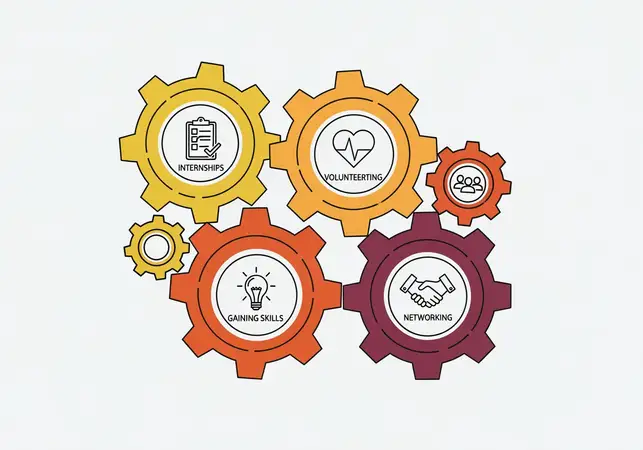
- Why Internships Matter: Internships help you understand industry dynamics, develop professional etiquette, build a network, and often lead to pre-placement offers. They are a tangible way to demonstrate your commitment and capability to potential employers.
- How to Find Internships: Utilize online platforms like Internshala, LinkedIn, Naukri, and company career pages. Attend college placement drives and career fairs. Network with seniors and professors who might have leads.
- Making the Most of an Internship: Be proactive, ask questions, take initiative, and volunteer for tasks. Document your achievements and responsibilities. Seek feedback from your supervisors and build strong professional relationships.
Volunteering, while often unpaid, can be equally beneficial. It demonstrates social responsibility, teamwork, leadership, and problem-solving skills. Working for NGOs, community projects, or event management teams can provide experiences that are highly valued by employers, especially when you can articulate the skills you developed.
- Benefits of Volunteering: Develops soft skills, expands your network, provides a sense of purpose, and enhances your resume. It shows initiative and a willingness to contribute beyond personal gain.
- Where to Volunteer: Look for opportunities with local NGOs, social enterprises, educational institutions, or even within your college community for various events and initiatives.
Skill Development: Beyond Academic Qualifications
In today's dynamic job market, academic qualifications alone are often not sufficient. Employers seek candidates with a strong set of practical skills, both technical and soft. Investing time in developing these skills can significantly boost your employability.
- Technical Skills: Identify the core technical skills required for your desired industry or role. For IT, this might include programming languages (Python, Java), data analysis tools (SQL, Excel), web development frameworks (React, Angular), or cloud platforms (AWS, Azure). For other sectors, it could be proficiency in specific software (AutoCAD for engineering, Tally for accounting), data visualization tools, or digital marketing platforms.
- Soft Skills: These are crucial for workplace success and are often overlooked. They include communication (written and verbal), teamwork, problem-solving, critical thinking, adaptability, leadership, time management, and emotional intelligence. Many employers prioritize soft skills, as they are harder to train than technical skills.
- How to Acquire Skills:
- Online Courses and Certifications: Platforms like Coursera, Udemy, edX, NPTEL, and LinkedIn Learning offer a vast array of courses, often with certifications that validate your learning.
- Workshops and Bootcamps: Intensive short-term programs can quickly equip you with in-demand skills.
- Self-Study: Utilize free resources like YouTube tutorials, blogs, and open-source documentation.
- Practice: The best way to develop a skill is to practice it regularly through personal projects, coding challenges, or case studies.
Projects and Portfolios: Showcasing Your Abilities
If you don't have work experience, projects are your portfolio. They demonstrate your ability to apply learned skills to solve real-world problems. This is particularly important for fields like IT, design, content creation, and engineering.
- Academic Projects: Don't underestimate your college projects. Detail your role, the technologies used, the challenges faced, and the outcomes.
- Personal Projects: Initiate projects based on your interests. Build a website, develop a mobile app, create a portfolio of your graphic designs, write articles, or conduct a small research study. These show initiative and passion.
- Open-Source Contributions: For aspiring developers, contributing to open-source projects on platforms like GitHub is an excellent way to gain collaborative experience and showcase your coding skills.
- Building a Portfolio: Create an online portfolio (a simple website or a Behance/GitHub profile) where you can showcase your projects, designs, code, or written work. Provide context for each project, explaining your role and the impact.
Networking: Building Connections
Networking is not just about knowing people; it's about building meaningful relationships that can open doors to opportunities. Many jobs are filled through referrals even before they are publicly advertised.
- Online Networking: LinkedIn is an indispensable tool. Connect with professionals in your target industry, alumni from your college, and recruiters. Engage with posts, share insightful comments, and publish your own articles or updates.
- Offline Networking: Attend industry events, seminars, workshops, and job fairs. These provide opportunities to meet people face-to-face, learn about companies, and potentially discover unadvertised roles.
- Alumni Networks: Your college alumni association can be a powerful resource. Reach out to alumni working in your desired field for informational interviews or mentorship.
- Informational Interviews: Request short meetings (virtual or in-person) with professionals to learn about their career path, industry insights, and advice. This is not about asking for a job directly, but about gathering information and building rapport.
Online Presence: Your Digital Footprint
In the digital age, your online presence is often the first impression an employer gets of you. Ensure it's professional and reflects your aspirations.
- LinkedIn Profile: This is your professional resume online. Keep it updated, include a professional photo, detail your education, skills, projects, internships, and volunteering experience. Write a compelling summary that highlights your career goals and what you bring to the table.
- Personal Website/Blog: If relevant to your field (e.g., content writing, design, development), a personal website or blog can serve as a central hub for your portfolio and demonstrate your expertise.
- Social Media Audit: Ensure your public social media profiles are professional. Clean up any content that might be deemed inappropriate or unprofessional.
Academic Excellence and Extracurricular Activities
While not a substitute for practical experience, a strong academic record can demonstrate diligence, intelligence, and a capacity for learning. Highlight any academic achievements, awards, or scholarships.
Extracurricular activities, such as participation in clubs, societies, sports teams, or student government, are excellent ways to showcase leadership, teamwork, organizational skills, and initiative. Detail your roles and responsibilities and quantify your achievements where possible (e.g., "Led a team of 10 to organize the annual tech fest, attracting over 500 participants").
Crafting Effective Job Application Materials
Once you've built a strong profile, the next step is to effectively communicate your value to potential employers through your application materials. This includes your resume, cover letter, and online application forms.
Resume/CV: Your First Impression
For freshers, a resume needs to be concise, impactful, and tailored to each job application. Since you lack traditional work experience, focus on highlighting your education, skills, projects, internships, and extracurricular activities.
- Format and Structure:
- Contact Information: Name, phone, email, LinkedIn profile URL, and portfolio website (if applicable).
- Summary/Objective: A brief 2-3 sentence statement outlining your career aspirations, key skills, and what you can offer the employer. Tailor this for each application.
- Education: Your degree, university, graduation date, GPA/percentage, and any significant academic achievements or relevant coursework.
- Skills: Categorize into Technical Skills (programming languages, software, tools) and Soft Skills (communication, teamwork, problem-solving).
- Projects: Detail 2-3 significant projects. For each, describe the project, your role, the technologies/methods used, and the outcomes/impact.
- Internships/Volunteering: List organizations, your role, dates, and key responsibilities and achievements using action verbs.
- Extracurricular Activities/Leadership: Highlight any roles in clubs, societies, or events, emphasizing skills gained.
- Keywords: Many companies use Applicant Tracking Systems (ATS) to filter resumes. Scan the job description for keywords and incorporate them naturally into your resume.
- Action Verbs: Use strong action verbs to describe your responsibilities and achievements (e.g., "Developed," "Managed," "Analyzed," "Collaborated," "Initiated").
- Quantify Achievements: Whenever possible, use numbers to demonstrate impact (e.g., "Increased event attendance by 20%," "Reduced data processing time by 15%").
- Proofread: A single typo can create a negative impression. Proofread meticulously and ask someone else to review it.
Cover Letter: Your Story
A cover letter is your opportunity to tell a story that your resume can't. It allows you to express your enthusiasm, explain why you are a good fit for the role and the company, and elaborate on relevant experiences.
- Personalization: Address the letter to a specific hiring manager if possible. Research the company and mention specific aspects that attract you to them.
- Structure:
- Introduction: State the position you're applying for and where you saw the advertisement. Express your genuine interest.
- Body Paragraph 1: Connect your skills and experiences (from projects, internships, volunteering) to the job requirements. Highlight 2-3 key competencies.
- Body Paragraph 2: Explain why you are interested in *this specific company* and *this specific role*. Show you've done your research.
- Conclusion: Reiterate your enthusiasm, express confidence in your ability to contribute, and include a call to action (e.g., "I look forward to discussing my application further").
- Highlight Potential: Since you lack experience, emphasize your eagerness to learn, adaptability, and strong work ethic.
- Keep it Concise: A cover letter should ideally be one page long.
Online Application Forms: Attention to Detail
Many companies use online application portals. Fill these out carefully and completely. Do not leave any mandatory fields blank. Often, you can upload your resume and cover letter, but you may also need to manually enter information. Ensure consistency between your uploaded documents and the online form.
Job Search Strategies for Freshers
Finding your first job requires a strategic and persistent approach. Don't limit yourself to just one method; explore multiple avenues to maximize your chances.
Leveraging Job Portals
Online job portals are a primary resource for job seekers. Create a comprehensive profile on these platforms and set up job alerts for relevant roles.
- General Job Portals: Naukri.com, LinkedIn Jobs, Indeed, Monster India are popular choices. Ensure your profile is complete and searchable.
- Government Job Portals: For those interested in public sector roles, TrueJobs.co.in is an excellent dedicated platform. It provides up-to-date information on vacancies in central and state government departments, PSUs, and public sector banks. Regularly check TrueJobs.co.in for notifications on competitive exams like UPSC, SSC, banking exams, and state PSCs, which are primary entry points for freshers into government service.
- Niche Job Portals: Depending on your industry (e.g., specifically for IT, design, or content), there might be specialized job boards.
Company Websites and Career Pages
Many companies prefer direct applications through their own career pages. Regularly check the websites of companies you are interested in. This often indicates a higher level of interest and can sometimes bypass the initial ATS filtering of general job portals.
Referrals: The Power of Networks
A referral from an existing employee can significantly increase your chances of getting noticed. Companies often prioritize referred candidates because there's an implicit trust factor. Leverage your network (family, friends, alumni, former colleagues from internships) to see if they can refer you to suitable openings.
Government Job Opportunities
The government sector in India is a major employer, offering stability, good benefits, and diverse career paths. For freshers, this is a highly viable option, especially given the emphasis on merit-based recruitment through competitive examinations.
- UPSC (Union Public Service Commission): Conducts exams like the Civil Services Exam (IAS, IPS, etc.), Engineering Services Exam, and Combined Medical Services Exam. These are highly competitive but offer prestigious careers.
- SSC (Staff Selection Commission): Recruits for various Group 'B' and 'C' posts in central government ministries and departments through exams like CGL, CHSL, JE, and MTS. Many entry-level positions are suitable for fresh graduates.
- Banking Sector: Public sector banks recruit Probationary Officers (PO) and Clerks through exams conducted by IBPS (Institute of Banking Personnel Selection) and SBI (State Bank of India).
- State PSCs (Public Service Commissions): Each state has its own PSC that conducts exams for various state government positions.
- PSUs (Public Sector Undertakings): Companies like ONGC, NTPC, BHEL, GAIL, etc., recruit engineers, management trainees, and other professionals, often through GATE scores or their own recruitment exams.
- Preparation is Key: Government jobs often require dedicated preparation for competitive exams. Resources like TrueJobs.co.in provide essential notifications, syllabi, and sometimes even study materials for these exams.
Networking Events and Job Fairs
Attending these events allows you to meet recruiters and hiring managers in person, learn about companies, and make a memorable impression. Carry multiple copies of your resume and be prepared to articulate your skills
Explore entry-level opportunities or resume tips for freshers.
FAQs
Can freshers get jobs without internships?Yes, through networking and skill-buildingWhat industries hire without experience?IT, startups, BPO sectorsRelated Resources
- Fresher Resume Format Guide
- Latest Sarkari Naukri Openings
- Common Interview Questions for Freshers
Put this advice into practice
Landing your first job in India without experience is a hurdle many have overcome. By focusing on your skills, building a strong profile, and networking effectively, you can successfully launch your career. Stay persistent and positive in your job search journey.
TrueJobs Editorial Team
TrueJobs editorial desk
This article is prepared from the sources referenced in the guide and reviewed for clarity, links and dated information. Read our editorial and corrections policy.
Continue This Topic
Follow the closest earlier and newer coverage so older archive posts keep real contextual crawl paths.
ATS-Friendly Resume: How to Beat Applicant Tracking Systems
Learn how to create an ATS-friendly resume that passes applicant tracking systems and gets you interviews.
Railway Recruitment 2026: 50,000+ Expected Vacancies, Department-Wise Full Update
Railway Recruitment 2026 is set to be a massive hiring drive with over 50,000 expected vacancies across NTPC, Group D, ALP, and JE. Get a complete breakdown of posts and eligibility.
Read Next
Step-by-Step Guide to Getting Your First Job in 2026
Railway Recruitment 2026: 50,000+ Expected Vacancies, Department-Wise Full Update
How Recruiters Actually Shortlist Candidates (Insider Secrets)
SSC 2026 Calendar Released: Complete Exam Dates, Vacancies & Smart Preparation Timeline
Explore Topics
Perfect Your Resume
Use our AI-powered Resume Builder to create ATS-optimized resumes.
AI Resume Builder