
Career guide
Skills in Demand Next 5 Years - Future-Proof Career — Explained
Discover the top technical and soft skills that will be in high demand in India over the next 5 years. Future-proof your career with this comprehensive guide.
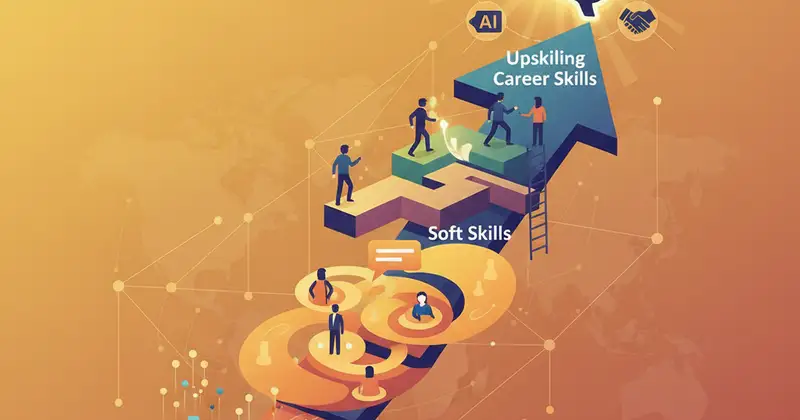
In today's rapidly evolving professional landscape, staying ahead means continuously adapting and acquiring new competencies. This article delves into the critical skills that are projected to be in high demand over the next five years, offering a comprehensive guide for individuals and organizations alike to navigate the future of work. We will explore both the technical prowess and human-centric attributes that will define career success, providing actionable insights on how to cultivate these essential capabilities.
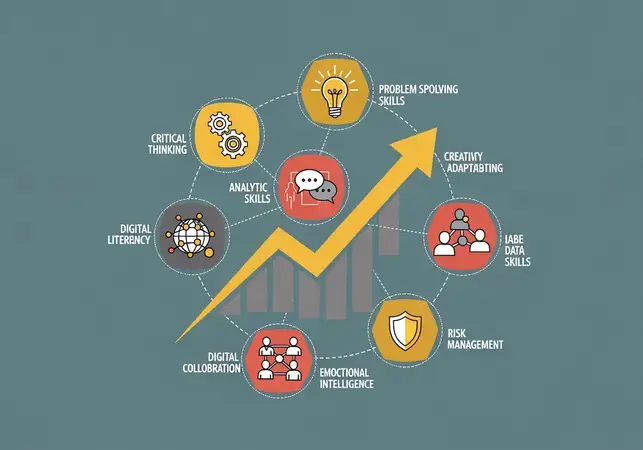
The Shift: Why Skills Matter More Than Degrees
The world of work is changing rapidly, perhaps at a pace unprecedented in human history. The traditional career path, often defined by a single degree leading to a lifelong profession, is steadily fading. Today, the World Economic Forum predicts that a staggering half of all employees will need significant reskilling by 2025. This isn't just a trend, it's a fundamental transformation, and understanding what skills will be in demand in the next 5 years is not just beneficial, it's absolutely crucial for sustained career success, especially in a dynamic and rapidly evolving market like India. For a nation with a vast young population, equipping individuals with future-ready skills is paramount to harnessing its demographic dividend and driving economic growth. The emphasis is shifting from what you studied years ago to what you can do now and what you can learn next. This paradigm shift means that continuous learning and adaptability are no longer optional but essential for navigating a career landscape that is constantly being reshaped by technological advancements, global economic shifts, and evolving societal needs. Degrees provide foundational knowledge, but skills provide the practical ability to apply that knowledge and solve real-world problems.
Why This Shift Is Happening
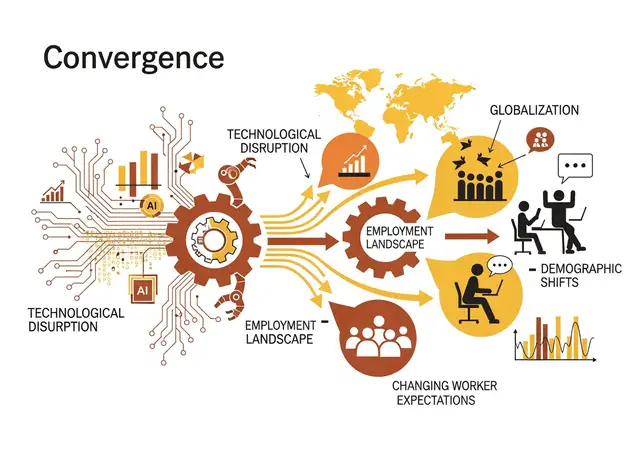
Several powerful forces are converging to reshape the employment landscape, making skills more valuable and dynamic than ever before:
- Technological Disruption: Automation, artificial intelligence, and advanced analytics are revolutionizing industries at an astonishing pace. Routine, repetitive tasks, once the bedrock of many entry-level positions, are increasingly handled by machines. This means human workers must pivot towards tasks requiring higher-order cognitive abilities, creativity, and strategic thinking. For instance, in Indian manufacturing, AI-powered robots are taking over repetitive assembly tasks, while in customer service, AI chatbots handle basic queries, freeing human agents to focus on complex problem-solving and empathetic interactions. This shift demands a workforce capable of interacting with, managing, and innovating alongside these new technologies, rather than being replaced by them. Beyond these examples, AI is also transforming sectors like healthcare through AI-driven diagnostics, education with personalized learning platforms, and logistics with optimized supply chains. The human role is evolving from performing repetitive tasks to designing, overseeing, and improving these automated systems, requiring a blend of technical understanding and critical thinking.
- The Gig Economy and Project-Based Work: The rise of flexible work arrangements and the gig economy means that companies are increasingly hiring for specific skills to complete projects, rather than for long-term, fixed roles based solely on university degrees. Platforms like Upwork, Freelancer, and various Indian equivalents such as Urban Company or Ola/Uber for services, are prime examples where demonstrable skills and project portfolios often trump traditional academic credentials. This shift empowers individuals with specialized skills to offer their expertise to multiple clients, fostering entrepreneurial spirit and flexibility. It also means individuals must continuously market their skills and build a strong professional reputation. For professionals, this means cultivating a diverse skill set, building a strong personal brand, and being adept at self-management and client relations. Companies benefit from access to a wider pool of specialized talent without the overheads of full-time employment, leading to a more agile and responsive workforce.
- Rapid Obsolescence of Technical Skills: The shelf life of technical skills has dramatically shortened. What was cutting-edge knowledge five years ago might be outdated today. Experts estimate that technical skills now become obsolete within a mere 2.5 to 5 years. This rapid decay is driven by continuous innovation, open-source development, and the release of new tools and frameworks. For example, a software developer proficient in a specific legacy framework might find their skills less relevant as newer, more efficient technologies emerge. This necessitates a mindset of continuous learning and adaptation, where individuals constantly update their skill sets to remain relevant. Organizations also recognize that investing in continuous learning for their employees is more sustainable than constantly hiring new talent. This phenomenon creates a constant demand for upskilling and reskilling, pushing individuals to adopt a "T-shaped" skill profile – deep expertise in one area combined with broad knowledge across related fields – or even "M-shaped" for multiple deep specializations.
- Globalization and Remote Work: The ability to work with multinational teams and across geographical boundaries means that individuals are competing in a global talent pool. The pandemic accelerated the adoption of remote work, making geographical barriers less significant. This opens up immense opportunities for Indian talent to work for global companies from anywhere, but also intensifies competition. Soft skills like cross-cultural communication, collaboration across time zones, and adaptability to diverse work cultures are paramount. Furthermore, understanding global business practices and regulatory environments becomes increasingly valuable. This shift requires proficiency in digital collaboration tools, strong self-discipline, and the ability to manage work-life balance in a remote setting. For Indian professionals, this means not only competing with local talent but also with skilled individuals from around the world, making unique and in-demand skills a significant differentiator.
- Focus on Outcomes and Value Creation: Businesses are increasingly driven by outcomes and tangible value. Employers are looking for individuals who can immediately contribute and solve problems, which often boils down to possessing specific, practical skills rather than just theoretical knowledge acquired years ago. A company isn't just hiring a "computer science graduate"; they're hiring someone who can "develop a secure mobile application" or "analyze market data to identify new growth opportunities." This emphasis on demonstrable capability drives the demand for practical, applied skills, and a results-oriented mindset. This means that job seekers need to articulate not just what they know, but what they can achieve, often through project portfolios, case studies, or demonstrable results from previous roles. Performance metrics are increasingly tied to the direct impact an individual's skills have on business objectives, making skill proficiency a direct measure of value.
Top Technical Skills in Demand (Hard Skills)
Hard skills, also known as technical skills, are measurable abilities directly related to specific tasks or tools. Mastering these will give you a significant edge in the job market. These are the foundational competencies that enable professionals to perform specific job functions, often involving specialized knowledge, tools, and methodologies. As technology continues to advance, the demand for these specialized skills will only grow.
1. Artificial Intelligence (AI) and Machine Learning (ML)
- The Need: AI and ML are no longer niche technologies; they are permeating every industry, from finance and healthcare to retail, manufacturing, and even agriculture. From automating customer service to predicting market trends and optimizing supply chains, AI's applications are boundless. In India, with its large tech talent pool, the demand for AI specialists is soaring, with numerous startups and established IT giants investing heavily in areas like AI-driven diagnostics in healthcare, predictive analytics for agricultural yields, and personalized banking services. AI is transforming how businesses operate, make decisions, and interact with customers. The ability to leverage AI for efficiency, innovation, and competitive advantage is becoming a core business requirement.
- Key Competencies: Proficiency in programming languages like Python (especially libraries like TensorFlow, PyTorch, Scikit-learn), understanding of neural networks, deep learning, natural language processing (NLP), computer vision, generative AI concepts, and crucially, AI ethics. AI ethics involves understanding biases in data and algorithms, ensuring fairness, transparency, and accountability in AI systems, which is vital for responsible deployment in sensitive sectors. Strong mathematical and statistical foundations are also essential for understanding the underlying algorithms. Furthermore, practical experience with data preprocessing, model training, evaluation, and deployment is critical. Knowledge of cloud AI services (AWS SageMaker, Azure ML, Google AI Platform) is also highly valuable.
- Future Outlook: Beyond traditional data scientist and ML engineer roles, specialized positions like "AI Ethicist" (ensuring responsible AI development), "Prompt Engineer" (someone adept at crafting effective prompts for generative AI models to achieve desired outputs), and "AI Solutions Architect" (designing and implementing AI systems) will become mainstream and highly sought after. Consider also AI Operations (MLOps) for deploying, monitoring, and managing AI models in production environments, ensuring their continuous performance and reliability. The ability to integrate AI solutions into existing business processes will be a key differentiator. Emerging areas like explainable AI (XAI) and federated learning will also create new specializations, focusing on making AI more transparent and privacy-preserving.
2. Data Literacy and Analytics
- The Need: In the age of big data, organizations across all sectors, from e-commerce to government, are drowning in information. They desperately need professionals who can not only collect and store this data but, more importantly, interpret it, extract meaningful insights, and translate those insights into actionable business decisions. Data-driven strategies are key to competitive advantage. India's massive digital transactions (e.g., UPI payments) and growing digital consumer base generate an unprecedented volume of data, making data analysis critical for understanding consumer behavior, optimizing government services, and driving business growth. Every sector, from retail to public policy, relies on data to inform strategy. The ability to transform raw data into strategic intelligence is a cornerstone of modern business.
- Key Competencies: Strong command of SQL for database querying, advanced Excel for initial data manipulation and reporting, proficiency in data visualization tools like Tableau, Power BI, or Qlik Sense. A solid understanding of statistics, predictive modeling, and business intelligence principles is also vital. Knowledge of Python or R for advanced analytics and machine learning applications is a major plus. Practical Tip: Start by mastering SQL and Excel, then gradually move to more complex tools and statistical concepts. Building a portfolio of data projects, even small ones, can demonstrate your skills effectively. Understanding data governance, data quality, and data security principles is also increasingly important to ensure reliable and compliant data practices.
- Future Outlook: The concept of a "Data-Driven Decision Maker" will not be confined to data scientists, but will become a fundamental requirement for every manager, team lead, and even individual contributor across various departments, from marketing to HR. Specialized roles like "Data Storyteller" (who can translate complex data findings into compelling, easy-to-understand narratives for non-technical stakeholders) and "Analytics Translator" (bridging the gap between data scientists and business leaders) will also gain prominence. The ability to ask the right questions of data and communicate findings clearly will be paramount. Furthermore, expertise in specific domain analytics (e.g., marketing analytics, financial analytics, healthcare analytics) will be highly sought after, combining data skills with industry knowledge.
3. Cloud Computing
- The Need: The global shift to cloud infrastructure is undeniable. Businesses are migrating their applications, data storage, and IT operations to cloud platforms to enhance scalability, flexibility, cost-efficiency, and security. India's digital transformation initiatives, including government services moving to the cloud and major enterprises adopting hybrid cloud strategies, further fuel this demand, with companies investing heavily in cloud adoption. Cloud computing provides the backbone for almost all modern digital services and applications. From small startups to large enterprises, the cloud offers unparalleled agility and resilience, making it a critical component of modern IT infrastructure.
- Key Competencies: Expertise in leading cloud platforms such as Amazon Web Services (AWS), Microsoft Azure, and Google Cloud Platform (GCP). This includes understanding concepts like Infrastructure-as-a-Service (IaaS) for virtual machines, Platform-as-a-Service (PaaS) for development environments, Software-as-a-Service (SaaS) for ready-to-use applications, serverless architecture for event-driven computing, containerization (Docker, Kubernetes) for application deployment, and robust cloud security practices. Practical Tip: Gain hands-on experience by utilizing the free tiers offered by major cloud providers to build and deploy small projects. Certifications from these providers are highly valued. Knowledge of cloud migration strategies, cost optimization techniques, and disaster recovery planning in the cloud environment is also crucial.
- Future Outlook: The demand for skilled Cloud Architects, Cloud Engineers, DevOps Engineers with cloud expertise, and Cloud Security Specialists will continue to outstrip supply globally and particularly in India. As more enterprises move their critical infrastructure to the cloud, these roles become indispensable for designing, implementing, and managing scalable, secure, and cost-effective cloud solutions. Hybrid and multi-cloud strategies will also require professionals who can manage diverse cloud environments seamlessly. Edge computing, which brings computation and data storage closer to the sources of data, will also grow in importance, requiring cloud professionals to understand its integration with centralized cloud platforms.
4. Cybersecurity
- The Need: As India embraces Digital India initiatives, increasing online transactions, UPI payments, Aadhaar integration, and digital services, the threat landscape for cyberattacks grows exponentially. Data breaches, ransomware attacks, and phishing scams are constant threats. Every organization, regardless of size, needs robust cybersecurity measures and skilled professionals to protect sensitive data and systems. The increasing sophistication of cybercriminals and geopolitical cyber threats make this a perpetually critical field. A single breach can have devastating financial and reputational consequences. The sheer volume and value of digital assets in India make it a prime target for cybercriminals, necessitating a strong defense.
- Key Competencies: Expertise in network security, endpoint security, penetration testing (ethical hacking to find vulnerabilities), security information and event management (SIEM) tools, understanding of data privacy regulations (like India's upcoming Data Protection Bill), incident response planning and execution, and security architecture design. Practical Tip: Consider starting with foundational certifications like CompTIA Security+ or Certified Ethical Hacker (CEH) to build a strong base. Staying updated on the latest threat intelligence and attack vectors is also crucial. Knowledge of security frameworks (e.g., NIST, ISO 27001), risk assessment methodologies, and identity and access management (IAM) is also highly valued.
- Future Outlook: Given the perpetual evolution of cyber threats, there will be a chronic shortage of cybersecurity professionals. Roles like "Security Analyst" (monitoring systems), "Penetration Tester" (proactively finding weaknesses), "Cyber Incident Responder" (managing breaches), "Security Architect" (designing secure systems), and "Data Privacy Officer" (ensuring compliance with data protection laws) will offer stable and high-demand career paths. The need for proactive defense and resilience against cyberattacks will only intensify. Emerging areas like IoT security, cloud security, and AI-powered threat detection will further expand the scope and demand for specialized cybersecurity expertise.
5. No-Code/Low-Code Development
- The Need: Businesses, particularly SMEs, are under pressure to rapidly develop applications, automate workflows, and create digital solutions without the time, cost, or resources traditionally required for full-stack development. No-code and low-code platforms empower non-developers or citizen developers to build functional applications quickly, bridging the gap between business needs and technical capabilities. This accelerates digital transformation across organizations. It democratizes software development, allowing business users to directly solve their own problems. This approach significantly reduces the backlog on IT departments and fosters innovation across all business units.
- Key Competencies: Proficiency with popular no-code/low-code platforms like Webflow (for websites), Bubble (for web applications), Zapier, Make (formerly Integromat) for automation, Salesforce Lightning, Microsoft Power Apps, and AppGyver. Strong problem-solving skills, an understanding of business logic, and user experience (UX) design principles are paramount. Practical Tip: Experiment with free trials of these platforms to build a simple internal tool or a basic customer portal for a small business. Focus on understanding how to integrate different services and automate processes. An understanding of API integrations and database concepts, even at a high level, can also be very beneficial.
- Future Outlook: No-code/low-code development will democratize software creation, enabling faster innovation and digital transformation across industries. It allows business users to directly build solutions, reducing reliance on IT departments for every small application. Roles like "Low-Code Developer," "Automation Specialist," and "Citizen Developer Enabler" (who trains and supports business users in using these tools) will gain prominence, particularly in SMBs and larger organizations looking to boost internal efficiency and agility. These tools will augment, not entirely replace, traditional coding, fostering "fusion teams" where professional developers collaborate with citizen developers to build more complex, scalable solutions.
Top Soft Skills in Demand
Soft skills, often called "human skills," are personality traits and interpersonal abilities that dictate how well you interact with others and manage your work. They are becoming even more critical as technical skills are increasingly augmented or automated by AI, making uniquely human attributes more valuable. These skills are often transferable across industries and roles. While hard skills get you an interview, soft skills often determine if you get the job and how far you advance in your career. They are the bedrock of effective teamwork, leadership, and customer satisfaction.
1. Critical Thinking and Problem Solving
AI can process vast amounts of data and identify patterns, but humans are still needed to ask the right questions, analyze novel situations, apply contextual understanding, and make strategic decisions when faced with ambiguity or unpredicted circumstances. This goes beyond just knowing facts; it's about evaluating information, identifying root causes, and formulating effective solutions. For example, when a new market trend emerges, critical thinkers don't just react; they analyze its underlying causes, potential impacts, and devise innovative strategies. It involves breaking down complex problems into manageable parts, assessing different perspectives, and making reasoned judgments. Practical Tip: Practice by analyzing news articles for bias, solving complex puzzles, or proposing solutions to everyday challenges, always questioning assumptions. Developing critical thinking involves active listening, research, logical reasoning, and the ability to synthesize information from various sources to form a coherent conclusion. In an era of information overload, discerning credible information and making sound judgments is paramount.
2. Emotional Intelligence (EQ)
EQ encompasses self-awareness, self-regulation, motivation, empathy, and social skills. In today's collaborative and diverse workplaces, the ability to manage one's own emotions, understand and respond to the emotions of others, navigate team dynamics, and effectively resolve conflicts is invaluable. It’s about building stronger relationships, fostering a positive work environment, and leading with compassion. An emotionally intelligent leader can de-escalate a tense team meeting, motivate a struggling employee, or understand a customer's unspoken needs, leading to better outcomes and stronger team cohesion. Practical Tip: Actively listen to others, observe non-verbal cues, and reflect on your own emotional responses in various situations to build self-awareness.
Cultivating empathy, for instance, means putting yourself in another's shoes to understand their perspective, which is crucial for effective collaboration and customer service. EQ is a key predictor of leadership success and overall job performance, especially in roles requiring significant human interaction.
3. Adaptability and Continuous Learning
The only constant is change. The ability to pivot, unlearn outdated methods or knowledge, and rapidly relearn new skills and approaches is perhaps the single most important career insurance policy. This isn't just about technical updates, but also about embracing new processes, technologies, and organizational structures without resistance. A growth mindset is key – the belief that abilities can be developed through dedication and hard work. This means viewing challenges as opportunities for growth, being open to feedback, and proactively seeking new knowledge, whether it's adapting to a new project management methodology or learning a new software tool. In a fast-paced economy like India's, this skill is non-negotiable.
Practical Tip: Regularly seek out new information in your field, challenge your own assumptions, and be willing to step outside your comfort zone to try new tools or methods. This includes actively seeking feedback, experimenting with new approaches, and being resilient in the face of setbacks. Organizations highly value individuals who can quickly adjust to new priorities and contribute effectively in dynamic environments.
4. Communication Skills
Clear, concise, and persuasive communication, both written and verbal, remains invaluable. Whether you're presenting complex data, explaining a technical concept to a non-technical audience, negotiating a deal, or collaborating virtually with a team, effective communication ensures ideas are understood, goals are aligned, and efficiency is maintained. This includes active listening – truly understanding what others are saying – and the ability to articulate information transparently and respectfully. In India's diverse linguistic and cultural landscape, the ability to communicate effectively across different backgrounds is particularly crucial for building rapport and avoiding misunderstandings. Practical Tip: Practice public speaking, write clear emails, and actively seek feedback on your communication style. Focus on tailoring your message to your audience.
This also extends to digital communication etiquette, choosing the right medium for your message, and being proficient in virtual collaboration tools. Strong communication fosters trust, reduces errors, and enhances team cohesion.
5. Leadership and Collaboration
True leadership isn't just about holding a managerial title; it's about influencing, inspiring, and guiding others, whether in a formal position or as a team contributor. With the prevalence of remote and hybrid teams, new leadership approaches are required, emphasizing trust, empowerment, and fostering a sense of belonging. The ability to collaborate effectively across diverse teams, departments, and even time zones is paramount to collective success. This involves sharing knowledge, providing constructive feedback, resolving disagreements amicably, and working towards a common goal, making every team member feel valued and heard. Practical Tip: Volunteer to lead small projects, mentor junior colleagues, or actively participate in team discussions, focusing on building consensus and supporting others.
Modern leadership often involves servant leadership, where the leader supports the team's growth, and agile leadership, which emphasizes flexibility and rapid response. Effective collaboration also requires conflict resolution skills and the ability to leverage diverse perspectives for innovative solutions.
Industry-Specific Skills
Beyond the universal skills, certain sectors demand specialized proficiencies that are crucial for success within those domains. These skills are often a blend of technical knowledge and practical application, tailored to the unique challenges and opportunities of a particular industry.
Healthcare
- Telemedicine Platforms: Proficiency in using and managing virtual consultation platforms, electronic health records (EHR), and remote monitoring tools. With the rise of digital healthcare in India, platforms like Practo or Apollo 24/7 require professionals adept at leveraging technology for patient care and data management, ensuring seamless patient journeys and secure data exchange. This includes understanding patient privacy (HIPAA-like regulations in India), appointment scheduling, virtual diagnostics, and prescription management through digital channels.
- Health Informatics: The ability to manage, analyze, and secure healthcare data, including knowledge of medical coding, data standards (e.g., HL7), and stringent patient privacy regulations (e.g., India's proposed data protection framework for health data). This ensures efficient and compliant handling of sensitive patient information, crucial for improving patient outcomes and operational efficiency. Professionals in this field bridge the gap between clinical practice and information technology, using data to enhance public health initiatives, hospital management, and research.
- Biotech and Genomics: Understanding of genetic sequencing, bioinformatics tools, and drug discovery processes. India's growing biotechnology sector is investing heavily in research and development, creating demand for specialists in these cutting-edge areas, particularly in personalized medicine and vaccine development. This includes expertise in laboratory techniques, data analysis for genomic sequencing, and ethical considerations surrounding genetic engineering and patient data.
- Medical Devices: Expertise in the operation, maintenance, and regulatory aspects of advanced medical equipment. This includes understanding the lifecycle of devices, ensuring their calibration, and adhering to regulatory guidelines set by bodies like the Central Drugs Standard Control Organization (CDSCO) in India. Professionals also need to understand the integration of these devices with digital health systems, ensuring data flow and cybersecurity for interconnected medical technologies.
Finance
- Fintech and Blockchain: Knowledge of financial technology innovations, mobile banking, digital payments (like UPI, which has revolutionized transactions in India), cryptocurrency, and blockchain applications in finance (e.g., for secure record-keeping, smart contracts, or supply chain finance). This includes understanding the underlying technology and its implications for traditional financial services. Expertise in decentralized finance (DeFi) and non-fungible tokens (NFTs) within financial contexts is also gaining traction.
- Algorithmic Trading / Quantitative Finance: Skills in programming (Python, R), statistical modeling, and financial market analysis for automated trading strategies. The Indian stock market is increasingly seeing high-frequency trading and quantitative strategies, demanding professionals who can build and manage these complex systems, requiring strong analytical and coding abilities. This also involves understanding risk models, backtesting strategies, and compliance with trading regulations.
- Regulatory Compliance (RegTech): Understanding of financial regulations (e.g., SEBI guidelines, RBI norms), anti-money laundering (AML), and fraud detection systems. As regulations become more complex, the ability to use technology (RegTech) to automate compliance processes is highly valued, ensuring adherence and reducing manual errors. This includes knowledge of compliance software, data privacy laws impacting financial data, and forensic analysis techniques.
- Risk Management: Skills in assessing financial risks (credit risk, market risk, operational risk, cyber risk), developing mitigation strategies, and using risk modeling software. This is crucial for banks, insurance companies, and investment firms to maintain stability and profitability, especially in volatile economic environments. Professionals need to understand financial instruments, macroeconomic factors, and stress testing methodologies to anticipate and manage potential losses.
Manufacturing
- IoT and Industry 4.0: Expertise in implementing and managing Internet of Things (IoT) devices on factory floors, understanding data analytics for predictive maintenance, and smart manufacturing processes. Indian manufacturers are adopting Industry 4.0 principles to enhance efficiency, reduce downtime, and optimize production through interconnected systems. This includes knowledge of sensor technology, cloud integration for data storage, and real-time data visualization for operational insights.
- Robotics and Automation: Skills in programming, operating, and maintaining industrial robots and automated production systems. This includes knowledge of collaborative robots (cobots) that work alongside human operators, improving safety and productivity, and optimizing workflows. Understanding robotic process automation (RPA) for administrative tasks within manufacturing operations is also becoming important.
- Sustainable Manufacturing/Circular Economy: Knowledge of eco-friendly production methods, waste reduction strategies, supply chain optimization for sustainability, and green technologies. With increasing environmental awareness and regulations, this skill set is becoming critical for responsible and future-proof manufacturing, focusing on resource efficiency and reduced environmental impact. This includes life cycle assessment, material science for sustainable alternatives, and understanding environmental, social, and governance (ESG) reporting.
- Additive Manufacturing (3D Printing): Design for additive manufacturing, material science, and operating 3D printing equipment. This technology is revolutionizing prototyping, custom parts production, and even complex medical implants in India, offering flexibility and speed in production. Expertise in various 3D printing technologies (SLA, FDM, SLS) and post-processing techniques is highly valued.
How to Acquire These Skills
The good news is that numerous avenues exist for acquiring these in-demand skills, often more effectively and affordably than traditional education. A proactive approach to learning is key. The modern learning landscape is diverse and accessible, offering flexible options to suit different learning styles and career stages.
1. Online Courses and MOOCs
- Description: Platforms like Coursera, Udemy, edX, UpGrad, Simplilearn, and Emeritus offer specialized courses, certifications, and even full degrees from reputable universities and industry experts. Many Indian platforms also offer localized content and support. These platforms provide structured learning paths, often with interactive elements and assessments. They allow for self-paced learning, making it easier to balance with existing commitments.
- Practical Tip: Look for courses with practical projects, peer learning opportunities, and strong instructor reviews. Prioritize specializations or learning paths that offer a structured progression through a skill set. Many platforms offer financial aid or free audit options, making learning accessible. Before committing, check if the course aligns with industry standards and if it offers a credible certificate upon completion.
2. Industry Certifications
- Description: These are highly valued by employers as they validate specific technical proficiencies and demonstrate a commitment to professional development. Examples include AWS Certified Solutions Architect, Google Cloud Professional Data Engineer, Microsoft Certified Azure Administrator, HubSpot certifications for marketing, PMP for project management, and various cybersecurity certifications (CompTIA, CISSP). These certifications often require passing rigorous exams, proving a deep understanding of the subject matter. They serve as a benchmark for specific technical expertise.
- Practical Tip: Research which certifications are most recognized and respected within your target industry and role. Often, these certifications require hands-on experience in addition to theoretical knowledge, so combine your study with practical application. Many certification bodies offer practice exams and study guides to help you prepare effectively.
3. Practice Projects, Hackathons, and Open Source Contributions
- Description: Nothing builds skills like practical application. Engage in personal projects, participate in online hackathons (many focused on Indian social or business problems), or contribute to open-source projects on platforms like GitHub. This builds a tangible portfolio to showcase your abilities. For example, contribute to a local community project using no-code tools, or build a small AI-powered web app. These activities provide real-world problem-solving experience and demonstrate initiative. They also offer opportunities to collaborate with others and receive feedback.
- Practical Tip: Start small, document your process, and share your work on platforms like GitHub or LinkedIn. A strong portfolio often speaks louder than a resume, especially in technical fields. Actively seek feedback on your projects to improve. Participating in hackathons can also be a great way to network and learn under pressure.
4. Networking and Mentorship
- Description: Connect with professionals in your desired field on LinkedIn, attend industry conferences (virtual or in-person), and join professional associations (e.g., Nasscom, IEEE India). Networking can open doors to opportunities and provide invaluable insights into industry trends and skill requirements. Engaging with peers and experts can accelerate your learning and career growth. Informational interviews can provide direct insights into specific roles and required skills.
- Practical Tip: Seek out a mentor who can provide guidance, share industry insights, help you identify skill gaps, and recommend learning resources. A mentor can be a critical guide in navigating your career path and providing personalized advice. Be prepared to offer value in return, even if it's just by being an engaged and appreciative mentee.
5. Internships and Apprenticeships
- Description: Seek out opportunities to gain hands-on experience, even if it's unpaid initially. Many startups and smaller companies in India are open to offering internships that provide real-world exposure to new technologies and processes. Government initiatives like the National Apprenticeship Training Scheme (NATS) also provide structured learning opportunities, combining theoretical instruction with practical training. These experiences are invaluable for bridging the gap between theoretical knowledge and practical application.
- Practical Tip: Even short-term or virtual internships can provide valuable experience and help you build connections within an industry. Focus on learning and contributing, regardless of the duration. Clearly define your learning goals with your supervisor. Actively seek out tasks that challenge you and expose you to new tools and methodologies.
6. Self-Study with Documentation and Tutorials
- Description: For technical skills, often the best way to learn is by diving into official documentation (e.g., for AWS, Python libraries), following online tutorials, and reading technical blogs. Many open-source projects have excellent documentation that can serve as a learning resource. This method requires discipline and self-motivation but can be highly effective for deep dives into specific technologies. It's also a cost-effective way to learn.
- Practical Tip: Choose a specific project or problem you want to solve, and then use documentation and tutorials to learn the necessary tools and concepts. This project-based learning approach makes the knowledge more tangible and applicable. Don't be afraid to experiment and troubleshoot – that's often where the deepest learning happens.
7. Bootcamps and Intensive Programs
- Description: For those looking for a fast-paced, immersive learning experience, coding bootcamps or specialized skill development programs can be highly effective. These programs typically run for several weeks or months and are designed to equip participants with job-ready skills in a specific domain, such as web development, data science, or cybersecurity. Many bootcamps offer career services and job placement assistance.
- Practical Tip: Research bootcamps thoroughly, checking their curriculum, instructor qualifications, and alumni success rates. Look for programs that offer hands-on projects and real-world case studies. While often more expensive than online courses, the intensity and career support can justify the investment for many.
8. Government Initiatives and Skill Development Programs
- Description: The Indian government, through various ministries and departments, offers numerous skill development programs aimed at enhancing employability, especially for the youth. Initiatives like the Pradhan Mantri Kaushal Vikas Yojana (PMKVY) and various sector-specific skill councils provide training in high-demand areas, often with certifications recognized across industries. These programs are designed to align with national development goals and industry needs.
- Practical Tip: Explore government portals and local skill development centers for information on available programs. These can be particularly beneficial for individuals looking to enter new sectors or gain foundational skills with government-backed certification. Keep an eye on Sarkari Naukri portals for updates on such initiatives and related job opportunities.
9. Internal Company Training and Development
- Description: Many forward-thinking organizations invest heavily in upskilling and reskilling their existing workforce. These internal programs can range from dedicated training modules and workshops to access to premium online learning platforms. Leveraging these opportunities can be a strategic way to grow within your current role or pivot to a new one within the same company.
- Practical Tip: Proactively discuss your career aspirations and skill development goals with your manager. Identify internal training resources and express your interest in participating. Demonstrating initiative in your own learning can open doors to new projects and responsibilities.
10. Reading and Research
- Description: Staying informed about industry trends, emerging technologies, and best practices is a continuous learning process. This involves reading industry publications, research papers, books, and following thought leaders. While not a direct skill acquisition method, it provides the foundational knowledge and context necessary for effective skill development and application.
- Practical Tip: Dedicate regular time to reading relevant articles and reports. Subscribe to newsletters from leading industry analysts and organizations. Engage in discussions on professional forums to deepen your understanding and perspective.
Preparing for Government Jobs with Future Skills
For those aspiring to Sarkari Naukri, the landscape is also evolving. While traditional recruitment processes often focus on academic qualifications and general aptitude, there's a growing recognition of the need for future-ready skills within government departments. The Digital India initiative, for instance, necessitates a workforce proficient in digital technologies and data management.
Relevance of Technical Skills for Government Roles
- Data Analytics: Government bodies collect vast amounts of data related to demographics, public services, economic indicators, and more. Professionals with data analytics skills are crucial for policy formulation, program evaluation, and efficient resource allocation. For example, analyzing health data to predict disease outbreaks or economic data to inform budget decisions.
- Cybersecurity: With increasing digitization of government services (e.g., online tax filing, digital identity programs like Aadhaar), cybersecurity professionals are vital to protect sensitive citizen data and critical infrastructure from cyber threats. This includes roles in CERT-In (Indian Computer Emergency Response Team) and various defense organizations.
- Cloud Computing: As government services move to cloud platforms for better accessibility and scalability, cloud architects and engineers are needed to manage these complex infrastructures. This ensures efficient delivery of services to citizens.
- AI/ML: AI can be leveraged for improving public service delivery, fraud detection in welfare schemes, optimizing traffic management, or even in defense applications. Specialists in AI/ML can contribute significantly to these areas.
- No-Code/Low-Code: To rapidly develop internal tools and citizen-facing applications, government departments can benefit immensely from professionals who can utilize no-code/low-code platforms, reducing development time and costs.
Relevance of Soft Skills for Government Roles
- Critical Thinking and Problem Solving: Essential for policy analysis, strategic planning, and addressing complex societal challenges. Government officials constantly face unique problems requiring innovative and well-thought-out solutions.
- Communication Skills: Crucial for drafting clear policies, communicating with the public, inter-departmental coordination, and international relations. Public speaking and report writing are fundamental.
- Leadership and Collaboration: Government projects often involve multiple stakeholders and departments. Effective leadership and the ability to collaborate across diverse teams are vital for successful project execution and governance.
- Adaptability: The public sector is also undergoing rapid transformations. Professionals who can adapt to new policies, technologies, and administrative reforms will be highly valued.
Tips for Government Job Aspirants
- Align Skills with Digital India: Understand the vision and initiatives under Digital India and identify how your skills can contribute. Highlight any projects or certifications related to digital transformation.
- Focus on Certifications: While degrees are important, relevant industry certifications in areas like cybersecurity, cloud, or data analytics can significantly boost your profile for technical government roles.
- Develop Strong Communication: Practice clear and concise communication, both written and verbal, as it is highly valued in government services.
- Stay Updated on Policy: Understand the latest government policies and technological adoptions within various ministries. This shows your awareness and readiness to contribute.
- Look for Specialized Roles: Beyond general administrative services, look for specialized technical roles advertised by organizations like NIC, DRDO, ISRO, and various state IT departments. Keep an eye on latest results and admit cards for these specialized examinations.
Put this advice into practice
The future of work is dynamic, driven by technological innovation and evolving societal needs. By focusing on acquiring and continuously updating a blend of critical technical and soft skills, individuals can not only secure their career prospects but also thrive in this new era. Embrace lifelong learning, cultivate adaptability, and strategically invest in skills that will define the next five years and beyond.
Skills That Will Be in Demand in Next 5 Years
Frequently Asked Questions
What skills will dominate by 2028?Artificial intelligence literacy and complex problem-solvingAre degrees becoming obsolete?Skills now outweigh degrees due to rapid job changesWhich industries need new skills most?Tech and healthcare sectors lead in skill demandTrueJobs Editorial Team
TrueJobs editorial desk
This article is prepared from the sources referenced in the guide and reviewed for clarity, links and dated information. Read our editorial and corrections policy.
Continue This Topic
Follow the closest earlier and newer coverage so older archive posts keep real contextual crawl paths.
Best Career Options After 12th in India
Discover top career choices after 12th in India. TrueJobs.co.in provides comprehensive guidance on emerging opportunities and pathways.
Step-by-Step Guide to Getting Your First Job in 2026
Transition from college to career with our 2026 job guide. Master AI-proof applications and remote work strategies.
Read Next
Gig Economy in India: Opportunities and Challenges
Top 10 Highest Paying Jobs in India for 2026
Work From Home Jobs in India: Industries Hiring Remotely in 2026

How to Upskill While Doing a Full-Time Job
Explore Topics
Perfect Your Resume
Use our AI-powered Resume Builder to create ATS-optimized resumes.
AI Resume Builder