
Career guide
Top Career Paths After 12th in India - TrueJobs Guide — Explained
Discover top career choices after 12th in India. TrueJobs.co.in provides comprehensive guidance on emerging opportunities and pathways.
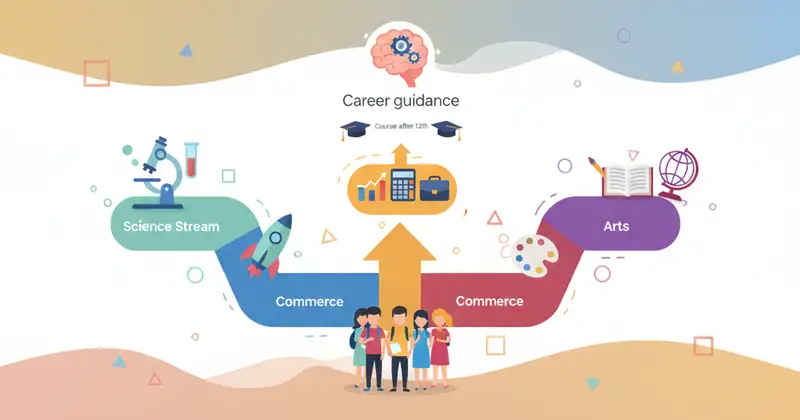
Embarking on the journey after completing 12th grade in India is a pivotal moment, filled with both excitement and critical decisions about one's future. This comprehensive guide from TrueJobs.co.in aims to illuminate the diverse and evolving landscape of career options available, helping students navigate this crucial phase with clarity and confidence. From traditional academic paths to emerging unconventional roles, we delve into the requirements, prospects, and practical advice for each stream, empowering you to make an informed choice that aligns with your aspirations and the demands of the modern job market.
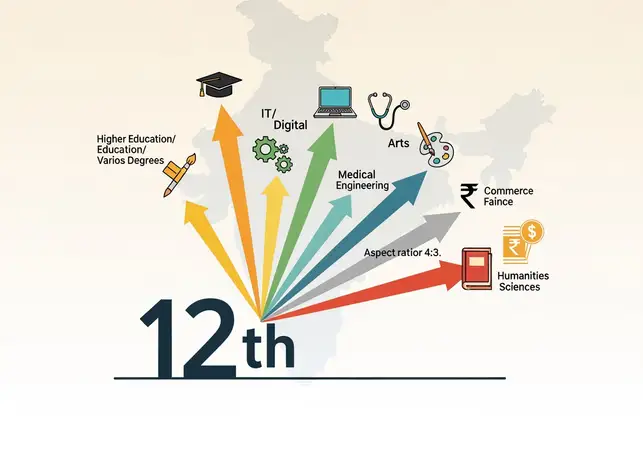
Best Career Options After 12th in India
Completing 12th-grade board exams is a pivotal milestone for Indian students, initiating a crucial decision-making process that shapes their future. This stage is not merely about choosing a course; it's about charting a career path in a rapidly evolving world. Today's career options are diverse, dynamic, and increasingly skill-oriented, reflecting rapid changes in global and Indian job markets, driven by technological advancements and shifting economic landscapes. The decisions made at this juncture can significantly influence an individual's professional trajectory, personal growth, and overall life satisfaction. Therefore, a well-informed approach, combining self-awareness with thorough market research, is paramount.
The landscape for higher education and employment has significantly transformed from a decade ago. Recruiters now prioritize demonstrable skills, practical experience, and a growth mindset over traditional, often theoretical, degrees alone. This shift emphasizes applied knowledge and problem-solving abilities. The once-rigid lines between Science, Commerce, and Arts streams are blurring, giving rise to interdisciplinary studies and hybrid career paths that demand a blend of diverse competencies. This evolution offers students an unprecedented array of choices, coupled with the responsibility to make informed decisions aligned with their passions, inherent aptitudes, and future aspirations.
Understanding these shifts is crucial for students to prepare themselves for the demands of the modern workforce and to identify pathways that offer both professional success and personal fulfillment.
The Shifting Paradigm: Skills Over Degrees
In today's competitive job market, a degree alone is often insufficient to secure desirable employment. Employers actively seek candidates demonstrating tangible skills, critical thinking, problem-solving abilities, and adaptability to new technologies and environments. This trend is particularly prominent in sectors like Information Technology (IT), digital marketing, data science, and creative industries, where certifications, robust portfolios showcasing practical projects, and demonstrable proficiency hold significant weight, sometimes even more than the academic degree itself. The emphasis has moved from 'what you know' to 'what you can do' and 'how quickly you can learn and adapt'.

- Impact on Indian Job Market: Many Indian companies, especially startups, tech giants, and even established corporations, are leading this change. They invest heavily in upskilling programs for their employees and are increasingly open to hiring candidates with relevant, verifiable skills, sometimes even bypassing traditional degree requirements for certain roles, especially in the tech and digital domains. This creates a meritocratic environment where talent and capability are paramount. Furthermore, the rise of the gig economy and remote work opportunities means that skills are globally transferable, opening up avenues for Indian talent on an international scale.
- Actionable Advice: Begin skill development early, even while in 12th grade or during your undergraduate studies. Engage in internships, pursue online courses from reputable platforms (e.g., Coursera, Udemy, edX, NPTEL), participate in workshops, and undertake personal projects related to your chosen field. Building a portfolio of your work, even if it's personal projects, can be a powerful differentiator. Focus on both hard skills (e.g., coding, data analysis, graphic design) and soft skills (e.g., communication, teamwork, leadership, emotional intelligence), as both are highly valued by employers.
Embracing Interdisciplinary Learning
The traditional segregation of academic streams is rapidly fading as modern careers demand a blend of knowledge from different fields. Specialization is still important, but the ability to connect disparate ideas and apply diverse perspectives is becoming invaluable. For instance, a successful architect requires strong design skills (traditionally Arts), structural understanding and material science knowledge (Science), and project management acumen, budgeting, and client negotiation skills (Commerce). This cross-pollination of ideas leads to more innovative solutions and a broader understanding of complex problems.
- Practical Example: A student passionate about environmental conservation might pursue a B.Sc in Environmental Science to understand ecological principles, while also taking courses in policy-making and public administration (Arts) to influence environmental regulations, or sustainable business management (Commerce) to develop eco-friendly enterprises. This holistic approach significantly broadens their career scope and impact. Another example could be a student interested in healthcare technology, combining a background in computer science (Science) with a minor in psychology (Arts) to design user-friendly medical devices and applications, understanding both the technical requirements and human behavior.
- Actionable Advice: Explore integrated courses (e.g., BBA+MBA, BA LLB, B.Sc-M.Sc programs) that inherently combine disciplines. Consider opting for minors or elective subjects outside your primary stream if offered by your institution. Look for universities that promote flexible credit systems or allow dual degrees, enabling you to build a unique skill set tailored to emerging interdisciplinary roles. Actively seek out opportunities for collaborative projects that involve students from different academic backgrounds to gain experience in interdisciplinary teamwork.
The Importance of Self-Reflection and Research
Before diving into specific career paths, it's crucial for students to engage in deep self-reflection. This involves understanding one's own strengths, weaknesses, interests, values, and long-term aspirations. A career choice that aligns with your intrinsic motivations is more likely to lead to job satisfaction and sustained success. Simultaneously, thorough research into various career options, their future scope, required skills, and educational pathways is indispensable. Relying solely on parental expectations or peer pressure can lead to dissatisfaction later on.
- Self-Assessment Tools: Utilize psychometric tests, career aptitude tests, and interest inventories available online or through career counselors. These tools can provide objective insights into your personality traits, cognitive abilities, and vocational interests, helping you narrow down suitable options.
- Market Research: Beyond understanding the academic requirements, research the actual day-to-day life of professionals in your chosen field. What are the challenges? What are the rewards? What is the job growth outlook in India and globally? Websites like LinkedIn, industry reports, and informational interviews with professionals can provide invaluable real-world perspectives.
Career Options for Science Stream Students
The Science stream, traditionally a gateway to engineering and medicine, continues to offer robust and highly respected career paths. However, its scope has significantly expanded to include cutting-edge fields driven by technological innovation and scientific discovery. Students from the Science stream are often equipped with strong analytical, problem-solving, and critical thinking skills, which are highly valued across various industries.
For Students with PCM (Physics, Chemistry, Maths)
Engineering (B.Tech/B.E.)
A timeless choice that continues to evolve, with numerous prestigious institutions like IITs, NITs, and other esteemed engineering colleges across India. While traditional branches like Civil, Mechanical, and Electrical Engineering remain fundamental and relevant for infrastructure and core industries, new specializations are experiencing explosive growth, offering exciting prospects. Engineering is about applying scientific and mathematical principles to design, build, and maintain structures, machines, and systems, solving real-world problems.
- Traditional Branches and Their Evolving Scope:
- Civil Engineering: Focuses on infrastructure development (buildings, roads, bridges, dams). Now integrates smart city concepts, sustainable construction, and advanced materials. This field is crucial for India's rapid urbanization and infrastructure development projects, including initiatives like the Smart Cities Mission and National Infrastructure Pipeline. Civil engineers are at the forefront of creating resilient and environmentally friendly urban spaces.
- Mechanical Engineering: Deals with design, analysis, manufacturing, and maintenance of mechanical systems. Evolving with robotics, automation, and mechatronics. The demand for mechanical engineers is strong in manufacturing, automotive, aerospace, and energy sectors, especially with the push towards Industry 4.0 and advanced manufacturing techniques. They are also vital in the design and development of electric vehicles and renewable energy systems.
- Electrical Engineering: Concentrates on electricity, electronics, and electromagnetism. Expanding into renewable energy systems, smart grids, and electric vehicles. Electrical engineers are essential for power generation, transmission, and distribution, as well as in the design of electronic circuits, control systems, and telecommunications. The shift towards green energy and smart technologies is creating new avenues for this discipline.
- Computer Science Engineering (CSE) & Information Technology (IT): These remain highly popular, focusing on software development, algorithms, data structures, networking, and cybersecurity. They are foundational for almost all modern technological advancements. With India's booming IT sector and global demand for software professionals, these branches offer unparalleled career growth. Specializations within CSE/IT are constantly emerging, reflecting rapid technological changes.
- In-Demand Specialisations: Artificial Intelligence (AI), Machine Learning (ML), Data Science, Robotics, Cybersecurity, Cloud Computing, and Renewable Energy Engineering. These fields are at the forefront of technological innovation, driving digital transformation and offering high-paying jobs globally due to the critical demand for skilled professionals. They require a blend of strong mathematical foundations, programming expertise, and an understanding of complex systems. India is rapidly becoming a hub for AI and ML research and development, creating numerous opportunities for graduates in these areas.
- Admission Path: JEE Main and JEE Advanced are the primary national-level entrance exams for admission to top engineering colleges. Additionally, various state-level entrance exams (e.g., MHT CET, KCET, COMEDK, WBJEE) are prevalent for colleges within specific states. Many private universities also conduct their own entrance tests. For detailed information on these exams and application procedures, students can often find resources on admit card portals.
- Practical Advice: Research emerging fields thoroughly to understand their future scope. Consider pursuing a minor in computer science or data analytics, regardless of your primary engineering branch. Actively build projects, participate in hackathons, and learn relevant coding languages (e.g., Python, Java, C++) to gain practical experience and enhance your resume. Networking with industry professionals and participating in student chapters of professional bodies (e.g., IEEE, ASME) can also provide valuable insights and opportunities. Look for internships that offer exposure to cutting-edge technologies and real-world engineering challenges.
Architecture (B.Arch)
Ideal for students with a strong technical acumen, spatial reasoning, and a creative flair, this 5-year undergraduate program focuses on the art and science of designing buildings, landscapes, and urban planning. Architects play a crucial role in shaping our physical environment and improving quality of life, balancing aesthetics, functionality, sustainability, and structural integrity. It's a blend of art, science, and social responsibility.
- Admission Path: Requires qualifying exams like NATA (National Aptitude Test in Architecture) or JEE Main Paper 2, which assess drawing skills, aptitude, and general knowledge. These tests often include sections on mathematics, general aptitude, and an aesthetic sensitivity test.
- Career Prospects: Work in established architectural firms, urban planning departments, real estate development companies, government agencies, or establish your own design studio. Roles can range from concept design to project management and site supervision. With increasing urbanization and focus on sustainable development, architects are in high demand for designing eco-friendly and smart infrastructure. Opportunities are also growing in heritage conservation, interior architecture, and landscape architecture.
- Practical Advice: Develop a strong portfolio of sketches, models, and digital designs to showcase your creativity and technical skills. Hone your observational skills, attention to detail, and understanding of aesthetics and functionality. Learning CAD software (e.g., AutoCAD, Revit, SketchUp) and rendering tools (e.g., V-Ray, Lumion) is essential. Internships with architectural firms during your studies are invaluable for practical exposure. Participating in design competitions and workshops can also provide valuable experience and networking opportunities.
Merchant Navy
A unique, globally-oriented career path where officers operate and manage commercial ships transporting goods worldwide. It's a profession that offers a blend of adventure, responsibility, and significant financial rewards. Merchant Navy personnel are responsible for the safe and efficient operation of vessels, cargo handling, navigation, and maintenance of ship machinery.
- Career Highlights: Financially rewarding with excellent, often tax-free, salaries and unparalleled global travel opportunities. It offers a structured career progression from cadet to captain or chief engineer, with opportunities for leadership and management. The profession instills discipline, resilience, and a global perspective. The global nature of shipping means a constant demand for skilled maritime professionals.
- Training: Requires specialized training at approved maritime institutes (e.g., Indian Maritime University (IMU) campuses, AMET University) after 12th PCM. Courses typically include B.Tech Marine Engineering (4 years), B.Sc Nautical Science (3 years), or Diploma in Nautical Science (1 year). These programs include extensive practical training and sea time.
- Practical Advice: This career demands immense discipline, physical fitness, mental resilience, and a willingness to spend extended periods away from home. Research academies thoroughly, understand the demanding lifestyle, and prepare for rigorous entrance exams and stringent medical fitness tests. Strong communication skills are also vital for effective teamwork on board. Building a strong foundation in physics and mathematics is crucial for understanding marine engineering and navigation principles.
Commercial Pilot
A high-investment but high-return career involving intensive training at a flight school, responsible for safely flying aircraft for commercial airlines, cargo carriers, or private charters. It's a profession that commands respect and offers a unique perspective on the world, requiring exceptional precision, quick decision-making, and adherence to strict safety protocols.
- Training: Requires obtaining a Commercial Pilot License (CPL) which involves significant flight hours (typically 200 hours), rigorous theoretical knowledge exams (Air Regulations, Navigation, Meteorology, Aircraft Technical), and practical flying tests. The training is expensive but leads to highly lucrative salaries and a prestigious career. Further ratings (e.g., Multi-Engine Rating, Instrument Rating) are also required.
- Admission Path: Generally requires 12th PCM with good scores (minimum 50% in Physics and Maths), passing aviation aptitude tests, and stringent medical fitness examinations (Class 1 Medical). Reputable flying schools in India include Indira Gandhi Rashtriya Uran Akademi (IGRUA), CAE Oxford Aviation Academy, and various private flying clubs.
- Practical Advice: Be prepared for a substantial financial investment and a demanding, disciplined training schedule. Research available scholarships, educational loan options, and the career progression within airlines. Passion for aviation and meticulous attention to detail are crucial. Maintaining excellent physical and mental health is paramount throughout your career. Developing strong spatial awareness and quick decision-making skills is also vital.
For Students with PCB (Physics, Chemistry, Biology)
MBBS (Bachelor of Medicine, Bachelor of Surgery)
The pinnacle of medical education in India, leading to a prestigious and highly respected career as a doctor. This path requires immense dedication, compassion, and a lifelong commitment to learning and serving humanity. The MBBS program typically spans 5.5 years, including a mandatory one-year rotating internship, providing comprehensive training in various medical disciplines.
- Admission Path: Fiercely competitive, admission is solely through the NEET (National Eligibility Cum Entrance Test) exam, which assesses knowledge in Physics, Chemistry, and Biology. A high score in NEET is essential for securing a seat in government medical colleges, which are highly sought after. Students can check NEET results on official portals.
- Specialisations: After completing MBBS, doctors pursue MD (Doctor of Medicine) or MS (Master of Surgery) for further specialisation in fields like Cardiology, Neurology, Pediatrics, Orthopedics, Oncology, General Surgery, Internal Medicine, etc., which can take several more years (3-5 years) of intensive training and involve another competitive entrance exam (NEET PG). The choice of specialization often depends on personal interest, aptitude, and the availability of seats in super-specialty courses.
- Practical Advice: Start NEET preparation early, focusing on strong foundational concepts in Physics, Chemistry, and Biology. Consistent practice, mock tests, and maintaining good physical and mental well-being are crucial for success in this demanding journey. Develop strong analytical skills, empathy, and resilience, as the medical profession is both intellectually challenging and emotionally taxing. Volunteering at hospitals or clinics can provide early exposure to the healthcare environment.
BDS (Bachelor of Dental Surgery)
A strong and rewarding alternative to MBBS, leading to a career as a dentist, diagnosing, preventing, and treating oral health issues. With increasing awareness about dental hygiene, the demand for skilled dentists is growing steadily. The BDS program is typically 5 years long, including a one-year compulsory rotating internship.
- Admission Path: Primarily through the NEET exam, similar to MBBS, though the cut-offs are generally lower. Some states might have their own entrance exams for private colleges.
- Career Prospects: Work in private practice, government hospitals, dental clinics, or pursue post-graduate specialisations (MDS) in fields like Orthodontics (braces), Endodontics (root canals), Oral Surgery, Periodontics, Prosthodontics, and Pedodontics. Dentists can also work in public health, research, or as faculty in dental colleges. The increasing focus on cosmetic dentistry and dental tourism in India also presents lucrative opportunities.
- Practical Advice: Dental care is a burgeoning field in India, with both urban and rural areas needing quality services. Consider shadowing a practicing dentist to understand the profession's daily realities, patient interaction, and the blend of science and artistry involved. Developing manual dexterity, attention to detail, and good communication skills are vital for success in this field. Staying updated with new dental technologies and procedures is also crucial.
B.Pharm (Bachelor of Pharmacy)
Opens doors to a vital role in the healthcare sector, working in pharmaceutical companies, research labs, hospitals, and community pharmacies. Pharmacists are crucial in drug development, quality control, dispensing medications, and patient counseling. The B.Pharm degree typically spans 4 years, providing a comprehensive understanding of drugs and their effects.
- Career Prospects: Roles in Research & Development (R&D) for new drug discovery, quality control and assurance in manufacturing, drug manufacturing and production, clinical research and trials, regulatory affairs, drug sales and marketing, and hospital or community pharmacy practice. India's pharmaceutical industry is a global leader, offering vast opportunities. With the rise of generic drug manufacturing and vaccine development, the demand for pharmacists remains consistently high.
- Admission Path: Admission to B.Pharm programs often requires qualifying various state-level pharmacy entrance exams (e.g., MHT CET, KCET, UPSEE). For M.Pharm and higher studies, GPAT (Graduate Pharmacy Aptitude Test) is a key national-level exam.
- Practical Advice: Focus on subjects like pharmacology, pharmaceutical chemistry, and pharmaceutics. Internships in pharmaceutical companies, hospitals, or research institutions are highly beneficial for gaining practical experience and industry insights. Staying updated with drug regulations and advancements in pharmaceutical science is essential. Strong analytical skills and attention to detail are critical for ensuring drug safety and efficacy.
Allied Health Sciences
A rapidly expanding and indispensable field where trained professionals support doctors and surgeons, forming the backbone of the modern healthcare ecosystem. These careers offer direct patient impact without the extensive duration of an MBBS degree. They bridge the gap between medical science and patient care, often specializing in specific diagnostic, therapeutic, or rehabilitative services.
- Key Professions:
- Physiotherapy (BPT): Focuses on physical rehabilitation, injury prevention, and pain management using exercises, massage, and other physical modalities. Physiotherapists are in high demand due to increasing lifestyle diseases, sports injuries, and an aging population.
- Radiology (B.Sc Radiography/Medical Imaging Technology): Involves operating imaging equipment (X-ray, MRI, CT scans) to assist in diagnosis. This field is constantly evolving with advancements in imaging technology, requiring continuous learning.
- Optometry (B.Optom): Specializes in eye care, including vision testing, prescribing corrective lenses, and detecting eye diseases. With rising screen time and eye health issues, optometrists play a crucial role in preventive and corrective eye care.
- Medical Lab Technology (BMLT): Performs diagnostic tests on blood, tissue, and other body fluids, crucial for disease detection and treatment monitoring. Lab technicians are the unsung heroes of diagnostics, providing critical information for patient treatment.
- Occupational Therapy (BOT): Helps individuals with physical, mental, or developmental conditions to regain independence in daily activities. Occupational therapists work across various settings, from hospitals to schools, assisting patients in improving their quality of life.
- Nutrition and Dietetics (B.Sc Clinical Nutrition): Provides dietary advice and meal plans for health management and disease prevention. With growing awareness of healthy eating and lifestyle diseases, dietitians are increasingly sought after.
- Audiology and Speech-Language Pathology (BASLP): Diagnoses and treats hearing and speech disorders. These professionals are vital for improving communication abilities, especially in children and the elderly.
- Operation Theatre Technology (B.Sc OTT): Assists surgeons during operations, managing equipment and maintaining sterile environments. OTTs are integral to surgical teams, ensuring smooth and safe surgical procedures.
- Dialysis Technology (B.Sc Dialysis Technology): Operates dialysis machines for patients with kidney failure. The increasing prevalence of kidney diseases has led to a growing demand for skilled dialysis technicians.
- Career Prospects: Work in hospitals, specialized clinics, rehabilitation centers, diagnostic labs, research institutions, and private practice. Many roles are in high demand due to an aging population, increasing chronic diseases, and the expansion of healthcare infrastructure. Government job opportunities are also available in public health services. Students interested in these fields can often find relevant sarkari naukri listings.
- Admission Path: Varies by course and institution, often based on 12th PCB marks or specific entrance exams conducted by medical universities and colleges.
- Practical Advice: Research specific roles and their demand in India. These careers offer a direct and meaningful impact on patient well-being. Look for programs that offer strong practical training and clinical rotations. Developing empathy, strong communication skills, and attention to detail are crucial for patient care. Continuous professional development through workshops and certifications is also highly recommended.
Career Options for Commerce Stream Students
The Commerce stream has evolved significantly beyond traditional accounting roles, encompassing vast opportunities in finance, business management, economics, and entrepreneurship. It's a dynamic field for those interested in the world of business and money, offering pathways to understand and influence economic systems, corporate strategies, and financial markets.
Chartered Accountancy (CA)
The most sought-after professional qualification in India for finance and accounting, highly respected for expertise in taxation, auditing, financial management, and business advisory. It is a challenging but immensely rewarding career, recognized for its rigor and the comprehensive knowledge it imparts in financial matters. CAs are considered trusted advisors in the corporate world.
- Training: Requires clearing three rigorous levels—CA Foundation (entry-level), CA Intermediate (eight papers), and CA Final (eight papers)—along with a mandatory practical training period (articleship) of three years under an experienced CA. The entire program is managed by the Institute of Chartered Accountants of India (ICAI). The pass rates are notoriously low, emphasizing the difficulty and prestige of the qualification.
- Career Prospects: Work in top auditing firms (Big Four like Deloitte, EY, KPMG, PwC), corporate finance departments of multinational companies, tax consultancy, financial planning, forensic accounting, or establish an independent practice. Offers high earning potential and significant professional prestige, with CAs often holding top leadership positions in organizations. Many CAs also venture into entrepreneurship or take up roles in investment banking and private equity.
- Practical Advice: This is a rigorous and demanding course requiring immense dedication, strong conceptual understanding, and diligent study. Many aspirants begin preparing right after 10th or 12th grade. Developing strong analytical skills, attention to detail, ethical integrity, and time management are paramount. Joining coaching classes and study groups can be beneficial for navigating the challenging curriculum. Networking with other CA students and professionals can also provide valuable support and insights.
Company Secretary (CS)
A prestigious corporate governance role, Company Secretaries are vital for ensuring compliance with statutory and regulatory requirements, managing board meetings, and handling legal and secretarial aspects of a company. They act as a conscience keeper of the company, ensuring adherence to corporate laws and ethical practices. The role is crucial for maintaining transparency and good governance.
- Training: Conducted by the Institute of Company Secretaries of India (ICSI), it involves three stages: CS Executive Entrance Test (CSEET) (entry-level), CS Executive (eight papers), and CS Professional (nine papers). Practical training of 21 months is also a mandatory component, providing hands-on experience in corporate secretarial functions.
- Career Prospects: Essential for corporate compliance, legal advisory, and management in both public and private companies, including listed entities. CS professionals often hold key positions in legal, compliance, and governance departments, and can also work as independent consultants. With increasing regulatory scrutiny, the demand for qualified CS professionals is growing. They can also serve as legal advisors to boards of directors.
- Practical Advice: This role demands strong communication skills, meticulous attention to detail, and a thorough understanding of corporate law, ethics, and governance principles. Staying updated with legal amendments and regulatory changes is crucial. Participating in moot court competitions or debates can help hone legal reasoning and communication skills. Internships in legal or compliance departments of companies are highly beneficial.
B.Com and BBA (Bachelor of Commerce and Bachelor of Business Administration)
Foundational undergraduate degrees that open doors to a wide array of entry-level positions in banking, insurance, marketing, human resources, and general business management. They serve as excellent stepping stones for further specialization and higher education. Both degrees are typically 3 years long and provide a broad understanding of business principles.
- B.Com: Focuses on core subjects like accounting, finance, economics, taxation, and business law, providing a deeper understanding of financial principles and business operations. Specializations within B.Com can include B.Com (Hons) in Accounting, Finance, or Economics, offering more in-depth knowledge in specific areas. It's often preferred by students aiming for professional qualifications like CA, CS, or CMA.
- BBA: More focused on management principles, leadership, entrepreneurship, and various functional areas of business like marketing, HR, and operations, preparing students for managerial roles. BBA programs often include case studies, presentations, and group projects to develop practical business skills. It's a good choice for those who want to pursue an MBA immediately after graduation.
- Career Prospects: Entry-level positions in various industries, including financial services, retail, manufacturing, and IT. Graduates can work as financial analysts, marketing executives, human resource assistants, business development associates, or operations coordinators. They are also ideal as a stepping stone to an MBA (Master of Business Administration) for higher management roles, or other professional certifications like CFA, FRM. Many government jobs in banking and public sector undertakings also accept B.Com/BBA graduates.
- Practical Advice: Choose B.Com for a deeper understanding of financial principles and BBA for broader exposure to business functions and management. Supplement your degree with internships, skill-based courses (e.g., Tally, advanced Excel, digital marketing, data analytics), and communication skills development to stand out. Participating in college clubs, entrepreneurial cells, and leadership programs can also enhance your profile. Consider pursuing dual specializations or certifications to increase employability.
Economics and Finance (B.Sc Economics / BA Economics Hons.)
Excellent for careers in policy analysis, banking, financial analysis, and research, providing a strong analytical and quantitative foundation. This field helps understand how economies work, how financial markets operate, and how individuals and organizations make decisions under scarcity. It combines theoretical knowledge with practical application to real-world economic issues.
- Career Prospects: Investment banking, data analytics, economic consulting, market research, government policy roles (e.g., RBI, NITI Aayog, Ministry of Finance), international organizations (e.g., World Bank, IMF), and academia. Roles can include financial analyst, economist, statistician, risk analyst, and policy advisor. The demand for economists and financial analysts is growing in India due to complex economic policies and expanding financial markets.
- Admission Path: Many top universities like Delhi University, Ashoka University, and IITs (some offer integrated B.Sc-M.Sc Economics) have competitive entrance exams or high cut-offs based on 12th-grade marks. Strong performance in Mathematics in 12th grade is often a prerequisite.
- Practical Advice: Develop strong mathematical, statistical, and analytical skills. Reading financial news, understanding global economic trends, and developing an interest in current affairs will be invaluable. Explore professional certifications like CFA (Chartered Financial Analyst) or FRM (Financial Risk Manager) after graduation for specialized finance roles. Learning statistical software like R, Python, or STATA is highly beneficial. Internships with financial institutions, research firms, or government bodies can provide crucial practical experience.
Career Options for Arts/Humanities Students
The Arts stream, once underestimated, now offers a plethora of dynamic and impactful careers, especially given the growing importance of creativity, communication, critical thinking, and human understanding in a complex world. Arts graduates are increasingly sought after for their ability to think critically, communicate effectively, and understand diverse perspectives, skills that are invaluable in any sector.
Law (BA LLB / BBA LLB)
A 5-year integrated program (after 12th) leading to high-paying corporate law careers, civil services, judicial services, or independent practice. It's a field that demands strong analytical, argumentative, and ethical reasoning skills, focusing on the interpretation and application of laws to resolve disputes and ensure justice. The integrated degree allows students to combine legal studies with a foundational bachelor's degree.
- Admission Path: CLAT (Common Law Admission Test) is the most prominent entrance exam for National Law Universities (NLUs). Other important exams include AILET for NLU Delhi and various university-specific tests (e.g., Symbiosis Law Admission Test - SLAT, LSAT India). These exams typically assess English, General Knowledge, Legal Reasoning, Logical Reasoning, and Quantitative Techniques.
- Specialisations: Corporate Law, Criminal Law, Cyber Law, Intellectual Property Rights (IPR), Environmental Law, Human Rights Law, International Law, Taxation Law, and Family Law. Corporate law is particularly booming in India due to economic growth and increased regulatory complexity, offering roles in legal firms, in-house legal departments, and compliance. The demand for lawyers in emerging fields like data privacy and fintech is also rapidly increasing.
- Practical Advice: Develop strong analytical, argumentative, and communication skills (both written and oral). Participate actively in moot court competitions, debates, and internships at law firms, NGOs, or legal departments to gain practical exposure. Reading legal journals, landmark judgments, and staying updated on current affairs and legal developments is also crucial. Building a strong network within the legal community can open up future opportunities.
Journalism and Mass Communication
For those who want to inform, entertain, and influence public opinion, this field is dynamic and constantly evolving with the advent of digital media and new communication technologies. It's about storytelling and connecting with audiences across various platforms, from traditional print and broadcast to modern digital and social media. It requires a keen sense of observation, strong writing skills, and ethical integrity.
- Career Prospects: Journalists (print, broadcast, digital), content writers, editors, public relations professionals, advertising executives, social media managers, documentary filmmakers, radio jockeys, news anchors, media planners, and corporate communicators. The rise of digital platforms has created new roles like podcast producers, video journalists, and digital content strategists. Opportunities also exist in media research, media ethics, and media education.
- Admission Path: Many universities offer BA/MA in Journalism & Mass Communication. Entrance exams like IPU CET, Symbiosis SET, Christ University Entrance Test, and various university-specific tests are common. These often include aptitude tests, general knowledge, and English language proficiency.
- Practical Advice: Start writing, creating content (blogs, videos, podcasts), or volunteering for local publications/media houses early to build a portfolio. Stay updated with current affairs, media trends, and digital tools. Strong research, interviewing, and ethical reporting skills are crucial. Learning basic video editing, graphic design, and social media analytics can significantly enhance your employability. Networking with media professionals and attending media workshops are also beneficial.
Psychology (BA/B.Sc Psychology)
With growing awareness of mental health and well-being in India, the demand for qualified psychologists is soaring. Psychology explores human behavior, thought processes, emotions, and their impact on individuals and society. It's a fascinating field that combines scientific inquiry with a deep understanding of human experience. A B.A. or B.Sc. in Psychology typically lasts 3 years.
- Career Prospects: Clinical psychologist, counseling psychologist, industrial/organizational psychologist (in HR), educational psychologist, research psychologist, social worker, and career counselor. Further specialisation (MA/M.Sc then M.Phil/Ph.D) is often required for clinical practice and licensure. Psychologists are employed in hospitals, schools, corporate settings, NGOs, and private practice. The rise of mental health startups and online counseling platforms has also created new avenues.
- Admission Path: Available as a B.A. or B.Sc. degree at many universities. Some prestigious institutions like Delhi University have high cut-offs due to increasing popularity. While a B.A. focuses more on theoretical aspects, a B.Sc. often includes more research methods and statistical analysis.
- Practical Advice: Volunteer at helplines, NGOs working in mental health, or hospitals to gain exposure. Develop excellent listening, empathy, and observation skills. Understanding research methodologies and statistical analysis is crucial for academic and practical psychology. Reading extensively on psychological theories and current research will deepen your understanding. Pursuing certifications in specific areas like child psychology or addiction counseling can also enhance your profile.
Design (Fashion, Interior, Graphic, Product, UX/UI)
For creatively inclined students, design institutes offer excellent career prospects in a booming creative industry that spans various sectors from fashion to technology. Design is about problem-solving through aesthetics and functionality, combining artistic talent with technical skills to create visually appealing and user-friendly products, spaces, and experiences.
- Types of Design:
- Fashion Design: For those interested in clothing, accessories, textiles, and haute couture, involving sketching, pattern making, garment construction, and understanding fashion trends and market demands. India's textile heritage and growing fashion industry offer unique opportunities.
- Interior Design: Shaping living and working spaces, focusing on aesthetics, functionality, space planning, material selection, lighting, and ergonomics to create comfortable and efficient environments. With increasing disposable incomes and urbanization, the demand for professional interior designers is high.
- Graphic Design: Visual communication across digital and print media, including logos, branding, advertising, web design, illustration, and typography. It's about conveying messages effectively through visual elements. This field is crucial for digital marketing and branding.
- Product Design: Creating functional, user-friendly, and aesthetically pleasing physical products, from consumer electronics to furniture, often involving industrial design principles and manufacturing processes. This field is growing with the 'Make in India' initiative.
- UX/UI Design (User Experience/User Interface Design): Designing user-friendly and intuitive digital interfaces for websites, mobile applications, and software, focusing on user experience (UX) research, information architecture, and user interface (UI) visual design. This is a highly in-demand field in the tech industry, with significant opportunities in India's booming IT sector.
- Admission Path: Entrance exams for premier institutions like NID (National Institute of Design), NIFT (National Institute of Fashion Technology), CEPT University, Pearl Academy, and other private design colleges typically involve aptitude tests, creative ability tests, and portfolio reviews.
- Practical Advice: Build a strong portfolio showcasing your creative abilities, observational skills, and problem-solving approach. Develop proficiency in relevant software (e.g., Adobe Creative Suite for graphic/fashion, AutoCAD/Revit for interior, Sketch/Figma for UX/UI, SolidWorks for product). Visit design exhibitions, intern with design studios, and stay updated with design trends and technologies. Networking with designers and participating in design challenges can also be very beneficial.
Unconventional and Emerging Career Paths
Beyond the traditional streams, the Indian economy is creating diverse and exciting opportunities fueled by rapid technological advancements, globalization, and changing consumer behavior. These paths often value skills and practical experience highly, sometimes even more than traditional academic degrees, reflecting the dynamic nature of modern employment.
Digital Marketing
A dynamic and rapidly growing field that values skills and certifications over traditional degrees, as businesses heavily rely on digital marketing to reach customers, build brands, and drive sales in the online space. It encompasses a wide range of strategies and tools aimed at promoting products or services through digital channels. The field is constantly evolving with new technologies and platforms.
- Key Areas:
- Search Engine Optimization (SEO): Optimizing websites to rank higher in search engine results for organic (unpaid) visibility. This involves understanding algorithms, keyword research, and content optimization.
- Search Engine Marketing (SEM): Running paid advertising campaigns on search engines (e.g., Google Ads). This requires budgeting, ad copy creation, and performance analysis.
- Social Media Marketing (SMM): Engaging with audiences and promoting brands on platforms like Facebook, Instagram, LinkedIn, and Twitter. This includes content creation, community management, and paid social campaigns.
- Content Marketing: Creating and distributing valuable, relevant, and consistent content to attract and retain a clearly defined audience. This can involve blogs, videos, infographics, and e-books.
- Email Marketing: Building relationships with customers and promoting products through email campaigns. This focuses on segmentation, personalization, and automation.
- Web Analytics: Analyzing website traffic and user behavior to optimize performance and marketing strategies. Tools like Google Analytics are essential here.
- Affiliate Marketing: Earning commissions by promoting other companies' products. This is often performance-based and requires strong persuasive skills.
- Training: Numerous online courses (Google Digital Garage, HubSpot Academy, SEMrush Academy, local institutes) and industry-recognized certifications are available. A bachelor's degree in any field, complemented by relevant digital skills, can open doors. Many institutes offer specialized diplomas and postgraduate programs in digital marketing. Students can explore blog posts on digital marketing careers for more insights.
- Career Prospects: Digital Marketing Specialist, SEO Analyst, Social Media Manager, Content Writer, Performance Marketing Manager, E-commerce Specialist, Digital Strategist, and Marketing Consultant. Opportunities exist in marketing agencies, corporate marketing departments, startups, and as independent freelancers. The demand is high across all industries.
- Practical Advice: Start by building your own website or social media presence to experiment. Learn to use analytical tools (e.g., Google Analytics, Google Search Console). Develop strong writing, communication, and analytical skills. Consider internships at digital marketing agencies or startups to gain hands-on experience. Staying updated with algorithm changes and new platform features is crucial. Building a portfolio of successful campaigns is vital for demonstrating expertise.
Animation and VFX (Visual Effects)
India's growing animation, gaming, and film industry offers exciting opportunities for creative individuals, combining artistic talent with technical skills. This field is responsible for bringing characters to life, creating breathtaking visual spectacles, and building immersive digital worlds for movies, television, video games, and advertising. India is a major hub for animation outsourcing and has a burgeoning domestic industry.
- Career Prospects: Animator (2D/3D), VFX artist, Character Designer, Storyboard Artist, Concept Artist, Game Designer, Modeler, Rigger, Compositor, Lighting Artist, and Motion Graphics Designer. Opportunities are available in animation studios, film production houses, gaming companies, advertising agencies, and e-learning companies. The rise of OTT platforms and increased demand for digital content further fuels this sector.
- Training: Specialized diplomas and degree courses (B.Sc./B.A. in Animation & Multimedia, Game Design) are offered by institutes like MAAC, Arena Animation, Whistling Woods International, and some universities. These programs typically cover drawing, digital sculpting, 3D modeling, texturing, rigging, animation principles, visual effects, and game design.
- Practical Advice: Develop strong drawing skills and a keen eye for detail and movement. Learn industry-standard software like Maya, 3ds Max, Blender, Adobe After Effects, Photoshop, ZBrush, and Substance Painter. Building a showreel or portfolio of your best work, demonstrating a range of skills and creativity, is absolutely essential for securing jobs. Attending workshops and industry events can help with networking. Practicing observation of real-world physics and character movements is also key to creating realistic animation.
Culinary Arts
A passion-driven field where hospitality schools train students for careers as chefs, food entrepreneurs, food critics, and food bloggers. India's diverse culinary landscape, rich traditions, and growing hospitality sector offer immense scope for innovation and creativity. Culinary arts is not just about cooking; it involves understanding food science, nutrition, hygiene, presentation, and business management. The global recognition of Indian cuisine has also opened up international opportunities.
- Career Prospects: Chef (various specializations like pastry chef, sous chef, executive chef), Restaurateur, Food & Beverage Manager, Catering Manager, Food Stylist, Food Critic, Food Blogger/Vlogger, Culinary Instructor, Product Development Chef for food companies, or Hospitality Management roles. The growth of the tourism and hospitality industry in India ensures a steady demand for skilled culinary professionals.
- Training: Diplomas and degree courses (e.g., B.Sc. in Hospitality and Hotel Administration, Bachelor of Culinary Arts) are offered by institutes like IHM (Institute of Hotel Management) colleges, Welcomgroup Graduate School of Hotel Administration, and various private culinary academies. These programs often include practical kitchen training, front office operations, food and beverage service, and management studies.
- Practical Advice: Develop a strong passion for food, an experimental mindset, and a willingness to work long, demanding hours. Gain practical experience through internships in hotels, restaurants, or catering companies. Learn about different cuisines, cooking techniques, and food safety standards. Networking with chefs and industry professionals is invaluable. Building a portfolio of your culinary creations, perhaps through social media, can also help showcase your talent.
Event Management
For those with excellent organizational skills, creativity, and a flair for planning, event management offers a dynamic career. It involves conceptualizing, planning, organizing, and executing various events, from corporate conferences and product launches to weddings, concerts, and festivals. It's a high-pressure, high-reward field that requires meticulous attention to detail and strong problem-solving abilities.
- Career Prospects: Event Manager, Wedding Planner, Exhibition Organizer, Conference Planner, Logistics Manager, Sponsorship Manager, Marketing Manager for events, or starting your own event management company. The industry is booming in India, driven by corporate events, social celebrations, and cultural festivals.
- Training: Diplomas and degree courses (e.g., BBA in Event Management, Diploma in Event Management) are offered by specialized institutes and some universities. These programs cover event conceptualization, budgeting, marketing, logistics, vendor management, risk assessment, and client relations.
- Practical Advice: Start by volunteering for college events, local festivals, or community gatherings to gain hands-on experience. Develop strong communication, negotiation, multitasking, and crisis management skills. Building a network of vendors, suppliers, and industry contacts is crucial. A keen eye for detail and the ability to work under pressure are essential for success in this field.
Travel and Tourism
India's rich cultural heritage and diverse landscapes make it a prime destination for tourism, offering numerous career opportunities for those passionate about travel and hospitality. This field involves promoting destinations, planning itineraries, managing tours, and ensuring a seamless travel experience for clients. It combines customer service with geographical knowledge and logistical planning.
- Career Prospects: Tour Manager, Travel Agent, Destination Manager, Travel Consultant, Airline Ground Staff, Hotel Manager, Tourist Guide, Event Planner (tourism-focused), or starting your own travel agency. Opportunities also exist in government tourism departments and international travel organizations.
- Training: Diplomas and degree courses (e.g., B.Sc. in Hospitality and Travel Management, BA in Tourism Studies) are offered by various universities and institutes. These programs cover tourism marketing, destination management, travel agency operations, hospitality management, and foreign languages.
- Practical Advice: Develop strong communication, customer service, and problem-solving skills. Learn foreign languages, as this can significantly enhance your career prospects. Travel extensively to gain first-hand knowledge of various destinations. Internships with travel agencies, airlines, or hotels are highly beneficial. Staying updated with global travel trends and regulations is also important.
Sports Management
With the increasing professionalization of sports in India (e.g., IPL, ISL, PKL), sports management has emerged as a viable and exciting career path. It involves the business aspects of sports, including marketing, finance, event management, athlete representation, and facility management. It's a field for those passionate about sports who also possess strong business acumen.
- Career Prospects: Sports Marketing Manager, Athlete Agent, Event Operations Manager, Sports Facility Manager, Sponsorship Manager, Public Relations Manager for sports teams/leagues, Sports Analyst, or roles in sports federations and governing bodies.
- Training: Specialized diplomas and degree courses (e.g., BBA in Sports Management, MBA in Sports Management) are now offered by several institutes and universities in India. These programs cover sports marketing, finance, law, event management, and athlete management.
- Practical Advice: Gain experience by volunteering for sports events, working with local sports clubs, or interning with sports management agencies. Develop strong communication, negotiation, and leadership skills. A deep understanding of various sports and their ecosystems is crucial. Networking within the sports industry is key to opening doors.
Ethical Hacking / Cybersecurity
In an increasingly digital world, cybersecurity professionals are in high demand to protect data, networks, and systems from cyber threats. Ethical hackers use their skills to identify vulnerabilities in systems before malicious hackers can exploit them. This is a critical and rapidly evolving field that requires continuous learning and a strong ethical compass.
- Career Prospects: Ethical Hacker, Penetration Tester, Security Analyst, Cybersecurity Consultant, Incident Responder, Security Architect, Forensic Analyst. Opportunities exist in IT companies, government agencies, financial institutions, and as independent consultants.
- Training: While a formal degree in Computer Science or IT is beneficial, many enter this field through certifications (e.g., CEH - Certified Ethical Hacker, CompTIA Security+, OSCP - Offensive Security Certified Professional) and self-learning. Specialized diplomas and postgraduate programs in cybersecurity are also available.
- Practical Advice: Develop strong programming skills (e.g., Python, C++), a deep understanding of networking, operating systems, and cryptography. Participate in online cybersecurity challenges (CTFs - Capture The Flag), build a home lab for practice, and contribute to open-source security projects. Continuous learning is paramount in this field due to the constantly evolving threat landscape.
Data Science and Analytics
The ability to extract insights from vast amounts of data is one of the most sought-after skills in the 21st century. Data scientists and analysts collect, process, and interpret complex datasets to help businesses make informed decisions, predict trends, and optimize operations. This field combines statistics, computer science, and domain knowledge.
- Career Prospects: Data Scientist, Data Analyst, Business Intelligence Analyst, Machine Learning Engineer, AI Engineer, Statistician. Opportunities are abundant across industries like e-commerce, finance, healthcare, marketing, and technology.
- Training: While a bachelor's degree in statistics, mathematics, computer science, or engineering is a strong foundation, many enter this field through specialized postgraduate diplomas, online courses, and certifications. Proficiency in programming languages like Python or R, and tools like SQL, Tableau, and Power BI, is essential.
- Practical Advice: Develop strong mathematical and statistical foundations. Learn programming languages (Python/R) and data manipulation tools (SQL). Work on personal projects using publicly available datasets to build a portfolio. Participate in data science competitions (e.g., Kaggle). Continuous learning in new algorithms and techniques is crucial.
Content Creation and Influencer Marketing
The rise of social media platforms and digital content consumption has created a new breed of professionals who create engaging content (videos, blogs, podcasts, images) and build communities around their niche. Influencer marketing leverages these individuals to promote products and services, making it a powerful tool for brands.
- Career Prospects: Content Creator (YouTube, Instagram, Bloggers), Social Media Influencer, Digital Storyteller, Brand Ambassador, Content Strategist, Community Manager, Freelance Writer/Videographer. Many also monetize their content through advertising, sponsorships, and merchandise.
- Training: This field primarily relies on practical skills, creativity, and understanding of digital platforms. While formal degrees in journalism, mass communication, or marketing can be helpful, self-learning, workshops, and hands-on experience are often more critical.
- Practical Advice: Identify your niche and passion. Start creating content consistently on platforms you enjoy. Learn about audience engagement, digital analytics, and basic video/photo editing. Develop strong communication and storytelling skills. Building a personal brand and networking with other creators and brands are essential for growth. Authenticity and consistency are key.
Choosing the Right Path: A Step-by-Step Approach
Navigating the multitude of options after 12th grade can be overwhelming. A structured approach can help students make an informed and confident decision.
- Self-Assessment:
- Interests: What subjects or activities genuinely excite you? What do you enjoy doing in your free time?
- Strengths: What are you naturally good at? Are you analytical, creative, a good communicator, or a problem-solver?
- Values: What is important to you in a career? Financial stability, social impact, creativity, work-life balance, continuous learning?
- Personality: Are you introverted or extroverted? Do you prefer working independently or in teams? Do you thrive in structured environments or prefer flexibility?
- Research and Exploration:
- Explore all streams: Don't limit yourself to your 12th-grade stream. Many interdisciplinary courses and unconventional paths are open to students from all backgrounds.
- Understand course content: Go beyond the course title. What subjects will you study? What skills will you acquire?
- Future scope and demand: Research the job market outlook for various professions. Are these fields growing? What are the typical salary ranges?
- Talk to professionals: Conduct informational interviews with people working in fields that interest you. Ask about their daily routines, challenges, and rewards.
- Visit college campuses: If possible, attend open days or career fairs to get a feel for different institutions and programs.
- Consider Practicalities:
- Financial implications: Assess the cost of education, living expenses, and potential scholarships or educational loans.
- Geographic preferences: Are you willing to relocate for studies or work?
- Duration of study: Some courses are 3 years, others 4, 5, or even longer (like medicine).
- Entrance exams: Understand the requirements and start preparing early for competitive exams.
- Seek Guidance:
- Career counselors: Professional counselors can offer objective advice, administer aptitude tests, and help you align your interests with suitable careers.
- Parents and teachers: Discuss your thoughts and concerns with trusted adults who know you well.
- Mentors: If you have access to mentors in fields of interest, their insights can be invaluable.
- Make an Informed Decision:
- Synthesize all the information gathered.
- Prioritize factors that are most important to you.
- Be open to alternative paths and remember that career paths are rarely linear. It's okay to change direction later if your interests evolve.
The Role of Government Jobs After 12th
For many students in India, government jobs (Sarkari Naukri) offer an attractive career path due to job security, competitive salaries, benefits, and social prestige. While many government positions require a bachelor's degree, there are significant opportunities available directly after 12th grade, particularly in clerical, technical, and defense sectors.
Key Government Job Sectors for 12th Pass
- Staff Selection Commission (SSC): SSC conducts various examinations for recruitment to Group B and C posts in various Ministries/Departments/Organizations of the Government of India.
- SSC CHSL (Combined Higher Secondary Level): This is one of the most popular exams for 12th pass students. It recruits for positions like Lower Division Clerk (LDC), Junior Secretariat Assistant (JSA), Postal Assistant (PA), Sorting Assistant (SA), and Data Entry Operator (DEO).
- SSC MTS (Multi-Tasking Staff): While some posts require 10th pass, many MTS roles are also suitable for 12th pass candidates, offering positions in various central government departments.
- Railways Recruitment Boards (RRB): Indian Railways is one of the largest employers in India.
- RRB ALP (Assistant Loco Pilot) & Technician: Technical roles often require 10th pass with ITI or Diploma, but some technician posts might be open to 12th pass with science.
- RRB Group D: While primarily 10th pass, some roles might be accessible for 12th pass candidates.
- Defense Sector:
- Indian Army (Soldier GD, Clerk, Technical): Recruitment rallies are frequently held for various positions.
- Indian Navy (Sailors, Artificer Apprentices): Entry through exams like SSR (Senior Secondary Recruit) and AA (Artificer Apprentice) for 12th pass with PCM.
- Indian Air Force (Airmen X & Y Group): Group X is for technical trades (12th pass with PCM), and Group Y is for non-technical trades (12th pass in any stream).
- State Government Jobs: Each state government conducts its own recruitment drives for various departments like police, forest, revenue, and clerical positions, many of which are open to 12th pass candidates.
- Banking Sector: While most banking jobs require a graduate degree, some entry-level clerical positions in cooperative banks or regional rural banks might occasionally consider 12th pass candidates, often with a diploma or specific computer skills.
Advantages of Government Jobs
- Job Security: High job stability is a primary attraction, especially in uncertain economic times.
- Good Salary & Benefits: Competitive pay scales, regular increments, provident fund, gratuity, pension, medical facilities, and housing allowances are common.
- Work-Life Balance: Generally fixed working hours and holidays, contributing to a better work-life balance compared to many private sector jobs.
- Social Prestige: Government jobs often come with respect and recognition in society.
- Career Progression: Opportunities for promotion and career advancement through departmental exams and experience.
Preparation Strategy for Government Jobs
- Understand the Syllabus: Most government exams test General Awareness, Quantitative Aptitude, Reasoning Ability, and English Language.
- Practice Regularly: Solve previous year's question papers and take mock tests.
- Stay Updated: Read newspapers and current affairs magazines for General Awareness.
- Improve English & Maths: Focus on strengthening foundational skills in these areas.
- Physical Fitness: For defense and police jobs, physical fitness is paramount.
- Stay Informed: Regularly check official government job portals and TrueJobs.co.in for the latest notifications and application deadlines.
Put this advice into practice
The journey after 12th grade is a thrilling and transformative period. With the right blend of self-awareness, thorough research, and a proactive approach to skill development, students can confidently choose a career path that not only promises professional success but also personal fulfillment. Remember, the world is constantly evolving, and so should your approach to career planning. Embrace lifelong learning, adapt to new challenges, and stay curious. Your future is a canvas waiting for your unique strokes.
For more detailed information on specific career paths, admission processes, and job opportunities, keep visiting TrueJobs.co.in, your trusted partner in navigating the Indian job market.
FAQ
What are the best career options after 12th Science PCM?
After 12th Science with PCM, some of the best career options include Engineering (B.Tech/B.E.) with specializations like Computer Science, AI/ML, Robotics; Architecture (B.Arch); Merchant Navy; Commercial Pilot; and various B.Sc. degrees in fields like Physics, Chemistry, Mathematics, or Data Science. These paths offer strong analytical and problem-solving opportunities.
Can Arts students get good jobs in India?
Absolutely! Arts students have a plethora of excellent career options. Fields like Law (BA LLB), Journalism and Mass Communication, Psychology, Design (Fashion, Interior, Graphic, UX/UI), Event Management, and Civil Services are highly rewarding. Arts graduates are valued for their critical thinking, communication, and human understanding skills, which are increasingly in demand across various sectors, including corporate and creative industries.
Is it necessary to pursue a degree for a successful career after 12th?
While a degree provides a structured foundation and is often a prerequisite for many traditional careers, it is not always strictly necessary for success, especially in emerging and skill-based fields. Many unconventional careers like Digital Marketing, Animation & VFX, Content Creation, and Ethical Hacking prioritize demonstrable skills, practical experience, and certifications over traditional degrees. However, for professions like Medicine, Law, or certain government jobs, a specific degree is mandatory. The key is to assess the requirements of your chosen field and invest in relevant education and skill development, whether formal or informal.
Related: Engineering Paths | Skill Courses | Government Jobs
TrueJobs Editorial Team
TrueJobs editorial desk
This article is prepared from the sources referenced in the guide and reviewed for clarity, links and dated information. Read our editorial and corrections policy.
Continue This Topic
Follow the closest earlier and newer coverage so older archive posts keep real contextual crawl paths.
Best Resume Format for Experienced Professionals
Discover the ideal resume format for mid-career and senior professionals. Learn to showcase leadership, quantify achievements, and structure your resume for maximum impact.
Career Planning Guide for Students: Your Roadmap to Success
A comprehensive career planning guide for students. Learn self-assessment, goal setting, and strategic planning to build a successful professional future.
Read Next
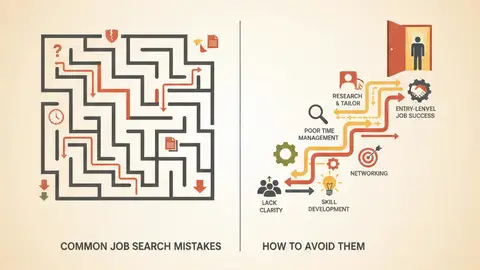
Common Job Search Mistakes Freshers Make (And How to Avoid Them)
Career Planning Guide for Students: Your Roadmap to Success

What Recruiters Look for in Online Job Applications

Government vs Private Jobs: Which Is Better?
Explore Topics
Perfect Your Resume
Use our AI-powered Resume Builder to create ATS-optimized resumes.
AI Resume Builder