
Career guide
Mission Mausam 2026: Objectives, Impact & Govt Jobs — Explained
Dive into Mission Mausam 2026, India's strategic leap in meteorological services. Understand its vision, core components, and the significant impact it will have on disaster management, agriculture, and government job creation.

In a nation as diverse and geographically vast as India, weather and climate play an undeniably critical role in every facet of life – from agriculture and disaster management to public health and economic stability. Recognizing this profound impact, the Indian government has initiated ambitious programs aimed at bolstering its meteorological capabilities. Among these, 'Mission Mausam 2026' stands out as a pivotal national endeavor. This comprehensive mission seeks to revolutionize India's weather and climate services, equipping the nation with more accurate forecasts, robust early warning systems, and enhanced resilience against extreme weather events.
For aspirants looking to contribute to national development, understanding such initiatives is crucial, as they often open avenues for various government job opportunities, from scientific research to field operations. Let's delve deep into Mission Mausam 2026, exploring its vision, core objectives, key components, and why it holds such significant relevance in today's climate-challenged world.

Unpacking Mission Mausam 2026: Vision and Core Objectives
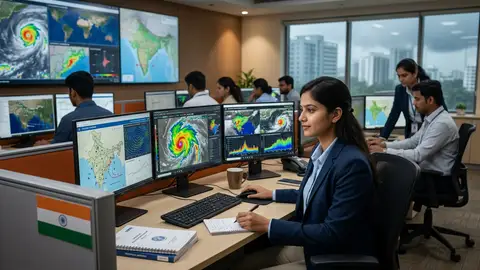
Mission Mausam 2026 is not merely an incremental upgrade; it represents a strategic leap forward in India's meteorological infrastructure and capabilities. Spearheaded primarily by the Ministry of Earth Sciences (MoES) and its various arms, including the India Meteorological Department (IMD), this mission is designed with a clear vision: to establish India as a global leader in weather and climate forecasting, capable of providing services that are not only highly accurate but also actionable and accessible to all stakeholders.
The Guiding Vision:
- Enhanced Accuracy and Reliability: To significantly improve the precision and dependability of weather forecasts and climate predictions across all time scales – from short-range (0-3 days) to seasonal and sub-seasonal (up to a year).
- Comprehensive Coverage: To expand the geographical reach and density of observational networks, ensuring that even remote and vulnerable regions receive timely and relevant weather information.
- User-Centric Services: To tailor meteorological services to meet the specific needs of various sectors, including agriculture, disaster management, water resources, energy, health, and urban planning.
- Climate Resilience: To equip India with advanced tools and knowledge to better understand, predict, and adapt to the impacts of climate change, thereby building national resilience against extreme weather events.
Core Objectives Driving the Mission:
- Modernization of Observation Systems: Upgrade and expand the existing network of weather stations, radars, satellites, and ocean observing systems with state-of-the-art technology.
- Advancement in Numerical Weather Prediction (NWP) Models: Develop and implement high-resolution, ensemble forecasting models that can provide more detailed and probabilistic forecasts. This involves significant investment in supercomputing infrastructure.
- Strengthening Early Warning Systems: Establish robust and rapid dissemination mechanisms for extreme weather alerts, ensuring that warnings reach the last mile effectively and promptly, minimizing loss of life and property.
- Fostering Research and Development: Promote cutting-edge research in atmospheric science, oceanography, and climate modeling to continuously improve forecasting techniques and develop innovative solutions.
- Capacity Building and Skill Development: Train a new generation of meteorologists, scientists, and technical personnel, while also enhancing the capacity of end-users to interpret and utilize weather information effectively. This also opens up various /sarkari-naukri opportunities in scientific and technical domains.
- International Collaboration: Engage in global partnerships for data sharing, technology transfer, and collaborative research, leveraging international expertise to enhance national capabilities.

By achieving these objectives, Mission Mausam 2026 aims to create a holistic and integrated framework for weather and climate services that can effectively support India's sustainable development goals and safeguard its citizens from meteorological hazards.
The Pillars of Progress: Key Components of Mission Mausam
To realize its ambitious vision, Mission Mausam 2026 is structured around several interconnected and interdependent components, each playing a crucial role in enhancing India's meteorological prowess. These pillars collectively form the backbone of the mission, ensuring a comprehensive approach to weather and climate services.
1. Enhanced Observation Network: The Eyes and Ears of the Mission
- Ground-Based Systems: Significant expansion and modernization of Automatic Weather Stations (AWS), Automatic Rain Gauges (ARG), Doppler Weather Radars (DWR), and radiosonde/rawinsonde stations. These provide crucial real-time data on temperature, humidity, wind, and precipitation.
- Satellite-Based Systems: Leveraging advanced Indian satellites (like INSAT-3DR, INSAT-3DS) and collaborating with international satellite missions to gather high-resolution imagery, atmospheric profiles, and ocean surface data. This provides a synoptic view of weather systems over vast areas.
- Ocean Observing Systems: Deployment of more Argo floats, moored buoys, and XBTs (expendable bathythermographs) to monitor ocean temperature, salinity, and currents, which are vital for understanding monsoon dynamics and tropical cyclones.
- Airborne Observations: Utilizing research aircraft and drones for targeted data collection in specific weather phenomena, enhancing understanding and prediction capabilities.
2. Advanced Numerical Weather Prediction (NWP) Models and High-Performance Computing
- High-Resolution Models: Developing and implementing NWP models with finer spatial and temporal resolutions, capable of predicting localized weather phenomena with greater accuracy. This includes mesoscale models for regional forecasting.
- Ensemble Forecasting Systems: Moving towards ensemble prediction systems (EPS) that run multiple model simulations with slightly varied initial conditions, providing a probabilistic range of outcomes and quantifying forecast uncertainty.
- Supercomputing Infrastructure: Massive investment in upgrading supercomputing facilities to handle the immense computational demands of running complex NWP models and processing vast amounts of observational data. India has already made strides in this area with systems like Mihir and Pratyush.
- Data Assimilation Techniques: Improving methods to integrate real-time observational data into NWP models more effectively, ensuring that the models start from the most accurate representation of the current atmospheric state.
3. Robust Communication and Dissemination Systems
- Rapid Alert Systems: Developing multi-channel communication platforms (SMS, mobile apps, radio, TV, social media, dedicated portals) to ensure timely and widespread dissemination of weather warnings and advisories.
- User-Friendly Interfaces: Creating intuitive and accessible platforms for various user groups (farmers, fishermen, disaster managers, general public) to easily access and understand weather information.
- Geospatial Information Systems (GIS): Integrating GIS technology to provide location-specific weather information and visualize potential impacts, aiding in localized decision-making.
4. Targeted Research and Development
- Monsoon Research: Continued focus on understanding the complexities of the Indian Monsoon, its variability, and teleconnections with global climate phenomena.
- Extreme Weather Studies: Research into the dynamics of tropical cyclones, heatwaves, cold waves, heavy rainfall events, and droughts to improve their prediction and impact assessment.
- Climate Change Projections: Developing regional climate models and scenarios to assess future climate impacts on India and inform adaptation strategies.
- AI and Machine Learning: Integrating artificial intelligence and machine learning techniques into forecasting models for pattern recognition, bias correction, and improved predictions.
5. Capacity Building, Skill Development, and Public Awareness
- Training Programs: Establishing advanced training programs for meteorologists, hydrologists, oceanographers, and climate scientists. This includes collaborations with academic institutions.
- Public Education: Launching awareness campaigns to educate the public on understanding weather forecasts, responding to warnings, and building a culture of preparedness.
- Inter-Agency Coordination: Strengthening collaboration between IMD, NDMA (National Disaster Management Authority), state disaster management bodies, agricultural departments, and other relevant agencies for integrated service delivery.
These components, working in synergy, are designed to create a resilient and responsive meteorological ecosystem that serves the diverse needs of the Indian populace and economy.
Why Mission Mausam 2026 is Crucial Now: The Drivers Behind the Initiative
The timing of Mission Mausam 2026 is not arbitrary; it is a strategic response to a confluence of pressing environmental, social, and economic factors. The mission's urgency stems from the increasing vulnerability of India to weather and climate-related hazards, coupled with advancements in technology that make such an initiative feasible and impactful.
1. Intensifying Impacts of Climate Change:
India is on the front lines of climate change. The country has witnessed a significant increase in the frequency and intensity of extreme weather events:
- More Frequent and Severe Cyclones: The Bay of Bengal and Arabian Sea are experiencing more powerful and rapidly intensifying cyclones, posing a grave threat to coastal communities.
- Erratic Monsoon Patterns: While the overall monsoon might remain stable, its spatial and temporal distribution is becoming highly unpredictable, leading to prolonged dry spells in some regions and devastating floods in others. This directly impacts agricultural productivity, a cornerstone of the Indian economy.
- Heatwaves and Cold Waves: Record-breaking heatwaves are becoming more common, affecting public health, labor productivity, and energy demand. Similarly, intense cold waves also pose significant challenges.
- Heavy Rainfall Events: Localized cloudbursts and extreme rainfall events are leading to flash floods and landslides, particularly in urban areas and hilly regions.
These events underscore the critical need for advanced forecasting and early warning systems to mitigate their devastating consequences.
2. Economic Imperatives and Sectoral Vulnerabilities:
India's economy, particularly its agricultural sector, is highly sensitive to weather patterns. Accurate weather information can:
- Boost Agricultural Productivity: Enable farmers to make informed decisions about sowing, irrigation, pest control, and harvesting, reducing crop losses and enhancing yields.
- Protect Infrastructure: Provide advance notice for protecting critical infrastructure like power grids, transportation networks, and communication systems from weather damage.
- Support Renewable Energy: Optimize the operation of solar and wind energy farms by predicting weather conditions that affect energy generation.
- Enhance Fisheries and Maritime Activities: Offer crucial information for safe navigation and efficient fishing operations.
3. Growing Population and Urbanization:
With a rapidly growing population and increasing urbanization, more people and assets are exposed to weather-related risks. Urban centers, in particular, are vulnerable to flash floods and heat island effects. Precise urban-level forecasts are becoming indispensable for city planning and disaster preparedness.
4. Technological Advancements Making it Possible:
The mission leverages significant strides in:
- Supercomputing Power: The ability to process vast datasets and run complex models at unprecedented speeds.
- Satellite Technology: Improved resolution and frequency of satellite observations.
- Artificial Intelligence and Machine Learning: Revolutionary tools for pattern recognition, data analysis, and model improvement in weather forecasting.
- Communication Technologies: Widespread mobile penetration and digital infrastructure allow for rapid dissemination of information to the masses.
5. Government's Focus on Disaster Risk Reduction (DRR):
The Indian government has placed a strong emphasis on proactive disaster management. Mission Mausam aligns perfectly with the National Disaster Management Plan, aiming to shift from a reactive relief-centric approach to a proactive, prevention- and preparedness-oriented strategy. This focus creates numerous opportunities for professionals in disaster management, meteorology, and related fields, often advertised on platforms like /government-jobs.
6. Global Leadership and Collaboration:
By strengthening its meteorological capabilities, India aims to contribute more effectively to global weather and climate initiatives, sharing data and expertise, and enhancing its standing as a responsible global scientific power.
In essence, Mission Mausam 2026 is a timely and critical initiative designed to safeguard India's future by enhancing its ability to understand, predict, and adapt to the ever-changing dynamics of its weather and climate.
Transforming India: Expected Outcomes and Sectoral Benefits
The successful implementation of Mission Mausam 2026 is poised to bring about a transformative impact across various sectors of the Indian economy and society. The enhanced meteorological services will not only save lives and property but also contribute significantly to sustainable development and economic growth.
1. Agriculture and Food Security:
- Precision Farming: Farmers will receive highly localized and accurate weather advisories, enabling optimal decisions regarding crop selection, sowing times, irrigation schedules, fertilizer application, and pest management.
- Reduced Crop Losses: Timely warnings for extreme weather events like hailstorms, heavy rainfall, droughts, and heatwaves will help farmers take protective measures, significantly reducing crop damage and financial losses.
- Improved Yields: Optimized agricultural practices based on scientific weather forecasts will lead to better crop health and increased yields, contributing to food security.
2. Disaster Management and Public Safety:
- Early Warning for Extreme Events: More accurate and longer lead-time forecasts for cyclones, floods, heatwaves, and severe thunderstorms will allow disaster management agencies to prepare and evacuate vulnerable populations effectively.
- Reduced Casualties and Damage: Proactive measures based on reliable warnings will minimize loss of life, injuries, and damage to infrastructure and property.
- Enhanced Search and Rescue Operations: Weather intelligence will aid in planning and executing search and rescue missions more efficiently during and after disasters.
3. Water Resource Management:
- Optimized Reservoir Operations: Better rainfall forecasts will enable water resource managers to make informed decisions about dam releases, irrigation scheduling, and flood control.
- Drought Management: Improved long-range forecasts will aid in anticipating droughts and planning for water conservation and allocation.
4. Energy Sector:
- Renewable Energy Planning: Accurate wind speed and solar radiation forecasts will optimize the generation and integration of renewable energy sources into the national grid.
- Energy Demand Management: Weather forecasts will help predict energy demand for heating and cooling, allowing for better planning and resource allocation.
5. Health Sector:
- Public Health Advisories: Warnings for heatwaves, cold waves, and air quality forecasts will help public health authorities issue advisories and implement preventive measures, reducing weather-related illnesses and fatalities.
- Vector-Borne Disease Control: Understanding weather patterns can help predict outbreaks of vector-borne diseases like dengue and malaria, enabling targeted interventions.
6. Transportation and Logistics:
- Safer Travel: Accurate forecasts for fog, heavy rain, snow, and strong winds will enhance safety and efficiency in air, road, rail, and maritime transportation.
- Optimized Logistics: Businesses can plan their supply chains and logistics more effectively, minimizing delays and losses due to adverse weather conditions.
7. Urban Planning and Infrastructure Development:
- Climate-Resilient Cities: Urban planners can use detailed weather and climate projections to design infrastructure that is resilient to extreme events, such as improved drainage systems for heavy rainfall.
- Smart City Initiatives: Integration of weather data into smart city frameworks for real-time monitoring and response.
In essence, Mission Mausam 2026 is designed to foster a 'weather-ready' and 'climate-smart' India, where timely and accurate meteorological information empowers individuals, communities, and sectors to thrive in the face of evolving environmental challenges. This widespread impact underscores the significance of such national missions for India's progress.
Technological Edge: Innovation Driving Mission Mausam's Success
At the heart of Mission Mausam 2026's ambitious goals lies a profound reliance on cutting-edge
Frequently Asked Questions (FAQs)
What is Mission Mausam 2026?
Mission Mausam 2026 is a comprehensive national mission by the Indian government, led by the Ministry of Earth Sciences, to revolutionize the country's weather and climate forecasting services and infrastructure.
What are the main objectives of Mission Mausam 2026?
Its primary objectives include enhancing forecast accuracy, expanding the observational network, upgrading computational models, and improving early warning systems for extreme weather events to protect lives and property.
How does Mission Mausam 2026 create government jobs?
The mission will generate jobs in scientific research, data analysis, field operations, technology development, and public outreach within agencies like the India Meteorological Department (IMD) and Ministry of Earth Sciences (MoES).
Related Resources
- Jobs in the Ministry of Earth Sciences (MoES)
- India Meteorological Department (IMD) Careers
- Latest Scientific Officer Jobs
Put this advice into practice
Mission Mausam 2026 is a strategic investment in India's future resilience and economic security. By enhancing meteorological capabilities, it safeguards lives and creates diverse government career paths. Aspiring professionals should monitor MoES and IMD recruitment to contribute to this transformative national journey.
Reader questions: Mission Mausam 2026
What is Mission Mausam 2026?
Mission Mausam 2026 is a comprehensive national mission by the Indian government, led by the Ministry of Earth Sciences, to revolutionize the country's weather and climate forecasting services and infrastructure.
What are the main objectives of Mission Mausam 2026?
Its primary objectives include enhancing forecast accuracy, expanding the observational network, upgrading computational models, and improving early warning systems for extreme weather events to protect lives and property.
How does Mission Mausam 2026 create government jobs?
The mission will generate jobs in scientific research, data analysis, field operations, technology development, and public outreach within agencies like the India Meteorological Department (IMD) and Ministry of Earth Sciences (MoES).
TrueJobs Editorial Team
TrueJobs editorial desk
This article is prepared from the sources referenced in the guide and reviewed for clarity, links and dated information. Read our editorial and corrections policy.
Continue This Topic
Follow the closest earlier and newer coverage so older archive posts keep real contextual crawl paths.
Doppler Weather Radar: India's Eye on the Sky Explained
Discover the science behind Doppler Weather Radar, the technology serving as India's frontline defense against severe weather. This guide explains how it works, its critical role in forecasting cyclones and monsoons, and its importance for public safety and the economy.
Digital Governance for Women & Child Nutrition in India: Poshan Tracker, U-WIN & ABDM
Discover how India's digital initiatives like Poshan Tracker, U-WIN, and ABDM are transforming women and child nutrition and health governance.
Read Next

Doppler Weather Radar: India's Eye on the Sky Explained

Digital Governance for Women & Child Nutrition in India: Poshan Tracker, U-WIN & ABDM
India's Early Warning Systems: Protecting Against Extreme Weather

PM Vishwakarma Yojana 2026: Empowering Artisans, Shaping India's Future
Explore Topics
Perfect Your Resume
Use our AI-powered Resume Builder to create ATS-optimized resumes.
AI Resume Builder