
Career guide
PM Vishwakarma Yojana 2026: Empowering Artisans — Explained
Discover the PM Vishwakarma Yojana, a government initiative to empower India's traditional artisans. Learn about its key benefits, skill training, credit support, and vision for 2026.
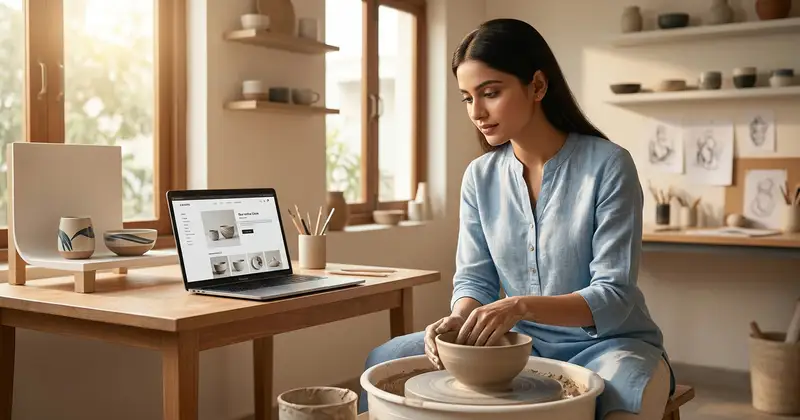
India, a land rich in diverse cultures and traditions, has always been home to an incredible array of skilled artisans and craftspeople. These 'Vishwakarmas' are the backbone of our traditional economy, preserving age-old techniques and creating products that are both utilitarian and artistic. Recognizing their invaluable contribution and the need to integrate them into the modern economic framework, the Government of India launched the PM Vishwakarma Yojana. This ambitious scheme aims to uplift and empower these traditional workers, providing them with the necessary tools, training, and financial support to thrive in the 21st century.
As we look towards 2026, understanding the full scope, benefits, and ongoing relevance of this initiative becomes crucial for anyone interested in India's socio-economic development and career opportunities in traditional crafts.
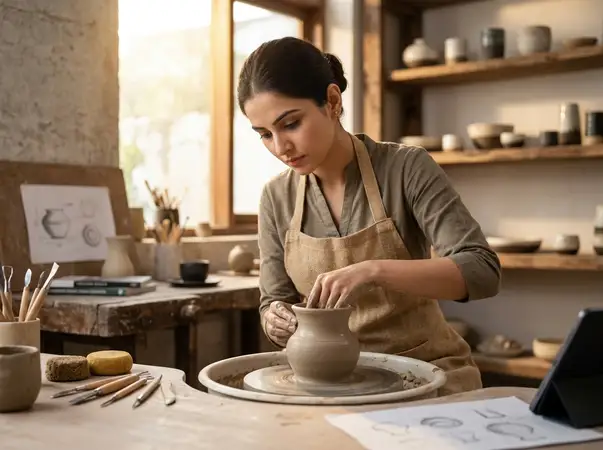
What is the PM Vishwakarma Yojana? (Full Form & Core Concept)
The PM Vishwakarma Yojana, officially known as the Pradhan Mantri Vishwakarma Kaushal Samman Yojana, is a landmark initiative by the Government of India designed to provide holistic support to traditional artisans and craftspeople across the nation. Launched on September 17, 2023, on the occasion of Vishwakarma Jayanti, the scheme is a testament to the government's commitment to preserving India's rich heritage of craftsmanship while simultaneously fostering economic growth and self-reliance among these communities.
At its core, the PM Vishwakarma Yojana seeks to strengthen and nurture the Guru-Shishya parampara (teacher-disciple tradition) of traditional skills. It aims to improve the quality, scale, and reach of products and services made by these artisans, integrating them into the domestic and global value chains. The scheme is not merely about financial aid; it's a comprehensive package that addresses various aspects of an artisan's professional journey, from skill enhancement and access to modern tools to credit support and market linkage. The vision is to transform these traditional workers into modern entrepreneurs, capable of competing in today's dynamic market while retaining the authenticity and uniqueness of their craft.
The scheme has been allocated a significant financial outlay of ₹13,000 crore, indicating the government's serious intent and long-term commitment to this sector. It is a centrally sponsored scheme, meaning the central government bears the majority of the financial burden, ensuring uniform implementation and benefits across all states and union territories. By focusing on the 'Vishwakarmas,' the Yojana aims to ensure that these invaluable skills and the livelihoods dependent on them are not only sustained but also flourish, contributing significantly to India's economic fabric.

Who are the 'Vishwakarmas'? Identifying Beneficiaries
The term 'Vishwakarma' traditionally refers to the divine architect and engineer in Hindu mythology, symbolizing skill, craftsmanship, and creation. In the context of this scheme, 'Vishwakarmas' are identified as traditional artisans and craftspeople engaged in specific trades that have been passed down through generations. The PM Vishwakarma Yojana specifically targets 18 traditional trades, ensuring that support reaches those who are most deeply rooted in India's craft heritage. These trades represent a diverse range of skills, from metalwork and carpentry to pottery and garment making.
The 18 identified traditional trades covered under the PM Vishwakarma Yojana include:
- Carpenter (Suthar)
- Boat Maker
- Armourer
- Blacksmith (Lohar)
- Hammer and Tool Kit Maker
- Locksmith
- Goldsmith (Sonar)
- Potter (Kumhar)
- Sculptor (Moortikar, stone carver, stone breaker)
- Cobbler/Shoesmith/Footwear artisan (Charmkar)
- Mason (Rajmistri)
- Basket/Mat/Broom Maker/Coir Weaver
- Doll & Toy Maker (Traditional)
- Barber (Nai)
- Garland Maker (Malakar)
- Washerman (Dhobi)
- Tailor (Darzi)
- Fishing Net Maker
This comprehensive list ensures that a wide spectrum of traditional artisans, often operating in the unorganized sector and facing challenges like lack of capital, modern tools, and market access, are brought under the scheme's protective and empowering umbrella. By specifically identifying these trades, the government ensures targeted intervention and support, recognizing the unique needs and challenges faced by each craft community. The scheme is designed to reach artisans in both rural and urban areas, ensuring inclusive growth and development across the country.
Key Benefits and Components of the Yojana
The PM Vishwakarma Yojana is designed with a multi-pronged approach, offering a comprehensive package of benefits to empower traditional artisans. Each component is strategically developed to address specific challenges faced by these communities, fostering their growth and integrating them into the mainstream economy.
1. Skill Upgradation
One of the foundational pillars of the scheme is skill development. Artisans are provided with opportunities for skill upgradation through basic and advanced training programs. These programs are designed to enhance their existing skills, introduce them to modern techniques and tools, and improve the quality and efficiency of their work. The training is conducted by accredited institutions and master craftspersons, ensuring high-quality instruction. During the basic training period, beneficiaries receive a stipend of ₹500 per day, compensating them for their time and loss of daily wages, making the training accessible to all.
2. Toolkit Incentive
Upon completion of the basic skill training, beneficiaries receive a toolkit incentive of up to ₹15,000. This financial assistance is crucial for artisans to purchase modern and efficient tools, which are often expensive and out of reach for many. Equipping them with better tools not only improves their productivity but also allows them to create products of higher quality and finish, making them more competitive in the market.
3. Credit Support
Access to affordable credit is a major hurdle for many traditional artisans. The PM Vishwakarma Yojana addresses this by providing collateral-free enterprise development loans. Beneficiaries can avail of a first tranche of up to ₹1 lakh and a second tranche of up to ₹2 lakh. These loans are offered at a highly concessional interest rate of just 5%. This easy access to capital enables artisans to expand their businesses, purchase raw materials, invest in equipment, or even set up small workshops, fostering entrepreneurship and self-employment.
4. Marketing Support
Beyond production, market access is vital for the success of any artisan. The scheme provides comprehensive marketing support to help artisans connect with broader markets. This includes facilitating participation in exhibitions, trade fairs, and buyer-seller meets. It also focuses on branding, quality certification, and onboarding artisans onto e-commerce platforms. The goal is to help artisans showcase their products to a wider audience, both domestically and internationally, increasing their sales and income.
5. Digital Transaction Incentive
In line with India's push for a digital economy, the scheme encourages beneficiaries to adopt digital payment methods. Artisans receive an incentive of ₹1 per eligible digital transaction, up to a maximum of 100 transactions per month. This not only promotes financial literacy and inclusion but also streamlines their business operations, making transactions more transparent and efficient.
6. Identity and Recognition
Each beneficiary is provided with a PM Vishwakarma Certificate and an ID Card, officially recognizing them as a 'Vishwakarma' and a beneficiary of the scheme. This provides a sense of identity, pride, and official recognition, which can be beneficial in accessing further government schemes and market opportunities.
The Vision for 2026: Long-Term Impact and Future Relevance
The PM Vishwakarma Yojana is not just a short-term relief package; it's a strategic investment with a long-term vision, particularly as we look towards 2026 and beyond. The scheme is designed to create a sustainable ecosystem for traditional artisans, ensuring their continued relevance and prosperity in a rapidly evolving economy.
By 2026, the scheme aims to have significantly transformed the landscape for traditional crafts in India. The emphasis on skill upgradation means that a new generation of artisans will be equipped with both traditional knowledge and modern techniques, making their crafts more appealing and competitive. The provision of modern toolkits will lead to increased productivity and better quality products, allowing artisans to command better prices for their work.
The credit support mechanism is expected to foster a strong entrepreneurial spirit among Vishwakarmas. By providing easy access to capital, the scheme encourages them to expand their businesses, innovate, and create employment opportunities for others. This will contribute directly to the growth of the Micro, Small, and Medium Enterprises (MSME) sector, which is a vital engine for India's economic development. By 2026, we can anticipate a rise in the number of successful artisan-led enterprises, contributing to local economies and creating a more robust supply chain for traditional products.
Furthermore, the marketing support, including integration with e-commerce platforms and participation in national/international exhibitions, is crucial for breaking geographical barriers. By 2026, many traditional crafts, previously confined to local markets, are expected to gain national and global recognition. This not only enhances the income of artisans but also elevates the status of Indian traditional crafts on the world stage, boosting cultural tourism and exports.
The digital transaction incentives play a pivotal role in financial inclusion. By 2026, a significant portion of Vishwakarmas are expected to be digitally literate and integrated into the formal financial system, leading to greater transparency, efficiency, and access to other financial services. This digital empowerment is key to their long-term economic stability.
Ultimately, the vision for 2026 is to create a self-reliant and thriving community of Vishwakarmas who are proud of their heritage, skilled in their craft, financially stable, and well-connected to modern markets. The scheme aims to ensure that India's rich cultural heritage, embodied in these traditional crafts, continues to flourish and contribute meaningfully to the nation's identity and economy for generations to come. It’s about ensuring that these artisans are not just surviving, but truly thriving, becoming an integral part of India's growth story.
Application Process and Eligibility Criteria
To ensure that the benefits of the PM Vishwakarma Yojana reach the intended beneficiaries efficiently, a streamlined application process and clear eligibility criteria have been established. Interested artisans can apply for the scheme through a common service center (CSC) or a Gram Panchayat in rural areas, or through designated urban local bodies. The process is designed to be user-friendly and accessible, even for those with limited digital literacy.
Eligibility Criteria:
- Age: The applicant must be at least 18 years old at the time of application.
- Trade: The applicant must be engaged in one of the 18 identified traditional trades listed under the scheme. This is a primary requirement to ensure targeted support.
- Self-Employment: The applicant should be a self-employed artisan or craftsperson working in the unorganized sector on a family-based traditional trade.
- No Prior Benefits: The applicant should not have availed of similar credit-based schemes of the Central Government or State Government for self-employment/business development in the last five years. This prevents duplication of benefits and ensures wider reach.
- Family Restriction: Only one member from a family can avail the benefits of the scheme. For this purpose, 'family' is defined as the husband, wife, and their unmarried children.
- Government Employment: Individuals employed in government service or their family members are generally not eligible, as the scheme is primarily for those in the unorganized sector needing support.
Application Process (General Steps):
- Registration: Applicants need to register themselves on the PM Vishwakarma portal through a CSC. This involves providing Aadhaar and mobile numbers for verification.
- Application Form: Fill out the detailed application form, providing personal, professional, and trade-related information.
- Skill Assessment: Depending on the trade, there might be an initial assessment to verify the existing skill level.
- Training Selection: Eligible candidates will be selected for basic skill training.
- Benefit Disbursement: Post-training, benefits like toolkit incentive, credit support, and marketing assistance will be processed as per the scheme guidelines.
It is important for aspiring beneficiaries to stay updated with the latest guidelines and announcements from the official PM Vishwakarma Yojana portal or local government bodies. For detailed information and assistance with the application, individuals can visit their nearest Common Service Center or relevant government departments. /government-schemes
PM Vishwakarma Yojana: A Catalyst for 'Make in India' and 'Atmanirbhar Bharat'
The PM Vishwakarma Yojana is more than just a scheme for artisans; it is a powerful catalyst that aligns perfectly with India's broader national initiatives like 'Make in India' and 'Atmanirbhar Bharat' (Self-Reliant India). By empowering traditional craftspeople, the Yojana plays a crucial role in strengthening the domestic manufacturing sector and fostering self-sufficiency.
The 'Make in India' initiative aims to transform India into a global manufacturing hub. Traditional artisans, with their unique skills and handcrafted products, are an integral part of India's manufacturing prowess. The Vishwakarma Yojana directly contributes to this by:
- Boosting Local Production: By providing training, tools, and financial support, the scheme enables artisans to enhance their production capabilities, both in terms of quantity and quality. This leads to a greater availability of 'Made in India' products, reducing reliance on imports for certain goods.
- Promoting Indigenous Skills: It highlights and promotes India's unique indigenous skills and craftsmanship, which are often overlooked in the age of mass production. These skills represent a significant competitive advantage for India in the global market.
- Creating a Skilled Workforce: The skill upgradation component ensures a continuous supply of highly skilled artisans, which is vital for any manufacturing ecosystem. This skilled workforce can also adapt to modern manufacturing techniques, bridging the gap between traditional and contemporary production methods.
Similarly, the 'Atmanirbhar Bharat' vision emphasizes self-reliance across various sectors. The PM Vishwakarma Yojana contributes to this vision by:
- Fostering Self-Employment: The scheme directly promotes entrepreneurship and self-employment among traditional artisans. By enabling them to set up or expand their own businesses, it reduces dependency on external employment and creates a large pool of self-reliant individuals.
- Strengthening Local Economies: When artisans thrive, local economies flourish. The increased income and business activity generated by Vishwakarmas circulate within their communities, leading to overall economic upliftment and reducing regional disparities.
- Preserving Cultural Heritage: Self-reliance is also about cultural independence. By supporting traditional crafts, the scheme ensures the preservation of India's rich cultural heritage, which is a unique asset in the global context. It ensures that these invaluable skills and traditions are passed on to future generations.
- Reducing Vulnerability: Empowering artisans with financial stability and market access makes them less vulnerable to economic shocks and exploitation, contributing to a more resilient and self-sufficient society.
In essence, the PM Vishwakarma Yojana is a strategic intervention that leverages India's traditional strengths to achieve modern economic goals. It recognizes that true self-reliance and a robust manufacturing base must include and uplift the skilled hands that have shaped India's identity for centuries. As we move towards 2026, the cumulative impact of this scheme will undoubtedly be a stronger, more self-reliant, and culturally rich India, where the 'Vishwakarmas' are not just beneficiaries, but active contributors to national progress.
Put this advice into practice
The PM Vishwakarma Yojana stands as a beacon of hope and empowerment for millions of traditional artisans and craftspeople across India. Its comprehensive approach, encompassing skill development, modern tool access, financial support, and market linkages, is meticulously designed to address the multifaceted challenges faced by this vital segment of our society. As we cast our gaze towards 2026, the scheme's long-term vision for sustainable growth, cultural preservation, and economic inclusion becomes even clearer.
By fostering an environment where traditional skills are valued, honed, and integrated into the contemporary economy, the PM Vishwakarma Yojana is not merely providing assistance; it is igniting a quiet revolution of self-reliance and dignity. It is ensuring that the intricate artistry of a carpenter, the delicate precision of a goldsmith, or the earthy beauty of a potter's creation continues to enrich our lives and represent India's unique heritage on the global stage. This initiative is a
Frequently Asked Questions (FAQs)
What is the main goal of the PM Vishwakarma Yojana?
The main goal is to provide holistic support to traditional artisans and craftspeople by improving their skills, providing modern tools, credit, and market access.
Who is eligible for the PM Vishwakarma Yojana?
Traditional artisans and craftspeople working in 18 identified trades, such as carpenters, blacksmiths, and potters, who are at least 18 years old are eligible.
What financial benefits are offered under this scheme?
The scheme offers a toolkit incentive of ₹15,000, collateral-free credit support up to ₹3 lakh in two tranches, and an incentive for digital transactions.
Related Resources
- Sarkari Yojana 2024
- Skill India Mission
- MSME Registration & Benefits
Reader questions: Career
What is the main goal of the PM Vishwakarma Yojana?
The main goal is to provide holistic support to traditional artisans and craftspeople by improving their skills, providing modern tools, credit, and market access.
Who is eligible for the PM Vishwakarma Yojana?
Traditional artisans and craftspeople working in 18 identified trades, such as carpenters, blacksmiths, and potters, who are at least 18 years old are eligible.
What financial benefits are offered under this scheme?
The scheme offers a toolkit incentive of ₹15,000, collateral-free credit support up to ₹3 lakh in two tranches, and an incentive for digital transactions.
TrueJobs Editorial Team
TrueJobs editorial desk
This article is prepared from the sources referenced in the guide and reviewed for clarity, links and dated information. Read our editorial and corrections policy.
Continue This Topic
Follow the closest earlier and newer coverage so older archive posts keep real contextual crawl paths.
Digital Governance for Women & Child Nutrition in India: Poshan Tracker, U-WIN & ABDM
Discover how India's digital initiatives like Poshan Tracker, U-WIN, and ABDM are transforming women and child nutrition and health governance.
PM-JANMAN Explained: Full Form, Target Groups & Key Features
A comprehensive guide to the Pradhan Mantri Janjati Adivasi Nyaya Maha Abhiyan (PM-JANMAN). Learn about the scheme's full form, its focus on Particularly Vulnerable Tribal Groups (PVTGs), key features, and implementation.
Read Next

Digital Governance for Women & Child Nutrition in India: Poshan Tracker, U-WIN & ABDM

PM-JANMAN Explained: Full Form, Target Groups & Key Features

Mission Mausam 2026: Objectives, Components & Impact

Saksham Anganwadi & Poshan 2.0: Features, Roles & Exam Insights
Explore Topics
Perfect Your Resume
Use our AI-powered Resume Builder to create ATS-optimized resumes.
AI Resume Builder