
Career guide
Digital Governance for Women & Child Nutrition — Explained
Discover how India's digital initiatives like Poshan Tracker, U-WIN, and ABDM are transforming women and child nutrition and health governance.
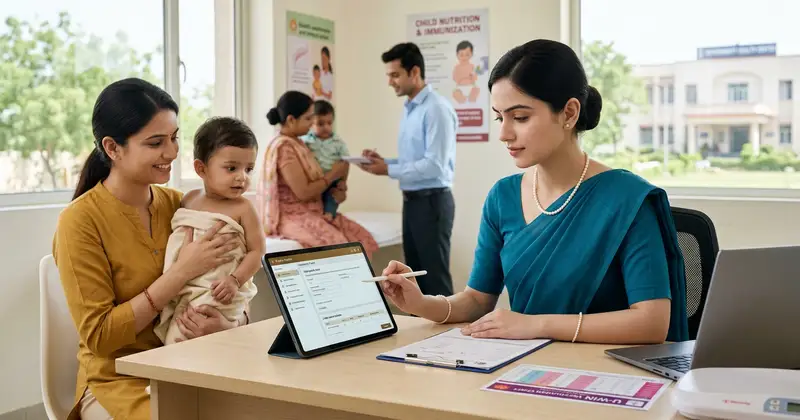
India, a nation with a vast and diverse population, faces significant challenges in ensuring optimal health and nutrition for its women and children. Recognising the critical role of technology in overcoming these hurdles, the government has embarked on an ambitious journey of digital transformation in its public health and welfare programmes. This article delves into three pivotal digital initiatives – Poshan Tracker, U-WIN, and the Ayushman Bharat Digital Mission (ABDM) – exploring how they are collectively revolutionising the landscape of women and child nutrition and health governance across the country, fostering a healthier future for millions.
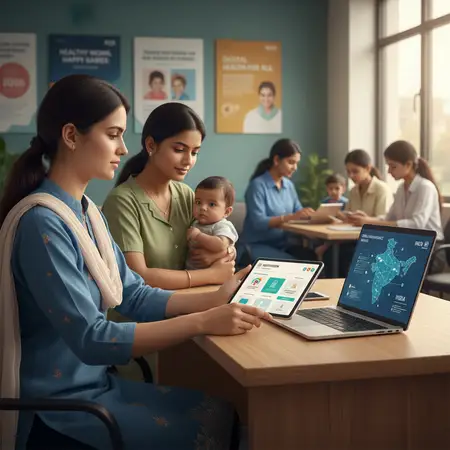
The Digital Imperative: Why Technology in Women and Child Nutrition?
For decades, India has grappled with the complex issues of malnutrition, maternal mortality, and infant mortality. While various welfare schemes have been in place, their implementation often faced challenges related to data collection, monitoring, transparency, and efficient service delivery. Manual record-keeping was prone to errors, delays, and a lack of real-time insights, hindering effective policy interventions and resource allocation. The sheer scale of the population and the geographical diversity further amplified these difficulties.
In response, the Indian government identified digital governance as a powerful tool to streamline operations, enhance accountability, and improve outcomes. Leveraging technology allows for real-time tracking of beneficiaries, services, and impact, enabling data-driven decision-making. It facilitates direct benefit transfers, reduces leakages, and empowers frontline workers with efficient tools. More importantly, digital platforms can bridge geographical gaps, ensuring that even the most remote communities receive timely and appropriate support. The shift towards digital solutions is not merely about efficiency; it's about building a robust, transparent, and responsive public health system that can adapt to the evolving needs of its most vulnerable citizens – women and children.
The integration of digital platforms like Poshan Tracker, U-WIN, and ABDM signifies a paradigm shift from traditional, siloed approaches to a more interconnected and data-centric ecosystem. This digital push is crucial for achieving national and international targets related to health and nutrition, laying the groundwork for a healthier, more productive generation.
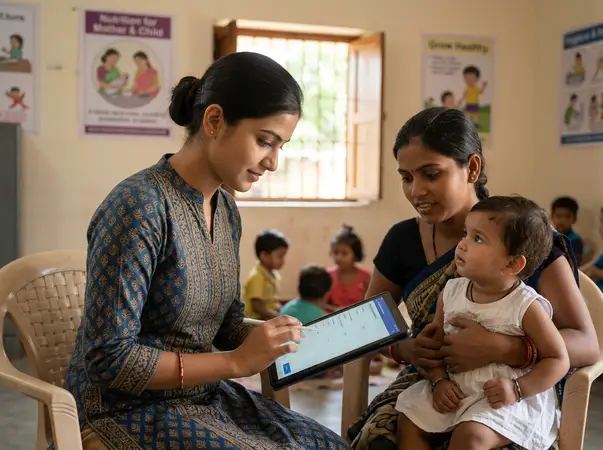
Poshan Tracker: A Pillar of Real-time Nutrition Monitoring
The Poshan Tracker application is a cornerstone of India's efforts to combat malnutrition, particularly under the flagship Poshan Abhiyaan (National Nutrition Mission). Launched to digitise and automate the monitoring of services delivered at Anganwadi Centres (AWCs), it serves as a critical tool for frontline Anganwadi Workers (AWWs) and supervisors.
Key Features and Functionality:
- Beneficiary Management: The app allows AWWs to register and track the nutritional status of pregnant women, lactating mothers, and children (0-6 years) in their respective areas.
- Growth Monitoring: It facilitates the recording of height and weight measurements, automatically calculating growth indicators like stunting, wasting, and underweight status, thereby identifying malnourished children promptly.
- Service Delivery Tracking: AWWs can log the provision of supplementary nutrition, health services, pre-school education, and counselling sessions to beneficiaries.
- Real-time Data: Data entered by AWWs is instantly available at various administrative levels, from supervisors to district, state, and national authorities, enabling real-time monitoring and intervention.
- Activity Planning: The app assists AWWs in planning their daily activities, ensuring comprehensive coverage and follow-ups.
- Training and Capacity Building: It often includes modules for training AWWs and disseminating important information.
Impact on Women and Child Nutrition:
Poshan Tracker has significantly improved the efficiency and transparency of the Poshan Abhiyaan. By providing real-time data, it allows for targeted interventions in areas with high prevalence of malnutrition. It helps identify children and women who are missing out on essential services, enabling timely outreach. The data collected also informs policy decisions, allowing the government to adapt strategies based on ground realities. The digital nature reduces manual errors and ensures more accurate reporting, leading to better resource allocation and accountability. For Anganwadi Workers, it simplifies their administrative tasks, allowing them to dedicate more time to community engagement and direct beneficiary support.
U-WIN Platform: Streamlining India's Immunization Drive
Building on the success of the Co-WIN platform used for COVID-19 vaccination, the U-WIN (Universal Immunization Programme - WIN) platform is India's ambitious initiative to digitise its entire Universal Immunization Programme (UIP). This platform aims to create a digital registry of all pregnant women and children, track their vaccination schedules, and generate digital vaccination certificates.
Key Features and Functionality:
- Beneficiary Registration: Pregnant women and children can be registered on the platform, creating a unique digital identity for their immunization journey.
- Vaccination Scheduling and Tracking: U-WIN helps in planning and tracking vaccination sessions, sending reminders to beneficiaries, and ensuring that no child or mother misses their crucial doses.
- Digital Vaccination Certificates: Upon successful vaccination, digital certificates are generated, providing a verifiable record of immunization.
- Real-time Data and Analytics: The platform offers real-time data on vaccination coverage, stock management of vaccines, and cold chain monitoring, enabling efficient programme management.
- Interoperability: Designed to be interoperable with other digital health platforms, U-WIN aims to integrate seamlessly into the broader digital health ecosystem.
Significance for Women and Child Health:
The U-WIN platform is set to be a game-changer for maternal and child health. By ensuring timely and complete immunization, it directly contributes to reducing vaccine-preventable diseases, a major cause of child mortality. For pregnant women, tracking tetanus vaccinations and other essential immunizations is vital for safe pregnancies and healthy newborns. The digital certificates provide a reliable record, which is particularly useful for migration and school admissions. Furthermore, the real-time data allows health authorities to identify and address gaps in immunization coverage, especially in hard-to-reach areas, ensuring equitable access to life-saving vaccines. This digital leap enhances transparency, accountability, and the overall effectiveness of India's robust immunization programme, protecting the health of future generations.
Ayushman Bharat Digital Mission (ABDM): The Holistic Digital Health Foundation
The Ayushman Bharat Digital Mission (ABDM) is a flagship initiative launched by the Government of India with the vision to create a national digital health ecosystem. It aims to develop the backbone necessary to support the integrated digital health infrastructure of the country. ABDM is not a standalone application but rather a comprehensive framework designed to connect various stakeholders within the healthcare system digitally.
Core Components of ABDM:
- Ayushman Bharat Health Account (ABHA): A unique 14-digit health ID for every citizen, linking their health records across different healthcare providers.
- Healthcare Professionals Registry (HPR): A comprehensive repository of all healthcare professionals in the country.
- Health Facility Registry (HFR): A database of all public and private health facilities.
- Consent Manager: A system that allows individuals to control access to their health records securely.
- Health Records (PHR) System: Enabling citizens to access and manage their health records digitally.
How ABDM Integrates with Women and Child Health Initiatives:
ABDM acts as the overarching digital infrastructure that can seamlessly integrate platforms like Poshan Tracker and U-WIN. For instance, a child's immunization record generated through U-WIN could be linked to their ABHA ID, making it accessible to healthcare providers across the country. Similarly, a pregnant woman's nutritional status data from Poshan Tracker could be part of her digital health record, providing a holistic view of her health journey to her doctor or AWW.
This integration facilitates a continuum of care, ensuring that a patient's health history, including nutritional status and vaccination records, is readily available to authorised healthcare providers. It reduces the need for carrying physical documents, minimises data duplication, and enables more informed clinical decisions. By connecting these vital health data points, ABDM empowers individuals with control over their health information and paves the way for a truly interoperable and efficient national health system, directly benefiting women and children who often require continuous and coordinated care.
Connecting the Dots: Synergies for Integrated Health Outcomes
The true power of Poshan Tracker, U-WIN, and ABDM lies not in their individual capabilities but in their potential for synergy and interoperability. While each platform addresses specific aspects of women and child health, their integration creates a comprehensive digital ecosystem that fosters integrated health outcomes.
- Holistic Health Profiles: Imagine a child's ABHA ID linking their birth details, vaccination history (from U-WIN), and growth monitoring data (from Poshan Tracker). This creates a holistic digital health profile, accessible to authorised healthcare providers, enabling better diagnosis, treatment, and preventive care.
- Continuum of Care: For a pregnant woman, her nutritional supplements tracked via Poshan Tracker, her antenatal check-ups, and her delivery details can all be consolidated under her ABHA ID. Post-delivery, her infant's vaccination schedule and growth charts seamlessly become part of this integrated record, ensuring a continuous care pathway from pregnancy through early childhood.
- Data-Driven Policy Making: The combined data from these platforms offers unprecedented insights into health trends, nutritional deficiencies, and immunization gaps at micro and macro levels. This granular data empowers policymakers to design targeted interventions, allocate resources more effectively, and evaluate the impact of various programmes with greater precision.
- Enhanced Accountability and Transparency: Interoperable systems reduce data silos and improve transparency across the health and nutrition sectors. This makes it easier to track service delivery, identify bottlenecks, and ensure accountability from frontline workers to national health authorities.
- Empowering Citizens: With their health records digitised and accessible via ABHA, citizens are more empowered to manage their own health information, share it with chosen providers, and make informed decisions about their well-being. This is particularly beneficial for women, who often serve as primary caregivers and decision-makers for family health.
This interconnected digital infrastructure moves beyond mere data collection; it aims to create a responsive, preventive, and person-centric health system that addresses the multifaceted needs of women and children effectively.
Transformative Impact: A Healthier Future for India's Women and Children
The digital governance initiatives like Poshan Tracker, U-WIN, and ABDM are not just technological advancements; they are catalysts for a profound transformation in the health and nutritional status of India's women and children. Their collective impact is poised to create a healthier, more resilient future for the nation.
Key Areas of Transformative Impact:
- Reduced Malnutrition: By providing real-time data on growth monitoring and service delivery, Poshan Tracker enables early identification of malnourished children and pregnant women, facilitating timely interventions and supplementary nutrition. This direct targeting is crucial for reducing stunting, wasting, and anemia rates.
- Improved Immunization Coverage: U-WIN's ability to track vaccination schedules, send reminders, and manage vaccine logistics will significantly boost immunization coverage, especially in remote and underserved areas. This will lead to a drastic reduction in vaccine-preventable diseases, safeguarding children from serious illnesses and mortality.
- Enhanced Maternal and Child Health Outcomes: The integrated data from these platforms provides a comprehensive view of a mother's and child's health journey. This holistic perspective enables better antenatal care, safe deliveries, and robust postnatal support, contributing to lower maternal and infant mortality rates.
- Data-Driven Governance: The wealth of data generated by these digital platforms empowers government bodies to make informed, evidence-based policy decisions. This leads to more efficient resource allocation, targeted programme design, and a greater understanding of public health challenges at both micro and macro levels.
- Increased Transparency and Accountability: Digital records reduce the scope for manual errors and fraudulent practices. Every service delivery, vaccination, or nutritional supplement distribution is digitally recorded, enhancing transparency and ensuring that benefits reach the intended beneficiaries.
- Empowerment of Frontline Workers: Anganwadi Workers and healthcare professionals are equipped with user-friendly digital tools that simplify their administrative tasks, allowing them to focus more on direct beneficiary interaction, counselling, and service delivery. This boosts their efficiency and morale.
- Strengthening the Health System: By building a robust digital health infrastructure, India is moving towards a more resilient and responsive healthcare system capable of handling routine health challenges as well as public health emergencies more effectively.
These initiatives are laying the foundation for a healthier India, where every woman and child has access to essential health and nutrition services, supported by a transparent, efficient, and technologically advanced governance framework.
Navigating the Hurdles: Challenges and the Path Forward
While the vision of digital governance in women and child nutrition is transformative, its implementation is not without challenges. Addressing these hurdles is crucial for the sustained success and widespread adoption of platforms like Poshan Tracker, U-WIN, and ABDM.
Key Challenges:
- Digital Divide and Infrastructure: A significant portion of India's population, especially in rural and remote areas, still lacks access to reliable internet connectivity, smartphones, or basic digital literacy. This digital divide can hinder the effective reach and utilisation of these platforms.
- Data Privacy and Security: Handling vast amounts of sensitive personal health data raises concerns about privacy, data security, and potential misuse. Robust legal frameworks, strong encryption, and strict access controls are paramount.
- Capacity Building and Training: Frontline workers, including Anganwadi Workers and ANMs, may require extensive training and ongoing support to effectively use these digital tools. Resistance to change or lack of technical proficiency can impede adoption.
- Interoperability Issues: While the goal is seamless integration, achieving true interoperability between various health platforms, both government and private, can be complex due to differing standards, data formats, and legacy systems.
- Data Quality and Validation: The effectiveness of data-driven decisions hinges on the accuracy and completeness of the data entered. Ensuring high data quality and implementing robust validation mechanisms is an ongoing challenge.
- Sustainability and Maintenance: Long-term sustainability requires adequate funding, technical support, and a robust maintenance framework for the digital infrastructure and applications.
- User Adoption and Engagement: Encouraging both healthcare providers and beneficiaries to actively use and trust these digital platforms requires continuous awareness campaigns, user-friendly interfaces, and demonstrable benefits.
The Path Forward:
To overcome these challenges, a multi-pronged approach is necessary. This includes investing in digital infrastructure expansion, promoting digital literacy, strengthening data protection laws, and providing continuous training and technical support to frontline workers. Collaborative efforts between government bodies, technology providers, and civil society organisations are essential to ensure inclusive development and adoption. Regular feedback mechanisms and agile development cycles can help refine platforms based on user experience and ground realities. Ultimately, the success of these digital initiatives will depend on their ability to be accessible, user-friendly, secure, and genuinely beneficial to the communities they serve.
Put this advice into practice
India's journey towards digital governance in women and child nutrition, spearheaded by initiatives like Poshan Tracker, U-WIN, and the Ayushman Bharat Digital Mission, represents a monumental leap forward. These platforms are not just technological tools; they are instruments of empowerment, transparency, and efficiency, designed to address some of the nation's most pressing public health challenges. By providing real-time data, streamlining service delivery, and fostering an integrated health ecosystem, they are collectively building a robust foundation for a healthier and more prosperous future.
While challenges remain, the commitment to leveraging digital innovation for social good is unwavering. As these platforms evolve and integrate further, they hold the promise of ensuring that every woman receives optimal care during pregnancy and every child gets the best possible start in life, free from the shackles of malnutrition and preventable diseases. For those interested in contributing to such vital government initiatives, understanding these digital frameworks can open doors to various career opportunities in public health, data management, and social welfare sectors. Stay updated on government job opportunities and career guidance at TrueJobs.co.in to be a part of India's digital transformation journey. /sarkari-naukri-basics
Frequently Asked Questions
Q1: What is the primary goal of the Poshan Tracker application?
A: The primary goal of the Poshan Tracker is to digitise and automate the monitoring of services delivered at Anganwadi Centres (AWCs)
Related Resources
- Ayushman Bharat Yojana (PM-JAY)
- The Impact of the Digital India Mission
- National Health Mission (NHM)
TrueJobs Editorial Team
TrueJobs editorial desk
This article is prepared from the sources referenced in the guide and reviewed for clarity, links and dated information. Read our editorial and corrections policy.
Continue This Topic
Follow the closest earlier and newer coverage so older archive posts keep real contextual crawl paths.
Mission Mausam 2026: Objectives, Components & Impact
Dive into Mission Mausam 2026, India's strategic leap in meteorological services. Understand its vision, core components, and the significant impact it will have on disaster management, agriculture, and government job creation.
PM Vishwakarma Yojana 2026: Empowering Artisans, Shaping India's Future
Discover the PM Vishwakarma Yojana, a government initiative to empower India's traditional artisans. Learn about its key benefits, skill training, credit support, and vision for 2026.
Read Next

Mission Mausam 2026: Objectives, Components & Impact

PM Vishwakarma Yojana 2026: Empowering Artisans, Shaping India's Future

Doppler Weather Radar: India's Eye on the Sky Explained

PM-JANMAN Explained: Full Form, Target Groups & Key Features
Explore Topics
Perfect Your Resume
Use our AI-powered Resume Builder to create ATS-optimized resumes.
AI Resume Builder