
Career guide
How to Switch Careers Successfully - Complete Guide — Explained
Learn how to switch careers successfully with this step-by-step guide. Discover self-assessment, skill bridging, and strategies for a smooth career transition.

Article title: How to Switch Careers Successfully: A Complete Guide

Category: Career Advice
Tags: career change, career switch, career transition, changing careers, new career, professional growth, job change
Why Are More Indians Changing Careers?
Learning how to switch careers successfully is one of the most valuable skills for the modern professional. A career change is more than finding a new job; it is a fundamental shift in your professional identity, often driven by a desire for greater fulfillment, better growth opportunities, or alignment with personal values. In India, this trend is particularly pronounced, with professionals across various sectors re-evaluating their career paths. The traditional linear career trajectory is increasingly becoming a relic of the past, replaced by dynamic, often non-linear journeys that prioritize personal growth and purpose over rigid adherence to a single field.
For decades, the Indian professional landscape was largely characterized by stability, with many individuals aspiring to secure a government job or a long-term position in a reputable private sector company, often staying in the same field for their entire working life. This conventional approach was influenced by societal expectations, the perceived security of certain roles, and a relatively slower pace of technological change. However, the 21st century has ushered in an era of unprecedented transformation, making career fluidity not just an option but often a necessity. Indian professionals, especially the younger generations, are more aware of global trends, exposed to diverse career possibilities, and are increasingly willing to take calculated risks for a more satisfying professional life.
This shift reflects a maturing economy, a burgeoning startup ecosystem, and a workforce that is becoming more self-aware and proactive about their career development.
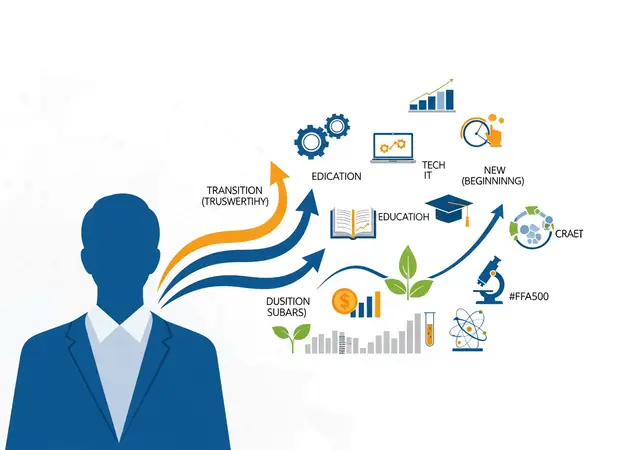
Drivers of Career Change
The Indian job market is dynamic, and several factors contribute to the increasing number of professionals opting for a career switch:
- Technological Disruption: Automation is making some roles obsolete while simultaneously creating a plethora of new, tech-driven opportunities in areas like AI, Machine Learning, Data Science, and Cybersecurity. Indian professionals are keen to adapt and thrive in this evolving landscape. This isn't just about IT; every sector, from manufacturing to healthcare, is being reshaped by technology, demanding new skill sets and opening up entirely new career avenues for professionals who are willing to reskill and upskill. For example, the rise of e-commerce has led to a boom in logistics, digital marketing, and data analytics roles, while advancements in biotechnology are creating demand for specialists in genomics and bioinformatics.
- Economic Shifts and New Industry Growth: India's economy is diversifying, with rapid growth in sectors such as renewable energy, electric vehicles, digital payments, and ed-tech. This expansion creates new job roles and attractive prospects, drawing talent from traditional industries. Conversely, some established sectors might face stagnation or decline, prompting professionals to seek opportunities elsewhere. The startup culture, fueled by venture capital, has also created a vibrant ecosystem of innovation, offering dynamic roles that often come with greater autonomy and potential for rapid growth, a stark contrast to more hierarchical traditional organizations.
- Personal Fulfillment and Purpose: There's a growing emphasis among Indian professionals on finding work that aligns with their personal values and provides a sense of purpose beyond just financial remuneration. Many are leaving high-paying but unfulfilling jobs in search of roles that offer greater meaning, social impact, or creative expression. This could mean transitioning from corporate roles to social entrepreneurship, non-profits, or even pursuing passion projects that can be monetized. The increasing awareness around mental health and well-being also plays a significant role, as individuals seek environments that foster a healthier work-life balance and a positive organizational culture.
- Work-Life Balance and Flexibility: The pandemic significantly accelerated the demand for better work-life balance and flexible working arrangements. Many Indian professionals, having experienced remote work, are now prioritizing roles that offer hybrid models, flexible hours, or reduced travel. This desire for flexibility often necessitates a career switch, especially if their current industry or role is rigid. The appeal of independent consulting, freelancing, or roles that allow for geographical mobility has grown substantially, enabling individuals to manage personal commitments alongside professional aspirations more effectively.
- Addressing Skill Gaps and Continuous Learning: The shelf life of skills is shrinking rapidly. Professionals realize that continuous learning and skill development are crucial for career longevity. When their current role or industry doesn't offer adequate opportunities for growth or skill enhancement, they are more likely to seek a career change that allows them to acquire new, in-demand skills. Government initiatives and private training institutes are also making it easier for individuals to reskill, making the idea of a career switch less daunting and more accessible. This proactive approach to skill development is a key driver, as individuals invest in themselves to remain competitive and relevant.
The Evolving Mindset of the Indian Professional
Beyond external drivers, there's a fundamental shift in the internal calculus of Indian professionals. The stigma associated with changing jobs frequently or moving across industries is diminishing. Instead, a diverse career trajectory is often viewed as a sign of adaptability, resilience, and a broad skill set. This evolving mindset is crucial for fostering a culture where career changes are seen as opportunities for growth rather than setbacks. Young professionals, in particular, are less bound by traditional expectations and are more inclined to explore multiple paths to find their ideal fit, often inspired by global trends and the success stories of individuals who have pivoted successfully.
Strategic Self-Assessment: Understanding Your Core
Before embarking on any career change, a thorough self-assessment is paramount. This foundational step helps you understand your motivations, identify your strengths, and clarify your long-term goals. Without this clarity, a career switch might lead to similar dissatisfactions in a new field.
Identifying Your Motivations and Values
Start by asking yourself 'why'. What specifically is driving your desire for a change? Is it dissatisfaction with your current role, industry, compensation, work-life balance, or lack of growth? Pinpointing the exact reasons will help you define what you truly seek in a new career. Reflect on your core values – what matters most to you in life and work? Values might include creativity, stability, social impact, intellectual challenge, autonomy, collaboration, or financial reward. A career that aligns with your values is more likely to bring sustained satisfaction.
For instance, if social impact is a core value, a career in a non-profit or public service might be more fulfilling than a purely corporate role, even if the latter offers higher compensation.
Assessing Your Skills and Strengths
Make a comprehensive list of all your skills, both hard and soft. Hard skills include technical abilities, software proficiency, language fluency, or specific industry knowledge. Soft skills are often transferable and include communication, problem-solving, leadership, teamwork, adaptability, critical thinking, and time management. Many professionals underestimate the power of their transferable skills – abilities gained in one context that are valuable in another. For example, a project manager in IT has strong organizational and communication skills that are highly transferable to roles in event management, public relations, or even government administration. Don't forget to consider your natural aptitudes and what you genuinely enjoy doing, as these often point to areas where you can excel and find joy.
Understanding Your Interests and Passions
What activities do you enjoy both inside and outside of work? What topics are you naturally curious about? Sometimes, a hobby can be transformed into a viable career. For example, a passion for photography could lead to a career as a professional photographer, visual content creator, or even a marketing specialist focusing on visual storytelling. Exploring your interests can open up unexpected career avenues that you might not have considered otherwise. This exploration should be open-ended, allowing you to dream big before narrowing down practical options.
Tools and Techniques for Self-Assessment
- Journaling: Regularly writing down your thoughts, feelings, and observations about your work and aspirations can reveal patterns and insights.
- SWOT Analysis: Analyze your Strengths, Weaknesses, Opportunities, and Threats related to your career.
- Personality Assessments: While not definitive, tools like the Myers-Briggs Type Indicator (MBTI) or the Big Five personality traits can offer insights into your preferred working styles and environments.
- Feedback: Seek honest feedback from trusted colleagues, mentors, friends, and family about your strengths and areas for development.
- Career Counselors: Professional career counselors can provide structured guidance and objective perspectives, helping you navigate your thoughts and identify potential paths.
This deep dive into self-assessment is not a one-time exercise but an ongoing process. It lays the groundwork for making informed decisions and ensures that your career transition is aligned with your authentic self.
Research and Exploration: Identifying New Career Paths
Once you have a clear understanding of yourself, the next crucial step is to research and explore potential new career paths. This phase involves gathering information about industries, roles, and the skills required to succeed in them.
Market Research and Industry Trends
Begin by researching industries that align with your interests and values. What are the growth sectors in India? TrueJobs.co.in, for instance, can provide insights into current hiring trends within government sectors. Look at industry reports, news articles, and economic forecasts. Identify emerging roles and declining ones. For example, the booming digital economy in India has created a massive demand for digital marketing specialists, content creators, UX/UI designers, and e-commerce managers. Understanding these trends helps you focus your efforts on fields with strong future prospects.
Informational Interviews
One of the most effective ways to explore new careers is by conducting informational interviews. Reach out to professionals working in your target fields. Ask them about their daily responsibilities, challenges, career progression, required skills, and what they enjoy most and least about their job. These conversations provide invaluable first-hand insights that you won't find online. Prepare a list of thoughtful questions and be respectful of their time. These interviews not only provide information but also help you start building a network in your desired industry.
Job Shadowing, Volunteering, and Internships
If possible, try to gain some practical experience in your target field. Job shadowing allows you to observe a professional at work. Volunteering offers a low-commitment way to test out a new role and gain relevant experience, especially in non-profit or social sector roles. Internships, even if unpaid or at a lower salary, can provide hands-on experience, a chance to build a portfolio, and crucial industry contacts. These experiences are invaluable for confirming your interest and for demonstrating commitment to potential employers.
Utilizing Job Portals and Professional Networks
Explore job descriptions on platforms like TrueJobs.co.in for government roles or other major job portals for private sector opportunities. Analyze the required qualifications, skills, and experience for roles that interest you. This helps you understand the gap between your current profile and the desired one. LinkedIn is an excellent tool for researching companies, understanding career paths of individuals, and identifying potential contacts for informational interviews. Pay attention to the keywords used in job descriptions, as these will be important when you tailor your resume later.
Skill Development and Education: Bridging the Gap
Once you've identified a potential new career path, the next step is to acquire the necessary skills and knowledge. This often involves a blend of formal education, certifications, and practical experience.
Identifying Required Skills
Based on your research and job descriptions, list the specific skills – both hard and soft – that are essential for your target role. Compare this list with your current skill set to identify the gaps. For example, if you're transitioning into data science, you might need to learn Python or R, SQL, machine learning algorithms, and data visualization tools. If you're moving into digital marketing, skills like SEO, SEM, social media marketing, and content strategy would be crucial.
Formal Education vs. Certifications vs. Online Courses
- Formal Education: For some careers (e.g., law, medicine, certain engineering specializations, or higher government positions), a specific degree or postgraduate qualification might be mandatory. Consider part-time courses, distance learning, or executive programs if a full-time degree isn't feasible.
- Certifications: Many industries value specific certifications that validate expertise in a particular tool or methodology. Examples include PMP for project management, various certifications from Google (e.g., Google Ads, Google Analytics), Microsoft, AWS, or specialized certifications in cybersecurity or finance. These can be quicker and more cost-effective than a full degree.
- Online Courses (MOOCs): Platforms like Coursera, edX, Udemy, and Udacity offer a vast array of courses from top universities and industry experts. These are flexible, affordable, and allow you to learn at your own pace. Many offer specializations or professional certificates that are recognized by employers.
- Bootcamps: Intensive, short-term bootcamps (often 3-6 months) are popular for highly in-demand tech skills like web development, data science, or UX/UI design. They are project-based and designed to get you job-ready quickly.
Gaining Practical Experience
Theoretical knowledge alone is often not enough. Employers look for practical application of skills.
- Personal Projects: Work on projects related to your new field. If you're learning coding, build an application; if it's content creation, start a blog or portfolio
Related: Career Planning Strategies | Resume Writing Tips
FAQs
What's the first career-switch step?Self-assessmentHow long does switching take?6-12 monthsRelated Resources
- How to Write a Resume for a Career Change
- Latest Sarkari Naukri (Government Jobs)
- Interview Preparation Guide
TrueJobs Editorial Team
TrueJobs editorial desk
This article is prepared from the sources referenced in the guide and reviewed for clarity, links and dated information. Read our editorial and corrections policy.
Continue This Topic
Follow the closest earlier and newer coverage so older archive posts keep real contextual crawl paths.
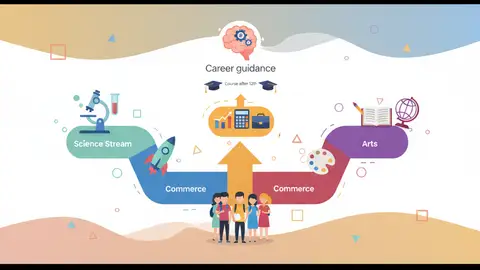
Best Career Options After 12th in India
Discover top career choices after 12th in India. TrueJobs.co.in provides comprehensive guidance on emerging opportunities and pathways.
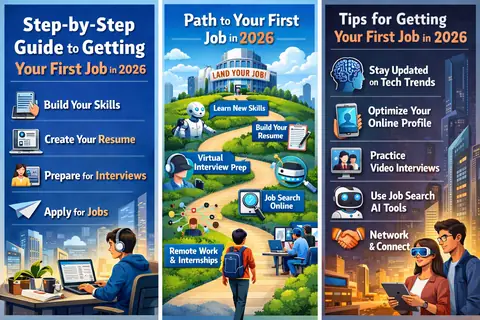
Step-by-Step Guide to Getting Your First Job in 2026
Transition from college to career with our 2026 job guide. Master AI-proof applications and remote work strategies.
Read Next
How to Upskill While Doing a Full-Time Job
Step-by-Step Guide to Getting Your First Job in 2026
Best Career Options After 12th in India
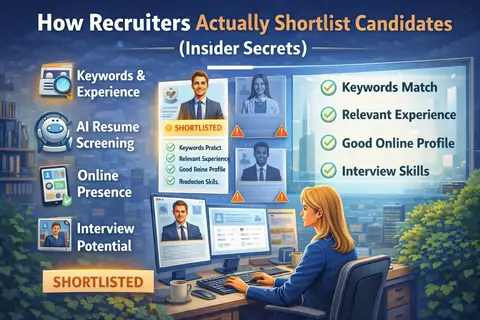
How Recruiters Actually Shortlist Candidates (Insider Secrets)
Explore Topics
Perfect Your Resume
Use our AI-powered Resume Builder to create ATS-optimized resumes.
AI Resume Builder