
Career guide
Apply for Jobs Online Safely in India - TrueJobs Guide — Explained
Navigate India's online job market securely with TrueJobs' safety guide. Avoid scams and protect personal data.

In today's digital age, the internet has revolutionized the way we search and apply for jobs, transforming what was once a tedious, paper-based process into a streamlined, accessible experience. For millions of job seekers across India, online portals have become the primary gateway to career opportunities, offering an unprecedented breadth of listings from various industries and sectors, including coveted Sarkari Naukri roles. However, this digital convenience, while immensely beneficial, also introduces a complex landscape of potential risks. This article delves into the critical strategies and best practices necessary to navigate the online job market safely, ensuring your job search is not only fruitful but also secure against the ever-evolving threats of cybercrime.
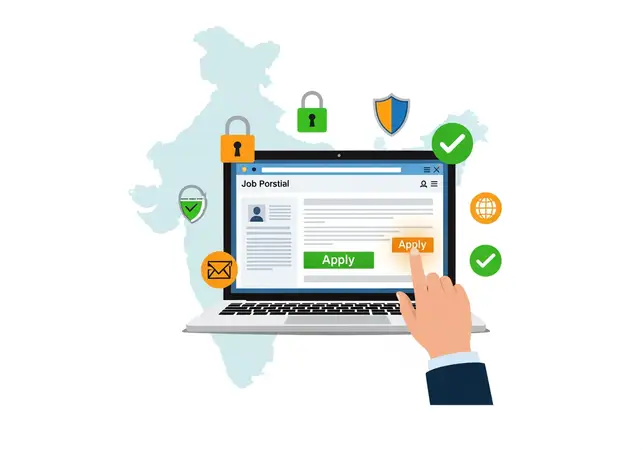
Introduction to Safe Online Job Applications
Applying for jobs online has become the predominant method for job seekers across India, offering unparalleled access to a vast array of opportunities from the comfort of their homes. This digital convenience, however, comes with inherent risks. The online landscape is unfortunately fraught with sophisticated threats, including elaborate job scams, insidious phishing attempts designed to steal credentials, and identity theft that can have long-lasting financial and personal repercussions. Navigating this environment safely requires more than just caution; it demands a proactive, informed approach.
This comprehensive guide from TrueJobs.co.in is meticulously designed to equip you with the essential knowledge and practical strategies needed to apply for jobs online safely in India. Our aim is to empower you to protect your valuable personal and financial information from potential threats, ensuring your job search journey is not only successful but also secure and stress-free.
Understanding the digital ecosystem of job searching is the first step towards a secure experience. While the internet offers a wealth of opportunities, it also hosts malicious actors who exploit the eagerness and vulnerability of job seekers. From fake job postings designed to harvest personal data to elaborate schemes that demand money, the threats are diverse. Our guide will break down these threats and provide actionable advice to safeguard your interests at every stage of your online job application process.

Step 1: Identifying Legitimate Job Portals
The foundational step in any secure online job hunt is to begin your search on legitimate and reputable job portals. These platforms serve as your primary gateway to a multitude of career opportunities, acting as intermediaries between job seekers and employers. However, it's crucial to understand that not all portals offer the same level of security or reliability. Some platforms are far more reputable than others, investing heavily in robust security measures and verification processes to protect user data and ensure the authenticity of listings.
Reputable Platforms: Your Trusted Allies
When embarking on your online job search, prioritizing well-established and trusted platforms significantly reduces your exposure to risks. Here are some of the most reputable job portals in India, known for their commitment to user safety and verified listings:
- Naukri.com: As one of India's largest and oldest job portals, Naukri.com has built a strong reputation for its extensive database of jobs and active employer base. It employs robust verification systems and advanced algorithms to filter out suspicious listings, making it a trusted name in the Indian job market. Their long-standing presence and continuous investment in cybersecurity measures offer a relatively safe environment for job seekers.
- LinkedIn: More than just a job board, LinkedIn functions as a professional networking site that adds a crucial layer of transparency to the job search process. It allows you to research companies thoroughly, view employee profiles, and even connect with potential employers or colleagues directly, fostering a more secure and informed application environment. The professional community aspect often means that fraudulent activities are quickly identified and reported by users.
- Indeed: A global job aggregator, Indeed has an established international reputation for listing a vast number of legitimate job openings across various industries. Its comprehensive search filters and user-friendly interface make it a popular and generally safe choice for job seekers worldwide, including in India. Indeed also allows users to review companies, adding another layer of transparency.
- TrueJobs: With its cutting-edge AI-powered job matching technology and a strong emphasis on verified listings, TrueJobs is committed to providing a safe and efficient platform for job seekers. Our rigorous verification processes help ensure that the opportunities you find are genuine and from legitimate employers. We actively monitor for suspicious activities and provide resources for safe job searching, including articles like this one.
- Shine.com & Monster India: Both Shine.com and Monster India are well-known players in the Indian recruitment space. They have established security protocols, privacy policies, and dedicated teams in place to protect user data and monitor for fraudulent activities, offering a relatively secure environment for job applications. These platforms have evolved over the years to incorporate advanced security features to combat new forms of online fraud.
The Importance of Government Job Portals
For those aspiring to government jobs, it is imperative to use official government portals or highly reputable aggregators that specifically list government vacancies. These portals are typically managed by government bodies or authorized agencies and adhere to strict security and data protection standards. Always cross-reference job postings found on third-party sites with the official government websites to ensure authenticity. Examples include the UPSC website for central government jobs, state PSC websites, and various ministry-specific portals.
What to Look for in a Legitimate Portal: A Checklist for Trust
Beyond brand recognition, specific characteristics can help you discern a legitimate job portal from a potentially risky one. Always evaluate a platform based on these critical indicators:
- Professional Design and User Experience: A legitimate portal will feature a well-designed, intuitive website that is easy to navigate. Look for consistent branding, high-quality graphics, and an absence of broken links, typos, or grammatical errors. A haphazard or amateurish design can be a red flag. Scammers often create quick, shoddy websites that lack the polish and functionality of established platforms.
- Clear and Accessible Privacy Policy: Transparency is key. The portal should have a clear, comprehensive, and easily accessible privacy policy that explicitly outlines how your personal data will be collected, stored, used, and shared. This policy should ideally comply with relevant data protection regulations like India's IT Act and global standards. If you cannot find a privacy policy, or if it's vague and uses generic language, proceed with extreme caution.
- Visible and Responsive Contact Information: Reputable portals will provide visible and multiple contact options, including a physical address, a working phone number, and a professional email address. Test their responsiveness if you have concerns; a lack of contact information or unresponsive support is a major warning sign. Legitimate businesses want to be reachable by their users.
- Secure Connection (HTTPS): Always ensure that the portal uses a secure connection, indicated by "HTTPS" in the URL and a padlock icon in your browser's address bar. HTTPS encrypts the data exchanged between your browser and the website, protecting your personal information (like login credentials and resume details) from interception by malicious third parties. Never enter sensitive information on a site that only uses HTTP.
Beyond the Basics: Advanced Portal Checks
For an even deeper level of scrutiny, consider these additional checks:
- User Reviews and Reputation: Search for reviews of the job portal itself on independent review sites or online forums. While individual experiences vary, a consistent pattern of negative feedback regarding scams or data breaches should raise concerns. Look for discussions about their security practices and how they handle user complaints.
- "Report a Scam" Feature: Legitimate portals often provide an easy mechanism for users to report suspicious job postings or recruiter behavior. This indicates their commitment to maintaining a safe environment and actively combating fraud. The presence of such a feature suggests the platform is proactive in protecting its users.
- Customer Support Responsiveness: If you have a query or encounter an issue, evaluate the portal's customer support. Prompt, professional, and helpful responses are indicative of a well-managed and trustworthy platform. A lack of accessible or responsive support can be a significant red flag.
- Regular Security Updates and Disclosures: While not always visible to the average user, reputable platforms often disclose their commitment to security through blog posts or dedicated security pages. They might mention certifications (e.g., ISO 27001) or their approach to data privacy.
Step 2: Verifying Company Legitimacy
Even when using a legitimate job portal, the responsibility of verifying the legitimacy of the companies posting job openings ultimately rests with you. This step is paramount in avoiding sophisticated scams and ensuring that you are dedicating your time and effort to applying for genuine, viable job opportunities with real organizations.
Scammers often leverage the credibility of well-known job portals to distribute their fraudulent postings. Therefore, relying solely on the platform's reputation is insufficient. Your due diligence is a critical layer of defense against falling prey to fake companies or individuals posing as recruiters.
Research Checklist: Your Due Diligence Guide
Before submitting your application, conduct thorough research on the prospective employer. Follow this detailed checklist to verify a company's legitimacy:
- Official Website Verification: Locate and meticulously examine the company's official website. A legitimate company will have a professional, well-maintained website with consistent branding, clear information about its products/services, an "About Us" section, and contact details. Check for professionalism, up-to-date content, and a secure HTTPS connection. Be wary of generic templates, poor grammar, or a lack of specific company information. Pay attention to the domain name – scammers often use similar-looking domains (e.g., "companyy.com" instead of "company.com").
- LinkedIn Presence Analysis: Check if the company maintains an active LinkedIn page. A legitimate company's page will typically show a significant number of employees, regular updates, and professional connections. Cross-reference this by checking if several employees listed on LinkedIn have professional profiles that align with the company's stated activities. Look for consistency in roles, tenure, and endorsements. A company with very few employees listed, or employees with suspicious profiles, should raise concerns.
- Reputation and Reviews: Search for company reviews on independent platforms such as Glassdoor, AmbitionBox, or other industry-specific review sites. These platforms offer insights into the company's work environment, culture, and employee experiences. Look for patterns in reviews, both positive and negative, rather than focusing on isolated incidents. A complete absence of reviews for an established company can be a red flag. Also, be wary of an overwhelming number of generic, overly positive reviews posted within a short period, which could indicate manipulation.
- News and Media Search: Conduct a general news search for the company. Look for press coverage, news articles, official announcements, or industry reports that verify its existence, activities, and reputation. A company that is genuinely operating will likely have some form of media presence, especially if it's of a certain size or industry prominence. The absence of any news or media mentions for a company claiming to be well-established is highly suspicious.
- Registered Address Verification: Verify the company's physical location and registered address. Use online mapping services like Google Maps to check if the address corresponds to a legitimate business premise, not a residential address or an empty lot. For Indian companies, you can sometimes cross-reference their Corporate Identification Number (CIN) or other registration details with government databases (like the Ministry of Corporate Affairs) to confirm their legal standing. This step is particularly important for smaller or newer companies.
Cross-Verification Techniques
To further strengthen your verification process:
- Company Registration Details: For Indian companies, try to find their Corporate Identification Number (CIN) or Goods and Services Tax Identification Number (GSTIN). These can often be verified on official government portals, confirming their legal registration. This is a definitive way to check if a company is legally incorporated and operating in India.
- Professional Email Domains: Legitimate companies almost exclusively use professional email addresses tied to their company domain (e.g., name@companyname.com). Be extremely cautious if all communication comes from generic free email domains like Gmail, Yahoo, or Hotmail. While small startups might occasionally use generic emails initially, it's a significant red flag for established companies.
- Consistent Information: Ensure that the company's name, address, contact details, and business activities are consistent across all platforms you check (website, LinkedIn, news articles, job postings). Discrepancies are a major red flag. Inconsistencies suggest either disorganization or an attempt to deceive.
- Verify the Recruiter: If you are contacted by a recruiter, verify their identity. Check their LinkedIn profile to see if they are genuinely associated with the company they claim to represent. Look for their employment history and connections. You can even try to find their contact details on the company's official website and reach out directly to confirm their employment.
Red Flags: Warning Signs of a Potential Scam
Be highly cautious and consider these critical red flags when researching a company:
- No Online Presence or Minimal Digital Footprint: If a company claims to be established but has no official website, LinkedIn page, or any verifiable online presence, it is a significant indicator of a potential scam. In today's digital world, even small businesses have some form of online presence.
- Very New Website with No History or Content: A newly created website (which can sometimes be checked via WHOIS lookup, though this might be too technical for general users) that lacks substantial content, history, or regular updates could be a hastily put-together front for a fake company. Scammers often set up temporary websites.
- Exclusive Use of Free Email Domains: As mentioned, if a company only uses free email domains (e.g., Gmail, Yahoo, Outlook) for official communication, especially for recruitment, it is highly suspicious. Established businesses invest in professional email infrastructure.
- Vague or Overly Generic Job Descriptions: Job descriptions that are excessively vague, lack specific details about the role, responsibilities, required qualifications, team structure, or company culture are often used by scammers to cast a wide net without committing to a real position. Legitimate job descriptions are usually detailed and specific.
- Generic Company Names: Be wary of companies with overly generic names like "Global Solutions Inc.," "Apex Consulting Group," or "Universal Services." These can be difficult to verify and are often used by fraudulent entities. Such names make it harder to distinguish them from other legitimate businesses.
- Poor Grammar and Spelling in Communications: Professional companies maintain high standards in their written communications. Frequent grammatical errors, typos, and awkward phrasing in job descriptions, emails, or website content are strong indicators of a less-than-legitimate operation. This is a common characteristic of scam emails and websites.
- Requests for Personal Details Too Early: If a company or recruiter asks for highly sensitive personal information (like Aadhaar, PAN, or bank details) very early in the application process, before any interviews or official offer, it's a major red flag. Legitimate companies collect such details only during the final onboarding stage.
- Unsolicited Job Offers: Be suspicious of unexpected job offers, especially if you haven't applied for a position with that company. While some recruiters do headhunt, they usually approach you through professional channels like LinkedIn and clearly state their purpose.
- Pressure to Act Immediately: Scammers often try to rush you into making decisions or sharing information by creating a false sense of urgency. They might claim the offer is time-sensitive or that many other candidates are waiting.
Step 3: Protecting Your Personal Information
Protecting your personal information is paramount when applying for jobs online. While you must share certain details to enable employers to assess your suitability and contact you, exercising extreme caution about what information you share, and with whom, is critical to preventing identity theft and financial fraud.
Your personal data is a valuable asset, and in the wrong hands, it can lead to severe consequences, including financial loss, damage to your credit score, and reputational harm. Therefore, understanding the boundaries of what to share and when is crucial for a secure job search.
Information to Share: What's Generally Safe and Necessary
It is generally safe and necessary to share the following information during the initial application stages:
- Name and Contact Details: Your full name, a professional email address, and a reliable phone number are essential for employers to communicate with you regarding your application, interviews, and job offers. Ensure your email address is professional and not overly casual.
- Education and Experience Summary: A concise and relevant summary of your educational background, work experience, key achievements, and professional skills is crucial for employers to assess your fit for the role. This forms the core of your resume or CV. Tailor this information to each job application to highlight your most relevant qualifications.
- Skills and Certifications: Listing your relevant skills, professional certifications, and specialized training demonstrates your qualifications and expertise for the position. Ensure these are pertinent to the job you're applying for. Quantify your achievements where possible to make your skills more impactful.
- Professional References (with permission): While you can mention "References available upon request" on your resume, you should only share the actual contact information of your professional references (former managers, colleagues, mentors) after you have explicitly obtained their permission and typically only at a later stage in the interview process, usually after a successful interview round or when an offer is imminent. Always inform your references that they might be contacted.
Crafting a Secure Resume
Your resume is your primary tool, but it also contains personal data. To enhance its security:
- Avoid Over-sharing: Do not include highly sensitive personal details like your date of birth, Aadhaar number, or full home address directly on your resume, especially when uploading to public job boards. A city and state are usually sufficient. This minimizes the risk if your resume falls into the wrong hands.
- Professional Email Address: Use a dedicated, professional email address for job applications that doesn't reveal too much personal information (e.g., avoid addresses like "cutiepie_1990@email.com"). A simple "firstname.lastname@email.com" is ideal.
- Relevant Information Only: Only include experience and skills that are relevant to the job you're applying for. There's no need to include every detail of your life story. A concise and targeted resume is not only safer but also more effective.
- PDF Format: Whenever possible, submit your resume in PDF format. This helps preserve formatting and makes it harder for malicious actors to embed scripts or alter the content without your knowledge, compared to editable formats like Word documents.
Information to NEVER Share Initially: Critical Red Lines
Never, under any circumstances, share the following sensitive information during the initial application process or before receiving a verified, official job offer:
- Aadhaar Number: Your Aadhaar number is a highly sensitive personal identifier. Sharing it indiscriminately can lead to identity theft and misuse of your government benefits or financial accounts. It should only be shared when absolutely necessary for official onboarding processes with verified, authorized employers, and only after you have accepted a legitimate job offer.
- PAN Card Details: Your Permanent Account Number (PAN) is crucial for tax purposes and financial transactions. Sharing it prematurely can expose you to financial fraud. It is typically required only after a job offer for salary processing and tax deductions.
- Bank Account Information: Your bank account details (account number, IFSC code, debit card numbers) should never be shared with potential employers or during the initial application process. No legitimate employer needs this information until the official onboarding process begins, after you've accepted a job offer and completed all necessary paperwork.
- Passport Details: Your passport details are sensitive and can be used for identity theft or international fraud. They should only be shared when necessary for specific travel or visa processing related to an accepted international job offer, and only with verified entities.
- Salary Slips Before Offer Stage: You should not share your previous salary slips or detailed financial information before receiving a concrete job offer. This information is often used by unscrupulous employers to manipulate salary negotiations or gain undue insight into your financial history. You can discuss salary expectations without revealing your exact previous earnings.
- Date of Birth: While some applications might ask for your age range, providing your exact date of birth can be used in conjunction with other information for identity theft, especially if it's a common security question. Provide only your age or age range if absolutely required.
- Mother's Maiden Name: This is a classic security question used by banks and other institutions. Never share this with a potential employer. No legitimate employer will ever ask for this information.
- Login Credentials: Absolutely never share your login credentials for any account (email, social media, other job portals) with a potential employer or recruiter. This is a direct path to identity theft and account compromise.
- Credit Card Numbers or CVV: No legitimate job application or recruitment process will ever require your credit card number or CVV. Any request for this information is an immediate and absolute red flag for a scam.
Step 4: Safe Application Practices
Beyond verifying portals and companies, adopting safe application practices is crucial for a secure and successful job search. These habits minimize your exposure to risks and streamline your job hunting process.
A proactive approach to your application habits can significantly reduce your vulnerability to scams and data breaches. It's not just about what you share, but how you manage your entire job search workflow.
- Use a Dedicated Email for Job Applications: Create a separate, professional email address solely for your job applications. This helps keep your personal and professional communications distinct, reduces the risk of your primary email being spammed, and makes it easier to track all job-related correspondence. This email should ideally be free of personal identifiers like your date of birth or nicknames.
- Don't Click Suspicious Links: Be extremely cautious of links embedded in emails or messages from unknown sources, or those that appear suspicious even from known contacts. Hover your mouse over a link to preview the URL before clicking. If the URL looks different from the expected domain (e.g., "company.scam.com" instead of "company.com"), do not click it. These can lead to phishing sites designed to steal your credentials or download malware. Always type the official website URL directly into your browser if you need to visit a company's site.
- Never Pay for Job Opportunities: This is a golden rule: legitimate employers and recruitment agencies will never ask you to pay for a job opportunity. Be highly wary of any requests for "application fees," "processing fees," "training costs," "background check fees," or "investment" in company products. These are almost always signs of a scam. The cost of recruitment is borne by the employer, not the job seeker.
- Keep Records of All Applications: Maintain a detailed record of every job you apply for. This should include the job title, company name, date of application, the platform used, and any key contacts. A simple spreadsheet or a dedicated folder for each application can help you track your progress, follow up effectively, and provide crucial information if you ever need to report a scam. This record also helps you avoid reapplying for the same position or getting confused between different opportunities.
- Use Strong, Unique Passwords and Enable Two-Factor Authentication (2FA): Protect your accounts on job portals with strong, unique passwords (a mix of uppercase and lowercase letters, numbers, and symbols, at least 12-16 characters long). Crucially, enable two-factor authentication (2FA) wherever available. 2FA adds an extra layer of security, requiring a second verification step (like a code sent to your phone) even if your password is compromised. Consider using a reputable password manager to help create and store these complex passwords securely.
- Regularly Review Your Privacy Settings: On job portals and professional networking sites, regularly review and adjust your privacy settings. Control who can view your profile, contact you, and access your resume. Be mindful of making your resume fully public, as it can expose more personal information than intended.
- Be Cautious with Public Wi-Fi: Avoid applying for jobs or accessing sensitive accounts (like your job portal profile) while connected to unsecured public Wi-Fi networks. These networks are often vulnerable to eavesdropping, allowing malicious actors to intercept your data. If you must use public Wi-Fi, use a Virtual Private Network (VPN) for an encrypted connection.
Interview Stage Precautions
The interview stage also requires vigilance:
- Verify Interviewers' Identities: If an interview is scheduled, try to verify the interviewer's identity through LinkedIn or the company website. Be suspicious if they refuse to provide their full name or title. You can also contact the company's HR department directly (using contact info from their official website) to confirm the interview details and the interviewer's identity.
- Be Wary of Unusual Interview Formats: Be cautious of interviews conducted solely via chat apps (like WhatsApp or Telegram) without any video or voice interaction. Also, be suspicious if interviewers keep their cameras off during a video call while insisting you keep yours on. Legitimate interviews typically involve professional video conferencing tools or in-person meetings.
- Never Download Unknown Software: Do not download or install any unfamiliar software or applications onto your device if requested by a potential employer for an interview or assessment. This could be malware designed to steal your data or compromise your system. Only use widely recognized and trusted software.
- Question Unprofessional Interview Questions: Legitimate interviews focus on your skills, experience, and fit for the role. Be wary of questions that are overly personal, intrusive, or irrelevant to the job, especially those asking for financial details or highly sensitive personal information.
- Confirm Interview Logistics: Always confirm the time, date, platform, and participants for any interview. A legitimate company will provide clear instructions and be responsive to your queries.
Step 5: Recognizing Scam Signs
Being able to quickly recognize the tell-tale signs of a job scam is your most effective defense. Scammers often employ similar tactics, and familiarity with these red flags can save you from significant trouble.
The key to identifying a scam is to trust your instincts. If something feels off, it probably is. Scammers prey on desperation and lack of awareness, so being informed is your best shield.
- Money Requested Upfront: This is the most significant red flag. Any request for money for training, background checks, equipment, visa processing, or any other reason before or during the hiring process is a definitive sign of a scam. Legitimate employers bear these costs. This includes requests for "refundable deposits" or "security fees."
- Unrealistic Salary Offers: If a job offers a salary that seems significantly higher than the industry standard for a similar role and experience level, especially for minimal effort or qualifications, it's likely too good to be true and a scam. Research typical salaries for your desired roles on platforms like Glassdoor or LinkedIn.
- Immediate Job Offers Without Interview: Being offered a job without any formal interview process (or only a very brief, informal chat) is highly suspicious. Reputable companies conduct thorough interviews to assess candidates' skills and fit. A quick offer is often a tactic to rush you into accepting before you can do your due diligence.
- Pressure to Act Quickly or Make Hasty Decisions: Scammers often create a false sense of urgency, pressuring you to accept an offer, provide personal details, or make a payment immediately. They want to prevent you from doing your due diligence. Take your time to review everything.
- Poor Grammar, Spelling, and Unprofessional Communication: Communications (emails, job descriptions, messages) from legitimate companies are typically well-written and professional. Frequent grammatical errors, spelling mistakes, and awkward phrasing are strong indicators of a scam. This is a common characteristic of phishing attempts.
- Interview Locations in Unusual or Suspicious Places: If an interview is scheduled in a public place (like a coffee shop), a residential address, a non-existent office, or a location that doesn't align with a professional business, it's a major red flag. Always verify the physical address of the company.
- Requests for Personal Information via Insecure Channels: Be wary if a recruiter asks for sensitive personal details (like Aadhaar or bank info) over unencrypted email, WhatsApp, or other informal messaging apps. Legitimate companies use secure, official channels for such requests.
- Generic or Impersonal Communication: Scammers often send mass emails that are generic and don't address you by name or refer to a specific application. While some initial automated emails might be generic, subsequent communications from a real recruiter should be personalized.
- Overpayment Scams: A scammer might send you a check for more than your "salary" or "equipment purchase" and ask you to deposit it and wire back the difference. The check will eventually bounce, and you'll be out of pocket for the wired amount. Never accept checks for more than the agreed amount.
- Requests for Remote Access to Your Computer: No legitimate employer will ask for remote access to your personal computer during the application or initial onboarding phase. This is a common tactic used by tech support scams and can lead to malware installation or data theft.
- Job Description Changes or Vague Role: If the job description changes significantly during the process, or if the recruiter is consistently vague about the actual responsibilities, it's a warning sign. Legitimate roles have clear, defined duties.
If You've Been Scammed
If you suspect or confirm that you've been a victim of a job scam, immediate action is crucial to mitigate potential damage and assist authorities. Do not feel embarrassed; scammers are highly sophisticated.
Taking swift action can limit the financial and personal impact of the scam. Remember, you are not alone, and reporting is vital for preventing others from falling victim.
- Report to Cyber Crime Portal (cybercrime.gov.in): This is the primary national portal for reporting cyber crimes in India. File a detailed complaint immediately. Providing comprehensive information helps authorities track and prevent similar scams, potentially recovering funds or identifying perpetrators. The sooner you report, the better the chances of intervention.
- File an FIR at Local Police Station: In addition to the online report, file a First Information Report (FIR) at your local police station. This creates a formal legal record of the incident, which can be essential for any subsequent investigations, insurance claims, or bank disputes. Bring all evidence, including emails, messages, and transaction details.
- Report to the Job Portal: Inform the job portal where you encountered the scam. Provide all relevant details, including the job posting ID, company name, recruiter contact information, and a summary of the fraudulent activity. This helps the portal take action against the scammer, remove fraudulent listings, and protect other job seekers. Most reputable portals have a "report abuse" or "report scam" feature.
- Alert Your Bank if Financial Details Were Shared: If you shared your bank account details, debit/credit card information, or made any payments to the scammer, contact your bank or financial institution immediately. Explain the situation and request them to block cards, monitor accounts for suspicious activity, or initiate fraud prevention measures. Time is of the essence in preventing unauthorized transactions.
- Change All Compromised Passwords: If you used the same password for the scam-related communication/portal as other accounts, or if you suspect any account credentials might have been compromised, change all relevant passwords immediately. Enable two-factor authentication on all critical accounts.
- Inform Family and Friends: Share your experience with trusted family and friends. This not only provides you with support but also educates them about the scam, preventing them from falling victim to similar schemes. Spreading awareness is a crucial step in community protection.
- Monitor Your Financial Accounts and Credit Report: Keep a close eye on your bank statements, credit card transactions, and credit report for any unauthorized activity. Scammers might use stolen information months after the initial incident. Consider subscribing to a credit monitoring service if you've shared sensitive financial details.
- Remove Any Installed Software: If you were tricked into downloading or installing any software, immediately uninstall it and run a full scan with reputable antivirus and anti-malware software.
Staying Safe Online
Maintaining a proactive approach to online safety extends beyond job applications. General cybersecurity hygiene is essential to protect yourself in all digital interactions.
Your digital footprint is vast, and securing it requires continuous effort. Adopting these general safety practices will not only protect your job search but your entire online presence.
- Use Reputable Antivirus Software: Install and regularly update comprehensive antivirus and anti-malware software on all your devices (computers, smartphones). This protects against viruses, ransomware, phishing attempts, and other malicious software that could compromise your data.
- Keep Your Operating System and Browser Up to Date: Enable automatic updates for your operating system (Windows, macOS, Android, iOS) and web browsers (Chrome, Firefox, Edge). These updates often include critical security patches that fix vulnerabilities exploited by cybercriminals.
- Use Strong, Unique Passwords and Enable Two-Factor Authentication: Reiterate the importance of using complex, unique passwords for every online account. Consider using a password manager to securely store and generate these. Always enable two-factor authentication (2FA) wherever available, as it provides an essential layer of protection even if your password is stolen.
- Be Skeptical of Unsolicited Communications: Whether it's an email, SMS, or social media message, always be wary of unsolicited communications, especially if they ask for personal information, promise unrealistic gains, or create a sense of urgency. Phishing attempts are very common.
- Backup Your Data Regularly: Regularly back up your important documents, including your resume, certificates, and personal files, to an external hard drive or a secure cloud storage service. This protects your data in case of a cyber attack or device failure.
- Educate Yourself Continuously: Cyber threats are constantly evolving. Stay informed about the latest online scams and cybersecurity best practices. Follow reputable cybersecurity blogs, news outlets, and government advisories.
- Review Permissions for Apps and Websites: Be mindful of the permissions you grant to apps and websites, especially those requesting access to your contacts, location, microphone, or camera. Only grant necessary permissions.
- Secure Your Home Network: Ensure your home Wi-Fi network is secured with a strong password and WPA2/WPA3 encryption. Change the default password of your router.
FAQ
What is the most common type of job scam in India?
The most prevalent job scams in India often involve requests for money upfront, disguised as "processing fees," "training costs," "security deposits," or "equipment purchases." Another common type is the "overpayment scam" where a fake employer sends a check for more than the agreed amount and asks you to wire back the difference, only for the original check to bounce later. Unrealistic salary offers for minimal qualifications are also a frequent red flag.
How can I verify if a job offer letter is genuine?
To verify a job offer letter, first, ensure it comes from a professional company email address (e.g., hr@companyname.com, not Gmail). Check for consistent branding, correct grammar, and specific details about the role, salary, and benefits. Crucially, contact the company's HR department directly using the official contact information from their website (not from the offer letter itself) to confirm the offer and the recruiter's identity. Never rely solely on the contact details provided in the offer letter. You can also check the company's LinkedIn page for the recruiter's profile and cross-reference. For government job results, always verify against official government websites.
Is it safe to upload my resume to multiple job portals?
It is generally safe to upload your resume to multiple reputable job portals, as this increases your visibility to potential employers. However, always exercise caution. Ensure the portals are legitimate (refer to Step 1). When uploading, be mindful of the privacy settings; consider making your resume searchable but anonymized, or only visible to verified employers. Never include highly sensitive personal details like your Aadhaar or PAN on a publicly accessible resume. Regularly review your resume's visibility settings and consider having a slightly redacted version for public viewing versus a full version for direct applications.
Related: Cybersecurity Tips | Latest Govt Jobs | Resume Guide
TrueJobs Editorial Team
TrueJobs editorial desk
This article is prepared from the sources referenced in the guide and reviewed for clarity, links and dated information. Read our editorial and corrections policy.
Continue This Topic
Follow the closest earlier and newer coverage so older archive posts keep real contextual crawl paths.
Read Next

How to Find Hidden Jobs That Are Never Posted Online

RRB NTPC 2026 Exam: Complete Preparation Roadmap

SBI PO 2026 Exam: How to Crack It on Your First Attempt

SSC CGL 2026 Preparation Guide: Syllabus, Strategy, and Tips
Explore Topics
Perfect Your Resume
Use our AI-powered Resume Builder to create ATS-optimized resumes.
AI Resume Builder