
Career guide
High-Paying Jobs in India Without a Degree 2026 — Explained
Discover high-paying jobs in India that do not require a traditional degree. From tech to creative fields, learn how skills can open lucrative career doors.

In today's dynamic Indian job market, a university degree is no longer the only path to a successful career. This guide explores top high-paying jobs you can secure based on your skills, not just academic qualifications. We'll cover in-demand roles in tech and other sectors, showing you how to build a lucrative career without a traditional degree.
The Shift: Why Skills Are Winning Over Degrees in India
The professional landscape in India is undergoing a significant transformation. While traditional degrees undeniably hold value, the notion of securing high-paying jobs without one is rapidly becoming a tangible reality for thousands of skilled individuals. This evolving scenario reflects global economic shifts and India's accelerated technological adoption, placing practical skills at the forefront of hiring decisions. Employers are increasingly looking beyond conventional academic credentials, prioritizing demonstrable abilities, problem-solving aptitude, and a portfolio of practical work. This paradigm shift is not just a fleeting trend but a fundamental recalibration of how talent is identified, nurtured, and employed in the Indian market, opening doors for a diverse range of individuals who might not have pursued traditional higher education paths.
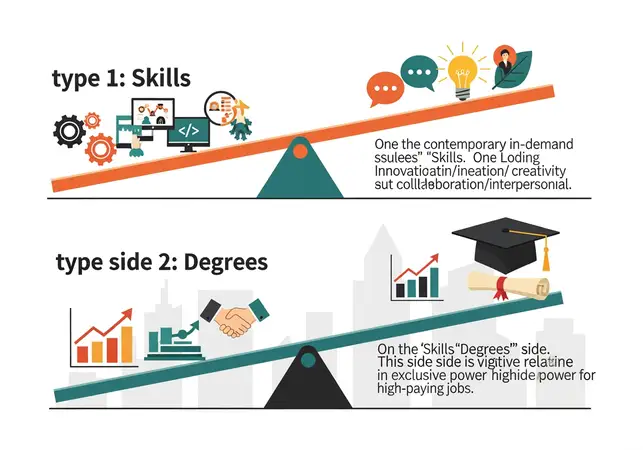
Why This Shift Is Happening
Several critical factors are reshaping India's hiring landscape, making skill acquisition a more direct route to high-paying careers:
- The Skill Gap: Traditional university curricula often struggle to keep pace with rapid technological advancements and industry changes. Many graduates possess theoretical knowledge but lack the specific, hands-on skills companies urgently need for immediate deployment. For instance, while a computer science graduate might understand algorithms, they might not be proficient in a specific cloud platform like AWS or a modern framework like React, which are critical for current projects. This gap creates immense demand for individuals with immediately deployable practical skills, irrespective of their academic background. Companies are often willing to pay a premium for candidates who can hit the ground running, reducing their training overheads and accelerating project timelines.
- The Rise of Portfolios and Practical Demonstrations: In a results-oriented world, a portfolio of work, a live project, or a demonstrable skill set often serves as superior proof of capability than a degree certificate. For roles in tech, design, and even some business functions, employers prioritize what you can do. A well-curated portfolio showcasing real-world projects, contributions to open-source initiatives, or freelance work speaks volumes about a candidate's abilities, problem-solving skills, and initiative. Platforms like GitHub for developers, Behance for designers, and personal blogs or YouTube channels for content creators are crucial for showcasing talent, allowing recruiters to directly assess a candidate's proficiency and potential impact.
- Cost and ROI of Traditional Degrees: The escalating cost of higher education in India, coupled with questions about its direct applicability to high-paying jobs, leads many to question the Return on Investment (ROI). Many students incur significant educational loans, which can take years to repay, sometimes before they even secure a job that justifies the investment. Vocational training, online courses, and skill-based bootcamps offer more affordable and time-efficient routes to acquiring in-demand skills. These alternatives often focus on practical, job-oriented learning, leading to faster employment and higher earning potential, especially relevant given the burden of educational loans. This financial pragmatism is driving many aspiring professionals towards skill-focused learning paths.
- Accessibility of Online Learning: The proliferation of high-quality, affordable, and often free online learning platforms has democratized education. Anyone with an internet connection can now learn complex skills from global experts, acquire certificates, and build projects, bypassing the need for traditional institutional education. Platforms like Coursera, Udemy, edX, freeCodeCamp, Codecademy, and even YouTube offer structured courses, tutorials, and certifications across a vast array of subjects, from programming to digital marketing to graphic design. This accessibility empowers individuals from diverse socio-economic backgrounds to acquire valuable skills and compete for high-paying jobs, fostering a more inclusive talent pool.
Government Initiatives and Industry Recognition
The Indian government, recognizing the importance of a skilled workforce, has launched various initiatives to promote skill development. Programs like 'Skill India' aim to train over 40 crore (400 million) people in various skills by 2022, focusing on vocational training and industry-relevant certifications. These initiatives, coupled with increasing industry recognition of non-traditional qualifications, are legitimizing skill-based pathways. Many companies are now actively partnering with vocational training institutes and bootcamps to source talent, further cementing the idea that demonstrable skills can be as valuable, if not more so, than a traditional degree. Furthermore, the rise of the gig economy and remote work has created a global marketplace where skills are paramount, and geographical or educational barriers are minimized.
Top High-Paying Tech Jobs Without a Degree
The technology sector is arguably where skills most prominently trump degrees. India's IT boom and thriving startup ecosystem offer immense opportunities for individuals who can demonstrate practical proficiency. The rapid pace of innovation in tech means that specific, up-to-date skills are often more valuable than a generic degree obtained years ago.

Web Development and Programming
The Role: Web developers are the architects and builders of the internet, creating, maintaining, and updating websites, mobile applications, and software solutions. This encompasses front-end (user interface, what users see and interact with), back-end (server-side logic, databases, and APIs that power the application), or full-stack development (proficiency in both front-end and back-end). Developers bring digital ideas to life, from simple informational websites to complex e-commerce platforms and interactive web applications.
Why It Pays Well: In the digital age, every business, regardless of size or industry, needs a robust online presence. This consistent demand ensures high salaries for skilled professionals, with ample opportunities in the gig economy for freelance developers. As technology evolves, the need for developers who can build responsive, secure, and scalable applications only grows. Companies are willing to invest significantly in talent that can directly contribute to their digital transformation and customer engagement strategies.
Skills Required: Proficiency in programming languages like Python, JavaScript, HTML/CSS, and frameworks such as React, Angular, Vue.js (for front-end), Node.js, Django, Ruby on Rails (for back-end). Database management skills (SQL, MongoDB, PostgreSQL) are also crucial. Understanding version control systems like Git, API integration, and cloud platforms (AWS, Azure, GCP) can significantly boost earning potential. Strong problem-solving abilities and a logical approach are fundamental.
How to Start: Utilize free resources like freeCodeCamp, Codecademy, The Odin Project, and YouTube tutorials to grasp fundamentals. Enroll in affordable bootcamps or online courses from platforms like Coursera or Udemy for structured learning. The key is to relentlessly build projects, starting simple (e.g., a personal portfolio website) and progressing to complex applications (e.g., a small e-commerce site, a task management app). Always maintain an active GitHub portfolio to showcase your code and projects. Participate in coding challenges, hackathons, and contribute to open-source projects to gain real-world experience and network with other developers.
Ethical Hacking and Cybersecurity
The Role: Ethical hackers ('white-hat' hackers) are digital guardians. They proactively identify vulnerabilities in computer systems, networks, and applications to protect sensitive data from malicious attacks. Cybersecurity professionals design, implement, and manage security protocols, conduct penetration testing, respond to incidents, and ensure compliance with data protection regulations. Their work is critical in safeguarding digital assets and maintaining trust in online systems.
Why It Pays Well: With escalating cyber threats, data breaches can cost companies crores in financial losses, reputational damage, and regulatory penalties. The demand for skilled cybersecurity professionals in India, driven by digital initiatives, increasing online transactions, and stricter data privacy laws (like the Digital Personal Data Protection Act), far outstrips supply, leading to lucrative salaries. Companies are willing to pay top dollar to protect their invaluable digital infrastructure and customer data.
Skills Required: Strong understanding of networking (TCP/IP, firewalls, VPNs), operating systems (Linux, Windows Server), scripting (Python, Bash, PowerShell), penetration testing tools (Metasploit, Nmap, Wireshark, Burp Suite), and security principles (cryptography, access control, incident response). Knowledge of cloud security, web application security, and mobile security is increasingly important. Certifications like CompTIA Security+, CEH (Certified Ethical Hacker), OSCP (Offensive Security Certified Professional), and CISSP are highly valued.
How to Start: Begin by building a strong foundation in networking and operating systems. Explore free online resources and courses from platforms like Cybrary, TryHackMe, and Hack The Box to gain hands-on experience with security tools and concepts. Practice regularly in controlled environments (labs). Pursue recognized certifications like CEH or OSCP, which are often preferred by employers. Network with professionals in the cybersecurity community and participate in bug bounty programs to hone your skills and build a reputation.
Data Analyst/Scientist
The Role: Data analysts and scientists are crucial for businesses to make informed decisions. They collect, clean, analyze, and interpret large datasets to uncover trends, patterns, and insights. While analysts focus more on descriptive statistics and reporting, data scientists often build predictive models and machine learning algorithms to forecast future outcomes or automate decision-making processes. Their work helps optimize operations, understand customer behavior, and drive strategic growth.
Why It Pays Well: In the era of big data, companies are drowning in information but starving for insight. The ability to extract meaningful intelligence from complex data is a highly sought-after skill across almost all industries – finance, healthcare, e-commerce, manufacturing, and marketing. Professionals who can translate data into actionable business strategies command high salaries due to the direct impact they have on revenue and efficiency.
Skills Required: Proficiency in statistical analysis, data visualization tools (Tableau, Power BI), programming languages like Python (with libraries like Pandas, NumPy, Scikit-learn) and R, and database query languages (SQL). Familiarity with machine learning concepts, cloud platforms (for big data processing), and strong communication skills to present findings are also essential. A solid understanding of mathematics and statistics forms the bedrock.
How to Start: Begin with online courses on platforms like Coursera, edX, or Udacity that offer specializations in Data Science or Data Analytics. Practice extensively with real-world datasets available on Kaggle or government portals. Build a portfolio of projects demonstrating your data cleaning, analysis, visualization, and modeling skills. Contribute to open-source data projects and network with professionals in the field. Completing practical bootcamps focused on data science can also be a fast track to employment.
Digital Marketing Specialist
The Role: Digital marketing specialists are responsible for promoting products, services, or brands using various online channels. This broad field includes search engine optimization (SEO), search engine marketing (SEM/PPC), social media marketing, content marketing, email marketing, and analytics. Their goal is to increase brand visibility, drive traffic, generate leads, and ultimately boost sales for businesses in the digital space.
Why It Pays Well: As businesses increasingly shift their advertising budgets online, the demand for skilled digital marketers has skyrocketed. Effective digital marketing can provide a massive ROI for companies, making specialists who can deliver measurable results highly valuable. The ability to navigate complex algorithms, understand consumer behavior online, and adapt to ever-changing digital trends is a critical asset.
Skills Required: Strong understanding of SEO principles (on-page, off-page, technical), Google Ads (PPC), social media platforms and advertising tools, content creation (writing, basic graphic design), email marketing platforms, and web analytics tools (Google Analytics). Knowledge of conversion rate optimization (CRO) and an analytical mindset are also key. Creativity and strong communication skills are vital for crafting compelling campaigns.
How to Start: Leverage free certifications from Google (Google Ads, Google Analytics) and HubSpot. Take online courses on platforms like Udemy or Coursera. Start a personal blog or manage social media accounts for small businesses or non-profits to gain practical experience. Experiment with different digital marketing strategies and build a portfolio showcasing campaign results (e.g., increased traffic, lead generation). Networking within the marketing community and staying updated with industry trends are crucial for success.
Cloud Computing Specialist
The Role: Cloud computing specialists design, deploy, manage, and optimize applications and infrastructure on cloud platforms like Amazon Web Services (AWS), Microsoft Azure, or Google Cloud Platform (GCP). They help organizations migrate their existing systems to the cloud, ensure security and scalability, and manage cloud resources efficiently. This role can encompass various specializations, including cloud architecture, cloud administration, cloud security, and DevOps on the cloud.
Why It Pays Well: Cloud adoption is growing exponentially across all industries in India, from startups to large enterprises. Companies are heavily investing in cloud infrastructure to improve scalability, reduce costs, and enhance agility. Professionals with expertise in specific cloud platforms are in extremely high demand, leading to very competitive salaries, as they are central to a company's digital transformation strategy.
Skills Required: Deep understanding of one or more major cloud platforms (AWS, Azure, GCP), including their core services (compute, storage, networking, databases). Knowledge of operating systems (Linux), scripting (Python, Bash), infrastructure as code (Terraform, CloudFormation), containerization (Docker, Kubernetes), and security best practices for the cloud. Certifications from AWS (e.g., Solutions Architect Associate), Azure (e.g., AZ-104), or GCP (e.g., Associate Cloud Engineer) are highly valued.
How to Start: Begin by exploring the free tier offerings of AWS, Azure, or GCP to get hands-on experience. Follow official documentation and tutorials. Enroll in online courses specifically designed for cloud certifications. Practice deploying and managing applications in a cloud environment. Build small projects that leverage various cloud services. Obtaining foundational certifications is a great way to validate your skills and open doors to entry-level cloud roles, from where you can specialize further.
Top High-Paying Non-Tech Jobs Without a Degree
While the tech sector often dominates discussions about skill-based opportunities, several non-technical fields in India also offer lucrative career paths for individuals without traditional degrees, emphasizing creativity, communication, and practical expertise.
Content Writer / Copywriter
The Role: Content writers create engaging and informative written material for websites, blogs, articles, social media, and marketing collateral. Copywriters, a specialized subset, focus on persuasive writing designed to drive action, such as advertisements, sales pages, and email campaigns. Both roles are critical for brand communication, lead generation, and establishing thought leadership in the digital age.
Why It Pays Well: Every business needs compelling content to attract and retain customers, build brand authority, and communicate its value proposition. High-quality content directly impacts SEO, customer engagement, and sales. Skilled writers who can articulate complex ideas clearly, persuasively, and in a brand-consistent voice are invaluable assets, commanding excellent rates, especially in freelance and agency settings.
Skills Required: Excellent command of English (or target language), strong grammar
Explore more career insights: Top Skills | Resume Tips | Government Jobs
Discover lucrative career paths in India that don't require formal degrees. Learn about in-demand skills and industries valuing experience over education.
FAQs
Which industries value skills over degrees?IT, marketing, and salesAre certifications replacing degrees?They complement rather than replace themRelated Resources
- Latest Web Developer Jobs
- Government Jobs After 12th Pass
- How to Start a Career in Digital Marketing
Put this advice into practice
Building a high-paying career in India without a degree is an achievable goal. By focusing on in-demand skills, building a strong portfolio, and leveraging online learning platforms, you can unlock numerous opportunities. Your skills and determination are your most valuable assets in today's job market.
TrueJobs Editorial Team
TrueJobs editorial desk
This article is prepared from the sources referenced in the guide and reviewed for clarity, links and dated information. Read our editorial and corrections policy.
Continue This Topic
Follow the closest earlier and newer coverage so older archive posts keep real contextual crawl paths.
Best Career Options After 12th in India
Discover top career choices after 12th in India. TrueJobs.co.in provides comprehensive guidance on emerging opportunities and pathways.
Step-by-Step Guide to Getting Your First Job in 2026
Transition from college to career with our 2026 job guide. Master AI-proof applications and remote work strategies.
Read Next

Freelancing vs Full-Time Jobs: Pros and Cons
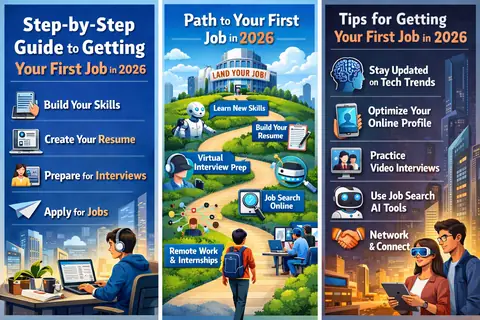
Step-by-Step Guide to Getting Your First Job in 2026
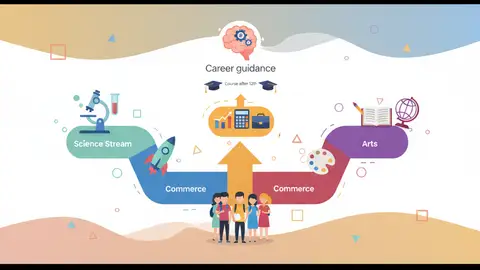
Best Career Options After 12th in India
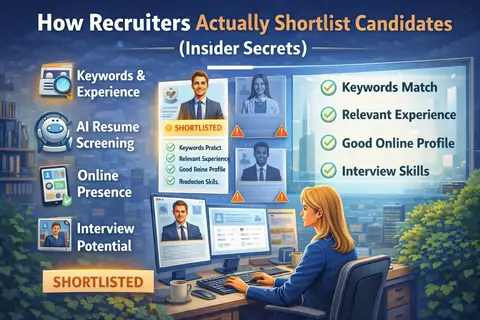
How Recruiters Actually Shortlist Candidates (Insider Secrets)
Explore Topics
Perfect Your Resume
Use our AI-powered Resume Builder to create ATS-optimized resumes.
AI Resume Builder