
Recruitment guide
2026 Govt Job Physical Fitness Test: Complete Guide — Explained
Prepare for the 2026 government job physical fitness test. Our guide details key standards for running, height, chest, and medicals to help you succeed.

Securing a government job in India is a dream for millions, offering stability, respect, and a chance to serve the nation. These roles, particularly in defence, police, paramilitary, and forest services, demand not only intellectual capability but also robust physical fitness. Beyond written examinations, candidates must pass rigorous Physical Fitness Tests (PFTs) and subsequent Medical Examinations to ensure they possess the necessary physical capabilities and health standards. This comprehensive guide from TrueJobs.co.in will walk you through the typical components of government job PFTs and medical standards, helping you understand what to expect and how to prepare for the challenges ahead in 2026 and beyond.
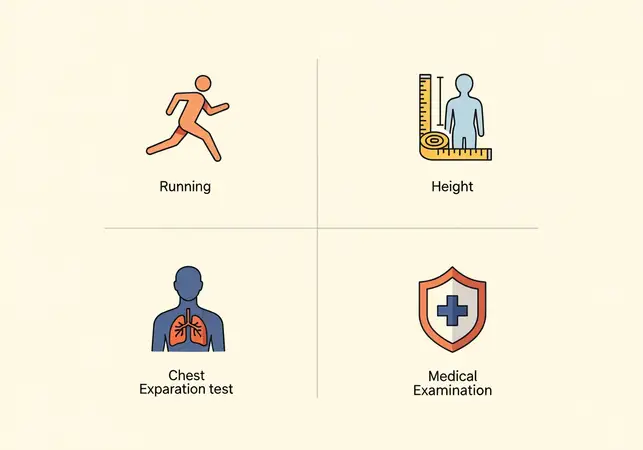
Understanding the Importance of Physical Fitness Tests (PFTs) in Government Jobs
Physical Fitness Tests (PFTs) are a critical screening stage designed to assess a candidate's physical endurance, strength, agility, and overall health. For roles demanding significant physical exertion, stress, or long hours in challenging environments, a robust physical constitution is non-negotiable. Passing the PFT demonstrates commitment and readiness for the job's physical demands, ensuring recruits can perform duties effectively and safely from day one.
These tests maintain high operational standards within various departments. A police officer needs to chase suspects, control crowds, and handle emergencies. A soldier must endure extreme conditions and carry heavy equipment. Forest guards work in rugged terrains, requiring exceptional stamina. The PFT ensures that only those physically capable of meeting these demands proceed, safeguarding the efficiency and effectiveness of critical public services. A fit workforce also leads to better performance, reduced healthcare costs, and higher morale.
Why PFTs are More Than Just a formality
Many candidates focus solely on the written examination, often underestimating the PFT. However, for uniformed services and roles requiring significant physical activity, the PFT is as crucial as, if not more important than, the written test. It's not just about meeting minimum standards; it's about demonstrating the resilience and physical capacity required to perform duties under pressure, often in challenging environments. Failure to clear the PFT, regardless of excellent written exam scores, means disqualification. Therefore, a holistic preparation strategy that integrates both mental and physical readiness is paramount.
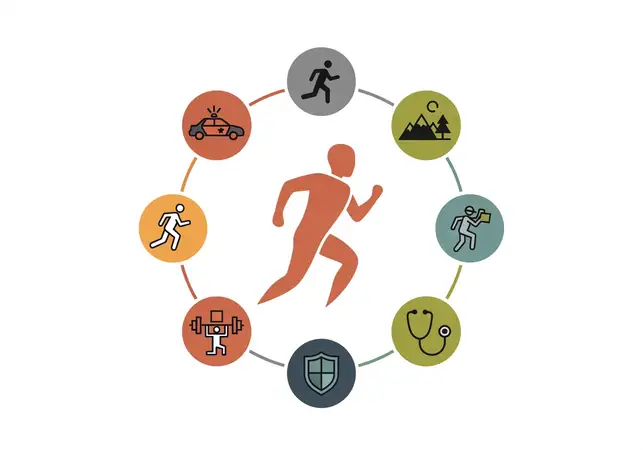
Common Components of Government Job Physical Fitness Tests
While exact components and standards vary by department and job, most PFTs include a combination of the following, each assessing a specific essential physical attribute:
- Running/Race: Universal test for cardiovascular endurance and speed, crucial for roles requiring sustained physical activity or rapid response.
- Height Measurement: Ensures candidates meet minimum stature requirements, important for physical presence, uniform fitting, and operational considerations.
- Chest Measurement: Primarily for males, assesses lung capacity and physical build, indicating robustness and ability to withstand exertion.
- Long Jump/High Jump: Common in police and defence, evaluates explosive power, agility, and coordination for overcoming obstacles or evasive movements.
- Shot Put/Other Strength Tests: Less common, measures upper body strength and power for handling heavy equipment or physical tasks.
- Medical Examination: Thorough health check-up to ensure overall fitness, ruling out conditions that could impair duty performance or pose risks.
It is essential to refer to the official recruitment notification for the specific post you are applying for to get precise PFT and medical standards. TrueJobs.co.in provides the latest updates on recruitment notifications at /sarkari-naukri.
Additional PFT Components You Might Encounter
- Push-ups/Sit-ups: These exercises are often included to assess muscular strength and endurance, particularly in the upper body and core. The number of repetitions required within a specific time frame can vary significantly.
- Rope Climbing: Some specialized roles, especially in paramilitary forces, may include rope climbing to test upper body strength and agility.
- Shuttle Run: This test measures agility, speed, and coordination by requiring candidates to run back and forth between two points, picking up and placing objects.
- Walking Test: For roles like Forest Guard/Ranger, a long-distance walking test (e.g., 25 km in 4 hours for males, 14 km in 4 hours for females) is a common component, assessing endurance and stamina for patrolling vast areas.
- Balance Beam/Obstacle Course: Certain specialized units might incorporate obstacle courses or balance beam tests to evaluate overall coordination, balance, and ability to navigate challenging environments.
Detailed Guide to Running Standards for Various Roles
Running is almost universally part of any physical fitness test for government jobs requiring physical prowess. Distance and time limits vary based on job profile and gender, reflecting different physical demands. These tests assess stamina, speed, and cardiovascular health, critical for sustained performance.
Running Standards for Male Candidates (Illustrative Examples)
| Job Category | Distance | Time Limit (Approx.) | Notes |
|---|---|---|---|
| Police (Constable/SI) | 1600 meters (1.6 km) | 6 minutes 30 seconds | Varies by state. Some states might have 5 km in 24 mins or 800 meters in 3 mins. Check specific state police notification. This test assesses speed and short-to-medium distance endurance. |
| Defence (Army/Navy/Air Force) | 1600 meters (1.6 km) | 5 minutes 30 seconds to 6 minutes 20 seconds | Specific to entry scheme and age group. Crucial for combat readiness, requiring high levels of cardiovascular fitness. |
| Paramilitary (CRPF, BSF, ITBP, CISF) | 5 km | 24 minutes | Common for Constable/GD posts. Assesses sustained endurance for border patrolling and counter-insurgency operations. This is a significant test of stamina. |
| Forest Guard/Ranger | 25 km (walking/running) | 4 hours | Endurance-based test for patrolling vast, often challenging, forest areas. This test emphasizes sustained effort over speed. |
Running Standards for Female Candidates (Illustrative Examples)
| Job Category | Distance | Time Limit (Approx.) | Notes |
|---|---|---|---|
| Police (Constable/SI) | 800 meters | 4 minutes to 4 minutes 30 seconds | Varies by state. Some states might require 1600 meters in 8-9 minutes. This test evaluates speed and endurance over a shorter distance. |
| Defence (Army/Navy/Air Force) | 1600 meters (1.6 km) | 8 minutes to 8 minutes 30 seconds | Specific to entry scheme and age group. Demands significant cardiovascular fitness for operational roles. |
| Paramilitary (CRPF, BSF, ITBP, CISF) | 1.6 km (1600 meters) | 8 minutes 30 seconds | Standard endurance test for female recruits, assessing their ability to maintain a steady pace for a moderate distance. |
| Forest Guard/Ranger | 14 km (walking/running) | 4 hours | Endurance test for covering long distances in challenging terrains, similar to male candidates but with a reduced distance. |
Preparation Tips for Running:
- Start a consistent running schedule, gradually increasing distance and speed (10% rule). Avoid increasing your weekly mileage by more than 10% to prevent injuries.
- Incorporate interval training (alternating high-intensity bursts with recovery periods) and tempo runs (running at a comfortably hard pace) to improve speed and stamina.
- Focus on proper running form: upright posture, relaxed shoulders, 90-degree arm angle, midfoot landing. Good form conserves energy and reduces injury risk.
- Wear appropriate running shoes and replace them regularly (typically every 500-800 km) to ensure adequate cushioning and support.
- Practice running on different terrains (track, road, trails) to adapt to various conditions you might encounter during the actual test.
- Stay hydrated by drinking plenty of water throughout the day, not just during workouts. Maintain a balanced diet rich in complex carbohydrates (for energy), lean proteins (for muscle repair), and healthy fats.
- Include warm-up exercises (dynamic stretches) before running and cool-down stretches (static stretches) after to improve flexibility and aid recovery.
- Cross-train with activities like cycling, swimming, or strength training to build overall fitness, strengthen supporting muscles, and reduce injury risk from repetitive impact.
- Consider consulting a running coach or an experienced runner for personalized advice and training plans.
Common Running Mistakes to Avoid
- Starting Too Fast: Pace yourself strategically, especially for longer distances, to avoid early burnout. A common mistake is to sprint at the beginning and then struggle to maintain pace.
- Ignoring Pain: Listen to your body; persistent pain can lead to serious injuries. Distinguish between muscle soreness and sharp, unusual pain. Rest and seek medical advice if pain persists.
- Inconsistent Training: Consistency is key to building stamina and endurance. Sporadic training will not yield desired results. Follow a regular, structured plan.
- Improper Breathing: Practice deep, diaphragmatic breathing to maximize oxygen intake and prevent fatigue. Shallow chest breathing is less efficient.
- Overtraining: Ensure adequate rest days to prevent fatigue, injury, and burnout. Your body needs time to recover and adapt to training stress.
- Lack of Mental Preparation: Practice visualization and positive affirmations to build mental toughness. The PFT is as much a mental challenge as it is physical.
- Neglecting Strength Training: Strong core, leg, and glute muscles are crucial for efficient running and injury prevention. Incorporate bodyweight exercises or gym workouts.
Height and Chest Measurement Standards: What You Need to Know
Height and chest measurements are fundamental physical standards, especially for uniformed services. These ensure candidates meet the physical stature necessary for the role, impacting physical presence, uniform fitting, and ability to handle equipment. They also indicate overall physical development and robustness.
Height Standards (Illustrative Examples)
| Category | Male (Min. Height) | Female (Min. Height) | Notes |
|---|---|---|---|
| General/OBC/SC | 170 cm | 157 cm | Common for Police, Paramilitary, Defence (Constable/GD, SI level). Specific roles may vary. These standards are set to ensure a certain physical presence and capability for duties. |
| ST Candidates | 162.5 cm | 150 cm | Relaxation for Scheduled Tribes to ensure equitable representation, acknowledging regional variations in average stature. |
| Hilly Regions/Specific States | 165 cm | 155 cm | Relaxation for candidates from specified regions like Garhwal, Gorkhas, Sikkim, J&K, Himachal Pradesh, etc., where average height tends to be lower. |
Important: Height is usually measured without shoes. Stand straight with heels together, head level, and shoulders relaxed. The measurement is typically taken using a stadiometer, a specialized device for accurate height measurement. Ensure you are not slouching or standing on your toes.
Chest Measurement Standards (Illustrative Examples)
Chest measurement is primarily for male candidates, assessing physical build and lung capacity. The expansion requirement demonstrates healthy respiratory function and physical exertion capability. It's an indicator of physical robustness and the ability to perform strenuous tasks.
| Category | Unexpanded Chest (Min.) | Expanded Chest (Min.) | Expansion Requirement |
|---|---|---|---|
| General/OBC/SC (Male) | 80 cm | 85 cm | Minimum 5 cm expansion is mandatory. This demonstrates good lung capacity and muscular elasticity. |
| ST Candidates (Male) | 76 cm | 81 cm | Relaxation for Scheduled Tribes, but the 5 cm expansion rule still applies, ensuring functional respiratory capacity. |
| Hilly Regions/Specific States (Male) | 78 cm | 83 cm | Relaxation for specified hilly regions, maintaining the 5 cm expansion requirement. |
Preparation Tips for Chest:
- Regular exercises like push-ups, pull-ups, and bench presses build pectoral and back muscles, which can contribute to a larger unexpanded chest measurement.
- Practice deep breathing exercises (diaphragmatic breathing) to enhance lung capacity and improve the ability to achieve the required 5 cm expansion. Inhale slowly and deeply, feeling your abdomen rise, then exhale completely.
- Maintain good posture, standing tall with shoulders back and chest out. Good posture not only makes you appear taller but also allows for better lung expansion.
- Focus on overall fitness and strength training. A stronger core and back muscles can also contribute to better posture and chest development.
Tips for Accurate Measurement on Test Day
- Relax: Tension can affect posture and breathing, potentially leading to inaccurate measurements. Try to remain calm and composed.
- Follow Instructions: Listen carefully to the official's instructions for posture and breathing. They will guide you on when to inhale deeply and when to hold your breath for the chest measurement.
- Deep Breath: For chest expansion, take a full, deep breath and hold it as instructed. Practice this beforehand to maximize your expansion.
- Dress Appropriately: Wear light, comfortable clothing that does not restrict movement or add bulk. Avoid heavy fabrics or multiple layers.
- Avoid Last-Minute Efforts: Intense exercises just before the test can cause fatigue and muscle soreness, which might negatively impact your performance or measurements.
- Be Hydrated and Well-Rested: Being properly hydrated and well-rested can help you perform better and maintain optimal physical condition for measurements.
Medical Examination Standards: Ensuring You're Fit for Duty
After clearing the PFT, candidates undergo a thorough medical examination by authorized officers. This ensures they are medically fit for demanding government service, identifying any conditions that could impede performance, pose health risks, or lead to long-term complications. The goal is a healthy and capable workforce.
Key Aspects of Medical Examination:
- Vision Standards:
- Distant Vision: Usually 6/6 or 6/9 in one eye and 6/12 in the other, with or without correction. Some roles, especially in defence, require uncorrected vision of a certain standard.
- Near Vision: Often N6 or N9, crucial for reading maps, documents, or operating equipment.
- Colour Blindness: A major disqualifier for roles requiring colour signal identification (e.g., police, defence, railway signalmen). Tested using Ishihara charts and other methods.
- Lasik Surgery: Acceptability varies; some departments allow it after a waiting period (e.g., 6 months to 1 year) if no complications, while others strictly do not. Always check the specific notification.
- Squint/Strabismus: Obvious squint or deviation affecting binocular vision can be a disqualifier as it impacts depth perception and visual acuity.
- Night Blindness: Inability to see well in low light conditions can be a disqualifier for roles requiring night operations.
- Hearing Standards: Normal hearing without aid is required. Disqualifiers include perforated eardrums, chronic ear infections, significant hearing loss (tested via audiometry), or conditions like Meniere's disease. An audiometry test may be conducted to assess hearing thresholds.
- Dental Standards: Good dental health, free from severe issues, multiple cavities, or advanced gum diseases (periodontitis). A minimum number of healthy teeth/dental points (often 14-22) is specified. It is highly advisable to treat any dental issues like cavities or gum infections well before the exam date.
- Skeletal & Muscular System:
- No knock-knees (genu valgum), flat feet (pes planus), bow legs (genu varum), varicose veins, or major deformities of limbs or spine (e.g., scoliosis, kyphosis).
- Full range of motion in all joints without pain or restriction. This is assessed by various movements and exercises.
- No history of improperly healed fractures or functional impairment from surgical implants (e.g., plates, screws) that could affect duty performance.
- Absence of congenital deformities (birth defects) affecting physical performance or causing discomfort.
- No clubfoot, hammer toes, or other significant foot deformities.
- General Health:
- No chronic diseases like uncontrolled diabetes, hypertension, heart conditions (e.g., murmurs, arrhythmias), kidney diseases, severe asthma, or epilepsy. Regular monitoring and controlled conditions might be accepted for some roles, but severe cases are generally disqualifying.
- No infectious diseases (e.g., active tuberculosis, HIV, Hepatitis B/C). Screening tests are often part of the medical examination.
- Free from major surgical scars that impair function. Common issues like hernia, hydrocele, and piles often require surgical correction before the medical exam.
- Candidates should be free from severe psychological disorders, anxiety, or depression that could impact their ability to perform duties under stress.
- No chronic skin conditions (e.g., severe eczema, psoriasis) that could be aggravated by field conditions or impact hygiene.
- No history of recurrent dislocations or significant joint instability.
- Tattoos: Policy varies significantly. Tattoos on non-visible parts (e.g., upper arm, back), if small and non-offensive, might be acceptable. Visible tattoos (neck, face, hands, forearms for some services) are often disqualifying for uniformed services due to discipline and public perception. Religious symbols (e.g., Sikh Kadas, specific religious tattoos) may be allowed under specific guidelines, but it's crucial to check the official notification.
- Weight: Weight should be proportionate to height and age (healthy BMI, typically between 18.5 to 25 kg/m²). Significant underweight or obesity can be disqualifying due to associated health risks (e.g., cardiovascular disease, diabetes) and potential impact on physical performance and endurance.
- Urine and Blood Tests: Routine tests for sugar, protein, blood count, and other markers to detect underlying health issues or infections.
- ECG/X-Ray: May be conducted to check heart health and lung condition, especially for defence and paramilitary roles.
Advice for Medical Examination:
- Maintain a healthy lifestyle well in advance, including a balanced diet, regular exercise, and adequate sleep.
- Address any minor health issues with a doctor before the exam. For instance, get cavities filled, treat minor skin infections, or get a general check-up.
- Be honest about your medical history. While concealing conditions might seem beneficial, it can lead to serious issues later and potentially disqualification if discovered. Have up-to-date reports for controlled conditions (e.g., mild asthma managed with medication).
- Avoid self-medication or quick fixes just before the exam, as they can sometimes interfere with test results.
Preparing for the Medical Exam
- Pre-Medical Check-up: Consider undergoing a private, comprehensive medical check-up with a general physician well in advance of the official exam. This can help identify and address potential issues early, giving you time to rectify them if possible.
- Hygiene: Ensure good personal hygiene on the exam day. This includes clean clothes, trimmed nails, and overall cleanliness.
- Documentation: Carry all relevant medical documents, prescriptions, and reports from any past treatments or surgeries. This can help clarify your medical history to the examining doctors.
- Diet and Rest: Get adequate sleep the night before the exam. Eat a light, healthy meal and avoid heavy or unusual foods that might cause discomfort. Follow any specific fasting instructions if blood tests are scheduled.
- Stay Calm: Anxiety can sometimes elevate blood pressure or heart rate temporarily. Try to stay calm and relaxed during the examination.
Effective Preparation Strategies for Your PFT
Success in the PFT requires early and structured preparation. Develop a balanced training plan that gradually increases intensity and addresses all required components. Consistency, proper nutrition, adequate rest, and mental resilience are crucial. Regularly assess your progress and adjust your routine as needed. Remember, physical fitness is a journey, and dedicated preparation will significantly enhance your chances of securing your dream government job.
Building a Comprehensive Training Plan
- Assess Your Current Fitness Level: Before starting, honestly evaluate your current physical capabilities. This will help you set realistic goals and a starting point for your training.
- Understand Specific Requirements: Thoroughly read the official notification for the exact PFT standards (distances, times, measurements, repetitions). Tailor your training specifically to these requirements.
- Gradual Progression: Do not attempt to achieve peak fitness overnight. Gradually increase the intensity, duration, and frequency of your workouts. The 10% rule (not increasing weekly mileage/intensity by more than 10%) is a good guideline to prevent injury.
- Balanced Training: Incorporate a mix of cardiovascular training (running, cycling, swimming), strength training (bodyweight exercises, weights), and flexibility/mobility work (stretching, yoga).
- Practice Specific Drills: If the PFT includes specific drills like long jump, high jump, or shuttle run, practice these regularly to improve technique and performance.
- Mock Tests: Periodically conduct mock PFTs under simulated test conditions to gauge your progress and identify areas needing improvement. This also helps in managing test-day anxiety.
- Nutrition and Hydration: Fuel your body with a balanced diet rich in whole foods, lean proteins, complex carbohydrates, and healthy fats. Stay consistently hydrated. Avoid processed foods and excessive sugar.
- Rest and Recovery: Adequate sleep (7-9 hours per night) and rest days are crucial for muscle repair and preventing overtraining. Listen to your body and take rest when needed.
- Mental Preparation: Visualize success, practice positive self-talk, and develop strategies to manage stress and anxiety. Mental toughness is as important as physical strength.
- Seek Guidance: If possible, train under the guidance of an experienced coach or join a training group. They can provide expert advice, motivation, and help correct your form.
For more detailed preparation strategies and daily updates on government job notifications, visit TrueJobs.co.in regularly. You can also find specific exam-related tips and articles in our blog section.
FAQ
What if I don't meet the height or chest requirements? Can I still apply?
Unfortunately, height and chest measurements are strict eligibility criteria for most uniformed government jobs. If you do not meet the minimum specified standards, you will likely be disqualified during the physical measurement stage. There is generally no scope for relaxation unless specifically mentioned for certain categories (like ST candidates or those from hilly regions). It's crucial to check the official notification for the exact requirements for your category and region before applying.
Is Lasik surgery allowed for government jobs, especially in defence or police?
The policy on Lasik surgery varies significantly between different departments and even within different posts of the same department. Some organizations, particularly in defence, may have strict rules against it or allow it only after a specific waiting period (e.g., 6 months to 1 year post-surgery) with no complications and specific visual acuity standards met. Other departments might be more lenient. It is imperative to consult the official recruitment notification for the specific post you are interested in. If the notification is unclear, contact the recruiting authority for clarification.
What are common reasons for disqualification in the medical examination?
Common reasons for disqualification in the medical examination include: significant vision defects (especially colour blindness for roles requiring it), hearing loss, chronic diseases (uncontrolled diabetes, hypertension, heart conditions), major skeletal deformities (knock-knees, flat feet, scoliosis), uncorrected hernia or hydrocele, severe dental issues, and certain types of tattoos. Any condition that could impair a candidate's ability to perform duties effectively, pose a health risk, or lead to long-term complications is typically a disqualifying factor. It's advisable to get a pre-medical check-up to identify and address any potential issues beforehand.
Related: Police Physical Standards | Defence Job Listings
Related Government Job Resources
Continue with active job hubs and related government job pages on TrueJobs.
Tools for this recruitment topic
Use only the tools relevant to the dates, eligibility or documents discussed above.
TrueJobs Editorial Team
TrueJobs editorial desk
This article is prepared from the sources referenced in the guide and reviewed for clarity, links and dated information. Read our editorial and corrections policy.
Continue This Topic
Follow the closest earlier and newer coverage so older archive posts keep real contextual crawl paths.
State Government Jobs vs Central Government Jobs 2026: Salary, Transfer & Growth Compared
Explore 2026 state vs central govt jobs: salary comparisons, transfer policies, and growth trajectories. TrueJobs.co.in analysis
Railway Group D vs ALP vs Technician: Salary, Work & Career
Confused between Railway Group D, ALP, and Technician jobs? This guide compares salary, work, and career growth to help you choose the right path in Indian Railways.
Read Next

State Government Jobs vs Central Government Jobs 2026: Salary, Transfer & Growth Compared
Railway Group D vs ALP vs Technician: Salary, Work & Career

Contract vs Permanent Government Jobs in India: Salary, Stability & Your Career Choice

Bank PO vs SSC CGL 2026: Growth, Salary & Work-Life Balance
Explore Topics
Perfect Your Resume
Use our AI-powered Resume Builder to create ATS-optimized resumes.
AI Resume Builder