
Career guide
Returning to Work: Women's Career Re-entry Guide India — Explained
Complete guide for women returning to work after a career break in India with upskilling, job search, and confidence tips.

Returning to work after a career break is a journey many women in India navigate, often filled with a mix of excitement and apprehension. Whether the break was for maternity, childcare, elder care, spouse relocation, personal health, or even to pursue a passion or further education, the experience can be transformative. While the challenges of re-entering the workforce are real, so are the immense opportunities and the unique value that returning women bring. Their diverse experiences, enhanced life skills, and renewed perspective are increasingly recognized and valued by employers. This comprehensive guide is designed to help you understand the landscape, prepare effectively, and re-enter the workforce with confidence, leveraging your invaluable life experiences to build a fulfilling professional future.
It acknowledges the societal expectations and personal growth that often accompany a break, aiming to equip you with the tools and strategies to not just return, but to thrive and reclaim your professional identity.

Updating Your Skills
Re-entering the professional world often requires a strategic approach to skill development. The market evolves rapidly, and staying current is key to a successful comeback. This section will guide you through identifying, acquiring, and demonstrating the skills necessary to stand out in today's competitive job market, ensuring your profile is not just current, but also compelling.
Identifying Skill Gaps and Market Trends
The first step is to understand where your current skill set stands in relation to industry demands. Researching current job requirements in your desired field is crucial. This involves more than just glancing at job descriptions; it requires a deeper dive into industry reports, trend analyses, and even informational interviews with professionals currently working in those roles. Look at the 'must-have' and 'good-to-have' skills listed in recent job postings for positions you aspire to. Are there new software tools, programming languages, analytical techniques, or project management methodologies that have become standard since you last worked?
Pay attention to both hard skills (technical, measurable abilities like coding, data analysis, specific software proficiency) and soft skills (interpersonal attributes like communication, leadership, problem-solving, emotional intelligence, adaptability). Often, your career break itself has significantly enhanced many soft skills, which are highly valued by employers. Consider industries that are booming in India, such as IT, FinTech, EdTech, and Healthcare, and the specific skills these sectors demand. For example, data analytics, artificial intelligence, machine learning, cloud computing, digital marketing, and cybersecurity are highly sought after across various sectors. For a finance professional, understanding new regulatory frameworks or FinTech tools might be essential, while for an HR professional, proficiency in HRIS software or talent analytics could be key.
Leveraging Online Courses and Certifications
Once you've identified the gaps, taking online courses and certifications is an efficient and flexible way to bridge them. India has a robust ecosystem of online learning platforms that cater to diverse needs, offering both free and paid options.
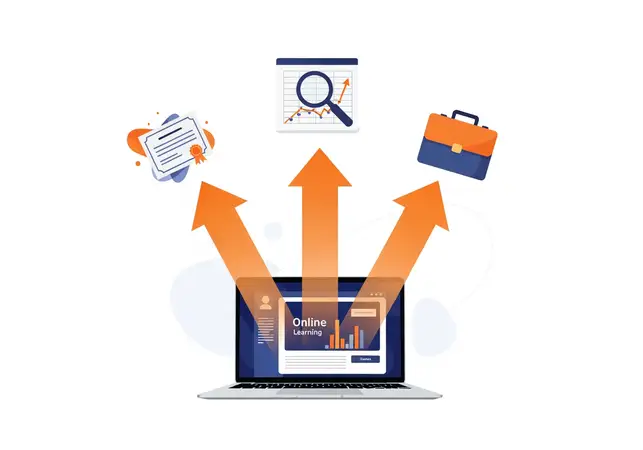
- Popular Platforms: Explore platforms like Coursera, Udemy, edX, LinkedIn Learning, NPTEL, and Swayam. Many offer courses from top universities and industry experts, often with flexible schedules that can accommodate family commitments. These platforms provide structured learning paths, quizzes, and projects to solidify your understanding. When choosing a course, look for those with practical assignments, peer reviews, and verifiable certificates.
- Types of Certifications: Consider industry-recognized certifications that add significant weight to your resume. Examples include Project Management Professional (PMP), certifications in Data Science (e.g., from IBM, Google), Digital Marketing (e.g., Google Ads, HubSpot), Cloud Computing (e.g., AWS, Azure), or specific software proficiencies (e.g., SAP, Salesforce). For finance professionals, certifications like NISM or NCFM can be highly beneficial. These certifications not only validate your skills but also demonstrate your commitment to continuous learning and staying updated with industry standards, signaling your readiness to employers.
- Benefits of Online Learning: The self-paced nature of online courses allows you to learn at your own convenience, making it ideal for individuals managing other responsibilities. They also offer a cost-effective alternative to traditional education and provide access to a global pool of knowledge. Many platforms also offer financial aid or scholarships, making quality education accessible. This flexibility allows you to integrate learning seamlessly into your daily routine.
Engaging with Industry Webinars and Workshops
Staying current isn't just about formal courses; it's also about staying abreast of the latest developments and trends. Attending industry webinars and workshops is an excellent way to achieve this, often providing real-time insights and networking opportunities.
- Access to Latest Trends: These events often feature industry leaders discussing emerging technologies, best practices, and future outlooks. They provide real-time insights that might not yet be covered in formal courses, giving you an edge in understanding current challenges and innovations. Pay attention to the terminology, tools, and methodologies being discussed, as these are often indicators of what employers are looking for.
- Networking Opportunities: Many webinars and workshops include Q&A sessions or virtual networking components, allowing you to connect with peers and experts. Even if it's a passive attendance, being aware of the discussions helps you speak confidently about current industry challenges and solutions during interviews, demonstrating your engagement. Don't hesitate to ask thoughtful questions or connect with speakers/attendees on LinkedIn afterward.
- Finding Opportunities: Look for events hosted by industry associations (e.g., NASSCOM, FICCI FLO), professional bodies, major companies in your field, or even specialized event platforms like Eventbrite or Meetup. Social media, especially LinkedIn, is also a great source for discovering upcoming events. Many organizations offer free webinars, making them accessible to everyone and a low-commitment way to stay informed.
Joining Professional Communities and Networking Groups
Networking is not just about finding job leads; it's about staying informed, gaining mentorship, and building a support system. Join professional communities and networking groups relevant to your field, both online and offline.
- Online Communities: LinkedIn groups are a powerful tool for connecting with professionals in your industry. Participate in discussions, share insights, and ask questions. This helps you stay visible and informed. Beyond LinkedIn, explore forums, Reddit communities (e.g., r/IndiaInvestments, r/developersIndia), and specialized online platforms dedicated to your profession. Engaging actively by commenting on posts, sharing relevant articles, and offering insights can significantly raise your professional profile.
- Local Chapters and Associations: Many professional organizations have local chapters in major Indian cities. Becoming a member can provide access to exclusive events, mentorship programs, and a strong professional network. Examples include the Project Management Institute (PMI) chapters, local chambers of commerce, or specific industry associations like the Indian Society for Training & Development (ISTD) for HR professionals. These provide excellent opportunities for in-person networking and skill-building workshops.
- Women-Specific Groups: Communities like 'Women in Tech India,' 'SHEROES,' 'Aspire For Her,' and 'JobsForHer' specifically cater to women professionals, including those returning from breaks. These groups offer invaluable peer support, shared experiences, and often host workshops and job fairs tailored for returnees. They can be a source of encouragement, practical advice, and job referrals, creating a supportive ecosystem for your return journey.
Re-skilling vs. Up-skilling: A Strategic Choice
It's important to differentiate between re-skilling and up-skilling. Up-skilling involves enhancing your existing skills to stay competitive in your current career path. For example, a software developer learning a new programming language or a marketing professional mastering advanced analytics tools. This strategy is ideal if you love your previous career and the core industry remains relevant. Re-skilling, on the other hand, means learning entirely new skills to transition into a different career path or industry. For example, a marketing professional learning data analytics to move into a data science role, or a teacher transitioning into instructional design. This might be necessary if your previous industry has significantly diminished, or if your career break has inspired a new passion. Your choice depends on your career aspirations, how much your previous field has changed, and the current market demand. Both are valid strategies, and a career break can be an opportune time to explore either, allowing for a complete career pivot or a strategic enhancement of your existing profile.
Practical Application of New Skills
Simply acquiring new skills isn't enough; you need to demonstrate their practical application. Consider personal projects, volunteer work, or even small freelance assignments to put your newly acquired knowledge into practice. For instance, if you learned digital marketing, offer to manage social media for a local NGO, a small business, or even a family venture. If you studied data analytics, work on a personal project analyzing publicly available datasets (like government census data or stock market trends). If you're into web development, build a personal website or contribute to an open-source project. These experiences, even if unpaid, can be highlighted on your resume and discussed during interviews, providing tangible proof of your capabilities, initiative, and commitment to continuous learning.
They also help build a portfolio, which is invaluable in creative and technical fields, showcasing your ability to deliver real-world results.
Leveraging Free Resources and Open-Source Projects
Beyond paid courses, a wealth of free resources can help you update your skills. YouTube tutorials, free online courses from platforms like Khan Academy or Google's Digital Garage, and open-source documentation for software and programming languages are excellent starting points. Many universities also offer free online lectures or course materials. Contributing to open-source projects, especially in software development, allows you to collaborate with experienced professionals, gain practical coding experience, and build a public portfolio on platforms like GitHub. This not only hones your technical skills but also demonstrates teamwork, problem-solving, and a proactive approach to learning, which are highly valued by employers. For creative fields, platforms like Behance or Dribbble offer opportunities to showcase personal projects.
Companies Supporting Women Returnees
The landscape for women returning to work in India has significantly improved, with many forward-thinking companies recognizing the immense value that experienced women bring to the workforce. These companies often have dedicated programs and policies designed to facilitate a smooth re-entry, understanding the unique challenges and strengths of this talent pool and actively seeking to harness their potential.
Understanding Return-to-Work Programs (Returnships)
Many Indian companies have dedicated return-to-work programs, often referred to as 'returnships.' These are structured, often paid, internship-like programs specifically designed for experienced professionals who have taken a career break. They typically last for a few months (e.g., 3-6 months), offering a supportive environment to refresh skills, get acquainted with new technologies, and reintegrate into corporate culture. Many returnships offer a direct path to full-time employment upon successful completion, acting as a bridge back into the professional world. These programs often include a structured curriculum, project work, and regular performance reviews.
- Benefits for Women Returnees: These programs provide a structured re-entry point, often including mentorship, peer support networks, and opportunities to work on real projects. They help in updating skills, rebuilding professional networks, and regaining confidence in a supportive environment, mitigating the fear of being 'out of touch.' The peer group aspect is particularly valuable, as it creates a sense of community and shared experience, reducing feelings of isolation.
- Benefits for Companies: By investing in returnship programs, companies gain access to a diverse pool of experienced talent that might otherwise be overlooked. These professionals bring a wealth of knowledge, maturity, and diverse perspectives, which can drive innovation and improve team dynamics. It also helps companies meet their diversity and inclusion goals and fosters a more inclusive work culture, enhancing their employer brand and attracting a wider talent pool.
Leading Companies with Dedicated Programs
Several prominent Indian companies have pioneered and continue to offer robust return-to-work programs, demonstrating their commitment to gender diversity and inclusion:
- TCS (Tata Consultancy Services): Their 'Rebegin' program is well-known, focusing on women with a career gap of two to five years. It offers a platform to refresh skills and work on live projects, often leading to full-time roles in IT and consulting. TCS also emphasizes mentorship and skill development within the program, providing a comprehensive re-integration experience.
- Infosys: Through initiatives like 'Infosys Equinox,' they aim to bring back experienced women professionals, providing them with opportunities across various technology and business domains. They focus on providing a conducive environment for learning and growth, often with flexible work options.
- HCL Technologies: HCL's 'TechBee' program and other initiatives focus on upskilling and providing employment opportunities, including for women looking to restart their careers in technology. They often partner with educational institutions to provide relevant training, ensuring candidates are industry-ready.
- Accenture: Their 'Career Reboot' program is designed to help experienced professionals, particularly women, transition back into the workforce, offering roles in consulting, technology, and operations. Accenture is known for its strong D&I initiatives globally and provides extensive support and resources.
- Capgemini, Wipro, Cognizant, and IBM: These are other major IT and consulting firms that frequently run similar programs, recognizing the value of returning women professionals. They often have dedicated portals on their career websites for such programs, making it easier for candidates to apply.
- Other Sectors: Beyond IT, companies in banking (e.g., ICICI Bank, Axis Bank), FMCG (e.g., Hindustan Unilever), and manufacturing are also increasingly launching or supporting such initiatives, recognizing the talent pool and the benefits of diverse perspectives.
Startups and SMEs: Valuing Diverse Perspectives
While large corporations have structured programs, startups and Small and Medium-sized Enterprises (SMEs) are increasingly valuing diverse perspectives and life experiences. Startups, in particular, thrive on innovation, agility, and varied viewpoints, making returning women an excellent fit due to their maturity and unique skill sets.
- Why Startups Value Returnees: Women returning to work often bring a unique blend of professional experience, life skills (like exceptional time management, problem-solving, and empathy developed during their break), and a strong commitment to their roles. This can be invaluable in a fast-paced startup environment where adaptability and resourcefulness are key. They are also often more flexible in terms of work arrangements, which aligns well with the needs of returnees, offering roles that might be project-based or remote.
- How to Find Opportunities: Look for startups on platforms like AngelList, LinkedIn, and specialized startup job boards (e.g., Instahyre, CutShort). Networking within startup communities, attending startup pitch events, and connecting with founders can also open doors. Many startups are more open to project-based or part-time roles initially, which can be a great way to re-enter the workforce with flexibility.
Identifying Companies with Strong Diversity and Inclusion Policies
Beyond specific returnship programs, look for companies with strong diversity and inclusion (D&I) policies. These companies are generally more supportive of women returnees and offer a more inclusive work environment, understanding the importance of a balanced workforce.
- How to Identify: Research company career pages, annual reports, and D&I statements. Websites like Glassdoor and AmbitionBox often have employee reviews that can shed light on a company's culture and how genuinely inclusive it is. Look for companies that have won D&I awards, are recognized for their inclusive practices, or actively promote women in leadership roles. Pay attention to their public commitments to gender equality.
- Supportive Policies: Beyond D&I statements, look for tangible policies such as flexible work arrangements (work-from-home, hybrid models, flexible hours), on-site creche facilities or childcare support, extended maternity leave, sabbatical options, and employee resource groups for women. These indicate a genuine commitment to supporting women in the workforce and creating an environment where they can thrive long-term, rather than just paying lip service to diversity.
Beyond Large Corporates: Exploring SMEs and NGOs
While large corporations offer structured returnship programs, don't overlook the potential of Small and Medium-sized Enterprises (SMEs) and Non-Governmental Organizations (NGOs). These organizations can offer unique advantages for women returning to work, often providing a different kind of growth and impact.
- SMEs: Often provide more flexibility in roles and work arrangements. You might have a broader scope of responsibilities, allowing you to quickly gain diverse experience and make a significant impact. The hiring process might also be less formal, focusing more on skills and potential rather than rigid career paths. They can be excellent places to re-establish your professional identity and build a strong track record, often with direct exposure to leadership.
- NGOs: Many NGOs value individuals with strong organizational skills, empathy, and a passion for social impact – qualities often honed during a career break. They can offer meaningful work, flexible hours, and a supportive environment, even if compensation might differ from corporate roles. Working for an NGO can provide immense personal satisfaction and a chance to leverage your skills for a greater cause, while also building your resume with current work experience and demonstrating a commitment to social responsibility.
Government Sector Opportunities
The government sector in India also presents opportunities for women returning to work. While the hiring process can be competitive and lengthy, many government roles offer stability, good benefits, and sometimes more structured work-life balance policies. Look for specific government job portals (like TrueJobs.co.in!) and notifications for roles that align with your skills and experience. Some government departments or public sector undertakings (PSUs) might have provisions or preferences for experienced candidates, including those with career breaks, especially if they can demonstrate relevant skills and pass competitive examinations. Roles in administration, education, healthcare, and various technical departments are frequently advertised, offering long-term career prospects and security, often with robust pension and healthcare benefits.
Industry-Specific Opportunities for Returnees
Certain industries are particularly welcoming to women returnees due to their demand for specific skills or their progressive work cultures:
- Information Technology (IT) and Tech: This sector leads in returnship programs and flexible work options, driven by a constant need for talent and a focus on diversity. Roles in software development, data science, cloud computing, and cybersecurity are abundant, and many companies actively seek to re-integrate experienced tech professionals.
- Education and EdTech: With the rise of online learning, there's a high demand for educators, content developers, instructional designers, and online tutors. These roles often offer flexibility and can leverage prior teaching or subject matter expertise, making them ideal for women seeking work-life balance.
- Healthcare: Clinical roles (doctors, nurses) often have clear re-licensing paths, and administrative or support roles in hospitals and healthcare tech companies are also available, often with flexible schedules. The demand for healthcare professionals remains consistently high.
- Financial Services: Banks and financial institutions are increasingly offering returner programs for roles in analytics, operations, and customer service, recognizing the maturity and reliability of experienced professionals. Compliance and risk management roles also value attention to detail and experience.
- Human Resources: HR roles, particularly in talent acquisition, D&I, and employee relations, can be a good fit, as they value strong interpersonal skills and empathy, often enhanced during a career break. The ability to understand and support diverse employee needs is highly valued.
- Digital Marketing and Content Creation: Many roles in digital marketing, social media management, content writing, and graphic design can be done remotely or on a freelance basis, offering significant flexibility. These fields are constantly evolving, providing opportunities for continuous learning and application of new skills.
Building Confidence
Returning to work after a break can be daunting, and rebuilding your professional confidence is as crucial as updating your skills. It's a psychological journey that requires self-belief, strategic planning, and a supportive network to overcome self-doubt and embrace your capabilities, recognizing the immense value you bring.
Starting Small: Freelance or Part-Time Work
To ease back into professional life, consider starting with freelance or part-time work. This approach offers several benefits, allowing for a gradual transition and confidence building.
- Gradual Re-entry: It allows you to gradually adjust to work schedules and demands without the immediate pressure of a full-time corporate role. This gentle immersion helps in re-establishing routines and regaining professional rhythm, making the transition less overwhelming.
- Skill Validation and Resume Building: Freelance projects or part-time roles provide an excellent opportunity to apply your updated skills, gain current work experience, and add recent achievements to your resume. Even small projects can demonstrate your capability, commitment, and ability to deliver results in a professional setting, boosting your self-assurance.
- Flexibility: Many freelance roles offer immense flexibility, allowing you to manage family responsibilities alongside work, which is often a primary concern for women returnees. This control over your schedule can significantly reduce stress and help you maintain a healthy work-life balance.
- Platforms: Explore platforms like Upwork, Fiverr, Toptal, and various Indian-specific freelance portals (e.g., Truelancer, Freelancer.in) for opportunities in content writing, graphic design, virtual assistance, consulting, web development, and more. Local networks and direct outreach to small businesses can also yield opportunities.
Optimizing Your LinkedIn Profile
Your LinkedIn profile is your professional storefront in the digital age. A well-optimized profile is essential for attracting recruiters, showcasing your readiness to return, and networking effectively.
- Headline and Summary: Craft a compelling headline that reflects your target role and a summary that highlights your key skills, experience, and enthusiasm for returning to work. Positively address your career break, focusing on what you learned or achieved during that time. For example: "Experienced Marketing Professional | Certified Digital Marketer | Eager to Re-enter Workforce after Family Break, bringing enhanced strategic planning & resilience."
- Experience Section: Clearly list your past roles and responsibilities. For the career break period, you can list it as 'Career Break' and briefly explain the reason (e.g., 'Maternity Leave and Childcare') and any skills gained (e.g., 'Enhanced project management, multitasking, and problem-solving skills'). Be transparent and confident, framing it as a period of personal and professional growth.
- Skills and Endorsements: Update your skills section with all your newly acquired competencies, including both hard and soft skills. Seek endorsements from former colleagues or mentors. Request recommendations from past managers or even from individuals you've worked with on freelance projects; these add significant credibility and social proof to your profile.
- Professional Photo: Use a clear, professional headshot. A strong visual presence makes your profile more engaging and approachable. Ensure your profile is complete and actively engage by sharing relevant articles or commenting on industry posts to demonstrate your ongoing interest and expertise.
Reconnecting with Your Professional Network
Your existing network is a goldmine of opportunities and support. Don't hesitate to reconnect with former colleagues, managers, and mentors; they can offer insights, advice, and potential leads.
- Reach Out: Send personalized messages on LinkedIn or email. Start by catching up, sharing your intent to return to work, and asking for advice or insights into current industry trends. Frame it as seeking guidance, not just a job. Be genuine and respectful of their time.
- Informational Interviews: Request informational interviews with people in roles or companies you're interested in. This is not about asking for a job directly but about gathering information, understanding the industry, and expanding your network. These conversations can often lead to job leads or referrals and provide valuable insights into company culture and specific roles.
- Attend Industry Events: Even if you're not actively looking for a job, attending industry conferences, seminars, or local meetups can help you reconnect with old contacts and make new ones. These events are excellent for staying informed and visible, demonstrating your commitment to your field.
Joining Women-Specific Professional Communities
Connecting with other women who have navigated similar journeys can be incredibly empowering. Join women-in-tech, women-in-business, or other women-specific professional communities; they offer a unique blend of support and resources.
- Mentorship and Peer Support: These communities offer a safe space to share experiences, seek advice, and find mentors who understand your specific challenges. Hearing success stories from others can significantly boost your confidence and provide practical strategies for overcoming obstacles.
- Workshops and Resources: Many of these groups host workshops on resume building, interview skills, negotiation, and confidence building, specifically tailored for women returnees. They often provide resources on work-life balance and career progression, addressing common concerns of women in the workforce.
- Job Boards and Referrals: They often have dedicated job boards or facilitate referrals within their networks, connecting members with supportive employers who are actively looking to hire women returnees. These platforms can be a direct pipeline to opportunities with inclusive companies.
Valuing Your Career Break Experiences
It's crucial to reframe your career break not as a gap, but as a period of growth and skill development. Many skills honed during a break are highly transferable and valuable in the workplace.
- Highlight Transferable Skills: Managing a household, raising children, caring for elders, or pursuing personal projects often involves significant project management, budgeting, negotiation, multitasking, problem-solving, and time management skills. These are highly sought-after soft skills. Learn to articulate how these experiences have made you a more resilient, organized, and empathetic professional.
- Personal Growth: A career break can lead to significant personal development, including enhanced emotional intelligence, adaptability, patience, and a renewed sense of purpose. These qualities contribute to a more mature and well-rounded employee. Be prepared to discuss how your break has enriched you and made you a better candidate.
- Renewed Perspective and Motivation: Returning professionals often bring a fresh perspective, a strong work ethic, and a high level of motivation, having made a conscious decision to re-engage with their careers. Emphasize this renewed energy and commitment during interviews.
Practicing Self-Care and Mindfulness
The journey back to work can be stressful. Prioritizing self-care and mindfulness is essential to maintain your well-being and confidence.
- Stress Management: Engage in activities that help you relax and de-stress, such as yoga, meditation, exercise, or hobbies. A calm and focused mind will perform better during interviews and in new roles.
- Positive Affirmations: Challenge negative self-talk. Remind yourself of your strengths, accomplishments, and the unique value you bring. Surround yourself with supportive people who believe in your capabilities.
- Set Realistic Expectations: Understand that re-entry might take time. Celebrate small victories and be patient with yourself. It's a marathon, not a sprint.
Mock Interviews and Feedback
Practice makes perfect, especially when it comes to interviews. Engaging in mock interviews can significantly boost your confidence and refine your communication skills.
- Simulate Real Scenarios: Ask a trusted friend, mentor, or career coach to conduct mock interviews. This helps you get comfortable articulating your experiences, addressing potential concerns about your career break, and showcasing your updated skills.
- Constructive Feedback: Solicit honest feedback on your answers, body language, and overall presentation. Use this feedback to refine your approach and improve your responses to common interview questions, especially those related to your career gap.
- Prepare for Behavioral Questions: Many interviews include behavioral questions (e.g., "Tell me about a time when..."). Practice using the STAR method (Situation, Task, Action, Result) to structure your answers, demonstrating your problem-solving abilities and transferable skills effectively.
Crafting Your Resume and Cover Letter
Your resume and cover letter are your first impression. They need to be meticulously crafted to highlight your strengths, address your career break positively, and demonstrate your readiness for new opportunities. This section will guide you through creating compelling documents that capture attention and open doors.
Addressing the Career Break Positively
The key to addressing your career break is transparency and confidence. Frame it as a period of personal growth and skill development, not a deficit.
- Resume:
- Functional or Combination Resume: If your break was long or you're changing careers, consider a functional resume (which emphasizes skills over chronological work history) or a combination resume (which blends both). This allows you to lead with your updated skills and competencies.
- Chronological Resume (with explanation): If you're returning to a similar field, a chronological resume is still common. List your work history, and for the period of your break, you can simply state "Career Break" or "Family Responsibilities" and briefly mention any relevant skills gained or projects undertaken during that time (e.g., "Managed household budget and logistics for a family of four, demonstrating strong organizational and financial planning skills").
- Highlight Achievements: Focus on quantifiable achievements from your previous roles and any new skills acquired. Use action verbs and metrics to showcase your impact.
- Cover Letter: This is where you can tell your story more comprehensively.
- Acknowledge and Explain Briefly: Briefly and confidently acknowledge your career break in the first or second paragraph. For example: "After a rewarding X-year career break dedicated to [reason, e.g., raising my children/caring for my elderly parents], I am now eager to re-enter the workforce and apply my [mention key skills] to a challenging role at [Company Name]."
- Focus on Readiness and Value: Immediately pivot to what you bring to the table. Emphasize your updated skills, renewed enthusiasm, and the transferable skills gained during your break. "During my break, I actively pursued certifications in [mention certifications] and honed my [mention soft skills like time management, problem-solving], making me a highly organized and adaptable professional ready to contribute from day one."
- Connect to the Role: Clearly articulate why you are a strong fit for the specific role and company, demonstrating your research and genuine interest.
Highlighting Updated Skills and Certifications
Make your newly acquired skills and certifications prominently visible on your resume and cover letter.
- Dedicated Skills Section: Create a prominent "Skills" section at the top of your resume, listing both hard and soft skills, along with any relevant software proficiencies or languages.
- Education/Certifications Section: List all new certifications with their issuing bodies and dates. If you completed significant online courses, you can include them here or in a separate "Professional Development" section.
- Integrate into Experience: Where possible, weave your new skills into the descriptions of your previous work experience or any projects you undertook during your break. For example, if you managed a volunteer project, describe it using project management terminology.
Crafting a Compelling Summary/Objective
Your resume's summary or objective statement is often the first thing a recruiter reads. Make it count.
- Summary (for experienced professionals): A powerful 3-4 sentence paragraph that highlights your years of experience, key achievements, updated skills, and career aspirations. It should immediately convey your value proposition. Example: "Highly motivated and results-oriented Marketing Manager with 8+ years of experience in digital strategy and brand management, now re-entering the workforce after a career break. Recently certified in Advanced Digital Analytics and eager to leverage enhanced leadership and communication skills to drive innovative campaigns at [Company Name]."
- Objective (less common, but useful for career changers): A concise statement outlining your career goals and how your skills align with the target role. Example: "Seeking a challenging role as a Data Analyst where I can apply my newly acquired Python and SQL skills, combined with 5 years of experience in financial reporting, to contribute to data-driven decision-making."
Using Keywords Effectively
Many companies use Applicant Tracking Systems (ATS) to filter resumes. Using relevant keywords is crucial to get past these initial screens.
- Analyze Job Descriptions: Carefully read the job descriptions of roles you're applying for. Identify key terms, skills, and qualifications.
- Incorporate Keywords: Naturally integrate these keywords into your resume and cover letter, especially in your summary, skills section, and experience descriptions. Don't just list them; show how you've applied them.
- Tailor Each Application: Customize your resume and cover letter for each job application to ensure maximum keyword relevance. This might seem time-consuming, but it significantly increases your chances of being noticed.
Proofreading and Professional Presentation
A polished, error-free resume and cover letter reflect professionalism and attention to detail.
- Proofread Meticulously: Check for any grammatical errors, typos, or formatting inconsistencies. Get a fresh pair of eyes to review your documents.
- Consistent Formatting: Use a clean, professional font and consistent formatting throughout. Ensure readability and a logical flow.
- PDF Format: Always save and submit your resume and cover letter as PDF files unless otherwise specified, to preserve formatting.
- Conciseness: Aim for a resume that is 1-2 pages long for most roles. Recruiters spend only a few seconds scanning each resume, so make every word count.
Creating an Online Portfolio (If Applicable)
For creative, technical, or project-based roles, an online portfolio can be a powerful tool to showcase your work.
- Showcase Your Best Work: Include samples of your projects, designs, code, writing, or presentations. Even personal projects or volunteer work can be included.
- Provide Context: For each item, briefly explain your role, the challenges, the actions you took, and the results achieved.
- Easy Access: Include a link to your online portfolio prominently on your resume and LinkedIn profile. Platforms like Behance, GitHub, or a personal website can host your portfolio.
Put this advice into practice
Returning to work after a career break is a testament to resilience and determination. By strategically updating your skills, identifying supportive employers, building confidence, and meticulously crafting your application materials, you can successfully navigate this transition. Embrace your unique journey and the invaluable experiences you bring, as they are your greatest assets in building a fulfilling professional future.
FAQ
How long should my career break be before it becomes a concern for employers?
There's no definitive answer, as it varies by industry and role. However, employers are increasingly understanding of career breaks, especially for women. The key is to address it confidently, explain the reason, and highlight how you've stayed engaged or upskilled during that time. Many companies now have specific returnship programs for breaks ranging from 2 to 10 years or more.
Should I include volunteer work or personal projects on my resume during my career break?
Absolutely! Volunteer work, personal projects, freelance assignments, or even significant responsibilities undertaken during your break (like managing a large household budget or organizing community events) demonstrate transferable skills such as project management, leadership, communication, and problem-solving. Frame these experiences to highlight the skills you gained and how they are relevant to the job you're applying for.
What if I feel overwhelmed and lack confidence about re-entering the workforce?
It's completely normal to feel this way. Start by focusing on small, achievable steps like updating your LinkedIn profile, taking one online course, or reconnecting with a former colleague. Seek support from women-specific professional groups or mentors who have successfully navigated similar paths. Remember to value your unique experiences and the maturity you bring, and practice self-care to manage stress. Confidence builds with action and positive reinforcement.
Women Returning to Work: Career Re-entry Guide
Explore more resources: Explaining Career Gaps | Resume Templates | Government Jobs
TrueJobs Editorial Team
TrueJobs editorial desk
This article is prepared from the sources referenced in the guide and reviewed for clarity, links and dated information. Read our editorial and corrections policy.
Continue This Topic
Follow the closest earlier and newer coverage so older archive posts keep real contextual crawl paths.
ATS-Friendly Resume: How to Beat Applicant Tracking Systems
Learn how to create an ATS-friendly resume that passes applicant tracking systems and gets you interviews.
Railway Recruitment 2026: 50,000+ Expected Vacancies, Department-Wise Full Update
Railway Recruitment 2026 is set to be a massive hiring drive with over 50,000 expected vacancies across NTPC, Group D, ALP, and JE. Get a complete breakdown of posts and eligibility.
Read Next
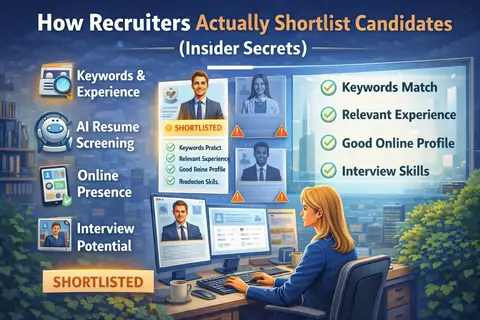
How Recruiters Actually Shortlist Candidates (Insider Secrets)

Railway Recruitment 2026: 50,000+ Expected Vacancies, Department-Wise Full Update
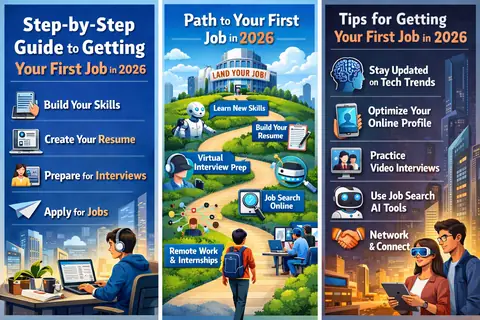
Step-by-Step Guide to Getting Your First Job in 2026
SSC 2026 Calendar Released: Complete Exam Dates, Vacancies & Smart Preparation Timeline
Explore Topics
Perfect Your Resume
Use our AI-powered Resume Builder to create ATS-optimized resumes.
AI Resume Builder