
Recruitment guide
Top Govt Job Exams 2026: India Calendar Guide — Explained
Plan your 2026 with India's complete government exam calendar. Key dates for UPSC, SSC, Railways, and more.
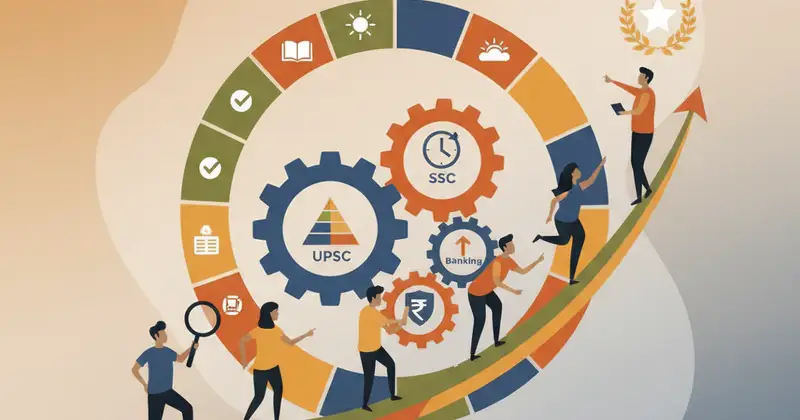
India offers numerous government job opportunities via competitive examinations conducted annually. Strategic preparation, guided by the exam calendar, is crucial for success. For aspiring candidates, understanding the yearly rhythm of these exams is the first step towards securing a coveted government position. TrueJobs guides you through the intricate landscape of government job exams in 2026, helping you strategize effectively.
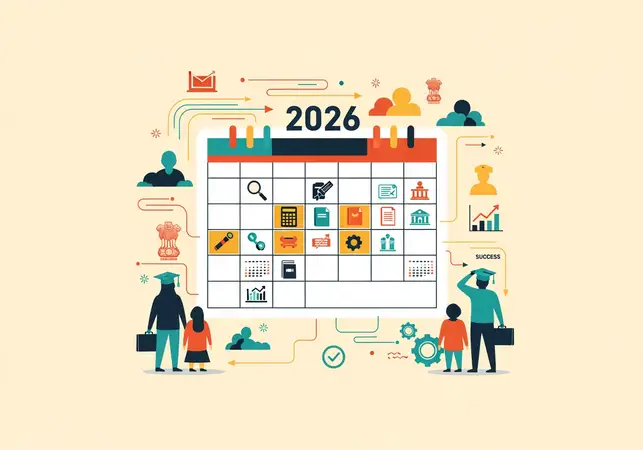
Major Government Exams in 2026: An Overview
In 2026, prominent recruiting bodies like the Union Public Service Commission (UPSC), Staff Selection Commission (SSC), Railway Recruitment Boards (RRB), banking sector organizations (SBI, IBPS, RBI), Defence (Indian Army, Navy, Air Force), and State Public Service Commissions (State PSCs) will conduct a wide array of exams. Key examinations include:
- UPSC Civil Services Examination (CSE): The most prestigious examination for All India Services like IAS, IPS, and IFS. This examination is a multi-stage process, typically starting with a preliminary exam, followed by a main examination (written and interview). Eligibility generally requires a bachelor's degree from a recognized university, and candidates must be within a specific age range, with relaxations for reserved categories. The syllabus is vast, covering general studies, current affairs, and optional subjects, demanding extensive and consistent preparation.
- SSC Combined Graduate Level (CGL) Examination: For various Group 'B' and Group 'C' posts in ministries, departments, and organizations of the Government of India. The CGL exam is highly sought after, offering diverse roles such as Assistant Audit Officer, Income Tax Inspector, Assistant Section Officer, and more. It typically involves multiple tiers, including computer-based examinations and sometimes skill tests. A bachelor's degree is the primary educational qualification, with age limits varying by post.
- SSC Combined Higher Secondary Level (CHSL) Examination: For Data Entry Operators (DEO), Lower Divisional Clerks (LDC)/Junior Secretariat Assistant (JSA), and Postal Assistant/Sorting Assistant (PA/SA). This examination targets candidates who have completed their 12th standard. It's a popular entry point into government service, involving computer-based tests and skill tests (typing/data entry).
- RRB Non-Technical Popular Categories (NTPC) Examination: For various non-technical posts in the Indian Railways. The NTPC exam recruits for positions like Junior Clerk cum Typist, Accounts Clerk cum Typist, Commercial cum Ticket Clerk, Goods Guard, Senior Commercial cum Ticket Clerk, Senior Clerk cum Typist, Junior Account Assistant cum Typist, Commercial Apprentice, and Station Master. Educational qualifications range from 12th pass to graduate level, depending on the specific post. The selection process usually involves multiple stages of computer-based tests (CBTs), followed by skill tests (typing test) for certain posts, and document verification.
- IBPS PO/Clerk/SO Examinations: The Institute of Banking Personnel Selection (IBPS) conducts common recruitment processes for Probationary Officers (PO), Clerks, and Specialist Officers (SO) in various Public Sector Banks. These exams are highly competitive, with a structured selection process including preliminary and main examinations, followed by an interview for PO and SO roles. A bachelor's degree is generally required, with specific professional qualifications for Specialist Officer roles.
- SBI PO/Clerk Examinations: The State Bank of India (SBI) conducts its own recruitment examinations for Probationary Officers and Clerks. These are considered premium banking jobs due to SBI's stature. The pattern is similar to IBPS exams, involving preliminary and main exams, and an interview for POs.
- RBI Grade B/Assistant Examinations: The Reserve Bank of India (RBI) recruits for various positions, including Grade B Officers and Assistants. RBI jobs are highly prestigious, offering excellent career progression and benefits. The Grade B officer exam is particularly challenging, involving multiple phases of written examinations and an interview.
- State Public Service Commission (State PSC) Exams: Each state in India conducts its own civil services examinations for recruitment to state administrative services, police services, and other departmental posts. Examples include UPPSC PCS, MPSC, BPSC, RPSC RAS, etc. These exams are tailored to the specific needs and administrative structures of each state.
- Defence Examinations (NDA, CDS, AFCAT, Agniveer): For entry into the Indian Army, Navy, and Air Force.
- NDA (National Defence Academy) & NA (Naval Academy) Examination: For candidates who have completed 12th standard, aspiring to join the officer cadre of the Army, Navy, and Air Force.
- CDS (Combined Defence Services) Examination: For graduates aspiring to join the officer cadre of the Army, Navy, and Air Force.
- AFCAT (Air Force Common Admission Test): For graduates to join various branches of the Indian Air Force.
- Agniveer Recruitment: For entry into the armed forces under the Agnipath scheme, offering a unique opportunity for young individuals.
Crafting Your 2026 Exam Calendar Strategy
A well-defined strategy is paramount for navigating the competitive landscape of government job exams. Understanding the typical timelines and preparation requirements for each exam can significantly boost your chances of success. While specific dates for 2026 are yet to be announced, historical trends provide valuable insights.
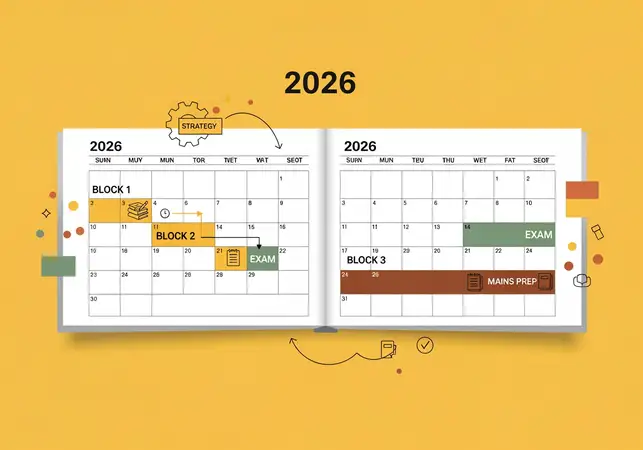
Understanding the Annual Cycle
Most major government exams follow a fairly predictable annual cycle. Notifications are typically released at specific times of the year, followed by application periods, preliminary exams, main exams, and interviews. For instance, the UPSC CSE notification generally comes out in February, with the Prelims in June. SSC CGL notifications often appear in the latter half of the year, with exams spread across the subsequent months. Banking exams like IBPS PO usually have their notification in August, with Prelims in October. Keeping track of these patterns is crucial for planning your sarkari naukri journey.
Key Phases of Preparation
- Notification Release and Application: This is the initial phase where the official advertisement is published, detailing eligibility criteria, syllabus, exam pattern, and important dates. Candidates must carefully review this and apply within the specified window.
- Preliminary Examination: Often the first screening stage, typically objective-type (Multiple Choice Questions). This phase tests general awareness, quantitative aptitude, reasoning ability, and English language skills.
- Main Examination: For many exams, this is a more comprehensive stage, often involving descriptive papers or advanced objective tests, delving deeper into subject knowledge.
- Interview/Skill Test: The final stage for many prestigious exams, assessing personality, communication skills, and practical abilities (e.g., typing test for clerical roles).
- Result Declaration and Document Verification: After all stages, final results are declared, followed by document verification and medical examination before final appointment. You can always check for latest results on TrueJobs.co.in.
Tips for Effective Planning
- Identify Your Target Exams: Based on your educational qualification, age, and career aspirations, shortlist the exams you wish to target.
- Create a Master Calendar: Once you have a tentative list, plot the expected notification and exam dates on a personal calendar. This helps visualize overlaps and plan dedicated study periods.
- Syllabus Alignment: Many exams share common subjects like General Knowledge, Reasoning, and Quantitative Aptitude. Identify these overlaps to prepare for multiple exams simultaneously.
- Start Early: Government exam preparation is a marathon, not a sprint. Begin your studies well in advance to cover the vast syllabi thoroughly.
- Mock Tests and Previous Year Papers: Regularly practice with mock tests and previous year's question papers. This helps understand the exam pattern, time management, and identifies areas of improvement.
- Stay Updated: Keep an eye on official websites of recruiting bodies and reliable job portals like TrueJobs.co.in for the latest notifications and updates regarding admit cards and exam schedules.
Eligibility Criteria and Application Process: What You Need to Know
Understanding the general eligibility criteria and the application process is fundamental before embarking on your government job journey. While specific details vary for each examination and recruiting body, some common threads run through most government job applications.
General Eligibility Requirements
- Nationality: Candidates must typically be citizens of India. For some posts, citizens of Nepal, Bhutan, or Tibetan refugees who came to India before a specific date with the intention of permanently settling in India, may also be eligible.
- Educational Qualification: This is perhaps the most crucial criterion.
- 10th Pass: Many entry-level positions, especially in departments like Railways (Group D) or certain state-level posts, require a minimum of 10th standard qualification.
- 12th Pass: Exams like SSC CHSL, RRB NTPC (for some posts), and various state-level clerical positions are open to 12th pass candidates.
- Graduation: The vast majority of prestigious government jobs, including UPSC CSE, SSC CGL, Banking PO/Clerk, RBI Grade B, and State PSC exams, require a bachelor's degree in any discipline from a recognized university. Specific professional degrees might be required for Specialist Officer roles (e.g., Engineering, Law, Medical degrees).
- Age Limit: There is usually a minimum and maximum age limit for each examination. These limits vary significantly based on the post and the recruiting body. For example, UPSC CSE typically has an age limit of 21-32 years for general category candidates, while SSC CGL might have limits like 18-27 or 20-30 years depending on the post. Age relaxations are provided for candidates belonging to Scheduled Castes (SC), Scheduled Tribes (ST), Other Backward Classes (OBC), Persons with Benchmark Disabilities (PwBD), and Ex-Servicemen, as per government rules.
- Physical Standards: For certain roles, particularly in defence, police, and paramilitary forces, specific physical standards (height, chest, vision, etc.) are mandatory. Candidates must meet these criteria to be eligible.
- Medical Fitness: All selected candidates are required to undergo a medical examination to ensure they are fit for the duties of the post.
The Application Process
The application process for most government jobs has largely shifted online. Here’s a general outline:
- Online Registration: Candidates first need to register on the official website of the recruiting body (e.g., UPSC Online, SSC Portal, IBPS portal). This usually involves providing basic details like name, date of birth, email ID, and mobile number.
- Filling the Application Form: After registration, candidates log in and fill out the detailed application form. This includes educational qualifications, work experience (if any), preferred exam centers, and other relevant information.
- Uploading Documents: Scanned copies of photographs, signatures, and sometimes educational certificates or caste certificates need to be uploaded in specified formats and sizes.
- Payment of Application Fee: An application fee is usually required, which can be paid online through various modes like debit card, credit card, net banking, or UPI. Fee exemptions are often available for certain categories like SC/ST/PwBD/Women candidates.
- Review and Submission: Before final submission, candidates are advised to thoroughly review all entered details to avoid errors. Once submitted, changes might not be possible.
- Print Application Form: It is always recommended to take a printout of the submitted application form for future reference.
It is crucial to refer to the official notification for each specific exam for precise eligibility criteria and application instructions, as these can change from year to year.
Beyond the Calendar: Sustained Preparation and Mindset
While having a clear exam calendar is vital, sustained preparation and a resilient mindset are equally important for success in government job examinations. The journey can be long and demanding, requiring dedication and strategic effort beyond just knowing the dates.
Building a Strong Foundation
- Conceptual Clarity: Don't just memorize; understand the concepts. Whether it's quantitative aptitude, reasoning, or general studies, a clear understanding of fundamentals will help you tackle diverse questions.
- Current Affairs: For almost all government exams, current affairs play a significant role. Make it a daily habit to read newspapers, magazines, and follow reliable news sources. Focus on national and international events, government policies, economic developments, and science & technology.
- Subject-Specific Mastery: Dedicate sufficient time to master subjects specific to your chosen exams. For UPSC, this means in-depth study of history, geography, polity, economics, and environment. For banking exams, focus heavily on banking awareness and financial markets.
- Language Proficiency: For exams with English or Hindi sections, regular practice in grammar, vocabulary, comprehension, and writing skills is essential.
Effective Study Techniques
- Structured Study Plan: Divide your syllabus into manageable chunks and allocate time for each topic. Stick to your timetable as much as possible.
- Revision is Key: Regular revision is critical to retain information. Incorporate weekly and monthly revision cycles into your study plan.
- Practice, Practice, Practice: Solve as many practice questions and mock tests as possible. This helps in time management, identifying weak areas, and familiarizing yourself with the exam pattern. Analyze your performance in mock tests to learn from mistakes.
- Group Study (Optional): For some, group study can be beneficial for discussing complex topics and motivating each other.
Maintaining a Positive Mindset
- Stay Motivated: The preparation phase can be arduous. Find ways to stay motivated, whether it's through success stories, setting small achievable goals, or visualizing your success.
- Manage Stress: High competition can lead to stress. Incorporate relaxation techniques like meditation, exercise, or hobbies into your routine to maintain mental well-being.
- Healthy Lifestyle: Ensure you get adequate sleep, eat nutritious food, and engage in physical activity. A healthy body supports a healthy mind.
- Learn from Failures: Not every attempt will be successful. View failures as learning opportunities, analyze what went wrong, and come back stronger.
- Seek Guidance: Don't hesitate to seek guidance from mentors, teachers, or online forums when you face difficulties or need clarification. You can also explore our blog for preparation tips.
By combining a thorough understanding of the exam calendar with a disciplined approach to preparation and a positive outlook, aspiring candidates can significantly enhance their prospects of securing a coveted government job in 2026.
FAQ
Q1: How can I find the exact dates for government exams in 2026?
A1: While TrueJobs.co.in provides a comprehensive overview and expected timelines, the exact dates for government exams in 2026 will be officially released by the respective recruiting bodies (UPSC, SSC, IBPS, etc.) through their annual calendars and specific job notifications. It is crucial to regularly check their official websites and reliable job portals like TrueJobs.co.in for the most accurate and up-to-date information.
Q2: Is it possible to prepare for multiple government exams simultaneously?
A2: Yes, it is often possible and even advisable to prepare for multiple government exams simultaneously, especially if they have overlapping syllabi. Many exams share common sections like General Awareness, Quantitative Aptitude, Reasoning, and English Language. By focusing on these common areas, candidates can efficiently prepare for a range of exams. However, it's important to also dedicate time to subject-specific topics unique to each target exam.
Q3: What are the common mistakes to avoid during government job exam preparation?
A3: Some common mistakes to avoid include: not reading the official notification thoroughly, starting preparation too late, neglecting current affairs, not practicing enough mock tests, focusing only on strengths and ignoring weaknesses, inconsistent study habits, getting demotivated by initial failures, and not taking care of physical and mental health. A balanced and disciplined approach is key to avoiding these pitfalls.
Top Government Job Exams India 2026 Calendar
Related: UPSC Jobs | Exam Prep Tips | Latest Results
Related Government Job Resources
Continue with active job hubs and related government job pages on TrueJobs.
Tools for this recruitment topic
Use only the tools relevant to the dates, eligibility or documents discussed above.
TrueJobs Editorial Team
TrueJobs editorial desk
This article is prepared from the sources referenced in the guide and reviewed for clarity, links and dated information. Read our editorial and corrections policy.
Continue This Topic
Follow the closest earlier and newer coverage so older archive posts keep real contextual crawl paths.
How Recruiters Actually Shortlist Candidates (Insider Secrets)
Unlock recruiter shortlisting secrets! Learn what makes candidates stand out and boost your job prospects with expert tips.
Gig Economy in India: Opportunities and Challenges
India's gig economy now includes 15M workers in flexible roles. Discover opportunities and challenges shaping this sector.
Read Next

How to Find Hidden Jobs That Are Never Posted Online

Best Job Portals in India Compared (Free vs Paid)

How Often Should You Apply for Jobs Daily?
How to Apply for Jobs Online Safely in India
Explore Topics
Perfect Your Resume
Use our AI-powered Resume Builder to create ATS-optimized resumes.
AI Resume Builder