
Career guide
PM Surya Ghar Muft Bijli Yojana 2026: Targets, Subsidy — Explained
Explore the PM Surya Ghar Muft Bijli Yojana, a major government initiative for free electricity via rooftop solar. This guide details the 2026 targets, subsidy benefits, application process, and progress.

India is on a mission towards energy self-reliance and sustainable development, and a cornerstone of this vision is the widespread adoption of renewable energy. Among the most significant initiatives launched by the government to empower its citizens while promoting green energy is the PM Surya Ghar Muft Bijli Yojana. Announced with great fanfare, this scheme aims to transform the energy landscape of millions of households across the nation by providing free electricity through rooftop solar installations. As we approach 2026, the ambitious targets set for this program are coming into sharper focus, alongside the crucial subsidy mechanisms designed to make solar power accessible and affordable for every eligible Indian family.
This article delves deep into the Yojana's core objectives, the financial incentives it offers, and its current trajectory, providing a comprehensive overview for citizens looking to embrace a brighter, greener future.

PM Surya Ghar Muft Bijli Yojana: A Vision for Energy Independence
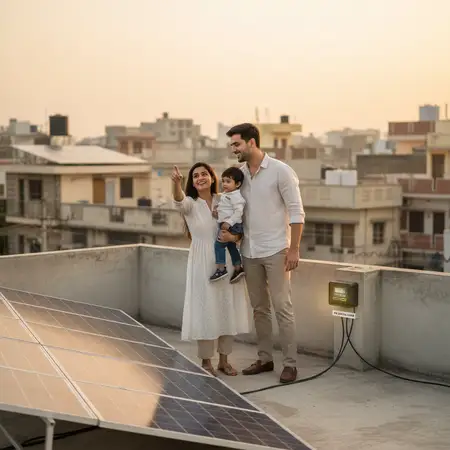
The PM Surya Ghar Muft Bijli Yojana, launched by Prime Minister Narendra Modi, is a transformative initiative designed to provide free electricity to one crore households across India through rooftop solar installations. The scheme, with an outlay of over ₹75,000 crore, aims to significantly reduce electricity bills for beneficiaries while promoting sustainable energy practices and contributing to India's climate goals.
At its core, the Yojana is built on the principle of energy independence at the household level. By installing rooftop solar panels, families can generate their own electricity, drastically cutting down on their monthly power expenses. The 'Muft Bijli' (free electricity) component refers to the promise of up to 300 units of free electricity per month for households that adopt the scheme, potentially leading to zero electricity bills for many.
The objectives of the PM Surya Ghar Yojana extend beyond just financial savings. It seeks to:
- Promote Renewable Energy: Accelerate the adoption of solar energy as a primary power source for residential consumers.
- Reduce Carbon Footprint: Contribute significantly to India's commitment to reducing carbon emissions and combating climate change.
- Empower Citizens: Provide economic relief to households by reducing their energy expenditure.
- Create Green Jobs: Foster employment opportunities in manufacturing, installation, and maintenance of solar systems, aligning with /sarkari-naukri-basics">government job initiatives in the green sector.
- Strengthen Energy Security: Reduce reliance on traditional fossil fuels and enhance the nation's energy security.
This scheme is a crucial step towards making India a global leader in renewable energy, ensuring that the benefits of clean power reach every corner of the country, directly impacting the lives of millions.
Unpacking the Ambitious Targets and Goals for 2026
The PM Surya Ghar Muft Bijli Yojana is underpinned by ambitious targets, with 2026 serving as a significant milestone for its initial phase. The primary goal is to facilitate the installation of rooftop solar systems in one crore (10 million) households across India. This target is not merely numerical; it represents a monumental shift in how a large segment of the population consumes and generates electricity.
To achieve the 'Muft Bijli' promise of up to 300 units of free electricity per month, the scheme aims for a cumulative installed capacity of approximately 30 GW (Gigawatts) of rooftop solar power. This capacity is critical to ensure that participating households can meet a substantial portion, if not all, of their electricity needs through solar generation.
Key targets and goals for the scheme by 2026 include:
- Household Coverage: Reaching 10 million households with rooftop solar installations.
- Installed Capacity: Achieving a cumulative residential rooftop solar capacity of around 30 GW.
- Financial Outlay: Effectively utilizing the ₹75,000 crore budget allocated for subsidies, low-interest loans, and capacity building.
- Electricity Savings: Enabling participating households to save between ₹15,000 to ₹18,000 annually on electricity bills, with many potentially receiving zero bills.
- Environmental Impact: Significantly reducing India's carbon emissions, contributing to a cleaner environment.
- Economic Stimulus: Boosting the domestic solar manufacturing sector and creating substantial employment opportunities in the entire solar value chain.
The government's vision extends beyond these immediate targets. By 2026, the scheme aims to establish a robust ecosystem for rooftop solar, including a skilled workforce, streamlined installation processes, and widespread awareness, paving the way for further expansion and deeper penetration of solar energy in residential sectors. Achieving these goals would mark a crucial step in India's journey towards a sustainable and energy-independent future.
Understanding the Subsidy Structure and Financial Incentives
A cornerstone of the PM Surya Ghar Muft Bijli Yojana is its attractive subsidy structure, designed to make rooftop solar installations affordable for the common Indian household. The government provides significant financial assistance, reducing the upfront cost of the system and making the transition to solar energy economically viable.
The subsidy is directly disbursed to the beneficiary's bank account, ensuring transparency and efficiency. The amount of subsidy varies based on the capacity of the rooftop solar system installed. Here's a breakdown of the general subsidy structure:
| System Capacity (kW) | Government Subsidy (₹) | Approximate Cost after Subsidy (₹) |
|---|---|---|
| Up to 1 kW | ₹30,000 | ₹20,000 - ₹25,000 |
| Above 1 kW and up to 2 kW | ₹60,000 (₹30,000 for 1st kW + ₹30,000 for 2nd kW) | ₹40,000 - ₹50,000 |
| Above 2 kW and up to 3 kW | ₹78,000 (₹30,000 for 1st kW + ₹30,000 for 2nd kW + ₹18,000 for 3rd kW) | ₹55,000 - ₹70,000 |
| Above 3 kW | ₹78,000 (fixed for systems > 3kW) | Varies |
Note: The costs are approximate and can vary based on state, vendor, and specific equipment. The subsidy is capped at 3 kW capacity.
Additional Financial Benefits:
- Low-Interest Loans: The scheme facilitates collateral-free, low-interest loans for residential consumers from various financial institutions. This helps cover the remaining cost after the subsidy, making the initial investment even more manageable.
- Net Metering: Households can benefit from net metering, where any surplus electricity generated by their solar panels and fed back into the grid is credited to their electricity bill. This mechanism is key to achieving the 'Muft Bijli' promise, as it allows consumers to offset their consumption from the grid.
- Significant Savings on Electricity Bills: By generating their own power and utilizing net metering, households can drastically reduce their monthly electricity expenses, with many potentially receiving zero bills, especially for consumption up to 300 units per month.
- Long-term Investment: A rooftop solar system is a long-term asset, typically with a lifespan of 20-25 years, providing sustained financial benefits and increasing property value.
The government's robust financial support makes the PM Surya Ghar Muft Bijli Yojana an incredibly attractive proposition for homeowners, democratizing access to clean energy and fostering a culture of self-sufficiency.
Step-by-Step Guide: How to Apply for PM Surya Ghar Yojana
Applying for the PM Surya Ghar Muft Bijli Yojana has been streamlined to ensure ease of access for all eligible households. The process is primarily online, leveraging a dedicated portal to manage applications, approvals, and subsidy disbursements. Here’s a step-by-step guide:
1. Registration on the National Portal:
- Visit the official PM Surya Ghar National Portal (pmsuryaghar.gov.in).
- Click on the 'Apply for Rooftop Solar' or 'Register Here' option.
- Provide your State, Electricity Distribution Company (DISCOM), and Electricity Consumer Account Number.
- Enter your mobile number and email ID for registration.
2. Login and Application Submission:
- After registration, log in to the portal using your registered mobile number.
- Select 'Rooftop Solar' from the available options.
- Fill in the application form with accurate details, including address, contact information, and desired system capacity.
- Upload necessary documents (see 'Required Documents' below).
3. DISCOM Approval and Vendor Selection:
- Once your application is submitted, your DISCOM will review it for technical feasibility and approval. This typically involves checking grid connectivity and roof suitability.
- Upon approval, you will receive intimation. You can then select a suitable vendor from the list of empanelled vendors provided on the portal for your area.
- Discuss system specifications, costs, and installation timelines with your chosen vendor.
4. Installation and Net Metering:
- The selected vendor will proceed with the installation of the rooftop solar system.
- After installation, the vendor will help you apply for net metering with your DISCOM.
- The DISCOM will inspect the installed system and install a net meter, enabling you to feed surplus electricity back to the grid.
5. Commissioning and Subsidy Disbursement:
- Once the net meter is installed and the system is commissioned, you will need to submit the commissioning report on the portal.
- Upload your bank account details and a cancelled cheque for subsidy disbursement.
- The subsidy amount will be directly credited to your bank account within a specified timeframe (usually 30 days).
Required Documents:
- Aadhaar Card
- Electricity Bill (latest)
- Bank Passbook/Cancelled Cheque (for subsidy disbursement)
- Proof of Ownership of Premises (e.g., property tax receipt, sale deed)
- Passport-sized photographs
It is crucial to ensure all documents are valid and clearly legible to avoid delays in the application process. For any assistance, the portal also provides helpline numbers and FAQs.
Current Progress and Implementation Milestones
Since its announcement, the PM Surya Ghar Muft Bijli Yojana has garnered significant attention and has seen a rapid uptake in registrations. While the full impact and the achievement of all 2026 targets are still unfolding, several key milestones and progress indicators highlight the scheme's initial success and ongoing implementation efforts.
Registration and Application Surge:
- Within weeks of its launch, the national portal for the Yojana witnessed millions of registrations, indicating a strong public interest and demand for rooftop solar.
- States with high electricity tariffs and good solar irradiance have shown particularly robust participation.
Governmental Facilitation:
- The Ministry of New and Renewable Energy (MNRE) has been actively involved in streamlining the application process, ensuring quick approvals, and facilitating coordination between DISCOMs and applicants.
- Efforts are underway to expand the network of empanelled vendors and installers to meet the growing demand across various regions.
- Public sector banks and other financial institutions have been onboarded to provide easy access to low-interest loans, further easing the financial burden on beneficiaries.
Challenges and Solutions:
Despite the positive momentum, the scheme faces certain implementation challenges:
- Awareness Gap: While initial registrations are high, ensuring widespread awareness, especially in rural and remote areas, remains a focus. Government campaigns and local outreach programs are being intensified.
- Grid Integration Issues: Integrating a large number of decentralized solar systems into the existing grid requires robust infrastructure upgrades and smart grid solutions. DISCOMs are working on strengthening their networks.
- Skilled Manpower: The rapid scale-up necessitates a large pool of skilled technicians for installation and maintenance. Training programs are being initiated to develop this workforce, potentially creating new /career-guides-tips">career opportunities.
- Standardization and Quality Control: Ensuring the quality and reliability of installed systems is paramount. Strict guidelines for empanelled vendors and regular inspections are being implemented.
The government is actively addressing these challenges through policy interventions, technological upgrades, and capacity-building initiatives. The continuous monitoring of the scheme's progress and feedback mechanisms are crucial to ensure its successful implementation and the achievement of the ambitious 2026 targets.
Beyond Savings: The Multifaceted Benefits of Rooftop Solar
While the immediate financial relief from reduced electricity bills is a significant draw of the PM Surya Ghar Muft Bijli Yojana, the benefits of adopting rooftop solar extend far beyond monetary savings. This initiative contributes to a healthier environment, strengthens the national economy, and empowers communities in multiple ways.
Environmental Benefits:
- Reduced Carbon Emissions: By generating clean electricity, rooftop solar systems significantly cut down on the consumption of fossil fuels, leading to a substantial reduction in greenhouse gas emissions and air pollution. This directly contributes to India's climate action goals.
- Lower Water Footprint: Unlike thermal power plants that require vast amounts of water for cooling, solar power generation is a dry process, conserving precious water resources.
- Sustainable Energy Source: Solar energy is inexhaustible and renewable, offering a long-term sustainable solution to energy needs without depleting natural resources.
Economic Benefits:
- Energy Security and Independence: Decentralized power generation reduces reliance on centralized grids and imported fossil fuels, enhancing the nation's energy security and resilience against global energy price fluctuations.
- Boost to Domestic Manufacturing: Increased demand for solar panels and related equipment stimulates the domestic manufacturing sector, fostering innovation and self-reliance in solar technology.
- Job Creation: The entire solar value chain, from manufacturing and sales to installation, maintenance, and project management, creates numerous /job-information">employment opportunities. This includes skilled technicians, engineers, and administrative staff.
- Local Economic Development: Solar installations can spur local businesses and entrepreneurial ventures, particularly in semi-urban and rural areas.
Social Benefits:
- Empowerment of Households: Families gain greater control over their energy consumption and costs, leading to improved financial stability and quality of life.
- Community Resilience: In areas prone to power outages, rooftop solar provides a reliable source of electricity, enhancing community resilience.
- Awareness and Education: The scheme promotes greater public awareness about renewable energy and sustainable living practices, fostering a greener mindset across generations.
- Improved Health: Reduced air pollution from fossil fuel-based power generation leads to better public health outcomes.
The PM Surya Ghar Muft Bijli Yojana is thus not just an energy program; it's a comprehensive development initiative aimed at building a sustainable, prosperous, and healthier India.
Challenges, Future Outlook, and Sustainability
While the PM Surya Ghar Muft Bijli Yojana holds immense promise, its long-term success and sustainability hinge on effectively addressing existing and emerging challenges. The journey towards installing rooftop solar in one crore households is complex, requiring continuous innovation and strategic planning.
Key Challenges:
- Operational Bottlenecks: Streamlining the process from application to commissioning, especially in coordinating between multiple agencies like DISCOMs, vendors, and financial institutions, can be complex.
- Grid Modernization: The influx of decentralized solar power necessitates significant upgrades to grid infrastructure to handle bidirectional power flow, maintain stability, and prevent voltage fluctuations.
- Consumer Awareness and Trust: Despite widespread publicity, building sustained consumer trust and educating them about the technical and financial aspects, including maintenance, remains crucial.
- Quality Assurance: Ensuring the quality and longevity of solar systems installed by various vendors across the country is vital to maintain the scheme's credibility and deliver promised benefits.
- Financing Accessibility: While low-interest loans are facilitated, ensuring easy access to these loans for all eligible segments, including those in remote areas, needs constant attention.
- Post-Installation Support: Providing robust after-sales service, maintenance, and technical support for installed systems is critical for their long-term performance and beneficiary satisfaction.
Future Outlook and Sustainability Measures:
The government is actively working on strategies to overcome these hurdles and ensure the scheme's enduring success:
- Digital Transformation: Further enhancing the national portal with AI-driven assistance, real-time tracking, and simplified interfaces to improve user experience and operational efficiency.
- Capacity Building: Investing in extensive training programs for a skilled workforce in solar installation, maintenance, and manufacturing. This includes vocational training and partnerships with educational institutions.
- Smart Grid Technologies: Accelerating the deployment of smart grid technologies, including advanced metering infrastructure and energy storage solutions, to better manage distributed solar generation.
Frequently Asked Questions (FAQs)
What is the PM Surya Ghar Muft Bijli Yojana?
The PM Surya Ghar Muft Bijli Yojana is a government initiative to provide up to 300 units of free electricity monthly to one crore households via subsidized rooftop solar installations.
What is the main financial benefit of this scheme?
The primary benefit is receiving up to 300 units of free electricity per month, potentially eliminating power bills, plus a government subsidy on the initial installation cost.
How can I apply for the PM Surya Ghar Yojana?
You can apply online through the official National Portal (pmsuryaghar.gov.in). The process involves registration, application submission, DISCOM approval, and installation by a registered vendor.
What is the total government investment in this scheme?
The government has allocated a total outlay of over ₹75,000 crore for the PM Surya Ghar Muft Bijli Yojana to promote sustainable energy and provide financial relief.
Reader questions: Surya Ghar Muft
What is the PM Surya Ghar Muft Bijli Yojana?
The PM Surya Ghar Muft Bijli Yojana is a government initiative to provide up to 300 units of free electricity monthly to one crore households via subsidized rooftop solar installations.
What is the main financial benefit of this scheme?
The primary benefit is receiving up to 300 units of free electricity per month, potentially eliminating power bills, plus a government subsidy on the initial installation cost.
How can I apply for the PM Surya Ghar Yojana?
You can apply online through the official National Portal (pmsuryaghar.gov.in). The process involves registration, application submission, DISCOM approval, and installation by a registered vendor.
What is the total government investment in this scheme?
The government has allocated a total outlay of over ₹75,000 crore for the PM Surya Ghar Muft Bijli Yojana to promote sustainable energy and provide financial relief.
TrueJobs Editorial Team
TrueJobs editorial desk
This article is prepared from the sources referenced in the guide and reviewed for clarity, links and dated information. Read our editorial and corrections policy.
Continue This Topic
Follow the closest earlier and newer coverage so older archive posts keep real contextual crawl paths.
National Green Hydrogen Mission 2026: India's Blueprint for a Sustainable Future
India's National Green Hydrogen Mission aims to make the nation a green energy leader. Learn about its targets, funding, and the new jobs it's creating in the sustainable energy sector.
ACC Battery Storage Scheme in India: Your Guide for Government Exams
A complete guide to the ACC Battery Storage Scheme for government exam aspirants. Understand its objectives, impact, and how to prepare for related questions.
Read Next

National Green Hydrogen Mission 2026: India's Blueprint for a Sustainable Future

ACC Battery Storage Scheme in India: Your Guide for Government Exams

Green Ammonia in India 2026: A Game-Changer for Energy & Jobs

PM E-DRIVE Scheme 2026: Objectives, Outlay & Key Facts Explained
Explore Topics
Perfect Your Resume
Use our AI-powered Resume Builder to create ATS-optimized resumes.
AI Resume Builder