
Career guide
PM E-DRIVE Scheme 2026: Objectives, Outlay & Key Facts — Explained
As India pushes for sustainable mobility, the conceptual 'PM E-DRIVE Scheme 2026' emerges as a potential next-generation policy. This article explores its likely objectives, financial outlay, key features, and the significant impact it could have on India's electric vehicle ecosystem and economy.
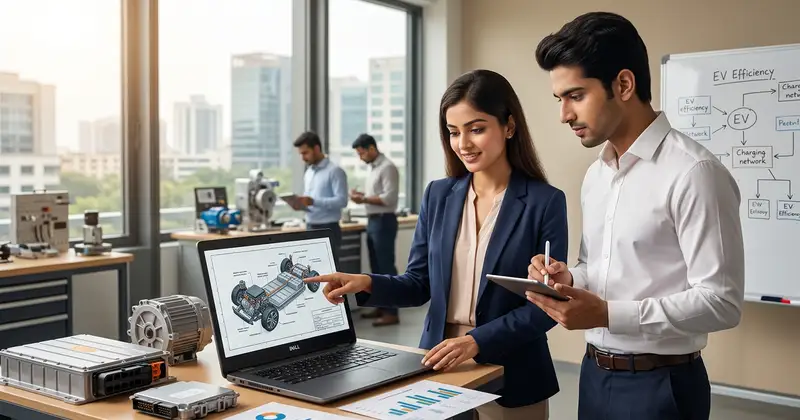
India is on the cusp of an electric vehicle (EV) revolution, driven by a global push towards sustainable mobility and a national commitment to reduce carbon emissions. With ambitious targets set for EV adoption, the government has been instrumental in fostering an ecosystem conducive to electric mobility through various policies and incentives. As we look towards the future, discussions around potential new initiatives like the 'PM E-DRIVE Scheme 2026' emerge, signaling a continued and possibly intensified focus on accelerating India's transition to electric vehicles.
While specific details of such a scheme would be unveiled closer to its potential launch, understanding the likely objectives, expected financial outlay, and key features of a program of this magnitude can provide valuable insights into the government's long-term vision for electric mobility and its potential impact on citizens and the economy.
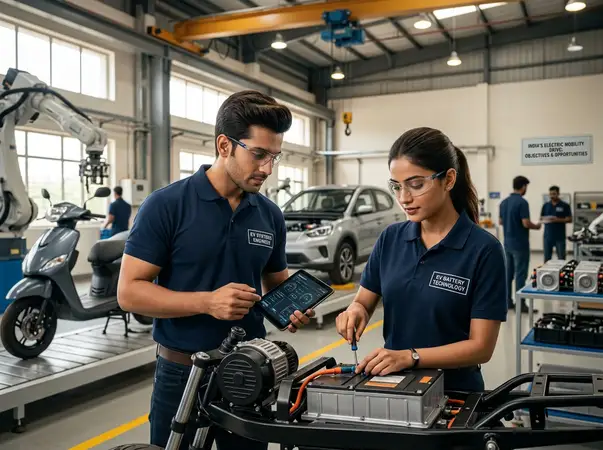
Understanding the Vision Behind PM E-DRIVE Scheme 2026
The concept of a 'PM E-DRIVE Scheme 2026' aligns perfectly with India's broader strategic goals for energy security, environmental sustainability, and economic growth. India, being one of the fastest-growing economies, faces the twin challenges of burgeoning energy demand and increasing pollution levels. Electric vehicles offer a promising solution to both, by reducing reliance on fossil fuel imports and curbing vehicular emissions. Existing initiatives like the FAME (Faster Adoption and Manufacturing of Electric Vehicles) India Scheme and the Production Linked Incentive (PLI) schemes for Advanced Chemistry Cell (ACC) battery manufacturing and automobile & auto components have already laid significant groundwork.
A potential PM E-DRIVE Scheme, envisioned for 2026, would likely serve as a comprehensive, next-generation policy framework designed to build upon these foundations. Its vision would extend beyond mere adoption, aiming to establish India as a global manufacturing hub for EVs and their components, foster innovation, and create a robust charging infrastructure network. This long-term perspective is crucial for ensuring that India's EV transition is not just rapid but also sustainable and self-reliant. The year 2026 could mark a pivotal moment, pushing the country closer to its net-zero emission targets and positioning it at the forefront of the global green mobility movement.
Core Objectives of the PM E-DRIVE Scheme 2026
Any major government initiative like the PM E-DRIVE Scheme would be structured around a set of clear, impactful objectives designed to address various facets of the electric mobility ecosystem. Based on current policy trends and national priorities, the core objectives of this potential scheme could include:
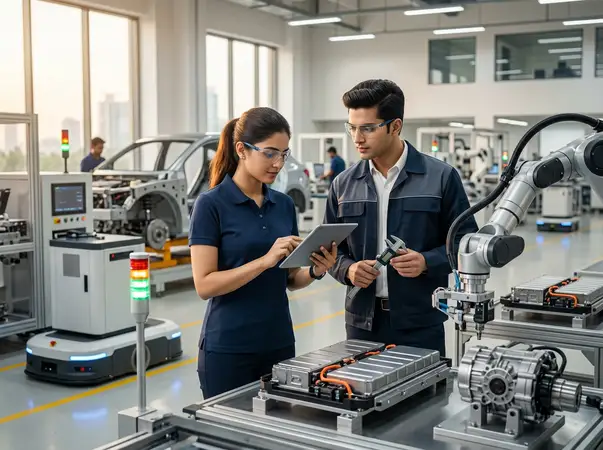
- Accelerating EV Adoption Across Segments: A primary goal would be to significantly increase the penetration of electric vehicles – from two-wheelers and three-wheelers to passenger cars and commercial vehicles – by making them more affordable and accessible to a wider population. This would involve a combination of demand-side incentives and awareness campaigns.
- Boosting Domestic Manufacturing and Supply Chain: The scheme would likely aim to reduce India's dependence on imports for EV components, especially batteries. By incentivizing local manufacturing, it would foster a robust domestic supply chain, create jobs, and enhance India's self-reliance (Atmanirbhar Bharat) in the EV sector.
- Developing Robust Charging Infrastructure: A critical barrier to EV adoption is range anxiety, stemming from inadequate charging infrastructure. The scheme would likely focus on expanding public and semi-public charging networks across urban and rural areas, ensuring easy access and interoperability.
- Promoting Research & Development and Innovation: To stay competitive, India needs to be at the cutting edge of EV technology. The scheme could support R&D in battery technology, vehicle performance, charging solutions, and smart mobility, encouraging startups and academic institutions to innovate.
- Skill Development and Job Creation: The burgeoning EV industry will require a skilled workforce. The scheme could integrate programs for training and upskilling individuals in areas like EV manufacturing, battery technology, charging station operation, and maintenance, thereby creating numerous employment opportunities. /career-guides-tips
- Reducing Carbon Footprint and Air Pollution: Ultimately, a significant objective would be to contribute to India's climate change commitments by reducing greenhouse gas emissions and improving air quality in cities, leading to better public health outcomes.
- Standardization and Policy Harmonization: Ensuring uniformity in charging standards, battery specifications, and regulatory frameworks would be crucial for seamless integration and widespread adoption.
Expected Outlay and Funding Mechanisms
A transformative scheme like the PM E-DRIVE Scheme 2026 would necessitate a substantial financial commitment from the government, potentially running into thousands of crores over several years. While specific figures are hypothetical without an official announcement, the scale would likely reflect the ambition of the objectives.
The funding mechanisms could be multi-faceted, drawing from various sources and approaches:
- Direct Budgetary Allocations: A significant portion would likely come from the Union Budget, allocated through relevant ministries such as the Ministry of Heavy Industries, Ministry of Power, and Ministry of Road Transport and Highways.
- Public-Private Partnerships (PPPs): Leveraging private sector investment would be crucial, especially for infrastructure development and manufacturing. The government could offer viability gap funding, tax breaks, and other incentives to attract private players.
- Subsidies and Incentives: These would be a cornerstone of the scheme, directed towards:
- Consumer Subsidies: Direct financial incentives or tax benefits for buyers of electric vehicles across different categories (e.g., upfront purchase subsidies, reduced registration fees).
- Manufacturer Incentives: Production-linked incentives for companies setting up or expanding EV and battery manufacturing facilities in India, encouraging economies of scale and technological advancement.
- Infrastructure Development Grants: Financial support for entities establishing public charging stations, battery swapping stations, and related infrastructure.
- Financial Institutions: Collaboration with banks and financial institutions to offer attractive loan schemes for EV purchases and for businesses investing in the EV ecosystem.
- Green Bonds and International Funding: Exploring avenues like green bonds or seeking financial assistance from international climate funds and development banks to support sustainable projects.
The outlay would be strategically distributed across different pillars – demand incentives, manufacturing support, infrastructure development, R&D, and skill development – to create a balanced and self-sustaining ecosystem.
Key Features and Components of the Scheme
To achieve its ambitious objectives, the PM E-DRIVE Scheme 2026 would likely incorporate several key features and components, each designed to address specific aspects of the EV ecosystem:
- Demand-Side Incentives:
- Purchase Subsidies: Continuation and potential enhancement of upfront subsidies for various categories of EVs (2-wheelers, 3-wheelers, 4-wheelers, buses, trucks). These could be linked to battery capacity or vehicle price.
- Tax Benefits: Further tax deductions on interest paid on EV loans or reduced GST rates for EVs and batteries.
- Scrappage Policy Integration: Incentives for scrapping old, polluting internal combustion engine (ICE) vehicles and switching to EVs.
- Supply-Side Incentives for Manufacturing:
- PLI Scheme Extension/Enhancement: Continued and possibly expanded Production Linked Incentives for advanced chemistry cell (ACC) battery manufacturing, EV component manufacturing, and complete vehicle production.
- Investment Promotion: Facilitating ease of doing business, providing land at subsidized rates, and single-window clearances for EV and component manufacturers.
- R&D Grants: Financial support for companies and institutions engaged in cutting-edge research in EV technologies, battery materials, and charging solutions.
- Charging Infrastructure Development:
- Subsidies for Charging Stations: Grants or subsidies for setting up public and semi-public charging stations, including fast chargers, across highways, cities, and residential complexes.
- Battery Swapping Policy: Promotion of battery swapping infrastructure, especially for 2-wheelers and 3-wheelers, to address range anxiety and reduce upfront costs.
- Smart Grid Integration: Encouraging the integration of EV charging infrastructure with smart grids to optimize energy consumption and utilize renewable energy sources.
- Skill Development & Capacity Building:
- Vocational Training Programs: Establishing specialized training centers and courses for EV manufacturing, maintenance, battery technology, and charging station management.
- Academic Partnerships: Collaborating with universities and technical institutes to develop curricula focused on electric mobility. /syllabus
- Standardization and Regulatory Framework:
- Uniform Standards: Developing and enforcing uniform standards for charging connectors, battery specifications, and safety protocols.
- Data Collection and Analysis: Implementing robust mechanisms for collecting data on EV performance, charging infrastructure usage, and emissions to inform future policy decisions.
Eligibility Criteria and Potential Beneficiaries
The PM E-DRIVE Scheme 2026 would be designed to benefit a wide array of stakeholders, from individual consumers to large corporations, thereby fostering a holistic growth of the EV ecosystem. The eligibility criteria would naturally vary depending on the specific component of the scheme.
Potential Beneficiaries:
- Individual Consumers: Indian citizens purchasing new electric vehicles (2-wheelers, 3-wheelers, 4-wheelers) would likely be eligible for demand-side subsidies, provided they meet specific criteria such as vehicle type, battery capacity, and price limits.
- Fleet Operators and Commercial Users: Companies operating electric buses, taxis, delivery vans, and other commercial EVs would be key beneficiaries, potentially receiving higher incentives to accelerate fleet electrification.
- Electric Vehicle Manufacturers: Companies manufacturing EVs and their components (e.g., motors, controllers, batteries) in India would be eligible for manufacturing incentives under PLI-like schemes, provided they meet local value addition and production targets.
- Battery Manufacturers: Companies involved in the production of advanced chemistry cell (ACC) batteries, a critical component of EVs, would receive significant support.
- Charging Infrastructure Providers: Public and private entities investing in setting up EV charging stations, battery swapping stations, and related infrastructure would be eligible for grants and subsidies.
- Startups and Innovators: Emerging companies and research institutions focused on EV technology, R&D, and new business models in the electric mobility space could receive grants, incubation support, and funding.
- Skilled Workforce: Individuals undergoing training and upskilling in EV-related fields would benefit from enhanced employment opportunities. /job-information
- State Governments and Local Bodies: These entities could receive support for developing EV policies, creating charging infrastructure, and promoting public transport electrification at the local level.
General Eligibility Criteria (for consumers, as an example):
- Applicant must be an Indian citizen.
- Vehicle must be a new electric vehicle registered in India.
- The vehicle model must be approved under the scheme and meet specific technical standards (e.g., battery capacity, range, safety features).
- Purchase might need to be from an authorized dealer.
- There might be limits on the number of vehicles an individual or entity can claim subsidies for.
The Application Process and Implementation Strategy
For a scheme of this magnitude, a streamlined and transparent application process, coupled with a robust implementation strategy, would be paramount for its success.
Application Process (Hypothetical):
The application process for various components of the PM E-DRIVE Scheme 2026 would likely be predominantly online, leveraging digital platforms for efficiency and accessibility, similar to other government schemes. For instance:
- For Consumer Subsidies:
- Typically, the subsidy would be passed on to the consumer by the EV manufacturer or dealer at the point of sale, with the manufacturer then claiming reimbursement from the government.
- Consumers might need to provide Aadhar card, PAN card, vehicle registration documents, and bank details.
- An online portal could be established for tracking applications and subsidy disbursements.
- For Manufacturer/Infrastructure Provider Incentives:
- Companies would likely apply through a dedicated online portal managed by the nodal ministry (e.g., Ministry of Heavy Industries).
- Required documents would include detailed project proposals, financial statements, manufacturing plans, investment proofs, and compliance certificates.
- A rigorous evaluation process would be in place, possibly involving expert committees.
- For R&D Grants/Skill Development Programs:
- Proposals would be invited from academic institutions, research organizations, and training providers through competitive calls.
- Evaluation would focus on innovation, feasibility, impact, and alignment with scheme objectives.
Implementation Strategy:
Effective implementation would require a multi-pronged approach involving various government bodies and stakeholders:
- Nodal Ministry: A primary ministry (e.g., Ministry of Heavy Industries or a newly formed dedicated body) would oversee the overall scheme, policy formulation, and coordination.
- Inter-Ministerial Coordination: Collaboration with other ministries like Power (for charging infrastructure), Road Transport & Highways (for regulations), Finance (for budget), Skill Development (for training), and Environment (for environmental impact).
- State Government Involvement: State governments would play a crucial role in implementing policies at the ground level, providing local incentives, and facilitating infrastructure development.
- Monitoring and Evaluation: A robust framework for monitoring progress, tracking key performance indicators (KPIs), and conducting periodic evaluations would be essential to ensure the scheme's objectives are met and to make necessary adjustments.
- Public Awareness Campaigns: Extensive campaigns would be launched to educate the public about the benefits of EVs, the scheme's offerings, and how to avail them.
- Technological Platforms: Development of digital platforms for application processing, data management, grievance redressal, and real-time monitoring.
Potential Impact and Future Outlook for India's EV Sector
The successful implementation of a scheme like PM E-DRIVE 2026 could have a transformative impact on India's electric vehicle sector and the broader economy. Its effects would ripple across various domains:
- Economic Growth and Investment: The scheme would likely attract significant domestic and foreign investment into manufacturing, R&D, and infrastructure, leading to economic growth. It could position India as a global leader in EV manufacturing, similar to its prowess in the IT sector.
- Job Creation: A booming EV industry, from manufacturing to sales, service, and charging infrastructure, would create millions of direct and indirect jobs, contributing significantly to employment generation. This aligns with TrueJobs' mission to connect job seekers with opportunities. /sarkari-result
- Environmental Benefits: A mass shift to EVs would drastically reduce urban air pollution and India's carbon emissions, contributing to cleaner cities and helping the country achieve its climate change targets under the Paris Agreement.
- Energy Security: Reduced reliance on crude oil imports would save valuable foreign exchange and enhance India's energy security, making the nation less vulnerable to global oil price fluctuations.
- Technological Advancement: Increased R&D and manufacturing would foster innovation, leading to more efficient, affordable, and high-performance EVs and related technologies.
- Improved Public Health: Cleaner air due to reduced vehicular emissions would lead to a decrease in respiratory illnesses and other health issues, improving the overall quality of life for citizens.
Challenges Ahead:
Despite the immense potential, challenges would remain. These include:
- Battery Technology: The cost and performance of batteries remain crucial. Continued innovation and localized production are key.
- Charging Infrastructure Gaps: Even with incentives, ensuring ubiquitous and reliable charging infrastructure, especially in remote areas, will be a logistical challenge.
- Grid Integration: Managing the increased electricity demand from EVs and integrating it with renewable energy sources requires smart grid solutions.
- Affordability: Making EVs truly affordable for the masses without heavy subsidies in the long run will be critical for sustained growth.
- Recycling and Disposal: Developing robust recycling mechanisms for used EV batteries to mitigate environmental concerns.
The PM E-DRIVE Scheme 2026, if implemented effectively, has the potential to overcome these challenges and propel India into a
Frequently Asked Questions (FAQs)
What is the PM E-DRIVE Scheme 2026?
The PM E-DRIVE Scheme 2026 is a conceptual government initiative aimed at accelerating electric vehicle adoption and establishing India as a global EV manufacturing hub.
What are the main objectives of this scheme?
Key objectives include boosting EV sales, expanding charging infrastructure, promoting local manufacturing of EVs and components, and creating green jobs in the automotive sector.
Who can benefit from the PM E-DRIVE Scheme?
Potential beneficiaries include individual EV buyers, fleet operators, EV manufacturers, battery producers, and companies setting up charging stations across India.
Related Resources
- FAME India Scheme Phase II
- PLI Scheme for Automobile Sector
- Green Energy Sector Jobs
Put this advice into practice
The potential PM E-DRIVE Scheme 2026 represents a significant step in India's journey towards sustainable transportation. By building on existing initiatives, it aims to create a robust EV ecosystem, reduce carbon emissions, and boost economic growth. This forward-looking policy could be a major catalyst for India's electric mobility future.
Reader questions: EDRIVE Scheme 2026
What is the PM E-DRIVE Scheme 2026?
The PM E-DRIVE Scheme 2026 is a conceptual government initiative aimed at accelerating electric vehicle adoption and establishing India as a global EV manufacturing hub.
What are the main objectives of this scheme?
Key objectives include boosting EV sales, expanding charging infrastructure, promoting local manufacturing of EVs and components, and creating green jobs in the automotive sector.
Who can benefit from the PM E-DRIVE Scheme?
Potential beneficiaries include individual EV buyers, fleet operators, EV manufacturers, battery producers, and companies setting up charging stations across India.
TrueJobs Editorial Team
TrueJobs editorial desk
This article is prepared from the sources referenced in the guide and reviewed for clarity, links and dated information. Read our editorial and corrections policy.
Continue This Topic
Follow the closest earlier and newer coverage so older archive posts keep real contextual crawl paths.
ACC Battery Storage Scheme in India: Your Guide for Government Exams
A complete guide to the ACC Battery Storage Scheme for government exam aspirants. Understand its objectives, impact, and how to prepare for related questions.
India's AI Compute Push: Powering Future Exams & Government Jobs
India is making a strategic push to build a powerful AI compute infrastructure. This initiative aims to revolutionize everything from competitive exams and government jobs to national innovation. Discover how this technological leap will impact skill development and create new opportunities for the Indian workforce.
Read Next

ACC Battery Storage Scheme in India: Your Guide for Government Exams

India's AI Compute Push: Powering Future Exams & Government Jobs

PM Surya Ghar Muft Bijli Yojana 2026: Targets, Subsidy & Progress

Quantum Communication in India: QKD, Hubs & Future Prospects
Explore Topics
Perfect Your Resume
Use our AI-powered Resume Builder to create ATS-optimized resumes.
AI Resume Builder