
Recruitment guide
Best Govt Jobs by Stream – Graduate Guide 2026 — Explained
Best Government Jobs for Graduates by Stream — Complete Guide 2026 Landing a government job in India is a dream for millions of graduates. The allure...

Embarking on a career in the Indian government sector is a highly sought-after aspiration for countless graduates across the nation. This comprehensive guide is meticulously crafted to illuminate the diverse and rewarding opportunities available, specifically tailored to various academic streams. From understanding the intricate examination processes to identifying roles that perfectly align with your educational background, this resource will serve as your definitive roadmap to securing a fulfilling government job in 2026 and beyond.
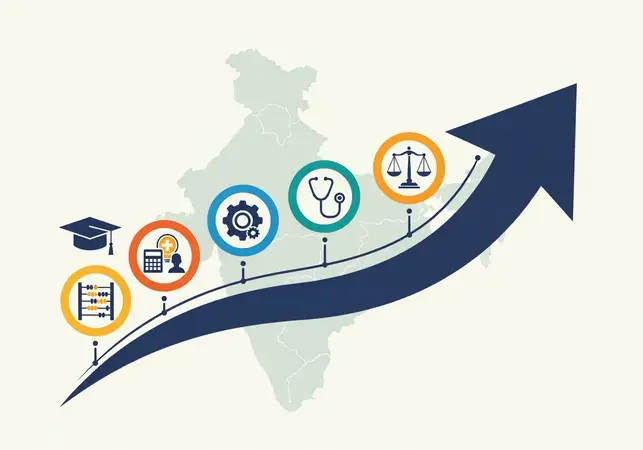
Best Government Jobs for Graduates by Stream — Complete Guide 2026
Landing a government job in India is a dream for millions of graduates. The allure of stability, respectable salaries, comprehensive benefits, and the opportunity to serve the nation makes "Sarkari Naukri" highly sought after. As we look towards 2026, the landscape of government job opportunities continues to evolve, offering diverse roles across central and state governments, public sector undertakings (PSUs), and various autonomous bodies. The competitive nature of these examinations necessitates a strategic and well-informed approach to preparation, making it vital for aspirants to understand the specific pathways available to them. This guide will help you navigate the complexities of government recruitment, ensuring you are well-prepared for the challenges and opportunities ahead.
For Indian graduates, understanding the vast array of options available based on their academic stream is crucial for targeted and effective preparation. This comprehensive guide from TrueJobs, India's leading government job portal, aims to demystify the process, offering practical insights into the best government jobs for Arts, Commerce, Science, Engineering, and even MBA graduates. We delve into the specifics of various examinations, detailing eligibility, salary expectations, and crucial preparation tips tailored to each academic background. Whether you're fresh out of college or looking for a career change, this guide will help you navigate the competitive world of government recruitment, highlighting key exams, eligibility criteria, and salary expectations for 2026.
By aligning your academic background with suitable government roles, you can significantly enhance your chances of success and build a rewarding career.
Let's dive into the specifics and chart your path to a fulfilling government career!

Government Jobs Landscape for Graduates in 2026
The Indian government sector remains a significant employer, consistently releasing notifications for various positions throughout the year. For graduates, 2026 promises a continuation of this trend, with recruitment drives across different ministries, departments, and public sector organizations. The emphasis is increasingly on merit-based selection through rigorous competitive examinations, ensuring that the most capable individuals join the public service. This robust selection process often involves multiple stages, including preliminary exams, main exams (written), and interviews, designed to assess a candidate's knowledge, aptitude, and personality. Furthermore, the government is increasingly adopting technology for recruitment, making processes more transparent and accessible, while also focusing on skill-based hiring to meet the demands of a modern administration.
Why Choose a Government Job? Unpacking the Benefits
What makes government jobs particularly attractive for graduates? The benefits extend far beyond just a paycheck, encompassing a holistic package of security, growth, and societal contribution.
- Job Security: Government jobs offer unparalleled stability, often for a lifetime, providing peace of mind unmatched by the private sector. Employees are protected by robust service rules and regulations, making arbitrary termination extremely rare. This security allows employees to focus on their work and personal development without constant fear of layoffs or economic downturns, fostering a sense of belonging and long-term commitment. The constitutional safeguards and well-defined grievance redressal mechanisms further solidify this aspect, making government service a truly secure career choice.
- Competitive Salaries & Perks: Beyond attractive basic pay scales, government employees receive a host of allowances like Dearness Allowance (DA) to offset inflation, House Rent Allowance (HRA) for accommodation, Transport Allowance (TA) for commuting, and comprehensive medical facilities under schemes like CGHS. Post-retirement, comprehensive pension benefits (under NPS) ensure financial security, making it a truly long-term career choice. Other benefits often include subsidized housing, travel concessions, educational allowances for children, and access to various welfare schemes, significantly enhancing the overall compensation package. The periodic Pay Commission revisions ensure that salaries and allowances remain competitive with market trends, providing a steady increase in earning potential over time.
- Work-Life Balance: Many government roles offer predictable working hours and a structured environment, often leading to a better work-life balance compared to the demanding schedules frequently found in the private sector. This allows for personal development, pursuing hobbies, and dedicating quality time to family, contributing to overall well-being. Fixed holidays, generous leave policies (including casual leave, earned leave, medical leave, and maternity/paternity leave), and a generally less stressful work environment further enhance this aspect, promoting employee satisfaction. The emphasis on employee welfare and mental health is also growing, with many departments offering counseling services and recreational facilities.
- Social Prestige: A government job, or "Sarkari Naukri," commands immense respect in Indian society. It offers a unique opportunity to contribute directly to national development, public welfare, and policy implementation, providing a deep sense of purpose and pride. Working for the government means being an integral part of nation-building, whether it's through administration, law enforcement, education, scientific research, or public health, earning societal recognition and a sense of accomplishment. The uniform or designation associated with many government roles also brings with it a certain authority and trust from the public.
- Career Growth: Government departments typically have well-defined promotional hierarchies and clear paths for career advancement based on performance, experience, and departmental examinations. There are also ample opportunities for professional development through training programs, workshops, and even sponsorships for higher education, enabling employees to continuously upgrade their skills and knowledge. Deputations to other departments or international organizations also offer diverse experiences and exposure, ensuring continuous learning and upward mobility throughout one's career. The structured nature of promotions means that dedicated and performing employees can steadily climb the ranks, taking on greater responsibilities and leadership roles.
From administrative roles to specialized technical positions, banking to scientific research, the public sector offers a spectrum of opportunities designed to leverage the skills and knowledge acquired through diverse academic streams. While some positions are open to any graduate, many are specifically tailored for particular educational backgrounds, making it essential to identify the best fit for your profile. This guide will walk you through these stream-specific opportunities, helping you make informed decisions about your career path.
For a general overview of all opportunities, you can always explore a wide range of graduate government jobs available.
Top Government Jobs for Arts/Humanities Graduates
Graduates from Arts and Humanities streams often possess strong analytical, communication, and critical thinking skills, making them ideal candidates for a wide range of administrative, social, and public service roles. Far from being limited, the opportunities for Arts graduates are among the most prestigious and diverse in the government sector, leveraging their understanding of society, history, languages, and human behavior. Their ability to comprehend complex social issues, articulate policies, and communicate effectively with diverse populations is highly valued in public administration and governance.
1. UPSC Civil Services (IAS, IPS, IFS, etc.)
- Description: The most coveted government jobs in India. The Union Public Service Commission (UPSC) conducts the Civil Services Exam (CSE) for recruitment to Group 'A' and Group 'B' services like Indian Administrative Service (IAS), Indian Police Service (IPS), Indian Foreign Service (IFS), Indian Revenue Service (IRS), and many more. These roles involve high-level policy-making, strategic administration, law enforcement, and diplomacy, shaping the future of the nation. IAS officers are involved in policy formulation and implementation at district, state, and central levels; IPS officers maintain law and order; and IFS officers represent India on the global stage. Arts graduates often excel due to the exam's emphasis on general studies, essay writing, and optional subjects like History, Political Science, Public Administration, or Sociology, which align perfectly with their academic strengths. The multi-faceted nature of these roles demands individuals with a broad understanding of societal dynamics, cultural nuances, and historical contexts, all of which are core competencies developed through an Arts education.
- Eligibility: Any Bachelor's degree from a recognized university. Candidates must be between 21 and 32 years of age, with age relaxation for OBC (3 years), SC/ST (5 years), and PwBD categories. The number of attempts also varies by category. A strong command of English and/or a regional language is often beneficial for the descriptive papers. Physical standards are also prescribed for certain services like IPS.
- Salary Range: Entry-level IAS/IPS officers can expect a basic pay of ₹56,100 (Level 10 of 7th CPC), with total emoluments (including allowances like DA, HRA, TA, medical benefits, and often official accommodation and vehicle) ranging from ₹80,000 to ₹1,00,000 per month. This increases significantly with promotions and tenure, with the Cabinet Secretary earning over ₹2,50,000 per month, making it one of the highest-paying government jobs. The non-monetary benefits, such as influence, authority, and the ability to bring about change, are also immense.
- Preparation Tip: Develop a strong foundation in General Studies (History, Geography, Polity, Economy, Environment, Science & Technology) through NCERTs and standard reference books. Keep abreast of current affairs by reading newspapers daily and analyzing issues from multiple perspectives. Choose an optional subject from your academic background that you are passionate about and can master. Regular answer writing practice, essay writing, and mock interviews are crucial for all three stages (Prelims, Mains, Interview) to hone analytical and presentation skills. Joining a reputable coaching institute or study group can provide structured guidance and peer support.
- Link: For more details on this prestigious exam, check out the UPSC Civil Services notification.
2. SSC CGL (Staff Selection Commission Combined Graduate Level)
- Description: SSC CGL recruits for various Group 'B' and 'C' posts in numerous Ministries, Departments, and Organizations of the Government of India. Roles include Assistant Section Officer (ASO) in various ministries (e.g., MEA, Railway Board), Inspector (Income Tax, Central Excise), Auditor, Accountant, Statistical Investigator, and many more. These positions involve administrative support, financial oversight, data analysis, and field operations. Arts graduates are exceptionally well-suited for a majority of these positions, particularly those requiring strong verbal, analytical, and general awareness skills, which are crucial for effective government functioning and public interaction. Their ability to articulate ideas and understand complex regulations makes them valuable assets in these administrative roles.
- Eligibility: Any Bachelor's degree from a recognized university. Age limits generally range from 18-32 years depending on the post, with relaxations for reserved categories. Specific posts like Junior Statistical Officer (JSO) might require a Bachelor's degree with Statistics as one of the subjects, while others may require specific computer proficiency. Nationality must be Indian.
- Salary Range: Depending on the post and city (classified as X, Y, Z for HRA purposes), Group 'B' posts have a pay level of 6-8 (₹35,400 - ₹47,600 basic pay), leading to gross salaries of ₹50,000 - ₹75,000 per month. Group 'C' posts are slightly lower, typically in Pay Level 4-5 (₹25,500 - ₹29,200 basic pay), with gross salaries around ₹35,000 - ₹50,000 per month. These figures include DA, HRA, and TA, along with other benefits like medical facilities and leave encashment. Promotion avenues are also well-defined, allowing for upward mobility within departments.
- Preparation Tip: Strong command over English Language & Comprehension, Quantitative Aptitude, Reasoning Ability, and General Awareness is key. The exam is typically conducted in two tiers. For Tier-I, focus on speed and accuracy across all sections. For Tier-II, quantitative abilities and English are paramount, along with General Studies for specific posts. Practice previous year's papers extensively, take mock tests regularly, and focus on time management and shortcut techniques to maximize your score. Online resources, test series, and dedicated study materials are widely available.
- Link: Stay updated on the next cycle with the SSC CGL for graduates notification.
3. State Public Service Commission (State PCS)
- Description: Similar to UPSC CSE but conducted by State Public Service Commissions (e.g., UPPSC, BPSC, MPSC, RPSC) for state-level administrative services. Posts include Deputy Collector, Deputy Superintendent of Police (DSP), Block Development Officer (BDO), Tehsildar, District Welfare Officer, and various other administrative and executive roles within the state government. These roles are crucial for state governance, public service delivery, and local development, directly impacting the lives of citizens within the state. They involve implementing state policies, managing local administration, and overseeing development projects, offering a direct opportunity for grassroots impact. Arts graduates are particularly well-suited due to the emphasis on general studies, social issues, and regional knowledge.
- Eligibility: Any Bachelor's degree from a recognized university. Age limits and number of attempts vary by state. State-specific language proficiency and in-depth knowledge of state history, culture, geography, and economy are often required or highly advantageous, sometimes even mandatory through specific language papers. Candidates should thoroughly check the specific state's notification for precise requirements. Residency requirements may also apply for certain positions.
- Salary Range: Comparable to central government Group 'A' posts, entry-level basic pay typically ranges from ₹50,000 - ₹60,000, with gross emoluments of ₹70,000 - ₹90,000 per month, varying slightly by state and specific post. Allowances are also provided as per state government rules, often including official accommodation and vehicle for higher-level administrative positions. The benefits package is comprehensive, including medical facilities, travel allowances, and pension schemes.
- Preparation Tip: Alongside general studies (which overlap significantly with UPSC CSE), dedicate significant time to the history, geography, economy, polity, and current affairs of the specific state you are applying for. Language papers (e.g., Hindi for UPPSC, Marathi for MPSC, Bengali for WBPSC) are often compulsory and qualifying in nature, so proficiency is key. Regular practice of state-specific GK and current affairs is essential, often requiring reliance on state government publications and local news. Joining local coaching centers or study groups focused on state PCS exams can be highly beneficial.
4. Teaching (TGT/PGT, NET/JRF)
- Description: Arts graduates with a Bachelor of Education (B.Ed.) can become Trained Graduate Teachers (TGT) or Post Graduate Teachers (PGT) in government schools (Kendriya Vidyalaya Sangathan - KVS, Navodaya Vidyalaya Samiti - NVS, State Government Schools). They teach subjects like History, Political Science, English, Hindi, Economics, Geography, etc., shaping young minds. For higher education, clearing the National Eligibility Test (NET) or Junior Research Fellowship (JRF) exam, conducted by UGC, makes you eligible for Assistant Professor positions in government colleges and universities, and opens doors for Ph.D. research, contributing to academic advancement and knowledge creation. This path offers intellectual stimulation and the satisfaction of contributing to the educational development of the nation.
- Eligibility:
- TGT: Bachelor's degree in a relevant subject (e.g., History, English) with at least 50% marks + B.Ed. + often CTET/STET qualification (Central/State Teacher Eligibility Test) is mandatory.
- PGT: Master's degree in a relevant subject (e.g., History, English Literature) with at least 50% marks + B.Ed. is usually required.
- NET/JRF: Master's degree in a relevant subject (e.g., History, Political Science, Economics, English Literature, Sociology) with at least 55% marks (50% for reserved categories). JRF also has an age limit, typically 30 years, with relaxations for reserved categories.
- Salary Range:
- TGT: ₹44,900 (Level 7) basic pay, gross salary around ₹60,000 - ₹70,000 per month.
- PGT: ₹47,600 (Level 8) basic pay, gross salary around ₹65,000 - ₹80,000 per month.
- Assistant Professor: ₹57,700 (Level 10) basic pay, gross salary around ₹80,000 - ₹1,00,000 per month, depending on the institution and location, with significant increments and promotions over time, along with research grants and academic perks.
- Preparation Tip: For school teaching, focus on deep subject-specific knowledge, pedagogical skills, child psychology, and classroom management techniques. For NET/JRF, a thorough understanding of your chosen subject at the postgraduate level, research methodology, and teaching aptitude are essential. Practice previous year's papers for both Paper I (General) and Paper II (Subject Specific) of NET, and stay updated on recent developments in your field. Utilizing online platforms for mock tests and study materials can be highly effective.
5. Banking PO/Clerk (Public Sector Banks)
- Description: Public Sector Banks (PSBs) like SBI and those participating in IBPS (Institute of Banking Personnel Selection) recruit Probationary Officers (PO) and Clerks. POs are management trainees who undergo extensive training before being assigned managerial roles, involving decision-making, loan processing, and branch management. Clerks handle customer service, cash transactions, account opening, and various operational tasks, forming the frontline of banking services. Arts graduates are eligible and frequently succeed in these exams due to their strong general awareness, communication, and language skills, which are crucial for customer interaction and administrative duties in the banking sector. The ability to understand and empathize with diverse customer needs is a significant advantage.
- Eligibility: Any Bachelor's degree from a recognized university. Candidates must be between 20 and 30 years for PO and 20-28 years for Clerk, with age relaxations for reserved categories. Basic computer literacy is often a prerequisite. Local language proficiency is crucial for clerical positions, especially for state-specific bank recruitments, to effectively serve the local populace.
- Salary Range:
- IBPS PO: Basic pay around ₹36,000, with 4 advance increments. Gross emoluments (including DA, HRA, Special Allowance, CCA) typically range from ₹52,000 - ₹55,000 per month.
- SBI PO: Basic pay around ₹41,960, with 4 advance increments. Gross emoluments are higher, ranging from ₹65,000 - ₹70,000 per month due to better allowances and a more robust benefits package.
- Clerk: Basic pay around ₹19,900. Gross emoluments (including DA, HRA, Special Pay) typically range from ₹30,000 - ₹32,000 per month, along with other benefits like medical insurance and provident fund.
- Preparation Tip: Focus on Quantitative Aptitude, Reasoning Ability, English Language, General Awareness (especially banking awareness and current affairs), and Computer Knowledge. The exams are usually multi-stage (Prelims, Mains, Interview for PO). Practice speed and accuracy for preliminary and main exams. For PO, the interview stage is critical, assessing communication skills, leadership potential, and banking knowledge, often including group discussions. Regular reading of financial news and banking journals is also recommended.
- Link: Kickstart your financial services career by exploring the IBPS PO banking career details.
6. Railway Group A/B (Non-Technical)
- Description: Indian Railways, one of the largest employers globally, recruits for various non-technical Group A and B positions. Group A posts are primarily through UPSC's Indian Railway Management Service (IRMS) for managerial roles across various departments like Traffic, Accounts, Personnel, and Mechanical. Group B posts are often filled by promotion from Group C or through specific recruitment drives. Additionally, the Railway Recruitment Boards (RRBs) conduct exams for Non-Technical Popular Categories (NTPC) for graduates, including posts like Commercial Apprentice, Station Master, Goods Guard, Junior Accounts Assistant cum Typist, Senior Clerk cum Typist, and Senior Commercial cum Ticket Clerk. These roles are vital for the smooth operation, administration, and passenger services of the vast railway network, ensuring efficient transportation across the nation. Arts graduates can leverage their administrative and communication skills in these roles.
- Eligibility: For IRMS, a Bachelor's degree in any discipline is required, often with specific engineering or commerce backgrounds preferred for certain streams. For RRB NTPC, any Bachelor's degree from a recognized university is generally sufficient, with age limits typically between 18 and 33 years, and relaxations for reserved categories. Computer literacy and typing skills are often required for clerical posts.
- Salary Range:
- IRMS (Group A): Similar to UPSC Civil Services, entry-level basic pay around ₹56,100 (Level 10), with gross emoluments of ₹80,000 - ₹1,00,000 per month, along with extensive travel benefits and accommodation.
- RRB NTPC (Graduate Level Posts): Pay levels range from 4 to 7. For posts like Station Master/Goods Guard (Level 6), basic pay is ₹35,400, with gross salaries around ₹50,000 - ₹60,000 per month. For Junior Accounts Assistant/Senior Clerk (Level 5), basic pay is ₹29,200, with gross salaries around ₹40,000 - ₹50,000 per month. These include various allowances specific to railway employees.
- Preparation Tip: For IRMS, preparation aligns with UPSC CSE. For RRB NTPC, focus on General Awareness (History, Geography, Polity, Science, Current Affairs), Arithmetic (Quantitative Aptitude), and General Intelligence & Reasoning. The exam typically involves Computer Based Tests (CBTs) in multiple stages. Practice previous year's papers and mock tests extensively to improve speed and accuracy, and stay updated on railway-specific news and developments. Online mock tests are particularly useful for CBT preparation.
Top Government Jobs for Commerce Graduates
Commerce graduates, with their strong foundation in accounting, finance, economics, and business management, are highly sought after in government roles that require financial acumen, auditing skills, and economic analysis. The public sector offers numerous opportunities in banking, finance, auditing, and taxation departments, where their specialized knowledge is invaluable for maintaining fiscal integrity and economic stability. Their analytical skills are crucial for managing public funds and ensuring transparency.
1. RBI Grade B / NABARD Grade A
- Description: These are highly prestigious officer-level positions in the Reserve Bank of India (RBI) and the National Bank for Agriculture and Rural Development (NABARD). RBI Grade B officers are involved in monetary policy, financial regulation, currency management, and economic research, playing a pivotal role in the nation's financial system. NABARD Grade A officers work on rural development, agricultural finance, and policy formulation for the rural sector, directly contributing to India's agricultural backbone. Commerce graduates are particularly well-suited for these roles due to their strong background in economics, finance, and statistics, which are directly relevant to the core functions of these institutions.
- Eligibility:
- RBI Grade B: Bachelor's degree with at least 60% marks (50% for SC/ST/PwBD) or a Master's degree with at least 55% marks (50% for SC/ST/PwBD). Age limit is 21-30 years, with relaxations for reserved categories. Specific streams like Finance, Economics, Statistics, or Commerce are often preferred, though any graduate can apply.
- NABARD Grade A: Bachelor's degree in any discipline with a minimum of 60% marks (55% for SC/ST/PwBD) or a Post Graduate degree with a minimum of 55% marks (50% for SC/ST/PwBD). Age limit is 21-30 years, with relaxations. Specialized posts may require specific degrees (e.g., Agriculture, Finance, Economics).
- Salary Range:
- RBI Grade B: Basic pay of ₹55,200. Gross emoluments (including DA, HRA, Grade Allowance, Special Allowance, etc.) typically range from ₹1,00,000 - ₹1,20,000 per month.
- NABARD Grade A: Basic pay of ₹44,500. Gross emoluments (including DA, HRA, Local Compensatory Allowance, etc.) typically range from ₹70,000 - ₹80,000 per month.
- Preparation Tip: The exams involve multiple phases (Prelims, Mains, Interview). Focus on General Awareness, Quantitative Aptitude, Reasoning, English, Economic & Social Issues, and Finance & Management. For NABARD, Agricultural & Rural Development is also crucial. In-depth knowledge of current affairs, especially economic and financial news, is essential. Practice descriptive writing for the Mains exam and participate in mock interviews to refine communication and presentation skills.
2. SSC CGL (Auditor, Accountant, Tax Assistant)
- Description: As mentioned for Arts graduates, SSC CGL is also a prime opportunity for Commerce graduates. Specifically, roles like Auditor in CAG (Comptroller and Auditor General of India), Accountant in various ministries, and Tax Assistant in CBDT (Central Board of Direct Taxes) or CBIC (Central Board of Indirect Taxes and Customs) are tailor-made for those with a commerce background. These positions involve auditing government accounts, managing financial records, and assisting in tax administration, directly utilizing their academic expertise. They play a critical role in ensuring financial accountability and compliance within the government machinery.
- Eligibility: Any Bachelor's degree from a recognized university. For specific posts like Junior Statistical Officer, a Bachelor's degree with Statistics as one of the subjects or a degree with Mathematics/Economics/Commerce as a subject with 60% marks is required. Age limits and relaxations are similar to other SSC CGL posts.
- Salary Range: Similar to other SSC CGL posts, with Group 'B' posts (e.g., Inspector of Income Tax, Auditor) offering basic pay of ₹44,900 (Level 7) leading to gross salaries of ₹60,000 - ₹75,000 per month, and Group 'C' posts (e.g., Tax Assistant, Accountant) offering basic pay of ₹25,500 - ₹29,200 (Level 4-5) leading to gross salaries of ₹35,000 - ₹50,000 per month.
- Preparation Tip: Focus on Quantitative Aptitude, Reasoning, English, and General Awareness. For Commerce graduates, the quantitative section is often a strength. Emphasize accuracy and speed. Practice previous year's papers and online mock tests extensively. For posts requiring specific subject knowledge, ensure a strong grasp of accounting principles, taxation laws, and economic concepts.
3. IBPS PO/Clerk (Public Sector Banks)
- Description: Public Sector Banks (PSBs) are major employers for Commerce graduates. Roles as Probationary Officers (PO) and Clerks involve a wide range of banking operations, including credit management, financial analysis, customer service, and branch administration. Commerce graduates possess a natural advantage in understanding banking concepts, financial markets, and economic principles, making them highly suitable for these roles. Their foundational knowledge in subjects like accounting, business law, and economics directly translates into effective performance in the banking sector.
- Eligibility: Any Bachelor's degree from a recognized university. Age limits and relaxations are similar to those mentioned for Arts graduates (20-30 for PO, 20-28 for Clerk). Computer literacy is often essential.
- Salary Range:
- IBPS PO: Basic pay around ₹36,000, with gross emoluments of ₹52,000 - ₹55,000 per month.
- SBI PO: Basic pay around ₹41,960, with gross emoluments of ₹65,000 - ₹70,000 per month.
- Clerk: Basic pay around ₹19,900, with gross emoluments of ₹30,000 - ₹32,000 per month.
- Preparation Tip: Strengthen your Quantitative Aptitude, Reasoning, English, and General Awareness (with a focus on banking and current affairs). For the Mains exam, a good understanding of financial markets, banking products, and economic policies is beneficial. Practice data interpretation and analytical skills. The interview stage for POs assesses banking knowledge, communication, and personality.
4. Insurance Sector (LIC, GIC, UIIC, NICL)
- Description: Government-owned insurance companies like Life Insurance Corporation of India (LIC), General Insurance Corporation of India (GIC), United India Insurance Company (UIIC), and National Insurance Company Limited (NICL) recruit Administrative Officers (AO) and Assistants. AOs handle policy underwriting, claims management, marketing, and administrative functions, while Assistants manage clerical and support tasks. Commerce graduates, with their understanding of risk management, financial products, and business operations, are well-suited for these roles. The insurance sector offers a stable career path with opportunities for growth in a vital financial service industry.
- Eligibility: Any Bachelor's degree from a recognized university with at least 60% marks (55% for SC/ST/PwBD) for AO posts. For Assistant posts, a simple graduate degree is usually sufficient. Age limits typically range from 21-30 years for AO and 21-28 years for Assistant, with relaxations.
- Salary Range:
- AO: Basic pay around ₹53,600. Gross emoluments (including DA, HRA, CCA, Special Allowance, etc.) typically range from ₹80,000 - ₹90,000 per month.
- Assistant: Basic pay around ₹22,000. Gross emoluments (including DA, HRA, etc.) typically range from ₹35,000 - ₹40,000 per month.
- Preparation Tip: The exam pattern is similar to banking exams, focusing on Reasoning, English, Quantitative Aptitude, General Awareness, and Computer Knowledge. For AO, a separate section on Financial & Insurance Market Awareness is often included. Focus on understanding insurance principles, products, and regulatory frameworks. Practice speed and accuracy, and take mock tests to simulate exam conditions.
5. Railway Accounts & Finance (RRB NTPC - Jr. Accounts Assistant)
- Description: Indian Railways, through RRB NTPC, recruits for posts like Junior Accounts Assistant cum Typist. These roles involve maintaining financial records, preparing payrolls, handling bills, and assisting in budget management within the railway system. Commerce graduates are ideal candidates for these positions due to their specialized knowledge in accounting, bookkeeping, and financial management. This role provides a stable government job with opportunities to apply specific commerce skills in a large public sector organization.
- Eligibility: Bachelor's degree from a recognized university. Typing proficiency in English/Hindi is usually required. Age limits are typically 18-33 years, with relaxations for reserved categories.
- Salary Range: For Junior Accounts Assistant cum Typist (Level 5), basic pay is ₹29,200. Gross salaries (including various railway allowances) typically range from ₹40,000 - ₹50,000 per month.
- Preparation Tip: Focus on General Awareness, Arithmetic, General Intelligence & Reasoning. For the accounts-specific role, a strong understanding of basic accounting principles and financial calculations is beneficial. Practice typing tests to meet the required speed and accuracy.
6. State Government Finance & Treasury Departments
- Description: State governments also recruit for various finance and accounts-related positions through their respective State Public Service Commissions or other recruitment bodies. Roles include Assistant Accounts Officer, Treasury Officer, Auditor, and various clerical positions in finance departments. These positions are crucial for managing state finances, auditing expenditures, and ensuring fiscal discipline. Commerce graduates are perfectly suited for these roles, bringing their expertise in financial management and accounting to the state administration.
- Eligibility: Bachelor's degree in Commerce, or a related field like Economics or Business Administration, is often preferred or mandatory. Age limits and other criteria vary by state.
- Salary Range: Varies by state and post, but generally comparable to state government Group 'B' and 'C' posts. Entry-level officer positions can have basic pay around ₹35,000 - ₹
Best Government Jobs for Graduates 2026
Checks to complete before you apply
Choosing the right government job based on your academic stream is the first strategic step towards a successful career. With dedicated preparation and the right resources from TrueJobs, you can turn your aspiration into a secure and rewarding reality. Start your journey today by exploring the opportunities that best align with your degree.
Reader questions: Govt Jobs
What government jobs suit engineering graduates?
SSC JE, RRB JE, and PSU recruitments
Are there government jobs for commerce graduates?
Yes, in SSC CGL, banking exams, and RBI
What's required for UPSC Civil Services?
Graduation degree and age 21-32
Do science graduates have government opportunities?
Yes, in DRDO, ISRO, and research institutes
What's the best preparation strategy?
Follow syllabus, practice previous papers, join coaching
Related Government Job Resources
Continue with active job hubs and related government job pages on TrueJobs.
Tools for this recruitment topic
Use only the tools relevant to the dates, eligibility or documents discussed above.
TrueJobs Editorial Team
TrueJobs editorial desk
This article is prepared from the sources referenced in the guide and reviewed for clarity, links and dated information. Read our editorial and corrections policy.
Continue This Topic
Follow the closest earlier and newer coverage so older archive posts keep real contextual crawl paths.
NDA Preparation Strategy for Beginners — Complete Guide 2026
Start your NDA journey with TrueJobs' 2026 guide. Learn exam patterns, preparation strategies, and SSB interview techniques.
How to Calculate In-Hand Salary for Government Jobs — Complete Guide
How to Calculate In-Hand Salary for Government Jobs — Complete Guide Embarking on a career in the Indian government sector is a dream for millions,...
Read Next

Government Jobs in Bihar — Complete Guide 2026

Railway Jobs in India — Complete Career Guide 2026
SSC 2026 Calendar Released: Complete Exam Dates, Vacancies & Smart Preparation Timeline

Government Jobs After 12th Pass — Complete Roadmap 2026
Explore Topics
Perfect Your Resume
Use our AI-powered Resume Builder to create ATS-optimized resumes.
AI Resume Builder