
Recruitment guide
Railway Jobs India – Complete Career Guide 2026 — Explained
Railway Jobs in India — Complete Career Guide 2026 Introduction: Your Gateway to a Stable Career with Indian Railways Indian Railways, often referred...

Embarking on a career with Indian Railways is a dream for countless individuals across the nation, promising stability, growth, and the unique opportunity to contribute to the country's backbone. This comprehensive guide is designed to illuminate the path for aspiring candidates, detailing the vast array of job opportunities, the essential eligibility criteria, and the strategic steps required to secure a coveted position within this monumental organization. Whether you're a fresh graduate or an experienced professional, understanding the intricacies of railway recruitment is your first step towards a rewarding future.
Railway Jobs in India — Complete Career Guide 2026
Introduction: Your Gateway to a Stable Career with Indian Railways
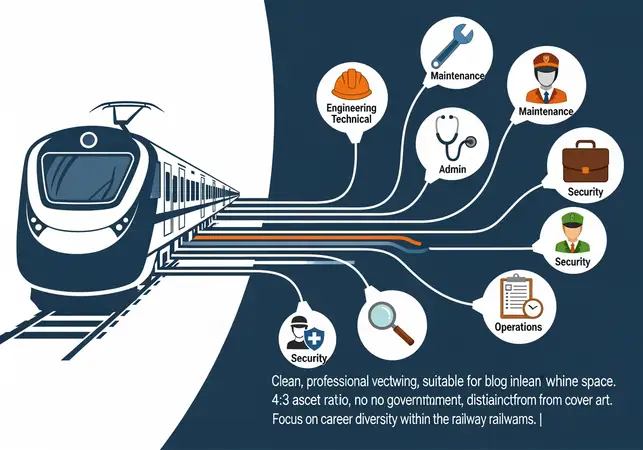
Indian Railways, often referred to as the lifeline of the nation, is not just a colossal transportation network but also one of the largest employers in the world. With a vast workforce exceeding 1.2 million individuals, it offers unparalleled career opportunities across diverse fields, from engineering and technical roles to administrative, medical, and security positions. For millions of aspiring job seekers in India, a career with the Indian Railways represents stability, comprehensive benefits, and a chance to contribute directly to national development. The sheer scale of its operations, spanning over 68,000 km of track and operating thousands of trains daily, necessitates a continuous influx of skilled and dedicated personnel, ensuring a steady stream of recruitment opportunities.
Beyond its role in connecting people and places, Indian Railways is a vital engine for economic growth, facilitating trade, tourism, and industrial development across the country. It plays a crucial role in national integration, connecting remote areas and diverse cultures, and is often the most affordable and accessible mode of transport for millions. Working for such an organization offers a unique sense of purpose and pride, knowing that your efforts directly impact the nation's progress. The stability of a government job, coupled with attractive perks and a structured career path, makes railway jobs highly coveted among Indian youth.
Every year, the Railway Recruitment Boards (RRBs) and Railway Recruitment Cells (RRCs) conduct massive recruitment drives to fill thousands of vacancies, attracting millions of applicants nationwide. These recruitments cater to various educational backgrounds, from 10th pass to graduates and post-graduates, making railway jobs accessible to a wide demographic. The year 2026 is anticipated to bring forth numerous opportunities, continuing the trend of large-scale hiring to maintain and modernize this colossal organization. With ambitious projects like dedicated freight corridors, high-speed rail networks (e.g., Vande Bharat Express), station redevelopment initiatives, and extensive electrification programs, the demand for skilled manpower is consistently high. If you're looking for a secure and rewarding career path, exploring the world of railway jobs is an excellent decision.
This comprehensive guide from TrueJobs will walk you through every aspect of securing a position in the Indian Railways, from understanding the various job types and eligibility criteria to mastering the application process and preparation strategies. Discover the immense potential of railway jobs listings and embark on a fulfilling career journey, contributing to the nation's progress while building a secure future for yourself.
Exploring the Diverse Landscape of Railway Jobs
Types of Railway Jobs: A Spectrum of Opportunities
Indian Railways offers a vast array of job roles, categorized primarily into Group A, B, C, and D. While Group A and B positions are generally filled through UPSC examinations or by promotion from Group C, the majority of direct recruitment for aspiring candidates happens in Group C and D categories through the RRBs and RRCs. These roles are the backbone of the railway system, ensuring its smooth and efficient functioning across all operational and administrative departments.
Group A and Group B Posts (UPSC & Promotional)
Group A: These are gazetted posts, primarily filled through the Civil Services Examination (CSE) or the Engineering Services Examination (ESE) conducted by the Union Public Service Commission (UPSC). They include specialized services like the Indian Railway Traffic Service (IRTS), Indian Railway Accounts Service (IRAS), Indian Railway Personnel Service (IRPS), and various engineering services (e.g., Indian Railway Service of Engineers - IRSE, Indian Railway Service of Mechanical Engineers - IRSME). These are top-tier management and administrative positions. Officers in Group A are responsible for policy formulation, strategic planning, overall management of their respective departments, and driving the long-term vision and operational efficiency of the railways. Their decisions impact the entire railway network and its future trajectory. They often engage in high-level discussions, represent the railways in national and international forums, and are instrumental in implementing large-scale modernization and expansion projects. The selection process for Group A is highly rigorous, demanding exceptional academic prowess, leadership qualities, and a deep understanding of public administration or specialized engineering disciplines.
Group B: These are also gazetted posts, but they are generally filled by promotion of Group C officers to higher positions, often through a departmental competitive examination. Direct recruitment for Group B is rare. These officers typically serve as middle management, overseeing specific sections or units and implementing policies laid down by Group A officers. Their roles are crucial for bridging the gap between policy and execution, ensuring that operational plans are effectively carried out on the ground. They often act as the first line of supervisory management, guiding and mentoring Group C staff. Group B officers are vital for the day-to-day operational efficiency, problem-solving at the divisional level, and ensuring that strategic objectives are met through effective team management and resource allocation. They often have specialized knowledge in their respective fields, gained through years of experience in Group C roles, making them invaluable assets in the railway hierarchy.
Group C Posts (RRB Recruitment - Technical & Non-Technical)
Group C posts are the most sought-after and widely advertised positions, covering a broad spectrum of technical and non-technical roles essential for daily railway operations. Recruitment for these posts is primarily conducted by the Railway Recruitment Boards (RRBs). These roles offer excellent career growth prospects and are vital for the smooth functioning of trains, stations, and railway infrastructure. They represent the largest segment of the railway workforce, directly involved in the maintenance, operation, and administration of the vast railway network. The recruitment process for Group C positions is highly competitive, attracting millions of applicants annually due to the stability, benefits, and career progression opportunities associated with these roles.
1. Technical Roles
- Junior Engineer (JE): This is a highly popular post for diploma holders and engineering graduates. JEs are responsible for the maintenance and supervision of various railway assets across departments like Civil Engineering (tracks, bridges, buildings, railway land), Mechanical (locomotives, coaches, wagons, workshops), Electrical (traction, power supply, signals, OHE), Electronics, and Telecommunication (S&T). They play a crucial role in ensuring the safety and efficiency of railway infrastructure. For instance, a JE (Civil) might oversee track geometry, bridge inspections, and minor construction projects, ensuring compliance with safety standards. They are responsible for identifying defects, planning repair schedules, and supervising the work of technicians and track maintainers. A JE (Electrical) would manage overhead equipment (OHE) maintenance, power supply to stations, and signaling systems, ensuring uninterrupted operations. This includes routine inspections, fault diagnosis, and coordinating with control centers. Career progression for JEs can lead to Senior Section Engineer and further supervisory roles, with opportunities to advance into Group B positions. The work often involves a mix of office duties (planning, reporting) and fieldwork (site inspections, supervision).
- Senior Section Engineer (SSE): While direct recruitment for SSE has been less frequent recently, it's a higher-level technical post often filled by promotion from JE. SSEs manage larger sections and teams, overseeing complex technical operations and projects. They are responsible for planning, executing, and monitoring maintenance schedules, ensuring adherence to safety standards, and leading a team of JEs and Technicians. Their expertise is vital for large-scale infrastructure projects, critical maintenance activities, and troubleshooting complex technical issues. They often act as the primary technical experts in their respective domains, providing guidance and technical solutions. SSEs are also involved in procurement of materials, budget management for their sections, and ensuring compliance with all safety regulations and operational guidelines. Their role is critical in maintaining the integrity and reliability of railway assets.
- Technician (Grade I, II, III): These roles are vital for the hands-on maintenance and repair of railway equipment. Technicians specialize in various trades such as Fitter, Electrician, Welder, Machinist, Blacksmith, Carpenter, Signal & Telecom Maintainer, etc. They work in workshops, sheds (loco sheds, carriage & wagon sheds), and along the tracks, ensuring all mechanical and electrical systems are in optimal condition. For example, an Electrician Technician might troubleshoot faults in locomotive wiring, maintain electrical components in coaches, or repair station lighting. They are skilled in using specialized tools and diagnostic equipment. A Fitter Technician would be involved in repairing wagon parts, track machinery, or maintaining components of locomotives. This includes disassembling, inspecting, repairing, and reassembling various mechanical parts. Eligibility typically requires a 10th pass along with an ITI (Industrial Training Institute) certificate in the relevant trade. These roles are foundational to the operational readiness and safety of the railway system, requiring practical skills, attention to detail, and adherence to safety protocols.
- Assistant Loco Pilot (ALP): ALPs assist the Loco Pilot in driving trains, monitoring various gauges and signals, and ensuring the smooth operation of the locomotive. This is a critical operational role requiring high levels of concentration, quick decision-making, and adherence to strict safety protocols. ALPs undergo extensive training and are responsible for assisting in troubleshooting minor technical issues on the run. They are trained to understand the functioning of the locomotive, interpret signals, and communicate effectively with the Loco Pilot and control room. It serves as a direct stepping stone to becoming a Loco Pilot, which is a highly responsible and respected position within the railways, requiring years of experience and passing further examinations. The career path for an ALP is well-defined, offering significant growth opportunities for those who demonstrate competence and dedication.
2. Non-Technical Popular Categories (NTPC)
NTPC posts are highly competitive and attract a large number of graduates and 12th pass candidates. These roles are primarily administrative, operational, and commercial in nature, forming the backbone of railway management and customer service. They are crucial for the smooth interaction with passengers and freight customers, as well as for the efficient internal administration of the railway system. The NTPC examination is one of the largest recruitment drives conducted by the RRBs, offering a wide range of positions suitable for candidates from various academic backgrounds.
- Commercial cum Ticket Clerk (CCTC): Responsible for issuing tickets (both reserved and unreserved), handling passenger queries, managing refunds, and overseeing commercial aspects at railway stations. This role involves direct interaction with the public, requiring good communication skills, patience, and a customer-centric approach. They also manage reservations, resolve ticketing-related issues, and provide information on train schedules and fares. CCTCs are often the first point of contact for passengers, and their efficiency and helpfulness significantly impact the passenger experience. They also handle cash and are responsible for accurate accounting of ticket sales.
- Goods Guard: Oversees the movement of freight trains, ensuring timely and safe delivery of goods. This role involves significant travel, often in challenging conditions, and immense responsibility. Goods Guards are responsible for checking the train formation, ensuring proper coupling, conducting brake testing, and communicating with the Loco Pilot and station staff regarding train movements and safety. It's a challenging role that requires vigilance, adherence to safety protocols, and the ability to handle emergencies. They are also responsible for preparing various reports related to train movement, consignments, and any incidents that may occur during transit.
- Station Master (SM): A pivotal role responsible for the overall management of a railway station, including train operations, passenger services, and staff supervision. Requires quick decision-making, strong leadership skills, and the ability to manage multiple tasks simultaneously. Station Masters are the nerve center of station operations, managing signal systems, ensuring timely departures and arrivals, handling emergencies, coordinating with various departments (e.g., commercial, engineering, security), and ensuring passenger safety and comfort. They are also responsible for maintaining station records, managing staff rosters, and addressing public grievances. The SM's role is critical for maintaining the punctuality and safety of train services.
- Junior Clerk cum Typist (JCT): Performs clerical duties, typing, data entry, and general office administration in various railway departments. This role is essential for maintaining records, processing documents, managing correspondence, and supporting the administrative functions of offices. Proficiency in typing (often both English and Hindi) and basic computer skills are often required. JCTs are the backbone of office administration, ensuring that paperwork is processed efficiently and records are accurately maintained. They often assist senior staff with various administrative tasks, contributing to the smooth functioning of their respective departments.
- Accounts Clerk cum Typist (ACT): Handles accounting records, financial transactions, and related clerical work within the accounts department. ACTs assist in maintaining ledgers, processing bills, preparing financial statements, reconciling accounts, and managing payroll, contributing to the financial integrity and transparency of the railway system. They play a crucial role in ensuring that all financial transactions are accurately recorded and comply with established accounting procedures. Attention to detail and a good understanding of basic accounting principles are essential for this role.
- Senior Commercial cum Ticket Clerk (SCTC): A higher-level commercial role with more responsibilities than CCTC, often involving supervision of junior staff, handling more complex commercial transactions or disputes, and managing specific commercial sections within a station or division. They often deal with freight booking, parcel services, and revenue collection. SCTCs are expected to have a deeper understanding of commercial rules and regulations, and often act as mentors for new CCTCs. Their role is vital in maximizing revenue generation and ensuring customer satisfaction in commercial operations.
- Senior Clerk cum Typist (SCT): A higher-level clerical role, often involving more complex administrative tasks, file management, drafting official communications, and potentially supervisory duties over junior clerks. They play a key role in ensuring efficient office management and record-keeping. SCTs are often entrusted with more sensitive documents and are expected to have excellent organizational and communication skills. They contribute significantly to the administrative efficiency of their departments.
- Junior Account Assistant cum Typist (JAAT): Assists in accounting and financial management, often involving reconciliation of accounts, budget preparation support, auditing tasks, and preparing financial reports. This role requires a good understanding of accounting principles and attention to detail. JAATs work closely with senior accounts officers, providing essential support in financial analysis and reporting. This position offers a good foundation for a career in railway finance and accounting.
- Commercial Apprentice (CA): A training-cum-supervisory post in the commercial department, leading to various commercial roles such as Station Master, Goods Guard, or Commercial Inspector. CAs undergo extensive training in various aspects of railway commercial operations, including ticketing, freight management, parcel services, and public relations, preparing them for managerial and supervisory positions in passenger and freight services. This is a highly sought-after position due to its comprehensive training and clear career progression path into supervisory and managerial roles within the commercial wing of Indian Railways.
3. Paramedical Categories
Indian Railways has its own extensive healthcare system, comprising hospitals, health units, and dispensaries across the country, requiring various medical and paramedical professionals to cater to its vast workforce and their families. This dedicated healthcare infrastructure ensures the well-being of railway employees and their dependents, making these paramedical roles crucial for the overall health and productivity of the railway community.
- Staff Nurse: Provides comprehensive nursing care to railway employees and their families in railway hospitals and health units. This involves patient assessment, administering medication, assisting doctors during procedures, maintaining patient records, educating patients on health management, and ensuring a hygienic and supportive environment for recovery. Railway nurses play a vital role in patient care, often working in diverse settings from general wards to specialized units, and are integral to the railway's healthcare delivery system.
- Health & Malaria Inspector: Responsible for public health, sanitation, and disease control measures within railway premises, stations, railway colonies, and workshops. They conduct inspections, implement preventive health programs (e.g., vaccination drives, pest control), manage waste disposal, and monitor water quality to ensure a healthy and safe environment for railway staff and passengers. Their work is crucial in preventing the spread of communicable diseases and maintaining high standards of public hygiene across the railway network.
- Pharmacist: Dispenses medicines, manages pharmacy operations, and maintains drug inventory in railway hospitals and health units. They are responsible for ensuring proper storage of drugs, checking for expiry dates, advising patients on medication usage and potential side effects, and maintaining accurate dispensing records. Railway pharmacists ensure that essential medicines are available and dispensed safely and accurately to patients, playing a key role in the therapeutic process.
- ECG Technician, Lab Assistant, Lab Superintendent: These roles support medical diagnostics and laboratory services. ECG Technicians perform electrocardiograms to diagnose heart conditions, operating specialized equipment and ensuring accurate readings. Lab Assistants collect and process various biological samples (blood, urine, etc.) and perform basic laboratory tests under supervision, contributing to diagnostic accuracy. Lab Superintendents oversee the overall functioning of railway pathology labs, ensuring accurate and timely diagnostic results, managing equipment, and supervising junior staff. They are responsible for quality control, inventory management, and adherence to laboratory standards, making them critical for effective medical diagnosis and treatment.
4. Ministerial & Isolated Categories
These include specialized administrative and language-related roles that support the overall functioning of various railway departments, ensuring efficient communication and legal compliance. These positions, though fewer in number, are essential for the smooth administrative and legal operations of Indian Railways, facilitating internal communication, external correspondence, and adherence to regulatory frameworks.
- Stenographer: Takes dictation in shorthand and transcribes official documents, reports, minutes of meetings, and correspondence. This role requires high proficiency in shorthand and typing (often in both English and Hindi), supporting senior officers in administrative tasks and ensuring timely communication. Stenographers are crucial for efficient record-keeping and rapid documentation of official proceedings and communications.
- Chief Law Assistant: Provides legal support and advice to the railway administration on various matters, including contracts, land acquisition, litigation, regulatory compliance, and employee disputes. They assist in drafting legal documents, preparing court cases, and representing the railways in legal proceedings, ensuring adherence to legal frameworks. This role is vital for protecting the legal interests of Indian Railways and ensuring all operations comply with national and international laws.
- Junior Translator: Facilitates communication by accurately translating official documents, circulars, manuals, and correspondence between Hindi and English, and sometimes other regional languages. This role is crucial for ensuring effective communication and compliance with official language policies within the multilingual environment of Indian Railways. Junior Translators ensure that important information is accessible to all stakeholders, regardless of their linguistic background.
- Teachers (PGT/TGT/PRT): For railway schools, requiring specific teaching qualifications (e.g., B.Ed., CTET). Indian Railways maintains schools for the children of its employees, and these teachers play a vital role in providing quality education from primary to higher secondary levels, covering various subjects. These schools are a significant welfare measure for railway families, and the teachers contribute directly to the educational development of the railway community.
Group D Posts (RRC Recruitment - Entry Level)
Group D posts are entry-level positions crucial for the day-to-day physical maintenance and support functions of the railways. Recruitment for these posts is conducted by the Railway Recruitment Cells (RRCs) of various railway zones. These roles are physically demanding but offer a stable career path with opportunities for promotion to Group C over time, based on performance and departmental examinations. Group D personnel are the foundational workforce, performing essential manual and semi-skilled tasks that keep the railway system running efficiently and safely. Their dedication and hard work are indispensable to the overall operation of Indian Railways.
- Track Maintainer Grade IV: Responsible for the inspection, maintenance, and repair of railway tracks, ensuring safety and smooth train operations. This is a physically demanding role, often involving working outdoors in various weather conditions, using tools to fix rail defects, replace sleepers, maintain track alignment, and clear obstructions. They are the frontline workers ensuring the integrity and safety of the railway network, often working in gangs under the supervision of a Permanent Way Inspector (PWI). Their vigilance in identifying and rectifying track faults is paramount for preventing accidents and ensuring operational continuity.
- Helper/Assistant (various departments): These roles provide essential support in departments like Electrical, Mechanical, S&T, and Engineering. For example, Helper (Electrical) assists electricians in wiring, maintenance of power systems, and lighting at stations and workshops. Helper (Mechanical) assists fitters in workshops with repairs of rolling stock, or in loco sheds with locomotive maintenance. Helper (S&T) assists in maintaining signaling and telecommunication equipment. They learn on the job, gaining practical skills, and often progress to skilled technician roles through internal examinations. These roles are critical for providing hands-on support to skilled workers and maintaining various railway assets.
- Assistant Pointsman: Operates points (switches) to guide trains to the correct tracks in railway yards and stations. This role requires precision, quick response, and strict adherence to signaling rules, as it directly impacts train movement and safety. They work in coordination with Station Masters and signalmen, often in challenging outdoor conditions. The Assistant Pointsman's role is crucial in ensuring that trains are routed correctly and safely, preventing collisions and derailments within complex yard layouts.
- Hospital Assistant: Provides basic assistance in railway hospitals and health units, such as patient transport, ward maintenance, cleaning, assisting nursing staff with non-medical tasks, and maintaining cleanliness and orderliness of the hospital premises. They ensure a clean and supportive environment for patient care, contributing to the overall efficiency and hygiene of the railway's healthcare facilities.
- Safaiwala/Porter: Safaiwalas are responsible for cleanliness and sanitation at stations, offices, and railway colonies, ensuring hygiene in public areas and maintaining waste management. Porters assist passengers with luggage, providing essential services, especially at busy railway stations. These roles are crucial for maintaining public health and passenger convenience, contributing significantly to the passenger experience and the overall image of Indian Railways.
Railway Protection Force (RPF) & Railway Protection Special Force (RPSF)
The RPF and RPSF are dedicated security forces of Indian Railways, ensuring the safety of passengers, railway property, and smooth operations. Recruitment for these forces is also conducted periodically, offering a career in law enforcement within the railway ecosystem, with a focus on railway-specific security challenges. These forces play a critical role in maintaining law and order, preventing crime, and responding to emergencies across the vast railway network, which is a vital national asset.
- RPF Constable: Performs security duties, patrols railway stations, trains, and railway property, and maintains law and order within railway premises. Their responsibilities include preventing crime (theft, vandalism), apprehending offenders, protecting railway assets (tracks, signals, rolling stock), and assisting passengers in distress. This role often involves shift duties, physical challenges, and direct interaction with the public. RPF Constables are trained in various aspects of law enforcement, including crowd control, first aid, and basic investigation techniques, making them the first responders to security incidents on the railways.
- RPF Sub-Inspector (SI): A supervisory role, leading teams of constables and handling more complex security operations and investigations. SIs are responsible for managing security at stations and within their jurisdiction, investigating railway-related crimes, coordinating with local police and other law enforcement agencies, and ensuring the overall safety and security of the railway network. They also play a role in intelligence gathering and implementing security protocols. RPF SIs are crucial for strategic planning of security operations, managing resources, and ensuring effective enforcement of railway laws and regulations.
Navigating the Path to a Railway Career
Eligibility Criteria for Railway Jobs: Meeting the Requirements
To apply for any position in Indian Railways, candidates must fulfill specific eligibility criteria related to nationality, age, educational qualification, and medical standards. These criteria vary significantly depending on the group and specific post, and candidates must ensure they meet all conditions by the specified cut-off date mentioned in the official notification. Failure to meet even one criterion can lead to disqualification. It is imperative for all aspiring candidates to meticulously review the official recruitment notification for the specific post they are interested in, as eligibility requirements are strictly enforced and can be subject to minor revisions between recruitment cycles.
1. Nationality
A candidate must be either:
- A citizen of India, or
- A subject of Nepal, or
- A subject of Bhutan, or
- A Tibetan refugee who came over to India before 1st January 1962 with the intention of permanently settling in India, or
- A person of Indian origin who has migrated from Pakistan, Burma, Sri Lanka, East African countries of Kenya, Uganda, the United Republic of Tanzania, Zambia, Malawi, Zaire, Ethiopia, and Vietnam with the intention of permanently settling in India.
Candidates belonging to categories (b), (c), (d), and (e) must possess a certificate of eligibility issued by the Government of India. This inclusive nationality clause reflects India's historical ties and commitment to certain communities, allowing a broader pool of talent to contribute to the nation's railway system, provided they meet all other requirements. It's important for non-Indian citizens falling under these categories to ensure they have the necessary documentation from the Indian government to prove their eligibility, as this will be a mandatory requirement during the document verification stage.
2. Age Limits & Relaxations
The minimum and maximum age limits vary for different posts and categories, as specified in the official recruitment notification. Generally, the age limits are set to ensure a youthful and energetic workforce capable of long years of service, while also providing opportunities for experienced individuals within certain bounds. The cut-off date for age calculation is typically mentioned in the notification, usually as 1st January of the recruitment year. Candidates should carefully calculate their age as of this specific date to avoid any discrepancies. The age limits are designed to balance the need for fresh talent with the value of experience, ensuring a dynamic and capable workforce for Indian Railways.
- Group C (NTPC, JE, Paramedical, etc.): Typically ranges from 18 to 33 years.
- Group D (Track Maintainer, Helper, etc.): Typically ranges from 18 to 33 years.
- RPF Constable: 18 to 25 years.
- RPF Sub-Inspector: 20 to 25 years.
Age Relaxations: Significant relaxations are provided for reserved categories as per Government of India rules. These relaxations are a crucial aspect of affirmative action, ensuring equitable opportunities for various sections of society and promoting diversity within the railway workforce. Candidates belonging to these categories must ensure they possess valid certificates issued by competent authorities to claim age relaxation benefits. These relaxations are not cumulative; candidates can generally avail relaxation under only one category, typically the one that offers the maximum benefit.
- SC/ST: 5 years
- OBC (Non-Creamy Layer): 3 years
- Persons with Benchmark Disabilities (PwBD): 10 years (General), 13 years (OBC), 15 years (SC/ST)
- Ex-Servicemen: Relaxation up to the extent of service rendered in Defence plus 3 years, subject to a maximum age limit (e.g., 50 years for General, 53 for OBC, 55 for SC/ST). This relaxation is provided to acknowledge their service to the nation and facilitate their reintegration into civilian employment.
- Widows, Divorced Women, Judicially Separated Women: Up to 35 years (General), 38 years (OBC), 40 years (SC/ST). This provision aims to support women in challenging social circumstances by providing them extended opportunities for government employment.
- Other specific relaxations may apply for candidates from Jammu & Kashmir, those serving in Railways, etc. Always refer to the official notification for the exact and latest age limits and relaxations applicable to your chosen post, as these can be subject to change. It is critical to check the specific notification for the recruitment cycle you are applying for, as rules can be updated.
3. Educational Qualifications
Educational requirements are strictly defined for each post and are a non-negotiable part of the eligibility criteria. Candidates must possess the specified qualification from a recognized board or university by the closing date of application. It's crucial that the institution is recognized by the appropriate government authority (e.g., AICTE, UGC, State Board of Technical Education, etc.). For example, for Group D posts, a 10th pass or ITI certificate is generally required. For Technician posts, a 10th pass with an ITI in a relevant trade is common. Junior Engineer positions typically require a Diploma or Degree in Engineering in a specific discipline. NTPC graduate posts require a university degree, while 12th pass NTPC posts require a 12th-grade certificate.
Paramedical posts require relevant diplomas or degrees in nursing, pharmacy, laboratory technology, etc. Candidates must ensure that their educational certificates are from recognized institutions and that they meet the exact specialization or trade requirements. Provisional certificates are generally not accepted unless explicitly stated otherwise in the notification. Any discrepancy in educational qualifications can lead to the rejection of the application at any stage of the recruitment process, including during document verification. Therefore, candidates should meticulously cross-check their qualifications against the official advertisement before applying.
4. Medical Standards
Medical fitness is a mandatory requirement for all railway jobs, given the demanding nature of many roles and the paramount importance of safety in railway operations. Candidates must meet the prescribed medical standards as per the Indian Railway Medical Manual. These standards include specific requirements for vision, hearing, physical fitness, and general health. Different categories of posts have different medical standards (e.g., A1, B1, C1, etc.), with operational posts like Loco Pilot, Assistant Loco Pilot, and Station Master having very stringent vision requirements. For example, an A1 medical standard typically requires distant vision of 6/6 without glasses and near vision of 0.6/0.6 without glasses, along with normal color vision.
Candidates with certain medical conditions, such as color blindness, severe hearing impairment, or certain chronic diseases, may be deemed unfit for specific categories of posts. A medical examination is conducted by railway medical authorities after the written examination and document verification. Candidates found medically unfit for the post they applied for may sometimes be considered for other posts for which they meet the medical standards, if such options are available and they are otherwise qualified. It is advisable for candidates to undergo a preliminary medical check-up to assess their general fitness before applying, especially concerning vision and hearing, to avoid disappointment later in the process.
The medical examination is a critical stage, as final selection is contingent upon being declared medically fit by the railway medical board.
The Recruitment Process: From Application to Appointment
Application Process: Step-by-Step Guide
The application process for railway jobs is entirely online, conducted through the official websites of the respective Railway Recruitment Boards (RRBs) or Railway Recruitment Cells (RRCs). Candidates must follow a structured approach to ensure their application is complete and accurate. It is crucial to refer to the specific recruitment notification for detailed instructions, as there might be minor variations between different recruitment drives.
- Notification Release: The process begins with the release of an official notification (CEN - Centralized Employment Notice) by the RRBs/RRCs, detailing vacancies, eligibility criteria, application dates, exam pattern, and other important information. Candidates should regularly check the official websites of RRBs/RRCs and reliable government job portals like TrueJobs.co.in for updates.
- Online Registration: Candidates first need to register on the designated RRB/RRC portal. This usually involves providing basic personal details like name, date of birth, father's name, mobile number, and email ID. A unique registration ID and password will be generated.
- Filling the Application Form: After registration, candidates log in to fill out the detailed application form. This includes providing educational qualifications, address, category details (SC/ST/OBC/PwBD/EWS/Ex-SM), choice of examination city, and other relevant information. Accuracy is paramount, as incorrect information can lead to disqualification.
- Uploading Documents: Candidates are required to upload scanned copies of their photograph, signature, and sometimes other documents like caste certificates or educational certificates, as per the specified dimensions and file size. The photograph should be recent and clear, and the signature should be legible.
- Payment of Application Fee: An application fee is typically charged, which can be paid online through various modes like net banking, credit/debit cards, or UPI. Reserved category candidates (SC/ST/PwBD/Female/EWS/Minorities/Ex-SM) often receive a concession or full exemption from the fee, or a partial refund upon appearing in the exam.
- Review and Submission: Before final submission, candidates must thoroughly review all entered information. Once submitted, changes might not be possible, or may incur a correction fee
Railway Jobs in India 2026: Ultimate Career Guide
Explore more: Railway Recruitment | Indian Railways Jobs | Exam Prep Tips
FAQs
What qualifications are needed?Varies by role; 10th/12th/Graduation requiredHow to apply?Through RRB websites
Related Government Job Resources
Continue with active job hubs and related government job pages on TrueJobs.
Tools for this recruitment topic
Use only the tools relevant to the dates, eligibility or documents discussed above.
TrueJobs Editorial Team
TrueJobs editorial desk
This article is prepared from the sources referenced in the guide and reviewed for clarity, links and dated information. Read our editorial and corrections policy.
Continue This Topic
Follow the closest earlier and newer coverage so older archive posts keep real contextual crawl paths.
UPSC vs SSC — Which is Right for You? A Complete Comparison
UPSC vs SSC — Which is Right for You? Embarking on a career in the Indian government sector is a dream for millions, offering unparalleled stability,...
Government Jobs After 12th Pass — Complete Roadmap 2026
Government Jobs After 12th Pass — Complete Roadmap 2026 Congratulations on completing your 12th class! This milestone opens up a world of...
Read Next

Best Government Jobs for Graduates by Stream — Complete Guide 2026

Government Jobs After 12th Pass — Complete Roadmap 2026

Government Jobs in Bihar — Complete Guide 2026

How to Prepare for SSC CGL in 6 Months — Complete Strategy Guide
Explore Topics
Perfect Your Resume
Use our AI-powered Resume Builder to create ATS-optimized resumes.
AI Resume Builder