
Career guide
eSanjeevani 2026: Revolutionizing Telemedicine — Explained
Discover eSanjeevani, India's pioneering national telemedicine platform. This article covers its journey, achievements, the ambitious Vision 2026, and the growing career opportunities in the digital health sector.

In an era where digital transformation is reshaping every sector, healthcare stands as a prime candidate for innovation. India, with its vast and diverse population, faces unique challenges in delivering accessible and equitable healthcare. Enter telemedicine – a game-changer that leverages technology to bridge geographical divides and bring medical expertise to every corner of the nation. At the forefront of this digital health revolution is eSanjeevani, India's national telemedicine platform. Launched by the Ministry of Health & Family Welfare, eSanjeevani has rapidly evolved from a pilot project into a lifeline for millions, especially in remote and underserved areas.
As we look towards 'eSanjeevani 2026', this platform is poised to expand its reach, enhance its capabilities, and fundamentally alter how healthcare is accessed and delivered across India. This article delves into the journey of eSanjeevani, its current impact, the ambitious vision for 2026, and the myriad opportunities it presents for both citizens and aspiring professionals in the healthcare sector.
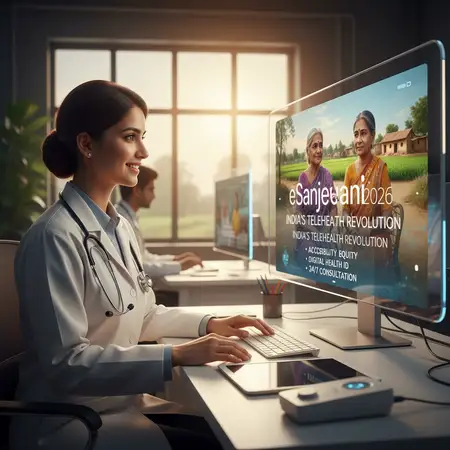
eSanjeevani: India's Pioneering Telemedicine Platform
eSanjeevani is not just an application; it's a comprehensive digital health ecosystem designed to provide remote healthcare services to the masses. Launched in 2019, its primary objective is to make healthcare accessible, affordable, and equitable for all Indians, irrespective of their location. The platform operates on two distinct models, each catering to specific needs and infrastructure:
eSanjeevani Ayushman Bharat Health and Wellness Centre (AB-HWC)
- This model is a doctor-to-doctor (hub and spoke) telemedicine system.
- It connects beneficiaries in Health and Wellness Centres (HWCs) in rural and remote areas with doctors and specialists in district hospitals or medical colleges.
- A Community Health Officer (CHO) or a nurse facilitates the teleconsultation at the HWC, assisting the patient and relaying information to the consulting doctor.
- This model is crucial for providing specialist consultations to patients who might otherwise have to travel long distances to access secondary or tertiary care.
- It strengthens the primary healthcare system by enabling doctors at the grassroots level to seek expert advice.
eSanjeevani OPD
- This model is a patient-to-doctor telemedicine system, offering direct consultations from the comfort of one's home.
- Patients can register, log in, and consult with general physicians or specialists via video call using their smartphone, tablet, or computer.
- It eliminates the need for physical travel, waiting times, and potential exposure to infections in crowded clinics.
- eSanjeevani OPD gained significant traction during the COVID-19 pandemic, providing a safe and convenient way for people to access medical advice.
- It covers a wide range of specialties, allowing patients to consult with doctors across various fields.
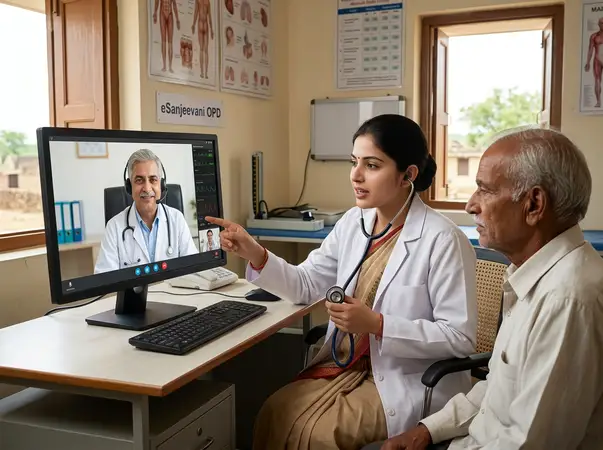
Both models are built on a robust technological framework, ensuring secure and confidential consultations. The platform supports electronic prescriptions, allowing patients to receive digital medication advice that can be used at pharmacies. This dual approach ensures that eSanjeevani caters to both assisted teleconsultations in rural settings and direct patient-to-doctor interactions, making it a versatile tool in India's public health arsenal.
The Impact and Achievements of eSanjeevani So Far
Since its inception, eSanjeevani has demonstrated remarkable success, transforming into one of the world's largest government-owned telemedicine platforms. Its journey is marked by impressive milestones and a profound impact on healthcare delivery across India.
Key Statistics and Growth
- Exponential Consultations: eSanjeevani has facilitated millions of teleconsultations, with figures rapidly climbing into the hundreds of millions. This exponential growth underscores its widespread acceptance and utility.
- Pan-India Reach: The platform is operational in all states and union territories, ensuring that its benefits are accessible nationwide.
- Doctor Engagement: Thousands of doctors and specialists, both from government institutions and private practices, have registered on the platform, contributing to its vast pool of medical expertise.
- Top Performing States: States like Andhra Pradesh, Karnataka, Tamil Nadu, Uttar Pradesh, Gujarat, and Madhya Pradesh have consistently led in the adoption and utilization of eSanjeevani services, showcasing strong state-level commitment and infrastructure.
Role During the COVID-19 Pandemic
The true resilience and utility of eSanjeevani were highlighted during the COVID-19 pandemic. As physical doctor visits became risky and restricted, eSanjeevani emerged as a critical lifeline:
- It enabled continuous access to medical advice for non-COVID ailments, preventing the collapse of routine healthcare services.
- It provided a safe channel for COVID-19 patients and those with mild symptoms to consult doctors from isolation, reducing the burden on hospitals.
- Healthcare workers could consult specialists for complex COVID-19 cases, especially in remote areas, without the need for patient transfer.
Social and Economic Impact
- Reduced Travel and Costs: Patients, particularly from rural areas, save significant time and money on travel, accommodation, and loss of wages.
- Improved Access to Specialists: Individuals in remote areas can now consult specialists (e.g., cardiologists, neurologists, pediatricians) who were previously inaccessible.
- Empowerment of Women: The platform has been particularly beneficial for women, who often face cultural or logistical barriers to accessing healthcare. They can now consult doctors privately from their homes or local HWCs.
- Strengthening Primary Healthcare: By connecting HWCs to higher medical facilities, eSanjeevani empowers primary healthcare providers and improves the overall quality of care at the grassroots level.
These achievements solidify eSanjeevani's position as a cornerstone of India's digital health strategy, paving the way for even more ambitious goals in the coming years.
eSanjeevani Vision 2026: The Future Roadmap for Digital Healthcare
The success of eSanjeevani has laid a strong foundation, and the vision for 'eSanjeevani 2026' is to further scale, integrate, and innovate, making it an indispensable part of India's healthcare landscape. This future roadmap focuses on several key areas:
Enhanced Integration with Ayushman Bharat Digital Mission (ABDM)
A major thrust for 2026 will be the seamless integration of eSanjeevani with the Ayushman Bharat Digital Mission (ABDM). This integration aims to:
- Health ID Linking: Enable patients to link their eSanjeevani consultations and prescriptions to their Ayushman Bharat Health Account (ABHA) IDs, creating a comprehensive digital health record.
- Data Exchange: Facilitate secure exchange of health information between eSanjeevani and other digital health platforms under ABDM, improving continuity of care.
- Unified Health Interface (UHI): Leverage UHI to expand eSanjeevani's reach and interoperability, allowing for more diverse service offerings and easier access to digital health services.
Expansion of Specialized Services
While general consultations are vital, the 2026 vision includes a significant expansion into specialized telemedicine services:
- Super-Specialty Consultations: Increasing the availability of super-specialists (e.g., oncologists, nephrologists, neurosurgeons) on the platform.
- Mental Health Support: Dedicated channels for tele-counselling and psychiatric consultations, addressing the growing need for mental health services.
- Chronic Disease Management: Developing specific protocols and tools for remote monitoring and management of chronic conditions like diabetes, hypertension, and cardiovascular diseases.
Technological Advancements and AI Integration
Innovation will be at the core of eSanjeevani's evolution:
- AI-Powered Diagnostics: Exploring the integration of AI for preliminary symptom analysis, diagnostic assistance, and personalized health recommendations.
- IoT Integration: Connecting with wearable devices and other Internet of Things (IoT) medical devices for remote patient monitoring, allowing doctors to track vital signs and health parameters in real-time.
- Improved User Interface/User Experience (UI/UX): Continuous enhancement of the platform's interface to make it more intuitive, user-friendly, and accessible for people across different digital literacy levels.
- Multilingual Support: Expanding language options to cater to India's linguistic diversity, making the platform truly inclusive.
Policy Support and Regulatory Framework
To sustain this growth, the government is expected to reinforce the regulatory framework for telemedicine, ensuring patient safety, data privacy, and ethical practices. This includes:
- Clear guidelines for tele-diagnosis and tele-treatment.
- Standardization of digital health records.
- Robust data protection mechanisms.
By 2026, eSanjeevani aims to be a fully integrated, intelligent, and inclusive digital health platform, setting a global benchmark for public healthcare delivery.
Benefits of Telemedicine: A Win-Win for Patients and Professionals
The widespread adoption and future expansion of telemedicine through platforms like eSanjeevani offer multifaceted benefits for various stakeholders in the healthcare ecosystem.
For Patients and Citizens:
- Enhanced Accessibility: Overcomes geographical barriers, especially for those in remote, rural, or underserved areas, bringing specialist care to their doorstep.
- Cost-Effectiveness: Reduces direct and indirect costs associated with physical visits, including travel expenses, loss of wages, and consultation fees (many eSanjeevani consultations are free for citizens).
- Convenience and Time-Saving: Allows patients to consult doctors from the comfort of their homes or local HWC, eliminating long commutes and waiting times.
- Continuity of Care: Facilitates regular follow-ups and chronic disease management, ensuring consistent medical attention.
- Reduced Exposure Risk: Particularly vital during epidemics or pandemics, it minimizes exposure to infectious diseases in crowded healthcare settings.
- Privacy and Comfort: Some patients may feel more comfortable discussing sensitive health issues remotely.
For Healthcare Professionals:
- Expanded Reach: Doctors can serve a larger patient base, extending their expertise beyond geographical limitations.
- Improved Work-Life Balance: Offers flexibility in working hours and location, potentially reducing burnout.
- Professional Development: Exposure to a wider variety of cases and collaboration with colleagues across different locations can enhance skills and knowledge.
- Reduced Administrative Burden: Digital platforms can streamline patient records, scheduling, and prescription management.
- Support for Rural Practitioners: Doctors in primary health centers can easily seek advice from specialists, improving the quality of care they provide.
- New Career Avenues: Creates opportunities for healthcare professionals to specialize in digital health, telemedicine coordination, and health informatics.
For the Healthcare System:
- Reduced Burden on Tertiary Care: By addressing primary and secondary care needs remotely, telemedicine helps decongest hospitals and allows them to focus on critical cases.
- Efficient Resource Utilization: Optimizes the use of medical infrastructure and human resources.
- Data-Driven Insights: Generates vast amounts of health data that can be used for public health planning, disease surveillance, and policy formulation.
- Strengthening Public Health Infrastructure: Integrates and strengthens various tiers of healthcare delivery, from HWCs to super-specialty hospitals.
The synergistic benefits of telemedicine for all stakeholders underscore its potential to create a more resilient, accessible, and efficient healthcare system in India.
Challenges and Opportunities in India's Telemedicine Landscape
While eSanjeevani and the broader telemedicine landscape in India present immense promise, they also come with a unique set of challenges that need to be addressed for sustainable growth. Simultaneously, these challenges open up new avenues for innovation and career development.
Key Challenges:
- Digital Literacy and Connectivity: A significant portion of India's population, especially in rural areas, still lacks adequate digital literacy or reliable internet connectivity. This can hinder access to and effective use of telemedicine platforms.
- Infrastructure Gaps: While smartphones are prevalent, access to high-quality internet, especially broadband, remains a challenge in many remote regions. Power outages can also disrupt services.
- Regulatory and Legal Framework: Although the Telemedicine Practice Guidelines were issued, continuous evolution of the legal and regulatory framework is needed to keep pace with technological advancements, address inter-state medical practice, and ensure liability clarity.
- Data Privacy and Security: Handling sensitive patient data electronically necessitates robust cybersecurity measures and strict adherence to data protection laws to prevent breaches and maintain trust.
- Acceptance and Trust: Some patients and even healthcare providers may still prefer traditional in-person consultations, requiring sustained efforts to build trust and demonstrate the efficacy of telemedicine.
- Training and Capacity Building: Healthcare professionals need adequate training not just in using the technology but also in adapting their consultation style for a virtual environment, including remote diagnosis and communication.
- Interoperability: Ensuring seamless data exchange between different digital health platforms and electronic health record (EHR) systems remains a complex technical challenge.
Emerging Opportunities:
- Innovation in Connectivity Solutions: Opportunities exist for startups and tech companies to develop cost-effective and robust internet solutions for rural areas, including satellite internet or mesh networks.
- Digital Literacy Initiatives: Government and NGOs can collaborate to launch widespread digital literacy programs, empowering citizens to utilize digital health services.
- Health Tech Entrepreneurship: The need for specialized telemedicine devices, AI-powered diagnostic tools, remote monitoring systems, and secure data management solutions creates a fertile ground for health tech startups.
- Policy and Legal Expertise: Growing demand for legal professionals specializing in digital health law, data privacy, and regulatory compliance.
- Training and Education: A burgeoning field for medical educators and trainers to develop curricula and programs for telemedicine best practices, virtual patient care, and digital health tools.
- Public-Private Partnerships: Collaboration between government initiatives like eSanjeevani and private healthcare providers can expand reach, leverage private sector innovation, and ensure sustainability.
- Global Leadership: India's experience with eSanjeevani can serve as a model for other developing nations, positioning India as a global leader in accessible digital healthcare.
Addressing these challenges proactively will not only strengthen India's telemedicine ecosystem but also unlock its full potential, creating a healthier and more digitally empowered nation.
Building a Career in Digital Health: Opportunities with eSanjeevani and Beyond
The rise of telemedicine, spearheaded by platforms like eSanjeevani, is not just transforming healthcare delivery; it's also creating a dynamic new landscape for career opportunities. For those looking to enter or advance in the healthcare sector, digital health offers a promising and evolving career path.
Key Job Roles and Areas:
- Telemedicine Doctors/Specialists: Physicians, general practitioners, and specialists across various fields who conduct virtual consultations. This requires adaptability to digital tools and effective remote communication skills.
- Community Health Officers (CHOs) / Nurses: At the primary healthcare level, CHOs and nurses play a crucial role in facilitating eSanjeevani AB-HWC consultations, assisting patients, and operating telemedicine equipment. These are often government jobs /government-jobs that are directly impacted.
- Telemedicine Coordinators/Administrators: Professionals responsible for managing telemedicine operations, scheduling, patient support, and ensuring smooth technical functioning of virtual clinics.
- Health Informatics Specialists: Experts who manage, analyze, and secure health data generated from telemedicine platforms. They are crucial for improving service delivery and public health planning.
- IT and Cybersecurity Professionals: With digital platforms handling sensitive patient data, there's a high demand for IT specialists, network administrators, and cybersecurity experts to maintain system integrity and protect patient privacy.
- Software Developers and Engineers: To build, maintain, and innovate telemedicine platforms, mobile applications, and backend systems. This includes UI/UX designers focused on creating intuitive interfaces for diverse users.
- Medical Device Technicians/Engineers: As remote monitoring and IoT devices integrate with telemedicine, professionals skilled in maintaining and developing these devices will be in demand.
- Digital Health Trainers and Educators: Experts needed to train healthcare professionals and patients on how to effectively use telemedicine platforms and digital health tools.
- Policy and Regulatory Analysts: Professionals who understand healthcare policy and technology to help shape
Frequently Asked Questions (FAQs) about eSanjeevani
What is eSanjeevani?
eSanjeevani is India's national telemedicine platform, launched by the Ministry of Health & Family Welfare to provide remote healthcare services to citizens across the country.
What are the two models of eSanjeevani?
eSanjeevani operates on two models: eSanjeevani AB-HWC (a doctor-to-doctor system) and eSanjeevani OPD (a direct patient-to-doctor service for consultations from home).
What is the goal of the eSanjeevani Vision 2026?
The Vision 2026 aims to expand specialized services, integrate with the Ayushman Bharat Digital Mission (ABDM), and incorporate advanced technologies like AI to enhance digital healthcare.
What career opportunities are related to eSanjeevani?
The growth of telemedicine creates jobs in digital health, including roles for Community Health Officers, IT support specialists, healthcare data analysts, and telemedicine coordinators.
Related Resources
- Government Healthcare Jobs
- Ayushman Bharat Digital Mission (ABDM)
- Government IT & Tech Jobs
Conclusion: The Future of Health is Digital
eSanjeevani is more than a technological achievement; it's a critical step towards a healthier, more equitable India. As the platform evolves towards its 2026 vision, it will not only improve patient outcomes but also create a new frontier of career opportunities in digital health. For those looking to be part of this transformation, the journey into India's burgeoning healthcare technology sector starts now.
Reader questions: JEE
What is eSanjeevani?
eSanjeevani is India's national telemedicine platform, launched by the Ministry of Health & Family Welfare to provide remote healthcare services to citizens across the country.
What are the two models of eSanjeevani?
eSanjeevani operates on two models: eSanjeevani AB-HWC (a doctor-to-doctor system) and eSanjeevani OPD (a direct patient-to-doctor service for consultations from home).
What is the goal of the eSanjeevani Vision 2026?
The Vision 2026 aims to expand specialized services, integrate with the Ayushman Bharat Digital Mission (ABDM), and incorporate advanced technologies like AI to enhance digital healthcare.
What career opportunities are related to eSanjeevani?
The growth of telemedicine creates jobs in digital health, including roles for Community Health Officers, IT support specialists, healthcare data analysts, and telemedicine coordinators.
TrueJobs Editorial Team
TrueJobs editorial desk
This article is prepared from the sources referenced in the guide and reviewed for clarity, links and dated information. Read our editorial and corrections policy.
Continue This Topic
Follow the closest earlier and newer coverage so older archive posts keep real contextual crawl paths.
Poshan Tracker Explained: How It Works and Why It's in News
A deep dive into the Poshan Tracker app, the digital backbone of India's National Nutrition Mission. Understand its features, benefits, and role in monitoring child and maternal health.
ABHA ID Explained: Your Digital Health Key for Competitive Exams
The Ayushman Bharat Health Account (ABHA) ID is becoming a crucial digital identity. For government job aspirants, it may soon be essential. This guide explains what ABHA is, its relevance for competitive exams, and how to create one.
Read Next

Poshan Tracker Explained: How It Works and Why It's in News

ABHA ID Explained: Your Digital Health Key for Competitive Exams

Saksham Anganwadi & Poshan 2.0: Features, Roles & Exam Insights

Ayushman Bharat Digital Mission 2026: Key Components & Impact
Explore Topics
Perfect Your Resume
Use our AI-powered Resume Builder to create ATS-optimized resumes.
AI Resume Builder