
Recruitment guide
Aadhaar DOB Approximation 2026: Year-Only DOB Impact — Explained
Understand the implications of having only the year recorded as DOB on Aadhaar in 2026 and how it affects government job applications and age verification.

The Aadhaar card, issued by the Unique Identification Authority of India (UIDAI), is a crucial identity document used widely across India for various government and private services. One of the key details on the Aadhaar card is the date of birth (DOB), which helps verify an individual's identity and eligibility for numerous schemes, benefits, and government jobs. However, in some cases, the Aadhaar database records only the year of birth instead of the full date, leading to what is known as DOB approximation.
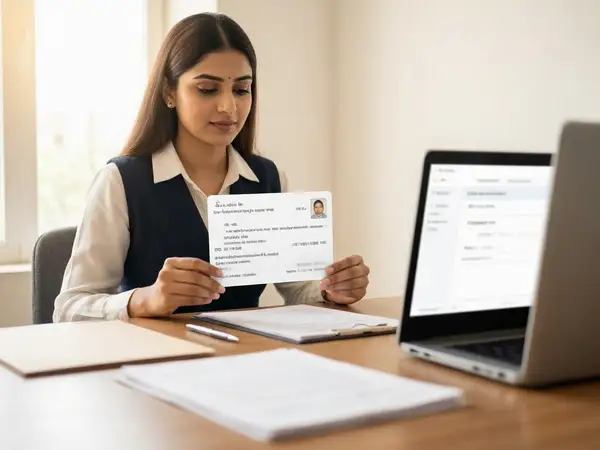
As we approach 2026, understanding the implications of having only the year recorded on Aadhaar is essential for individuals applying for government jobs, scholarships, and other services that require age verification. This article delves into the concept of Aadhaar DOB approximation, why it happens, what it means if only the year is recorded, and how it might affect your future applications and verifications.
What is Aadhaar DOB Approximation?
Aadhaar DOB approximation occurs when the exact date and month of birth are unknown or unverifiable during Aadhaar enrollment, and only the year of birth is entered into the system. UIDAI then uses a standard method to approximate the missing date and month details, typically assigning January 1st as the default date for the recorded year. This practice helps maintain consistency in the database and allows individuals without precise birth details to still obtain an Aadhaar card.
The approximation process is particularly common among individuals from rural areas or older generations where birth records may not have been maintained accurately. It ensures that everyone can access the benefits of Aadhaar, even if exact birth details are missing.
Why Does UIDAI Record Only the Year of Birth?
There are several reasons why only the year of birth might be recorded during Aadhaar enrollment:
- Lack of Official Birth Records: Many individuals, especially in remote or underdeveloped regions, may not have formal birth certificates or hospital records.
- Uncertainty of Exact Date: Some people may genuinely not remember the exact date or month of their birth.
- Data Entry Practices: During mass enrollments or legacy data digitization, sometimes only the year is captured due to incomplete information.
- Legal Acceptance: UIDAI allows DOB approximation to avoid excluding people from Aadhaar enrollment due to missing information.
While this approach increases Aadhaar coverage, it raises questions about the implications of having an approximate DOB, especially when only the year is recorded.
How Does UIDAI Approximate the Date of Birth?
When only the year of birth is available, UIDAI follows a standard method to approximate the missing day and month. The most common practice is to assign January 1st of the recorded year as the DOB. For example, if the year of birth is 1980 but the day and month are unknown, the DOB on Aadhaar will be recorded as 01/01/1980.
This approximation is clearly indicated in the Aadhaar data to differentiate it from exact DOB entries. The UIDAI database flags such records as “DOB Approximate” to inform users and verifiers that the date is an estimate.
What Happens if Only the Year is Recorded on Aadhaar?
Having only the year recorded on your Aadhaar card can have several consequences, especially in contexts where precise age verification is necessary:
- Government Job Applications: Many government job notifications require exact age proof. An approximate DOB might lead to rejection if the authorities insist on precise birth dates.
- Age-Based Eligibility: Schemes, scholarships, and benefits that have strict age criteria may not accept approximate DOBs, potentially affecting your eligibility.
- Verification Delays: During background checks or identity verification, approximate DOBs may cause additional scrutiny or require supplementary documents.
- Difficulty in Updating Records: Correcting or updating your DOB on Aadhaar can be challenging if you do not have valid supporting documents.
Despite these challenges, approximate DOBs do not invalidate your Aadhaar card. They simply signal that the date is estimated and might require additional proof in certain situations.
Implications for Government Jobs in 2026 and Beyond
As India’s government recruitment processes become more digitized and stringent, the accuracy of personal data like DOB is increasingly critical. Here’s how having only the year recorded on Aadhaar might impact your government job prospects in 2026:
- Age Limit Verifications: Most government job notifications specify age limits that candidates must meet as of a certain date. Approximate DOBs may lead to ambiguity in establishing your exact age, possibly resulting in disqualification or request for additional documents.
- Document Consistency: Recruiters often cross-verify age details across multiple documents such as birth certificates, school leaving certificates, and Aadhaar. Discrepancies caused by approximate DOBs can complicate this process.
- Reservation and Relaxation Benefits: Certain age relaxations are granted to reserved categories or special groups. Precise DOB details are necessary to claim these benefits without issues.
- Background Checks: Employers may conduct thorough background checks where DOB accuracy is scrutinized. Approximate dates may trigger red flags or require explanations.
Therefore, candidates with approximate DOBs on their Aadhaar should proactively gather and maintain alternate valid documents proving their exact birth date.
How to Update or Correct DOB on Aadhaar?
If you have only the year recorded on your Aadhaar and possess valid proof of your exact date of birth, you can update your Aadhaar details. UIDAI allows corrections and updates to personal information through the following steps:
- Online Update: Visit the official UIDAI website and use the “Update Aadhaar” service to submit a request for DOB correction. You must upload scanned copies of valid DOB proof documents.
- Visit an Aadhaar Enrolment Centre: Alternatively, you can visit the nearest Aadhaar Enrolment or Update Centre with original documents for verification and update.
- Valid Documents for DOB Update: Documents accepted for DOB updates include birth certificates, passport, PAN card, matriculation certificates, or any government-issued document with the correct DOB.
- Processing Time: Updates usually take a few days to weeks, after which you can download the corrected Aadhaar card online.
Ensuring your Aadhaar has the correct DOB can prevent complications in future government job applications and other age-dependent services.
Tips for Individuals with Approximate DOB on Aadhaar
If your Aadhaar card currently shows only the year of birth or an approximate DOB, here are some practical tips to manage the situation effectively:
- Collect Alternate Age Proof: Keep other valid documents handy that show your exact date of birth, such as school certificates, birth certificates, or passport.
- Update Aadhaar When Possible: If you have valid proof, update your Aadhaar DOB to avoid future issues.
- Inform Recruiters Early: When applying for government jobs, mention the approximate DOB status upfront if required, and provide alternate proof.
- Be Prepared for Additional Verification: Understand that you may be asked for supplementary documents during verification processes.
- Regularly Check Aadhaar Details: Periodically verify your Aadhaar data on the UIDAI portal to ensure accuracy and detect any discrepancies early.
Future Outlook: Aadhaar DOB Approximation and Digital Identity
As India moves toward a more integrated digital identity ecosystem, the accuracy and reliability of personal data on Aadhaar will become even more important. UIDAI continues to improve data quality and verification processes to minimize approximate DOB entries.
In the future, biometric authentication combined with verified digital documents may reduce the need for DOB approximation. However, until then, individuals should be aware of the implications of approximate DOBs and take necessary steps to maintain accurate records.
For government job aspirants, keeping your Aadhaar details up to date and consistent with other identity documents is a crucial part of ensuring smooth application and verification processes.
Checks to complete before you apply
The Aadhaar DOB approximation, particularly when only the year of birth is recorded, is a practical solution by UIDAI to include individuals lacking precise birth data. However, this approximation can pose challenges in age verification for government jobs and other services, especially as we approach 2026 and beyond.
Understanding how UIDAI approximates DOB, the implications of having only the year recorded, and the options available for updating your Aadhaar details is essential for anyone relying on Aadhaar for identity verification. By proactively managing your documents and ensuring consistency across identity proofs, you can minimize potential hurdles in government job applications and other age-dependent benefits.
Stay informed, keep your documents updated, and prepare accordingly to navigate the Aadhaar DOB approximation landscape effectively.
Frequently Asked Questions
Q1: Can I apply for government jobs with an approximate DOB on my Aadhaar?
A1: Yes, you can apply, but some employers may require additional proof of your exact date of birth. It's advisable to have alternate valid documents ready to avoid disqualification.
Q2: How can I update my approximate DOB on Aadhaar?
A2: You can update your DOB online via the UIDAI portal or visit an Aadhaar Enrolment Centre with valid proof of your exact date of birth to request an update.
Q3: Why does UIDAI assign January 1st as the approximate date?
A3: January 1st is chosen as a standard default date to maintain uniformity and avoid ambiguity when only the year of birth is known.
Q4: Will having an approximate DOB affect my eligibility for age-based government schemes?
A4: It might, as many schemes require precise age verification. Having only an approximate DOB could lead to additional scrutiny or rejection unless you provide alternative valid documents.
Q5: Is DOB approximation common in Aadhaar cards?
A5: Yes, especially among older individuals or those without formal birth records. UIDAI allows DOB approximation to ensure everyone can obtain an Aadhaar card.
For more information on government job results and admit cards, visit /sarkari-result and /admit-card.
Related Resources
Related Government Job Resources
Continue with active job hubs and related government job pages on TrueJobs.
Tools for this recruitment topic
Use only the tools relevant to the dates, eligibility or documents discussed above.
TrueJobs Editorial Team
TrueJobs editorial desk
This article is prepared from the sources referenced in the guide and reviewed for clarity, links and dated information. Read our editorial and corrections policy.
Continue This Topic
Follow the closest earlier and newer coverage so older archive posts keep real contextual crawl paths.
Aadhaar Address Old but Valid ID New 2026: Which One Matters for Exam Entry?
Understand whether your old Aadhaar address or new Aadhaar ID matters more for exam entry in 2026. Get tips on updating and verification for government exams.
Aadhaar Name Expansion Problem 2026: Matching Initials, Full Names & Exam Forms
Facing Aadhaar name expansion issues in 2026 government exams? Learn how to match initials and full names accurately on exam forms to avoid verification problems.
Read Next

Aadhaar Address Old but Valid ID New 2026: Which One Matters for Exam Entry?

Aadhaar Mobile Number Not Linked 2026: Impact on OTP and Exam Registration

10th Marksheet Name vs Graduation Degree Name 2026: Which Record Exam Bodies Trust Most

Aadhaar Name Expansion Problem 2026: Matching Initials, Full Names & Exam Forms
Explore Topics
Perfect Your Resume
Use our AI-powered Resume Builder to create ATS-optimized resumes.
AI Resume Builder