
Recruitment guide
Government Jobs Above 40 in 2026: Realistic Options — Explained
Think government jobs are out of reach after 40? This guide debunks myths and reveals realistic job opportunities, age relaxations, and strategies for experienced candidates in India for 2026.

The aspiration for a stable and respectable government job in India transcends age barriers. While popular perception often suggests that government job opportunities dwindle significantly after a certain age, particularly beyond 35 or 40, the reality is far more nuanced. Many experienced professionals, individuals seeking a career change, or those re-entering the workforce often wonder if their dream of a Sarkari Naukri is still achievable. This comprehensive guide from TrueJobs.co.in aims to cut through the noise, debunk common myths, and present a realistic picture of government job prospects for candidates above 40 in 2026 and beyond. We'll explore the various avenues, age relaxation policies, and strategic approaches that can turn this aspiration into a tangible reality.

The Age Factor in Government Jobs: Understanding the Reality
One of the first hurdles candidates above 40 often perceive is the strict age limit associated with government jobs. It's true that many entry-level positions, especially those advertised by bodies like the Staff Selection Commission (SSC) or for direct recruitment into services like the Civil Services Examination (CSE) conducted by UPSC, have upper age limits typically ranging from 27 to 32 years for general category candidates. However, this is only part of the story.
The Indian government, both at the central and state levels, recognizes the value of experience and aims for inclusive employment. To facilitate this, various provisions for age relaxation are in place. These relaxations are crucial for candidates above 40 and can significantly extend their eligibility window. Understanding these categories is the first step:
- Scheduled Castes (SC) / Scheduled Tribes (ST): Typically receive a 5-year age relaxation.
- Other Backward Classes (OBC) – Non-Creamy Layer: Generally receive a 3-year age relaxation.
- Persons with Benchmark Disabilities (PwBD): Often granted a 10-year age relaxation (further relaxation for SC/ST/OBC PwBD candidates).
- Ex-Servicemen: Significant age relaxation is provided, often deducting the period of military service from the actual age, plus an additional period (e.g., 3 years for general, 6 years for OBC, 8 years for SC/ST).
- Central Government Employees / Departmental Candidates: Employees already in government service may have higher age limits for certain internal recruitment or promotional exams.
- Widows, Divorced Women, and Judicially Separated Women: Age relaxation varies by post and department, often up to 35 or 40 years for general category, and higher for SC/ST/OBC.
- Domicile-based Relaxations: Some state government jobs offer additional age relaxation for candidates domiciled in that particular state.
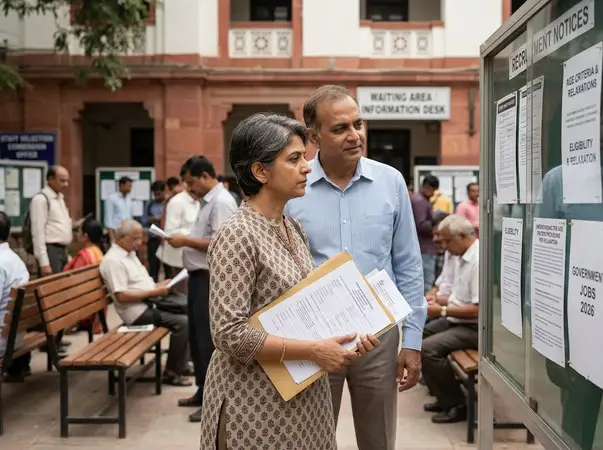
It's imperative to note that these age relaxations are not universally applied to every single post. Each recruitment notification specifies the exact age limits and applicable relaxations. Therefore, a diligent review of the official advertisement is paramount. For 2026, these general policies are expected to remain largely consistent, making it essential for candidates to identify the specific categories they fall under.
Beyond these standard relaxations, certain specialized roles and sectors inherently have higher age limits, acknowledging the need for mature, experienced professionals. These often include positions in academia, research, medical fields, and various Public Sector Undertakings (PSUs), which we will delve into further.
Debunking Common Myths About Age and Government Jobs
The journey towards a government job after 40 is often clouded by several pervasive myths. Dispelling these misconceptions is vital for maintaining a positive outlook and focusing on realistic strategies.
Myth 1: “There are no government jobs available after 30 or 35.”
Reality: This is perhaps the most widespread myth. While many entry-level positions have lower age caps, a significant number of government jobs, especially those requiring specific qualifications, professional experience, or advanced degrees, have higher age limits. As discussed, age relaxations also play a crucial role, extending eligibility well into the late 30s, 40s, and even 50s for certain categories. Many specialist roles, lateral entry positions, and opportunities in Public Sector Undertakings (PSUs) actively seek experienced candidates, making age an asset rather than a liability.
Myth 2: “Only entry-level positions are available for older candidates.”
Reality: Quite the contrary. Many government departments and PSUs recruit directly for senior, managerial, or specialist positions through lateral entry schemes or specific recruitment drives. These roles often require substantial prior work experience, which older candidates naturally possess. For instance, positions in research, engineering, management, finance, and medicine frequently look for candidates with proven track records, where age is indicative of valuable experience and maturity.
Myth 3: “It’s too late to start preparing for competitive exams after 40.”
Reality: While younger candidates might have more recent academic exposure, candidates above 40 bring a wealth of life experience, discipline, and a clear understanding of their goals. Effective time management, smart study techniques, and leveraging one's existing knowledge base can compensate for the time gap. Many success stories of individuals clearing competitive exams in their late 30s and 40s attest to the fact that determination and a structured approach outweigh age in preparation.
Myth 4: “The competition is too high; it’s impossible to crack.”
Reality: Competition for government jobs is undoubtedly high across all age groups. However, for specialized roles or positions requiring experience, the applicant pool might be smaller and more focused. Furthermore, older candidates often possess superior communication skills, interview etiquette, and a more stable temperament, which can be significant advantages in the later stages of recruitment processes like interviews and group discussions. Focusing on niche areas where experience is valued can reduce the perceived "impossible" competition.
Myth 5: “Government jobs are only for those with a specific academic background.”
Reality: While many roles require specific degrees (e.g., engineering, medical, law), the government sector is vast and diverse. There are opportunities for individuals from arts, commerce, science, and vocational backgrounds. The key is to identify roles that align with one's qualifications and experience, rather than assuming a narrow scope. Continuous learning and upskilling can also open new doors.
Exploring Realistic Avenues: Government Job Categories for Over 40s
For candidates above 40, the strategic approach involves looking beyond the most commonly advertised entry-level positions and focusing on sectors and roles that value experience, offer higher age limits, or provide specific relaxations. Here are some realistic avenues:
1. Public Sector Undertakings (PSUs)
Many PSUs across various sectors (Energy, Banking, Manufacturing, Infrastructure, etc.) regularly recruit experienced professionals for executive, managerial, and specialist positions. These roles often have higher age limits, sometimes up to 45 or even 50 years, depending on the post and the PSU. They value candidates who can bring immediate value through their prior industry experience. Examples include ONGC, NTPC, SBI, LIC, BHEL, GAIL, etc. Keep an eye on their career sections on their official websites and TrueJobs.co.in for specific notifications.
2. State Public Service Commissions (State PSCs)
State governments often have more flexible age criteria or more generous age relaxations for their residents. Positions advertised by State PSCs (e.g., UPPSC, MPSC, RPSC, TNPSC, KPSC) for various administrative, technical, and teaching roles can be a viable option. While some entry-level state services might have lower age limits, many specialized posts, especially in education, health, and engineering departments, accommodate older candidates. The age limits can vary significantly from state to state, so research into specific state policies is essential.
3. Specialist and Technical Roles in Central Government
The Union Public Service Commission (UPSC), while known for the Civil Services Exam, also conducts recruitment for numerous specialist posts in various ministries and departments. These include positions for scientists, engineers, doctors, statisticians, economists, legal officers, and researchers. Such roles often demand specific qualifications and significant professional experience, leading to higher age limits (e.g., 35, 40, 45, or even 50 for certain research positions), making them ideal for experienced candidates. Similarly, organizations like DRDO, ISRO, ICAR, and various central universities recruit for scientific and academic positions with higher age ceilings.
4. Teaching and Academic Positions
The education sector, both at the school and university level (central and state government schools/colleges/universities), is a strong contender for candidates above 40, especially if they possess relevant teaching experience or advanced degrees. Positions like Assistant Professor, Associate Professor, Professor, PGTs (Post Graduate Teachers), TGTs (Trained Graduate Teachers), and various administrative roles in educational institutions often have higher age limits, sometimes up to 50 or 55 years, particularly for experienced educators. NET/SET qualification is often a prerequisite for higher education roles.
5. Contractual and Project-Based Roles
While not permanent government jobs, contractual or project-based roles offer a foot in the door and can provide valuable experience within the government ecosystem. Many ministries, departments, and government-funded projects hire consultants, project managers, technical experts, and advisors on a contractual basis. These roles often have less stringent age criteria and prioritize specific expertise. They can offer competitive remuneration and sometimes lead to more permanent opportunities or valuable networking.
6. Lateral Entry Schemes
In recent years, the government has increasingly focused on lateral entry for experienced professionals from the private sector or academia into senior positions in various ministries and departments. These schemes aim to bring specialized skills and fresh perspectives. While highly competitive, they are specifically designed for individuals with significant professional experience and thus naturally cater to older candidates. Keep an eye on announcements from UPSC and specific ministries for such opportunities.
Leveraging Experience: How Your Professional Background is an Asset
For candidates above 40, your professional experience isn't just a chronological marker; it's a powerful asset that can differentiate you from younger applicants. Government recruiters are increasingly recognizing the value of seasoned professionals who bring a wealth of practical knowledge, leadership capabilities, and a mature approach to problem-solving. Here’s how to leverage your experience:
1. Highlight Transferable Skills
Even if your previous roles weren't directly in government, you've likely developed a range of highly transferable skills. These include:
- Leadership & Team Management: Experience in leading teams, managing projects, and mentoring junior colleagues is invaluable.
- Problem-Solving & Critical Thinking: Years of navigating complex situations and finding solutions.
- Communication & Interpersonal Skills: Effective interaction with diverse stakeholders, negotiation, and presentation abilities.
- Project Management: Planning, executing, and closing projects within deadlines and budgets.
- Financial Acumen: Budgeting, financial planning, and resource allocation.
- Adaptability & Resilience: The ability to adjust to new environments and overcome challenges.
Tailor your resume and interview responses to showcase how these skills are directly applicable and beneficial to the government role you're applying for.
2. Emphasize Domain Expertise
If you're applying for a specialist or technical role, your deep domain knowledge is a major advantage. Whether you're an engineer, a financial analyst, an IT professional, a doctor, or an educator, your years of practical application make you an expert. Clearly articulate your specialized knowledge and how it can contribute to the specific department's objectives. For example, an experienced IT professional might highlight their cybersecurity expertise for a government digital infrastructure role.
3. Showcase Achievements, Not Just Duties
When crafting your resume and during interviews, move beyond merely listing your job responsibilities. Instead, focus on quantifiable achievements. Did you streamline a process? Reduce costs? Increase efficiency? Successfully implement a new system? Lead a critical project to completion? Use data and specific examples to illustrate the impact you've had in your previous roles. This demonstrates initiative, results-orientation, and value addition.
4. Demonstrate Stability and Maturity
Older candidates are often perceived as more stable, reliable, and mature. This can be a significant advantage in government roles, which often require a long-term commitment and a steady hand. Emphasize your commitment to professional ethics, your ability to handle pressure, and your stable career trajectory. Your experience suggests you're less likely to job-hop and more likely to be invested in the organization's mission.
5. Network and Seek Mentorship
Leverage your professional network. You might know individuals already working in government or related sectors who can provide insights, guidance, or even inform you about suitable openings. Mentorship from someone who has successfully transitioned into government service after a certain age can be invaluable. Attend webinars, seminars, and industry events to expand your network and stay informed about opportunities.
Strategies for Success: Preparing for Government Jobs After 40
Embarking on the journey of securing a government job after 40 requires a well-thought-out strategy, discipline, and a resilient mindset. Here are key strategies to enhance your chances of success:
1. Self-Assessment and Realistic Goal Setting
Before diving in, conduct a thorough self-assessment. What are your core strengths, qualifications, and areas of expertise? What kind of government roles align best with your background and interests? Be realistic about the time and effort required. Don't chase every available job; instead, focus on a few specific types of positions where your experience and age relaxation criteria give you a genuine advantage. Research specific departments or PSUs that frequently hire experienced professionals.
2. Targeted Preparation and Study Plan
Unlike younger candidates who might have the luxury of time for broad preparation, candidates above 40 often have family and work commitments. This necessitates a targeted and efficient study plan:
- Identify Core Syllabus: For competitive exams, focus on the syllabus relevant to your chosen posts. Don't waste time on irrelevant topics.
- Leverage Existing Knowledge: Your professional experience might mean you already have a strong grasp of certain subjects (e.g., economics, management, technical fields). Focus on strengthening weaker areas.
- Time Management: Dedicate specific, consistent hours for study. Even 2-3 hours of focused study daily can yield significant results over time. Utilize weekends effectively.
- Smart Study Techniques: Use online resources, mock tests, previous year papers, and concise study materials. Avoid rote learning; focus on understanding concepts.
- Seek Professional Guidance: Consider joining online coaching or test series specifically designed for government exams. This can provide structure and accountability.
3. Enhance Digital Literacy and Computer Skills
Modern government jobs increasingly demand proficiency in digital tools and computer applications. Ensure you are comfortable with common software (MS Office Suite), internet usage, data entry, and potentially specialized software relevant to your field. Many exams now include a computer proficiency test, and roles often involve digital workflows. Continuous upskilling in this area is crucial for 2026 and beyond.
4. Focus on Health and Well-being
The preparation phase can be demanding. Maintaining good physical and mental health is paramount. Ensure adequate sleep, a balanced diet, and regular exercise. Stress management techniques like meditation or hobbies can help you stay focused and resilient. A healthy body and mind are essential for sustained effort and optimal performance in exams and interviews.
5. Master Interview Skills
For many roles, especially those requiring experience, the interview stage is critical. Your maturity and experience should shine through. Practice articulating your thoughts clearly, confidently, and concisely. Be prepared to discuss your career trajectory, achievements, challenges, and how your experience aligns with the government's objectives. Mock interviews can be highly beneficial. Emphasize your stability, leadership potential, and problem-solving abilities.
6. Persistence and Positive Mindset
The journey might involve setbacks, rejections, or longer preparation times. Persistence is key. Maintain a positive attitude, learn from every experience, and don't get disheartened by initial failures. Connect with support groups or mentors who can offer encouragement and practical advice. Your life experience has likely taught you resilience, which is a significant advantage here.
Key Government Bodies and Their Age Relaxation Policies (General Overview)
Understanding the general framework of age relaxation across major recruiting bodies is vital. While specific notifications must always be consulted, this overview provides a starting point:
1. Union Public Service Commission (UPSC)
UPSC conducts examinations for various prestigious central government services. While the Civil Services Exam (CSE) has a general upper age limit of 32 years for the General category (as of 2024), significant relaxations apply:
- SC/ST: Up to 5 years (i.e., 37 years for CSE).
- OBC: Up to 3 years (i.e., 35 years for CSE).
- PwBD: Up to 10 years (i.e., 42 years for CSE).
- Ex-Servicemen: As per government rules.
- Specialist Posts: For various recruitment tests (e.g., Doctors, Engineers, Scientists), age limits can range from 35 to 50 years, with additional relaxations for reserved categories. Always check the specific job advertisement.
2. Staff Selection Commission (SSC)
SSC recruits for various Group 'B' and 'C' posts in central government departments. The age limits vary widely by post, but many are in the 18-27 or 18-30 year range for general candidates. However, relaxations are available:
- SC/ST: 5 years.
- OBC: 3 years.
- PwBD: 10 years (13 years for OBC, 15 years for SC/ST).
- Ex-Servicemen: As per rules.
- Departmental Candidates: Central government civilian employees often get significant age relaxation, sometimes up to 40 or 45 years for specific posts, depending on their length of service.
While many SSC posts might be challenging for candidates above 40, specific departmental promotions or posts with higher inherent age limits (e.g., some technical or supervisory roles) could be viable with relaxations.
3. Public Sector Undertakings (PSUs)
PSUs have diverse recruitment policies. For entry-level management trainees, age limits might be similar to UPSC/SSC. However, for direct recruitment of experienced professionals, age limits are significantly higher:
- Many PSUs recruit for posts like Managers, Senior Managers, Engineers, Officers, and Specialists with upper age limits ranging from 35 to 45 years for general candidates.
- Age relaxations for SC/ST/OBC/PwBD/Ex-Servicemen are generally applicable as per government norms, pushing the eligibility age further up, sometimes into the late 40s or early 50s.
PSU recruitment notifications are crucial sources of information for older candidates.
4. State Public Service Commissions (State PSCs)
Age limits and relaxations vary drastically across states. Some states are more generous with general age limits or domicile-based relaxations. For example, some states may have a general upper age limit of 40-42 years for certain posts, even for the general category, with additional relaxations for reserved categories. Candidates should specifically check the PSC websites of their preferred states /sarkari-result.
5. Other Government Bodies
Various other government organizations, autonomous bodies, and research institutions (e.g., RBI, NABARD, ESIC, EPFO, various Ministries' direct recruitment, National Institutes) also conduct recruitment. Their age policies are specific to the organization and post but generally follow the central government's relaxation norms. Many of these bodies actively seek experienced professionals for specialized roles.
Crucial Reminder: Always refer to the official recruitment notification for the exact age limits and relaxation criteria for any specific job you are interested in. Policies can change, and interpretations vary slightly between departments.
Looking Ahead to 2026: Trends and Opportunities
As we look towards 2026, the landscape of government jobs is continually evolving, influenced by technological advancements, economic shifts, and changing administrative priorities. For candidates above 40, understanding these trends can help in strategic planning:
1. Increased Demand for Digital and Tech Skills
The government's push towards digitalization (Digital India, e-governance) means a growing demand for professionals in IT, cybersecurity, data analytics, artificial intelligence, and cloud computing. Candidates with experience in these areas, regardless of age, will find numerous opportunities. Upskilling in relevant technologies is a smart move.
2. Focus on Specialized Expertise
There's a rising emphasis on specialized knowledge over generalist profiles. Ministries and departments are looking for experts in specific fields like environmental science, public policy, urban planning, healthcare management, financial technology, and international relations. If you have deep expertise in a niche area, government bodies will increasingly value your contribution.
3. Project-Based and Contractual Roles
The trend of hiring professionals on a project or contractual basis is likely to continue, offering flexibility for both the government and the candidates. These roles often have less rigid age criteria and are excellent for leveraging specific skills for a defined period. They can also serve as pathways to more permanent positions or offer a fulfilling way to contribute without the long-term commitment of a permanent role.
4. Emphasis on Skill-Based Recruitment
Beyond traditional degrees, there's a growing recognition of practical skills and certifications. Government initiatives like Skill India are fostering a culture of skill development. Candidates above 40 can benefit by acquiring new certifications or demonstrating proficiency in high-demand skills, making them more competitive. This could include project management certifications, data science courses, or language proficiency.
5. Health and Social Sector Growth
With increasing population and evolving social challenges, sectors like healthcare, education, social welfare, and rural development are expected to see continued growth in government employment. Professionals with experience in these areas, including doctors, nurses, public health specialists, educators, and social workers, will find sustained demand, often with age limits that accommodate experienced individuals.
Staying updated with government policies, economic surveys, and technological advancements will provide insights into emerging job trends. TrueJobs.co.in will continue to provide timely updates on these developments.
Checks to complete before you apply
The journey to securing a government job after 40 in India is certainly challenging, but it is far from impossible. By understanding the nuances of age limits and relaxations, debunking common myths, and strategically targeting suitable job categories, experienced professionals can significantly enhance their prospects. Your years of professional and life experience are not a hindrance but a valuable asset that can set you apart in a competitive landscape.
\Related Resources
- Latest Sarkari Naukri Updates
- PSU Recruitment Guide
- Age Relaxation Rules Explained
- UPSC Exam Portal
Frequently Asked Questions (FAQs)
Are there government jobs available for candidates above 40 in India?
Yes, absolutely. While entry-level positions often have lower age limits, many government roles, especially specialist, technical, and PSU positions, offer opportunities for candidates above 40, often with age relaxations.
What are the age relaxation policies for government jobs in India?
The Indian government provides age relaxations for various categories. SC/ST candidates typically receive 5 years, OBC (Non-Creamy Layer) 3 years, and Persons with Benchmark Disabilities (PwBD) often get 10 years or more, extending eligibility significantly.
Which government sectors offer opportunities for experienced professionals over 40?
Public Sector Undertakings (PSUs), State Public Service Commissions, specialist roles in Central Government, teaching positions, and contractual/project-based roles are key avenues for experienced candidates.
Is it too late to start preparing for competitive exams after 40?
No, it's never too late. With targeted preparation, leveraging existing knowledge, and focusing on roles that value experience, candidates over 40 can successfully crack competitive exams.
How can professional experience be an asset for government jobs after 40?
Your experience brings valuable transferable skills, domain expertise, maturity, and a proven track record. Highlight these assets in your applications and interviews to stand out.
Reader questions: Government Jobs
Are there government jobs available for candidates above 40 in India?
Yes, absolutely. While entry-level positions often have lower age limits, many government roles, especially specialist, technical, and PSU positions, offer opportunities for candidates above 40, often with age relaxations.
What are the age relaxation policies for government jobs in India?
The Indian government provides age relaxations for various categories. SC/ST candidates typically receive 5 years, OBC (Non-Creamy Layer) 3 years, and Persons with Benchmark Disabilities (PwBD) often get 10 years or more, extending eligibility significantly.
Which government sectors offer opportunities for experienced professionals over 40?
Public Sector Undertakings (PSUs), State Public Service Commissions, specialist roles in Central Government, teaching positions, and contractual/project-based roles are key avenues for experienced candidates.
Is it too late to start preparing for competitive exams after 40?
No, it's never too late. With targeted preparation, leveraging existing knowledge, and focusing on roles that value experience, candidates over 40 can successfully crack competitive exams.
How can professional experience be an asset for government jobs after 40?
Your experience brings valuable transferable skills, domain expertise, maturity, and a proven track record. Highlight these assets in your applications and interviews to stand out.
Related Government Job Resources
Continue with active job hubs and related government job pages on TrueJobs.
Tools for this recruitment topic
Use only the tools relevant to the dates, eligibility or documents discussed above.
TrueJobs Editorial Team
TrueJobs editorial desk
This article is prepared from the sources referenced in the guide and reviewed for clarity, links and dated information. Read our editorial and corrections policy.
Continue This Topic
Follow the closest earlier and newer coverage so older archive posts keep real contextual crawl paths.
Direct Recruitment vs. Promotion Quota in Govt Jobs: A Guide for Aspirants
New to Sarkari Naukri? Understand the two main pathways into government service: Direct Recruitment and Promotion Quota. This guide clarifies the differences, processes, and strategies to help you plan your career in the Indian public sector.
Government Jobs for Candidates Above 35 in 2026: Your Comprehensive Guide
Dispelling the myth that government jobs are only for the young, this guide details opportunities for candidates over 35 in 2026. Learn about age relaxation, required qualifications, and strategies to land a stable government career in India.
Read Next

Direct Recruitment vs. Promotion Quota in Govt Jobs: A Guide for Aspirants

Government Jobs for Candidates Above 35 in 2026: Your Comprehensive Guide

Government Jobs in Indian Courts: Your Guide to Judiciary Careers

Govt Jobs: Medical Fitness, No Physical Test (2026 Outlook)
Explore Topics
Perfect Your Resume
Use our AI-powered Resume Builder to create ATS-optimized resumes.
AI Resume Builder