
Recruitment guide
Aadhaar in Govt Exams 2026: What It Verifies & When It — Explained
Explore how Aadhaar authentication verifies identity in government exams 2026, ensuring fairness and security while highlighting its benefits and challenges.

With the increasing digitization of government services, Aadhaar authentication has become a crucial component in conducting government exams across India. As we move into 2026, the role of Aadhaar verification in government recruitment processes is expected to deepen, ensuring transparency, fairness, and security. This article explores what Aadhaar authentication verifies during government exams, how it benefits candidates and authorities, and the scenarios where it plays a pivotal role.
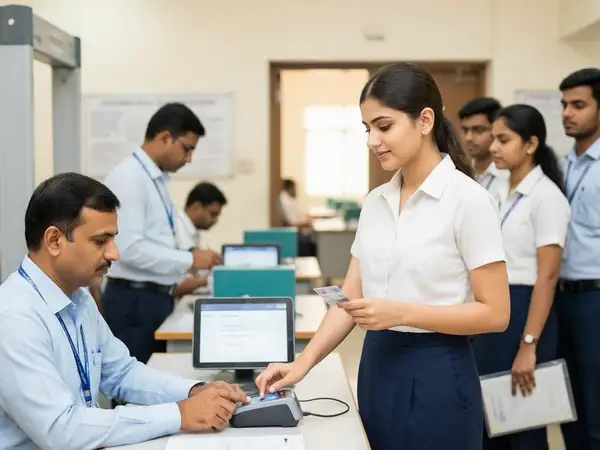
Understanding Aadhaar Authentication in Government Exams
Aadhaar authentication refers to the process of verifying an individual's identity using their Aadhaar number and biometric or demographic data. The Unique Identification Authority of India (UIDAI) manages Aadhaar, a 12-digit unique identification number issued to Indian residents based on their biometric and demographic information.
For government exams, Aadhaar authentication is increasingly being used to confirm the candidate’s identity, prevent impersonation, and eliminate duplicate or fraudulent applications. This authentication can be biometric (fingerprint or iris scan) or demographic (name, date of birth, address, etc.).
What Aadhaar Authentication Verifies in Government Exams
During government exam processes, Aadhaar authentication primarily verifies the following:
- Identity Confirmation: Ensures that the candidate appearing for the exam is the same individual who applied.
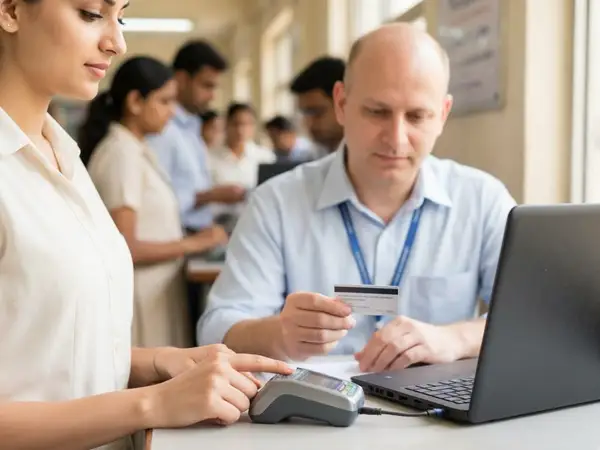
- Biometric Verification: Uses fingerprint or iris scans to match the candidate’s biometric data with the Aadhaar database.
- Demographic Details: Confirms basic details such as name, date of birth, gender, and address.
- Uniqueness: Detects duplicate registrations or attempts to appear multiple times using different identities.
- Age Verification: Confirms the candidate’s age as per the Aadhaar record, which is crucial for age-restricted exams.
By verifying these elements, Aadhaar authentication helps maintain the integrity of the recruitment process.
When Aadhaar Authentication is Used in Government Exams
Aadhaar authentication is integrated at various stages of government exams to enhance security and streamline candidate verification:
- Application Submission: Candidates may be required to link their Aadhaar number while filling out the application form. This helps in pre-verification of identity.
- Admit Card Issuance: Aadhaar details can be cross-checked before issuing admit cards to ensure only eligible candidates receive them.
- Exam Day Verification: Biometric verification at exam centers prevents impersonation and fraudulent attendance.
- Result Declaration: Aadhaar authentication helps in validating the candidate’s identity before releasing results.
- Document Verification: During the final selection process, Aadhaar may be used to verify the authenticity of candidates’ documents and identity.
Benefits of Aadhaar Authentication in Government Exams
The adoption of Aadhaar authentication in government exams brings several advantages for both authorities and candidates:
- Enhanced Security and Fraud Prevention: Biometric verification reduces impersonation and multiple registrations, ensuring fair competition.
- Streamlined Verification Process: Automated Aadhaar verification speeds up identity checks, reducing manual errors and delays.
- Transparency: Aadhaar authentication ensures that only genuine candidates participate, increasing trust in the recruitment process.
- Cost Efficiency: Reduces the need for physical verification and paperwork, saving time and resources.
- Convenience for Candidates: Linking Aadhaar simplifies the application process and reduces the need to submit multiple identity proofs.
- Prevention of Duplicate Applications: Aadhaar’s uniqueness helps prevent candidates from applying multiple times under different identities.
Challenges and Concerns Around Aadhaar Authentication in Exams
Despite its benefits, Aadhaar authentication also raises certain challenges and concerns:
- Privacy Issues: Candidates worry about the security of their biometric and personal data.
- Technical Glitches: Biometric devices may malfunction or fail to authenticate due to poor-quality fingerprints or network issues.
- Exclusion Risks: Candidates without Aadhaar or with mismatched details may face difficulties in appearing for exams.
- Legal Challenges: Some court rulings have questioned mandatory Aadhaar linking for services, although government exams generally comply with current regulations.
- Data Accuracy: Errors in Aadhaar demographic data can lead to mismatches, causing inconvenience to candidates.
Authorities are continuously working to address these issues by improving infrastructure, ensuring data security, and providing alternative verification methods where necessary.
How Candidates Can Prepare for Aadhaar Authentication in Exams
To ensure smooth Aadhaar authentication during government exams, candidates should take the following steps:
- Verify Aadhaar Details: Check that your name, date of birth, and other details in Aadhaar are accurate and updated.
- Link Aadhaar with Exam Application: Provide your Aadhaar number carefully while filling out the application form, if required.
- Carry Aadhaar Card or e-Aadhaar: Bring the physical Aadhaar card or a downloaded e-Aadhaar copy to the exam center.
- Biometric Readiness: Ensure your fingerprints are clear and not damaged; if you face issues, update biometric data at Aadhaar centers.
- Stay Informed: Follow official exam notifications regarding Aadhaar requirements and authentication procedures.
- Alternative IDs: Keep backup identity proofs ready in case Aadhaar authentication fails unexpectedly.
Legal Framework and Government Guidelines on Aadhaar in Exams
The use of Aadhaar in government exams is governed by guidelines issued by the Ministry of Electronics and Information Technology (MeitY) and the Unique Identification Authority of India (UIDAI). The Supreme Court of India has also laid down rulings on the mandatory use of Aadhaar, emphasizing privacy safeguards and limited scope.
Government exam bodies usually follow these principles:
- Aadhaar authentication is used only to verify identity and prevent fraud.
- Data collected is used strictly for exam-related purposes and protected under data privacy laws.
- Candidates have the right to alternative verification methods if Aadhaar authentication is not feasible.
- Strict protocols are in place to prevent misuse of biometric data.
Exam authorities publish detailed instructions on Aadhaar use in their official notifications, ensuring candidates are well-informed.
Future Trends: Aadhaar and Government Exams Beyond 2026
Looking ahead, Aadhaar authentication is expected to become more integrated with government exam processes through technological advancements such as:
- Mobile-Based Biometric Authentication: Remote biometric verification via smartphones to facilitate online exams.
- AI and Machine Learning: Enhanced fraud detection algorithms linked with Aadhaar data.
- Blockchain Integration: Secure and tamper-proof storage of exam credentials linked with Aadhaar IDs.
- Digital Locker Integration: Seamless retrieval of verified documents linked to Aadhaar during application and verification stages.
These innovations aim to make government exams more accessible, transparent, and secure.
Checks to complete before you apply
Aadhaar authentication plays a vital role in maintaining the integrity and efficiency of government exams in 2026 and beyond. By verifying identity through biometric and demographic data, it prevents fraud, streamlines verification, and enhances transparency. While challenges remain, ongoing improvements and legal safeguards ensure Aadhaar remains a reliable tool in the recruitment process.
Candidates preparing for government exams should stay informed about Aadhaar requirements, verify their details, and be ready for biometric authentication to avoid last-minute hassles. For more information on government exam notifications and admit cards, visit /sarkari-result and /admit-card.
Frequently Asked Questions
1. Is Aadhaar mandatory for all government exams in 2026?
While many government exams require Aadhaar authentication for identity verification, it is not mandatory for all exams. Candidates should refer to specific exam notifications for Aadhaar requirements.
2. What should I do if my Aadhaar details do not match my exam application?
You should update your Aadhaar details with UIDAI before the exam and notify the exam authority if discrepancies exist. Some exams also allow alternative identity verification methods.
3. Can I appear for a government exam without Aadhaar authentication?
In cases where Aadhaar authentication is mandatory, candidates without Aadhaar may face difficulties. However, some authorities provide alternative verification options; check the official exam guidelines.
4. How is my biometric data protected during Aadhaar authentication in exams?
Biometric data is encrypted and transmitted securely as per UIDAI protocols. Exam authorities are required to follow strict data privacy and protection measures.
5. What happens if biometric authentication fails at the exam center?
If biometric authentication fails, candidates may be allowed to verify their identity through alternative methods such as OTP-based verification or manual ID checks, depending on the exam authority’s policy.
Related Resources
Related Government Job Resources
Continue with active job hubs and related government job pages on TrueJobs.
Tools for this recruitment topic
Use only the tools relevant to the dates, eligibility or documents discussed above.
TrueJobs Editorial Team
TrueJobs editorial desk
This article is prepared from the sources referenced in the guide and reviewed for clarity, links and dated information. Read our editorial and corrections policy.
Continue This Topic
Follow the closest earlier and newer coverage so older archive posts keep real contextual crawl paths.
Aadhaar Locked Biometrics 2026: How Candidates Should Unlock Before Exam Day
Understand Aadhaar locked biometrics and learn the step-by-step process to unlock them before your government exam in 2026 for hassle-free identity verification.
Auto Logout During Application 2026: How to Avoid Losing Form Data
Facing auto logout during government job applications? Discover effective strategies to avoid losing your form data and submit your application smoothly in 2026.
Read Next

Aadhaar Locked Biometrics 2026: How Candidates Should Unlock Before Exam Day

Government Exam Crop Tool Mistakes 2026: Why Good Photos Still Get Rejected

Aadhaar Name Expansion Problem 2026: Matching Initials, Full Names & Exam Forms

Government Exam PDF Upload 2026: Scan Resolution, File Size and Readability Checklist
Explore Topics
Perfect Your Resume
Use our AI-powered Resume Builder to create ATS-optimized resumes.
AI Resume Builder