
Recruitment guide
Beard/Moustache Change 2026: Photo Verification Issues — Explained
Wondering if growing or shaving a beard affects government job photo verification in 2026? Discover how major look changes impact identity checks and what to do.
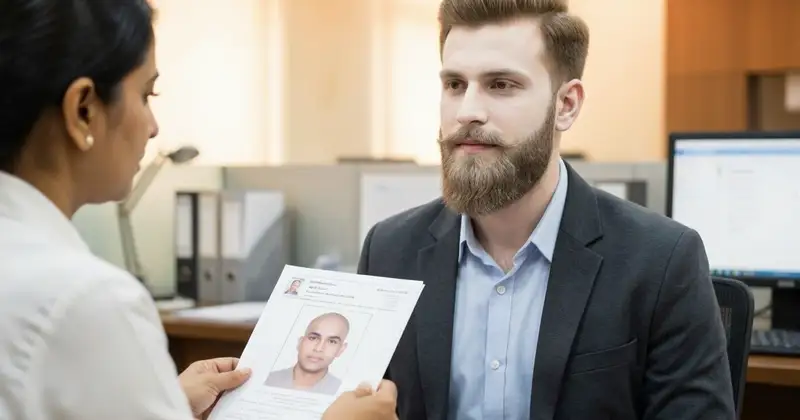
In the world of government job applications and official document verification, photographs play a critical role in identity confirmation. As we approach 2026, many candidates and employees are wondering whether significant changes in appearance—such as growing or shaving a beard or moustache—can cause issues during biometric or manual verification processes. This concern is especially relevant for applicants who must submit recent photographs with their applications or for those undergoing physical verification at various stages of recruitment.

Understanding the Importance of Photographs in Government Job Applications
Photographs serve as a primary means of visual identification in government job applications, admit cards, and official identity cards. They help recruitment boards, exam invigilators, and verification officers confirm that the person presenting the document is the same individual who applied or appeared for the exam.
In India, many government recruitment agencies require applicants to upload or submit passport-sized photographs that meet specific guidelines regarding size, background color, and clarity. These photos are then used throughout the recruitment process, from admit cards to final appointment letters.
Any significant change in appearance, such as hairstyle, facial hair, or accessories, can sometimes raise questions during identity verification. Hence, understanding how changes like growing or shaving a beard or moustache impact verification is crucial for candidates.
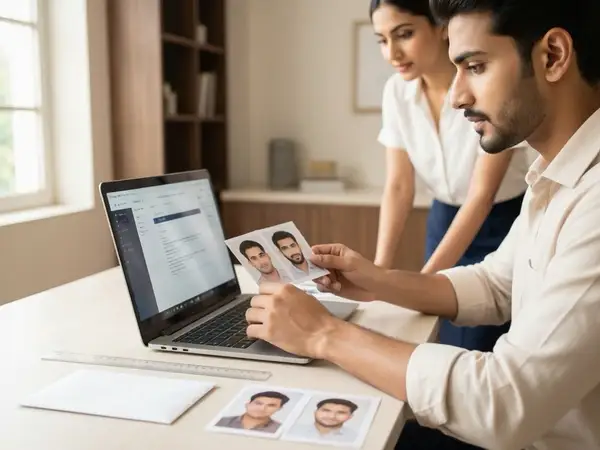
Common Facial Appearance Changes and Their Impact on Verification
Changes in facial appearance can be broadly categorized into minor and major changes. Minor changes include slight hairstyle variations, wearing glasses, or minor makeup differences, which usually do not affect verification. Major changes involve:
- Growing or shaving a beard or moustache
- Significant weight gain or loss
- Facial surgery or injuries
- Changing hairstyles drastically (e.g., going from long to shaved head)
Among these, changes related to facial hair such as beards and moustaches are the most common and often spark concerns during verification.
Can Growing or Shaving a Beard/Moustache Cause Verification Issues?
The short answer is: it depends. Verification officers primarily rely on facial features such as eyes, nose, mouth shape, and overall face structure. Facial hair can obscure some of these features, but biometric systems and human verifiers are trained to look beyond temporary changes.
Here are some factors to consider:
- Manual Verification: When verification is done manually by officials, they generally take into account minor appearance changes. However, if the photograph submitted during application shows a clean-shaven face but the candidate appears with a full beard during verification, officials may ask for additional proof of identity.
- Biometric Verification: Modern biometric systems use fingerprint or iris scans, which are unaffected by facial hair. However, if facial recognition technology is used, it might face challenges if the beard or moustache drastically changes the face’s contour.
- Document Consistency: If the photograph on the application or ID card is outdated and differs significantly from the candidate’s current look, it could lead to additional scrutiny or delays.
Ultimately, while growing or shaving facial hair alone is unlikely to cause outright rejection, it can lead to additional verification steps.
Government Guidelines on Photograph Updates and Appearance Changes
Many government recruitment bodies provide specific instructions regarding photographs and appearance changes. While these guidelines vary, some common points include:
- Recent Photographs: Candidates are usually required to submit photographs taken within the last 3 to 6 months to ensure the image reflects their current appearance.
- Clear Visibility: The face must be clearly visible with no shadows, accessories, or obstructions like hats or sunglasses.
- Consistency: Candidates should ensure that the photograph on the application matches the look they plan to maintain during verification.
- Updating Photographs: Some organizations allow candidates to update their photographs if there is a significant change in appearance before the final verification stage.
Checking the official notification or guidelines for each recruitment is essential to avoid any confusion.
How to Prepare for Verification if You Have Changed Your Facial Hair
If you have grown or shaved your beard or moustache after submitting your application photograph, here are some tips to ensure smooth verification:
- Carry Multiple ID Proofs: Carry government-issued photo IDs like Aadhaar Card, PAN Card, Passport, or Driving License, which can help verify your identity.
- Inform the Authorities: If possible, notify the recruitment board or exam authority about your appearance change, especially if it is drastic.
- Bring Supporting Documents: If you have any official documents with your updated photograph, carry them along.
- Be Prepared for Additional Checks: Verification officers may ask questions or require biometric verification, so be cooperative and patient.
- Update Your Photograph if Allowed: Some recruitment bodies provide a window to update photographs before the final stages. Utilize this option if available.
Role of Technology in Facial Recognition and Verification
With the advancement in technology, many government agencies are increasingly adopting biometric and facial recognition systems to streamline verification. Here’s how technology handles appearance changes:
- Fingerprint and Iris Scans: These biometric methods are not affected by changes in facial hair and provide accurate identification.
- Facial Recognition Software: Modern algorithms are designed to recognize faces despite changes like beards, moustaches, or glasses. They analyze multiple facial landmarks beyond hair.
- AI and Machine Learning: AI-driven systems improve over time by learning to identify individuals with varying looks, reducing false rejections.
However, technology is not foolproof, and manual verification often supplements automated methods to ensure accuracy.
Case Studies: Real-Life Scenarios of Appearance Changes Affecting Verification
Several candidates have reported issues or smooth experiences related to facial hair changes during government job verifications. Here are some examples:
- Case 1: An applicant who shaved his beard after submitting the application faced no issues as his facial features remained clear and biometric verification was used.
- Case 2: A candidate with a thick beard during verification, but a clean-shaven photo in the application, was asked to provide additional ID proof but was eventually cleared.
- Case 3: In rare cases, candidates were asked to retake photographs or update their application due to drastic appearance changes, especially when facial recognition software failed to match.
These cases highlight the importance of maintaining consistency but also show that verification processes can accommodate reasonable changes.
Best Practices for Candidates Regarding Photographs and Appearance
To avoid potential verification issues related to appearance changes, candidates should follow these best practices:
- Submit Recent and Clear Photographs: Always upload or submit photographs taken within the last 3-6 months.
- Maintain Consistency: Try to keep your appearance similar during application and verification stages.
- Understand the Guidelines: Carefully read the photograph and document requirements in the official notification.
- Update When Possible: If allowed, update your photograph if you have made significant changes in appearance.
- Carry Multiple IDs: Always have multiple government-issued identity proofs ready for verification.
- Be Transparent: Inform officials about any major appearance changes if asked.
Checks to complete before you apply
Major changes in appearance such as growing or shaving a beard or moustache can sometimes cause verification challenges during government job recruitment processes. However, these changes rarely lead to outright rejection if the candidate’s identity can be confirmed through other means like biometric verification or additional ID proofs.
Candidates should prioritize submitting recent and clear photographs, maintain consistency in appearance during verification, and be prepared to provide supporting documents if needed. With evolving technology and awareness among verification officers, the recruitment process is becoming more adaptable to reasonable changes in appearance.
For more information on government job application procedures and document verification, visit our resources on /admit-card and /sarkari-result.
Frequently Asked Questions
Q1: Can I change my beard or moustache style after submitting my application?
A1: Yes, you can change your facial hair style, but it is advisable to keep it similar to the photograph submitted to avoid verification issues. If the change is drastic, be ready to provide additional proof of identity.
Q2: Will biometric verification be affected by facial hair changes?
A2: No, biometric methods like fingerprint and iris scans are not impacted by facial hair changes. Facial recognition technology may face minor challenges but is generally designed to handle such variations.
Q3: What should I do if my appearance has changed significantly after application submission?
A3: Check if the recruitment board allows updating photographs before the final verification stage. If not, carry multiple valid ID proofs and inform the officials during verification.
Q4: Are there any official guidelines on photograph submission related to facial hair?
A4: Most government recruitment notifications require clear and recent photographs with visible facial features but do not specifically restrict facial hair. Candidates should follow the general photo guidelines provided.
Q5: Can I face rejection if my photo and current appearance differ significantly?
A5: While rejection is rare, significant differences can lead to additional scrutiny or requests for further identification. Maintaining consistency and preparedness helps avoid such issues.
Related Resources
Related Government Job Resources
Continue with active job hubs and related government job pages on TrueJobs.
Tools for this recruitment topic
Use only the tools relevant to the dates, eligibility or documents discussed above.
TrueJobs Editorial Team
TrueJobs editorial desk
This article is prepared from the sources referenced in the guide and reviewed for clarity, links and dated information. Read our editorial and corrections policy.
Continue This Topic
Follow the closest earlier and newer coverage so older archive posts keep real contextual crawl paths.
Photograph with Hijab, Turban or Religious Attire 2026: What Usually Gets Accepted
Learn what photographs with hijab, turban, or religious attire are accepted for government job applications in 2026. Follow guidelines for hassle-free submission.
Photograph with Spectacles 2026: Exams That Allow It and When It Causes Trouble
Learn about the rules for wearing spectacles in government exam photographs in 2026, which exams allow it, when it causes problems, and how to prepare the perfect photo.
Read Next

Photograph with Hijab, Turban or Religious Attire 2026: What Usually Gets Accepted

Photograph with Spectacles 2026: Exams That Allow It and When It Causes Trouble

Signature Too Small 2026: Why It Matters Later at Attendance Sheets

Minority Certificate in Govt Exams 2026: Where It Helps and Where It Does Not
Explore Topics
Perfect Your Resume
Use our AI-powered Resume Builder to create ATS-optimized resumes.
AI Resume Builder