
Career guide
LinkedIn Optimization for Indian Job Market - TrueJobs — Explained
Unlock Indian job opportunities with LinkedIn optimization. TrueJobs shows how to tailor profiles for India's unique market needs.

In India's fiercely competitive job market, a robust online professional presence is no longer optional—it's essential. While traditional resumes and cover letters remain important, your LinkedIn profile has become an indispensable asset, unlocking numerous opportunities. Whether you seek a government position or a dynamic private sector role, LinkedIn is more than a digital resume; it's your personal brand statement, professional network, and a direct link to recruiters. Merely having a profile isn't enough. To stand out and attract the right employers in India's diverse professional landscape, meticulous optimization is key. This comprehensive guide from TrueJobs.co.in will transform your LinkedIn profile into a powerful job-seeking tool, tailored for the unique nuances of the Indian job market.

Why LinkedIn Matters More Than Ever in the Indian Job Market
The era of job searching confined to newspaper classifieds and direct postal applications is largely behind us. LinkedIn has fundamentally reshaped how professionals connect, collaborate, and how companies identify and hire talent. For the Indian context, its significance is profoundly amplified due to several key factors:
- Recruiter Hotspot: Indian recruiters (private and public sectors) extensively use LinkedIn for sourcing. They apply advanced filters, keywords, and talent pools to identify suitable profiles. Many government organizations, Public Sector Undertakings (PSUs), and state departments maintain official pages, posting job notifications and actively seeking specialized talent not always found via traditional drives. For niche or senior government roles, a strong LinkedIn presence is a significant advantage. Recruiters often prioritize candidates with well-maintained profiles, as it demonstrates professionalism and digital literacy, qualities highly valued in today's workforce.
- Networking Powerhouse: LinkedIn is a vital platform for building and maintaining professional relationships. Connecting with industry leaders, colleagues, and alumni can open doors to unadvertised job opportunities, mentorship, and valuable insights into industry trends. In India, where personal connections often play a significant role, a strong professional network on LinkedIn can be invaluable. It allows you to tap into a hidden job market and gain referrals that can fast-track your application process.
- Professional Branding: Your LinkedIn profile is your digital identity, showcasing your skills, experiences, and achievements. A well-crafted profile can make a strong first impression, demonstrating your professionalism and expertise. It's your opportunity to tell your professional story beyond the confines of a traditional resume, highlighting your personality, values, and career aspirations. This is particularly important for roles requiring strong communication and leadership skills.
- Access to Job Listings: LinkedIn offers a vast repository of job listings, including those from government agencies, PSUs, and private companies. Customizing your job alerts can ensure you never miss an opportunity that matches your skills and interests. Many companies, especially startups and tech firms, exclusively post their openings on LinkedIn, making it a primary source for job seekers. You can also find specialized Sarkari Naukri listings that might not be widely advertised elsewhere.
- Industry Insights and Learning: Beyond job searching, LinkedIn serves as a hub for industry news, trends, and professional development. Following thought leaders, companies, and joining relevant groups can keep you updated on the latest developments in your field, which can be a talking point in interviews and demonstrate your proactive approach to learning.
Optimizing Your LinkedIn Profile
To maximize your visibility and appeal to Indian recruiters, follow these steps to optimize your LinkedIn profile:
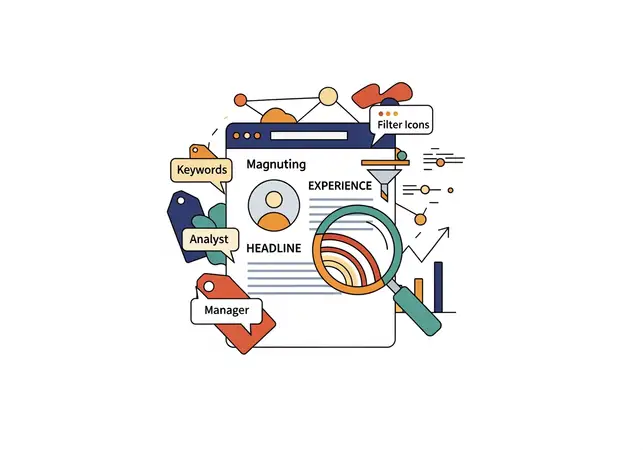
Craft a Compelling Headline
Your headline is the first thing recruiters see. Make it count by including your current job title, key skills, and any relevant certifications. For example, "Senior Software Engineer | Java Specialist | AWS Certified." For government job aspirants, consider headlines like "Aspiring Civil Servant | UPSC/SSC Exam Preparation | Public Administration Enthusiast" or "Experienced Project Manager | Infrastructure Development | PMP Certified." This immediately signals your career direction and expertise. Use keywords that recruiters in your target sector would search for.
Professional Profile Photo
A professional photo can significantly enhance your profile's credibility. Ensure your photo is well-lit, with a neutral background, and presents you in a professional manner. Avoid selfies, group photos, or overly casual pictures. A clear headshot with a friendly, approachable expression is ideal. This small detail can make a big difference in how your profile is perceived, conveying professionalism and attention to detail.
Write a Captivating Summary
Your summary should be a concise yet compelling narrative of your professional journey, skills, and aspirations. Highlight your unique selling points and what sets you apart from other candidates. Use keywords relevant to your industry to improve your search visibility. Think of it as your elevator pitch. Start with a strong opening statement about who you are and what you bring to the table. For instance, "Highly motivated and results-oriented professional with X years of experience in [Your Field], specializing in [Key Skill 1] and [Key Skill 2]. Passionate about contributing to [Your Goal/Industry] and seeking challenging roles that leverage my expertise in [Specific Area]." For government roles, emphasize public service, ethical conduct, and problem-solving skills.
Detail Your Experience
List all your relevant work experiences, including internships and volunteer work. For each role, describe your responsibilities, achievements, and the impact you made. Use bullet points to make the information easily scannable. Include quantifiable results where possible to demonstrate your effectiveness. Instead of just listing duties, focus on accomplishments. For example, instead of "Managed projects," write "Managed 5 key projects, reducing delivery time by 15% and saving INR X lakhs." For government roles, highlight experience in policy implementation, public engagement, or administrative tasks, even from internships or academic projects. Use action verbs like "led," "developed," "implemented," and "achieved."
Showcase Your Skills
List all your relevant skills, both technical and soft. LinkedIn allows you to take skill assessments, which can enhance your credibility. Endorsements from your connections can also bolster your skill section. Aim for at least 5-10 key skills that are directly relevant to the jobs you're targeting. For technical roles, list programming languages, software, and tools. For administrative or government roles, include skills like "Public Policy," "Data Analysis," "Stakeholder Management," "Project Coordination," and "Communication." Soft skills like "Leadership," "Teamwork," "Problem-solving," and "Adaptability" are universally valued. Actively seek endorsements from colleagues who can vouch for your abilities.
Education and Certifications
Include your educational background, with a focus on degrees and certifications relevant to your field. Mention any specialized courses or training programs that can add value to your profile. List your degrees, universities, and graduation dates. If you have pursued any competitive exam preparation (e.g., UPSC, SSC, banking exams), you can subtly mention it in your summary or a dedicated "Licenses & Certifications" section, especially if it aligns with your career goals. Certifications from platforms like Coursera, edX, or industry-specific bodies (e.g., PMP, AWS, NISM) are highly regarded and should be prominently displayed.
Recommendations
Recommendations from colleagues, managers, or clients can provide valuable social proof of your abilities. Reach out to your network and request recommendations that highlight your strengths and contributions. A genuine recommendation from a former supervisor or a senior colleague carries significant weight. When requesting a recommendation, make it easy for the person by suggesting specific projects or skills you'd like them to highlight. Offer to write one for them in return, fostering a reciprocal relationship.
Customize Your URL
A customized LinkedIn URL looks more professional and is easier to share. Edit your URL to include your full name or a variation that is easy to remember. Instead of a random string of numbers and letters, having something like "linkedin.com/in/yourname" makes your profile more discoverable and professional on resumes or business cards.
Add Relevant Sections
LinkedIn offers various sections you can add to enrich your profile. Consider including:
- Projects: Showcase significant projects you've worked on, detailing your role, responsibilities, and outcomes. This is particularly useful for demonstrating practical application of skills.
- Publications: If you have research papers, articles, or blog posts, list them here. This highlights your expertise and thought leadership.
- Volunteer Experience: Demonstrates your commitment, soft skills, and community involvement, which is highly valued, especially in public service roles.
- Honors & Awards: Any academic or professional accolades should be included to showcase excellence.
Engaging with Your Network
Building a strong network is crucial for leveraging LinkedIn effectively. Here are some tips to engage with your network:
Connect with Relevant Professionals
Connect with industry leaders, colleagues, and alumni. Personalize your connection requests to explain why you want to connect. This can increase the likelihood of acceptance and foster meaningful relationships. Instead of a generic "I'd like to connect," try "Hi [Name], I enjoyed reading your article on [Topic] and would love to connect to learn more about your work in [Industry]." For government job aspirants, connect with current government employees, officials, and alumni from your educational institutions who are in public service. This can provide insights into various departments and potential opportunities.
Join Groups
Joining LinkedIn groups related to your industry or interests can help you stay updated on trends, participate in discussions, and expand your network. Actively engaging in group activities can increase your visibility and credibility. Look for groups focused on specific government sectors, public policy, or professional development in India. Participate thoughtfully, offering insights and asking relevant questions, rather than just passively observing. This positions you as an informed and engaged professional.
Share and Comment on Content
Regularly share industry-relevant articles, insights, and updates. Comment on posts by your connections to show your engagement and expertise. This can help you build a reputation as a thought leader in your field. Sharing content from reputable sources, especially those related to your target industry or government policies, demonstrates your awareness and interest. When commenting, add value to the conversation, don't just agree or disagree. Offer a different perspective or an additional piece of information.
Endorse and Recommend Others
Endorsing your connections for their skills and writing recommendations can strengthen your relationships. This reciprocity can encourage others to endorse and recommend you, enhancing your profile's credibility. A genuine endorsement or recommendation is a powerful testament to someone's abilities and can foster goodwill within your network. It shows you are a supportive and collaborative professional.
Leveraging LinkedIn for Job Applications
LinkedIn offers several features to make your job search more efficient and effective:
Job Alerts
Set up job alerts for roles that match your skills and interests. Customize your alerts based on location, job function, industry, and experience level. This ensures you receive notifications for relevant job postings as soon as they are published. For government jobs, set alerts for keywords like "Sarkari Naukri," "Government Job," "PSU," "Ministry of X," or specific department names. Regularly check your job results and adjust your alerts for optimal relevance.
Easy Apply
Many job postings on LinkedIn offer the "Easy Apply" feature, allowing you to apply with just a few clicks. Ensure your profile is up-to-date and tailored to the job requirements to increase your chances of being shortlisted. While convenient, always double-check that your profile information is perfectly aligned with the job description before using Easy Apply. Sometimes, attaching a customized cover letter, even if optional, can give you an edge.
Follow Companies
Follow companies you are interested in to stay updated on their job postings, company news, and industry trends. Engaging with their content can also help you stay visible and demonstrate your interest in their organization. For government jobs, follow official pages of ministries, departments, and public sector undertakings. This not only keeps you informed about job openings but also helps you understand their mission, values, and recent initiatives, which can be valuable for interviews.
InMail
LinkedIn's InMail feature allows you to send direct messages to recruiters and hiring managers. Use this feature to express your interest in a job posting, ask for informational interviews, or inquire about potential opportunities. Personalize your messages to make a strong impression. Be concise, professional, and clearly state your purpose. Avoid generic templates. For example, "Dear [Recruiter Name], I saw your recent posting for the [Job Title] and was particularly interested in [Specific Aspect of the Role]. With my experience in [Relevant Skill/Experience], I believe I would be a strong candidate. Would you be open to a brief chat to discuss how my background aligns with your team's needs?"
Utilize the "Open to Work" Feature
LinkedIn's "Open to Work" feature allows you to discreetly signal to recruiters that you are looking for new opportunities. You can choose to make this visible to all LinkedIn members or only to recruiters. This feature helps recruiters find you more easily and can lead to direct outreach for relevant positions. Make sure to specify the job titles, locations, and job types you are interested in to maximize its effectiveness.
Put this advice into practice
Optimizing your LinkedIn profile is a continuous process that requires regular updates and engagement. By following the steps outlined in this guide, you can transform your LinkedIn profile into a powerful tool for advancing your career in the Indian job market. Whether you are seeking a government position or a role in the private sector, a well-crafted LinkedIn profile can open doors to numerous opportunities and help you stand out among the competition. Remember, your LinkedIn profile is a living document – keep it current, engage with your network, and actively use its features to propel your career forward. For more career advice and job updates, keep visiting TrueJobs.co.in's blog.
FAQ
How often should I update my LinkedIn profile?
You should aim to update your LinkedIn profile regularly, ideally at least once every few months. This includes adding new skills, experiences, certifications, or projects. Even if you're not actively job searching, keeping your profile current ensures it accurately reflects your professional journey and makes you discoverable to recruiters for future opportunities. A good practice is to update it whenever you complete a significant project, acquire a new skill, or change roles.
Is LinkedIn useful for government jobs in India?
Absolutely. While traditional application methods are prevalent for many government jobs, LinkedIn is increasingly used by government organizations and PSUs for talent sourcing, especially for specialized or senior roles. Many departments maintain official pages where they post job notifications and engage with professionals. A strong LinkedIn profile can help you get noticed by government recruiters, demonstrate your expertise, and connect with individuals already in public service, providing valuable networking opportunities.
Should I include my salary expectations on my LinkedIn profile?
Generally, it is not advisable to include specific salary expectations directly on your public LinkedIn profile. Salary is often a sensitive topic best discussed during the later stages of the interview process. However, if you are using the "Open to Work" feature, LinkedIn allows you to privately indicate your salary preferences to recruiters without it being visible to your network. This can help recruiters filter for roles that align with your expectations, but it's not a mandatory field.
Optimize LinkedIn for Indian Jobs: Complete Guide
Related: Resume Tips | Interview Prep | Govt Jobs
TrueJobs Editorial Team
TrueJobs editorial desk
This article is prepared from the sources referenced in the guide and reviewed for clarity, links and dated information. Read our editorial and corrections policy.
Continue This Topic
Follow the closest earlier and newer coverage so older archive posts keep real contextual crawl paths.
डिप्लोमा धारकों के लिए बेस्ट सरकारी और प्राइवेट नौकरियाँ 2026 — सैलरी और अप्लाई प्रोसेस
डिप्लोमा धारकों के लिए 2026 में सरकारी और निजी क्षेत्रों में बेहतरीन करियर के अवसर उपलब्ध हैं। यह लेख आपको टॉप नौकरियों, उनकी सैलरी और आवेदन प्रक्रिया की पूरी जानकारी देगा।
CAPF (AC) vs NDA vs CDS: Best Defence Career After Graduation in 2026
Confused between CAPF, NDA and CDS? Discover the best defence career options after graduation in 2026 with eligibility criteria and career trajectories.
Read Next

डिप्लोमा धारकों के लिए बेस्ट सरकारी और प्राइवेट नौकरियाँ 2026 — सैलरी और अप्लाई प्रोसेस
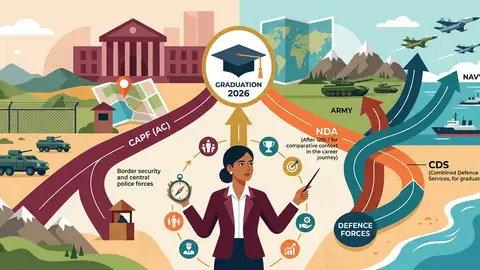
CAPF (AC) vs NDA vs CDS: Best Defence Career After Graduation in 2026

टाइपिंग स्पीड टेस्ट कैसे पास करें? SSC, कोर्ट और डेटा एंट्री जॉब्स के लिए तैयारी गाइड 2026

DRDO, ISRO & Defence Research Jobs 2026: Your Guide to Eligibility, Salary & Entry
Explore Topics
Perfect Your Resume
Use our AI-powered Resume Builder to create ATS-optimized resumes.
AI Resume Builder