
Recruitment guide
AI Is Changing Hiring in India — Explained
Explore how AI is transforming the hiring process in India with applications, benefits, and ethical considerations.
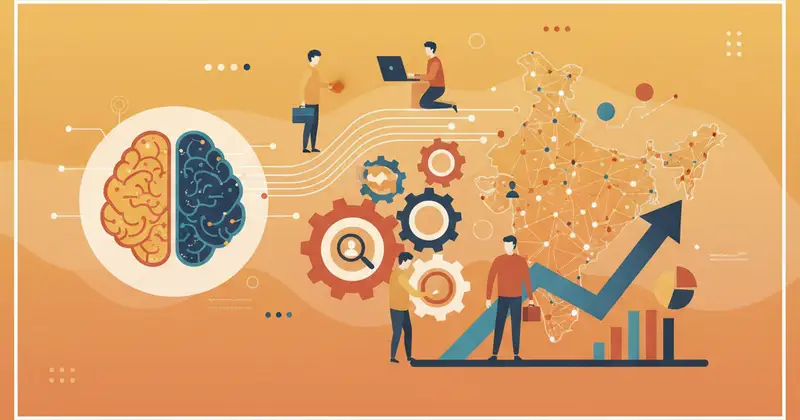
Artificial Intelligence (AI) is revolutionizing how Indian companies hire, making the process faster, more efficient, and objective. For job seekers, understanding AI's role in resume screening, candidate assessment, and interviews is now crucial. This guide explores the impact of AI on India's job market, its benefits for employers and candidates, and how to navigate this new, tech-driven landscape.
How AI Is Changing the Hiring Process in India
Artificial Intelligence (AI) is not merely a technological trend; it is fundamentally revolutionizing how companies across India identify, attract, and onboard talent. From the initial stages of resume screening to sophisticated candidate assessment and even post-hire analytics, AI tools are making the recruitment process demonstrably faster, significantly more efficient, and with careful implementation, potentially more fair and objective. For the millions of Indian job seekers navigating this evolving landscape, a deep understanding of these transformative changes is no longer merely an advantage but an absolute necessity for successfully securing opportunities in the modern job market. India, with its colossal and incredibly diverse talent pool, presents a unique and fertile ground for AI's transformative power in recruitment.
As one of the world's fastest-growing major economies, the demand for skilled professionals across various sectors, from IT and manufacturing to healthcare and finance, is immense and ever-increasing. This unprecedented demand makes efficient, effective, and scalable hiring practices not just beneficial, but absolutely paramount for sustained economic growth and business success. AI offers robust, data-driven solutions to scale recruitment efforts to match this demand, enhance precision in candidate selection, and adeptly address the inherent complexities of India's dynamic and competitive job market.
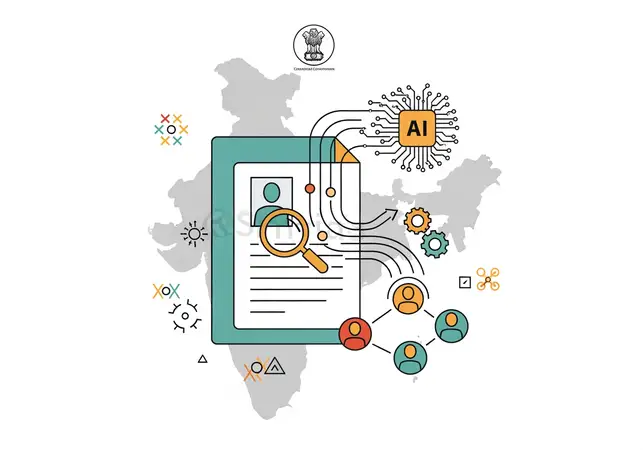
The Indian job market is characterized by several distinct features that make AI particularly impactful. Firstly, there's the sheer volume of applicants for popular roles, often reaching thousands for a single opening, making manual processing overwhelming and prone to error. Secondly, the geographical diversity of its talent, spanning metropolitan hubs to remote towns, necessitates tools that can bridge distances and standardize evaluations, enabling employers to tap into a wider, more inclusive talent pool. Thirdly, the presence of a vast informal sector and a significant number of first-time job seekers means that traditional resume-based screening might not always capture a candidate's full potential or relevant skills acquired through non-conventional means.
AI can analyze broader data points, including project work, online portfolios, and even social media presence (where relevant and consented), to create a more holistic candidate profile. Lastly, the rapid pace of technological change demands that companies not only fill current vacancies but also anticipate future skill requirements, a task where AI's predictive analytics capabilities prove invaluable.
The Transformative Impact of AI Across Recruitment Stages
AI's influence is pervasive, touching almost every stage of the recruitment lifecycle. Its ability to process vast amounts of data, identify patterns, and automate repetitive tasks has fundamentally reshaped how talent acquisition teams operate.
Sourcing and Resume Screening
- Automated Sourcing: AI-powered tools can scour various platforms – job boards, professional networks, social media, and internal databases – to identify passive and active candidates who match specific job requirements. These tools go beyond simple keyword matching, understanding context, synonyms, and related skills to present a more relevant pool of candidates. This significantly broadens the reach of recruiters, helping them discover talent that might otherwise be overlooked.
- Intelligent Resume Parsing: Traditional resume screening is a time-consuming and often subjective process. AI-driven Applicant Tracking Systems (ATS) can parse resumes, extracting key information like skills, experience, education, and qualifications with high accuracy. This data is then structured and ranked against the job description, allowing recruiters to quickly identify the most suitable candidates from a large applicant pool. For job seekers, this means optimizing their resumes with relevant keywords and clear formatting is more crucial than ever.
- Eliminating Bias (Potentially): While not a perfect solution, AI can help mitigate unconscious human biases that might creep into the initial screening phase. By focusing purely on skills and experience as defined by the algorithm, AI aims to reduce discrimination based on gender, age, or background. However, it's critical that the AI is trained on diverse and unbiased data to prevent it from perpetuating existing societal biases.
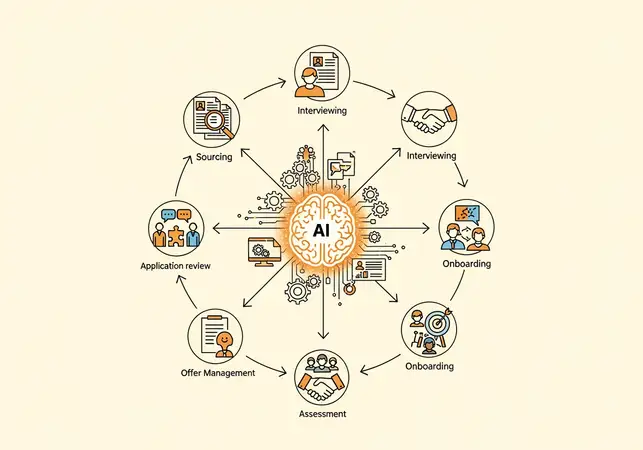
Candidate Assessment and Interviewing
- AI-Powered Skill Assessments: Beyond traditional tests, AI can facilitate more dynamic and engaging skill assessments. This includes coding challenges, language proficiency tests, and problem-solving simulations that are automatically scored and analyzed. Some platforms even use AI to monitor candidate behavior during these tests to detect potential cheating or provide insights into their approach.
- Video Interview Analysis: AI is increasingly used to analyze recorded video interviews. These tools can transcribe speech, analyze facial expressions, tone of voice, and even body language to provide insights into a candidate's communication skills, confidence, and personality traits. While controversial, proponents argue it offers a standardized, objective analysis that can help identify high-potential candidates and flag those who might struggle with client-facing roles, for instance.
- Chatbots for Initial Screening and FAQs: Many companies now deploy AI chatbots to interact with candidates at the early stages. These chatbots can answer common questions about the company, job roles, and application process, providing instant support 24/7. They can also conduct initial screening questions, gathering basic information and assessing suitability before a human recruiter gets involved, thereby streamlining the candidate experience and freeing up recruiter time.
- Gamified Assessments: AI is integrated into gamified assessments where candidates play games designed to measure cognitive abilities, problem-solving skills, and personality traits. The AI analyzes performance data to provide insights into a candidate's suitability for a role, often making the assessment process more engaging and less stressful for applicants.
Candidate Experience and Engagement
- Personalized Communication: AI can personalize communication with candidates, from automated acknowledgments of applications to tailored updates on their application status. This helps maintain candidate engagement and provides a more positive experience, crucial in a competitive job market where candidates often apply to multiple roles.
- Faster Feedback Loops: By automating parts of the screening and assessment process, AI enables companies to provide faster feedback to candidates, even if it's an automated rejection. This transparency, while sometimes impersonal, is generally preferred by job seekers over lengthy silences.
- Improved Job Matching: For job seekers, AI-powered platforms can offer highly personalized job recommendations based on their skills, experience, and preferences, helping them discover opportunities they might not have found through traditional searches.
Onboarding and Post-Hire Analytics
- Streamlined Onboarding: While less direct, AI can assist in onboarding by automating paperwork, providing personalized training recommendations, and connecting new hires with relevant resources. This ensures a smoother transition for employees and reduces administrative burden on HR.
- Predictive Analytics for Retention: AI can analyze employee data to predict turnover risks, identify factors contributing to employee satisfaction, and suggest interventions to improve retention. This helps companies make data-driven decisions to foster a more stable and productive workforce.
Benefits for Recruiters and Employers in India
The adoption of AI in recruitment offers a multitude of advantages for organizations operating in the diverse and dynamic Indian market.
- Enhanced Efficiency and Speed: AI automates repetitive tasks like resume screening, scheduling, and initial candidate communication, freeing up recruiters to focus on more strategic activities such as candidate engagement, relationship building, and strategic planning. This drastically reduces the time-to-hire, a critical metric in fast-paced industries.
- Significant Cost Reduction: By streamlining processes and reducing manual effort, AI helps companies cut down on operational costs associated with recruitment. This includes reduced spending on advertising (due to more targeted sourcing), administrative overheads, and the cost of missed opportunities due to slow hiring.
- Improved Quality of Hire: AI's ability to analyze vast datasets and identify subtle patterns leads to more precise matching of candidates to job requirements. This results in hiring individuals who are not only qualified but also a better cultural fit, ultimately leading to higher productivity and lower turnover rates.
- Reduced Bias and Increased Objectivity: When properly designed and implemented, AI algorithms can evaluate candidates based purely on predefined criteria, minimizing human subjective biases related to background, appearance, or personal preferences. This fosters a more equitable hiring process and can lead to a more diverse workforce.
- Scalability: For companies experiencing rapid growth or those in sectors with high hiring volumes, AI provides the scalability needed to process thousands of applications without compromising on quality or efficiency. This is particularly relevant for India's large enterprises and fast-growing startups.
- Data-Driven Decision Making: AI provides recruiters with actionable insights derived from recruitment data. This includes understanding the effectiveness of different sourcing channels, identifying skill gaps in the workforce, and predicting future hiring needs, enabling more strategic and informed talent acquisition strategies.
- Enhanced Employer Branding: Companies leveraging cutting-edge AI tools often project an image of innovation and efficiency, which can be attractive to top talent. A streamlined, responsive application process also contributes positively to the candidate experience and, by extension, the employer brand.
Benefits for Job Seekers in India
While AI in recruitment might seem daunting to some job seekers, it also presents several advantages that can simplify and improve their job search journey.
- Faster Application Processing: AI-powered ATS can process applications much quicker than human recruiters, meaning candidates often receive quicker acknowledgments and, in some cases, faster progression to the next stage or even quicker rejection notifications, allowing them to move on.
- Personalized Job Recommendations: AI algorithms on job portals and company career pages can analyze a job seeker's profile, past applications, and preferences to recommend highly relevant job openings, saving them time sifting through unsuitable listings.
- Potentially Fairer Evaluation: If implemented correctly, AI can reduce human bias in the initial screening stages, giving candidates a fairer chance based on their skills and qualifications, irrespective of their background or personal characteristics.
- Improved Accessibility: AI tools, such as chatbots, provide 24/7 access to information about job openings and application processes, making it easier for candidates, especially those in different time zones or with limited access during business hours, to engage with potential employers.
- Opportunity for Skill-Based Hiring: For candidates from non-traditional educational backgrounds or those with skills acquired through informal learning, AI's ability to analyze projects, portfolios, and practical assessments can offer a more meritocratic pathway to employment, moving beyond rigid degree requirements.
Challenges and Ethical Considerations of AI in Indian Recruitment
While the benefits are substantial, the widespread adoption of AI in recruitment also brings forth a unique set of challenges and ethical considerations, particularly in a diverse country like India.
- Data Privacy and Security: With AI systems handling vast amounts of personal data (resumes, assessment results, video recordings), ensuring robust data privacy and security is paramount. India's evolving data protection laws, such as the Digital Personal Data Protection Act, 2023, necessitate strict compliance and transparent data handling practices. Companies must clearly communicate how candidate data is collected, stored, and used.
- Algorithmic Bias: One of the most significant concerns is the potential for AI algorithms to perpetuate or even amplify existing human biases. If the AI is trained on historical data that reflects past discriminatory hiring practices, it might learn and replicate those biases, leading to unfair outcomes for certain demographic groups. Mitigating this requires diverse training datasets, continuous auditing of algorithms, and human oversight.
- Lack of Human Touch and Empathy: Over-reliance on AI can lead to a depersonalized recruitment experience. Candidates might feel like they are interacting with a machine rather than a human, which can negatively impact their perception of the company. Striking the right balance between automation and human interaction is crucial to maintain empathy and build rapport.
- Implementation Costs and Expertise: Adopting sophisticated AI recruitment solutions can be expensive, especially for Small and Medium Enterprises (SMEs) in India. Furthermore, effectively implementing and managing these systems requires specialized technical expertise, which might be a challenge for organizations without dedicated AI/ML teams.
- Ethical Concerns and Transparency: Questions arise regarding the transparency and explainability of AI's decision-making process. Candidates have a right to understand how an AI system arrived at a particular decision about their application. The "black box" nature of some AI models can lead to distrust and legal challenges if not addressed.
- Digital Divide: In a country with varying levels of digital literacy and internet access, particularly in rural areas, AI-first recruitment processes might inadvertently exclude talented individuals who lack the necessary technological access or skills to navigate complex online applications or AI assessments.
- Job Displacement for Recruiters: While AI aims to augment human recruiters, there's a concern that extensive automation could lead to job displacement for some roles within the HR and recruitment functions. The focus shifts from administrative tasks to strategic talent management.
Preparing for an AI-Driven Job Market: Tips for Indian Job Seekers
As AI becomes more integrated into the hiring landscape, job seekers need to adapt their strategies to successfully navigate this new environment. Here are practical tips:
- Optimize Your Resume for AI (ATS-Friendliness):
- Keywords are Key: Research the job description thoroughly and incorporate relevant keywords and phrases. AI systems often scan for these. Use exact terms where possible.
- Standard Formatting: Stick to clean, conventional resume formats. Avoid fancy graphics, complex tables, or unusual fonts that AI parsers might struggle with. Use standard headings (e.g., "Experience," "Education," "Skills").
- Quantify Achievements: Use numbers and metrics to describe your accomplishments (e.g., "Increased sales by 15%," "Managed a team of 10"). AI can better process quantifiable data.
- Proofread Meticulously: Typos and grammatical errors can confuse AI and reflect poorly on your attention to detail.
- Develop Relevant Skills:
- Digital Literacy: Enhance your comfort and proficiency with digital tools and online platforms, as many application processes are now entirely digital.
- Soft Skills: As AI handles more transactional tasks, human skills like critical thinking, problem-solving, creativity, emotional intelligence, and adaptability become even more valuable. These are harder for AI to replicate and are often assessed in later, human-led stages.
- Continuous Learning: The job market is constantly evolving. Commit to lifelong learning to keep your skills current and relevant, especially in rapidly changing fields like technology.
- Understand AI Assessment Tools:
- Practice Video Interviews: If you anticipate an AI-analyzed video interview, practice speaking clearly, maintaining eye contact with your camera, and articulating your thoughts concisely. Be aware of your background and lighting.
- Engage with Gamified Assessments: Approach these with a clear mind. While you can't "study" for them in the traditional sense, understanding the types of cognitive abilities they test can help you prepare mentally.
- Be Authentic: While AI analyzes data, authenticity and genuine responses are still valued. Don't try to "trick" the AI; focus on presenting your true self and capabilities.
- Personalize Your Applications (Even for AI):
- While AI screens, a human often makes the final decision. Tailor your cover letter and resume to each specific role, demonstrating a genuine interest and understanding of the company and position.
- Showcase your unique value proposition that might not be immediately apparent to an algorithm.
- Leverage AI Tools for Your Job Search:
- Use AI-powered job search engines and aggregators that offer personalized recommendations.
- Utilize tools that can help you identify keywords from job descriptions or even optimize your resume for ATS.
- Network Strategically:
- Even with AI, human connections remain invaluable. Network with professionals in your desired industry and companies. Referrals can sometimes bypass initial AI screening or give you an edge.
The Future of AI in Indian Recruitment
The journey of AI in Indian recruitment is still in its early to mid-stages, with immense potential for further evolution. We can anticipate several key trends shaping its future:
- Hyper-Personalization: Future AI systems will likely offer
Learn more: AI Recruitment Trends | Hiring Best Practices
India's recruitment landscape is evolving rapidly with AI integration. Discover how AI reshapes hiring practices nationwide.
AI in Indian Recruitment: Key Applications
AI is being deployed across various stages of the hiring lifecycle in India. This section explores the primary tools and their specific uses.
Future Outlook for AI in Indian Hiring
The adoption of AI in Indian recruitment is expected to accelerate. This section discusses upcoming trends and predictions.
FAQs
What AI tools help in hiring?Resume screeners and assessment platformsIs AI making hiring fairer?Potentially, through objective analysisRelated Resources
- How to Create an ATS-Friendly Resume for Government Jobs
- Top 10 In-Demand Skills for the Indian Job Market
- Ultimate Guide to Acing Your Next Job Interview
Related Government Job Resources
Continue with active job hubs and related government job pages on TrueJobs.
Tools for this recruitment topic
Use only the tools relevant to the dates, eligibility or documents discussed above.
TrueJobs Editorial Team
TrueJobs editorial desk
This article is prepared from the sources referenced in the guide and reviewed for clarity, links and dated information. Read our editorial and corrections policy.
Continue This Topic
Follow the closest earlier and newer coverage so older archive posts keep real contextual crawl paths.
ATS-Friendly Resume: How to Beat Applicant Tracking Systems
Learn how to create an ATS-friendly resume that passes applicant tracking systems and gets you interviews.
Railway Recruitment 2026: 50,000+ Expected Vacancies, Department-Wise Full Update
Railway Recruitment 2026 is set to be a massive hiring drive with over 50,000 expected vacancies across NTPC, Group D, ALP, and JE. Get a complete breakdown of posts and eligibility.
Read Next

AI Resume Screening: What Job Seekers Need to Know
UPSC Civil Services Exam 2026: Prelims Result, Mains Admit Card, and Final Updates
UPSC Indian Forest Service 2026: Prelims Result, Mains Exam, Admit Card, Selection
UPSC NDA & NA II 2026: Notification, Application, Exam, and SSB Updates
Explore Topics
Perfect Your Resume
Use our AI-powered Resume Builder to create ATS-optimized resumes.
AI Resume Builder