
Recruitment guide
Future of Work in India: AI & New Careers — Explained
Explore the future of work in India with insights on AI, automation, emerging careers, and how to prepare.
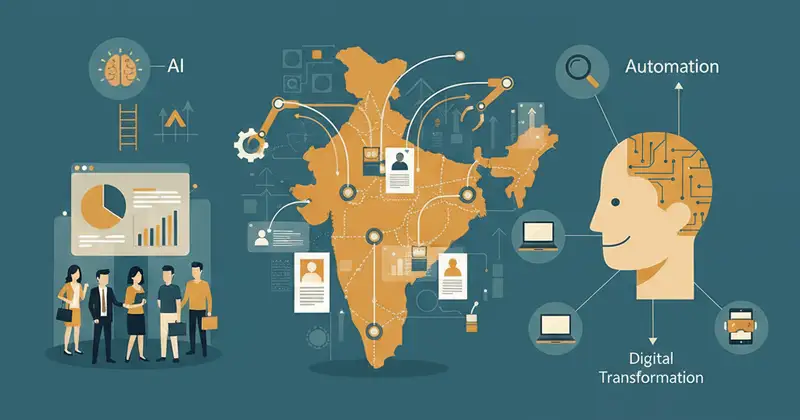
The future of work in India is undergoing a profound transformation, driven by rapid advancements in Artificial Intelligence (AI), automation, and digital technologies. This technological revolution, while presenting unprecedented challenges to traditional employment models, is simultaneously paving the way for an entirely new landscape of career opportunities. India, with its vast young population, burgeoning digital economy, and a strong focus on innovation, stands at a unique crossroads. The integration of AI and automation is not merely a global trend; it is deeply impacting Indian industries, from manufacturing and services to healthcare and education, reshaping how work is done, what skills are valued, and where new jobs will emerge. This shift necessitates a strategic re-evaluation of career paths and skill development.
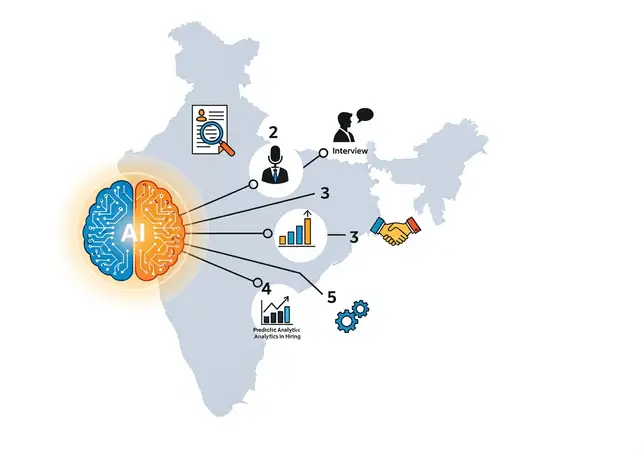
Understanding these transformative forces is crucial for job seekers, students, and professionals across India. The objective is not to resist change, but to adapt, acquire future-ready skills, and strategically position oneself for the jobs of tomorrow. This article delves into the specific roles at risk, highlights the burgeoning fields creating new demand, and provides actionable strategies for preparing for a future where human ingenuity and technological prowess work hand-in-hand to drive progress, ensuring India's workforce remains competitive and innovative on the global stage.
Jobs at Risk of Automation
The march of automation is most pronounced in tasks that are repetitive, rule-based, and require minimal human judgment or creativity. Routine data entry, basic accounting functions, and simple manufacturing tasks face the highest automation risk. These are roles where algorithms and robots can perform duties with greater speed, accuracy, and efficiency than humans, often at a lower cost, leading to significant shifts in workforce demand.
Understanding the Automation Spectrum
It's important to understand that automation rarely eliminates an entire job overnight. Instead, it often automates specific tasks within a job, allowing human workers to focus on more complex or value-added activities. For instance, an accountant might spend less time on manual ledger entries and more time on financial analysis or strategic planning, leveraging AI tools for efficiency. However, for roles predominantly composed of automatable tasks, the risk of significant reduction or even obsolescence is higher, prompting the need for reskilling.
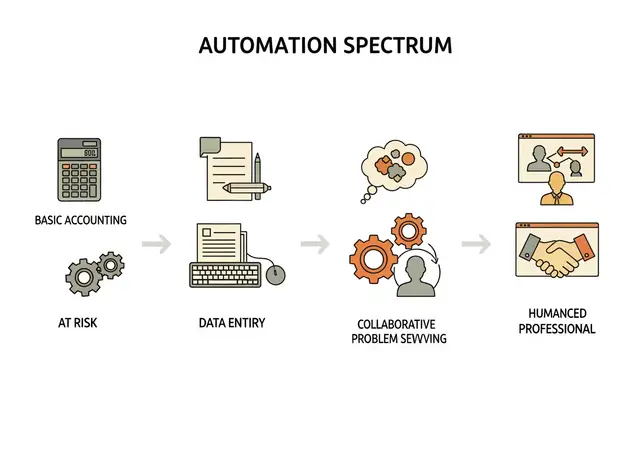
Specific examples of roles facing high automation risk in India include:
- Data Entry Operators: With advanced Optical Character Recognition (OCR) and Robotic Process Automation (RPA) tools, large volumes of data can be processed and entered automatically, reducing the need for manual input and improving accuracy. These technologies can extract information from documents, images, and even handwritten notes, streamlining operations.
- Basic Clerical and Administrative Support: Tasks like scheduling appointments, document processing, basic email management, and routine correspondence can be handled by AI-powered virtual assistants and automated systems, significantly streamlining office operations and reducing the need for human intervention in repetitive tasks.
- Assembly Line Workers (Repetitive Tasks): In manufacturing sectors across India, robots are increasingly performing precise, repetitive tasks such as welding, painting, and component assembly. This leads to higher efficiency, improved quality control, and fewer human errors, particularly in industries like automotive and electronics manufacturing.
- Telemarketing and Basic Customer Service Representatives: AI chatbots and voice assistants are becoming sophisticated enough to handle routine customer queries, process orders, provide basic technical support, and even conduct initial sales calls. This impacts entry-level roles in high-volume call centers, freeing human agents for more complex problem-solving and empathetic interactions.
- Bookkeeping and Transaction Processing: Software can now automatically reconcile accounts, process invoices, manage payroll, and generate financial reports with minimal human intervention. This impacts traditional bookkeeping roles, shifting the focus for human accountants towards financial strategy, auditing, and compliance.
- Warehouse and Logistics Personnel (Basic Operations): Automated Guided Vehicles (AGVs), robotic arms, and drone technology are streamlining tasks like sorting, picking, packing, and inventory management in large warehouses and e-commerce fulfillment centers. This optimizes supply chains, reduces delivery times, and minimizes manual labor in physically demanding environments.
The Nuance of Task Automation vs. Job Automation
It's crucial to distinguish between automating tasks and automating entire jobs. While many jobs contain a significant number of automatable tasks, few are entirely composed of them. For example, a doctor's job involves diagnosing illnesses (which AI can assist with), but also empathizing with patients, making complex ethical decisions, and performing surgery – tasks that require uniquely human skills. The goal of automation is often to augment human capabilities, taking over the mundane so humans can focus on higher-order thinking, creativity, and interpersonal interactions. This means many roles will be redefined and enhanced by AI, rather than eliminated outright.
However, India's unique socio-economic landscape means the impact will be gradual rather than sudden. Several factors contribute to this:
- Large Workforce and Cost Dynamics: India has a massive workforce, and the cost of human labor is often lower than the initial capital investment required for advanced automation technologies. This economic reality can slow down the pace of adoption in some sectors, especially where labor-intensive processes are still more cost-effective.
- Social Implications and Policy Focus: Given the government's strong focus on job creation and poverty alleviation, widespread, rapid automation leading to mass unemployment is a significant concern for policymakers. This often leads to a more measured and phased approach to technology adoption, coupled with initiatives for skill development and social safety nets.
- Diverse Skill Levels and Informal Sector: Many jobs in India, particularly in the vast informal sector and rural economies, still require a degree of human judgment, adaptability, local context understanding, or physical dexterity that current AI struggles to replicate effectively. This includes roles in agriculture, small-scale retail, and artisan crafts.
- Sectoral Nuances: While manufacturing and Business Process Outsourcing (BPO) sectors might see faster automation due to their process-driven nature, other service sectors requiring high human touch (e.g., healthcare, education, hospitality, personal care) will likely see a more complementary integration of AI rather than outright replacement. AI will assist, not supplant, human interaction.
Therefore, while the threat is real for certain job categories, the transition is expected to be an evolutionary process, allowing time for proactive reskilling and upskilling initiatives to take effect across the Indian workforce. This gradual shift provides a window of opportunity for individuals and institutions to prepare effectively.
Emerging Career Opportunities
While some roles face automation, the same technological advancements are simultaneously creating an explosion of new career opportunities. These emerging fields often require a blend of technical expertise, critical thinking, and uniquely human skills. India's rapid digital transformation, coupled with its large talent pool, is fueling demand across various sectors, creating a dynamic and innovative job market.
Technology-Centric Roles
The core of the digital revolution lies in specialized technology roles that build, manage, and secure the underlying infrastructure and applications, driving innovation across industries.
- AI and Machine Learning Specialists: These professionals are at the forefront of developing intelligent systems. They design, build, and deploy AI models and algorithms that can learn from data, make predictions, and automate complex tasks. Roles include AI Engineers, Machine Learning Engineers, Deep Learning Engineers, and Natural Language Processing (NLP) Specialists. They are crucial in sectors ranging from finance (fraud detection), healthcare (diagnostics), and e-commerce (recommendation engines) to agriculture (crop yield prediction) in India.
- Data Scientists: Often called the "sexiest job of the 21st century," data scientists are experts in extracting insights and knowledge from vast amounts of data. They use statistical methods, programming skills (Python, R, SQL), and domain expertise to analyze complex datasets, identify trends, build predictive models, and inform strategic business decisions. Their work is vital for Indian companies seeking to understand customer behavior, optimize operations, personalize services, and drive innovation.
- Cybersecurity Experts: As digital reliance grows across India, so does the threat of cyberattacks. Cybersecurity professionals are in high demand to protect sensitive data, networks, and systems from malicious threats. Roles include Security Analysts, Ethical Hackers, Incident Responders, and Security Architects. They are essential for every organization, from government agencies to private corporations and critical infrastructure, ensuring data integrity, privacy, and national security in a connected world.
- Cloud Architects and Engineers: With Indian businesses increasingly moving their operations to cloud platforms (AWS, Azure, Google Cloud), professionals who can design, implement, and manage cloud infrastructure are critical. They ensure scalability, security, cost-efficiency, and reliability of cloud-based services, facilitating digital transformation and enabling remote work capabilities.
- DevOps Engineers: These specialists bridge the gap between software development and IT operations, ensuring seamless and continuous delivery of software. They automate processes, manage infrastructure as code, and foster collaboration, speeding up product development cycles, improving software quality, and enabling rapid innovation for Indian tech companies and startups.
Digital Transformation and User Experience
Beyond core technology, the application of digital tools to business processes and customer interaction is creating new roles vital for India's digital economy, focusing on engagement and efficiency.
- Digital Marketing Specialists: As businesses shift their focus to online presence, digital marketing has become indispensable. These professionals manage various aspects of online promotion, including Search Engine Optimization (SEO), Search Engine Marketing (SEM), social media marketing, content marketing, email marketing, and analytics. They help Indian businesses reach target audiences, build brand awareness, drive sales, and measure campaign effectiveness in the digital realm.
- UX (User Experience) and UI (User Interface) Designers: In a competitive digital landscape, intuitive and enjoyable user experiences are paramount. UX designers focus on understanding user needs and behaviors through research to create products that are easy, efficient, and pleasant to use. UI designers, on the other hand, focus on the visual and interactive elements of a product, ensuring aesthetic appeal and functional navigation. Their skills are vital for developing user-friendly websites, mobile apps, and software tailored for the diverse Indian market.
- Product Managers (Digital Products): These professionals oversee the entire lifecycle of a digital product, from conception to launch and iteration. They bridge the gap between business strategy, technology development, and user experience, defining product vision, roadmaps, and features. They are crucial for driving innovation and ensuring market fit in India's rapidly evolving tech ecosystem.
The AI-Human Collaboration Paradigm
Many emerging roles are not about humans competing with AI, but rather collaborating with it. This paradigm involves leveraging AI's strengths (data processing, pattern recognition, automation of routine tasks) to augment human capabilities, allowing professionals to focus on higher-value, more complex, and creative aspects of their work. This includes roles like AI Trainers who refine AI models, AI Ethicists who ensure responsible deployment, Prompt Engineers who optimize AI interactions, and AI-powered tool specialists who guide and refine AI systems, ensuring their responsible and effective deployment and maximizing their utility in various domains.
Sector-Specific Growth
Several Indian industries are undergoing significant transformation, leading to specialized job creation driven by national priorities and global trends.
- Green Energy Jobs: India's commitment to renewable energy sources (solar, wind, hydro, biofuels) is creating a robust job market. Roles include Solar Panel Technicians, Wind Turbine Engineers, Renewable Energy Project Managers, Energy Auditors, and Sustainability Consultants. These jobs are crucial for building, maintaining, and innovating the infrastructure for a sustainable and eco-friendly future in India, contributing to energy security and climate goals.
- Healthcare Technology (HealthTech): The integration of technology in healthcare is revolutionizing patient care and medical administration. This includes roles in telemedicine platforms, AI-powered diagnostics, wearable health tech, electronic health record (EHR) management, and health data analytics. Professionals in this field might develop AI tools for disease prediction, manage telehealth services, design health monitoring devices, or analyze public health data tailored for India's diverse healthcare needs.
- EdTech (Education Technology): The pandemic accelerated the adoption of online learning, making EdTech a booming sector in India. New roles include Instructional Designers (creating engaging online course content), Learning Platform Developers, Educational Content Creators (for digital formats), Virtual Reality (VR) and Augmented Reality (AR) Developers for immersive learning experiences, and Online Tutors/Mentors who leverage technology to deliver personalized education.
- FinTech (Financial Technology): The convergence of finance and technology is creating roles in areas like blockchain development (for cryptocurrencies and secure transactions), algorithmic trading, payment gateway development, financial data analysis, and regulatory technology (RegTech). These innovations are driving financial inclusion, efficiency, and innovation across India, from UPI payments to digital lending platforms.
The Rise of the Creator Economy and Gig Work
AI and digital platforms are also fueling the growth of the creator economy and gig work in India. Individuals can leverage AI tools to produce high-quality content (writing, art, music, video) more efficiently, reaching global audiences. Roles like content creators, social media influencers, freelance designers, and online educators can thrive by using AI for ideation, editing, and distribution. The gig economy, facilitated by platforms, allows for flexible work arrangements and access to a broader talent pool, empowering individuals to monetize specialized skills on demand, from coding to digital marketing and consulting.
Human-Centric Roles
Beyond purely technical roles, there's a growing recognition of the value of uniquely human skills that AI cannot easily replicate, emphasizing our innate capabilities.
- Creativity and Innovation Roles: Artists, designers, writers, strategists, and researchers whose work relies on original thought, imagination, abstract problem-solving, and aesthetic judgment. These roles are essential for differentiating products and services, creating compelling narratives, and envisioning future possibilities.
- Complex Problem Solvers: Roles requiring nuanced decision-making, ethical judgment, strategic planning, and the ability to navigate ambiguous, unstructured situations. This includes roles in policy-making, crisis management, scientific research, and legal professions where human insight is paramount.
- Emotional Intelligence and Interpersonal Roles: Therapists, counselors, educators, HR professionals, customer relationship managers, and social workers who rely on empathy, active listening, communication, and understanding human emotions to build rapport, trust, and foster healthy relationships.
- Leadership and Management: Roles that involve motivating teams, setting vision, fostering organizational culture, navigating complex organizational change, and inspiring collective action. These require deep human understanding, strategic foresight, and the ability to influence and guide others effectively.
Preparing for the Future
The rapidly evolving job market demands a proactive approach to career development. Continuous upskilling and reskilling are no longer optional; they are fundamental requirements for staying relevant and competitive in India's dynamic employment landscape, ensuring long-term career resilience.
The Imperative of Continuous Upskilling
The shelf life of skills is shrinking rapidly. What was cutting-edge knowledge a few years ago might be foundational today, or even obsolete tomorrow. Continuous upskilling involves regularly acquiring new skills, knowledge, and competencies to adapt to technological advancements and changing industry demands. This isn't just about learning a new software tool; it's about fostering a mindset of lifelong learning and embracing change. For professionals, this might mean reskilling (learning entirely new skills to transition into a different role, e.g., an accountant learning data science) or upskilling (enhancing existing skills or acquiring advanced skills within one's current field, e.g., a digital marketer learning advanced AI-driven analytics or a doctor learning about AI diagnostics).
Developing Future-Proof Skills
While technical skills are crucial, the most resilient careers will be built on a foundation of "soft skills" that complement AI rather than compete with it. These are often referred to as 21st-century skills or human-centric skills:
- Creativity and Innovation: AI can generate content or solutions based on existing data, but it struggles with true originality, conceptual thinking, and divergent problem-solving. Humans excel at imagining new possibilities, designing novel solutions, and artistic expression, which are vital for market differentiation.
- Critical Thinking and Complex Problem-Solving: Evaluating information, identifying biases (even in AI outputs), making nuanced judgments, and solving ill-defined problems that lack clear-cut solutions are uniquely human strengths. This includes ethical reasoning, understanding societal impacts of technology, and strategic decision-making.
- Emotional Intelligence (EQ): The ability to understand and manage one's own emotions, as well as perceive and influence the emotions of others, is vital for leadership, teamwork, negotiation, and customer relations. AI can process sentiment, but it cannot genuinely empathize, build rapport, or provide compassionate care.
- Adaptability and Resilience: The future will be characterized by constant change and uncertainty. The ability to learn new things quickly, unlearn old ways, embrace ambiguity, and bounce back from setbacks will be paramount for career longevity and navigating technological disruptions.
- Collaboration and Communication: Working effectively in diverse teams, articulating ideas clearly, influencing others, and mediating conflicts remain essential skills, especially in hybrid work environments where human interaction and synergy are key to project success.
- Digital Literacy and Data Fluency: A foundational understanding of how digital tools work, how to interpret data, how to interact with AI systems, and basic cybersecurity principles is becoming a universal requirement across all professions, enabling effective human-AI collaboration and informed decision-making.
Practical Strategies for Skill Acquisition
Acquiring new skills requires a strategic and proactive approach. Consider these practical steps tailored for the Indian context:
- Identify In-Demand Skills: Research job portals (like TrueJobs.co.in), industry reports (NASSCOM, FICCI), and professional networks to understand which technical and soft skills are most sought after in your target industries in India. Look for trends in emerging technologies.
- Leverage Online Learning: Utilize platforms like Coursera, edX, Udacity, NPTEL (National Programme on Technology Enhanced Learning), and LinkedIn Learning for structured courses, specializations, and certifications. Many offer flexible learning paths and content specifically designed for Indian learners.
- Participate in Bootcamps and Workshops: For intensive, hands-on learning, consider short-term bootcamps in areas like data science, web development, cybersecurity, or digital marketing. These often include project work, industry mentorship, and career placement support, accelerating skill acquisition.
- Build a Portfolio: Apply your learning through personal projects, open-source contributions, internships, or volunteer work. A practical portfolio demonstrating your abilities to solve real-world problems is often more effective than just certifications in showcasing your capabilities to potential employers.
- Network Actively: Connect with professionals in your desired fields through LinkedIn, industry events, webinars, and local meetups. Networking can provide invaluable insights, mentorship opportunities, and direct access to job openings in emerging sectors.
Leveraging Micro-credentials and Online Certifications
Traditional long-term degrees are valuable, but in a fast-paced world, micro-credentials and online certifications offer flexible, targeted, and often more affordable pathways to acquire specific, in-demand skills. These can be instrumental in demonstrating proficiency and staying relevant in a dynamic job market.
- Specialized Skills: Focus on certifications in specific areas like Python for Data Science, AWS Cloud Practitioner, Google Analytics, Cybersecurity Fundamentals, or Salesforce Administration, which are highly valued by employers looking for niche expertise.
- Reputable Platforms: Platforms like Coursera, edX, Udacity, NPTEL (National Programme on Technology Enhanced Learning), and LinkedIn Learning offer courses and specializations from top universities and industry experts, often with industry-recognized credentials that hold weight in the Indian job market.
- Industry Certifications: Look for certifications from major tech companies (e.g., Microsoft Certified Azure Developer, Cisco Certified Network Associate, Oracle Certified Professional) that are recognized and valued by employers in India and globally, demonstrating a mastery of specific vendor technologies.
- Bootcamps: Intensive, short-term bootcamps in areas like web development, data science, or UX/UI design can provide practical skills and portfolio projects quickly, accelerating career transitions and making individuals job-ready in a shorter timeframe.
Government Initiatives and Support
The Indian government recognizes the importance of skill development in the face of technological change and has launched several initiatives to support the workforce in adapting to the future of work:
- Skill India Mission: A flagship initiative aimed at skilling, reskilling, and upskilling the workforce across various sectors to meet industry demands, promoting vocational training and entrepreneurship.
- Pradhan Mantri Kaushal Vikas Yojana (PMKVY): Provides short-term training programs to youth, focusing on industry-relevant skills and promoting vocational training, often with placement assistance, to enhance employability.
- National Skill Development Corporation (NSDC): Works with the private sector to promote skill development and vocational training, bridging the gap between industry needs and workforce capabilities through various partnerships and funding models.
- FutureSkills PRIME: A joint initiative by MeitY and NASSCOM to create a digital skilling ecosystem, focusing on emerging technologies like AI, IoT, Blockchain, and Cybersecurity, crucial for India's digital future, offering subsidized courses and certifications.
Individuals should actively explore these programs to access subsidized or free training opportunities that align with future job market demands and government priorities, leveraging public resources for personal career growth.
The Role of Educational Institutions in Future-Proofing
Educational institutions in India, from schools to universities, play a pivotal role in preparing the next generation for the future of work. This involves revamping curricula to include digital literacy, computational thinking, and ethical AI considerations from an early age. Universities need to foster interdisciplinary learning, encourage project-based education, and collaborate closely with industry to ensure graduates possess both theoretical knowledge and practical, in-demand skills. Promoting critical thinking, creativity, and problem-solving over rote learning is essential to cultivate a workforce capable of innovation and adaptation.
Building a Growth Mindset
Ultimately, preparing for the future of work is less about predicting specific job titles and more about cultivating a growth mindset. This involves:
- Curiosity: A genuine desire to learn and understand new technologies and trends, constantly seeking knowledge and exploring unfamiliar domains.
- Proactiveness: Taking initiative to seek out learning opportunities, apply new knowledge, and adapt to changing circumstances rather than waiting for change to be imposed.
- Networking: Connecting with professionals in emerging fields to gain insights, identify opportunities, and build collaborative relationships that can open doors to new possibilities.
- Experimentation: Being willing to try new tools, take on new challenges, learn from failures, and iterate on approaches, fostering continuous improvement and innovation.
By focusing on these foundational human capabilities and strategically acquiring new technical skills, individuals can not only navigate the future of work but also thrive in it, contributing significantly to India's continued growth and innovation, and building resilient, fulfilling careers.
Frequently Asked Questions (FAQs)
1. Will AI take all our jobs?
No, AI is highly unlikely to take all jobs. While AI and automation will undoubtedly transform many roles and automate repetitive tasks, they are also creating entirely new job categories and increasing demand for uniquely human skills. The focus will shift from tasks that machines can do better to tasks that require creativity, critical thinking, emotional intelligence, and complex problem-solving, where humans excel. The impact will be more about job transformation and augmentation rather than mass replacement, leading to a co-existence where humans and AI collaborate.
2. How can I start learning AI and related skills without a technical background?
Starting without a technical background is entirely possible. Begin with foundational concepts: understand what AI is, its applications, and basic programming logic (Python is highly recommended for AI/ML). Many online platforms like Coursera, edX, Udacity, and even YouTube offer beginner-friendly courses. Look for introductory specializations in "AI for Everyone," "Data Science for Beginners," or "Machine Learning Fundamentals." Focus on building a strong understanding of statistics and logic, which are crucial for these fields. Hands-on projects, even small ones, are key to applying what you learn and building a portfolio to demonstrate your practical skills.
3. What are some non-tech skills that will be crucial in an AI-driven future?
Beyond technical proficiency, several non-tech (often called "soft" or "human-centric") skills will be indispensable. These include creativity, critical thinking, complex problem-solving, emotional intelligence, adaptability, collaboration, and effective communication. These skills enable individuals to work alongside AI, interpret its outputs, make ethical decisions, innovate, and manage human teams, areas where AI currently has significant limitations and where human input remains irreplaceable.
4. How important is practical experience compared to certifications in new tech fields?
Both certifications and practical experience are crucial, but practical experience often holds more weight, especially in rapidly evolving tech fields. Certifications validate your knowledge and commitment to learning, but hands-on projects, internships, open-source contributions, or even personal projects demonstrate your ability to apply that knowledge to real-world problems. Employers in India increasingly look for candidates who can showcase tangible outcomes, problem-solving skills, and a portfolio of work, proving their capability beyond theoretical understanding.
5. Is coding essential for all future jobs?
No, coding is not essential for *all* future jobs, but digital literacy and an understanding of how technology works will be universally important. While roles like AI engineers or data scientists require strong coding skills, many emerging jobs will focus on human-AI collaboration, requiring skills like prompt engineering (effectively communicating with AI), data interpretation, ethical oversight, and user experience design. A basic understanding of coding logic can be beneficial for almost any professional, but deep coding expertise will be specialized rather than universal.
6. How can small businesses and MSMEs in India leverage AI and automation?
Small businesses and MSMEs in India can leverage AI and automation to enhance efficiency, reduce costs, and improve customer experience without massive upfront investment. They can start with readily available tools for automating customer service (chatbots), digital marketing (AI-powered ad platforms), data analysis (business intelligence tools), and administrative tasks (RPA for invoicing). Cloud-based AI services offer scalable solutions. Focusing on automating repetitive tasks allows MSMEs to free up human capital for strategic growth, innovation, and personalized customer interactions, making them more competitive.
Future of Work in India: AI, Automation & Careers
Related: Top Tech Skills | Career Planning Guide
FAQs
Which jobs risk AI replacement?Routine manufacturing/service rolesWhat careers are growing?AI specialists and data analystsRelated Resources
- AI & Data Science Jobs
- Government Skill Development Programs
- How to Prepare for Government Exams
Checks to complete before you apply
The future of work in India is a dynamic interplay of technology and human adaptability. By embracing continuous learning and focusing on future-proof skills, the Indian workforce can not only navigate but thrive in this new era. Strategic preparation is the key to unlocking the vast potential of AI and automation.
Related Government Job Resources
Continue with active job hubs and related government job pages on TrueJobs.
Tools for this recruitment topic
Use only the tools relevant to the dates, eligibility or documents discussed above.
TrueJobs Editorial Team
TrueJobs editorial desk
This article is prepared from the sources referenced in the guide and reviewed for clarity, links and dated information. Read our editorial and corrections policy.
Continue This Topic
Follow the closest earlier and newer coverage so older archive posts keep real contextual crawl paths.
ATS-Friendly Resume: How to Beat Applicant Tracking Systems
Learn how to create an ATS-friendly resume that passes applicant tracking systems and gets you interviews.
Railway Recruitment 2026: 50,000+ Expected Vacancies, Department-Wise Full Update
Railway Recruitment 2026 is set to be a massive hiring drive with over 50,000 expected vacancies across NTPC, Group D, ALP, and JE. Get a complete breakdown of posts and eligibility.
Read Next

AI Resume Screening: What Job Seekers Need to Know
UPSC Civil Services Exam 2026: Prelims Result, Mains Admit Card, and Final Updates
UPSC Indian Forest Service 2026: Prelims Result, Mains Exam, Admit Card, Selection
UPSC NDA & NA II 2026: Notification, Application, Exam, and SSB Updates
Explore Topics
Perfect Your Resume
Use our AI-powered Resume Builder to create ATS-optimized resumes.
AI Resume Builder