
Recruitment guide
Government Jobs After BPT: Physiotherapy Roles 2026 — Explained
For BPT graduates, government jobs offer stable careers. This guide details 2026 physiotherapy roles in hospitals, defence, and state health, including eligibility and salary.
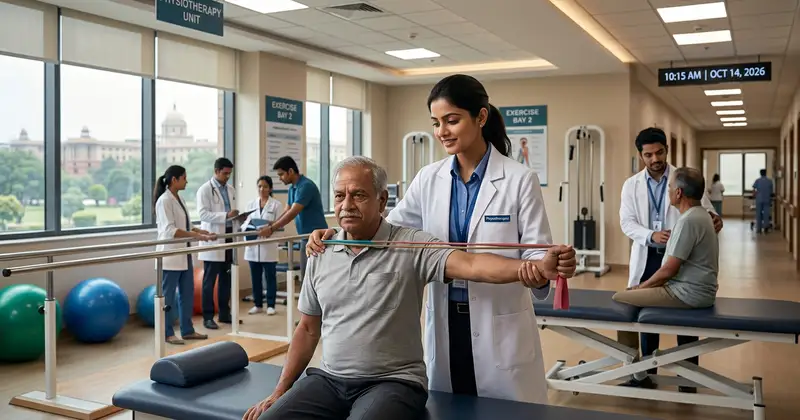
The field of physiotherapy is rapidly expanding in India, driven by increasing health awareness, a growing elderly population, and a rise in lifestyle-related disorders and sports injuries. For graduates with a Bachelor of Physiotherapy (BPT) degree, the career landscape is diverse, offering opportunities in private clinics, corporate wellness programs, sports teams, and academic institutions. However, for many, the stability, comprehensive benefits, and prestige associated with government employment make it a highly sought-after path. As we look towards 2026 and beyond, the demand for qualified physiotherapists in various government sectors – from bustling hospitals and critical defence establishments to state health departments – is projected to continue its upward trend.
This article will delve into the myriad government job opportunities available for BPT graduates, outlining the sectors, eligibility criteria, application processes, and what aspiring candidates can expect in terms of career growth and remuneration.
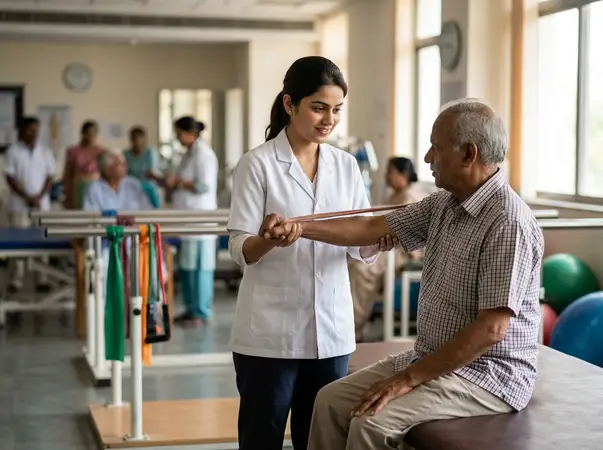
Understanding BPT and its Growing Significance in India
A Bachelor of Physiotherapy (BPT) is an undergraduate degree program that focuses on the science of physical movement and rehabilitation. It equips students with the knowledge and skills to diagnose, treat, and prevent a wide range of physical ailments, injuries, and disabilities through non-pharmacological methods. Physiotherapists play a crucial role in improving patients' quality of life by restoring function, reducing pain, and promoting overall well-being.
What is BPT?
The BPT curriculum typically spans four and a half years, including a mandatory six-month internship. It covers subjects like anatomy, physiology, biomechanics, exercise therapy, electrotherapy, clinical orthopaedics, neurology, cardiorespiratory physiotherapy, and community-based rehabilitation. Graduates are trained to work with diverse patient populations, from infants to the elderly, addressing conditions such as:
- Musculoskeletal disorders (e.g., back pain, arthritis, fractures)
- Neurological conditions (e.g., stroke, Parkinson's disease, spinal cord injuries)
- Cardiopulmonary issues (e.g., post-heart attack rehabilitation, chronic obstructive pulmonary disease)
- Sports injuries
- Paediatric conditions (e.g., cerebral palsy)
- Geriatric care

The Evolving Role of Physiotherapists in Indian Healthcare
Historically, physiotherapy might have been viewed as an auxiliary service. However, its importance has grown exponentially. Modern healthcare increasingly emphasizes holistic and preventive care, where physiotherapists are integral. Factors contributing to this surge in demand include:
- Aging Population: India's elderly population is growing, leading to a higher incidence of age-related musculoskeletal and neurological conditions requiring physiotherapy.
- Lifestyle Diseases: Sedentary lifestyles contribute to obesity, diabetes, and cardiovascular diseases, often necessitating rehabilitation and physical activity guidance.
- Increased Sports and Fitness Awareness: A rise in sports participation and fitness activities means more sports-related injuries, creating a demand for specialized sports physiotherapists.
- Post-Surgical Rehabilitation: Physiotherapy is critical for recovery after various surgeries, including orthopaedic, cardiac, and neurological procedures.
- Technological Advancements: The field itself is evolving with new techniques and equipment, enhancing treatment efficacy.
- Public Health Initiatives: Government programs focusing on disability rehabilitation, maternal and child health, and non-communicable diseases often include a physiotherapy component.
This evolving landscape ensures that BPT graduates will find a robust job market, particularly within the stable and structured environment of government employment.
Why Choose Government Jobs After BPT? Stability, Benefits, and Impact
While private practice offers flexibility and potentially higher earnings for some, government jobs hold a unique appeal for many BPT graduates. The reasons are numerous and compelling, often aligning with long-term career aspirations and personal security.
Job Security and Stability
One of the primary attractions of government jobs is the unparalleled job security. Unlike the private sector, where market fluctuations can impact employment, government positions are generally permanent and offer a stable career path until retirement. This stability provides peace of mind and allows professionals to focus on their work without constant worry about job loss.
Attractive Salary and Allowances
Government jobs for physiotherapists come with competitive salary packages determined by the Central Pay Commission (CPC) or state pay commissions. In addition to a respectable basic pay, employees receive various allowances such as Dearness Allowance (DA), House Rent Allowance (HRA), Transport Allowance (TA), and medical allowances. These benefits often result in a take-home salary that is quite attractive, especially when considering the overall package.
Comprehensive Benefits and Perks
Beyond salary, government employment offers a comprehensive suite of benefits that are often superior to those in the private sector:
- Pension and Provident Fund: A secure retirement plan, often including a pension scheme and contributions to a Provident Fund.
- Medical Facilities: Access to subsidized or free medical treatment for employees and their families through schemes like CGHS (Central Government Health Scheme) or state-specific health insurance.
- Paid Leave: Generous leave policies, including casual leave, earned leave, sick leave, maternity/paternity leave, and study leave.
- Fixed Working Hours: Generally, government jobs offer more predictable working hours, contributing to a better work-life balance compared to the demanding schedules often found in private hospitals or clinics.
- Training and Development: Opportunities for professional development, attending workshops, seminars, and higher education, often sponsored by the government.
Social Impact and Contribution
Working in the government sector, especially in healthcare, provides a unique opportunity to serve the community and make a significant social impact. Physiotherapists in government hospitals, rural health centers, or defence establishments often cater to a diverse population, including underserved communities, contributing directly to public health and national welfare. This sense of purpose and contribution can be deeply rewarding.
Career Progression and Growth Opportunities
Government departments typically have well-defined career progression paths. Physiotherapists can advance through various grades based on experience, performance, and departmental examinations. This structured growth allows for upward mobility into senior roles, supervisory positions, and even administrative capacities, offering continuous professional development and leadership opportunities.
Key Government Sectors for Physiotherapists After BPT
The Indian government offers a wide array of opportunities for BPT graduates across various ministries and departments. These roles are critical for maintaining public health, supporting national defence, and promoting overall well-being.
Government Hospitals and Healthcare Institutions
This is perhaps the most prominent sector for physiotherapists. Government hospitals, from central institutions to district-level facilities, are constantly in need of skilled professionals to manage patient rehabilitation.
- All India Institutes of Medical Sciences (AIIMS): AIIMS, located in various cities across India, are premier medical institutions offering advanced healthcare services and research. They regularly recruit Physiotherapists for their rehabilitation departments. These roles often involve working with complex cases, participating in research, and teaching.
- Postgraduate Institute of Medical Education and Research (PGIMER), Chandigarh: Similar to AIIMS, PGIMER is another top-tier institution that recruits physiotherapists for specialized care and academic roles.
- Safdarjung Hospital, RML Hospital, LHMC (Delhi): Major central government hospitals in metropolitan areas have large physiotherapy departments dealing with a high volume and variety of cases.
- State Government Hospitals: Every state operates a network of hospitals, from large medical college hospitals in urban centers to district hospitals and community health centers (CHCs) in rural areas. State Public Service Commissions (PSCs) or state health recruitment boards frequently announce vacancies for Physiotherapist positions.
- ESIC (Employees' State Insurance Corporation) Hospitals: ESIC runs a chain of hospitals and dispensaries across the country, providing healthcare services to insured workers. They recruit physiotherapists to cater to the rehabilitative needs of their beneficiaries.
- Railway Hospitals: Indian Railways has its own extensive network of hospitals and health units that employ physiotherapists for their staff and their families.
Roles in these institutions typically involve patient assessment, developing and implementing treatment plans, using various therapeutic modalities, and educating patients and their families. The exposure to diverse cases and advanced medical technologies is immense.
Defence Sector: Indian Armed Forces & Military Hospitals
The defence sector offers a unique and prestigious career path for BPT graduates. The Indian Army, Navy, and Air Force, along with various paramilitary forces, require physiotherapists to care for their personnel, especially those who sustain injuries during service or training.
- Military Hospitals: The Armed Forces Medical Services (AFMS) operate numerous military hospitals and rehabilitation centers across the country. Physiotherapists are recruited as commissioned officers or civilian staff to provide rehabilitation services to soldiers, veterans, and their families.
- Recruitment Boards: The Army Medical Corps (AMC) often recruits physiotherapists. The eligibility criteria usually include a BPT degree and, for officer roles, a competitive examination and interview process.
- Paramilitary Forces: Forces like CRPF, BSF, ITBP, and CISF also have their own medical facilities and recruit physiotherapists to maintain the physical fitness and rehabilitate injured personnel.
Working in the defence sector offers a disciplined environment, opportunities for adventure, and the immense satisfaction of serving the nation. The benefits package is also highly attractive, including housing, travel, and medical facilities.
State Health Departments & Public Health Programs
State governments are increasingly focusing on strengthening their primary and secondary healthcare infrastructure, creating significant demand for physiotherapists.
- District Disability Rehabilitation Centers (DDRCs): These centers, often run by state governments in collaboration with the Ministry of Social Justice and Empowerment, aim to provide comprehensive rehabilitation services to persons with disabilities. Physiotherapists are key members of the team.
- National Health Mission (NHM): Under various programs of the NHM, states recruit physiotherapists for community-based rehabilitation, early intervention for children with special needs, and non-communicable disease management. These roles often involve working at the block or district level, sometimes in rural settings.
- Urban Primary Health Centers (UPHCs) & Rural Primary Health Centers (PHCs): As part of strengthening primary care, some states are integrating physiotherapy services at these grassroots levels.
These roles offer a chance to work closely with communities, understand public health challenges, and implement rehabilitation strategies at a broader scale.
Other Government Bodies and PSUs
Beyond the direct healthcare and defence sectors, several other government organizations and Public Sector Undertakings (PSUs) also employ physiotherapists.
- Sports Authority of India (SAI): With India's growing focus on sports, SAI recruits sports physiotherapists to work with national teams, training centers, and sports academies. These roles are highly specialized and involve injury prevention, performance enhancement, and rehabilitation for athletes.
- Academic Institutions: Government medical colleges and universities offering BPT or MPT programs recruit physiotherapists as faculty members, lecturers, and clinical instructors. These roles combine clinical practice with teaching and research.
- Public Sector Undertakings (PSUs): Some large PSUs, particularly those with extensive employee welfare programs or industrial setups (e.g., Coal India, ONGC, NTPC), have their own hospitals or health centers that employ physiotherapists.
- Ministry of Social Justice and Empowerment: This ministry supports various institutes and centers for persons with disabilities, such as the National Institute for the Orthopaedically Handicapped (NIOH), which requires physiotherapists.
These diverse opportunities highlight the broad applicability of physiotherapy skills across various governmental functions.
Eligibility Criteria and Application Process for Government Physiotherapy Jobs
Securing a government job after BPT requires meeting specific eligibility criteria and navigating a structured application and selection process. While details may vary between recruiting bodies, a general framework applies.
Essential Eligibility Requirements
- Educational Qualification: A Bachelor of Physiotherapy (BPT) degree from a university or institution recognized by the University Grants Commission (UGC) and the Indian Association of Physiotherapists (IAP). Some positions, especially senior ones, might prefer or require a Master of Physiotherapy (MPT) degree.
- Internship: Completion of the mandatory 6-month (or 1-year, depending on university norms) clinical internship is almost always a prerequisite.
- Registration: Registration with the Indian Association of Physiotherapists (IAP) or the respective State Council for Physiotherapy (if one exists in your state) is often mandatory. This ensures professional recognition and adherence to ethical standards.
- Age Limit: Age criteria vary significantly. For central government jobs, it typically ranges from 18 to 30 or 35 years, with relaxations for reserved categories (SC/ST/OBC/PwD/Ex-servicemen) as per government rules. State government jobs will have their own age limits.
- Nationality: Candidate must be an Indian citizen.
- Language Proficiency: For state-specific jobs, proficiency in the local language might be required.
The Application Process: A Step-by-Step Guide
The recruitment for government physiotherapy jobs is typically conducted by various central and state government agencies.
1. Identifying Vacancies
- Central Government: Union Public Service Commission (UPSC), Staff Selection Commission (SSC), AIIMS Recruitment Boards, ESIC, Railway Recruitment Boards, and specific ministry/departmental notifications.
- State Government: State Public Service Commissions (PSCs) (e.g., UPPSC, MPSC, KPSC), State Health Recruitment Boards, and district-level recruitment committees.
- Defence Sector: Armed Forces Medical Services (AFMS) recruitment notifications.
Candidates should regularly check official websites of these recruiting bodies, employment news publications, and reputable job portals like TrueJobs.co.in /sarkari-naukri for the latest notifications.
2. Online Application
Once a suitable vacancy is identified:
- Registration: Most recruitment portals require candidates to register online, creating a unique ID and password.
- Form Filling: Accurately fill out the online application form with personal details, educational qualifications, and other relevant information.
- Document Upload: Upload scanned copies of required documents (photograph, signature, educational certificates, caste certificate if applicable, IAP registration).
- Application Fee: Pay the prescribed application fee online (often waived or reduced for reserved categories).
- Submission: Review the form carefully before final submission and take a printout for future reference.
3. Selection Procedure
The selection process generally involves one or more of the following stages:
- Written Examination: This is a common first stage. The exam typically covers:
- General Aptitude: General Knowledge, Current Affairs, Reasoning, Quantitative Aptitude, English Language.
- Subject-Specific Knowledge: Questions related to core physiotherapy subjects (Anatomy, Physiology, Biomechanics, Electrotherapy, Exercise Therapy, Clinical Orthopaedics, Neurology, etc.).
- Skill Test/Practical Examination: Some positions, especially those requiring practical clinical skills, might include a skill test where candidates demonstrate their physiotherapy techniques.
- Interview: Shortlisted candidates are called for an interview to assess their communication skills, subject knowledge, personality, and suitability for the role.
- Document Verification: Original documents are verified to ensure authenticity.
- Medical Examination: Candidates must clear a medical fitness test as per the standards of the recruiting organization.
Candidates are advised to thoroughly read the official notification for each vacancy, as the specific stages and weightage of each component can vary. Staying updated on exam dates and admit card releases is crucial /admit-card.
Salary, Perks, and Career Progression for Government Physiotherapists
One of the most attractive aspects of government jobs for BPT graduates is the structured salary, comprehensive perks, and clear career progression pathways. These elements contribute to a stable and rewarding professional life.
Salary Structure and Pay Scales
Government salaries are typically based on the recommendations of the Central Pay Commission (CPC) for central government jobs and state pay commissions for state government jobs. Physiotherapist positions usually fall under specific pay levels.
- Entry-Level (e.g., Physiotherapist/Junior Physiotherapist): For central government, entry-level positions often start at Level 6 or Level 7 of the 7th CPC Pay Matrix. This translates to a basic pay ranging from approximately ₹35,400 to ₹44,900 per month.
- Allowances: In addition to basic pay, government employees receive various allowances, significantly increasing the gross salary:
- Dearness Allowance (DA): Revised periodically, it compensates for inflation.
- House Rent Allowance (HRA): Varies based on the city category (X, Y, Z).
- Transport Allowance (TA): Based on the pay level and city.
- Medical Allowance/CGHS Facilities: Access to healthcare benefits.
- Other Allowances: Depending on the department, special duty allowances or professional allowances might also be provided.
- Gross vs. Net Salary: The gross salary (Basic Pay + Allowances) can be significantly higher than the basic pay. After deductions for provident fund, income tax, etc., the net take-home salary is determined.
State government salaries generally follow a similar structure but might have slightly different pay scales and allowance rates based on state-specific policies.
Perks and Benefits
Beyond the monetary compensation, government jobs offer a host of non-monetary benefits that contribute to overall job satisfaction and security:
- Pension Scheme: Employees under the National Pension System (NPS) contribute a part of their salary, with the government also contributing, ensuring financial security post-retirement. Older schemes might offer defined pensions.
- Medical Facilities: Comprehensive medical coverage for the employee and dependents through schemes like CGHS or state-specific health insurance.
- Leave Policies: Generous leave entitlements, including Casual Leave (CL), Earned Leave (EL), Sick Leave, Maternity Leave, Paternity Leave, and opportunities for study leave.
- Housing: Government accommodation might be provided, especially in defence or remote postings, or HRA is given.
- Travel Concessions: Leave Travel Concession (LTC) allows employees and their families to travel to different parts of India with travel cost reimbursement.
- Training and Development: Opportunities to attend workshops, seminars, and advanced training programs to enhance skills and knowledge, often sponsored by the employer.
Career Progression and Promotion Opportunities
Government departments have a well-defined hierarchical structure, offering clear pathways for career advancement:
- Time-Bound Promotions: Many departments offer promotions based on years of service and satisfactory performance, even without specific vacancies.
- Departmental Examinations: Opportunities to appear for internal promotional exams to move to higher grades.
- Seniority and Experience: As physiotherapists gain experience, they can move from Junior Physiotherapist to Physiotherapist, Senior Physiotherapist, Chief Physiotherapist, and potentially to administrative or supervisory roles within the department.
- Specialization: With further education (MPT) and experience, physiotherapists can specialize in areas like sports, neurology, or orthopaedics, enhancing their career prospects within the government sector.
- Academic Roles: Experienced physiotherapists with MPT/PhD qualifications can transition into academic roles in government medical colleges and universities.
The structured nature of government service ensures that dedicated professionals have ample opportunities to grow, both financially and professionally, throughout their careers.
Preparing for Government Physiotherapy Exams: Tips for Success
Cracking government physiotherapy exams requires a strategic approach, consistent effort, and a thorough understanding of the syllabus. With increasing competition, effective preparation is key to securing a coveted position.
Understanding the Exam Pattern and Syllabus
The first step is to thoroughly understand the exam pattern and syllabus for the specific recruitment you are targeting. While there's a general structure, each recruiting body (UPSC, SSC, State PSC, AIIMS, etc.) might have unique requirements.
- General Aptitude Section: This usually includes General Knowledge, Current Affairs, Reasoning Ability, Quantitative Aptitude, and English Language.
- Subject-Specific Section (Physiotherapy): This is the core of your preparation. It will cover all major BPT subjects:
- Anatomy and Physiology
- Biomechanics and Kinesiology
- Exercise Therapy and Therapeutic Exercise
- Electrotherapy and Electrophysiology
- Pathology and Microbiology
- Pharmacology
- Orthopaedics and Traumatology (Musculoskeletal Physiotherapy)
- Neurology and Neurosurgery (Neurological Physiotherapy)
- Cardiorespiratory Physiotherapy
- Community Based Rehabilitation (CBR)
- Research Methodology and Biostatistics
- Medical and Surgical Conditions (General Medicine and Surgery relevant to physiotherapy)
- Professional Ethics and Administration
Refer to previous year's question papers to understand the type of questions asked and the weightage given to different topics.
Effective Study Strategies
- Create a Study Schedule: Develop a realistic and consistent study timetable. Allocate dedicated time for both general aptitude and subject-specific topics.
- Master BPT Fundamentals: Revisit your BPT textbooks and notes. Focus on understanding concepts rather than rote memorization. Strong fundamentals are crucial.
- Focus on High-Yield Topics: Based on previous year's papers, identify topics that are frequently tested and allocate more study time to them.
- Regular Revision: Consistent revision is vital. Use flashcards, mind maps, and short notes to quickly review key concepts.
- Practice MCQs: Most government exams are MCQ-based. Practice a large number of multiple-choice questions from various sources. This helps in improving speed and accuracy.
- Stay Updated on Current Affairs: Read newspapers, magazines, and watch news channels regularly. Focus on national and international events, government policies related to health, and scientific advancements.
- Improve English and Aptitude Skills: Dedicate time to solve reasoning puzzles, quantitative aptitude problems, and practice English grammar and vocabulary.
Recommended Resources
- BPT Textbooks: Refer to the standard textbooks you used during your BPT course (e.g., Braddom's Physical Medicine and Rehabilitation, Kisner & Colby for Therapeutic Exercise, Tidy's Physiotherapy).
- Reference Books for Government Exams: Look for specific guidebooks tailored for physiotherapy government exams.
- Online Platforms: Utilize online learning platforms, educational apps, and YouTube channels that offer content for government exam preparation.
- Previous Year Question Papers: Solve as many previous year's papers as possible. This is perhaps the most effective way to understand the exam's nuances.
- Mock Tests: Regularly take full-length mock tests to simulate exam conditions. This helps in time management, identifying weak areas, and reducing exam anxiety. Many platforms offer mock tests for various government exams /exam-preparation.
- Current Affairs Sources: Reputable newspapers (The Hindu, Indian Express), monthly current affairs magazines, and government websites.
Tips for Interview Preparation
If the selection process includes an interview:
- Brush Up Clinical Knowledge: Be prepared to discuss common conditions, treatment protocols, and ethical dilemmas in physiotherapy.
- Communication Skills: Practice clear and confident communication.
- General Awareness: Be aware of current health policies, major government health initiatives, and the role of physiotherapy in public health.
- Dress Professionally: Make a good first impression.
By combining a structured study plan with consistent practice and the right resources, BPT graduates can significantly enhance their chances of securing a government job in the competitive landscape of 2026 and beyond.
The Future Outlook: BPT Government Jobs in 2026 and Beyond
As we look towards 2026 and the subsequent years, the landscape for BPT graduates seeking government employment appears promising. Several factors indicate a sustained and even growing demand for physiotherapists in the public sector.
Increasing Government Focus on Healthcare Infrastructure
The Indian government has consistently emphasized strengthening its healthcare infrastructure, particularly at the primary and secondary levels. Initiatives like the Ayushman Bharat scheme, which aims to provide universal health coverage, necessitate a robust workforce across all healthcare disciplines, including physiotherapy. With an increasing number of hospitals and health centers being established or upgraded, the need for qualified physiotherapists will naturally rise.
Growing Awareness and Integration of Rehabilitation Services
There's a significant shift in public and governmental perception towards rehabilitation. Physiotherapy is no longer seen as a luxury but as an essential component of recovery and long-term health management. This growing awareness will lead to better integration of physiotherapy services into standard healthcare protocols, from intensive care units to community health programs. Government policies are likely to mandate and fund more physiotherapy positions to meet this evolving need.
Specialized Roles and Expanding Scope
The field of physiotherapy itself is diversifying. We can expect to see more specialized government roles emerging in areas such as:
- Geriatric Physiotherapy: With an aging population, dedicated physiotherapists for elderly care will be in high demand.
- Paediatric Physiotherapy: Early intervention programs for children with developmental delays or disabilities will require specialized professionals.
- Sports and Fitness: As India aims for higher achievements in sports, government sports bodies will continue to invest in sports physiotherapists.
- Community Health: Physiotherapists will play a more active role in public health campaigns, disability prevention, and health promotion at the grassroots level.
- Tele-rehabilitation: While still nascent, the government may explore and integrate tele-rehabilitation services, especially for remote areas, creating new avenues for physiotherapists.
Impact of National Health Policies
Future national health policies are likely to further institutionalize the role of physiotherapists within the public health system. This could translate into:
- Standardized Recruitment: More regular and standardized recruitment drives across states and central institutions.
- Improved Career Pathways: Clearer and faster career progression for physiotherapists in government service.
- Increased Budget Allocation: More funding for physiotherapy departments, equipment, and staff training.
Challenges and Opportunities
While the outlook is positive, challenges such as intense competition for limited posts and varying state-level recruitment processes will remain. However, for BPT graduates who are well-prepared, continuously update their skills, and actively seek out opportunities, the government sector in 2026 and beyond offers a stable, impactful, and rewarding career. The increasing recognition of physiotherapy as a vital healthcare profession ensures that its practitioners will continue to be an indispensable part of India's healthcare future.
Frequently Asked Questions (FAQs)
Q1: What is the typical salary for a government physiotherapist in India?
A1: The salary for a government physiotherapist varies by sector. Entry-level positions in central government bodies often start at Pay Level 6 or 7 (approx. ₹35,400 - ₹44,900 basic pay), plus allowances like DA and HRA.
Q2: Is a master's degree (MPT) required for government physiotherapy jobs?
A2: While a BPT is the minimum for most entry-level jobs, an MPT is often preferred and may be mandatory for senior or specialized roles, providing a competitive advantage.
Q3: Which government sectors hire the most BPT graduates?
A3: The largest employers include central and state government hospitals, the Indian Armed Forces, Railways, and ESIC hospitals.
Q4: Are there government job opportunities for physiotherapists in 2026?
A4: Yes, demand is projected to grow. With an increasing focus on healthcare and rehabilitation, new vacancies are expected across various departments by 2026.
Related Resources
- Latest Medical & Healthcare Government Jobs
- Ultimate Guide to Preparing for Government Exams
- Government Job Salary Scales Explained
Checks to complete before you apply
Government jobs for BPT graduates offer a rewarding and stable path in 2026. With growing demand across multiple sectors, the future is promising. Start preparing now to secure your role in public healthcare.
Reader questions: Government Jobs
What is the typical salary for a government physiotherapist in India?
The salary for a government physiotherapist varies by sector. Entry-level positions in central government bodies often start at Pay Level 6 or 7 (approx. ₹35,400 - ₹44,900 basic pay), plus allowances like DA and HRA.
Is a master's degree (MPT) required for government physiotherapy jobs?
While a BPT is the minimum for most entry-level jobs, an MPT is often preferred and may be mandatory for senior or specialized roles, providing a competitive advantage.
Which government sectors hire the most BPT graduates?
The largest employers include central and state government hospitals, the Indian Armed Forces, Railways, and ESIC hospitals.
Are there government job opportunities for physiotherapists in 2026?
Yes, demand is projected to grow. With an increasing focus on healthcare and rehabilitation, new vacancies are expected across various departments by 2026.
Related Government Job Resources
Continue with active job hubs and related government job pages on TrueJobs.
Tools for this recruitment topic
Use only the tools relevant to the dates, eligibility or documents discussed above.
TrueJobs Editorial Team
TrueJobs editorial desk
This article is prepared from the sources referenced in the guide and reviewed for clarity, links and dated information. Read our editorial and corrections policy.
Continue This Topic
Follow the closest earlier and newer coverage so older archive posts keep real contextual crawl paths.
Government Jobs for Architects in 2026: Your Path to Public Service
Discover the rewarding career path for architects in government service for 2026. This guide details job opportunities, key departments, salary, and how to secure a stable and impactful public sector role in India.
Government Jobs After BDS in 2026: Your Guide to Dental Officer & Public Health Roles
Discover the stable and prestigious career paths for BDS graduates in 2026. This guide covers roles like Dental Officer, Public Health specialist, and the Army Dental Corps, detailing eligibility, application processes, and preparation strategies.
Read Next

Government Jobs for Architects in 2026: Your Path to Public Service

Government Jobs After BDS in 2026: Your Guide to Dental Officer & Public Health Roles

Government Jobs Through Sports Quota in 2026: Unveiling the Vacancy Sources

Government Jobs After Library Science in 2026: Your Career Guide
Explore Topics
Perfect Your Resume
Use our AI-powered Resume Builder to create ATS-optimized resumes.
AI Resume Builder