
Recruitment guide
Government Jobs After BDS in 2026: Your Guide — Explained
Discover the stable and prestigious career paths for BDS graduates in 2026. This guide covers roles like Dental Officer, Public Health specialist, and the Army Dental Corps, detailing eligibility, application processes, and preparation strategies.

For many aspiring dentists in India, completing a Bachelor of Dental Surgery (BDS) degree opens up a world of possibilities. While private practice and corporate dentistry are popular avenues, government jobs offer a unique blend of stability, prestige, attractive benefits, and the immense satisfaction of serving the nation. As we look towards 2026, the landscape for government dental roles continues to evolve, presenting promising opportunities across various sectors – from direct clinical care as a Dental Officer to impactful community work in Public Health, and the distinguished service in the Army Dental Corps.
This comprehensive guide from TrueJobs.co.in will walk you through the diverse career paths available, eligibility criteria, application processes, and crucial preparation tips to help you secure a rewarding government position after your BDS.
The Enduring Appeal of Government Dental Jobs in India
Government jobs have always held a special place in the career aspirations of Indian professionals, and dentists are no exception. The allure stems from a combination of factors that are often hard to match in the private sector. For BDS graduates eyeing opportunities in 2026 and beyond, understanding these benefits is crucial to making an informed career choice.
Firstly, job security is a primary draw. Government positions are generally permanent, offering a stable career path with minimal risk of layoffs, a stark contrast to the often volatile private sector. This stability allows professionals to plan their lives and finances with greater certainty.
Secondly, the remuneration and benefits package is highly competitive. Government dental officers receive salaries based on the 7th Central Pay Commission (CPC) recommendations, which include a basic pay, dearness allowance (DA), house rent allowance (HRA), and various other allowances. Beyond the salary, comprehensive healthcare benefits for the employee and their family, pension schemes, gratuity, and provident fund contributions provide a robust social security net, ensuring financial well-being even after retirement.
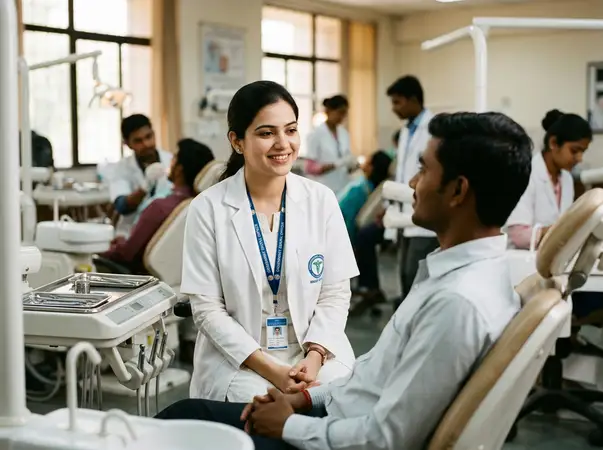
Thirdly, government service offers unparalleled opportunities for professional growth and learning. Dentists in government setups often get exposure to a wide range of cases and advanced equipment, especially in larger hospitals and medical colleges. There are provisions for study leave, sponsored training programs, and opportunities to pursue higher education (MDS) while in service, enhancing their skills and qualifications. Promotions are regular and based on experience and performance, leading to higher ranks and greater responsibilities.
Finally, and perhaps most importantly, government dental jobs offer a profound sense of purpose and social impact. Working in public health centers, district hospitals, or the armed forces means serving diverse populations, including those in underserved rural areas, and contributing directly to the nation's health. This public service aspect is a significant motivator for many, providing immense job satisfaction that goes beyond monetary rewards. As we approach 2026, the government's continued focus on strengthening healthcare infrastructure, particularly in rural and semi-urban areas, suggests a consistent demand for qualified dental professionals.
Detailed Look: Dental Officer Roles in State and Central Governments
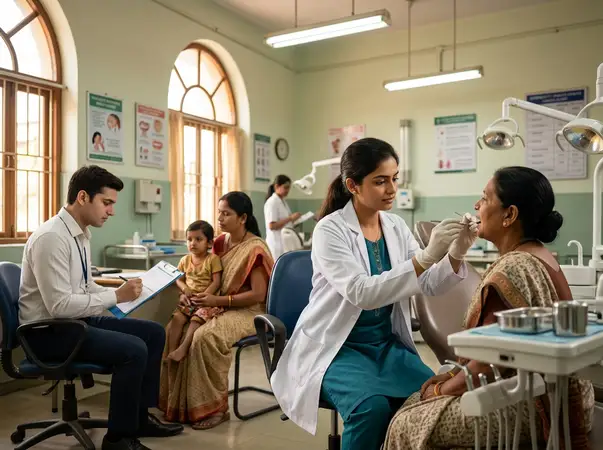
For BDS graduates, the most direct path into government service is often through roles as Dental Officers. These positions are primarily clinical but can also involve administrative and public health components. Opportunities exist at both state and central government levels, each offering distinct work environments and responsibilities.
State Government Dental Officer Positions
State Public Service Commissions (PSCs) regularly recruit Dental Officers for various departments. These roles are crucial for delivering primary and secondary dental care across the state. Common postings include:
- Primary Health Centers (PHCs) and Community Health Centers (CHCs): Often located in rural and semi-urban areas, these centers are the first point of contact for many patients. Dental Officers here provide essential services like extractions, fillings, scaling, and oral health education. This role offers a unique opportunity to make a direct impact on community health.
- District Hospitals: These larger facilities offer a broader scope of practice, including minor oral surgeries, managing dental emergencies, and collaborating with other medical specialists.
- State Medical Colleges and Dental Colleges: For those with a passion for academia and advanced clinical practice, positions in government dental colleges involve teaching, clinical practice, and often research.
- Health Departments: Some roles involve program management, supervision of dental health initiatives, and policy implementation rather than direct clinical work.
The recruitment process typically involves a written examination conducted by the State PSC, followed by an interview. Eligibility usually requires a BDS degree and registration with the State Dental Council.
Central Government Dental Officer Positions
Central government opportunities are often highly sought after due to their national reach and sometimes more specialized nature. Key employers include:
- Ministry of Health & Family Welfare: Direct recruitment to various central government hospitals and institutions.
- All India Institute of Medical Sciences (AIIMS): AIIMS hospitals across India offer prestigious Dental Officer positions, often involving advanced clinical practice, research, and teaching. These roles are highly competitive and may require an MDS for certain specializations.
- Employees' State Insurance Corporation (ESIC) Hospitals: ESIC provides healthcare services to insured workers and their families. Dental Officers here cater to a specific beneficiary population.
- Indian Railways: The extensive railway network has its own hospitals and health units where Dental Officers provide care to railway employees and their dependents.
- Central Government Health Scheme (CGHS): CGHS dispensaries and hospitals cater to central government employees, pensioners, and their families, offering a stable clinical environment.
Recruitment for central government positions is often conducted by the Union Public Service Commission (UPSC) or specific recruitment boards of the respective organizations. The selection process typically includes a written exam and an interview. These roles often come with attractive perks and opportunities for inter-state transfers.
In both state and central roles, a Dental Officer's duties are diverse, encompassing clinical examination, diagnosis, treatment planning, performing various dental procedures, managing emergencies, maintaining patient records, and participating in public health campaigns. The year 2026 is expected to see continued demand for these vital roles as healthcare infrastructure expands across the country.
Serving the Nation: The Indian Army Dental Corps (AD Corps)
For BDS graduates seeking a career that combines professional dentistry with the honor and discipline of military service, the Indian Army Dental Corps (AD Corps) offers a distinguished and challenging path. It's a unique opportunity to serve the nation while practicing your chosen profession within the esteemed Indian Armed Forces.
What is the Army Dental Corps?
The AD Corps is a specialized branch of the Indian Army responsible for providing comprehensive dental care to serving military personnel, their families, and ex-servicemen. Dental officers in the AD Corps are commissioned officers, holding ranks similar to their counterparts in other branches of the armed forces. They are an integral part of the military healthcare system, ensuring the oral health and combat readiness of the troops.
Entry Pathways and Eligibility
The primary entry route for BDS graduates into the AD Corps is through the Short Service Commission (SSC). This is typically advertised annually, and eligible candidates can apply. Key eligibility criteria usually include:
- Nationality: Indian citizen.
- Age Limit: Generally up to 45 years for BDS/MDS, but specific notifications should be checked.
- Educational Qualification: A BDS degree from a DCI recognized university/college. An MDS degree is an added advantage and may open doors to higher entry ranks or specialized roles.
- Registration: Permanent registration with the State Dental Council/Dental Council of India (DCI).
- Internship: Completion of a compulsory rotatory internship.
- Medical Fitness: Candidates must meet stringent physical and medical standards prescribed for the armed forces.
After serving a period under SSC, officers may be eligible to apply for a Permanent Commission (PC), offering a lifelong career in the AD Corps.
Selection Process
The selection process for the AD Corps is rigorous and designed to identify candidates who possess both clinical competence and the attributes required for military service:
- Written Examination: A competitive exam testing professional dental knowledge, general awareness, and reasoning ability.
- Interview: Conducted by a Service Selection Board (SSB), this assesses a candidate's personality, leadership qualities, communication skills, and suitability for military life.
- Medical Examination: A thorough medical check-up to ensure candidates meet the high physical standards of the armed forces.
Life in the AD Corps
Life as a Dental Officer in the AD Corps is dynamic and rewarding. You will be posted to various military hospitals, field medical units, and dental centers across the country, sometimes even in challenging terrains or operational areas. Duties include routine dental care, emergency treatment, maxillofacial trauma management, and participating in medical camps. Officers also undergo military training, developing leadership skills and adapting to the disciplined environment of the armed forces.
The AD Corps offers excellent career progression, opportunities for advanced training and specialization (including MDS sponsorships), and a comprehensive package of perks and benefits, including accommodation, medical facilities, CSD facilities, and a distinguished pension scheme. For BDS graduates looking for a challenging, prestigious, and service-oriented career in 2026, the Army Dental Corps is an exceptional choice.
Beyond Clinical: Public Health Dentistry and Community Roles
While direct clinical practice is a prominent path, BDS graduates also have significant opportunities in public health dentistry, focusing on population-level oral health. These roles are crucial for preventing dental diseases, promoting oral hygiene, and implementing health policies across communities. For 2026, the emphasis on preventive healthcare and community outreach is only set to grow, making these roles increasingly vital.
What is Public Health Dentistry?
Public Health Dentistry is a specialized field that deals with the prevention and control of dental diseases and the promotion of oral health through organized community efforts. It involves assessing the oral health needs of a population, planning and implementing programs, and evaluating their effectiveness. Unlike individual patient care, public health dentists address the oral health of entire communities.
Key Roles and Responsibilities
BDS graduates in public health roles can find opportunities in various government departments and organizations:
- Public Health Dental Officer: These officers work within state or central health departments. Their responsibilities include conducting oral health surveys, identifying prevalent dental issues in communities, designing and implementing oral health awareness campaigns, and coordinating dental health programs. They might also be involved in policy formulation related to oral health.
- School Dental Officer: Focused on children's oral health, these roles involve conducting dental check-ups in schools, providing preventive treatments like fluoride application and pit and fissure sealants, and educating students, teachers, and parents about good oral hygiene practices.
- National Oral Health Programme (NOHP): Under the National Health Mission (NHM), the NOHP aims to provide comprehensive oral healthcare. BDS graduates can be recruited to work on various aspects of this program, including planning, implementation, monitoring, and evaluation at district or state levels.
- Epidemiologist/Researchers: For those with an interest in data and research, roles might involve studying the patterns and causes of oral diseases, evaluating the impact of interventions, and contributing to evidence-based policy making.
- Community Outreach and Education: Working with local government bodies or government-funded NGOs, these roles focus on organizing dental camps, conducting health education sessions, and reaching underserved populations.
Impact and Future Prospects
Public health dentists play a pivotal role in shifting the focus from curative to preventive care, which is more cost-effective and improves the overall quality of life for a larger population. With the government's continued emphasis on 'Health for All' and initiatives like Ayushman Bharat, the demand for public health professionals, including dentists, is expected to remain strong in 2026 and beyond.
These roles offer immense job satisfaction through community service, opportunities for interdisciplinary collaboration with other healthcare professionals, and a chance to influence public health policies. While an MDS in Public Health Dentistry can open doors to more senior and specialized roles, a BDS degree is often sufficient for entry-level positions, providing a solid foundation for a career dedicated to improving the oral health of the masses.
Eligibility Criteria and Application Process for Government Dental Jobs
Securing a government dental job requires meeting specific eligibility criteria and navigating a structured application process. While details can vary slightly between central and state governments, and even between different organizations, there are common requirements that BDS graduates should be aware of as they plan for opportunities in 2026.
General Eligibility Criteria
Most government dental jobs will require the following fundamental qualifications:
- Educational Qualification: A Bachelor of Dental Surgery (BDS) degree from an institution recognized by the Dental Council of India (DCI). For specialist or senior positions, a Master of Dental Surgery (MDS) in a relevant specialty may be required or preferred.
- Registration: Valid permanent registration with the Dental Council of India (DCI) or a State Dental Council. This is a non-negotiable requirement for practicing dentistry in India.
- Internship: Completion of the mandatory one-year rotatory internship after BDS.
- Nationality: Applicant must be a citizen of India.
- Age Limit: Age limits vary significantly by post, recruiting agency, and category. Typically, for general category candidates, the age limit ranges from 30 to 35 years for entry-level positions. Relaxations are provided for candidates belonging to Scheduled Castes (SC), Scheduled Tribes (ST), Other Backward Classes (OBC), Persons with Disabilities (PwD), and Ex-servicemen, as per government rules.
- Language Proficiency: For state government jobs, proficiency in the local language of the state might be a requirement.
- Experience: While many entry-level positions are open to fresh BDS graduates, some senior or specialized roles may require a certain number of years of post-BDS experience.
The Application Process: A Step-by-Step Guide
Staying informed and meticulous during the application process is key:
- Monitor Official Notifications: This is the most critical step. Keep a regular check on the official websites of recruiting bodies like the Union Public Service Commission (UPSC), various State Public Service Commissions (PSCs), Staff Selection Commission (SSC), Ministry of Health & Family Welfare, AIIMS, ESIC, Indian Railways, and the Indian Army's recruitment portal. TrueJobs.co.in is an excellent resource to find consolidated information on the latest government job vacancies for dentists /sarkari-naukri.
- Read the Advertisement Carefully: Once a notification is released, thoroughly read the entire advertisement. Pay close attention to eligibility criteria, application dates, selection process, syllabus, application fees, and required documents.
- Online Application Form: Most applications are now submitted online. Fill out the form accurately, ensuring all personal, educational, and professional details match your documents. Any discrepancy can lead to disqualification.
- Upload Documents: Scan and upload all required documents (BDS degree certificate, DCI/State Dental Council registration, internship completion certificate, age proof, caste certificate if applicable, passport-sized photograph, signature) in the specified format and size.
- Application Fee Payment: Pay the application fee through the prescribed online modes (net banking, credit/debit card). Keep the payment receipt for future reference. Fee waivers are often available for reserved categories.
- Submission and Printout: After reviewing all details, submit the application. It is advisable to take a printout of the submitted application form and the payment receipt for your records.
- Admit Card Download: Keep an eye out for the release of admit cards /admit-card for the written examination. Download and print it well in advance.
Remember, adhering to deadlines and providing accurate information are paramount. Start preparing your documents in advance and ensure your DCI/State Dental Council registration is up-to-date. By being proactive and organized, you can significantly enhance your chances of securing a government dental job in 2026.
Preparation Strategy: Cracking Government Dental Exams
Government dental exams are highly competitive, demanding a well-structured and disciplined preparation strategy. Success in 2026 will hinge on a comprehensive understanding of both dental subjects and general aptitude. Here's a detailed approach to help you crack these examinations:
1. Understand the Exam Pattern and Syllabus
Before diving into preparation, thoroughly analyze the exam pattern and detailed syllabus. Most government dental exams typically consist of two main sections:
- Professional Subject Knowledge: This covers all nine subjects taught during your BDS curriculum:
- Anatomy, Physiology, Biochemistry
- Pharmacology, Pathology, Microbiology
- Oral Anatomy, Oral Histology, Oral Pathology
- General Medicine, General Surgery
- Conservative Dentistry & Endodontics
- Prosthodontics
- Periodontics
- Oral & Maxillofacial Surgery
- Orthodontics
- Pediatric & Preventive Dentistry
- Community Dentistry (Public Health Dentistry)
- General Knowledge and Current Affairs
- Reasoning Ability
- Quantitative Aptitude
- English Language Comprehension
Refer to previous year's question papers to understand the weightage given to different subjects and the type of questions asked.
2. Create a Structured Study Plan
A well-organized study plan is crucial. Allocate specific time slots for each subject, ensuring a balance between professional dental subjects and general aptitude. Prioritize subjects based on their weightage and your personal strengths and weaknesses. Break down the syllabus into smaller, manageable topics.
3. Comprehensive Subject Revision
- Dental Subjects: Revisit your BDS textbooks and notes. Focus on fundamental concepts, clinical applications, and commonly tested areas. For instance, in Oral Surgery, concentrate on impactions, exodontia complications, and basic trauma management. In Conservative Dentistry, focus on cavity preparations, restorative materials, and root canal anatomy.
- General Knowledge & Current Affairs: Read newspapers daily, follow reputable news channels, and use monthly current affairs magazines or online resources. Focus on national and international events, government schemes (especially health-related), awards, sports, and important dates.
- Reasoning & Quantitative Aptitude: Practice regularly. Use dedicated textbooks for competitive exams. Focus on topics like number series, coding-decoding, blood relations, percentages, profit & loss, time & work, etc.
- English Language: Improve your vocabulary, grammar, and comprehension skills. Practice reading comprehension passages, error detection, and sentence correction exercises.
4. Utilize Quality Study Resources
- BDS Textbooks: Your primary source for professional knowledge.
- Review Books: Books specifically designed for postgraduate dental entrance exams (like NEET-MDS guides) can be helpful for quick revisions and MCQs.
- Online Platforms: Many online platforms offer courses, mock tests, and study materials for government job exams.
- Previous Year Papers: Solve as many previous year's question papers as possible. This helps in understanding the exam pattern, time management, and identifying frequently asked topics.
5. Practice Mock Tests and Time Management
Regularly take full-length mock tests under timed conditions. This is vital for:
- Time Management: Learning to complete the paper within the allotted time.
- Identifying Weak Areas: Pinpointing subjects or topics where you need more practice.
- Exam Temperament: Getting accustomed to the pressure of an examination.
Analyze your performance after each mock test, review incorrect answers, and work on improving those areas.
6. Interview Preparation
If the selection process includes an interview, start preparing in parallel. Focus on:
- Clinical Knowledge: Be prepared to discuss common dental procedures, diagnoses, and treatment plans.
- General Awareness: Stay updated on current affairs, especially related to healthcare policies and the dental profession.
- Communication Skills: Practice clear and confident communication.
- Motivation: Be able to articulate why you want to join government service and what you can contribute.
By following this comprehensive strategy, BDS graduates can significantly enhance their chances of securing a coveted government dental job in 2026. Remember, consistency and perseverance are key to success.
Career Growth and Future Prospects for Government Dentists
A career as a government dentist in India offers not just immediate stability and benefits but also a well-defined path for long-term professional growth and diverse future prospects. For BDS graduates joining in 2026, the trajectory can be highly rewarding, leading to specialized roles, administrative positions, and continued learning opportunities.
Promotions and Hierarchical Advancement
Government dental services have a structured hierarchy, allowing for regular promotions based on experience, performance, and sometimes departmental examinations. An entry-level Dental Officer can gradually rise through the ranks to Senior Dental Officer, Chief Dental Officer, and even to administrative positions within the health department. For instance, in the Army Dental Corps, officers progress through military ranks, gaining more responsibilities and leadership roles.
Opportunities for Specialization and Higher Education
One of the significant advantages of government service is the potential for sponsored higher education. Many government bodies offer study leave or sponsorships for dentists to pursue an MDS degree in various specialties like Orthodontics, Oral Surgery, Periodontics, Prosthodontics, or Public Health Dentistry. This not only enhances a dentist's skills and knowledge but also opens doors to more specialized clinical roles, teaching positions in government dental colleges, or research opportunities.
Transition to Administrative and Policy Roles
As dentists gain experience, they can transition from purely clinical roles to more administrative or policy-making positions. This could involve managing dental health programs at district, state, or national levels, contributing to the development of oral health policies, or overseeing healthcare infrastructure. Such roles offer a chance to influence public health on a broader scale and contribute to systemic improvements.
Research and Academic Contributions
In central government institutions like AIIMS or government medical/dental colleges, dentists often have opportunities to engage in research, publish papers, and contribute to academic advancements in the field of dentistry. This can be particularly appealing for those with a bent towards scientific inquiry and teaching.
Stability, Benefits, and Post-Retirement Life
Beyond career progression, government jobs provide unparalleled stability and a comprehensive benefits package throughout one's working life and into
Frequently Asked Questions (FAQs)
What are the main types of government jobs available after BDS?
After BDS, graduates can pursue roles like Dental Officer in state/central government, join the Army Dental Corps, or work in Public Health Dentistry.
Is a government dental job better than private practice?
It depends on career goals. Government jobs offer high security, stable pay, and benefits, while private practice may offer higher earning potential and autonomy.
What is the selection process for the Army Dental Corps?
The process includes a written exam, an interview, and a medical examination to assess a candidate's suitability for military service and a career in the armed forces.
Related Resources
- Latest Government Job Notifications
- How to Prepare for Government Exams
- Medical Officer Job Listings
Conclusion: Your Future in Government Dental Services
Securing a government job after your BDS is a highly achievable and rewarding goal for 2026 and beyond. From serving as a Dental Officer to joining the Army Dental Corps, the opportunities are vast. This guide provides a clear roadmap to the available paths and preparation strategies. By preparing diligently, you can confidently step towards a stable and fulfilling career in public service.
Reader questions: Government Jobs
What are the main types of government jobs available after BDS?
After BDS, graduates can pursue roles like Dental Officer in state/central government, join the Army Dental Corps, or work in Public Health Dentistry.
Is a government dental job better than private practice?
It depends on career goals. Government jobs offer high security, stable pay, and benefits, while private practice may offer higher earning potential and autonomy.
What is the selection process for the Army Dental Corps?
The process includes a written exam, an interview, and a medical examination to assess a candidate's suitability for military service and a career in the armed forces.
Related Government Job Resources
Continue with active job hubs and related government job pages on TrueJobs.
Tools for this recruitment topic
Use only the tools relevant to the dates, eligibility or documents discussed above.
TrueJobs Editorial Team
TrueJobs editorial desk
This article is prepared from the sources referenced in the guide and reviewed for clarity, links and dated information. Read our editorial and corrections policy.
Continue This Topic
Follow the closest earlier and newer coverage so older archive posts keep real contextual crawl paths.
Government Jobs After BPT in 2026: Physiotherapy Roles & Opportunities
For BPT graduates, government jobs offer stable careers. This guide details 2026 physiotherapy roles in hospitals, defence, and state health, including eligibility and salary.
Government Jobs After Library Science in 2026: Your Career Guide
Are you pursuing a degree in Library and Information Science and wondering about your career prospects in the government sector? This guide explores the exciting opportunities awaiting graduates in 2026, from traditional librarian roles to emerging digital positions in universities, courts, and archives across India.
Read Next
Government Jobs After BPT in 2026: Physiotherapy Roles & Opportunities

Government Jobs After Library Science in 2026: Your Career Guide

Government Jobs for Architects in 2026: Your Path to Public Service

Government Jobs After Veterinary Degree in 2026: Your Comprehensive Guide
Explore Topics
Perfect Your Resume
Use our AI-powered Resume Builder to create ATS-optimized resumes.
AI Resume Builder