
Recruitment guide
Govt Jobs After Veterinary Degree 2026: A Complete — Explained
Planning your career for 2026? This guide covers top government jobs after a veterinary degree, including roles in FSSAI, ICAR, and the Indian Army.
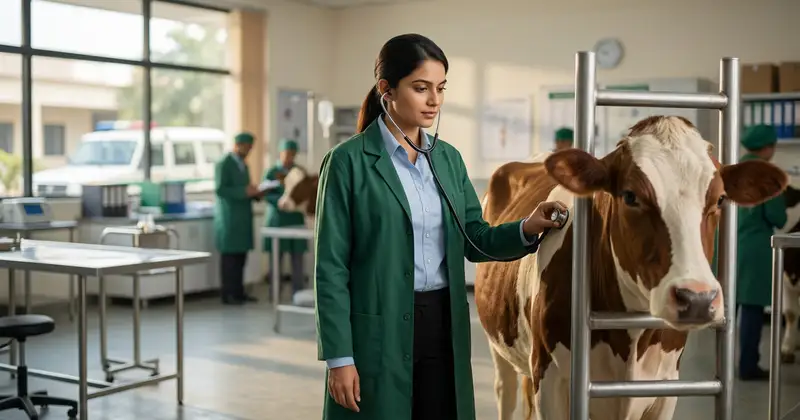
Are you a budding veterinarian or a final-year BVSc & AH student looking ahead to a stable and impactful career? The field of veterinary science in India is dynamic and ever-evolving, offering a plethora of opportunities, especially within the government sector. With the nation's immense livestock population, growing emphasis on food safety, and increasing awareness about animal welfare and public health, the demand for skilled veterinary professionals is consistently high. If you're planning your career trajectory for 2026 and beyond, understanding the diverse government job roles available after a veterinary degree is crucial.
From ensuring the health of livestock in rural areas to safeguarding our food supply, and even contributing to wildlife conservation, government jobs offer not just security but also a chance to make a significant difference. This comprehensive guide from TrueJobs.co.in will walk you through the various avenues, eligibility, preparation, and growth prospects for veterinary graduates eyeing government service in the coming years.

The Growing Landscape of Veterinary Science in India
India boasts one of the largest livestock populations globally, playing a pivotal role in the country's agrarian economy. Livestock, including cattle, buffaloes, sheep, goats, poultry, and fisheries, contributes significantly to the GDP, provides livelihood to millions, and ensures food security through milk, meat, eggs, and fish production. This vast animal resource necessitates a robust veterinary infrastructure and a skilled workforce to manage animal health, productivity, and welfare effectively. The government, both at the central and state levels, recognizes the critical importance of this sector. Initiatives focused on disease control (like Foot and Mouth Disease, Brucellosis), breed improvement, dairy development, poultry farming, and fisheries expansion are continuously being rolled out, creating a sustained demand for veterinary professionals.
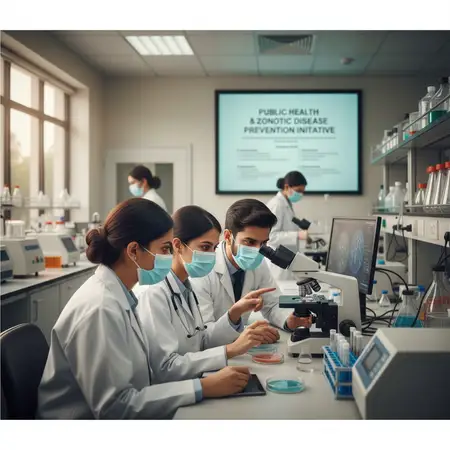
Beyond traditional animal healthcare, veterinarians are increasingly vital in public health. Zoonotic diseases – diseases transmissible from animals to humans – pose significant global health challenges. Veterinarians are at the forefront of preventing and controlling such outbreaks, working closely with public health officials. Furthermore, their expertise is indispensable in ensuring food safety, from farm to fork. They monitor animal health, inspect animal products, and enforce hygiene standards in processing units, directly impacting the quality and safety of food consumed by millions. The growing pet ownership and wildlife conservation efforts also add new dimensions to the veterinary profession, with government bodies actively recruiting for these specialized roles.
This expanding scope ensures that a veterinary degree opens doors to a wide array of impactful government careers.
Key Government Departments & Organizations Hiring Veterinary Graduates
A veterinary degree is a gateway to numerous government departments and organizations that are integral to the nation's animal health, food security, and public health infrastructure. Understanding where these opportunities lie is the first step towards a successful career.
1. Department of Animal Husbandry & Dairying (DAHD) - Central & State
- Role: These departments are the primary employers of veterinarians. They are responsible for implementing government policies related to livestock development, disease control, dairy production, and animal welfare.
- Positions: Veterinary Officers, Assistant Veterinary Surgeons, Livestock Development Officers.
- Scope: Work involves clinical practice, vaccination campaigns, artificial insemination, extension services to farmers, and disease surveillance.
2. Food Safety and Standards Authority of India (FSSAI)
- Role: As India's apex food regulator, FSSAI ensures food safety and quality across the country. Veterinarians play a crucial role in regulating meat, dairy, and poultry products.
- Positions: Food Safety Officers, Technical Officers, Assistant Directors.
- Scope: Inspection of food processing units, setting standards for animal-derived food products, surveillance, and enforcement of food safety regulations.
3. State Livestock Development Boards/Corporations
- Role: These autonomous bodies focus on specific aspects of livestock development, such as breed improvement, fodder development, and livestock insurance.
- Positions: Project Officers, Technical Managers, Veterinary Consultants.
- Scope: Managing specific projects, providing technical expertise, and implementing state-specific livestock programs.
4. Veterinary Universities & Research Institutes
- Role: For those inclined towards academics and research, government-funded veterinary universities and research institutes offer fulfilling careers.
- Positions: Assistant Professors, Junior Research Fellows, Research Associates, Scientists.
- Scope: Teaching undergraduate and postgraduate students, conducting research in various veterinary disciplines, and contributing to scientific advancements.
5. Indian Council of Agricultural Research (ICAR)
- Role: ICAR is an autonomous organization under the Department of Agricultural Research and Education (DARE), Ministry of Agriculture and Farmers Welfare. It coordinates, guides, and manages research and education in agriculture including animal sciences.
- Positions: Scientists (Animal Sciences), Senior Scientists, Principal Scientists at various ICAR institutes (e.g., IVRI, NDRI).
- Scope: Cutting-edge research in animal health, nutrition, genetics, and production.
6. Remount and Veterinary Corps (RVC) - Indian Army
- Role: The RVC provides veterinary care to the animals of the Indian Army, including horses, mules, and dogs, and also contributes to animal procurement and breeding.
- Positions: Commissioned Officers (Veterinary Officers).
- Scope: Clinical practice in challenging environments, animal management, and contributing to military operations.
7. Wildlife Departments & Forest Services
- Role: With increasing focus on wildlife conservation, veterinarians are crucial for managing the health of wild animals in national parks, sanctuaries, and rescue centers.
- Positions: Wildlife Veterinarians, Veterinary Officers (Forest Department).
- Scope: Animal capture and tranquilization, treatment of injured wildlife, disease surveillance in wild populations, and post-mortem examinations.
8. Municipal Corporations & Urban Local Bodies
- Role: These bodies often employ veterinarians for urban animal control, stray animal management, and public health initiatives related to animals.
- Positions: Veterinary Officers, Health Officers.
- Scope: Managing animal shelters, sterilization programs, rabies control, and addressing public complaints related to animals.
Diverse Role Profiles for Veterinary Professionals in Government
The government sector offers a rich tapestry of roles for veterinary graduates, each with its unique responsibilities and impact. While the core qualification remains BVSc & AH, specialization and interest can lead to diverse career paths.
1. Veterinary Officer / Assistant Surgeon
This is the most common entry-level position in state animal husbandry departments. Veterinary Officers are the backbone of rural animal healthcare. Their responsibilities include:
- Diagnosing and treating diseases in livestock and poultry.
- Performing surgeries and emergency procedures.
- Implementing vaccination programs and disease control measures.
- Conducting artificial insemination and advising farmers on breeding.
- Providing extension services and educating farmers on animal management.
- Maintaining health records and reporting disease outbreaks.
2. Livestock Development Officer
These roles often involve a broader focus on enhancing livestock productivity and welfare. They work on implementing government schemes related to breed improvement, fodder development, and livestock insurance. Their work is more programmatic and less clinical, focusing on policy implementation and farmer outreach.
3. Food Safety Officer / Technical Officer (FSSAI/State Food & Drug Administration)
Veterinarians in these roles are critical for ensuring public health. Their duties include:
- Inspecting meat, poultry, and dairy processing units for hygiene and compliance with food safety standards.
- Collecting samples for laboratory testing to detect contaminants or adulteration.
- Investigating foodborne disease outbreaks linked to animal products.
- Enforcing food safety regulations and issuing licenses.
- Developing and updating food safety guidelines for animal products.
4. Research Scientist / Assistant Professor (ICAR/Universities)
For those passionate about scientific inquiry and teaching, these roles offer a platform to contribute to the advancement of veterinary science. Responsibilities include:
- Designing and conducting research projects in areas like animal genetics, nutrition, pathology, pharmacology, and public health.
- Publishing research findings in scientific journals.
- Teaching undergraduate and postgraduate students.
- Guiding master's and PhD students in their research.
- Participating in national and international conferences.
5. Wildlife Veterinarian (Forest Department)
This specialized role combines veterinary expertise with a passion for wildlife conservation. Key responsibilities are:
- Providing medical care to injured, orphaned, or rescued wild animals.
- Participating in wildlife capture, tranquilization, and translocation operations.
- Monitoring disease prevalence in wild populations and preventing zoonotic spillover.
- Conducting post-mortem examinations to determine causes of death.
- Assisting in wildlife rehabilitation and release programs.
6. Veterinary Public Health Specialist
These professionals focus on the intersection of animal and human health. They often work in collaboration with public health departments on:
- Epidemiological surveillance of zoonotic diseases.
- Developing strategies for disease prevention and control.
- Risk assessment and communication related to animal-borne diseases.
- Promoting One Health initiatives, recognizing the interconnectedness of human, animal, and environmental health.
7. Quality Control Officer (Dairy/Meat/Poultry Processing)
Working in government-owned processing units, these officers ensure that animal products meet quality and safety standards before reaching consumers. This involves rigorous testing, process monitoring, and adherence to regulatory guidelines.
8. Remount Veterinary Corps (RVC) Officer
Serving in the Indian Army, RVC officers provide comprehensive veterinary care to military animals. This includes:
- Clinical treatment and preventive healthcare for horses, mules, and dogs.
- Breeding and training of service animals.
- Managing animal logistics and welfare in diverse terrains.
- Participation in military operations and exercises.
Eligibility Criteria and Application Process for Government Veterinary Jobs
Securing a government job as a veterinarian requires meeting specific eligibility criteria and navigating a structured application process. While details may vary slightly between states and central organizations, the core requirements remain consistent.
1. Educational Qualification
- Bachelor of Veterinary Science & Animal Husbandry (BVSc & AH): This is the fundamental requirement for almost all government veterinary positions. The degree must be from a university recognized by the Veterinary Council of India (VCI).
- Master's/PhD (MVSc/PhD): For research scientist positions, Assistant Professor roles, or some specialized posts, a postgraduate or doctoral degree in a relevant veterinary discipline (e.g., Veterinary Pathology, Public Health, Animal Nutrition, Surgery) is often mandatory or preferred.
2. Registration with Veterinary Council of India (VCI) / State Veterinary Council
Mandatory registration with the VCI or the respective State Veterinary Council is a prerequisite to practice veterinary medicine in India. This ensures that you are a qualified and licensed professional.
3. Age Limit
The age limit typically ranges from 21 to 35 years for general category candidates. However, there are significant relaxations for candidates belonging to Scheduled Castes (SC), Scheduled Tribes (ST), Other Backward Classes (OBC), Persons with Disabilities (PwD), and Ex-servicemen, as per government rules. Always refer to the specific job notification for exact age criteria.
4. Nationality
Applicants must be citizens of India.
5. Selection Process
The selection process for government veterinary jobs is generally multi-staged and competitive:
- Written Examination: This is usually the first stage and can include objective-type (MCQ) questions covering veterinary subjects, general knowledge, current affairs, reasoning, and aptitude. Some exams may also have a descriptive component.
- Interview: Candidates who qualify the written exam are called for an interview. This assesses your subject knowledge, communication skills, personality, and suitability for the role.
- Document Verification: Original certificates for educational qualifications, age, caste, and VCI registration are verified.
- Medical Examination: A medical fitness test is conducted to ensure candidates meet the physical standards required for the job.
6. How to Apply
- Official Notifications: Government job vacancies are advertised on the official websites of the recruiting bodies (e.g., State Public Service Commissions, FSSAI, ICAR, UPSC for RVC).
- TrueJobs.co.in: We compile and publish all relevant government job notifications, making it easier for you to find suitable openings. Keep an eye on our /sarkari-naukri-notifications">Sarkari Naukri Notifications section.
- Online Application: Most applications are submitted online through the respective recruitment portal. Candidates need to fill out the application form, upload required documents (scanned copies of photograph, signature, certificates), and pay the application fee.
- Application Fee: A non-refundable application fee is usually charged, with exemptions or reductions for reserved categories.
It is crucial to read each job notification thoroughly for specific eligibility criteria, syllabus, exam pattern, and application deadlines. Missing any detail can lead to disqualification.
Preparing for Government Veterinary Service Exams
Success in government veterinary service exams hinges on meticulous preparation and a strategic approach. Given the competitive nature of these roles, a well-planned study regimen is essential.
1. Understand the Syllabus and Exam Pattern
- Veterinary Subjects: The core of most exams will be questions from your BVSc & AH curriculum. This includes subjects like Veterinary Anatomy, Physiology, Biochemistry, Pharmacology & Toxicology, Pathology, Microbiology, Parasitology, Medicine, Surgery & Radiology, Gynaecology & Obstetrics, Livestock Production & Management, Animal Nutrition, Animal Genetics & Breeding, Veterinary Public Health & Epidemiology, Livestock Products Technology, and Veterinary Extension Education.
- General Studies/General Knowledge: Many exams include sections on Indian History, Geography, Polity, Economy, Science & Technology, and Current Affairs.
- Aptitude & Reasoning: Basic quantitative aptitude, logical reasoning, and data interpretation are common components.
- Language: Some exams might include a section on English or the regional language.
Always refer to the specific syllabus provided in the official job notification, as it can vary.
2. Gather Study Resources
- Standard Textbooks: Revisit your BVSc & AH textbooks. These are your primary and most reliable source of information for veterinary subjects.
- Reference Books: For general studies, use standard reference books like Lucent's General Knowledge.
- Online Resources: Utilize educational websites, veterinary forums, and online courses. Many platforms offer specialized courses for government veterinary exams.
- Previous Year Question Papers: Solving past papers is invaluable. It helps you understand the exam pattern, question types, and time management.
- Current Affairs: Regularly read newspapers, magazines, and follow reliable news portals to stay updated on national and international events, especially those related to agriculture, animal husbandry, and public health. Our /current-affairs">Current Affairs section can be a great resource.
3. Develop a Study Strategy
- Create a Study Schedule: Allocate dedicated time for each subject, balancing veterinary topics with general studies. Be realistic and consistent.
- Concept Clarity: Focus on understanding concepts rather than rote memorization. This will help you tackle application-based questions.
- Revision: Regular revision is key. Make concise notes during your study sessions to aid quick revision.
- Practice MCQs: Since most written exams are objective, practice a large number of multiple-choice questions.
- Mock Tests: Take full-length mock tests under timed conditions to simulate the actual exam environment. This helps in improving speed, accuracy, and identifying weak areas.
- Time Management: During the exam, allocate time wisely to each section. Don't spend too much time on a single difficult question.
- Interview Preparation: If you clear the written exam, start preparing for the interview. Brush up on your subject knowledge, current affairs, and practice answering common interview questions. Be confident and articulate.
Remember, consistency, discipline, and a positive attitude are your best companions on this journey. For more general exam preparation tips, visit our /exam-preparation">Exam Preparation section.
Career Growth and Benefits in Government Veterinary Roles
A career in government veterinary service offers a multitude of benefits, making it an attractive option for many graduates. Beyond the immediate job profile, it promises stability, substantial growth, and a chance to contribute meaningfully to society.
1. Job Security and Stability
Government jobs are renowned for their high level of job security. Once appointed, veterinarians can expect a stable career until retirement, protected from economic downturns or corporate restructuring. This provides immense peace of mind and allows for long-term planning.
2. Attractive Salary and Perks
Government veterinary positions offer competitive salaries based on the Central Pay Commission (CPC) recommendations (e.g., 7th Pay Commission). Entry-level salaries are respectable and increase steadily with experience and promotions. In addition to the basic pay, employees receive various allowances such as:
- Dearness Allowance (DA)
- House Rent Allowance (HRA)
- Travel Allowance (TA)
- Medical Benefits for self and family
- Pension and Gratuity upon retirement
- Leave Travel Concession (LTC)
- Subsidized housing in some cases
3. Work-Life Balance
While field roles can sometimes demand irregular hours, government jobs generally offer a better work-life balance compared to many private sector roles. Fixed working hours, weekends off (though emergencies might arise), and generous leave policies contribute to a healthier personal and professional life.
4. Opportunities for Specialization and Training
The government actively encourages its employees to enhance their skills and knowledge. Veterinarians often get opportunities to:
- Attend national and international training programs, workshops, and seminars.
- Pursue higher education (MVSc, PhD) with study leave provisions.
- Specialize in various fields like surgery, medicine, pathology, public health, or wildlife, often sponsored by the department.
5. Impact and Contribution to Society
Working for the government provides a unique opportunity to serve the nation. Veterinarians directly contribute to:
- Improving the health and productivity of livestock, thereby boosting the rural economy.
- Ensuring food safety and public health by controlling zoonotic diseases and inspecting animal products.
- Promoting animal welfare and conservation efforts.
- Implementing vital government schemes that benefit farmers and the wider community.
6. Career Progression and Promotions
Government service offers a clear hierarchical structure with defined promotion pathways. Based on experience, performance, and sometimes departmental examinations, veterinarians can progress from Assistant Veterinary Surgeon/Veterinary Officer to Senior Veterinary Officer, Chief Veterinary Officer, Joint Director, and even Director of Animal Husbandry departments. Promotions are often time-bound, ensuring steady career growth.
7. Diverse Work Environment
Depending on the role, veterinarians can work in diverse settings – from rural veterinary hospitals and livestock farms to urban food safety labs, research institutes, and wildlife sanctuaries. This variety keeps the job engaging and offers exposure to different aspects of the profession.
Overall, a government veterinary career is not just a job; it's a fulfilling profession that offers a blend of stability, respectable remuneration, continuous learning, and the satisfaction of making a tangible difference in the lives of animals and people.
The Road Ahead: What to Expect in 2026
As we look towards 2026, the landscape for government veterinary jobs is poised for continued growth and evolution. Several trends indicate an increasing demand for skilled veterinary professionals in India.
1. Continued Emphasis on Livestock and Dairy Sector Growth
The Indian government remains committed to strengthening the agricultural and allied sectors, with livestock and dairy playing a crucial role. Initiatives like the National Livestock Mission, Rashtriya Gokul Mission, and various dairy development schemes will continue to drive the need for veterinarians in field roles, extension services, and project management. The focus on increasing productivity, improving breed quality, and enhancing farmer incomes will sustain demand for veterinary officers across states.
2. Heightened Focus on Food Safety and Quality Assurance
Consumer awareness about food safety is at an all-time high, and regulatory bodies like FSSAI are continuously strengthening their surveillance and enforcement mechanisms. This trend will lead to more opportunities for veterinarians in food inspection, quality control of animal products (meat, milk, eggs), and laboratory testing. Expect a demand for professionals with specialized knowledge in food microbiology, toxicology, and public health.
3. Growing Importance of One Health and Zoonotic Disease Control
The recent global health crises have underscored the critical link between animal health, human health, and environmental health (the 'One Health' concept). In 2026, there will be an even greater emphasis on preventing and controlling zoonotic diseases. Veterinarians will be increasingly recruited for roles in epidemiology, disease surveillance, public health, and inter-sectoral collaboration with medical and environmental agencies. This means a demand for professionals who can work across disciplines.
4. Expansion in Wildlife Health and Conservation
India's rich biodiversity and ongoing conservation efforts will continue to create specialized roles for wildlife veterinarians. As human-wildlife conflict increases and conservation projects expand, the need for veterinarians skilled in wildlife capture, tranquilization, treatment, and disease management in wild populations will grow. Forest departments and wildlife research institutes will be key employers.
5. Digitalization and Technology Adoption in Animal Health
The veterinary sector is gradually embracing digital technologies. Expect to see more integration of telemedicine, AI-powered diagnostics, remote monitoring of livestock, and data analytics in animal health management. Veterinarians in government roles will need to be adaptable and proficient in utilizing these new tools for disease surveillance, record-keeping, and service delivery.
6. Research and Development in Animal Sciences
Institutes like ICAR and veterinary universities will continue to be hubs for research and development. With challenges like climate change, antimicrobial resistance, and the need for sustainable livestock production, there will be a steady demand for veterinary scientists and researchers to innovate and find solutions.
To position yourself for these opportunities in 2026, it's crucial to not only excel in your academic pursuits but also to stay abreast of current trends in veterinary science and public health. Continuously update your skills, consider specializations that align with emerging demands, and regularly check official recruitment portals and reliable job aggregators like TrueJobs.co.in for the latest notifications. The future for veterinary graduates in government service is bright, promising a career that is both stable and immensely rewarding.
Checks to complete before you apply
The journey of a veterinary graduate in India is filled with diverse and impactful career opportunities, particularly within the government sector. As we look towards 2026, the demand for skilled and dedicated veterinary professionals is not just sustained but is expected to grow, driven by the nation's focus on livestock development, food security, public health, and wildlife conservation. From the critical field roles in animal husbandry departments ensuring the health of our vast livestock population, to the meticulous work in food safety ensuring the quality of our food supply, and the specialized efforts in wildlife management, government jobs offer
Frequently Asked Questions (FAQs)
What is the basic eligibility for government veterinary jobs in India?
A Bachelor of Veterinary Science & Animal Husbandry (BVSc & AH) degree and registration with the Veterinary Council of India (VCI) are essential.
Which are the top government departments hiring veterinarians?
Key recruiters include the Department of Animal Husbandry, FSSAI, ICAR, State Livestock Boards, and the Indian Army's Remount and Veterinary Corps (RVC).
What is the role of a veterinarian in the Indian Army?
In the Indian Army's RVC, veterinarians are commissioned officers responsible for the health and care of army animals like dogs, horses, and mules.
Related Resources
- Latest Sarkari Naukri Updates
- Government Exam Preparation Guide
- Agriculture & Food Sector Jobs
Reader questions: Government Jobs
What is the basic eligibility for government veterinary jobs in India?
A Bachelor of Veterinary Science & Animal Husbandry (BVSc & AH) degree and registration with the Veterinary Council of India (VCI) are essential.
Which are the top government departments hiring veterinarians?
Key recruiters include the Department of Animal Husbandry, FSSAI, ICAR, State Livestock Boards, and the Indian Army's Remount and Veterinary Corps (RVC).
What is the role of a veterinarian in the Indian Army?
In the Indian Army's RVC, veterinarians are commissioned officers responsible for the health and care of army animals like dogs, horses, and mules.
Related Government Job Resources
Continue with active job hubs and related government job pages on TrueJobs.
Tools for this recruitment topic
Use only the tools relevant to the dates, eligibility or documents discussed above.
TrueJobs Editorial Team
TrueJobs editorial desk
This article is prepared from the sources referenced in the guide and reviewed for clarity, links and dated information. Read our editorial and corrections policy.
Continue This Topic
Follow the closest earlier and newer coverage so older archive posts keep real contextual crawl paths.
Government Jobs After Library Science in 2026: Your Career Guide
Are you pursuing a degree in Library and Information Science and wondering about your career prospects in the government sector? This guide explores the exciting opportunities awaiting graduates in 2026, from traditional librarian roles to emerging digital positions in universities, courts, and archives across India.
Government Jobs After Agriculture Degree in 2026: Your Complete Guide
Discover top government jobs for agriculture graduates in 2026. This guide covers key roles in NABARD, FCI, IBPS AFO, eligibility, and essential preparation tips for a successful career.
Read Next

Government Jobs After Library Science in 2026: Your Career Guide

Government Jobs After Agriculture Degree in 2026: Your Complete Guide

Government Jobs After BDS in 2026: Your Guide to Dental Officer & Public Health Roles

Unlock Your Future: Government Jobs for Statistics Graduates in 2026
Explore Topics
Perfect Your Resume
Use our AI-powered Resume Builder to create ATS-optimized resumes.
AI Resume Builder