
Recruitment guide
Defence Support Staff Jobs 2026: Non-Combat Vacancies — Explained
Discover the latest non-combat Defence Support Staff job opportunities for 2026. Learn about eligibility, application steps, and selection process based on previous trends.

Defence Support Staff positions offer rewarding career opportunities for candidates seeking non-combat roles in India's military ecosystem. While official notifications for 2026 vacancies are yet to be announced, these civilian positions typically open annually across various defense establishments. This guide analyzes previous recruitment patterns and essential details aspirants should know while preparing for potential 2026 opportunities. This article serves as a comprehensive roadmap, providing in-depth insights into the roles, preparation strategies, and long-term career prospects to help you navigate the upcoming recruitment cycle with confidence.
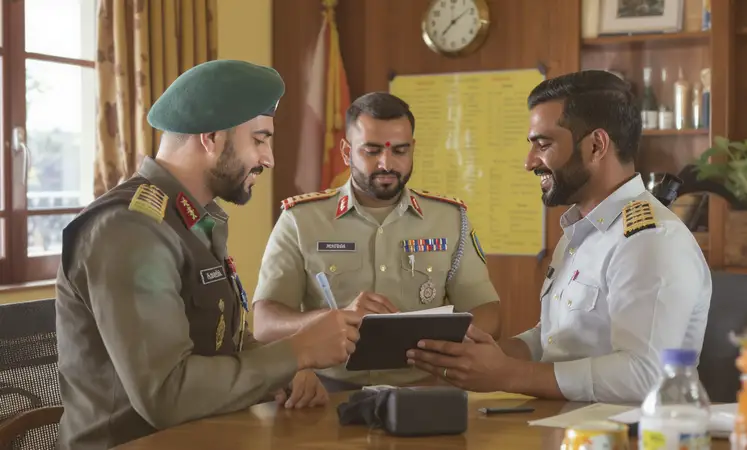
What Are Defence Support Staff Jobs?
Defence Support Staff comprises civilian professionals working in administrative, technical, and logistical roles across India's formidable defence infrastructure. These individuals form the backbone of the military, ensuring smooth day-to-day operations so that the armed forces can focus on their primary defence objectives. They are integral to the functioning of major establishments, including:
- Indian Army
- Indian Air Force
- Indian Navy
- DRDO (Defence Research and Development Organization)
- Ordnance Factories
- Military Engineering Services
These positions require no combat training or battlefield deployment but demand a high degree of specialized skills, discipline, and dedication to maintain the operational efficiency and readiness of India's defence operations. They are governed by the Ministry of Defence and offer a unique opportunity to serve the nation in a civilian capacity.

Key Departments and Roles
Based on previous recruitment cycles, the Defence Support Staff encompasses a wide array of specializations. Major non-combat positions are categorized into several key departments, each with its own set of critical functions and responsibilities.
| Department | Common Roles | Key Responsibilities |
|---|---|---|
| Administrative Wing | Office Superintendent, Clerk, Stenographer | Managing office correspondence, file management, documentation, and providing secretarial support to officers. |
| Technical Services | Junior Engineer, Technician, Draughtsman | Maintenance of equipment, infrastructure development, technical drawings, and supporting defence projects. |
| Logistics | Storekeeper, Inventory Manager, Transport Coordinator | Procurement, inventory control, supply chain management, and coordinating the movement of goods and personnel. |
| Medical Support | Lab Assistant, Nursing Staff, Pharmacist | Providing essential healthcare services, managing medical supplies, and assisting in military hospitals and health centres. |
Other Noteworthy Divisions
Beyond these core departments, support staff are also recruited for roles in finance and accounts, security (civilian), education (instructors in military schools), and fire services. Each role, while non-combatant, is crucial for the self-sufficiency and operational integrity of the defence units.
Eligibility Criteria for 2026 Vacancies
While the specific requirements for the 2026 recruitment drive will be detailed in the official notification, the criteria have remained relatively consistent over the years. Aspirants can use the following parameters, based on previous patterns, to gauge their preparedness.
Educational Qualifications
- 10th/12th Pass: Required for entry-level positions such as Clerk, Storekeeper, Driver, and Multi-Tasking Staff (MTS).
- Diploma: Essential for technical roles like Junior Engineer, Technician, and Draughtsman in relevant engineering streams (Mechanical, Electrical, Civil, etc.).
- Graduation: Mandatory for administrative and supervisory roles like Office Superintendent, and for certain specialized fields in logistics and management.
It is critical to note that the exact percentage of marks and the specific field of study (e.g., Science, Commerce, Arts) will be stipulated in the official advertisement.
Age Limit
- General category: Typically between 18 to 30 years as on the closing date of the application.
- Age relaxation: Provided as per standard government norms for reserved categories:
- OBC (Non-Creamy Layer): Up to 3 years
- SC/ST: Up to 5 years
- PwD (Persons with Disabilities): Up to 10 years
Other relaxations for ex-servicemen and candidates from certain specific regions may also apply as per government rules.
Nationality and Physical Standards
Applicants must be citizens of India. While these are non-combat roles, some positions, especially those in technical and logistics fields located in sensitive areas, may have specific physical and medical fitness standards that candidates must meet.
Application Process (Based on Previous Trends)
The application process for Defence Support Staff is conducted exclusively online through authorized portals. The historical application workflow suggests these steps, which are likely to be followed for the 2026 recruitment as well.
- Online Registration: Candidates must first register on the official recruitment portal (e.g., Sarkari Result or the specific defence establishment's website) by providing basic details like name, date of birth, and contact information.
- Filling the Application Form: After registration, log in to fill out the detailed application form with educational qualifications, personal details, and preferences for post and location.
- Document Upload: Scanned copies of necessary documents must be uploaded. These typically include educational certificates, caste/category certificate (if applicable), ID proof (Aadhaar, Voter ID), and a recent passport-sized photograph and signature as per specified dimensions and format.
- Application Fee Payment: A nominal application fee is required, which varies by the category of the post and the candidate's category (General, OBC, SC/ST). Payment is usually made online through net banking, credit/debit card, or UPI.
- Download Confirmation Receipt: After successful payment, a final submission confirmation page and fee receipt should be downloaded and kept for future reference throughout the recruitment process.
Pro Tip: Double-check all entered information before final submission, as requests for correction are rarely entertained after the closing date.
Selection Process and Exam Pattern
The selection process is designed to be rigorous and multi-stage to identify the most capable candidates. Previous selection stages typically involved a combination of the following:
- Written Examination: This is usually the first stage, consisting of objective-type (multiple-choice) questions designed to test general aptitude and domain knowledge.
- Skill Test: For certain posts like Stenographer and Clerk, a skill test (typing speed test in Hindi/English) or a computer proficiency test is conducted. Qualifying in the written exam is mandatory to be eligible for this stage.
- Document Verification: Shortlisted candidates are required to present all their original documents for verification to confirm their eligibility claims.
- Medical Examination: A final medical examination is conducted to ensure the candidate meets the prescribed health standards for the specific role.
Exam Syllabus Overview
Understanding the syllabus is the first step towards effective preparation. The written test generally covers the following sections, though the weightage may vary by post.
| Section | Topics Covered | Importance |
|---|---|---|
| General Awareness | Current affairs (national & international), Indian History, Geography, Polity, Economics, Basic Science, and knowledge of the defence organization structure (e.g., ranks, commands, recent developments). | High |
| Numerical Ability | Basic arithmetic (Number Systems, Profit & Loss, Ratio, Percentage), Algebra, Geometry, Simple Interest, Compound Interest, and Data Interpretation (graphs, charts, tables). | High |
| Reasoning | Logical and Analytical Reasoning, Analogies, Classification, Series, Coding-Decoding, Puzzles, and Pattern Recognition. | High |
| Domain Knowledge | Role-specific technical questions. For a technician, it could be electrical/mechanical engineering basics; for a clerk, it could be English grammar and comprehension. | Very High |
| English/Hindi Language | Grammar, Vocabulary, Comprehension, Synonyms, Antonyms, and Error Detection. | Medium to High |
Career Growth and Benefits
A career as Defence Support Staff is not just a job; it is a vocation that comes with immense respect and a comprehensive benefits package, making it one of the most sought-after government employment sectors.
- Structured Pay Scales: Salaries are as per the 7th Central Pay Commission (CPC), with pay levels varying according to the Group (B, C, or D) of the post. The basic pay is supplemented by various allowances.
- Allowances: Employees are entitled to House Rent Allowance (HRA), Dearness Allowance (DA) which is revised periodically to offset inflation, Travel Allowance (TA), and sometimes even Field Area Allowance for postings in specific locations.
- Medical facilities: Comprehensive medical coverage for employees and their dependent family members through the Central Government Health Scheme (CGHS) or military hospitals.
- Job Security and Pension: The job offers unparalleled security. Employees are covered under the National Pension System (NPS), and the government contributes to the fund, ensuring a stable post-retirement life.
- Promotion Avenues: Clear and structured promotion channels through departmental exams and seniority-based promotions ensure a progressive career path.
- Other Benefits: These include paid leave, maternity leave, subsidized canteen facilities, and access to various recreational facilities within cantonment areas.
How to Prepare for 2026 Recruitment
Early and strategic preparation is the key to success in these highly competitive exams. While awaiting the official notification, candidates can utilize this time effectively by following this action plan:
- Study Previous Years' Question Papers: This is the most crucial step. Analyzing papers from the last 5-7 years helps understand the exam pattern, difficulty level, and frequently asked topics. Resources can be found on portals like Exam Preparation.
- Improve Typing Speed (for Clerical Posts): For Stenographer and Clerk posts, start practicing typing daily. Aim for a speed of 35-40 words per minute (WPM) in English and 25-30 WPM in Hindi.
- Follow Defence Current Affairs: Regularly read newspapers and follow reputable news portals. Focus specifically on news related to the Ministry of Defence, new military initiatives, appointments of key officials, and developments in DRDO and Ordnance Factories.
- Practice Time-Bound Mock Tests: Regularly take full-length mock tests in a simulated exam environment. This improves time management skills, speed, and accuracy, and helps identify weak areas that need more focus.
- Create a Study Schedule: Dedicate specific hours each day to different sections of the syllabus. Consistency is more important than long, irregular study sessions.
- Refer to Standard Books: Use recommended books for competitive exams for subjects like Quantitative Aptitude (by R S Aggarwal), General Knowledge (by Lucent), and Reasoning.
Important Considerations for 2026 Applicants
- Verify All Eligibility Details: Once the official notification is released, read it meticulously. Do not rely on third-party information for critical details like age limit, qualification, or application dates.
- Keep Documents Scanned and Ready: Have digital copies of all necessary documents—educational certificates, photo ID, photograph, signature, caste certificate—ready in the prescribed format and size to avoid last-minute hassle.
- Monitor Authorized Portals for Updates: Regularly check the official websites of the recruiting agency (e.g., Indian Army, Indian Navy, DRDO) and trusted job portals like TrueJobs for updates on the notification, admit card release (Admit Card), and exam dates. Do not rely on unofficial sources.
- Beware of Fraudulent Recruitment Offers: The defence sector is a common target for scams. Remember, genuine recruitment will NEVER ask for money for selection. All communication will happen through official channels. Report any suspicious offer immediately.
Checks to complete before you apply
Defence Support Staff jobs present stable, respected, and rewarding career opportunities for candidates seeking to contribute to national security through essential non-combat roles. While the 2026 recruitment schedule remains unconfirmed, the patterns from previous years provide a reliable framework for preparation. By understanding the selection process, meticulously meeting the eligibility criteria, and embarking on a disciplined and informed preparation journey, aspirants can significantly enhance their chances of success. Stay vigilant for the official notification and take the first step towards a fulfilling career serving the nation.
Frequently Asked Questions
Q1: When will Defence Support Staff 2026 applications start?
A: The official notification detailing the exact dates is still awaited from the respective defence departments. However, based on previous recruitment cycles (like those for 2023 and 2024), the application process for various defence civilian posts typically opens between July and September. Aspirants should begin their preparation now and monitor official portals regularly for the announcement.
Q2: Are these combat roles requiring military training?
A: No, absolutely not. Defence Support Staff roles are strictly civilian positions. They are often referred to as "non-combat" or "non-uniformed" posts. Employees do not
Related Resources
Related Government Job Resources
Continue with active job hubs and related government job pages on TrueJobs.
Tools for this recruitment topic
Use only the tools relevant to the dates, eligibility or documents discussed above.
TrueJobs Editorial Team
TrueJobs editorial desk
This article is prepared from the sources referenced in the guide and reviewed for clarity, links and dated information. Read our editorial and corrections policy.
Continue This Topic
Follow the closest earlier and newer coverage so older archive posts keep real contextual crawl paths.
Laboratory Government Jobs 2026: Lab Assistant, Technician & Analyst Opportunities
Discover upcoming government laboratory job opportunities for 2026 - complete guide to Lab Assistant, Technician, and Analyst roles in public sector organizations.
Sainik School Jobs 2026: Teaching, Band Master & Support Staff Vacancies
Anticipated guide to Sainik School 2026 recruitment covering teaching positions, band master roles, and support staff vacancies with expected eligibility and application details.
Read Next

Government Jobs for Science Graduates 2026: Top Roles & How to Apply

Finance Officer Government Jobs 2026: Analyst, Budget & Accounts Roles

Assistant Director Government Jobs 2026: Officer-Level Opportunities & Updates

Rehabilitation Government Jobs 2026: Therapist, Specialist & Support Roles Guide
Explore Topics
Perfect Your Resume
Use our AI-powered Resume Builder to create ATS-optimized resumes.
AI Resume Builder