
Recruitment guide
Govt Jobs for Science Graduates 2026: Roles & How — Explained
Explore high-demand government job roles for science graduates in 2026, including eligibility criteria, top sectors like ISRO and DRDO, and expert preparation tips.

Science graduates in India have a golden opportunity to build stable, rewarding careers through government jobs. With sectors like space research, defense, healthcare, and environmental science expanding rapidly, 2026 is expected to offer numerous roles for BSc, MSc, and engineering graduates. This guide explores the best government job opportunities, eligibility criteria, and preparation strategies to help you secure a position in India’s top scientific organizations. The demand for skilled science professionals in the public sector is at an all-time high, driven by ambitious national projects and a focus on technological self-reliance.

Top Government Sectors Hiring Science Graduates
Indian Space Research Organisation (ISRO)
ISRO, India's premier space agency, is a dream destination for countless science enthusiasts. It recruits scientists and engineers through the ICRB (ISRO Centralised Recruitment Board) exam for roles in satellite development, space applications, and rocket science. Candidates with degrees in Physics, Chemistry, or Engineering can apply. The selection process is highly competitive and typically involves a written test followed by a personal interview. Roles can range from Scientists/Engineers to Technicians, offering a clear path for both postgraduate and undergraduate degree holders. Check /sarkari-result for updates on 2026 recruitment cycles and detailed vacancy announcements.
Defence Research and Development Organisation (DRDO)
The Defence Research and Development Organisation (DRDO) is at the forefront of developing cutting-edge technology for the Indian armed forces. DRDO hires scientists via the DRDO CEPTAM (Centre for Personnel Talent Management) exam for defense technology projects. Specializations in electronics, mechanical engineering, computer science, or biotechnology are highly preferred. The work environment is challenging and mission-oriented, focusing on innovations in areas like missile systems, unmanned aerial vehicles, and advanced weaponry. A career in DRDO not only offers professional growth but also a profound sense of contribution to national security.
Bhabha Atomic Research Centre (BARC)
Bhabha Atomic Research Centre (BARC) is a cornerstone of India's nuclear research program, encompassing power generation, healthcare isotopes, and basic research. BARC recruits through the BARC OCES (Orientation Course for Engineering Graduates and Science Postgraduates) exam for nuclear science roles. A minimum 60% score in MSc (Physics/Chemistry) or BE/BTech is required. The selection process includes a stringent screening test and an interview, followed by specialized training. Successful candidates get to work on pioneering projects in nuclear energy, materials science, and radiation technology.
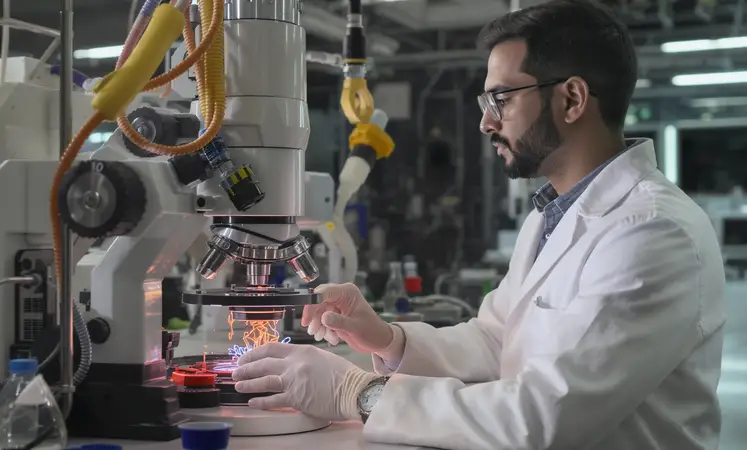
Other Prominent Sectors and Organizations
Beyond these giants, numerous other government sectors actively seek science talent. The Indian Council of Medical Research (ICMR) and the Council of Scientific & Industrial Research (CSIR) offer research positions in life sciences, chemistry, and environmental studies. Public Sector Undertakings (PSUs) like Oil and Natural Gas Corporation (ONGC), National Thermal Power Corporation (NTPC), and Indian Oil Corporation Limited (IOCL) hire through the GATE score for engineering and science roles in energy and resource management. Furthermore, the Indian Meteorological Department (IMD) and the Geological Survey of India (GSI) provide excellent opportunities for graduates in geology, environmental science, and physics.
Popular Job Roles for Science Graduates
- Scientist/Engineer: Research and development in government labs (Avg salary: ₹8-15 LPA). These professionals lead innovative projects, author research papers, and develop new technologies.
- Technical Assistant: Support roles in laboratories or field projects. They assist scientists, manage equipment, and ensure smooth operation of research activities.
- Research Officer: Data analysis and policy implementation. They work in organizations like the Ministry of Environment, Forest and Climate Change, turning scientific data into actionable government policies.
- Scientific Assistant: Often found in departments like Customs and Central Excise, they are responsible for the chemical analysis of goods, forensic examination, and quality control.
- Junior Research Fellow (JRF): A gateway to a research career, these positions, often advertised by DRDO and CSIR labs, allow graduates to pursue research while earning a stipend.
Eligibility Criteria
The eligibility criteria for government science jobs vary significantly based on the organization and the specific role. However, some common threads include a minimum percentage in the qualifying degree (often 60% for premier institutions), Indian citizenship, and an age limit that typically falls between 21 to 30 years, with relaxations for reserved categories as per government norms. Proficiency in the relevant scientific discipline is a given, and for many technical roles, a valid GATE score is a prerequisite.
| Exam | Conducting Body | Eligibility | Key Recruiters |
|---|---|---|---|
| UPSC ESE | UPSC | Engineering degree + 21-30 years age | Various Engineering Services of the Government of India |
| SSC JE | SSC | Diploma/Degree in engineering | CPWD, CWC, state PWDs |
| GATE | IIT | B.E/B.Tech/MSc | BARC, ONGC, HPCL, NTPC, PSUs |
| DRDO CEPTAM | DRDO | Diploma/Degree in relevant engineering field | Defence Research and Development Organisation |
| BARC OCES | BARC | MSc (Physics/Chemistry) or BE/BTech with min. 60% | Bhabha Atomic Research Centre, DAE units |
How to Prepare for Government Exams
- Build a Strong Foundation: Begin your preparation by thoroughly studying NCERT science textbooks (Class 11-12). These books provide the fundamental concepts that form the basis of most competitive exam syllabi.
- Understand the Exam Pattern and Syllabus: Before you start, download the official notification and previous years’ papers /exam-preparation for your target exam. Analyze the weightage of different topics and the type of questions asked.
- Create a Structured Study Plan: Dedicate specific hours each day to different subjects. Balance your time between learning new concepts, revising old ones, and practicing problems. Consistency is more important than long, infrequent study sessions.
- Join online mock test series: Regular practice through mock tests is non-negotiable. It helps you manage time, identify weak areas, and build exam temperament. Analyze your performance after each test to understand your mistakes.
- Focus on Current Affairs: For exams like UPSC and even for interviews in organizations like ISRO, knowledge of recent developments in science and technology, both in India and globally, is crucial. Read scientific magazines, government policy documents, and reliable news portals.
Benefits of Government Science Jobs
The allure of a government job for science graduates extends far beyond the work itself. The benefits package is a significant draw. It includes stable job security, which is highly valued, along with attractive allowances for housing (HRA), travel (TA), and dearness allowance (DA) to offset inflation. Pension benefits under the National Pension System (NPS) provide financial security post-retirement. Additionally, many premier positions offer opportunities for on-the-job training abroad, attending international conferences, and continuous professional development. The work-life balance and the respect associated with contributing to national projects are intangible benefits that enrich the career experience.
Future Trends in Government Science Jobs
The landscape of government science jobs is dynamically evolving. There is a pronounced focus on increased hiring in futuristic sectors like renewable energy, artificial intelligence, cybersecurity, and biotechnology. Government initiatives are creating a massive demand for skilled professionals. For instance, the National Green Hydrogen Mission alone aims to create 600,000 jobs by 2030. Similarly, the National Quantum Mission and the Deep Ocean Mission are set to open new frontiers for physicists, oceanographers, and material scientists. This indicates a sustained and growing demand for science graduates in the public sector for years to come.
Checks to complete before you apply
Government jobs for science graduates offer unmatched stability, growth, and the unique satisfaction of contributing to nation-building. The opportunities in 2026 and beyond are vast and varied, spanning from deep space to deep oceans. The key to success lies in focused and early preparation. Start preparing early, focus on core subjects, build your general awareness, and most importantly, regularly check /sarkari-result for 2026 notifications to ensure you never miss an application deadline for your dream job.
Frequently Asked Questions
Q: Which govt exam is easiest for science graduates?
A: While "easiest" is subjective and depends on individual preparation, exams like SSC JE and RRB Technician exams are often considered to have relatively more focused syllabi compared to the vast and dynamic syllabus of UPSC-level tests. They are a great starting point for many engineering graduates.
Q: Can BSc graduates apply for ISRO jobs?
A: Yes, absolutely. ISRO recruits BSc graduates in Physics/Chemistry for technician and technical assistant roles through ICRB exams. For scientist-level positions, a BE/BTech or MSc is typically the minimum requirement.
Q: How to track 2026 job notifications?
A: The most efficient way is to bookmark our dedicated /sarkari-result page for daily updates on science-related government vacancies. You can also set up alerts on the official websites of organizations like ISRO, DRDO, BARC, and SSC.
Q: Are there any government jobs for pure science graduates (BSc/MSc without engineering)?
A: Yes, numerous opportunities exist. CSIR labs, ICMR, DRDO (for specific research fellowships), BARC (for science streams), the Indian Meteorological Department, and the Food Safety and Standards Authority of India (FSSAI) regularly hire pure science graduates for research and analytical roles.
Q: Is a GATE score mandatory for all government engineering jobs?
A: No, it is not mandatory for all. While many PSUs and organizations like BARC use the GATE score for screening candidates, other bodies like ISRO (for ICRB), DRDO (for CEPTAM), and SSC (for JE) conduct their own independent entrance examinations.
Related Resources
Related Government Job Resources
Continue with active job hubs and related government job pages on TrueJobs.
Tools for this recruitment topic
Use only the tools relevant to the dates, eligibility or documents discussed above.
TrueJobs Editorial Team
TrueJobs editorial desk
This article is prepared from the sources referenced in the guide and reviewed for clarity, links and dated information. Read our editorial and corrections policy.
Continue This Topic
Follow the closest earlier and newer coverage so older archive posts keep real contextual crawl paths.
Government Jobs for Commerce Graduates 2026: Top Finance & Admin Roles to Target
Explore lucrative government finance and administration roles for commerce graduates in 2026, including eligibility criteria, exam strategies, and career benefits.
Technical Government Jobs 2026: Engineer, Project & Specialist Vacancies Guide
Discover the latest technical government job opportunities in 2026 for engineers, project managers, and specialists. Learn about application processes, eligibility, and preparation strategies.
Read Next

Government Jobs for Commerce Graduates 2026: Top Finance & Admin Roles to Target

Defence Support Staff Jobs 2026: Apply for Non-Combat Government Roles

Government Jobs for Diploma Holders 2026: Technical & Field Opportunities

Technical Government Jobs 2026: Engineer, Project & Specialist Vacancies Guide
Explore Topics
Perfect Your Resume
Use our AI-powered Resume Builder to create ATS-optimized resumes.
AI Resume Builder