
Recruitment guide
UPSC CDS SSB Interview 2026: Format & Preparation — Explained
Learn about the UPSC CDS SSB Interview 2026 format, psychological tests, GTO tasks, and preparation strategies to excel in your defense services selection.

The UPSC CDS (Combined Defence Services) SSB Interview is a crucial phase for candidates aspiring to join the Indian Armed Forces as officers. After clearing the written examination, candidates must undergo the Services Selection Board (SSB) interview, which assesses their suitability for a career in defense services. The 2026 UPSC CDS SSB Interview will continue to follow a rigorous and multi-stage evaluation process, including psychological tests, Group Testing Officer (GTO) tasks, and personal interviews by the board. This article provides an in-depth guide on the SSB interview format, psychological tests, GTO tasks, and effective preparation strategies to help candidates succeed in the 2026 selection cycle.
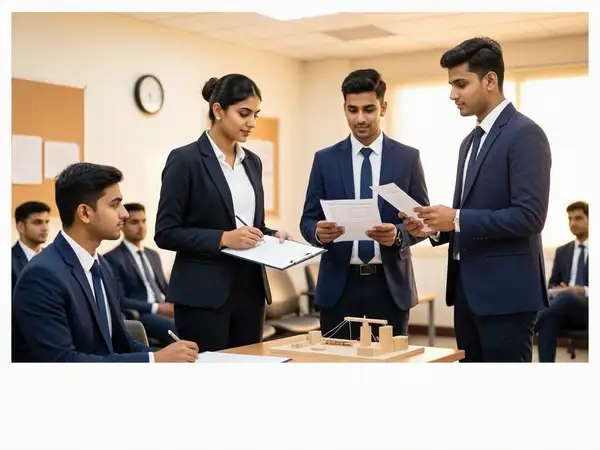
Understanding the UPSC CDS SSB Interview Format
The SSB interview spans over five days and is designed to evaluate a candidate’s personality, intelligence, leadership qualities, and overall suitability for a career in the armed forces. Unlike traditional interviews, the SSB assesses candidates through various tests and activities rather than just verbal questioning.
The interview is conducted at one of the five SSB centers across India: Bangalore, Bhopal, Kapurthala, Allahabad, and Pune. The process is divided into two stages:
- Stage I: Screening Tests (Officer Intelligence Rating Test and Picture Perception & Description Test)
- Stage II: Psychological Tests, Group Testing Officer Tasks, Personal Interview, and Conference
Only candidates who qualify Stage I are allowed to proceed to Stage II. The final selection is based on the candidate’s performance in Stage II.
Stage I: Screening Tests Explained
Stage I is a preliminary screening to shortlist candidates for the detailed testing in Stage II. It consists of two parts:
1. Officer Intelligence Rating (OIR) Test
This test measures the candidate’s mental ability through multiple-choice questions covering verbal and non-verbal reasoning, arithmetic, and spatial ability. It is a timed test, usually lasting around 30 minutes.
2. Picture Perception and Description Test (PPDT)
Candidates are shown a blurred picture for 30 seconds and asked to write a story based on their perception of the image. This test evaluates imagination, observation, and communication skills. Following the story writing, candidates narrate their story in a group discussion format, facilitating assessment of group interaction and leadership potential.
Successful candidates from Stage I proceed to the intensive Stage II assessments.
Stage II: Psychological Tests
Psychological tests are conducted individually and help assess the candidate’s mental stability, personality traits, and suitability for military life. These tests are confidential and are analyzed by trained psychologists.
Types of Psychological Tests
- Thematic Apperception Test (TAT): Candidates write stories based on pictures shown to them, revealing their thought processes and emotional responses.
- Word Association Test (WAT): Candidates respond quickly to words flashed on a screen, indicating their instinctive reactions and thought patterns.
- Situation Reaction Test (SRT): Candidates write immediate reactions to various hypothetical situations, highlighting problem-solving and decision-making skills.
- Self-Description Test (SD): Candidates describe themselves, their family, teachers, and friends, providing insight into their self-awareness and interpersonal relationships.
These tests collectively help psychologists determine the candidate’s personality type, emotional resilience, and leadership potential.
Group Testing Officer (GTO) Tasks
The GTO tasks are designed to evaluate candidates’ teamwork, leadership, communication, and physical fitness. These group activities simulate real-life military scenarios and require candidates to work collaboratively under pressure.
Key GTO Tasks Include:
- Group Discussion (GD): Candidates discuss a topic to demonstrate communication skills, confidence, and ability to influence others.
- Group Planning Exercise (GPE): A problem-solving task where the group plans a strategy to overcome a given situation using limited resources.
- Progressive Group Task (PGT): A physical task requiring teamwork to overcome obstacles in a set time.
- Group Obstacle Race (GOR): Candidates navigate a series of obstacles, testing endurance, agility, and cooperation.
- Individual Obstacles (IO): Candidates individually complete an obstacle course to assess physical fitness and courage.
- Command Task (CT): A candidate is assigned as a commander to lead a group in completing a task, evaluating leadership and decision-making.
- Snake Race (SR): The group completes a challenging course with coordination and speed.
- Lecturette: A short individual talk on a given topic to assess communication and confidence.
Performance in these tasks is critical as it reflects a candidate’s practical leadership and team spirit.
Personal Interview and Conference
The personal interview is conducted by a senior officer panel and focuses on the candidate’s background, interests, motivation for joining the armed forces, current affairs knowledge, and general awareness. This session helps assess the candidate’s confidence, clarity of thought, and suitability for a military career.
After the interview and completion of all tests, candidates attend the conference where the entire assessment team discusses each candidate’s performance. The final selection is based on consensus.
How to Prepare for the UPSC CDS SSB Interview 2026
Preparation for the SSB interview requires a balanced approach focusing on physical fitness, mental agility, communication skills, and personality development. Here are some actionable tips:
1. Understand the SSB Process Thoroughly
Familiarize yourself with the interview stages, tests, and evaluation criteria. Knowing what to expect reduces anxiety and helps plan preparation effectively.
2. Practice Psychological Tests
Regularly practice TAT, WAT, SRT, and SD tests to improve speed and clarity in responses. Reflect on your answers to ensure they align with positive personality traits.
3. Enhance Communication Skills
Work on your speaking and writing skills through mock group discussions, lectures, and storytelling exercises. Confidence and clarity in communication are vital.
4. Build Physical Fitness
Maintain a consistent fitness routine focusing on endurance, agility, and strength. Practice obstacle courses and running to prepare for GTO tasks.
5. Stay Updated with Current Affairs
Keep abreast of national and international news, defense-related developments, and general knowledge topics to confidently handle interview questions.
6. Develop Leadership Qualities
Engage in group activities, community services, or leadership roles to cultivate teamwork, decision-making, and responsibility.
7. Mock Interviews and Group Tasks
Participate in mock SSB interviews and group exercises to simulate the real environment. Feedback from mentors can help improve weak areas.
Common Mistakes to Avoid During the SSB Interview
- Lack of Preparation: Underestimating the complexity of the SSB process can lead to poor performance.
- Overconfidence or Nervousness: Maintaining a balanced demeanor is key; neither arrogance nor excessive nervousness impresses the board.
- Poor Communication: Avoid vague or irrelevant answers during interviews and group discussions.
- Ignoring Physical Fitness: Physical tasks are crucial; neglecting fitness can disqualify candidates.
- Not Being Genuine: Authenticity matters. Trying to portray a false personality is easily detected.
Useful Resources and Links
For detailed updates on UPSC CDS exams and results, candidates can visit the official UPSC website and check relevant notifications. Additionally, TrueJobs.co.in provides comprehensive information and updates on government exams, admit cards, and results. Candidates are encouraged to follow these resources for timely information:
Checks to complete before you apply
The UPSC CDS SSB Interview 2026 is a challenging yet rewarding gateway for aspirants seeking a career in the Indian Armed Forces. Understanding the interview format, psychological tests, GTO tasks, and personal interview components is essential for effective preparation. Candidates who focus on holistic development—mental, physical, and emotional—stand a better chance of success. With disciplined preparation, confidence, and authenticity, aspirants can navigate the SSB interview process and move closer to realizing their dream of serving the nation.
Frequently Asked Questions
Q1: What is the duration of the UPSC CDS SSB Interview process?
The SSB interview process typically lasts five days, including screening tests, psychological tests, GTO tasks, personal interview, and final conference.
Q2: Are there any physical fitness standards for the CDS SSB Interview?
Yes, candidates must meet certain physical fitness criteria and perform well in physical tasks like obstacle courses and group races during the GTO phase.
Q3: How can I prepare for the psychological tests in the SSB?
Practice writing stories, quick word associations, and situational reactions regularly. Understanding the test patterns and honest self-reflection improves performance.
Q4: Is prior military knowledge necessary for the personal interview?
While detailed military knowledge is not mandatory, awareness of current affairs, defense issues, and motivation for joining the armed forces is important.
Q5: Can I appear for the SSB interview more than once if I don’t clear it the first time?
Yes, candidates can reappear for the SSB interview in subsequent UPSC CDS cycles, subject to age and eligibility criteria.
Related Resources
Related Government Job Resources
Continue with active job hubs and related government job pages on TrueJobs.
Tools for this recruitment topic
Use only the tools relevant to the dates, eligibility or documents discussed above.
TrueJobs Editorial Team
TrueJobs editorial desk
This article is prepared from the sources referenced in the guide and reviewed for clarity, links and dated information. Read our editorial and corrections policy.
Continue This Topic
Follow the closest earlier and newer coverage so older archive posts keep real contextual crawl paths.
SSC OTR Registration 2026: Step-by-Step Guide, Aadhaar Verification & Common Errors
Learn the updated SSC OTR Registration process for 2026 with Aadhaar verification, photo upload guidelines, and how to avoid common errors during registration.
India Post GDS to Postman Upgrade 2026: Rules, Eligibility & Promotion Process Guide
Explore the comprehensive guide on India Post GDS to Postman upgrade 2026 covering eligibility, rules, promotion steps, and benefits for postal employees.
Read Next

Final Year Students in Government Exams 2026: Which Recruitments Allow Appearing Candidates

India Post GDS to Postman Upgrade 2026: Rules, Eligibility & Promotion Process Guide

Name Mismatch in Govt Exam Form 2026: Aadhaar, Matric Certificate and Correction Options

KVS Principal 2026: Eligibility, Salary, Selection Process & Career Path
Explore Topics
Perfect Your Resume
Use our AI-powered Resume Builder to create ATS-optimized resumes.
AI Resume Builder