
Recruitment guide
RRB Technician Medical Test 2026: Standards — Explained
A complete guide to the RRB Technician 2026 medical test standards. Learn the crucial vision requirements and spectacles rules to ensure you pass the final hurdle.

Aspiring candidates for the highly sought-after RRB Technician posts understand that clearing the written examination is just one hurdle. A crucial, often underestimated, stage in the recruitment process is the Medical Examination. For those eyeing the RRB Technician recruitment in 2026, understanding the stringent medical standards set by the Indian Railways is paramount. This comprehensive guide from TrueJobs.co.in will walk you through the various medical requirements, post-wise standards, and specific rules regarding spectacles and vision, ensuring you are well-prepared for what lies ahead.
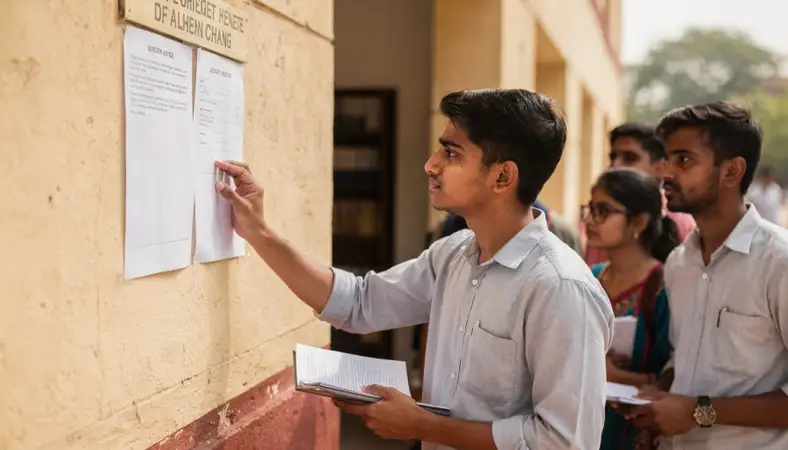
Understanding the RRB Technician Medical Examination
The medical examination for RRB Technicians is a mandatory assessment designed to ensure that candidates possess the physical and mental fitness required to perform the duties associated with their respective posts safely and efficiently. Indian Railways operates a vast and complex network, and the safety of millions of passengers and goods largely depends on the alertness and physical well-being of its workforce. Therefore, these medical standards are non-negotiable and strictly enforced.
Candidates who successfully clear the Computer-Based Test (CBT) and Document Verification (DV) stages are called for the medical examination. It's not merely a formality; many candidates, despite being academically qualified, are disqualified at this stage due to various medical conditions. Hence, being aware of the requirements beforehand can help you prepare adequately and even address minor issues if possible.
Importance of Medical Fitness for Railway Technicians
The role of a Railway Technician is diverse and demanding, often involving working in challenging environments, operating machinery, maintaining critical infrastructure, and ensuring the smooth functioning of railway systems. The nature of these duties necessitates a high degree of physical and mental fitness. Here's why medical fitness is so crucial:
- Operational Safety: Technicians are responsible for the maintenance and repair of locomotives, tracks, signals, and electrical systems. Any lapse due to medical unfitness could lead to serious accidents and endanger lives.
- Precision and Alertness: Many technical roles require keen observation, precision, and sustained alertness, especially during critical operations or emergency situations.
- Physical Demands: The job often involves lifting heavy objects, working at heights, prolonged standing or walking, and exposure to varying weather conditions. Good physical health is essential to cope with these demands.
- Color Vision: For roles involving signal maintenance or electrical work, accurate color perception is critical to distinguish between different wires, signals, and indicators.
- Mental Acuity: Technicians must be able to think clearly under pressure, follow complex instructions, and troubleshoot problems effectively.
The medical examination ensures that only candidates who meet these stringent requirements are inducted into the railway services, thereby upholding the highest standards of safety and efficiency.
General Medical Standards for RRB Technician Posts
While specific standards vary by post, there are several general medical parameters that all RRB Technician aspirants must meet. These are typically categorized into various medical standards (e.g., A-1, B-1, B-2, C-1) as per the Indian Railway Medical Manual. The examination usually covers:
1. Physical Examination
- General Physique: Candidates must have a sound constitution, free from any major physical deformities, chronic diseases, or debilitating conditions.
- Height & Weight: While there are no strict minimum height/weight criteria for most technician posts, candidates should generally have a proportionate build. Extreme cases of underweight or obesity might be scrutinized.
- Chest Expansion: For some specific posts, a minimum chest expansion may be required.
- Orthopedic Health: No major fractures, dislocations, or deformities of bones and joints that could impede movement or work performance.
- Hearing: Normal hearing is essential. Any significant hearing loss or ear conditions might lead to disqualification, especially for roles requiring communication and sound detection.
- Speech: Clear and intelligible speech is generally required.
2. Vision Standards (Detailed Below)
This is one of the most critical aspects, with specific requirements for distant vision, near vision, and color vision, often with or without spectacles/lenses.
3. Other Examinations
- Blood & Urine Tests: To check for conditions like diabetes, kidney issues, or other chronic illnesses.
- Blood Pressure: Should be within normal limits.
- Cardiovascular Health: No significant heart conditions.
- Nervous System: Free from neurological disorders like epilepsy, tremors, or paralysis.
- Abdominal Examination: To check for hernias, organomegaly (enlarged organs), or other abdominal pathologies.
- Mental Health: Candidates should be mentally sound and free from any psychiatric disorders that could affect their job performance.
Post-Wise Medical Standards for RRB Technicians
The specific medical category required varies significantly depending on the nature of the Technician post. Indian Railways classifies its medical standards into categories like A-1, B-1, B-2, C-1, with A-1 being the most stringent. Here's a general overview of how these categories might apply to various Technician posts:
Common Medical Categories & Associated Technician Posts:
| Medical Category | Typical Technician Posts Requiring This Category | Key Vision Requirements (General) |
|---|---|---|
| B-1 | Technician Grade III (e.g., Fitter, Electrician, Welder, Machinist, Signal, Telecommunication, Track Machine, Diesel/Electrical Loco, Bridge, P-Way) | Distant Vision: 6/9, 6/12 with or without glasses (power not exceeding 4D). Near Vision: Sn. 0.6, 0.6 with or without glasses. Color Vision: Must pass test for color perception. Field of Vision: Normal. |
| B-2 | Technician Grade III (e.g., Blacksmith, Carpenter, Painter, Mason, Refrigeration & AC, S&T Workshop, Electrical Workshop) | Distant Vision: 6/9, 6/12 with or without glasses (power not exceeding 4D). Near Vision: Sn. 0.6, 0.6 with or without glasses. Color Vision: Must pass test for color perception. Field of Vision: Normal. |
| C-1 | Technician Grade III (e.g., Typist, Clerk-cum-Typist, some Store Keeper roles within technician cadre) | Distant Vision: 6/12, 6/18 with or without glasses. Near Vision: Sn. 0.6, 0.6 with or without glasses. Color Vision: Not strictly required for all C-1 posts, but desirable. |
Note: The exact medical category for each specific Technician post will be clearly mentioned in the official RRB Technician recruitment notification. Candidates are strongly advised to refer to the detailed notification for 2026 once it is released. /sarkari-result
Spectacles and Vision Rules for RRB Technicians
Vision is arguably the most scrutinized aspect of the RRB medical examination for Technician posts. The rules regarding spectacles, corrective lenses, and vision parameters are very specific:
1. Distant Vision:
- Measured using a Snellen chart.
- For B-1 and B-2 categories, typically 6/9 and 6/12 (with or without glasses) for each eye is required. This means one eye should be 6/9 and the other 6/12, or both 6/9.
- For C-1 category, generally 6/12 and 6/18 (with or without glasses) for each eye is acceptable.
2. Near Vision:
- Measured using a reading chart (e.g., Snellen Near Vision Chart).
- For B-1, B-2, and C-1 categories, Sn. 0.6, 0.6 (with or without glasses) for each eye is typically required.
3. Power of Spectacles/Lenses:
- For B-1 and B-2 categories, the permissible limit for refractive error is usually not exceeding 4 Dioptres (D) for Myopia (short-sightedness) or Hypermetropia (long-sightedness).
- For C-1 category, the permissible limit might be slightly higher or less strict, but generally, significant power beyond a reasonable limit could be an issue.
- Candidates must bring their current spectacles and a prescription from a qualified ophthalmologist for verification during the medical test.
4. Color Vision:
- Critical for most Technician posts (B-1, B-2) where distinguishing colors is vital for safety (e.g., signal maintenance, electrical wiring).
- Tested using Ishihara plates, lantern tests, or other standard color vision tests.
- Color blindness (even partial) is generally a disqualifier for posts requiring normal color vision.
5. Field of Vision:
- Candidates must have a normal field of vision in both eyes. This is assessed to ensure peripheral vision is adequate.
6. Binocular Vision:
- The ability of both eyes to work together to produce a single, focused image. Essential for depth perception.
7. LASIK/PRK Surgery:
- Generally, candidates who have undergone LASIK or PRK surgery are not considered fit for medical categories B-1 and B-2, especially if the original refractive error was high.
- However, for C-1 category posts, it might be accepted under certain conditions, provided there are no post-operative complications and the visual acuity meets the required standards without glasses.
- It is crucial to declare any such surgery during the medical examination. Non-disclosure can lead to disqualification.
Always consult the official RRB notification for the most accurate and up-to-date vision standards applicable to the specific Technician post you are applying for.
Common Reasons for Medical Disqualification
Understanding the common pitfalls can help candidates avoid disqualification. Beyond not meeting the vision standards, here are other frequent reasons for rejection:
- Chronic Diseases: Conditions like uncontrolled diabetes, severe hypertension, chronic kidney disease, or active tuberculosis.
- Major Deformities: Significant spinal deformities, limb deformities, or amputations that hinder job performance.
- Hearing Impairment: Significant hearing loss that cannot be corrected to meet the standards.
- Cardiovascular Issues: History of heart attacks, significant arrhythmias, or other severe heart conditions.
- Neurological Disorders: Epilepsy, severe tremors, or other conditions affecting motor skills or consciousness.
- Mental Health Issues: Diagnosed psychiatric disorders that could impair judgment or reliability.
- Hernia: Undiagnosed or untreated hernia.
- Hydrocele/Varicocele: If significant and untreated.
- Piles/Fistula: If severe and symptomatic.
- Squint: Uncorrected strabismus (squint eye) can affect binocular vision.
- Undisclosed Medical History: Failing to declare pre-existing conditions or surgeries.
Preparing for the RRB Technician Medical Examination
Preparation for the medical test should ideally begin well in advance. Here’s how you can get ready:
- Pre-Medical Check-up: Consider undergoing a personal medical check-up from a qualified doctor. This can help identify any potential issues that you might be able to address before the official examination.
- Address Minor Issues: If you have minor correctable issues like dental cavities, earwax buildup, or easily treatable skin conditions, get them addressed.
- Lifestyle Choices: Maintain a healthy lifestyle. Eat nutritious food, exercise regularly, and avoid smoking and excessive alcohol consumption. This contributes to overall fitness.
- Vision Correction: If you wear spectacles, ensure your prescription is up-to-date and your glasses are in good condition. If you are considering LASIK, be aware of the strict rules for higher medical categories and consult the official notification.
- Documentation: Keep all relevant medical documents, prescriptions, and reports handy, especially if you have a medical history or wear corrective lenses.
- Mental Preparedness: Stay calm and confident. Stress can sometimes affect blood pressure readings.
Remember, the goal is to ensure you are genuinely fit for the demanding role of a Railway Technician. Being proactive and informed can significantly increase your chances of successfully clearing this crucial stage.
Checks to complete before you apply
The RRB Technician Medical Test for 2026 recruitment will undoubtedly be a rigorous process, designed to select candidates who are not only academically proficient but also medically fit for the challenging roles within the Indian Railways. Understanding the post-wise medical standards, especially the detailed vision and spectacles rules, is a critical step in your preparation journey. By familiarizing yourself with these requirements, undergoing a pre-medical check-up, and maintaining a healthy lifestyle, you can significantly enhance your prospects of clearing this stage. Always refer to the official RRB notification for the most accurate and specific details pertaining to your chosen post. TrueJobs.co.in wishes you the very best in your pursuit of a rewarding career with the Indian Railways!
Frequently Asked Questions (FAQs)
What is the maximum permitted power for spectacles in the RRB Technician medical test?
The maximum permitted for spectacles is typically ± 4.00 D. However, this can differ based on the specific technician post and its medical category.
Is LASIK surgery allowed for RRB Technician medical standards?
Yes, LASIK/PRK surgery is generally permitted, provided it was performed at least 6 months before the medical exam and stability is confirmed.
What are the common reasons for medical disqualification?
Common reasons include poor vision beyond permissible limits, color blindness, high blood pressure, and other physical conditions unfit for railway duties.
Related Resources
Related Government Job Resources
Continue with active job hubs and related government job pages on TrueJobs.
Tools for this recruitment topic
Use only the tools relevant to the dates, eligibility or documents discussed above.
TrueJobs Editorial Team
TrueJobs editorial desk
This article is prepared from the sources referenced in the guide and reviewed for clarity, links and dated information. Read our editorial and corrections policy.
Continue This Topic
Follow the closest earlier and newer coverage so older archive posts keep real contextual crawl paths.
RRB JE Admit Card 2026 CBT 1: Download Link, City Slip & Exam Guide
Your guide to downloading the RRB JE CBT 1 Admit Card 2026. Includes direct link, city slip details, exam instructions, and troubleshooting steps.
RRB Technician DV 2026: Trade Certificates, ITI & Category Forms Guide
Understand the RRB Technician DV 2026 process. This guide covers trade certificates, ITI proof, and category forms for smooth document verification.
Read Next

RRB JE Admit Card 2026 CBT 1: Download Link, City Slip & Exam Guide

RRB Technician DV 2026: Trade Certificates, ITI & Category Forms Guide

RRB JE Answer Key 2026: Download, Objections & Score Estimate

RRB Technician Score Card 2026: Marks, Login & Normalisation Explained
Explore Topics
Perfect Your Resume
Use our AI-powered Resume Builder to create ATS-optimized resumes.
AI Resume Builder