
Recruitment guide
Paper ID vs Digital ID at Exam Centre 2026: What Works — Explained
Discover the practical differences between paper ID and digital ID at exam centres in 2026, and find out which method ensures smoother verification.
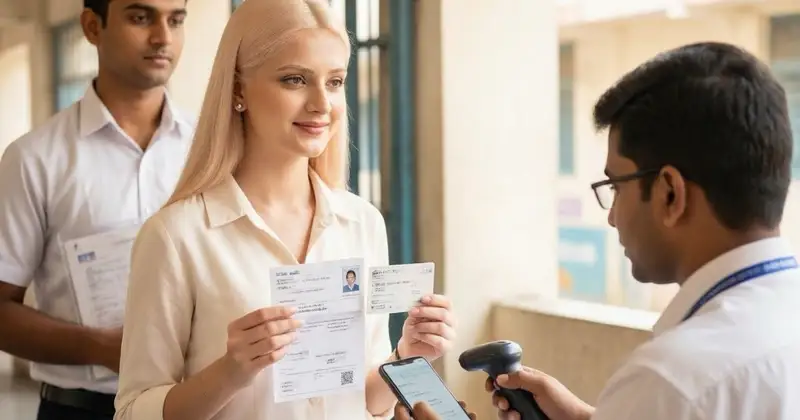
As India’s examination ecosystem evolves with technology, the debate around identification methods at exam centres has intensified. With the 2026 exam season approaching, candidates and authorities alike are weighing the pros and cons of the traditional paper ID versus the emerging digital ID. Both have their advocates and detractors, but what really works in practice when it comes to ensuring smooth, secure, and fair examinations? This article explores the practical realities of using paper IDs and digital IDs at exam centres, highlighting their advantages, challenges, and what candidates can expect in the near future.
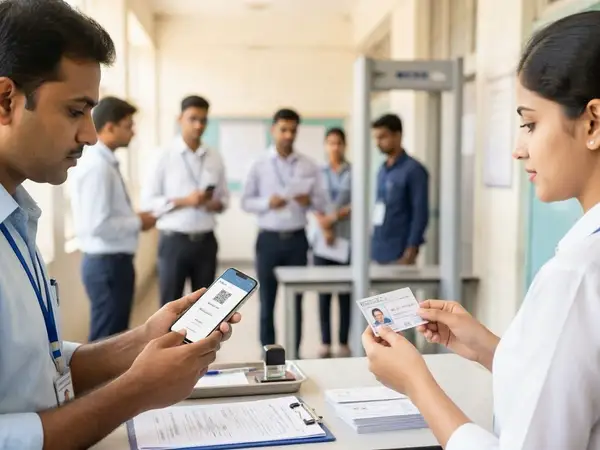
Understanding Paper ID and Digital ID: Definitions and Context
Before diving into the practical aspects, it’s important to clarify what we mean by Paper ID and Digital ID in the context of exam centres.
What is Paper ID?
Paper ID refers to the physical, printed form of identification that candidates present at exam centres. This typically includes government-issued documents such as:
- Voter ID Card
- Aadhaar Card (printed copy)
- Passport
- Driving License
- School/College ID cards (where applicable)
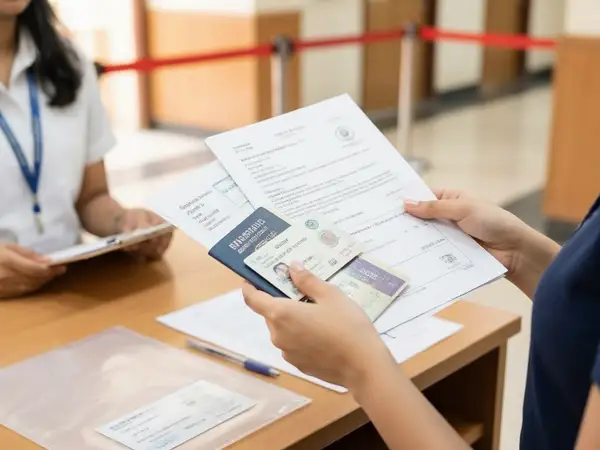
Paper IDs have been the standard for decades, with invigilators manually verifying the candidate’s identity by examining the physical document.
What is Digital ID?
Digital ID represents an electronic form of identification verified through digital means. This can include:
- QR-coded Aadhaar e-KYC on a mobile device
- Biometric verification systems linked to government databases
- Digital identity credentials issued via government portals like DigiLocker
- Mobile-based identity applications authorised by exam authorities
Digital IDs aim to streamline verification by reducing physical document handling and enhancing security through technology.
The Current Scenario in Indian Exam Centres
Despite the rise of digital technology, most government and competitive exam centres in India still primarily rely on paper IDs. The reasons are multifaceted:
- Infrastructure Constraints: Many exam centres, especially in rural or semi-urban areas, lack the reliable internet connectivity and digital devices necessary for seamless digital ID verification.
- Candidate Diversity: Candidates from various socio-economic backgrounds may not have access to smartphones or digital credentials.
- Regulatory Norms: Examination boards and government agencies often have strict guidelines mandating physical ID verification to prevent impersonation and fraud.
However, some urban centres and pilot projects have started integrating digital ID verification, particularly for high-stakes exams like UPSC, SSC, and banking exams.
Advantages of Paper ID at Exam Centres
Despite technological advances, paper IDs continue to offer several practical benefits:
- Universally Accepted: Paper IDs are widely recognised and accepted by all exam conducting bodies.
- No Dependency on Technology: They do not require internet access, digital devices, or software compatibility.
- Simple Verification: Invigilators are trained to check physical documents, making the process straightforward.
- Reduced Risk of Technical Glitches: No risk of system failures, network downtime, or app malfunctions.
- Candidate Confidence: Candidates are often more comfortable presenting tangible documents.
These factors make paper ID a reliable fallback, especially in large-scale exam settings.
Advantages of Digital ID at Exam Centres
Digital IDs bring a new set of benefits that align with India’s push towards digital governance:
- Enhanced Security: Digital IDs often include biometric verification and encrypted data, reducing chances of forgery or impersonation.
- Faster Verification: QR codes and automated systems can speed up identity checks, reducing queues and delays.
- Eco-Friendly: Eliminates the need for printing multiple copies of ID documents.
- Convenience: Candidates can carry their ID on mobile devices, reducing the risk of losing physical documents.
- Integration with Government Systems: Digital IDs can be linked with exam databases for real-time authentication.
These advantages make digital IDs attractive, especially for tech-savvy candidates and well-equipped exam centres.
Challenges and Limitations of Paper ID
While paper IDs are reliable, they are not without issues:
- Forgery Risks: Physical documents can be forged or tampered with, though security features exist.
- Loss or Damage: Candidates may lose or damage their ID cards, risking disqualification.
- Manual Errors: Human error during verification can lead to misidentification or delays.
- Logistical Burden: Printing and distributing physical ID documents can be cumbersome for some candidates.
These challenges have prompted authorities to explore digital alternatives.
Challenges and Limitations of Digital ID
Despite the promise of digital IDs, practical hurdles remain:
- Digital Divide: Not all candidates have access to smartphones or internet connectivity, especially in rural areas.
- Technical Failures: System outages, app crashes, or biometric scanner malfunctions can disrupt verification.
- Privacy Concerns: Some candidates worry about sharing biometric data or digital credentials.
- Implementation Costs: Exam centres need investment in hardware and training to adopt digital ID systems.
- Regulatory Compliance: Legal frameworks for digital ID use in exams are still evolving.
These factors slow down the widespread adoption of digital IDs in exam centres.
What Usually Works in Practice: Hybrid Approaches and Real-World Insights
In practice, many exam authorities are adopting a hybrid approach that combines paper and digital ID verification to leverage the strengths of both:
- Primary Verification via Paper ID: Candidates present their physical ID cards as the primary proof of identity.
- Supplementary Digital Verification: Invigilators use digital tools like QR code scanners or biometric devices to cross-verify the candidate’s identity.
- Fallback Mechanisms: In case of digital system failures, paper ID verification ensures the exam proceeds without disruption.
- Pre-Exam Digital Registration: Candidates upload digital ID credentials during registration, which are later matched with paper IDs at the centre.
This blended method improves security and efficiency while accommodating infrastructural realities.
Case Studies from Recent Exams
| Exam | Identification Method | Outcome |
|---|---|---|
| SSC CGL 2024 | Paper ID with biometric verification | Reduced impersonation cases, smooth verification |
| UPSC Prelims 2025 (Pilot) | Digital ID via DigiLocker and QR code scanning | Faster entry process, minor technical glitches reported |
| Bank PO Exams 2024 | Paper ID only | Reliable but longer queues due to manual checks |
Preparing for Exam Day: Tips for Candidates Regarding IDs
Whether you are relying on paper ID or digital ID in 2026, here are some practical tips to ensure hassle-free verification at the exam centre:
- Carry Original Documents: Always bring the original paper ID specified in the exam notification. Photocopies or scanned copies are usually not accepted.
- Keep Digital Credentials Ready: If digital ID is allowed, ensure your mobile device is fully charged, and the required app or QR code is accessible offline if possible.
- Verify Guidelines: Check the official exam instructions carefully to know which IDs are acceptable.
- Arrive Early: Allow extra time for ID verification, especially if digital systems are being used for the first time.
- Backup Plan: Carry a secondary ID if permitted, in case your primary ID is misplaced or damaged.
- Protect Your Privacy: Only share biometric or digital data with authorised personnel and avoid third-party apps.
Being prepared can reduce stress and help you focus on your exam performance.
The Future of Exam Identification in India
Looking ahead, the trend is clearly towards increased digitisation, but with careful consideration of ground realities. Some key developments to watch include:
- Government Initiatives: The Ministry of Education and exam boards are piloting digital ID systems to improve security and efficiency.
- Improved Infrastructure: Investments in internet connectivity and biometric devices at exam centres will facilitate wider adoption.
- Unified Digital Identity Framework: Integration of Aadhaar, DigiLocker, and other platforms may create a seamless digital ID ecosystem.
- Candidate Awareness: Increasing digital literacy will empower more candidates to use digital IDs confidently.
- Data Privacy Regulations: Stronger laws will ensure candidates’ biometric and personal data are protected.
While paper IDs will not disappear soon, digital IDs are poised to become a significant part of the exam verification process by 2026 and beyond.
Checks to complete before you apply
The choice between paper ID and digital ID at exam centres in 2026 is not a simple one. Both forms have their unique advantages and challenges. In practice, a hybrid approach that combines the reliability of paper IDs with the efficiency and security of digital IDs tends to work best. Candidates should stay informed about the specific requirements of their exams, prepare accordingly, and embrace the gradual digital transition without neglecting traditional methods. As India moves towards a more digitised examination system, understanding these identification options will be key to a smooth and secure exam experience.
For more updates on exam guidelines, admit cards, and results, visit our dedicated sections on Admit Cards and Sarkari Result.
Frequently Asked Questions
1. Can I use a digital ID instead of a paper ID for all government exams in 2026?
Currently, most government exams still require a paper ID as the primary proof of identity. However, some exams are piloting digital ID verification. It’s best to check the official exam notification for accepted ID types.
2. What should I do if I lose my paper ID before the exam?
If you lose your paper ID, contact the exam authority immediately. Some exams may allow alternative IDs or digital verification if arranged in advance, but this varies by exam.
3. Are digital IDs safe to use at exam centres?
Yes, digital IDs issued by government platforms use encryption and biometric verification to ensure security. However, candidates should only share data with authorised personnel and use official apps.
4. Will digital ID verification speed up the exam entry process?
Digital ID verification can potentially reduce queues and speed up identity checks through automated scanning and biometric authentication, but initial implementation may face technical challenges.
5. How can I prepare for digital ID verification if it is introduced at my exam centre?
Ensure you have a compatible smartphone, install any required apps beforehand, keep your device charged, and familiarize yourself with the digital ID process as per official instructions.
Related Resources
Related Government Job Resources
Continue with active job hubs and related government job pages on TrueJobs.
Tools for this recruitment topic
Use only the tools relevant to the dates, eligibility or documents discussed above.
TrueJobs Editorial Team
TrueJobs editorial desk
This article is prepared from the sources referenced in the guide and reviewed for clarity, links and dated information. Read our editorial and corrections policy.
Continue This Topic
Follow the closest earlier and newer coverage so older archive posts keep real contextual crawl paths.
Candidate Facial Recognition in Exams 2026: Impact of Look Changes on Matching Accuracy
Discover how candidate look changes impact facial recognition accuracy in 2026 government exams and what steps can help ensure successful verification.
Recent Photo on Admit Card 2026: When You Must Carry Extra Passport Photos
Know the importance of recent photos on admit cards and when carrying extra passport photos is mandatory for government exams in 2026. Stay exam-ready!
Read Next

Candidate Facial Recognition in Exams 2026: Impact of Look Changes on Matching Accuracy

Recent Photo on Admit Card 2026: When You Must Carry Extra Passport Photos

Photograph Mismatch Advisory 2026: Why Agencies Require Attested Certificate Uploads

Annexure Certificate Formats 2026: How to Download and Fill Recruitment-Specific Proformas
Explore Topics
Perfect Your Resume
Use our AI-powered Resume Builder to create ATS-optimized resumes.
AI Resume Builder