
Exam update
MBA Entrance Cut Off 2026: Counselling & Seat — Explained
A comprehensive guide to understanding MBA entrance exam cut-offs, the counselling registration process, and seat allotment strategies for the 2026 academic session.

The journey to securing a seat in a premier MBA program in India is a multi-stage process that extends far beyond just taking the entrance exam. For the 2026 academic session, thousands of aspirants will navigate the crucial phases of checking cut-offs, registering for counselling, and finally, receiving a seat allotment. This comprehensive guide is designed to demystify these post-exam procedures for major national-level MBA entrance tests like CAT, XAT, CMAT, MAT, and state-level examinations. Understanding the timelines, factors influencing cut-offs, and the strategic choices involved in counselling is paramount to converting your exam score into a coveted admission offer.
As the official notifications for the 2026 cycle are awaited, this article provides a detailed overview based on previous year trends and established procedures to help you prepare effectively.
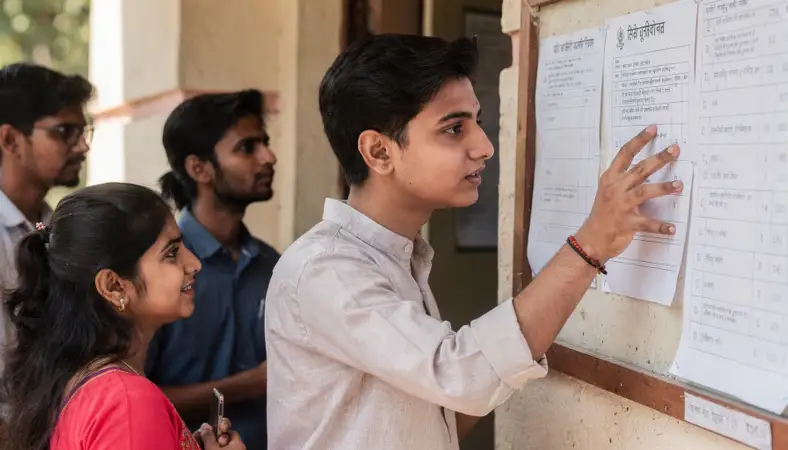
Understanding MBA Entrance Exam Cut-Offs
Cut-off marks are the minimum scores or percentiles that candidates must achieve to qualify for the next stage of the admission process, which is typically the counselling and group discussion/personal interview (GD/PI) round. It is crucial to understand that cut-offs are not arbitrary; they are determined by a complex interplay of factors and can vary significantly from one institute to another, and from one year to the next.
Factors Influencing Cut-Offs
- Exam Difficulty: A more challenging exam paper generally leads to a lower overall cut-off, while an easier paper can inflate scores and push cut-offs higher.
- Number of Applicants: Higher competition, driven by a larger pool of test-takers, can result in an increase in the cut-off percentile.
- Number of Available Seats: The total intake capacity of participating institutes is a fixed number, directly influencing how selective the process needs to be.
- Previous Year's Trends: Institutes often look at historical data to maintain consistency in the quality of admitted students.
- Reservation Criteria: As per government norms, separate category-wise cut-offs (SC, ST, OBC-NCL, EWS, PwD) are declared, which are typically lower than the general category cut-off.
Expected Cut-Off Trends for 2026
While official cut-offs for 2026 will be announced by respective institutes after the exams are conducted, we can look at previous cycles to set realistic expectations. It is important to note that these are trends and not predictions for 2026.

| Exam | Top IIMs (Expected General Category PI Cut-Off) | Other Premier Institutes (Expected General Category Cut-Off) |
|---|---|---|
| CAT | 98-100 percentile | 90-97 percentile |
| XAT | 95+ percentile | 85-94 percentile |
| CMAT | 99+ percentile for top colleges | 85-98 percentile |
| MAT | 90+ percentile for top colleges | 75-89 percentile |
Always refer to the official website of the exam conducting body or the specific B-school for the final and authoritative cut-off list.
The Centralized Counselling Process: An Overview
For many national-level exams, a centralized counselling process is used to streamline admissions across hundreds of participating institutes. The most prominent example is the Common Admission Process (CAP) for IIMs. Similar centralized systems exist for other exams, providing a single-window platform for candidates to apply to multiple colleges.
The process typically involves: registration, choice filling (selecting preferred institutes and programs), fee payment, document verification, and finally, multiple rounds of seat allotment based on merit, preferences, and seat availability.
Step-by-Step Guide to Counselling Registration
Once the results are declared and you have secured a score above the minimum cut-off, the next critical step is to register for the counselling process. Missing this step can mean forfeiting your chance at admission, regardless of your high score.
- Check Official Notifications: After the exam results are announced, the counselling authority will release a detailed notification. This will be published on the official website of the exam body (e.g., iimcat.ac.in for IIMs).
- Registration: You will need to register on the counselling portal separately, even if you are already registered on the exam portal. This usually requires your exam roll number, application number, and other personal details.
- Filling the Application Form: Complete the counselling application form meticulously. This may include updating your academic details, work experience, and other information.
- Choice Filling and Locking: This is the most strategic part. You will be required to list your preferred management institutes and programs in order of priority. Research each college thoroughly—its placement records, faculty, infrastructure, and fees—before ranking them. Once satisfied, you must 'lock' your choices before the deadline. Unlocked choices are often not considered.
- Payment of Counselling Fee: A non-refundable counselling processing fee must be paid online to complete your registration.
- Document Upload: Scanned copies of required documents (mark sheets, category certificate, scorecard, photo, signature, etc.) must be uploaded in the specified format and size.
Seat Allotment Process Explained
The seat allotment process is typically conducted in multiple rounds. It is an automated, merit-based process that matches your rank, your choice preferences, and the availability of seats.
How It Works
- Merit List: A consolidated merit list is prepared based on the exam scores, and sometimes a composite score that includes past academic performance and work experience.
- Round 1 Allotment: The highest-ranked candidate gets their first available preference. The process continues down the rank list, allotting seats based on preference and availability.
- Acceptance & Fee Payment: If you are allotted a seat in a round, you must formally accept it and pay a seat acceptance fee (which is adjusted against the tuition fee later) within the given timeframe. Failure to do so will result in the seat being forfeited and offered to the next candidate.
- Subsequent Rounds: After Round 1, there may be additional rounds to fill vacant seats. Some processes also include a 'spot round' or 'mop-up round'.
- Withdrawal: Most processes allow you to withdraw from the counselling until a certain round. After withdrawal, you cannot participate in further rounds.
Documents Required for Verification
During the counselling and seat allotment process, you will be required to present original documents for verification. Having these documents organized is essential. While the exact list may vary, it generally includes:
- MBA Entrance Exam Scorecard and Admit Card /admit-card
- Class 10th and 12th Mark Sheets and Passing Certificates
- Graduation Mark Sheets and Degree Certificate
- Category Certificate (SC/ST/OBC-NCL/EWS), if applicable
- Income and Asset Certificate (for EWS), if applicable
- Person with Disability (PwD) Certificate, if applicable
- Domicile Certificate, if required
- Photo Identity Proof (Aadhaar Card, Passport, Driver's License)
- Passport-sized photographs
- Work Experience Certificates, if applicable
Key Participating Institutes and Their Processes
Different exams lead to different clusters of institutes. Here’s a brief on the major ones:
IIMs (Through CAT)
The IIMs conduct a Common Admission Process (CAP). After individual IIMs shortlist candidates based on their own cut-offs, the CAP manages the final admission offers for most newer IIMs. Candidates receive a single offer from the pool of participating IIMs based on their preference and merit.
Other Premier B-Schools (Through CAT/XAT)
Top institutes like FMS Delhi, SPJIMR Mumbai, MDI Gurgaon, and IITs manage their own independent admission processes. Qualifying candidates must apply separately to each institute, participate in their GD-PI rounds, and receive individual admission offers.
State-Level CETs (Like MAH CET, TSICET, etc.)
State-level exams have their own centralized counselling authorities (e.g., MAH CET Cell). The process is similar to the national CAP but is limited to institutes within that state. Domicile requirements often play a significant role in seat allocation.
What to Do After Seat Allotment?
- Accept the Seat: If you are happy with the allotted college, accept the seat and pay the requisite fee to block it.
- Report to the Institute: You will be given a date by which you must physically report to the allotted institute with all your original documents for final verification and completion of admission formalities.
- Wait for Further Rounds: If you accept a seat but are hoping for a better option in a subsequent round, you can often choose the 'float' or 'slide' option (if available), where you remain in the next round for a higher preference.
- Freeze/Withdraw: If you are sure you do not want any other college, you can 'freeze' your seat. If you get a better allotment and wish to withdraw, ensure you do so within the official withdrawal period to get a refund (usually partial).
How to follow this exam update
The path to an MBA seat is highly competitive and requires careful planning beyond the entrance exam. The cut-off, counselling, and seat allotment phases are where your strategy and preparedness are truly tested. While your percentile opens the door, it is your informed choices during counselling that ultimately determine your destination. Stay vigilant by regularly checking the official websites for all notifications regarding the 2026 cycle. Thoroughly research your college preferences, keep your documents ready, and understand the nuances of the choice-filling strategy. With a clear plan and timely action, you can successfully navigate this complex process and take a significant step toward a rewarding management career. For the latest updates on results and admissions, keep an eye on our /sarkari-result portal.
Frequently Asked Questions
Q1: When will the MBA entrance exam cut-offs for 2026 be announced?
A: The official cut-offs for the 2026 academic session have not been announced yet. They are typically released by individual institutes and counselling authorities a few weeks after the declaration of the entrance exam results. Candidates must monitor the official websites for updates.
Q2: If I clear the cut-off for one IIM, am I eligible for all IIMs?
A: No, each Indian Institute of Management (IIM) sets its own independent cut-off criteria for shortlisting candidates for the interview stage. Clearing the cut-off for one IIM does not guarantee a call from another, as each institute may have different percentile requirements and composite score formulas.
Q3: What is the difference between 'freeze', 'float', and 'withdraw' options in seat allotment?
A: 'Freeze' means you are satisfied with the currently allotted seat and do not wish to participate in further rounds. 'Float' means you accept the current seat but remain eligible to be considered for higher preference choices in subsequent rounds. 'Withdraw' means you choose to exit the counselling process entirely and your allotted seat will be vacated.
Q4: Are the counselling registration fees refundable?
A: The counselling processing fee is generally non-refundable. However, the seat acceptance fee paid after allotment may be partially refundable (often with a deduction) if you choose to withdraw from the process within the specified withdrawal period. The exact refund policy is detailed in the official counselling information brochure.
Q5: Can I participate in multiple counselling processes simultaneously?
A: Yes, you can participate in multiple counselling processes for different exams (e.g., CAT, state CETs) as long as you meet their respective eligibility and cut-off criteria. However, you can ultimately join only one MBA program.
Related Resources
Related Government Job Resources
Continue with active job hubs and related government job pages on TrueJobs.
Tools for this recruitment topic
Use only the tools relevant to the dates, eligibility or documents discussed above.
TrueJobs Editorial Team
TrueJobs editorial desk
This article is prepared from the sources referenced in the guide and reviewed for clarity, links and dated information. Read our editorial and corrections policy.
Continue This Topic
Follow the closest earlier and newer coverage so older archive posts keep real contextual crawl paths.
MCA Entrance Application Form 2026: Registration Date & How to Apply
A comprehensive guide on the MCA Entrance Application Form for 2026, covering expected registration dates, a detailed step-by-step application process, and essential preparation tips for aspirants.
MBA Entrance Result 2026: Score Card Download & Next Steps
Your complete guide to MBA entrance results for 2026. Learn how to download your scorecard, understand percentiles, cut-off trends for top B-schools, and navigate the next steps in the admission process.
Read Next

MCA Entrance Cut Off 2026, Counselling Registration & Seat Allotment Guide

MBA Entrance Exam Date 2026: Schedule, City Intimation Slip & Guide

MCA Entrance Application Form 2026: Registration Date & How to Apply

MBA Entrance Application Form 2026: Registration Date & How to Apply
Explore Topics
Perfect Your Resume
Use our AI-powered Resume Builder to create ATS-optimized resumes.
AI Resume Builder