
Career guide
Best Govt Jobs for Work-Life Balance (2026 Guide) — Explained
Seeking a government career that respects your personal time? This 2026 guide compares work-life balance across Indian govt departments to help you choose wisely.

In the competitive landscape of Indian employment, government jobs have long been coveted for their stability, security, and attractive benefits. However, a new priority has emerged for today's workforce: work-life balance. As we look towards 2026, aspiring candidates are increasingly seeking roles that not only offer a respectable career path but also allow ample time for personal pursuits, family, and well-being. This article delves into the nuances of work-life balance within the Indian government sector, offering a realistic, department-wise comparison to help you identify the best opportunities for a fulfilling professional and personal life. We'll explore various departments, analyze their typical work environments, and provide actionable insights to guide your career decisions.

Understanding Work-Life Balance in Government Jobs
Work-life balance (WLB) is not merely about working fewer hours; it's about achieving a healthy equilibrium between your professional responsibilities and your personal life. For many, it means having enough time and energy for family, hobbies, health, and personal development without feeling overwhelmed or burnt out by work. In the context of government jobs in India, WLB can manifest in several ways:
- Predictable Work Hours: Many government roles offer fixed working hours, often 9 AM to 5 PM, which allows for better planning of personal activities.
- Weekends and Holidays: Most government employees enjoy weekends off and a generous number of public holidays, contributing significantly to personal time.
- Leave Policies: Government jobs are renowned for their comprehensive leave policies, including casual leave (CL), earned leave (EL), medical leave, maternity/paternity leave, and study leave, which are often more generous than in the private sector.
- Job Security: The inherent job security reduces stress related to employment instability, allowing employees to focus on their work without constant fear of layoffs.
- Less Performance Pressure: While accountability is crucial, the pressure to meet aggressive sales targets or project deadlines is generally lower compared to many private sector roles, leading to a less stressful work environment.
- Social Impact: Many government jobs offer the satisfaction of contributing directly to public welfare, which can enhance overall job satisfaction and a sense of purpose, indirectly aiding mental well-being.
However, it's crucial to understand that WLB is also subjective and can vary even within the same department based on the specific role, section, and the individual's approach to work. Our aim is to provide a general overview of what to expect.

Factors Influencing Work-Life Balance in Government Roles
When evaluating government jobs for work-life balance, several key factors come into play. Understanding these can help you make an informed decision:
1. Job Profile and Responsibilities
- Nature of Work: Administrative, clerical, teaching, or research roles often have more predictable schedules than operational, enforcement, or public-facing roles (e.g., police, revenue intelligence).
- Public Interaction: Jobs involving direct and extensive public interaction can be demanding and unpredictable, often requiring longer hours or dealing with stressful situations.
- Decision-Making Authority: Roles with higher decision-making authority or critical responsibilities might come with increased pressure and extended work hours, especially during peak periods.
2. Departmental Culture and Structure
- Hierarchy and Bureaucracy: Some departments are more bureaucratic, which can sometimes lead to slower processes but also a more structured, less chaotic work environment.
- Workload Distribution: How workload is distributed among employees can significantly impact individual WLB. Some departments are better staffed than others.
- Technological Adoption: Departments that have embraced technology for efficiency might offer more streamlined processes, potentially reducing manual work and overtime.
3. Location and Posting
- Urban vs. Rural: Postings in metropolitan areas might offer more amenities and better infrastructure, but also longer commutes. Rural postings might be slower-paced but with fewer personal facilities.
- Transfers: The frequency and nature of transfers can impact family life and stability. Some departments have more frequent transfers than others.
4. Promotion Prospects and Career Growth
- While not directly related to daily WLB, clear career paths and opportunities for promotion can contribute to job satisfaction and a sense of stability, indirectly aiding mental well-being.
- However, aiming for rapid promotions might sometimes involve taking on more demanding roles or responsibilities.
5. Work Environment and Infrastructure
- Office Facilities: Access to good office infrastructure, comfortable workspaces, and amenities can make a significant difference in daily comfort.
- Team Dynamics: A supportive and cooperative team environment can greatly reduce work-related stress.
Department-Wise Comparison: Top Contenders for Work-Life Balance
Here’s a realistic comparison of various government departments and their typical work-life balance, keeping in mind that individual experiences can vary.
1. Education Sector (e.g., Teachers, University Staff, NCERT, UGC)
- Typical Roles: Primary/Secondary School Teachers, Professors, Lecturers, Administrative Staff in educational institutions.
- Work Hours: Generally fixed, often 6-7 hours during school/college operational times. Significant breaks during summer, winter, and other holidays.
- Stress Levels: Moderate. Teachers face classroom management and curriculum pressure, but benefit from long holidays. University administrative staff generally have structured roles.
- Perks/Challenges: Excellent vacation time, predictable schedule, intellectual satisfaction. Challenges can include managing large classes, administrative duties beyond teaching, and sometimes parental interactions.
- Overall WLB Rating: High. Considered one of the best sectors for WLB due to extensive holidays and fixed hours.
2. Central Secretariat Service (CSS) and State Secretariats
- Typical Roles: Assistant Section Officers (ASO), Section Officers, Under Secretaries, etc., involved in policy formulation, coordination, and administrative work.
- Work Hours: Primarily 9 AM to 5:30 PM, Monday to Friday. Overtime can occur during parliamentary sessions or budget preparation, but it's not a daily norm.
- Stress Levels: Moderate. Involves a lot of desk work, file processing, and coordination. Pressure can build during peak periods, but overall environment is structured.
- Perks/Challenges: Fixed hours, weekend off, central location (mostly Delhi for CSS), involvement in national policy. Challenges can include bureaucratic processes and occasional political pressure.
- Overall WLB Rating: High. Offers a prestigious career with a good balance, especially for those who prefer administrative work.
3. Indian Postal Department (Non-Operational Roles)
- Typical Roles: Postal Assistants, Sorting Assistants, Clerical Cadres, Administrative Staff.
- Work Hours: Largely fixed office hours, often 9 AM to 5 PM or similar shifts, Monday to Saturday (with alternate Saturdays off in some offices).
- Stress Levels: Low to Moderate. Routine administrative tasks, customer service (for counter staff) can have some pressure, but generally a stable and predictable environment.
- Perks/Challenges: Wide network of offices, allowing for postings closer to home. Less demanding work compared to other sectors. Challenges can include dealing with public grievances and manual work in some areas.
- Overall WLB Rating: Good. Offers stability and generally predictable work, especially in non-delivery roles.
4. Public Sector Banks (Clerical & Probationary Officer - PO, Non-Branch Roles)
- Typical Roles: Clerks, POs (after initial branch training), Specialist Officers (IT, HR, Marketing) in head/zonal offices.
- Work Hours: Branch roles can be demanding with customer service and daily closing procedures often extending beyond official hours. However, roles in zonal or head offices (especially specialist cadres) tend to be more fixed, typically 9:30 AM to 5:30 PM.
- Stress Levels: Moderate to High in branch roles due to targets and customer interaction. Lower in administrative/specialist roles at higher offices.
- Perks/Challenges: Good pay, benefits, and career progression. Branch roles can be demanding; head office roles offer better WLB.
- Overall WLB Rating: Moderate to Good (better for specialist/administrative roles in higher offices). Not as high as education or secretariat services, but better than many operational government roles.
5. Statistical Departments (e.g., NSSO, MOSPI)
- Typical Roles: Junior Statistical Officer (JSO), Investigators, Statistical Officers.
- Work Hours: Generally fixed office hours, 9 AM to 5:30 PM, Monday to Friday. Field surveys might require travel but are usually planned well in advance.
- Stress Levels: Low to Moderate. Involves data collection, analysis, and report generation. Pressure might arise during survey deadlines, but the work is largely analytical and systematic.
- Perks/Challenges: Intellectual work, involvement in national data, good for those who enjoy numbers. Challenges can include extensive travel during survey periods for some roles.
- Overall WLB Rating: Good. Offers a stable environment with intellectual engagement and predictable hours.
6. Public Sector Undertakings (PSUs) - Non-Operational/Administrative Roles
- Typical Roles: Management Trainees (non-technical), HR, Finance, Marketing, IT, and Administrative staff in PSUs like ONGC, GAIL, BHEL, LIC, etc.
- Work Hours: Often operate on a corporate-like schedule, typically 9 AM to 5 PM or 9:30 AM to 6 PM, Monday to Friday.
- Stress Levels: Moderate. While PSUs have a commercial aspect, the work pressure is generally less intense than in top-tier private companies. Operational roles (e.g., in factories, oil rigs) can be demanding.
- Perks/Challenges: Competitive salaries, good benefits, professional work environment. Challenges can include performance pressures similar to the private sector but usually with more security.
- Overall WLB Rating: Good. Many PSUs offer a blend of government security and a professional, structured work environment with reasonable WLB, especially in non-core operational roles.
Departments Where Work-Life Balance Can Be Challenging
It's equally important to acknowledge departments where achieving a good work-life balance can be more difficult. These roles often involve high public interaction, law enforcement, or critical operational responsibilities:
- Police and Paramilitary Forces: Highly demanding, irregular hours, high-stress situations, frequent transfers, and often on-call duties.
- Indian Railways (Operational Staff): Loco Pilots, Guards, Station Masters, and maintenance staff often work in shifts, including nights and weekends, with significant responsibility for public safety.
- Revenue Intelligence/Customs/Excise (Enforcement Roles): Involve investigative work, raids, and high-pressure situations, often requiring unpredictable hours.
- Medical Professionals in Government Hospitals: Doctors and nurses, especially in critical care units, often work long, irregular shifts and are under immense pressure.
- Disaster Management/Relief Services: Roles here are inherently unpredictable and require immediate response, often in challenging conditions.
While these roles are vital and offer immense satisfaction, candidates prioritizing a strict 9-to-5 schedule and maximum personal time might find them challenging.
Strategies to Achieve Work-Life Balance in Government Jobs
Even in departments known for good WLB, proactive strategies can further enhance your personal and professional equilibrium:
- Set Boundaries: Learn to say no to extra work when you're already at capacity. Stick to your official working hours as much as possible.
- Prioritize and Organize: Use time management techniques (e.g., Eisenhower Matrix, Pomodoro) to prioritize tasks and work efficiently during office hours. Maintain a clean and organized workspace.
- Delegate Effectively: If you're in a supervisory role, learn to delegate tasks appropriately to your team members.
- Utilize Leave Policies: Don't hesitate to take your earned leave and other eligible leaves to rejuvenate and spend time with family. Government leave policies are there to be used.
- Pursue Hobbies and Interests: Actively engage in activities outside of work that bring you joy and help you de-stress. This could be anything from sports to reading to creative arts.
- Maintain Physical and Mental Health: Regular exercise, a balanced diet, adequate sleep, and mindfulness practices are crucial for coping with work stress and enhancing overall well-being.
- Communicate with Superiors: If you're consistently feeling overwhelmed, have an open conversation with your supervisor about workload management or potential solutions.
- Leverage Technology: Use digital tools for task management, reminders, and efficient communication to reduce manual effort and save time.
- Avoid Taking Work Home: Try to complete your tasks within office hours to avoid blurring the lines between work and personal life.
The Future of Work-Life Balance in the Government Sector (2026 Perspective)
As we approach 2026, several trends are likely to influence work-life balance in government jobs:
- Increased Digitalization: The push for e-governance and digital transformation will continue. This can streamline processes, reduce manual work, and potentially allow for more flexible work arrangements in some roles, though it also requires adapting to new technologies.
- Focus on Employee Well-being: There's a growing global recognition of the importance of employee well-being. Indian government departments might increasingly adopt policies promoting mental health support, flexible working hours (where feasible), and better work environments.
- Hybrid Work Models: While not as prevalent as in the private sector, certain administrative and knowledge-based government roles might explore hybrid work models (a mix of office and remote work) post-pandemic, offering greater flexibility.
- Skill Upgradation: Continuous learning and skill development will be crucial. Employees who adapt to new technologies and methodologies might find their work more efficient, contributing to better WLB.
- Demand for Efficiency: A continued emphasis on efficiency and accountability might lead to pressure to perform, but also to better resource allocation and process optimization, which can indirectly improve WLB by reducing unnecessary tasks.
Overall, while the core structure of government jobs will remain, the evolving work culture and technological advancements are likely to steer towards a more balanced approach, making government careers even more appealing for those prioritizing personal well-being.
Put this advice into practice
Choosing a government job in India for work-life balance in 2026 requires careful consideration of departmental roles, culture, and personal priorities. While no job is entirely stress-free, departments like Education, Central/State Secretariats, Indian Postal Services (non-operational), Statistical Departments, and certain administrative roles in PSUs generally offer a more predictable and balanced work environment. Conversely, operational and enforcement roles in departments like Police, Railways, and Revenue can be significantly more demanding.
Ultimately, a fulfilling career is one that supports both professional growth and personal well-being. By researching thoroughly, understanding the specific demands of each role, and adopting proactive strategies, you can find a government job that not only provides stability and security but also allows you to lead a rich and balanced life. TrueJobs.co.in is here to guide you through this journey, helping you make informed decisions for a brighter future. Keep an eye on official notifications for upcoming vacancies and detailed job profiles to find your perfect fit. /sarkari-result /latest-jobs
Frequently Asked Questions
Q1: Are all government jobs in India good for work-life balance?
A1: No, not all government jobs offer the same level of work-life balance. While many administrative and clerical roles provide predictable hours and good leave policies, operational, enforcement, and public-facing roles (e.g., police, railways operational staff, doctors in government hospitals) can be very demanding with irregular hours and high stress levels. It largely depends on the specific department and job profile.
Q2: Which government departments generally offer the best work-life balance?
A2: Departments typically known for better work-life balance include the Education sector (teachers, university staff), Central and State Secretariat Services, Indian Postal Department (non-operational roles), Statistical Departments (like NSSO), and non-operational/administrative roles in Public Sector Undertakings (PSUs). These often feature fixed working hours, weekends off, and generous leave policies.
Q3: Does salary impact work-life balance in government jobs?
A3: Directly, salary doesn't impact daily work-life balance, but a good salary package can reduce financial stress, which indirectly contributes to overall well-being. Higher-paying government jobs might sometimes come with more responsibilities, potentially affecting WLB, but this isn't a universal rule. Many roles with good WLB also offer competitive salaries and benefits.
Q4: How can I ensure a good work-life balance once I join a government job?
A4: To ensure a good work-life balance, proactively set boundaries, prioritize tasks effectively, utilize your leave entitlements, pursue hobbies outside of work, and maintain good physical and mental health. Open communication with your superiors about workload management can also be beneficial. It's about managing your time and energy effectively both at and outside of work.
Q5: Will the work-life balance in government jobs change by 2026?
A5: The landscape is evolving. By 2026, increased digitalization, a greater focus on employee well-being, and potential adoption of hybrid work models in some administrative roles could lead to improvements in work-life balance within the government sector. However, core operational roles will likely retain their inherent demands. The general trend points towards more structured and potentially flexible work environments.
Related Resources
- Latest Government Job Notifications
- PSU vs. Central Govt Jobs: Which is Better?
- Bank PO and Clerk Exam Guide
- Government Job Salary Calculator (7th Pay)
Related Government Job Resources
Continue with active job hubs and related government job pages on TrueJobs.
Tools for this recruitment topic
Use only the tools relevant to the dates, eligibility or documents discussed above.
TrueJobs Editorial Team
TrueJobs editorial desk
This article is prepared from the sources referenced in the guide and reviewed for clarity, links and dated information. Read our editorial and corrections policy.
Continue This Topic
Follow the closest earlier and newer coverage so older archive posts keep real contextual crawl paths.
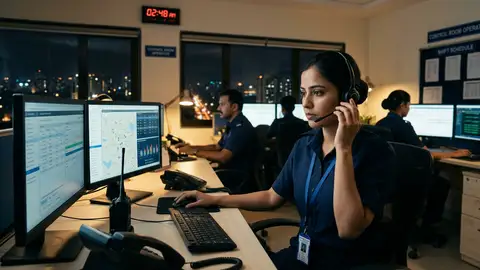
Government Jobs with Night Shift & Rotational Duty in 2026: What to Expect
Considering a sarkari naukri in 2026? Many government roles require night shifts or rotational duty. This guide explores what to expect, the sectors involved, and how to prepare.
Government Jobs with Free/Subsidized Housing in 2026
Find top government jobs in India for 2026 that offer free or subsidized housing. Learn about the departments, eligibility, and perks to boost your career.
Read Next
Government Jobs with Night Shift & Rotational Duty in 2026: What to Expect

Government Jobs with Free/Subsidized Housing in 2026
Government Jobs With Field Work in 2026: Best Options for Active Candidates

Govt Jobs for NCC Certificate Holders in 2026: A Comprehensive Guide
Explore Topics
Perfect Your Resume
Use our AI-powered Resume Builder to create ATS-optimized resumes.
AI Resume Builder