
Recruitment guide
Top Government Jobs With Field Work in 2026 — Explained
Tired of a desk job? Discover the best government jobs with fieldwork in India for 2026. This guide covers top roles for active candidates seeking a dynamic career.
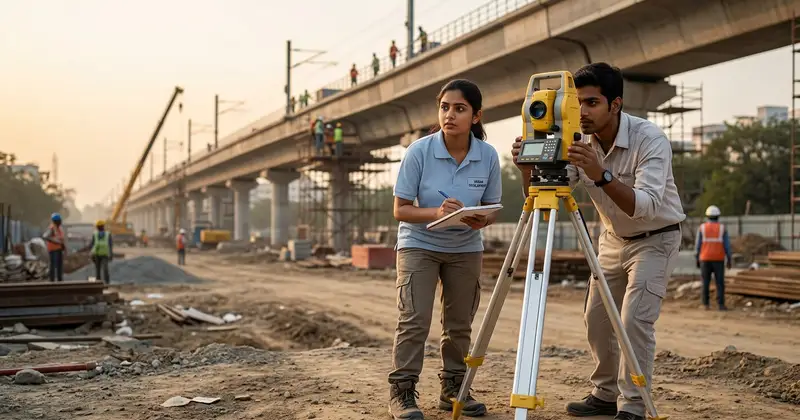
Are you an individual who thrives on action, variety, and the great outdoors? Does the thought of a conventional 9-to-5 desk job feel limiting? If your answer is a resounding yes, then you're precisely the kind of candidate who can excel in government jobs that involve significant fieldwork. India's vast public sector offers a multitude of dynamic opportunities that require professionals to be on their feet, interact with communities, explore diverse terrains, and contribute directly to national development and security. For 2026 and beyond, the demand for such active roles remains strong, promising a fulfilling career path for those who prefer an office without walls.
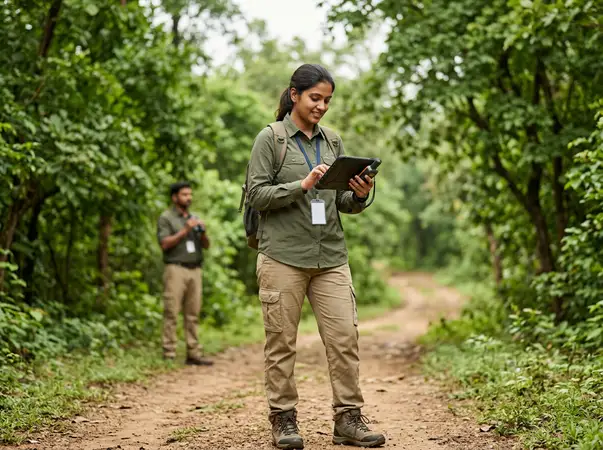
Why Choose a Government Job with Field Work?
Opting for a government job with fieldwork isn't just about avoiding a desk; it's about embracing a career that offers unique advantages and personal satisfaction. These roles are often characterized by their dynamic nature, direct impact, and the opportunity to experience different environments.
- Dynamic Work Environment: Say goodbye to monotony! Field jobs rarely have two identical days. You could be patrolling a forest one day, overseeing an infrastructure project the next, or conducting a community survey. This constant change keeps the work engaging and challenging.
- Direct Impact and Public Service: Many field-based government roles are at the forefront of public service. Whether it's maintaining law and order, protecting natural resources, or implementing welfare schemes, your work directly contributes to society and national progress. This sense of purpose can be incredibly rewarding.
- Physical and Mental Well-being: Unlike sedentary desk jobs, fieldwork often involves physical activity, which is beneficial for your health. The exposure to different situations also sharpens your problem-solving skills, adaptability, and mental resilience.
- Variety of Experiences: From interacting with diverse communities in rural areas to navigating challenging geographical terrains, field jobs offer a rich tapestry of experiences that broaden your perspective and enhance your practical skills.
- Job Security and Benefits: Like most government positions, field-based roles come with the inherent stability, competitive salaries, allowances, and comprehensive benefits packages that make government employment highly sought after in India.
- Leadership and Responsibility: Many field roles involve leading teams, making on-the-spot decisions, and taking significant responsibility, fostering strong leadership qualities.
Key Sectors Offering Field-Based Government Roles
Several sectors within the Indian government are inherently designed for active, field-oriented work. Understanding these broad categories can help you narrow down your search for the perfect role.
1. Defense and Paramilitary Forces
This is perhaps the most obvious sector for fieldwork. The Indian Army, Navy, Air Force, and various Central Armed Police Forces (CAPFs) like the BSF, CRPF, ITBP, SSB, and CISF offer careers that are almost entirely field-based, involving rigorous training, operational duties, and deployment in diverse and often challenging environments.
2. Police and Law Enforcement
State Police forces, the Central Bureau of Investigation (CBI), and the National Investigation Agency (NIA) require personnel for law enforcement, investigation, patrolling, and maintaining public order, all of which are predominantly field activities.
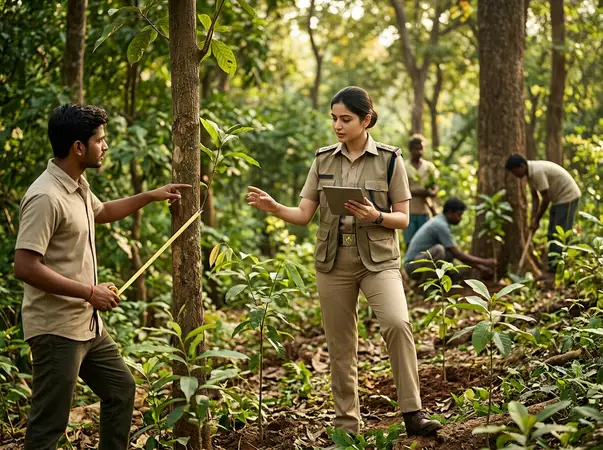
3. Forest and Environment Services
Protecting India's rich biodiversity and natural heritage is a crucial task. Roles in the Forest Department (Forest Rangers, Wildlife Guards, Assistant Conservator of Forests) involve extensive fieldwork in forests, wildlife sanctuaries, and national parks for conservation, patrolling, and enforcement.
4. Public Works and Infrastructure
Departments like the Public Works Department (PWD), Central Public Works Department (CPWD), Railways, and various state engineering departments hire engineers (Junior Engineers, Assistant Engineers) whose primary duty involves supervising construction sites, inspecting infrastructure, and managing projects on the ground.
5. Rural Development and Agriculture
These sectors focus on grassroots development. Roles such as Block Development Officers (BDOs), Agricultural Officers, Horticulture Officers, and various extension officers involve extensive travel to villages, interacting with farmers, implementing government schemes, and monitoring progress in rural areas.
6. Survey and Geospatial Departments
Organizations like the Survey of India and other state land record departments employ surveyors, cartographers, and GIS professionals who often conduct field surveys, land measurement, and data collection in various terrains.
7. Disaster Management
Units like the National Disaster Response Force (NDRF) and State Disaster Response Forces (SDRF) consist of highly trained personnel who are always on standby for rescue and relief operations during natural calamities or other emergencies, requiring immense physical presence and quick action in the field.
8. Customs and Excise
Preventive Officers and Inspectors in Customs and Central Excise departments conduct field inspections, surveillance, raids, and enforcement activities at ports, airports, and other points of entry/exit to prevent smuggling and ensure tax compliance.
9. Health and Sanitation
While some health roles are clinical, positions like Health Inspectors, Field Workers in public health programs, and sanitation officers involve extensive community visits, surveys, and on-ground monitoring to ensure public health standards and implement health initiatives.
Top Government Job Profiles with Significant Field Work (Detailed)
Let's delve deeper into some specific job roles that offer substantial fieldwork, outlining their responsibilities, qualifications, and the nature of their outdoor duties.
1. Indian Army / Navy / Air Force (Officers & Jawans)
Description: Serving in the armed forces is the epitome of a field-based career. Officers and Jawans (soldiers, sailors, airmen) are involved in national defense, security operations, disaster relief, and training exercises.
- Fieldwork Aspect: Constant training, deployment to borders, operational areas, maritime patrols, aerial reconnaissance, humanitarian missions, and physical drills. Life is primarily lived outdoors or in operational environments.
- Qualifications: Varies significantly by rank and entry scheme. For Officers, generally a Bachelor's degree (e.g., through NDA, CDS, AFCAT, INET). For Jawans, 10th or 12th pass. Specific physical and medical standards are mandatory.
- Recruiting Bodies: UPSC (for NDA, CDS), Army/Navy/Air Force Recruitment Boards.
2. Forest Ranger / Assistant Conservator of Forests (ACF)
Description: These roles are crucial for managing and protecting forest resources, wildlife, and the environment. They involve both administrative duties and extensive fieldwork.
- Fieldwork Aspect: Patrolling forest areas, monitoring wildlife, preventing poaching and illegal logging, conducting surveys, managing forest fires, implementing conservation projects, and interacting with local communities. This often requires traversing difficult terrain.
- Qualifications: Bachelor's degree in Science, Agriculture, Forestry, or Engineering for Forest Ranger. For ACF, a Bachelor's degree in a relevant science or engineering discipline is required. Strict physical standards and a walking test are common.
- Recruiting Bodies: State Public Service Commissions (PSCs) and UPSC (for Indian Forest Service - IFS, which includes ACF roles).
3. Police Constable / Sub-Inspector (State Police & CAPFs)
Description: Police personnel are responsible for maintaining law and order, preventing crime, and ensuring public safety. Sub-Inspectors (SIs) also lead small teams and conduct investigations.
- Fieldwork Aspect: Patrolling beats, responding to emergency calls, traffic management, crowd control, conducting investigations, collecting evidence, making arrests, and community policing. Most of their duty hours are spent outside the police station.
- Qualifications: 10th/12th pass for Constable; Bachelor's degree for Sub-Inspector. Mandatory physical efficiency tests (PET) and physical measurement tests (PMT) are integral to the selection process.
- Recruiting Bodies: State Police Recruitment Boards, Staff Selection Commission (SSC) for CAPFs (e.g., SSC CPO).
4. Border Security Force (BSF) / Central Reserve Police Force (CRPF) Personnel
Description: These CAPFs are responsible for guarding India's borders (BSF) and assisting state police in maintaining internal security, counter-insurgency operations, and law and order duties (CRPF).
- Fieldwork Aspect: Continuous patrolling along borders, setting up checkposts, intelligence gathering, operating in challenging terrains (deserts, mountains, jungles), anti-naxal operations, and riot control. Their work is almost entirely operational and field-based.
- Qualifications: 10th/12th pass for Constable/Head Constable; Bachelor's degree for Sub-Inspector/Assistant Commandant. Very stringent physical and medical standards are required.
- Recruiting Bodies: Staff Selection Commission (SSC) and respective Force Recruitment Boards.
5. Junior Engineer (Civil / Electrical / Mechanical)
Description: JEs are involved in the planning, design, execution, and maintenance of various government infrastructure projects like roads, bridges, buildings, power grids, and water supply systems.
- Fieldwork Aspect: Regular site visits for supervision of construction work, quality control, measurement of completed work, interaction with contractors and laborers, troubleshooting on-site issues, and conducting feasibility studies.
- Qualifications: Diploma or Bachelor's degree (B.E./B.Tech) in Civil, Electrical, or Mechanical Engineering.
- Recruiting Bodies: Staff Selection Commission (SSC JE), State Public Service Commissions (PSCs), various central and state engineering departments (e.g., CPWD, PWD, Railways).
6. Agricultural Officer / Horticulture Officer
Description: These officers work to improve agricultural practices, promote sustainable farming, and implement government schemes for farmers. Horticulture officers specifically focus on fruits, vegetables, and ornamental plants.
- Fieldwork Aspect: Visiting farms, conducting soil tests, advising farmers on crop management, pest control, and modern farming techniques, organizing field demonstrations, and monitoring the implementation of agricultural programs in rural areas.
- Qualifications: Bachelor's or Master's degree in Agriculture, Horticulture, or related fields.
- Recruiting Bodies: State Public Service Commissions (PSCs), IBPS AFO (Agricultural Field Officer for banks, which also involves field visits).
7. Surveyor / Amin
Description: Surveyors are responsible for measuring land, delineating boundaries, creating maps, and collecting geographical data for various purposes, including land records, urban planning, and infrastructure projects.
- Fieldwork Aspect: Extensive outdoor work using specialized equipment (theodolites, total stations, GPS devices) to measure land, mark boundaries, collect topographical data, and verify existing maps in diverse terrains.
- Qualifications: Diploma or degree in Surveying, Civil Engineering, or Geoinformatics.
- Recruiting Bodies: Survey of India, State Land Revenue Departments, PWD, Municipal Corporations.
8. Preventive Officer / Examiner (Customs)
Description: These officers are part of the Central Board of Indirect Taxes and Customs. Preventive Officers focus on anti-smuggling operations, while Examiners assess goods.
- Fieldwork Aspect: Surveillance at ports, airports, and land borders, conducting raids, inspecting cargo and baggage, interrogating suspects, and gathering intelligence to prevent illegal activities. This involves significant outdoor and investigative work.
- Qualifications: Bachelor's degree. Physical standards (height, chest, vision) are often required.
- Recruiting Bodies: Staff Selection Commission (SSC CGL).
9. Health Inspector / Sanitary Inspector
Description: Responsible for enforcing public health and sanitation regulations, preventing disease outbreaks, and promoting hygiene in communities.
- Fieldwork Aspect: Inspecting public places (restaurants, markets, water sources), conducting health surveys, organizing vaccination drives, monitoring waste management, and educating the public on hygiene practices. This requires constant presence in the community.
- Qualifications: Diploma or degree in Sanitary Inspector course, Public Health, or relevant science background.
- Recruiting Bodies: Municipal Corporations, State Health Departments, Railways.
Essential Skills and Qualities for Field-Based Roles
Beyond academic qualifications, specific personal attributes are critical for success and satisfaction in field-oriented government jobs:
- Physical Fitness and Stamina: Most field jobs demand good physical health, the ability to work long hours, and endure varying weather conditions and challenging terrains. Regular physical activity is key to maintaining this.
- Mental Resilience and Adaptability: Fieldwork can be unpredictable and demanding. The ability to stay calm under pressure, adapt to changing circumstances, and solve problems on the spot is invaluable.
- Strong Communication Skills: You'll be interacting with diverse groups – colleagues, superiors, subordinates, local communities, and the public. Clear and effective communication is vital for coordination, instruction, and conflict resolution.
- Observation and Analytical Skills: Whether it's detecting irregularities, surveying land, or assessing a situation, keen observation and the ability to analyze information quickly are crucial.
- Problem-Solving Abilities: Field environments often present unexpected challenges. The capacity to think critically and devise practical solutions is highly valued.
- Leadership and Teamwork: Many field roles involve leading small teams or working effectively as part of a larger unit, especially in defense, police, and disaster management.
- Technical Competence: Depending on the role, familiarity with specific tools, equipment, software (e.g., GPS, GIS, engineering software) is often required.
- Integrity and Discipline: Working independently in the field requires a high degree of integrity, self-discipline, and adherence to protocols.
Preparing for Field-Oriented Government Jobs in 2026
A strategic approach to preparation can significantly boost your chances of securing a field-based government job.
1. Academic Qualifications
Ensure you meet the basic educational requirements for your target roles. This might involve a specific Bachelor's degree (e.g., Engineering, Agriculture, Science) or a diploma (e.g., Surveying, Sanitary Inspector). Start planning your academic path early.
2. Physical Fitness
This is non-negotiable for most field roles. Incorporate a regular fitness regimen into your daily life:
- Cardiovascular Training: Running, cycling, swimming to build stamina.
- Strength Training: Bodyweight exercises, weightlifting to build strength.
- Flexibility and Endurance: Yoga, stretching to prevent injuries.
- Practice Physical Tests: Familiarize yourself with the specific physical efficiency tests (PET) and physical measurement tests (PMT) required for your desired roles (e.g., running distances, long jump, high jump, height, chest measurements).
3. Written Exam Preparation
Most government jobs involve a competitive written examination. Focus on:
- General Knowledge and Current Affairs: Stay updated with national and international news. /current-affairs
- Quantitative Aptitude and Reasoning: Practice regularly to improve speed and accuracy.
- English Language: Enhance your grammar, vocabulary, and comprehension.
- Subject-Specific Knowledge: For roles like JE or Agricultural Officer, deep knowledge of your engineering or agricultural discipline is vital.
- Mock Tests: Regularly take mock tests to simulate exam conditions and identify areas for improvement.
4. Interview Skills
Prepare to articulate your motivation for a field-based role, highlight relevant experiences (e.g., NCC, NSS, sports, volunteering), and demonstrate your problem-solving abilities. Emphasize your physical fitness and mental resilience.
5. Stay Updated with Notifications
Recruitment cycles for government jobs are dynamic. Regularly check reliable sources like TrueJobs.co.in for the latest job notifications, application deadlines, and exam dates. /sarkari-result /admit-card
Application Process and Key Dates (General Guidance)
While specific dates for 2026 recruitments are not yet available, the general application process for field-based government jobs follows a similar pattern across various departments:
- Notification Release: Recruitment advertisements are released by various recruiting bodies (UPSC, SSC, State PSCs, etc.) detailing eligibility criteria, vacancies, application dates, and selection procedures. Keep an eye on TrueJobs.co.in for these updates.
- Online Application: Candidates typically apply online through the official recruitment portal within the specified application window. This involves filling out forms, uploading documents, and paying application fees.
- Selection Stages: The selection process usually includes multiple stages:
- Written Examination: An objective or descriptive test to assess knowledge.
- Physical Efficiency Test (PET) & Physical Measurement Test (PMT): Mandatory for most field roles, assessing physical capabilities and standards.
- Interview/Document Verification: For shortlisted candidates, assessing personality, communication skills, and verifying submitted documents.
- Medical Examination: A thorough medical check-up to ensure fitness for duty.
- Final Merit List: Based on performance in all stages, a final merit list is prepared, and selected candidates are offered appointment letters.
It is crucial to refer to the official notification for each specific job for precise details regarding eligibility, application dates, syllabus, and selection process.
Checks to complete before you apply
For those who dream of a career beyond the confines of an office, government jobs with fieldwork offer an exciting and rewarding path. From safeguarding our borders and forests to building vital infrastructure and serving communities at the grassroots, these roles are integral to the nation's progress. They demand dedication, physical prowess, and a spirit of adventure, but in return, they offer unparalleled job satisfaction, stability, and the chance to make a tangible difference. As we look towards 2026, the opportunities for active candidates in India's government sector remain abundant. Start preparing today, stay informed, and embark on a fulfilling journey where your workplace is the world, and your impact is real. Your dynamic career awaits!
Frequently Asked Questions
Q1: Are government jobs with fieldwork only for men?
A: Absolutely not! While historically some roles might have been male-dominated, increasingly, government jobs with fieldwork are open to and actively encourage applications from women. Many positions in the police, paramilitary forces, forest services, and various engineering roles now have dedicated quotas or equal opportunities for female candidates, provided they meet the physical and academic requirements.
Q2: What is the typical age limit for these types of jobs?
A: The age limit varies significantly depending on the specific post and recruiting body. Generally, for entry-level positions, the age ranges from 18 to 27 or 30 years. However, for some roles or categories (e.g., SC/ST/OBC, ex-servicemen, government employees), age relaxations are provided as per government rules. Always check the official notification for the exact age criteria for the job you are interested in.
Q3: Do field jobs offer good career progression and promotions?
A: Yes, most field-based government jobs offer excellent career progression opportunities. With experience, good performance, and sometimes qualifying departmental examinations, employees can move up the ranks, take on more supervisory or administrative responsibilities, and even transition into policy-making roles. For example, a Police Constable can become a Head Constable, then a Sub-Inspector, and so on, reaching higher positions over time.
Q4: How important is physical fitness for these roles, and what kind of tests are involved?
A: Physical fitness is paramount for almost all field-based government jobs. It's often a mandatory part of the selection process. Tests typically include: running (e.g., 1.6 km in a specific time), long jump, high jump, shot put, and specific physical measurements like height, chest (for men), and vision standards. Failure to meet these standards usually leads to disqualification. Regular exercise is highly recommended for aspirants.
Q5: Can I apply for multiple field-based government jobs simultaneously?
A: Yes, you can apply for multiple field-based government jobs simultaneously, provided you meet the eligibility criteria (age, education, physical standards) for each specific post. Many candidates apply for various positions advertised by different recruiting bodies (e.g., SSC, State PSCs, Army Recruitment Boards) to maximize their chances. Just ensure you manage your preparation and application deadlines effectively.
Related Resources
- How to Prepare for Government Job Exams
- Police Constable Recruitment 2025
- Forest Guard Vacancies in India
Related Government Job Resources
Continue with active job hubs and related government job pages on TrueJobs.
Tools for this recruitment topic
Use only the tools relevant to the dates, eligibility or documents discussed above.
TrueJobs Editorial Team
TrueJobs editorial desk
This article is prepared from the sources referenced in the guide and reviewed for clarity, links and dated information. Read our editorial and corrections policy.
Continue This Topic
Follow the closest earlier and newer coverage so older archive posts keep real contextual crawl paths.
Quiet Careers: Top Government Jobs with Minimal Public Dealing (2026)
Discover the best government jobs for 2026 that offer minimal public interaction, focusing on back-office and technical roles. Find stable careers perfect for those seeking focused work environments.
Government Jobs with Night Shift & Rotational Duty in 2026: What to Expect
Considering a sarkari naukri in 2026? Many government roles require night shifts or rotational duty. This guide explores what to expect, the sectors involved, and how to prepare.
Read Next

Govt Jobs 2026: Top Opportunities for Hindi Medium Candidates

Government Jobs with Night Shift & Rotational Duty in 2026: What to Expect

Govt Jobs Where English Communication Gives a Real Advantage in 2026

Best Govt Jobs for Work-Life Balance in 2026: Dept-Wise Guide
Explore Topics
Perfect Your Resume
Use our AI-powered Resume Builder to create ATS-optimized resumes.
AI Resume Builder