
Recruitment guide
Govt Exam Dress Code 2026: What to Wear & Avoid — Explained
Learn the essential govt exam dress code for 2026. Find out what clothing is allowed, what can get you stopped, and tips for a hassle-free exam day.
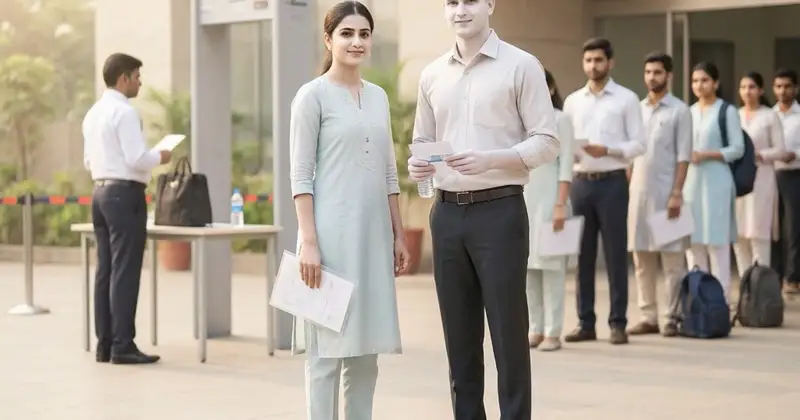
Government exams in India are highly competitive and require thorough preparation, but many candidates often overlook a crucial aspect: the dress code. In 2026, as exam authorities tighten security measures, understanding the government exam dress code is more important than ever. Wearing appropriate attire not only helps you avoid unnecessary delays or disqualification but also ensures a smooth entry and a focused exam experience.
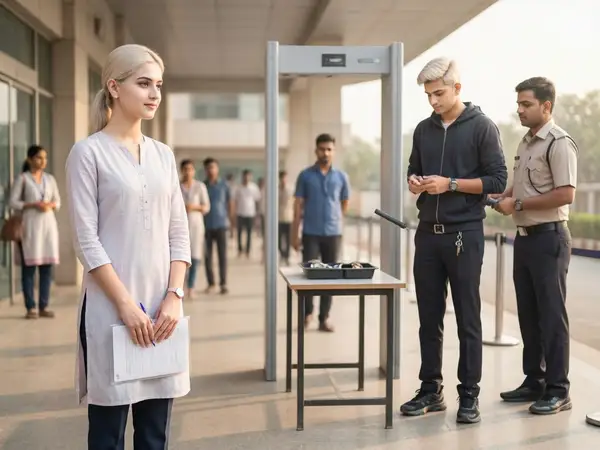
Why Is There a Dress Code for Government Exams?
Government exam centers implement dress codes primarily to maintain security and prevent malpractice. Over the years, incidents of cheating and use of unfair means have prompted exam authorities to adopt strict guidelines. The dress code helps invigilators easily screen candidates and detect any prohibited items or suspicious behavior.
Moreover, a standardized dress code reduces the chances of impersonation and ensures fairness for all candidates. It also speeds up the entry process by minimizing security checks related to clothing or accessories.
General Guidelines for Govt Exam Dress Code 2026
While specific instructions may vary depending on the exam conducting authority, the following general guidelines apply to most government exams in 2026:

- Simple and Comfortable Clothing: Candidates should opt for light, comfortable clothes that are easy to wear and remove if necessary during security checks.
- No Heavy or Layered Clothing: Avoid jackets, sweatshirts, cardigans, or multiple layers that may hide prohibited items.
- Minimal Accessories: Jewelry, watches, belts with large buckles, and other accessories should be minimal or avoided altogether.
- Plain Footwear: Shoes or sandals without metal parts or complicated designs are preferred. Slip-on shoes are advisable to speed up security checks.
- Identification Visibility: Clothes should allow for easy display of admit cards and identity proofs without obstruction.
What to Wear: Recommended Attire for Govt Exams
Choosing the right outfit can help you breeze through security and focus on your exam. Here are some recommended clothing options:
- Men: Simple cotton shirts or t-shirts with trousers or jeans. Avoid clothes with large prints or logos.
- Women: Plain kurtis or salwar suits without heavy embroidery or embellishments. Alternatively, simple tops with trousers or jeans are acceptable.
- Footwear: Slip-on shoes, sandals, or slippers without metal components.
- Headgear: Avoid caps, hats, or scarves unless required for religious purposes. Even then, be prepared for thorough checks.
Remember that comfort is key, as exams can last several hours. Avoid tight or restrictive clothing.
What Can Get You Stopped at the Exam Center?
Certain clothing and accessories can lead to delays or even disqualification. Candidates must be aware of these to avoid last-minute hassles:
- Jackets, Hoodies, and Sweaters: These are often prohibited as they can conceal electronic devices or notes.
- Clothes with Large Pockets: Large or multiple pockets may raise suspicion and lead to additional frisking.
- Heavy Jewelry and Watches: Metal jewelry, smartwatches, fitness bands, and wristwatches are generally not allowed.
- Caps, Hats, and Headgear: Unless for religious reasons, these are usually banned to prevent hiding communication devices.
- Footwear with Metal Parts: Shoes with metal buckles or soles may trigger metal detectors and cause delays.
- Clothes with Prints or Logos: Some exam centers discourage clothing with large logos or prints to avoid impersonation or identification issues.
Failure to comply with these rules can result in denial of entry, additional screening, or cancellation of candidature.
Security Measures Related to Dress Code
Exam centers have enhanced security protocols around dress codes to curb cheating and impersonation. These include:
- Metal Detectors: Candidates may be scanned to detect hidden electronic devices.
- Frisking and Physical Checks: Invigilators may conduct thorough frisking, especially if clothing is bulky or suspicious.
- Prohibition of Electronic Devices: Mobile phones, smartwatches, Bluetooth devices, and calculators (unless permitted) are banned.
- Use of CCTV Surveillance: Continuous monitoring to ensure compliance with exam rules.
Adhering to the dress code minimizes the chances of being stopped or delayed during these checks.
Tips for Preparing Your Exam Day Outfit
To avoid last-minute confusion and stress, follow these practical tips:
- Check Official Instructions: Always read the official exam notification or admit card instructions for dress code specifics.
- Choose Simple Clothes: Select plain, comfortable outfits without metal or complicated designs.
- Try a Dry Run: Wear your exam day outfit a day before to ensure comfort and compliance.
- Avoid New or Unfamiliar Clothes: Stick to familiar clothing to prevent discomfort.
- Keep Accessories Minimal: Remove watches, jewelry, and belts with metal parts before leaving home.
- Carry Admit Card and ID Properly: Ensure these are easily accessible without removing too many layers.
- Prepare for Weather: If the exam is in winter, wear thin layers that can be easily removed.
Common Myths About Government Exam Dress Codes
There are several misconceptions about dress codes that can confuse candidates. Let’s clear some common myths:
- Myth 1: Wearing Traditional Clothes is Not Allowed
Reality: Traditional attire like kurta-pajama or sarees are allowed, but they must be simple and without heavy accessories. - Myth 2: Colored Clothes Are Banned
Reality: There is no blanket ban on colors, but bright, flashy clothes with large prints or logos may be discouraged. - Myth 3: You Must Wear Formal Clothes
Reality: Formal attire is not mandatory. Comfortable, neat casual wear is acceptable unless specified. - Myth 4: Watches Are Allowed
Reality: Most exams prohibit watches, especially smartwatches or those with storage capabilities.
Dress Code for Specific Government Exams in 2026
Different exams may have slightly different dress code rules. Here’s a brief overview of some popular exams:
| Exam | Dress Code Highlights | Additional Notes |
|---|---|---|
| SSC CGL | Simple clothing, no jackets or hoodies, no watches | Strict frisking; no electronic devices allowed |
| UPSC Civil Services | Comfortable formal or semi-formal wear, minimal accessories | Religious headgear allowed after security check |
| Railway Recruitment Board (RRB) | Light clothing, no multiple layers, no large pockets | Metal detectors used extensively |
| Bank PO/Clerk Exams | Casual/smart casual attire, no smartwatches | Strict no mobile phone policy |
Always verify the latest guidelines on the official websites or your admit card to avoid surprises.
Checks to complete before you apply
The government exam dress code in 2026 is designed to enhance security and ensure a fair playing field for all candidates. By choosing simple, comfortable clothing and avoiding prohibited items, you can avoid unnecessary delays and focus on performing your best. Remember to check official instructions carefully, prepare your outfit in advance, and stay calm on exam day. Being mindful of the dress code is a small but significant step towards exam success.
For more updates on government exams, results, and admit cards, visit our dedicated sections here: /sarkari-result and /admit-card.
Frequently Asked Questions
Q1: Can I wear a jacket or hoodie to the exam center?
A1: Generally, jackets, hoodies, and sweaters are not allowed as they can conceal prohibited items. It’s best to avoid wearing them to prevent delays.
Q2: Are religious head coverings permitted during government exams?
A2: Yes, religious headgear like turbans or scarves are usually allowed but will be subject to thorough security checks.
Q3: Can I wear a smartwatch or fitness band during the exam?
A3: No, smartwatches, fitness bands, and any electronic devices are typically banned in exam centers.
Q4: What type of footwear is recommended for government exams?
A4: Slip-on shoes or sandals without metal parts are recommended to speed up security checks and avoid triggering metal detectors.
Q5: What happens if I violate the dress code at the exam center?
A5: Violating the dress code can lead to additional security checks, delays, or even denial of entry. In some cases, it may result in cancellation of your candidature.
Related Resources
Related Government Job Resources
Continue with active job hubs and related government job pages on TrueJobs.
Tools for this recruitment topic
Use only the tools relevant to the dates, eligibility or documents discussed above.
TrueJobs Editorial Team
TrueJobs editorial desk
This article is prepared from the sources referenced in the guide and reviewed for clarity, links and dated information. Read our editorial and corrections policy.
Continue This Topic
Follow the closest earlier and newer coverage so older archive posts keep real contextual crawl paths.
Banned Items in Govt Exams 2026: What You Cannot Carry to the Center
Avoid disqualification in govt exams 2026 by knowing the banned items you cannot carry to the exam center. Stay informed and exam-ready with TrueJobs.
Admit Card Photo Mismatch 2026: When You Need Extra ID Proof for Government Exams
Facing admit card photo mismatch in 2026 government exams? Know when you must carry extra ID proof and how to handle verification smoothly at exam centers.
Read Next
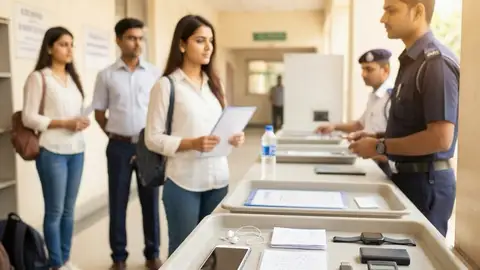
Banned Items in Govt Exams 2026: What You Cannot Carry to the Center

Admit Card Photo Mismatch 2026: When You Need Extra ID Proof for Government Exams

Black and White vs Color Print Admit Card 2026: What Is Usually Accepted

Pregnancy and Medical Fitness in Govt Recruitment 2026: What Candidates Should Know
Explore Topics
Perfect Your Resume
Use our AI-powered Resume Builder to create ATS-optimized resumes.
AI Resume Builder