
Recruitment guide
Pregnancy & Govt Job Medical Fitness 2026: Rules — Explained
Discover key insights on pregnancy and medical fitness in government recruitment 2026. Understand eligibility, legal protections, and preparation tips for female candidates.

Government job recruitment in India is a highly sought-after career path offering stability, benefits, and long-term growth. However, the selection process often involves stringent eligibility criteria, including medical fitness tests. For female candidates, pregnancy and related medical conditions sometimes raise questions about their eligibility and rights during recruitment. As we approach the 2026 recruitment cycles, understanding how pregnancy and medical fitness impact government job applications is crucial for aspiring candidates.
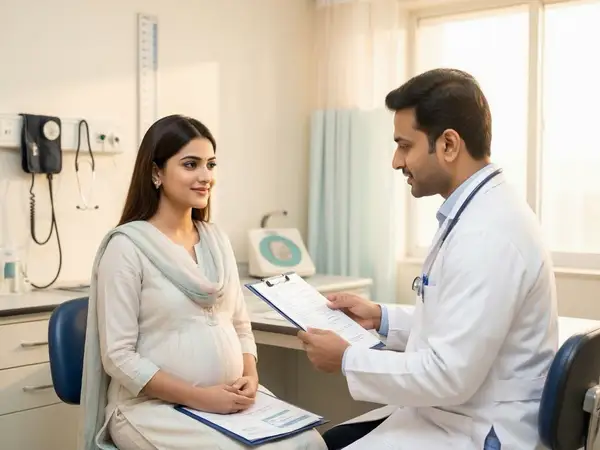
Understanding Medical Fitness in Government Recruitment
Medical fitness is a mandatory criterion in most government recruitment processes. It ensures that candidates are physically and mentally capable of performing the duties associated with the job. The medical examination typically covers general health, vision, hearing, cardiovascular health, and sometimes specific tests depending on the job profile.
Each government department or agency may have its own medical fitness standards, which are usually detailed in the official recruitment notification. These standards are designed to maintain workplace safety and efficiency, especially in roles that demand physical endurance or involve risk.
Pregnancy and Its Impact on Medical Fitness Tests
Pregnancy is a natural condition but poses unique challenges during medical examinations. Many female candidates worry whether being pregnant might lead to disqualification or delay in recruitment.
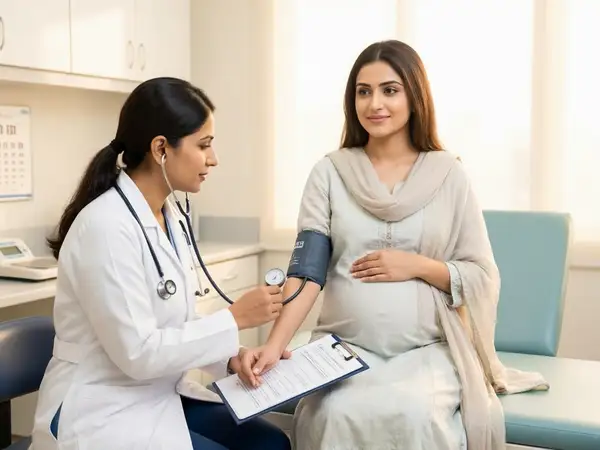
Here are key points to consider:
- Temporary Disqualification: Some recruitment boards may defer the medical test if the candidate is pregnant, especially in advanced stages, citing health risks during the examination.
- Medical Certificate: Candidates can provide a medical certificate from a registered gynecologist stating that pregnancy is in a stable condition and that the candidate is fit to appear for the test or join the service if selected.
- Job Nature Consideration: The impact of pregnancy on medical fitness depends on job nature. For physically demanding roles like police, military, or paramilitary forces, pregnancy may temporarily affect eligibility until postpartum recovery.
- Legal Protections: Indian labor laws and government recruitment policies generally prohibit discrimination based on pregnancy. However, candidates may need to present proof and communicate transparently with recruiting authorities.
Official Guidelines and Policies Regarding Pregnancy in Govt Recruitment
While there is no uniform national policy explicitly addressing pregnancy during recruitment medical tests, certain guidelines apply:
- Medical Examination Deferral: Some departments allow deferral of the medical test if a candidate is pregnant, requesting the candidate to appear after delivery and recovery.
- Fitness Certification: Candidates may be required to submit a fitness certificate post-delivery to confirm readiness for duty.
- Non-Discrimination Clause: Recruitment boards are expected to uphold the principle of non-discrimination based on gender or pregnancy status.
- Right to Maternity Benefits: Once recruited, female employees are entitled to maternity leave and benefits as per the Maternity Benefit Act, 1961.
It is advisable to carefully read the medical fitness section of each recruitment notification and seek clarifications from the recruiting agency if pregnancy-related concerns arise.
How Candidates Should Prepare for Medical Fitness Tests During Pregnancy
Pregnant candidates aiming for government jobs should take proactive steps to manage the medical fitness process smoothly:
- Consult Your Doctor: Before appearing for any medical test, discuss your pregnancy status with your gynecologist and obtain a fitness certificate if possible.
- Inform the Recruiting Authority: Transparently communicate your condition to the recruitment board or medical examiners to understand options for deferral or special arrangements.
- Schedule Appropriately: If the recruitment timeline allows, consider scheduling the medical examination during early pregnancy or post-delivery to avoid complications.
- Maintain Health: Follow a healthy lifestyle, balanced diet, and prenatal care to ensure overall fitness, which helps in clearing the medical tests.
- Documentation: Keep all medical records handy, including pregnancy reports and fitness certificates, to present when required.
Common Medical Fitness Tests in Govt Recruitment and Pregnancy Considerations
Medical fitness tests vary by job but typically include:
| Test | Purpose | Pregnancy Considerations |
|---|---|---|
| General Physical Examination | Overall health check-up | May reveal pregnancy; some parameters may differ during pregnancy |
| Blood Tests | Detect infections, anemia, blood group | Pregnancy alters some blood parameters; doctor’s note may be needed |
| Urine Test | Check kidney function, infections | Monitor for pregnancy-related conditions like proteinuria |
| X-ray/Chest X-ray | Check lungs and chest health | Usually avoided during pregnancy; alternatives or deferral requested |
| Vision and Hearing Tests | Assess sensory abilities | No significant impact from pregnancy |
| Cardiovascular Examination | Heart health assessment | Pregnancy causes physiological changes; interpretation by specialist required |
| Physical Endurance Tests | Assess fitness for physically demanding roles | Usually deferred during pregnancy |
Given these considerations, pregnant candidates should clarify with medical examiners about tests that may pose risks and seek alternatives or postponements.
Legal Rights and Protections for Pregnant Candidates in Govt Recruitment
Pregnant women enjoy certain legal protections in India that extend to recruitment processes:
- Equality and Non-Discrimination: The Constitution of India guarantees equality before the law and prohibits discrimination based on sex, which includes pregnancy.
- Maternity Benefit Act, 1961: While this primarily applies post-employment, it reflects the government’s stance on protecting pregnant women’s welfare.
- Right to Reasonable Accommodation: Though not explicitly stated in recruitment policies, candidates can request reasonable accommodations such as deferral of medical tests.
- Judicial Precedents: Indian courts have ruled against unfair discrimination in employment based on pregnancy, reinforcing candidates’ rights.
Understanding these rights empowers candidates to advocate for fair treatment during recruitment.
Tips for Female Candidates Navigating Pregnancy and Govt Job Applications
To maximize chances of success while managing pregnancy-related challenges, female candidates should consider the following tips:
- Read Notifications Carefully: Check for any mention of medical fitness standards and pregnancy-related instructions.
- Plan Your Application Timing: If possible, avoid applying during late pregnancy stages to prevent complications.
- Seek Clarifications: Contact recruitment helplines or visit official websites for guidance on pregnancy and medical tests.
- Maintain Transparency: Disclose pregnancy status honestly during medical examinations to avoid future issues.
- Prepare Physically: Engage in prenatal exercises and maintain a healthy diet to enhance fitness levels.
- Keep Documentation Ready: Have medical certificates and reports organized for submission when required.
- Stay Updated: Follow official recruitment portals and trusted career advice sites like TrueJobs.co.in for latest updates /government-jobs.
Checks to complete before you apply
Pregnancy and medical fitness are important factors in the government recruitment process, but they need not be barriers for aspiring female candidates. With proper knowledge, preparation, and communication, candidates can navigate medical examinations and recruitment procedures effectively. Understanding the legal protections and departmental guidelines helps ensure fair treatment and smooth progress in securing a government job. As recruitment cycles for 2026 approach, staying informed and proactive will empower candidates to balance their health and career ambitions confidently.
Frequently Asked Questions
1. Can pregnancy lead to disqualification in government job medical tests?
Pregnancy itself does not automatically disqualify a candidate. However, some departments may temporarily defer medical examinations during advanced pregnancy stages for health safety. Candidates may need to provide a medical fitness certificate post-delivery.
2. Are pregnant candidates allowed to apply for physically demanding government jobs?
Pregnant candidates can apply, but medical fitness during pregnancy might be challenging to prove for physically demanding roles. In such cases, medical tests may be deferred until after pregnancy recovery.
3. What should a pregnant candidate do if the medical test involves an X-ray?
X-rays are generally avoided during pregnancy due to radiation risks. Candidates should inform the medical examiner about their pregnancy to seek alternative arrangements or postpone the test.
4. Is there any legal protection against discrimination for pregnant candidates in government recruitment?
Yes, Indian laws prohibit discrimination based on pregnancy. Recruitment boards must treat pregnant candidates fairly and provide reasonable accommodations where necessary.
5. Where can candidates find official updates about medical fitness and pregnancy-related recruitment policies?
Official notifications on recruitment portals, government websites, and trusted career advice platforms like TrueJobs.co.in /sarkari-result provide the latest updates and guidelines.
Related Resources
- Complete Guide to Government Job Medical Tests
- Latest Government Jobs for Female Candidates
- UPSC Civil Services Exam Guide
Related Government Job Resources
Continue with active job hubs and related government job pages on TrueJobs.
Tools for this recruitment topic
Use only the tools relevant to the dates, eligibility or documents discussed above.
TrueJobs Editorial Team
TrueJobs editorial desk
This article is prepared from the sources referenced in the guide and reviewed for clarity, links and dated information. Read our editorial and corrections policy.
Continue This Topic
Follow the closest earlier and newer coverage so older archive posts keep real contextual crawl paths.
Admit Card Photo Mismatch 2026: When You Need Extra ID Proof for Government Exams
Facing admit card photo mismatch in 2026 government exams? Know when you must carry extra ID proof and how to handle verification smoothly at exam centers.
Height and Chest Relaxation 2026: Categories and Regions Eligible Explained
Discover which categories and regions are eligible for height and chest relaxation in 2026 government job recruitments. Know the standards and benefits.
Read Next

Reporting Time Missed 2026: Late Entry Rules in Government Exams Explained

Height and Chest Relaxation 2026: Categories and Regions Eligible Explained

Self Declaration Form 2026: How to Fill It Without Mistakes
Spectacles and Eye Power Rules 2026: Which Government Jobs Allow Which Limits
Explore Topics
Perfect Your Resume
Use our AI-powered Resume Builder to create ATS-optimized resumes.
AI Resume Builder