
Career guide
Latest Govt Jobs: Medical Fitness, No Physical Test — Explained
Discover a wide range of government jobs for 2026 that don't require strenuous physical tests. This guide explores roles in banking, civil services, and more, focusing on medical fitness and intellectual skills.

When we think of government jobs, images of rigorous physical tests, demanding runs, and intense endurance challenges often come to mind. While these are certainly integral to uniformed services like the Police, Army, and certain paramilitary forces, it's a common misconception that *all* government positions require such stringent physical prowess. In reality, a vast array of government jobs prioritize intellectual capabilities, administrative skills, technical expertise, and specialized knowledge. For these roles, what truly matters is a candidate's general medical fitness – ensuring they are healthy enough to perform their duties effectively, without the need for high-intensity physical trials.
If you're an aspirant looking ahead to 2026, seeking stable and rewarding career opportunities in the government sector that value your mental acumen and general well-being over athletic ability, you're in the right place. Let's explore the diverse landscape of government jobs that require medical fitness but no physical test, offering a clear path for many talented individuals.
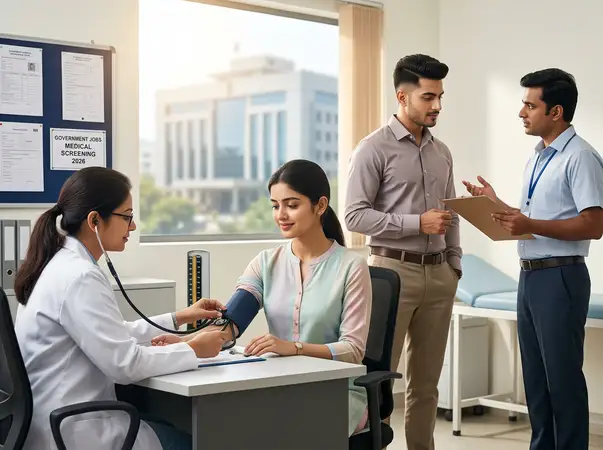
Understanding Medical Fitness vs. Physical Test in Government Jobs
Before diving into specific job roles, it's crucial to understand the fundamental difference between 'medical fitness' and a 'physical test' in the context of government recruitment. This distinction is key for aspirants to accurately assess their eligibility and focus their preparation.
What is Medical Fitness?
Medical fitness, in simple terms, refers to a candidate's overall health status. It assesses whether an individual is medically sound enough to carry out the routine duties associated with a particular job without undue risk to themselves or others. This typically involves a comprehensive medical examination conducted by a government-appointed medical board or authorized medical practitioner. The primary goal is to ensure:
- General Health: Absence of major chronic diseases (e.g., uncontrolled diabetes, severe heart conditions, chronic respiratory issues) that could impair job performance or require frequent medical leave.
- Sensory Abilities: Adequate vision (often corrected vision is acceptable, but specific standards may apply for roles like driving or certain technical tasks) and hearing (normal or corrected with aids).
- Mental Well-being: A stable mental state, free from conditions that could interfere with judgment, decision-making, or ability to work under pressure.
- Physical Ability for Office Work: The capacity to perform daily administrative or desk-bound tasks, such as sitting for long hours, using a computer, moving between departments, or handling files.
- Absence of Communicable Diseases: To prevent the spread of infections within the workplace.

For most non-uniformed government jobs, the medical examination is designed to confirm that you are fit for general service, capable of performing the assigned duties without medical hindrance.
What is a Physical Test?
A physical test, on the other hand, is a specialized assessment designed to evaluate a candidate's physical strength, endurance, agility, and specific physical attributes required for roles that involve significant physical exertion, risk, or specialized physical tasks. These tests are almost exclusively associated with uniformed services and field-based roles. Examples include:
- Running/Sprinting: To test speed and stamina.
- Long Jump/High Jump: To assess agility and explosive power.
- Push-ups/Sit-ups: To measure muscular strength and endurance.
- Weight Lifting/Carrying: For roles requiring handling heavy equipment or materials.
- Specific Physical Measurements: Height, chest expansion, and weight standards are often mandatory for police, army, and forest department roles.
- Endurance Marches/Drills: For roles requiring sustained physical activity in challenging environments.
The key takeaway is that if a job description doesn't explicitly mention physical standards like running distances, height requirements, or specific strength tests, it's highly likely that only a general medical fitness certificate will be required. For aspirants targeting 2026, understanding this distinction is the first step towards identifying suitable government career paths.
Key Sectors Offering Government Jobs with Medical Fitness but No Physical Test
The Indian government sector is vast and diverse, offering opportunities across numerous ministries, departments, and public sector undertakings. Many of these roles are administrative, technical, financial, or educational, where mental prowess and specialized skills are paramount. Here are some of the major sectors and types of roles that typically require medical fitness but do not involve a physical test:
1. Banking and Financial Services (Public Sector Banks & RBI)
Public Sector Banks (PSBs) like State Bank of India (SBI), Punjab National Bank (PNB), Bank of Baroda, and the Reserve Bank of India (RBI) are major employers. They recruit thousands of candidates annually for various roles.
- Roles: Probationary Officers (PO), Clerks, Specialist Officers (SO) in IT, HR, Marketing, Law, Agriculture, etc.
- Recruitment Bodies: IBPS (Institute of Banking Personnel Selection), SBI, RBI.
- Medical Requirement: General medical fitness to ensure candidates can perform desk work, customer interaction, and administrative duties effectively. Vision and hearing standards are typically moderate, often allowing for corrected vision.
2. Administrative and Civil Services (UPSC & State PSCs)
The crème de la crème of government jobs, these services focus heavily on intellectual ability, leadership, and administrative acumen.
- Roles: IAS, IFS, IRS, IPS (though IPS has physical tests, many other services under UPSC Civil Services Exam do not), State Civil Services (PCS), Revenue Services, Secretariat Services, etc.
- Recruitment Bodies: Union Public Service Commission (UPSC), State Public Service Commissions (e.g., UPPSC, MPSC, BPSC).
- Medical Requirement: A thorough medical examination is conducted to ensure candidates are fit for general service, capable of handling demanding administrative duties and potential transfers across diverse regions. Specific height/chest measurements are only for services like IPS, RPF, etc.
3. Staff Selection Commission (SSC) - Non-Uniformed Posts
SSC conducts examinations for recruitment to various Group 'B' and 'C' posts in different Ministries/Departments/Organizations of the Government of India.
- Roles:
- SSC CGL (Combined Graduate Level): Assistant Section Officer, Income Tax Inspector, Auditor, Accountant, Statistical Investigator, Assistant Enforcement Officer, etc.
- SSC CHSL (Combined Higher Secondary Level): Lower Division Clerk (LDC), Data Entry Operator (DEO), Postal Assistant/Sorting Assistant.
- SSC MTS (Multi-Tasking Staff): General office duties, peon, daftary, jamadar, etc.
- SSC Junior Engineer (JE): Civil, Mechanical, Electrical, Quantity Surveying & Contract.
- SSC Stenographer (Grade C & D): Stenographers in various departments.
- Medical Requirement: General medical fitness. For roles like Income Tax Inspector or Auditor, vision standards are important but often permit corrected vision. No rigorous physical tests are involved for these administrative and technical roles.
4. Railways (Non-Technical & Clerical Posts)
Indian Railways is one of the largest employers in the world. While many roles are operational and require physical fitness, a significant number are administrative.
- Roles (under RRB NTPC - Non-Technical Popular Categories): Junior Clerk cum Typist, Accounts Clerk cum Typist, Junior Time Keeper, Commercial cum Ticket Clerk, Goods Guard (some roles may have minimal physical requirements but not extensive tests), Senior Commercial cum Ticket Clerk, Senior Clerk cum Typist, Junior Account Assistant cum Typist, Commercial Apprentice, Station Master.
- Recruitment Body: Railway Recruitment Boards (RRBs).
- Medical Requirement: Specific medical standards (A1, B1, C1, etc.) are defined for different categories of posts. For most non-technical and clerical posts, the standards are less stringent, primarily focusing on general health, vision, and hearing for safe and efficient office work.
5. Public Sector Undertakings (PSUs) - Managerial, Technical & Clerical
Companies like BHEL, GAIL, ONGC, NTPC, IOCL, Coal India, etc., recruit extensively for various positions.
- Roles: Engineers (GETs), Managers (HR, Finance, Marketing), Scientific Officers, Technicians, Clerical Staff, Executive Trainees.
- Recruitment Bodies: Individual PSUs often conduct their own recruitment or use common entrance tests.
- Medical Requirement: Standard pre-employment medical examination to ensure candidates are fit for the specific work environment (e.g., office, plant, field, but not involving physical endurance tests).
6. Judiciary (Courts)
Various High Courts and District Courts across India recruit for administrative and support staff.
- Roles: Court Clerks, Stenographers, Personal Assistants, Process Servers (often administrative), Data Entry Operators.
- Recruitment Bodies: High Court recruitment cells, District Court recruitment boards.
- Medical Requirement: General medical fitness is required to ensure candidates can perform their duties in a court environment.
7. Education Sector (Teachers & Professors)
Government schools, colleges, and universities regularly recruit teaching staff.
- Roles: Primary Teacher, Trained Graduate Teacher (TGT), Post Graduate Teacher (PGT) in KVS, NVS, State Education Departments; Assistant Professors, Associate Professors, Professors in Central/State Universities.
- Recruitment Bodies: KVS, NVS, State Education Boards, UGC, individual universities.
- Medical Requirement: General medical fitness, particularly focusing on vocal health and overall well-being to manage classes and academic responsibilities.
8. Research & Development Organizations
Institutions like DRDO, ISRO, ICAR, CSIR labs recruit scientists, researchers, and technical staff.
- Roles: Scientists, Scientific Assistants, Technical Assistants, Junior Research Fellows, Lab Technicians.
- Recruitment Bodies: Individual organizations.
- Medical Requirement: Medical fitness to work in a laboratory, office, or specific technical environment. No physical tests are typically involved for these highly specialized roles.
For aspirants planning for 2026, the key is to monitor the official notifications from these sectors on platforms like TrueJobs.co.in /government-jobs to identify specific vacancies that align with your skills and medical profile.
Common Medical Fitness Standards Expected
While specific requirements can vary slightly between departments and roles, there are common medical fitness standards that most government jobs, particularly those without physical tests, adhere to. Understanding these can help you prepare for the medical examination stage of recruitment.
1. Vision Standards:
- Distant Vision: Often, 6/6 or 6/9 in one eye and 6/9 or 6/12 in the other eye (with or without glasses/lenses) is required. For many administrative roles, corrected vision (wearing spectacles or contact lenses) is perfectly acceptable.
- Near Vision: The ability to read small print at a normal reading distance (e.g., N6 or N8).
- Color Blindness: Generally not a disqualifier for most administrative and clerical roles. However, it can be a disqualifier for specific technical roles where color perception is critical (e.g., certain railway jobs, electrical engineering roles).
- Field of Vision: Full field of vision is usually expected.
2. Hearing Standards:
- Normal Hearing: The ability to hear and understand conversational speech at a normal distance.
- Corrected Hearing: If you use hearing aids, you might be required to demonstrate that your hearing is adequate with the aid.
- Absence of Ear Diseases: No active or chronic ear infections that could impair hearing or cause dizziness.
3. General Physical Examination:
- Height and Weight: While not a strict criterion for most non-uniformed jobs, extreme deviations (e.g., severe obesity or underweight) might be noted and assessed for overall health implications. There are no specific minimum height or weight requirements for most administrative posts.
- Deformities/Disabilities: Candidates with minor physical deformities or disabilities are often considered, especially under Persons with Benchmark Disabilities (PwBD) categories, provided they can perform the job duties. The medical board assesses the extent to which any condition might hinder job performance.
- Gait and Posture: Normal gait and posture are generally expected.
4. Internal Organ Health:
- Cardiovascular System: Normal blood pressure (within acceptable limits), absence of severe heart conditions.
- Respiratory System: Healthy lungs, absence of severe asthma, tuberculosis, or other chronic respiratory diseases.
- Digestive System: Healthy digestive organs, absence of severe chronic gastrointestinal issues.
- Renal System: Healthy kidneys, absence of chronic kidney diseases.
- Endocrine System: Controlled diabetes, thyroid issues, etc., are usually acceptable if well-managed.
5. Laboratory Tests:
Candidates often undergo various lab tests as part of the medical examination:
- Blood Test: Hemoglobin, complete blood count (CBC), blood sugar (fasting and post-prandial), liver function tests (LFT), kidney function tests (KFT).
- Urine Test: For sugar, protein, and routine microscopic examination.
- X-ray Chest: To check for lung conditions like TB.
- ECG: Electrocardiogram to check heart health.
6. Mental Health:
While not always explicitly tested with psychological evaluations, the medical board assesses a candidate's general mental stability and ability to cope with work-related stress. Absence of severe psychiatric disorders that could impair judgment or performance is expected.
It is crucial to remember that the final decision on medical fitness rests with the medical board appointed by the recruiting authority. Always refer to the specific medical standards detailed in the official recruitment notification for the post you are applying to.
Preparing for Medical Examinations
Even though these jobs don't require physical tests, maintaining good general health is vital. Proactive preparation can ensure you clear the medical examination without any hitches. Here’s how you can prepare:
1. Proactive Health Check-up:
Consider getting a general health check-up from your family doctor a few months before you anticipate the medical examination. This helps you identify any potential issues early on. Discuss any concerns you have and seek advice on improving your health.
2. Healthy Lifestyle Choices:
- Balanced Diet: Eat nutritious food, rich in fruits, vegetables, and whole grains. Reduce intake of processed foods, excessive sugar, and unhealthy fats.
- Regular Moderate Exercise: Engage in regular physical activity like walking, jogging, yoga, or cycling. This helps maintain a healthy weight, improves cardiovascular health, and reduces stress – all beneficial for a medical exam. Remember, this isn't about training for a marathon, but about general well-being.
- Adequate Sleep: Ensure you get 7-8 hours of quality sleep every night. Good sleep is crucial for physical and mental recovery.
- Avoid Harmful Habits: Limit or quit smoking and excessive alcohol consumption, as they can negatively impact various organ systems.
3. Managing Existing Medical Conditions:
If you have a pre-existing condition like diabetes, hypertension, or asthma:
- Strict Adherence to Treatment: Follow your doctor's advice, take medications regularly, and monitor your condition closely. Well-controlled conditions are often acceptable.
- Keep Records Handy: Have all your medical reports, prescriptions, and doctor's certificates ready. These can be crucial for the medical board to assess your condition accurately.
4. Vision and Hearing Care:
- Eye Check-up: If you wear glasses or contact lenses, ensure your prescription is up-to-date. If you suspect any vision issues, get them checked.
- Ear Care: Maintain good ear hygiene. If you have hearing issues, ensure your hearing aids are functional and your hearing is assessed to be adequate with correction.
5. Mental Well-being:
The stress of competitive exams can take a toll. Practice stress-management techniques like meditation, mindfulness, or hobbies to maintain good mental health. A calm and composed demeanor during the medical examination is also helpful.
6. What to Expect on the Day:
- Fasting: You might be asked to fast for 8-12 hours before blood tests (especially for blood sugar). Follow instructions carefully.
- Documentation: Carry all required documents, including identification and any previous medical reports.
- Honesty: Be honest about your medical history. Withholding information can lead to complications later.
- Relax: Try to stay calm. The medical examination is a routine check to ensure you are fit for service.
By taking these steps, you can significantly increase your chances of successfully clearing the medical fitness stage and moving closer to your dream government job.
Application Process and Key Considerations for 2026 Aspirants
Targeting government jobs for 2026 requires strategic planning and consistent effort. Here's a guide to navigating the application process and important considerations:
1. Stay Informed and Updated:
- Official Notifications: Always refer to the official recruitment notifications released by the respective recruiting bodies (UPSC, SSC, IBPS, RRBs, etc.). These documents are the most reliable source for eligibility criteria, exam patterns, syllabi, and medical standards.
- TrueJobs.co.in: Regularly visit TrueJobs.co.in /government-jobs for the latest updates on government job vacancies, exam dates, syllabus details /sarkari-result, and admit card releases /admit-card. Set up job alerts for your preferred sectors.
2. Understand Eligibility Criteria Thoroughly:
- Educational Qualification: Ensure you meet the minimum educational requirements for the specific post (e.g., Graduate for CGL/PO, 10+2 for CHSL/Clerk).
- Age Limit: Check the age limits, including any relaxations for reserved categories (SC/ST/OBC/PwBD).
- Nationality: Indian citizenship is a primary requirement for most central government jobs.
- Medical Standards: As discussed, understand the general medical fitness requirements. If you have any specific medical conditions, check if they are acceptable for the chosen role.
3. Focus on Written Examination Preparation:
For jobs that don't involve physical tests, the written examinations (Prelims, Mains) and interviews are the primary selection stages. Your focus should be on:
- Syllabus Mastery: Thoroughly understand the syllabus for each stage of the exam.
- Study Material: Use high-quality study materials, textbooks, and online resources.
- Practice: Regular practice with previous year's papers and mock tests is crucial.
- Skill Development: For roles like Clerk or Stenographer, typing speed and accuracy, or shorthand skills, are essential. Start practicing early.
4. Online Application Process:
- Accuracy: Fill out the online application form carefully and accurately. Any discrepancies can lead to rejection.
- Documents: Have scanned copies of your photograph, signature, educational certificates, and caste/disability certificates (if applicable) ready in the specified format and size.
- Application Fee: Pay the application fee online within the stipulated time.
5. Future Outlook (2026 and Beyond):
The landscape of government jobs is continually evolving. For 2026, we can anticipate a continued trend towards:
- Digitalization: Increased demand for roles in IT, data analysis, cybersecurity, and digital administration as government services move online.
- Specialized Skills: A greater emphasis on niche skills in areas like finance, law, research, and technical domains.
- Efficiency and Transparency: Recruitment processes are becoming more streamlined and transparent, often involving online exams and faster result declarations.
- Focus on Competency: The selection process will increasingly focus on assessing practical competencies and problem-solving abilities relevant to the job role.
By staying ahead of these trends, preparing diligently, and maintaining your health, you can significantly enhance your prospects of securing a desirable government job in 2026.
Advantages of Pursuing These Roles
Opting for government jobs that require medical fitness but no physical test comes with a unique set of advantages, making them highly attractive career paths for a broad spectrum of aspirants.
1. Wider Applicant Pool and Accessibility:
These roles are accessible to a much larger demographic of candidates. Individuals who may not meet the stringent physical standards of uniformed services, or those with minor physical limitations, can still pursue stable government careers. This inclusivity opens doors for many talented individuals who might otherwise feel restricted.
2. Focus on Intellectual and Administrative Skills:
The primary emphasis in these jobs is on mental acuity, educational qualifications, analytical abilities, and administrative efficiency. This allows candidates to leverage their academic strengths and specialized knowledge, leading to a more intellectually stimulating work environment.
3. Enhanced Work-Life Balance:
Compared to field-intensive or uniformed services, many administrative, clerical, and technical government jobs offer a more predictable work schedule, typically adhering to standard office hours. This often translates into a better work-life balance, allowing employees more time for family, personal development, and hobbies.
4. Diverse Career Growth Opportunities:
The sectors discussed (Banking, SSC, UPSC, Railways, PSUs, Education, R&D
Frequently Asked Questions (FAQs)
What is the difference between medical fitness and a physical test for government jobs?
Medical fitness is a general health check-up to ensure a candidate can perform their duties, while a physical test measures specific athletic abilities like running or endurance, typically for uniformed services.Which government jobs in India do not require a physical test?
Many non-uniformed roles, such as in Public Sector Banks (e.g., SBI PO), Civil Services (IAS, IFS), SSC (CGL), Railways (NTPC), and PSUs, require only medical fitness.Are there vision standards for government jobs without physical tests?
Yes, most roles have specific vision standards (e.g., 6/6 or 6/9 with or without glasses) to ensure candidates can perform tasks like reading files or working on computers.How can I prepare for the medical examination for a government job?
Maintain a healthy lifestyle, get a proactive health check-up to identify any issues, manage existing conditions, and ensure your vision and hearing meet the required standards mentioned in the job notification.Related Resources
- Latest Govt Job Notifications
- SSC CGL Exam Preparation Guide
- Banking Jobs in India (SBI & IBPS)
Put this advice into practice
Government jobs focusing on medical fitness over physical tests open doors for a vast talent pool. By concentrating on your academic and professional skills, you can secure a stable and rewarding career. Start preparing for 2026 opportunities today to achieve your goal of a government job.
Reader questions: Govt Jobs
What is the difference between medical fitness and a physical test for government jobs?
Medical fitness is a general health check-up to ensure a candidate can perform their duties, while a physical test measures specific athletic abilities like running or endurance, typically for uniformed services.
Which government jobs in India do not require a physical test?
Many non-uniformed roles, such as in Public Sector Banks (e.g., SBI PO), Civil Services (IAS, IFS), SSC (CGL), Railways (NTPC), and PSUs, require only medical fitness.
Are there vision standards for government jobs without physical tests?
Yes, most roles have specific vision standards (e.g., 6/6 or 6/9 with or without glasses) to ensure candidates can perform tasks like reading files or working on computers.
How can I prepare for the medical examination for a government job?
Maintain a healthy lifestyle, get a proactive health check-up to identify any issues, manage existing conditions, and ensure your vision and hearing meet the required standards mentioned in the job notification.
Related Government Job Resources
Continue with active job hubs and related government job pages on TrueJobs.
Tools for this recruitment topic
Use only the tools relevant to the dates, eligibility or documents discussed above.
TrueJobs Editorial Team
TrueJobs editorial desk
This article is prepared from the sources referenced in the guide and reviewed for clarity, links and dated information. Read our editorial and corrections policy.
Continue This Topic
Follow the closest earlier and newer coverage so older archive posts keep real contextual crawl paths.
Government Jobs for Candidates Above 35 in 2026: Your Comprehensive Guide
Dispelling the myth that government jobs are only for the young, this guide details opportunities for candidates over 35 in 2026. Learn about age relaxation, required qualifications, and strategies to land a stable government career in India.
Government Jobs Without Interview, Only Skill Test in 2026: Your Guide
Dream of a government job but dread the interview? Discover sarkari naukri that bypasses interviews for a practical skill test. Learn how to prepare for 2026.
Read Next
Government Jobs for Candidates Above 35 in 2026: Your Comprehensive Guide

Government Jobs Without Interview, Only Skill Test in 2026: Your Guide

Government Jobs Above 40 in 2026: Realistic Options & Myths Debunked

Government Jobs with Pension-Like Security in 2026: Your Future Secured
Explore Topics
Perfect Your Resume
Use our AI-powered Resume Builder to create ATS-optimized resumes.
AI Resume Builder