
Recruitment guide
Govt Jobs with Driving Licence in India 2026 — Explained
Discover how your driving licence can unlock a stable government career in 2026. This guide covers driver, enforcement, and field roles in India.
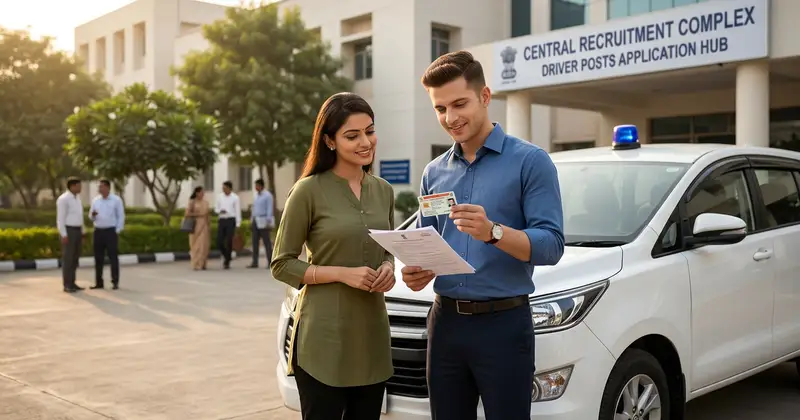
In the vast landscape of government job opportunities in India, a driving licence is often seen as a basic necessity for personal commute. However, for a significant number of stable and rewarding government roles, it transforms from a mere convenience into a crucial eligibility criterion. These positions, ranging from dedicated drivers to field enforcement officers and technical staff requiring on-site mobility, are consistently in demand across various central and state government departments, public sector undertakings (PSUs), and autonomous bodies. As we look towards 2026, the need for skilled individuals who can operate vehicles safely and efficiently for official duties is only expected to grow, driven by expanding infrastructure, improved public services, and enhanced surveillance.
This comprehensive guide from TrueJobs.co.in will explore the diverse spectrum of government jobs where your driving licence can be your ticket to a secure and respected career, detailing the types of roles, eligibility, application process, and tips for success.
Why a Driving Licence is Your Gateway to Government Jobs
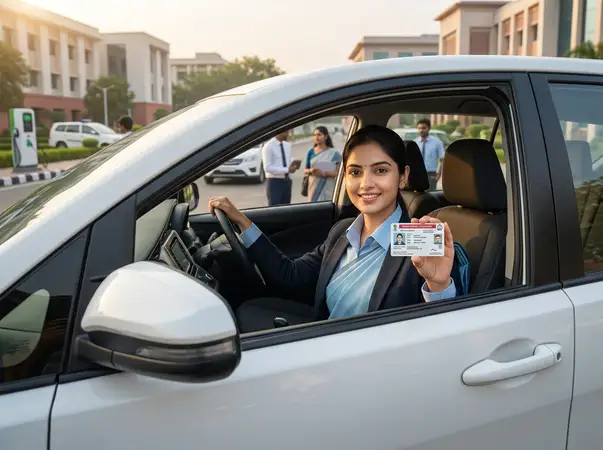
While many government jobs primarily focus on academic qualifications and administrative skills, a distinct category of roles places significant emphasis on practical abilities, particularly the skill of driving. A valid driving licence is not just a formality for these positions; it's a fundamental requirement that directly relates to the core duties of the job. The reasons behind this stringent requirement are manifold and crucial for the efficient functioning of government machinery:
- Operational Necessity: Many government functions, especially in departments like Police, Transport, Public Works, Forest, and various field agencies, involve extensive travel, patrolling, material transport, or emergency response. Without personnel capable of driving official vehicles, these operations would grind to a halt.
- Ensuring Mobility and Reach: Government services need to reach every corner of the country, from urban centers to remote rural areas. Field officers, inspectors, and technical staff often need to travel independently to sites, conduct inspections, or deliver services. A driving licence ensures they have the necessary mobility to perform their duties effectively.
- Safety and Responsibility: Operating government vehicles, which often carry important personnel, sensitive documents, or valuable equipment, demands a high degree of responsibility and adherence to safety protocols. A valid driving licence signifies that an individual has undergone formal training and testing, demonstrating a basic understanding of traffic laws and safe driving practices.
- Diverse Vehicle Requirements: Depending on the role, candidates might be required to drive light motor vehicles (LMV) like cars and jeeps, or heavy motor vehicles (HMV) such as buses, trucks, and specialized equipment. The type of licence (e.g., LMV, HMV, Transport) dictates the range of vehicles one is legally permitted to operate, making it a critical factor in recruitment.
- Direct Employment vs. Contractual: Many government departments prefer to employ drivers and field staff directly rather than relying solely on contractual services, ensuring greater control, accountability, and reliability. This creates a steady stream of permanent job openings for those with the right qualifications, including a driving licence.
Therefore, possessing a valid driving licence, especially a Heavy Motor Vehicle (HMV) licence with relevant experience, can significantly broaden your horizons when seeking stable employment in the government sector. It's a practical skill that directly translates into valuable service, making you an indispensable asset to various departments.
Types of Government Jobs Requiring a Driving Licence
The demand for individuals with driving licences spans across various sectors and levels of government. These roles are essential for the day-to-day operations of countless departments. Let's delve into the major categories:
Driver Roles (Heavy/Light Vehicle)
This is perhaps the most direct application of a driving licence in government service. Every major government department, ministry, and public sector undertaking requires drivers for various purposes, from transporting officials to moving goods and equipment. These roles offer stability, decent pay, and government benefits.
- Central Government Departments:
- Ministry of Defence (Army, Navy, Air Force): Civilian drivers are crucial for logistics, transporting personnel, and maintaining supply lines. This includes roles like 'Staff Car Driver', 'Driver Ordinary Grade', 'Fire Engine Driver', and 'Mechanical Transport Driver'. Often, an HMV licence is preferred or mandatory, along with experience.
- Railways (Indian Railways): While locomotive pilots are highly specialized, the railways also recruit drivers for departmental vehicles, shunting engines (sometimes), and for their workshops and administrative offices.
- Postal Department (India Post): Mail motor service drivers are vital for collecting and delivering mail across cities and regions. Both LMV and HMV drivers are recruited depending on the vehicle type (vans, trucks).
- Various Ministries and PSUs: Almost all central government ministries (e.g., Ministry of Home Affairs, Ministry of Finance, Ministry of External Affairs) and public sector undertakings (e.g., ONGC, BHEL, GAIL, NTPC) employ 'Staff Car Drivers' or 'Light/Heavy Vehicle Drivers' for official transport.
- State Government Departments:
- State Transport Corporations (e.g., UPSRTC, MSRTC, KSRTC): These are major employers of bus drivers, requiring an HMV (Passenger) licence and significant experience. These roles are vital for public transportation.
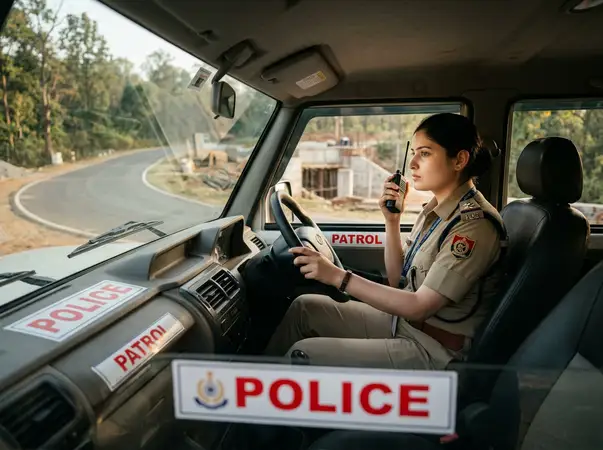
- Police Departments (State Police Forces): Police departments recruit 'Constable Drivers' or 'Head Constable Drivers' who are responsible for driving patrol vehicles, PCR vans, prison vans, and other official vehicles. An HMV licence is often a prerequisite, along with physical fitness.
- Public Works Department (PWD): Drivers for various construction and maintenance vehicles, including trucks, jeeps, and specialized equipment.
- Forest Department: Drivers for patrolling vehicles, forest fire tenders, and transport of equipment in often challenging terrains.
- Health Departments: Drivers for ambulances and other medical transport vehicles in government hospitals and health centers.
- Other State Departments: Similar to central ministries, almost every state government department (e.g., Education, Agriculture, Revenue) requires drivers for their administrative and field operations.
For most driver roles, a minimum educational qualification of 10th pass is common, along with a valid driving licence (LMV/HMV as per requirement) and often 1-3 years of experience in driving the specified vehicle type.
Enforcement Roles (Police, RTO, Forest Guard)
In these roles, driving is not just about moving from point A to B; it's an integral part of maintaining law and order, ensuring road safety, and protecting natural resources. These positions demand vigilance, quick decision-making, and the ability to operate vehicles in dynamic situations.
- Police Departments (State Police Forces & Central Armed Police Forces - CAPFs):
- Police Constable (Driver): As mentioned, these roles are specifically for driving police vehicles. Candidates must possess a valid LMV/HMV licence and often undergo a rigorous driving test in addition to physical and written examinations.
- Sub-Inspector/Inspector (Traffic/Patrol): While not exclusively driver roles, many police officers, especially in traffic or patrol duties, are expected to drive official vehicles and often require a driving licence as a basic qualification.
- Regional Transport Office (RTO)/Motor Vehicles Department:
- Motor Vehicle Inspector (MVI)/Assistant Motor Vehicle Inspector (AMVI): These officers are responsible for inspecting vehicles, enforcing motor vehicle laws, and conducting driving tests. A valid driving licence (often HMV) is a mandatory requirement, as they need to test-drive vehicles and demonstrate driving skills.
- Enforcement Officer: Involved in checking vehicles for compliance with rules, issuing challans, and ensuring road safety. Driving is a core part of their field duties.
- Forest Department:
- Forest Guard/Forester: Many forest departments require their field staff to have a driving licence (LMV, sometimes HMV) to patrol vast forest areas, respond to emergencies (like forest fires or poaching incidents), and transport equipment or rescued animals. The ability to drive in rough terrain is often a plus.
- Excise and Customs Department:
- Constable/Driver: For patrolling, raids, and transporting confiscated goods.
These roles often require higher physical standards, a clean record, and sometimes specific technical knowledge related to vehicles or laws, in addition to the driving licence.
Field & Technical Roles (Panchayat, PWD, Railways)
Beyond dedicated driving and enforcement, many technical and field-based government jobs require a driving licence because the nature of the work involves extensive travel to project sites, rural areas, or remote locations where public transport might not be readily available.
- Public Works Department (PWD) / Irrigation Department:
- Junior Engineer (JE)/Assistant Engineer (AE): Engineers in these departments frequently need to visit construction sites, inspect ongoing projects, and supervise work in various locations. A driving licence (LMV) is often preferred or even a mandatory requirement for mobility.
- Technical Assistants/Supervisors: Similar to engineers, these roles involve field visits for maintenance, surveys, and project implementation.
- Panchayat Raj & Rural Development Departments:
- Panchayat Secretary/Gram Sevak/Rural Development Officer: These officials are responsible for implementing government schemes and managing administrative tasks at the village level. Extensive travel within the block or district is common, making a driving licence (LMV, often two-wheeler licence as well) highly beneficial or required.
- Railways (Indian Railways):
- Track Maintainer (Gangman): While their primary duty is track maintenance, supervisors or specialized teams might require driving vehicles for inspection or material transport along service roads.
- Technicians/Junior Engineers (Various Departments): For field inspections of railway assets, signals, or electrical lines, a driving licence can be a requirement for mobility.
- Electricity Boards / Power Distribution Companies (State PSUs):
- Lineman/Junior Engineer (Electrical): These roles involve frequent visits to substations, transmission lines, and consumer premises for maintenance, repair, and new connections. A driving licence (LMV, sometimes requiring a two-wheeler licence too) is often essential for quick response and mobility.
- Agriculture & Horticulture Departments:
- Agriculture Officer/Horticulture Officer: Field visits to farms, demonstration plots, and rural areas for advisory services and scheme implementation make a driving licence (LMV) a valuable asset.
For these field and technical roles, the driving licence is often an additional qualification on top of specific technical degrees or diplomas. It enhances the candidate's capability to perform duties independently and efficiently.
Essential Eligibility Criteria Beyond the Driving Licence
While a valid driving licence is the cornerstone for these government jobs, it's crucial to understand that it's only one piece of the puzzle. Candidates must meet a range of other eligibility criteria, which can vary slightly depending on the specific post, department, and level of government (central or state). Here's a general overview:
1. Nationality
- Applicants must be a citizen of India.
- Sometimes, subjects of Nepal or Bhutan, or Tibetan refugees who came to India before a certain date, are also eligible, provided they meet specific conditions regarding intent to permanently settle in India.
2. Educational Qualification
- For Driver Roles: Typically, a minimum of 10th pass (Matriculation) from a recognized board is required. Some posts might ask for 12th pass.
- For Enforcement Roles: Often 10th or 12th pass for Constable-level positions. For Inspector/Officer roles (like MVI), a diploma or degree in Automobile/Mechanical Engineering is common, along with a valid HMV licence.
- For Field & Technical Roles: Varies widely. Could be 10th pass for basic field staff, 12th pass for clerical-level field roles, or a Diploma/Degree (e.g., B.Tech/BE in Civil, Electrical, Mechanical, Agriculture) for Junior Engineer or Officer-level field positions.
3. Age Limit
- Generally, the minimum age is 18 years.
- The maximum age limit typically ranges from 25 to 30 years for unreserved categories.
- Age Relaxation: Significant age relaxation is provided for reserved categories as per government rules: OBC (3 years), SC/ST (5 years), PwBD (10 years), Ex-servicemen, and government employees, etc. Always refer to the specific notification for exact details.
4. Driving Licence Type and Experience
- Licence Type: Crucial requirement. For most driver posts, an LMV (Light Motor Vehicle) licence is sufficient for cars/jeeps. For bus/truck drivers, police constable drivers, or transport department roles, an HMV (Heavy Motor Vehicle) licence is mandatory. Some specialized roles might require a specific type of HMV licence (e.g., Heavy Passenger Motor Vehicle for bus drivers).
- Licence Validity: The driving licence must be valid and issued by a recognized RTO in India. Learner's licences are not accepted.
- Experience: Many government driver positions, especially those requiring HMV, demand a minimum of 1-3 years of post-licence driving experience. This experience is often verified through certificates from previous employers or self-attested declarations. For some roles, experience in driving specific types of vehicles (e.g., fire tenders, ambulances) might be specified.
5. Physical Standards
Especially for enforcement roles (Police, Forest Guard) and some driver positions, candidates must meet prescribed physical standards:
- Height, Chest (for males), Weight: Specific measurements are required, with relaxations for certain categories/regions.
- Eyesight: Good vision (e.g., 6/6 without glasses for specific roles, or with glasses for others) is essential. Colour blindness might be a disqualifier for certain positions.
- Medical Fitness: Candidates must be medically fit, free from any debilitating diseases or deformities that would hinder their ability to perform duties. A medical examination is usually part of the selection process.
6. Other Requirements
- Character and Antecedents: A clean record, free from criminal cases, is usually a prerequisite, especially for roles involving public trust and enforcement.
- Language Proficiency: For state government jobs, proficiency in the local language (reading, writing, speaking) is often required.
Always consult the official recruitment notification for the most accurate and up-to-date eligibility criteria before applying. /sarkari-result for updates on notifications.
The Application Process: From Notification to Appointment
The journey to securing a government job with a driving licence requirement generally follows a structured, multi-stage process. Understanding these steps is crucial for a smooth application and successful selection.
1. Notification and Application
- Official Notification: Government job vacancies are announced through official notifications released by the recruiting body (e.g., UPSC, SSC, State PSCs, individual ministries/departments). These notifications detail the number of vacancies, eligibility criteria, application dates, exam pattern, and selection process. Keep an eye on TrueJobs.co.in for the latest updates.
- Online Application: Most applications are submitted online through the official recruitment portal. Candidates need to register, fill in personal and educational details, upload scanned copies of photographs, signatures, and relevant documents (including driving licence), and pay the application fee (if applicable).
- Document Verification (Initial Stage): Sometimes, a preliminary document check might occur during the application submission or a few days after.
2. Admit Card and Written Examination
- Admit Card Release: After the application period closes, admit cards (or hall tickets) are issued, usually online. These cards contain important details like the exam date, time, venue, and candidate roll number. /admit-card for downloading admit cards.
- Written Examination: This is the first major screening stage. The exam pattern typically includes sections on:
- General Knowledge/Current Affairs
- General Intelligence/Reasoning Ability
- Numerical Ability/Basic Mathematics
- English/Hindi Language
- For driver roles, questions on traffic rules, road safety, basic vehicle maintenance, and motor vehicle act might also be included.
3. Physical Endurance and Measurement Test (PE&MTs)
- For Enforcement/Field Roles: Candidates who clear the written exam are often called for PE&MTs. This involves physical measurements (height, chest, weight) and endurance tests (running, long jump, high jump, etc.). Failing these disqualifies the candidate.
- For Driver Roles: While not always as rigorous as enforcement roles, some driver positions might also have basic physical standards to ensure fitness for duty.
4. Driving Skill Test / Trade Test
- This is a critical stage for all jobs requiring a driving licence. Candidates are evaluated on their practical driving skills.
- LMV Test: May involve driving on a test track, parallel parking, reversing, navigating cones, and demonstrating general road sense.
- HMV Test: More complex, often involving driving a truck or bus through a specified course, demonstrating proficiency in handling heavy vehicles, gear shifting, reversing with trailers (if applicable), and adherence to safety protocols.
- Vehicle Maintenance: Some tests might include basic questions or practical demonstrations of minor vehicle repairs, checking oil/water levels, tyre pressure, and identifying common faults.
5. Interview (Optional)
- Some departments might include an interview round, especially for higher-level driver or field positions, to assess communication skills, temperament, and suitability for the role. However, many entry-level driver posts skip the interview stage.
6. Document Verification and Medical Examination
- Document Verification (Final Stage): Candidates who qualify all previous stages are called for thorough document verification. All original certificates (educational, caste, experience, driving licence, etc.) are checked against the submitted application. Any discrepancy can lead to disqualification.
- Medical Examination: A medical board conducts a comprehensive medical examination to ensure the candidate meets the prescribed health standards for the post. This includes eyesight, hearing, general physical fitness, and absence of any chronic conditions.
7. Final Merit List and Appointment
- Based on the performance in the written exam, skill test, and other stages, a final merit list is prepared.
- Selected candidates receive an offer of appointment, followed by joining formalities.
Each stage is eliminatory, meaning failure in any one stage leads to disqualification. Thorough preparation and attention to detail are paramount.
Preparing for Success: Tips for Aspiring Candidates
Securing a government job, especially one with specific practical requirements like a driving licence, demands a multi-faceted preparation strategy. Here’s how you can maximize your chances:
1. Master Your Driving Skills
- Practice Regularly: Don't just rely on your daily commute. Practice driving different types of vehicles (if applying for HMV), especially those similar to what you might encounter in the test (e.g., a bus for bus driver roles).
- Familiarize with Test Routes/Patterns: If possible, understand the typical driving test patterns in government recruitments. These often include specific maneuvers like parallel parking, reversing in a straight line, 8-figure driving, and gradient tests.
- Road Rules & Safety: Revisit the Motor Vehicles Act and traffic rules. Understand road signs, signals, and safe driving practices thoroughly. You might be asked theoretical questions or assessed on your adherence to these during the practical test.
- Basic Vehicle Maintenance: Learn about basic vehicle mechanics – checking oil, water, tyre pressure, identifying common engine sounds, changing a flat tyre. These are often part of the skill test or interview.
- Get HMV Licence Early: If you aspire to HMV-requiring roles, obtain your HMV licence well in advance and gain sufficient experience. Many notifications specify a minimum experience period *after* obtaining the HMV licence.
2. Excel in the Written Examination
- Understand the Syllabus: Carefully go through the official syllabus for the written exam. Focus on General Knowledge, Current Affairs, Reasoning, Basic Maths, and Language (English/Hindi).
- Study Material: Use standard textbooks and study guides for competitive exams. For GK, refer to yearbooks and daily newspapers. For Current Affairs, follow reliable news sources and monthly magazines.
- Practice Previous Year Papers: Solve as many previous year's question papers as possible. This helps you understand the exam pattern, question types, and time management. /exam-preparation for resources.
- Focus on Driving-Specific Knowledge: If the exam includes sections on traffic rules, vehicle mechanics, or the Motor Vehicles Act, dedicate specific study time to these areas.
- Time Management: Practice mock tests under timed conditions to improve speed and accuracy.
3. Prepare for Physical Tests (If Applicable)
- Regular Exercise: Start a fitness regimen well in advance. Include running, stretching, and strength training to meet the physical endurance requirements.
- Diet and Lifestyle: Maintain a healthy diet and lifestyle to ensure overall fitness and stamina.
- Practice Specific Drills: If the test includes specific events like long jump or high jump, practice them to improve your technique and performance.
- Medical Check-up: Consider a preliminary medical check-up to identify and address any potential issues that might hinder your medical fitness.
4. Document Preparation
- Keep Documents Ready: Gather all necessary documents (educational certificates, caste certificate, experience certificates, driving licence, Aadhaar card, etc.) well in advance.
- Validity: Ensure all documents, especially your driving licence and caste certificate (if applicable), are valid and up-to-date.
- Multiple Copies: Keep attested and self-attested photocopies of all documents ready for verification.
5. Stay Updated and Apply Strategically
- Follow TrueJobs.co.in: Regularly check our portal for the latest government job notifications, admit cards, and results.
- Read Notifications Carefully: Always read the official recruitment notification thoroughly before applying to understand all eligibility criteria, application procedures, and specific requirements.
- Apply Early: Don't wait until the last minute to apply. Technical glitches can occur
Frequently Asked Questions (FAQs)
What types of government jobs require a driving licence?
Government jobs requiring a driving licence include Driver (LMV/HMV), Police Constable, RTO Inspector, Forest Guard, and various field/technical roles in departments like PWD and Railways.
What is the minimum education for driver jobs in the government?
The minimum educational qualification is typically passing the 8th or 10th standard, though some roles may require a 12th pass or an ITI certificate.
Is driving experience necessary for these government jobs?
Yes, most roles require a specific period of driving experience, often ranging from 2 to 5 years, especially for heavy motor vehicle (HMV) driver positions.
Related Resources
- Latest 10th Pass Government Jobs
- Police Constable Recruitment Guide
- How to Prepare for Government Job Exams
Checks to complete before you apply
A valid driving licence opens doors to numerous stable government careers in 2026, from driving to enforcement roles. By meeting the eligibility criteria and preparing thoroughly for the selection process, you can secure a rewarding position. Start honing your skills and stay updated on new job notifications to embark on your path to a secure future.
Reader questions: Government Jobs
What types of government jobs require a driving licence?
Government jobs requiring a driving licence include Driver (LMV/HMV), Police Constable, RTO Inspector, Forest Guard, and various field/technical roles in departments like PWD and Railways.
What is the minimum education for driver jobs in the government?
The minimum educational qualification is typically passing the 8th or 10th standard, though some roles may require a 12th pass or an ITI certificate.
Is driving experience necessary for these government jobs?
Yes, most roles require a specific period of driving experience, often ranging from 2 to 5 years, especially for heavy motor vehicle (HMV) driver positions.
Related Government Job Resources
Continue with active job hubs and related government job pages on TrueJobs.
Tools for this recruitment topic
Use only the tools relevant to the dates, eligibility or documents discussed above.
TrueJobs Editorial Team
TrueJobs editorial desk
This article is prepared from the sources referenced in the guide and reviewed for clarity, links and dated information. Read our editorial and corrections policy.
Continue This Topic
Follow the closest earlier and newer coverage so older archive posts keep real contextual crawl paths.
Government Jobs Without Maths in Graduation: Your 2026 Guide
Think a government job is out of reach without a maths degree? Think again. This 2026 guide reveals numerous opportunities for Arts, Commerce, and Humanities graduates, with strategies to ace the exams.
Government Jobs 2026: Your Pathway with CCC/O Level Computer Certificate
Planning for a government job in 2026? This guide details how CCC and O Level certificates are your ticket to various government roles. Learn about the importance of these NIELIT certificates, find relevant job openings, and get expert tips for a successful career.
Read Next

Government Jobs Without Maths in Graduation: Your 2026 Guide

Government Jobs 2026: Your Pathway with CCC/O Level Computer Certificate

Government Jobs 2026: Opportunities for 1-Year Computer Diploma Holders

Government Jobs Requiring Shorthand in 2026: Stenographer, PA & More
Explore Topics
Perfect Your Resume
Use our AI-powered Resume Builder to create ATS-optimized resumes.
AI Resume Builder