
Recruitment guide
CTET 2026 Preparation Guide: Eligibility & Study Plan — Explained
Prepare for CTET 2026 with TrueJobs.co.in's expert guide. Learn about eligibility, paper patterns, detailed syllabus, and develop a winning study strategy.

Aspiring to become a teacher in government schools across India? The Central Teacher Eligibility Test (CTET) is your gateway! Conducted by the Central Board of Secondary Education (CBSE), CTET is a mandatory qualification for teaching positions in schools like Kendriya Vidyalaya Sangathan (KVS), Navodaya Vidyalaya Samiti (NVS), Eklavya Model Residential Schools (EMRS), and other central government schools. Beyond central institutions, many state government and private schools also accept or even require CTET scores, making it an invaluable credential for any aspiring educator. As you set your sights on CTET 2026, it's crucial to have a clear understanding of the exam's structure, eligibility criteria, and a robust study plan.
This comprehensive guide from TrueJobs.co.in will walk you through everything you need to know to prepare effectively and secure your CTET certificate, paving the way for a fulfilling career in teaching. Given the increasing competition for teaching positions, a well-planned and strategic approach to CTET preparation is more important than ever. A CTET certificate not only validates your pedagogical skills but also significantly enhances your resume, setting you apart in a competitive job market and demonstrating your commitment to quality education.
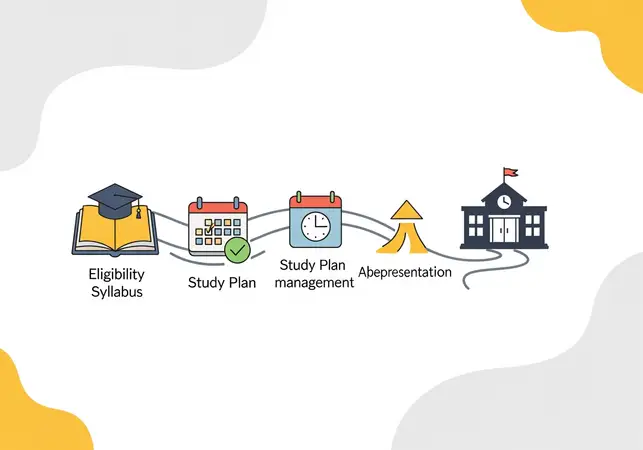
What is CTET and Why is it Important?
The Central Teacher Eligibility Test (CTET) is a national-level examination conducted twice a year by the CBSE to determine candidates' eligibility to be appointed as teachers for classes 1 to 8. Its primary objective is to ensure that individuals entering the teaching profession possess the necessary aptitude, pedagogical skills, and quality standards required to foster effective learning environments. CTET assesses a candidate's understanding of child development, learning principles, subject matter knowledge, and the ability to apply these in a classroom setting. This includes evaluating their grasp of how children learn, what motivates them, and how to create an inclusive and stimulating educational experience.
For instance, questions often test a candidate's ability to analyze a classroom scenario and propose a child-centric solution, rather than just recalling theoretical knowledge. A CTET certificate not only opens doors to central government teaching jobs but is also recognized by various state governments and private institutions, making it an invaluable asset for any aspiring teacher in India. With the CTET qualifying certificate now valid for a lifetime, it offers a permanent credential that significantly enhances your career prospects in the education sector, removing the need for re-qualification and allowing teachers to focus on professional development and teaching excellence. This lifetime validity reduces stress and allows educators to invest more in their continuous learning and classroom innovation.
The Role of CTET in Teacher Recruitment
CTET acts as a minimum eligibility criterion rather than a direct recruitment test. Successfully qualifying CTET means you meet the basic standards set for teachers. This certificate then allows you to apply for specific teaching vacancies announced by various schools and educational bodies. For instance, to apply for a Primary Teacher (PRT) or Trained Graduate Teacher (TGT) post in KVS or NVS, a valid CTET certificate is a prerequisite. These central government schools adhere strictly to CTET qualification to maintain a high standard of education across the country, ensuring that all teachers possess a baseline of pedagogical competence and subject matter knowledge.
Similarly, many state governments have adopted CTET or conduct their own State TETs based on similar guidelines, often recognizing CTET scores for recruitment in state-run schools. This recognition streamlines the recruitment process and ensures a consistent quality of teaching staff nationwide. Even many private schools, seeking to assure parents of quality education, prefer or mandate CTET-qualified teachers, recognizing the quality assurance it provides. They often view CTET as a reliable indicator of a teacher's foundational skills and commitment to the profession. Therefore, securing your CTET certificate is the foundational step towards a stable, respected, and nationally recognized teaching career, opening up a wider array of employment opportunities across the Indian education landscape.
It's the first hurdle to clear before you can even be considered for interviews, demo classes, and final selection for a teaching post.
Benefits of Holding a CTET Certificate
- National Recognition: The CTET certificate is recognized across all central government schools and many state/private schools throughout India, offering broad employment opportunities. This widespread acceptance means that a CTET qualification is a versatile credential, allowing you to pursue teaching roles in diverse educational settings, from metropolitan cities to rural areas, and across different curricula.
- Lifetime Validity: Once qualified, the CTET certificate remains valid for a lifetime, eliminating the need to re-appear for the exam and allowing teachers to focus on professional growth. This significant change from previous policies (where it was valid for 7 years) reduces the pressure on teachers and allows them to invest their time and resources in enhancing their teaching skills, pursuing higher education, or specializing in particular pedagogical approaches, rather than repeatedly preparing for an eligibility test.
- Eligibility for Central Government Schools: It is a mandatory requirement for prestigious central government schools like KVS, NVS, EMRS, and others, which offer attractive salary packages and career progression. These schools are known for their structured career paths, opportunities for professional development, and often provide benefits like housing and medical facilities, making them highly sought-after employers. A CTET certificate is your entry ticket to these esteemed institutions.
- Enhanced Credibility: A CTET certificate adds significant weight to your resume, demonstrating your foundational competence and commitment to the teaching profession to potential employers. It signals that you have been assessed against national standards for teaching aptitude, pedagogical knowledge, and subject matter understanding, thereby increasing your employability and professional standing.
- Pathway to State Government & Private Schools: Many state governments and private institutions either accept CTET scores or use them as a preferred qualification, widening your job search net. While some states conduct their own TETs, a CTET certificate often provides an advantage or is accepted in lieu of a State TET in many scenarios, particularly for private schools seeking to maintain high educational standards.
- Professional Development Focus: With the eligibility secured, teachers can dedicate their their efforts to continuous professional development, mastering new teaching methodologies, and specializing in their subjects. This allows for a more focused approach to career advancement, enabling teachers to become experts in their fields, contribute to curriculum development, or take on leadership roles within schools.
- Contribution to Quality Education: By ensuring a baseline standard for teachers, CTET indirectly contributes to improving the overall quality of education in India. Qualified teachers are better equipped to handle diverse classrooms, implement effective teaching strategies, and foster a positive learning environment, ultimately benefiting students and the education system as a whole.
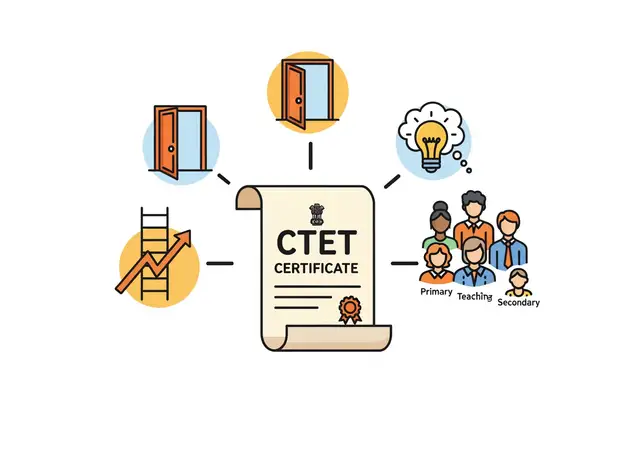
CTET 2026 Eligibility Criteria: Do You Qualify?
Before diving into your preparation, it's essential to confirm if you meet the CTET eligibility requirements. The National Council for Teacher Education (NCTE), the statutory body for teacher education in India, sets these norms, and they are crucial for both Paper 1 and Paper 2. Adhering to these criteria ensures that only adequately qualified individuals are considered for teaching roles, thereby upholding the quality of education. These guidelines are designed to ensure that teachers possess not only academic knowledge but also the pedagogical skills necessary to effectively impart education and manage a classroom.
While specific dates for CTET 2026 are yet to be announced, the general eligibility criteria remain consistent as per NCTE guidelines, which are periodically reviewed and updated to reflect the evolving needs of the education sector and judicial pronouncements. It's always advisable to consult the latest official CTET information bulletin for any recent amendments or clarifications.
General Eligibility Requirements:
- Nationality: Candidate must be an Indian citizen. This ensures that the teaching workforce primarily comprises citizens of the country, who are well-versed with the national curriculum, cultural context, and socio-educational landscape of India. This understanding is vital for effective teaching and connecting with students' backgrounds. In some specific cases, candidates of Nepalese or Bhutanese origin, or Tibetan refugees who came to India before January 1, 1962, and intend to permanently settle in India, may also be eligible, provided they hold a certificate of eligibility issued by the Government of India. However, the primary focus remains on Indian citizens.
- Age Limit: There is no upper age limit to apply for CTET. This progressive policy encourages experienced professionals or individuals seeking a career change to enter the teaching profession, valuing knowledge, wisdom, and aptitude over age. It promotes inclusivity and allows a diverse pool of talent, including seasoned professionals from other fields, to contribute to the education system, bringing varied perspectives and life experiences to the classroom. This also means that candidates who may have pursued other careers or taken a break can still enter the teaching profession without age-related barriers.
- Number of Attempts: There is no restriction on the number of attempts. Candidates can appear as many times as they wish to improve their scores or qualify if they didn't in previous attempts. This flexibility allows candidates to continuously strive for better performance and provides multiple opportunities to achieve the qualifying standard without added pressure. It fosters a growth mindset, enabling candidates to learn from past attempts and refine their preparation strategies. Many candidates take the CTET multiple times to achieve a higher score, which can be advantageous during recruitment processes, even if the minimum qualifying score is met.
Important Considerations for Eligibility:
- "Appearing" Candidates: The term "appearing in the final year" for various diploma/degree courses means that candidates who are currently in their final year of the respective teacher training program (e.g., D.El.Ed, B.Ed, B.El.Ed) are eligible to apply for CTET. However, it is crucial for these candidates to have successfully completed the course and obtained their final results/certificate before the actual appointment process for teaching jobs commences. Failure to produce the valid qualification certificate at the time of recruitment will lead to disqualification, even if they have cleared CTET. This ensures that by the time they are considered for a teaching role, they possess the complete and valid professional qualification. It is important to note that "appearing" typically means enrolled in the final year and awaiting final examination results, not just enrolled in the first year of a multi-year program.
- Relaxation for Reserved Categories: A relaxation of 5% in the qualifying marks in the minimum educational qualification is provided for candidates belonging to Scheduled Caste (SC), Scheduled Tribe (ST), Other Backward Classes (OBC), and Differently Abled categories. For example, if the general requirement for a particular qualification is 50% marks, candidates from these reserved categories would need 45% marks. This provision aims to promote equitable opportunities and representation in the teaching profession, addressing historical disadvantages and fostering a more inclusive educational workforce. Candidates must ensure they possess valid and up-to-date caste/category certificates issued by a competent authority as per government norms.
- B.Ed Qualification for Paper 1 (Primary Teachers): As per recent amendments, candidates with a Bachelor of Education (B.Ed) qualification were previously eligible to appear in CTET Paper-I, which is for teaching classes I-V. However, it was crucial to note that after qualifying CTET Paper-I, such candidates would mandatorily have to undergo a 6-month Bridge Course in Elementary Education recognized by the NCTE, within two years of their appointment as a primary teacher. This bridge course aimed to equip them with specific pedagogical skills and understanding tailored for primary education, as B.Ed traditionally focuses more on secondary and senior secondary teaching methodologies. This was to ensure they were adequately prepared for the unique developmental needs of younger children.
- Important Update Regarding B.Ed Qualification for Paper 1 (Primary Teachers): While the previous NCTE guidelines allowed B.Ed qualified candidates to appear for CTET Paper-I with the condition of undergoing a bridge course, a significant ruling by the Supreme Court of India in August 2023 has clarified that B.Ed qualified candidates are generally *not* eligible for primary level (Class I-V) teaching positions. The Court emphasized that only Diploma in Elementary Education (D.El.Ed) holders are appropriately qualified for primary teaching, citing the specific pedagogical training required for this age group. Therefore, candidates aspiring to teach Class I-V should primarily possess a D.El.Ed qualification. Always refer to the latest official CTET information bulletin and NCTE guidelines for the most current and definitive eligibility criteria, as these regulations are subject to judicial pronouncements and policy changes. This ruling has significant implications for B.Ed graduates who were previously considering primary teaching roles, making it imperative to stay informed through official channels like TrueJobs.co.in's Sarkari Naukri updates or the CBSE CTET website.
Educational Qualifications for Paper 1 (For Class I-V Teachers):
Candidates must possess one of the following qualifications, demonstrating their foundational understanding of elementary education principles and child development. These qualifications are specifically designed to prepare educators for the unique learning needs and developmental stages of children aged 6-11 years.
- Senior Secondary (or its equivalent) with at least 50% marks and passed or appearing in the final year of a 2-year Diploma in Elementary Education (D.El.Ed). D.El.Ed is a dedicated professional program specifically designed to train teachers for the primary stage, focusing extensively on child psychology, elementary pedagogy, classroom management for young learners, and foundational literacy and numeracy skills. This diploma provides a comprehensive understanding of early childhood education and the methodologies best suited for young learners.
- Senior Secondary (or its equivalent) with at least 45% marks and passed or appearing in the final year of a 2-year Diploma in Elementary Education (D.El.Ed), in accordance with the NCTE (Recognition Norms and Procedure), Regulations, 2002. This point specifically refers to candidates who completed their D.El.Ed under older NCTE regulations, acknowledging their qualification and ensuring continuity for those who pursued their studies under previous norms. It highlights the evolving nature of educational regulations and the recognition of qualifications obtained under different regulatory frameworks.
- Senior Secondary (or its equivalent) with at least 50% marks and passed or appearing in the final year of a 4-year Bachelor of Elementary Education (B.El.Ed). B.El.Ed is an integrated undergraduate professional degree program that prepares teachers for both primary and upper primary levels, combining academic content with extensive pedagogical training, practical teaching experience, and a holistic understanding of elementary education. This integrated course offers a deeper and broader preparation for teaching across the elementary spectrum.
- Senior Secondary (or its equivalent) with at least 50% marks and passed or appearing in the final year of a 2-year Diploma in Education (Special Education). This qualification is specifically for teaching children with special needs at the primary level, focusing on inclusive education practices, adapted pedagogies, individualized education plans (IEPs), and understanding various disabilities and learning challenges. Teachers with this qualification are crucial for creating equitable and accessible learning environments for all students.
- Graduation with at least 50% marks and Bachelor of Education (B.Ed) qualification. (Note: A person with B.Ed qualification was previously eligible to appear in CTET Paper-I with the mandatory 6-month Bridge Course in Elementary Education. However, as per the Supreme Court ruling in August 2023, B.Ed qualified candidates are generally *not* eligible for primary level (Class I-V) teaching positions. Candidates are strongly advised to refer to the latest official CTET information bulletin for definitive eligibility criteria.) This point reflects the historical eligibility, but the recent judicial pronouncement has significantly altered its applicability. It is paramount for aspirants to be aware of this change.
Educational Qualifications for Paper 2 (For Class VI-VIII Teachers):
Candidates must possess one of the following qualifications, suitable for teaching at the elementary (upper primary) level, which requires a deeper subject-matter understanding and pedagogical approach for pre-adolescent learners (typically aged 11-14 years). This stage demands more specialized subject knowledge and strategies for fostering critical thinking and abstract reasoning.
- Graduation and passed or appearing in the final year of a 2-year Diploma in Elementary Education (D.El.Ed). While D.El.Ed is primarily for primary education, graduates with this diploma can also teach upper primary classes, leveraging their foundational pedagogical skills, especially in general subjects. Their training in child development remains relevant for this age group. However, for subject-specific teaching at this level, additional subject knowledge is often beneficial.
- Graduation with at least 50% marks and passed or appearing in the final year of a Bachelor in Education (B.Ed). B.Ed is the standard and most recognized qualification for teaching at the secondary and higher secondary levels, making it highly suitable for upper primary as it provides comprehensive training in subject-specific pedagogy, curriculum design, assessment techniques, and classroom management for older students. This is the most common and widely accepted qualification for Paper 2.
- Graduation with at least 45% marks and passed or appearing in the final year of a Bachelor in Education (B.Ed), in accordance with the NCTE (Recognition Norms and Procedure) Regulations issued from time to time in this regard. This caters to candidates who completed B.Ed under specific NCTE regulations, ensuring their qualifications are recognized and aligned with the standards prevalent during their course of study. This ensures that variations in percentage requirements over time are accounted for.
- Senior Secondary (or its equivalent) with at least 50% marks and passed or appearing in the final year of a 4-year Bachelor of Elementary Education (B.El.Ed). This integrated course prepares teachers for both primary and upper primary levels, offering a holistic approach to elementary education, combining academic depth with practical teaching methodologies suitable for a broader age range. It provides a seamless transition from primary to upper primary pedagogy.
- Senior Secondary (or its equivalent) with at least 50% marks and passed or appearing in the final year of a 4-year B.A./B.Sc.Ed or B.A.Ed/B.Sc.Ed. These are integrated four-year programs combining a bachelor's degree with education, specifically designed to prepare candidates for secondary level teaching, which includes upper primary. They offer a strong foundation in both subject content and pedagogical practices, making graduates highly competent for teaching at this level.
- Graduation with at least 50% marks and passed or appearing in the final year of a B.Ed (Special Education). This qualification is for teaching children with special needs at the upper primary level, focusing on specialized instructional strategies, adaptive curriculum development, inclusive classroom environments, and support systems for students with diverse learning requirements. These teachers play a vital role in ensuring education for all.
- Any candidate having qualified B.Ed Program recognized by NCTE is eligible to appear in TET/CTET. This is a broad statement affirming the eligibility of all NCTE-recognized B.Ed holders for CTET Paper 2, emphasizing the universal acceptance of this qualification for upper primary teaching, as it is the primary professional degree for secondary education. It underscores the NCTE's role in standardizing teacher education across the country.
Note: Relaxation of 5% in the qualifying marks in the minimum educational qualification is provided for candidates belonging to SC/ST/OBC/Differently Abled categories. Always refer to the latest official CTET information bulletin for any updates or specific clarifications on eligibility criteria. It is crucial to cross-verify your qualifications with the official notification to avoid any discrepancies during the application or recruitment process. Eligibility criteria can be dynamic and subject to revisions by NCTE or judicial pronouncements, so staying updated with official sources is paramount. Candidates are advised to regularly check the official CTET website for the most current information.
Key Documents Required for CTET Application:
When applying for CTET, ensure you have the following documents ready. While not directly part of eligibility, these are crucial for a smooth application process:
- Educational Qualification Certificates: Mark sheets and certificates of your Senior Secondary, Graduation, and relevant Teacher Training Diploma/Degree (D.El.Ed, B.Ed, B.El.Ed). Ensure these are scanned copies as per the prescribed format and size.
- Identity Proof: A valid government-issued ID such as Aadhaar Card, Passport, Voter ID, or Driving License. The name on your ID proof should match the name entered in the application form.
- Scanned Photograph: A recent passport-sized photograph in the specified format (usually JPEG) and dimensions. The photograph should be clear, with a white or light-colored background, and your face clearly visible.
- Scanned Signature: Your signature in the specified format (usually JPEG) and dimensions. The signature should be on white paper with a black ink pen.
- Category Certificate (if applicable): SC/ST/OBC/PwD certificate issued by a competent authority to avail reservation benefits. Ensure the certificate is valid and issued by the appropriate government body.
- Contact Details: A valid email ID and mobile number for communication. These will be used for all official correspondence, including application confirmation, admit card notifications, and result announcements.
- Payment Method: Details for online payment (Debit Card, Credit Card, Net Banking) for the application fee.
Ensuring these documents are prepared in advance will prevent last-minute hassles during the application window. It is also advisable to keep multiple copies of these documents, both digital and physical, for future reference and recruitment processes.
CTET Paper 1 vs Paper 2: Understanding the Key Differences
CTET offers two distinct papers, each meticulously designed to assess a candidate's suitability for different teaching levels. It's crucial to understand their distinctions to choose the appropriate paper(s) based on your educational qualifications and career aspirations, and to prepare effectively. While both papers share a common goal of evaluating teaching aptitude, their focus, content depth, and pedagogical emphasis vary significantly to align with the developmental stages of the students they aim to teach. Understanding these differences will help you tailor your study plan and maximize your chances of success.
| Feature | CTET Paper 1 (For Class I-V) | CTET Paper 2 (For Class VI-VIII) |
|---|---|---|
| Target Class Level | Primary Stage (Classes I to V). This paper focuses on foundational learning, early childhood development, and child-centric pedagogy for younger children (typically 6-11 years old). The content and questions are geared towards understanding the holistic development of young learners, their cognitive, emotional, and social needs, and how to create an engaging and supportive learning environment. | Elementary Stage (Classes VI to VIII). This paper assesses understanding of subject-specific content and pedagogy suitable for pre-adolescent and early adolescent learners (typically 11-14 years old). The focus shifts to deeper subject knowledge, critical thinking, problem-solving, and more advanced pedagogical strategies for teaching specific subjects like Mathematics, Science, or Social Studies. |
| Number of Questions | 150 Multiple Choice Questions (MCQs) | 150 Multiple Choice Questions (MCQs) |
| Total Marks | 150 Marks (1 mark per question) | 150 Marks (1 mark per question) |
| Duration | 2.5 hours (150 minutes) | 2.5 hours (150 minutes) |
| Negative Marking | No negative marking. This encourages candidates to attempt all questions without fear of penalty, allowing for a broader assessment of their knowledge and reasoning. | No negative marking. Similar to Paper 1, this policy aims to reduce test anxiety and allow candidates to showcase their understanding comprehensively. |
| Qualifying Marks | 60% (90 out of 150) for General Category. 55% (82 out of 150) for SC/ST/OBC/PwD categories. These are the minimum marks required to be considered CTET qualified. | 60% (90 out of 150) for General Category. 55% (82 out of 150) for SC/ST/OBC/PwD categories. Meeting these marks makes a candidate eligible to apply for teaching positions. |
| Sections/Subjects |
|
|
| Pedagogical Focus | Emphasis on child psychology, primary education methods, learning theories for young children, inclusive education, and understanding the developmental stages of children aged 6-11. Questions often relate to classroom management, activity-based learning, and fostering creativity in young learners. | Focus on subject-specific pedagogy, adolescent psychology, teaching strategies for conceptual understanding, assessment techniques, and curriculum development for students aged 11-14. Questions delve into how to effectively teach complex topics, encourage critical thinking, and manage a diverse classroom at the upper primary level. |
| Content Difficulty | Relatively easier, based on NCERT syllabus up to Class V, but requires strong pedagogical understanding. The questions are designed to test a teacher's ability to simplify complex concepts for younger minds. | More challenging, based on NCERT syllabus up to Class VIII, with a deeper dive into subject matter and pedagogical applications. The questions require a solid grasp of both content and how to teach it effectively to older students. |
| Eligibility for Teaching Posts | Qualifies candidates to teach Class I to V in central, state, and private schools. This is the foundational qualification for primary school teachers. | Qualifies candidates to teach Class VI to VIII in central, state, and private schools. This is required for upper primary or elementary school teachers. |
| Educational Qualification Alignment | Primarily aligned with D.El.Ed, B.El.Ed, or Diploma in Special Education. The Supreme Court ruling has significantly restricted B.Ed holders from this paper's eligibility for primary teaching. | Primarily aligned with B.Ed, B.El.Ed, B.A.Ed/B.Sc.Ed, or B.Ed (Special Education). This paper is designed for graduates with a professional teaching degree. |
Choosing the Right Paper(s)
Many candidates opt to appear for both Paper 1 and Paper 2, especially if their educational qualifications make them eligible for both. This broadens their employment opportunities significantly, allowing them to apply for teaching positions at both primary and upper primary levels. For instance, a candidate with a B.El.Ed degree is typically eligible for both papers. However, if you have a D.El.Ed, you are primarily suited for Paper 1. If you have a B.Ed, you are primarily suited for Paper 2, and as per the latest Supreme Court ruling, generally not for Paper 1 for primary teaching roles. Carefully review your educational background against the detailed eligibility criteria before making your choice.
It's also wise to consider your career aspirations – do you prefer teaching younger children or adolescents? Your personal preference can also guide your decision.
CTET 2026 Syllabus: What to Study?
The CTET syllabus is comprehensive and designed to assess a candidate's understanding of various educational concepts, pedagogical approaches, and subject matter knowledge relevant to the respective teaching levels. A thorough understanding of the syllabus is the first step towards effective preparation. The CBSE typically releases a detailed syllabus along with the official notification. However, the core structure and topics remain largely consistent across years, focusing on the NCERT curriculum and established pedagogical principles. It's not just about memorizing facts but understanding how to apply educational theories in a practical classroom setting.
CTET Paper 1 Syllabus (Classes I-V)
Paper 1 focuses on the foundational aspects of teaching young children. The questions are designed to test a candidate's understanding of child development, learning processes, and the ability to teach basic subjects effectively. The content is drawn from the NCERT syllabus for classes I-V, but the questions are framed to assess pedagogical understanding rather than rote memorization.
- Child Development and Pedagogy (30 Questions):
- Child Development (Primary School Child) (15 Questions): Concepts of development and its relationship with learning, Principles of the development of children, Influence of Heredity & Environment, Socialization processes, Piaget, Kohlberg and Vygotsky: constructs and critical perspectives, Concepts of child-centered and progressive education, Critical perspective of the construct of Intelligence, Multi-Dimensional Intelligence, Language & Thought, Gender as a social construct; gender roles, gender-bias and educational practice, Individual differences among learners, understanding differences based on diversity of language, caste, gender, community, religion etc., Distinction between Assessment for learning and Assessment of learning; School-Based Assessment, Continuous & Comprehensive Evaluation: perspective and practice, Formulating appropriate questions for assessing readiness levels of learners; for enhancing learning and critical thinking in the classroom and for assessing learner achievement.
- Concept of Inclusive Education and Understanding Children with Special Needs (5 Questions): Addressing learners from diverse backgrounds including disadvantaged and deprived, Addressing the needs of children with learning difficulties, 'impairment' etc., Addressing the Talented, Creative, Specially abled Learners.
- Learning and Pedagogy (10 Questions): How children think and learn; how and why children 'fail' to achieve success in school performance, Basic processes of teaching and learning; children’s strategies of learning; learning as a social activity; social context of learning, Child as a problem solver and a ‘scientific investigator’, Alternative conceptions of learning in children, understanding children’s ‘errors’ as significant steps in the learning process, Cognition & Emotions, Motivation and learning, Factors contributing to learning – personal & environmental.
- Language I (30 Questions):
- Language Comprehension (15 Questions): Reading unseen passages – two passages one prose or drama and one poem with questions on comprehension, inference, grammar and verbal ability (Prose passage may be literary, scientific, narrative or discursive).
- Pedagogy of Language Development (15 Questions): Learning and acquisition, Principles of language teaching, Role of listening and speaking; function of language and how children use it as a tool, Critical perspective on the role of grammar in learning a language for communicating ideas verbally and in written form, Challenges of teaching language in a diverse classroom; language difficulties, errors and disorders, Language Skills, Evaluating language comprehension and proficiency: speaking, listening, reading and writing, Teaching-learning materials: Textbook, multi-media materials, multilingual resource of the classroom, Remedial Teaching.
- Language II (30 Questions):
- Comprehension (15 Questions): Two unseen prose passages (discursive, literary, narrative, scientific) with questions on comprehension, grammar and verbal ability.
- Pedagogy of Language Development (15 Questions): Similar to Language I, but with a focus on the second language acquisition and teaching challenges.
- Mathematics (30 Questions):
- Content (15 Questions): Geometry, Shapes & Spatial Understanding, Solids around Us, Numbers, Addition and Subtraction, Multiplication, Division, Measurement, Weight, Time, Volume, Data Handling, Patterns, Money. (Based on NCERT Class I-V curriculum).
- Pedagogical Issues (15 Questions): Nature of Mathematics/Logical thinking; Understanding children’s thinking and reasoning patterns and strategies of making meaning and learning, Place of Mathematics in Curriculum, Language of Mathematics, Community Mathematics, Evaluation through formal and informal methods, Problems of Teaching, Error analysis and related aspects of learning and teaching, Diagnostic and Remedial Teaching.
- Environmental Studies (EVS) (30 Questions):
- Content (15 Questions): Family and Friends (Relationships, Work and Play, Animals, Plants), Food, Shelter, Water, Travel, Things We Make and Do. (Based on NCERT Class I-V curriculum).
- Pedagogical Issues (15 Questions): Concept and scope of EVS, Significance of EVS, Integrated EVS, Environmental Studies & Environmental Education, Learning Principles, Scope & relation to Science & Social Science, Approaches of presenting concepts, Activities, Experimentation/Practical Work, Discussion, CCE, Teaching material/Aids, Problems.
CTET Paper 2 Syllabus (Classes VI-VIII)
Paper 2 requires a deeper understanding of subject matter and pedagogical principles suitable for teaching adolescents. The content is based on the NCERT syllabus for classes VI-VIII, with a significant emphasis on how to teach these subjects effectively.
- Child Development and Pedagogy (30 Questions):
- Child Development (Elementary School Child) (15 Questions): Concepts of development and its relationship with learning, Principles of the development of children, Influence of Heredity & Environment, Socialization processes, Piaget, Kohlberg and Vygotsky: constructs and critical perspectives, Concepts of child-centered and progressive education, Critical perspective of the construct of Intelligence, Multi-Dimensional Intelligence, Language & Thought, Gender as a social construct; gender roles, gender-bias and educational practice, Individual differences among learners, understanding differences based on diversity of language, caste, gender, community, religion etc., Distinction between Assessment for learning and Assessment of learning; School-Based Assessment, Continuous & Comprehensive Evaluation: perspective and practice, Formulating appropriate questions for assessing readiness levels of learners; for enhancing learning and critical thinking in the classroom and for assessing learner achievement. (Similar to Paper 1 but with a focus on the elementary school child's developmental stage).
- Concept of Inclusive Education and Understanding Children with Special Needs (5 Questions): Addressing learners from diverse backgrounds including disadvantaged and deprived, Addressing the needs of children with learning difficulties, 'impairment' etc., Addressing the Talented, Creative, Specially abled Learners.
- Learning and Pedagogy (10 Questions): How children think and learn; how and why children 'fail' to achieve success in school performance, Basic processes of teaching and learning; children’s strategies of learning; learning as a social activity; social context of learning, Child as a problem solver and a ‘scientific investigator’, Alternative conceptions of learning in children, understanding children’s ‘errors’ as significant steps in the learning process, Cognition & Emotions, Motivation and learning, Factors contributing to learning – personal & environmental.
- Language I (30 Questions):
- Language Comprehension (15 Questions): Reading unseen passages – two passages one prose or drama and one poem with questions on comprehension,
Frequently Asked Questions
What is CTET eligibility?Graduate degree + B.Ed/D.El.Ed requiredHow many CTET papers?Two: Paper 1 (Class 1-5) and Paper 2 (Class 6-8)
- Language Comprehension (15 Questions): Reading unseen passages – two passages one prose or drama and one poem with questions on comprehension,
Related Government Job Resources
Continue with active job hubs and related government job pages on TrueJobs.
Tools for this recruitment topic
Use only the tools relevant to the dates, eligibility or documents discussed above.
TrueJobs Editorial Team
TrueJobs editorial desk
This article is prepared from the sources referenced in the guide and reviewed for clarity, links and dated information. Read our editorial and corrections policy.
Continue This Topic
Follow the closest earlier and newer coverage so older archive posts keep real contextual crawl paths.
SSC GD Constable 2026: Physical Test, Syllabus & 60-Day Prep Strategy
Aspiring to join CAPFs? This TrueJobs.co.in guide offers a 60-day prep strategy for SSC GD Constable 2026, covering physical tests and syllabus.
बोर्ड रिजल्ट 2026: सुरक्षित रूप से परिणाम कैसे देखें और फर्जी लिंक से बचें
बोर्ड रिजल्ट 2026 चेक करते समय फर्जी वेबसाइट्स और लिंक से बचना ज़रूरी है। यहां जानें आधिकारिक तरीकों और DigiLocker का उपयोग करके सुरक्षित रूप से अपना परिणाम कैसे देखें।
Read Next
Top 10 Free Government Job Preparation Apps & Websites 2026 | TrueJobs
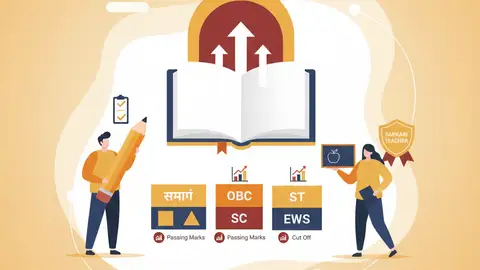
CTET कट ऑफ 2026: सामान्य, OBC, SC, ST और EWS के लिए पासिंग मार्क्स

सरकारी नौकरी में इंटरव्यू की तैयारी कैसे करें? 2026 में सफलता के अचूक मंत्र

IBPS Calendar 2026: Expected Exam Dates for PO, Clerk, RRB, SO
Explore Topics
Perfect Your Resume
Use our AI-powered Resume Builder to create ATS-optimized resumes.
AI Resume Builder