
Recruitment guide
Central Govt Jobs 2026: Vacancies & Application — Explained
Comprehensive guide to 2026 Central Government Jobs: Expected vacancies, application process, and preparation strategies. Official notifications pending release.

Central government jobs remain a cornerstone of career aspirations for millions in India, offering a unique combination of stability, prestige, and the opportunity to contribute to the nation's development. As we progress through 2026, candidates across the country are eagerly awaiting the release of new opportunities across various ministries and departments. While the official notifications for the current year's recruitment cycles are still awaited, a thorough analysis of historical patterns and government initiatives suggests significant vacancies are on the horizon in pivotal sectors like railways, defense, finance, and public services.
This comprehensive guide provides an in-depth analysis of expected trends, strategic application advice, and valuable career insights for aspirants targeting Sarkari Naukri in 2026, equipping you with the knowledge to navigate this competitive landscape.
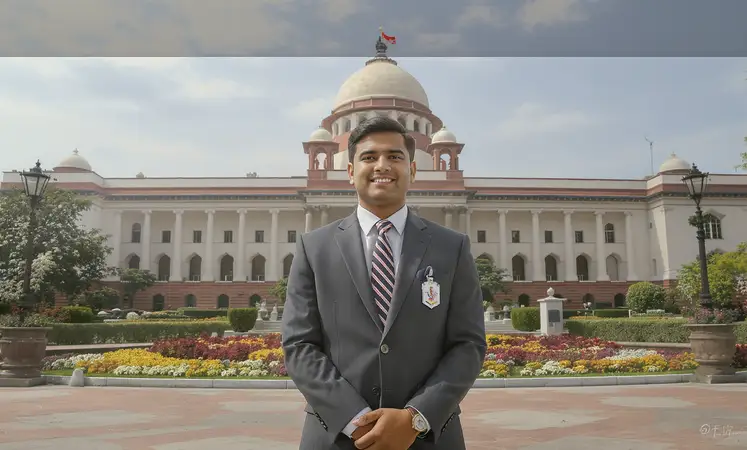
Overview of Central Government Recruitment in 2026
The central government recruitment ecosystem is a vast and structured machine, primarily operating through established constitutional bodies like the Union Public Service Commission (UPSC), the Staff Selection Commission (SSC), and various ministry-specific recruitment boards such as the Railway Recruitment Board (RRB). While the exact, consolidated vacancy count for 2026 remains unconfirmed pending official announcements, a review of previous annual cycles provides a reliable forecast. These cycles consistently indicate an annual average of over 50,000 positions spanning the Group A (Gazetted), B (Non-Gazetted), C, and D categories. Recruitment activity typically sees a significant surge during the period between April and September, aligning with the government's financial year.
Furthermore, there is an increased focus on filling technical roles in emerging sectors like cybersecurity, data analytics, and renewable energy, reflecting the nation's evolving administrative and technological needs.
Candidates must adopt a proactive approach by regularly monitoring official portals and trusted aggregators like Sarkari Result for real-time updates the moment notifications are published. Setting up email alerts and following official social media handles can also provide timely information.
Understanding the Recruitment Calendar
Most major recruiting bodies operate on a pre-announced annual calendar, which is a crucial tool for any serious candidate. The UPSC typically releases its annual calendar in the preceding year, outlining the tentative schedule for the Civil Services Examination (CSE), Engineering Services Examination (ESE), Combined Defence Services (CDS), and others. Similarly, the SSC follows a pattern for its Combined Graduate Level (CGL), Combined Higher Secondary Level (CHSL), and Multi-Tasking Staff (MTS) exams. While these dates are subject to change, they provide a foundational timeline around which aspirants can structure their long-term preparation strategy, ensuring they are in the final stages of revision when the actual notifications drop.
Key Ministries & Departments with Expected Vacancies
Based on the scale of operations and past recruitment drives, several key ministries are projected to be major employers in 2026. The following table outlines these departments, the potential roles that may be advertised, and the bodies responsible for the hiring process.

| Ministry/Department | Potential Roles | Recruiting Body |
|---|---|---|
| Ministry of Railways | Technicians, Station Masters, Loco Pilots, Junior Engineers, Track Maintainers | RRB (Railway Recruitment Board), RRC (Railway Recruitment Cell) |
| Ministry of Defense | Soldiers (General Duty), Technical Staff (Agniveer), Nurses, Civilian Roles in Ordnance Factories, Administrative Staff | Indian Army/Navy/Air Force, MOD Departments |
| Ministry of Finance | Tax Assistants (CBIC & CBDT), Accountants, Auditors, Income Tax Inspectors, Stenographers | Central Board of Indirect Taxes and Customs (CBIC), Income Tax Department, SSC |
| Ministry of Home Affairs | Constables and Head Constables in Paramilitary Forces (CISF, BSF, CRPF, SSB), Assistant Commandants, Intelligence Officers | Staff Selection Board (SSB), Ministry of Home Affairs (MHA) |
| Ministry of Electronics & IT | Software Developers, Network Specialists, Technical Assistants, Scientific Officers | UPSC, SSC, Specific Project Recruitment |
Note: Specific 2026 vacancy details remain unannounced. This table is a projection based on previous years' recruitment patterns and the operational size of each ministry.
Other Noteworthy Departments
Beyond the major ministries, aspirants should also keep a close watch on departments like the Postal Service (India Post), Banking (Public Sector Banks), Public Sector Undertakings (PSUs), and the various branches of the Civil Services recruited through UPSC, including the prestigious IAS, IPS, and IFS. Each of these sectors offers a wide array of positions catering to diverse educational backgrounds and skill sets.
India Post and Banking Sector Opportunities
India Post regularly recruits for Gramin Dak Sevaks (GDS), Postal Assistants, Sorting Assistants, and Postmen through national-level notifications. The banking sector, though undergoing consolidation, remains a significant employer through the Institute of Banking Personnel Selection (IBPS), which conducts exams for Probationary Officers (PO), Clerks, and Specialist Officers in various public sector banks. These roles offer the classic benefits of government jobs with a focus on the financial and customer service sectors.
Application Process for 2026 Government Jobs
The application process for central government jobs is meticulous and requires careful attention to detail to avoid disqualification. It is a multi-stage process that demands precision from the very first step.
- Check Eligibility Criteria: This is the most critical first step. Scrutinize the official notification for precise details on age limits (and relaxations), essential educational qualifications, physical standards (especially for defense and paramilitary roles), and nationality requirements. For instance, a role requiring a Bachelor's degree in Computer Science will not accept a degree in Information Technology if specified.
- Registration on Official Portals: Create a user account on the respective recruiting body's official website (e.g., SSC.nic.in, UPSC.gov.in, RRB's regional sites). Ensure your registered email and mobile number are active for all communication. It is advisable to use a personal email ID that you check regularly.
- Complete the Online Application: Fill in the application form with 100% accurate information. Double-check your name (as it appears on your matriculation certificate), date of birth, and educational percentages. Upload scanned copies of required documents—photograph (recent passport-sized), signature (in black ink on white paper), educational certificates, category certificate (if applicable)—in the specified format (usually JPG/JPEG) and size (often between 20KB to 50KB).
- Payment of Application Fee: Pay the requisite fee online through debit/credit card, net banking, or UPI. Remember, fee concessions are available for candidates from SC, ST, PwD categories, and women. Always take a screenshot or save the payment confirmation receipt for your records until the entire recruitment process is complete.
- Download Admit Card: Once your application is accepted, download your admit card from the portal well before the exam date. It is your entry ticket to the examination hall. Verify all details on the admit card meticulously; any discrepancy must be reported to the authorities immediately.
- Appear for Examinations/Interviews: The selection process may involve a Tier-I and Tier-II written exam, followed by a Skill Test (typing/computer proficiency), Physical Efficiency Test (PET), and a final interview or document verification round. Each stage is eliminatory, meaning failure in one disqualifies you from the entire process.
Common Application Mistakes to Avoid
Many deserving candidates face rejection due to easily avoidable errors. These include uploading blurry or incorrect photographs/signatures, entering incorrect percentage or grade points, missing the application deadline by a few minutes, and failing to preview the final submitted form. Always allocate ample time to fill out the form, review it multiple times, and submit it at least 2-3 days before the official closing date to avoid last-minute website crashes or payment gateway issues.
Preparation Strategies for Upcoming Exams
Success in government competitive exams is a product of disciplined, strategic, and consistent preparation. A one-size-fits-all approach does not work; a tailored plan is essential.
- Analyze Previous Years' Question Papers: Go beyond just solving them. Analyze the last 5-7 years' papers to identify recurring topics, weightage of sections, and the pattern of difficulty. This helps in prioritizing your study material. For example, if you notice that 4-5 questions from Modern Indian History appear every year, you know not to skip that topic.
- Practice Time-Bound Mock Exams: Regularly taking full-length mock tests under timed conditions is non-negotiable. It builds speed, accuracy, and exam temperament, and helps you develop an effective time-management strategy for the actual exam day. Analyze your performance after each test to identify weak areas.
- Follow Current Affairs Updates Religiously: For sections like General Awareness and General Studies, consistent revision of current affairs from the past 6-12 months is crucial. Focus on national and international events, government schemes (e.g., PM-Janman, PM-SVANidhi), sports, important appointments, and scientific developments. Make monthly notes for quick revision.
- Join Reputable Online Test Series: Enroll in test series specifically designed for your target exam (SSC CGL, UPSC Prelims, RRB NTPC, etc.). They provide a competitive benchmark and detailed performance analysis, showing your rank among thousands of other aspirants.
- Conceptual Clarity Over Rote Learning: Especially for quantitative aptitude and reasoning, focus on understanding the core concepts. This allows you to tackle unfamiliar questions with logic rather than relying solely on memorized formulas. For instance, understanding the concept of ratios is more powerful than memorizing a formula for a specific type of problem.
Building a Sustainable Study Routine
Cramming is ineffective for these vast syllabi. Instead, build a sustainable daily routine. Dedicate 5-7 hours of focused study, dividing time between new topics, revision, and mock tests. Include short breaks to avoid burnout. Prioritize your health with adequate sleep, a balanced diet, and light physical exercise; a healthy mind and body are essential for the long and demanding preparation journey.
Benefits of Central Government Employment
The intense competition for these positions is driven by the unparalleled benefits and long-term security they offer, making the effort worthwhile for successful candidates.
- Job Security with Permanent Tenure: Perhaps the most significant advantage, government job offers protection from market fluctuations and arbitrary layoffs, providing immense peace of mind and financial stability for you and your family.
- Attractive Salary Structure: Salaries are governed by the Seventh Pay Commission, ensuring competitive and regularly revised pay scales along with various grade pays, dearness allowance (adjusted for inflation), and travel allowance.
- Pension and Retirement Benefits: While the old pension scheme has been replaced, the National Pension System (NPS) offers a structured and secure retirement corpus where both the employee and government contribute. Other benefits like Gratuity, which is a lump-sum payment upon retirement, are also provided.
- Comprehensive Healthcare and Housing: Employees and their families are covered under the Central Government Health Scheme (CGHS), which provides quality medical care at empanelled hospitals and clinics. Many positions also come with House Rent Allowance (HRA) or government accommodation at subsidized rates.
- Work-Life Balance and Allowances: Fixed working hours, generous leave policies (earned leave, casual leave, sick leave), and numerous allowances (travel, dearness, uniform, children's education) contribute to a high quality of life and allow for a healthy balance between professional and personal commitments.
Opportunities for Career Progression
Central government jobs are not dead-end positions. They offer clear and structured promotion avenues based on seniority and departmental examinations. An employee can rise through the ranks over their career, taking on greater responsibility, prestige, and corresponding increases in salary and benefits. This structured growth path is a key differentiator from many private-sector roles.
Challenges in 2026 Government Job Market
Aspiring candidates must also be cognizant of the hurdles in the path to a Sarkari Naukri to prepare themselves mentally and strategically.
- Exponentially Increased Competition: With lakhs of applicants vying for a few thousand seats, the competition is fiercer than ever. A single vacancy can attract thousands of applications, making the selection ratio extremely high. For instance, the UPSC CSE sees over 10 lakh applicants for around 1000 seats.
- Extended and Unpredictable Recruitment Cycles: The entire process—from notification issuance to final joining—can often stretch from 6 to 18 months, requiring immense patience and sustained preparation from candidates. Delays can occur due to administrative reasons, court cases, or other unforeseen circumstances.
- Strict Document Verification Processes: Any discrepancy, no matter how small, between the information provided in the application and the original documents presented during verification can lead to immediate disqualification. This includes mismatched spellings, dates, or even a difference in the name on your degree certificate and your category certificate.
- Rigorous Physical Standards for Specific Roles: Jobs in defense, paramilitary forces, and police have stringent physical standards (height, chest, weight, vision) and Physical Efficiency Tests (running, long jump, etc.) that must be cleared. These are non-negotiable and require dedicated physical training alongside academic preparation.
- Vast and Dynamic Syllabus: The syllabus for most competitive exams is extremely vast and often updated, requiring candidates to be versatile and well-informed across multiple subjects, from history and polity to mathematics and current science and technology trends.
The Psychological Toll of Preparation
The long duration and high stakes of the process can lead to significant stress and anxiety. Many aspirants face pressure from family and society, and the fear of failure can be overwhelming. Building a support system, practicing mindfulness, and maintaining hobbies are crucial for mental well-being during this challenging period.
Future Trends in Government Recruitment
The landscape of government hiring is continuously evolving, embracing technology and adapting to new national priorities.
- Complete Digitization of Processes: The application, fee payment, admit card download, and result declaration processes are almost entirely online now, making them more accessible and transparent. This also reduces the potential for human error and corruption in the initial stages.
- Adoption of Advanced Proctoring Technologies: To ensure exam integrity, recruiting bodies are increasingly adopting AI-based remote proctoring and Computer-Based Tests (CBT) to conduct exams efficiently and at scale. This allows for faster result processing and a more standardized testing environment.
- Rise of Specialized Technical Roles: There is a growing demand for specialized talent in fields like cybersecurity, artificial intelligence, data science, and environmental engineering, leading to new and niche recruitment drives separate from the generalist exams. This trend is likely to accelerate as the government's digital infrastructure expands.
- Increased Focus on Gender Inclusivity: Many ministries are actively working to increase women's participation, leading to more women-centric vacancies and gender-neutral policies in various forces. For example, the Indian Army has opened new avenues for women in permanent commission roles.
- Emphasis on Skill-Based Hiring: Beyond theoretical knowledge, there is a gradual shift towards assessing practical skills and problem-solving abilities relevant to the job role. This might manifest in more descriptive questions or practical tests within the examination pattern.
The Impact of National Policies on Recruitment
Government recruitment is often a direct reflection of national policy goals. Initiatives like 'Aatmanirbhar Bharat' (Self-Reliant India) and 'Digital India' directly influence hiring, creating new roles in manufacturing, electronics, and IT infrastructure. Aspirants should stay informed about such policies as they can indicate which sectors will see increased recruitment in the coming years.
Frequently Asked Questions
When will the notifications for 2026 government jobs be released?
Most ministries and recruiting bodies like UPSC and SSC follow an annual calendar, with the bulk of notifications typically expected between the second and third quarter of 2026 (April to September). However, some notifications can be released sporadically throughout the year. Candidates should cultivate the habit of regularly checking official websites and portals like Sarkari Result to ensure they never miss an update. For example, the UPSC calendar is usually released in May-June for the following year.
Where can I find authentic and official vacancy information?
Authentic information is ONLY available on the official websites of the recruiting bodies. This includes SSC.nic.in, UPSC.gov.in, the websites of various Railway Recruitment Boards (RRBs), and the career sections of respective ministry websites. It is strongly advised to avoid third-party websites or agents making claims about unverified vacancies or promising guaranteed selection. Always cross-check any information you find on an aggregator site with the official source.
Is there age relaxation for reserved categories?
Yes, the Government of India provides age relaxation to candidates belonging to Scheduled Castes (SC), Scheduled Tribes (ST), Other Backward Classes (OBC), Persons with Benchmark Disabilities (PwBD), Ex-Servicemen, and other specific categories. The relaxation typically ranges from 3 to 10 years, but the exact number of years and the applicable categories are always clearly specified in each recruitment notification and must be carefully reviewed. For example, OBC candidates often get 3 years of relaxation, while SC/ST candidates get 5 years.
How should I prepare when the exam dates are not known?
The most effective strategy is to follow a consistent and long-term preparation calendar. Assume the exam could be announced at any time. Base your preparation on the syllabus from the previous year's notification, which is unlikely to change drastically. Divide your time effectively among all sections—general awareness, quantitative aptitude, reasoning, English language, and your domain-specific subjects. A 12-month plan with daily, weekly, and monthly goals is ideal for covering the vast syllabus thoroughly. Focus on building fundamentals first before moving on to advanced topics and high-speed test-taking practice.
Are there application fees for applying to government jobs?
Yes, most competitive exams charge a nominal application fee to process the vast number of applications. The fee usually ranges from ₹100 to ₹500. However, as per government rules, fee waivers are invariably provided for female candidates and candidates belonging to SC, ST, PwD, and sometimes Ex-Serviceman categories. The payment is exclusively done online through integrated payment gateways using debit/credit cards, net banking, or UPI. Cash payments are almost never accepted for these processes.
Related Resources
Checks to complete before you apply
Securing a central government job in 2026 is a marathon, not a sprint, requiring immense patience, unwavering dedication, and strategic preparation. The landscape is competitive but filled with opportunity for those who are well-prepared and persistent. The key is to start early, understand the intricacies of the application process, master the vast curriculum through consistent study, and stay mentally resilient throughout the potentially long cycle. By diligently monitoring official notifications from UPSC, SSC, RRB, and other ministries, and by beginning your rigorous preparation today, you can strategically position yourself to turn your aspiration for a stable and rewarding Sarkari Naukri into a tangible achievement.
Remember, the effort you invest in this journey is an investment in a secure and fulfilling future serving the nation.
Related Government Job Resources
Continue with active job hubs and related government job pages on TrueJobs.
Tools for this recruitment topic
Use only the tools relevant to the dates, eligibility or documents discussed above.
TrueJobs Editorial Team
TrueJobs editorial desk
This article is prepared from the sources referenced in the guide and reviewed for clarity, links and dated information. Read our editorial and corrections policy.
Continue This Topic
Follow the closest earlier and newer coverage so older archive posts keep real contextual crawl paths.
State Government Jobs 2026: Latest Openings and Recruitment Updates Across India
Discover the latest State Government Jobs 2026 openings across major Indian states. Learn about eligibility, application processes, and preparation strategies.
New Sarkari Jobs Released Today 2026: Latest Government Job Notifications
Comprehensive guide to anticipated 2026 Sarkari job notifications with application strategies and preparation tips based on previous recruitment trends.
Read Next

State Government Jobs 2026: Latest Openings and Recruitment Updates Across India

New Sarkari Jobs Released Today 2026: Latest Government Job Notifications

Research Associate Government Jobs 2026: Opportunities in Public Institutes

Latest Sarkari Jobs 2026: Central & State Government Vacancies Update
Explore Topics
Perfect Your Resume
Use our AI-powered Resume Builder to create ATS-optimized resumes.
AI Resume Builder