
Recruitment guide
Defence & Police Tattoo Rules 2026: Locations & Risks — Explained
Discover the latest tattoo rules for Defence and Police jobs in 2026. Understand allowed tattoo locations and the risk of rejection during recruitment processes.
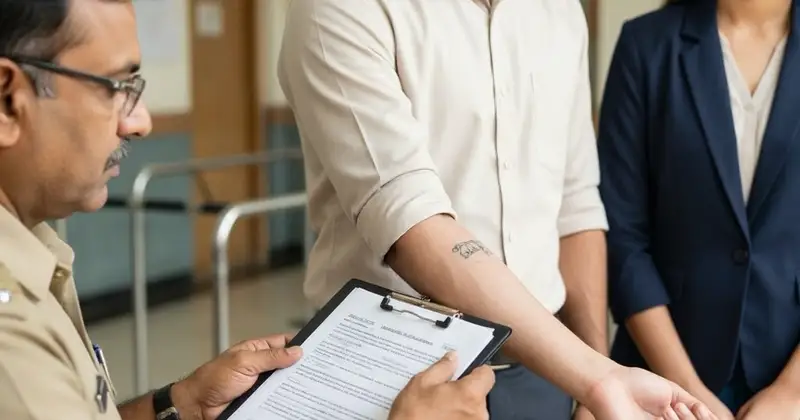
Tattoos have become a popular form of self-expression worldwide, including in India. However, when it comes to joining prestigious government services like the Defence and Police forces, the presence of tattoos can raise questions. Candidates often wonder whether tattoos are allowed, where they can be located, and if they pose a risk of rejection during recruitment. As we approach 2026, it is crucial for aspirants to understand the current tattoo policies in Defence and Police jobs to avoid surprises during medical examinations or interviews.
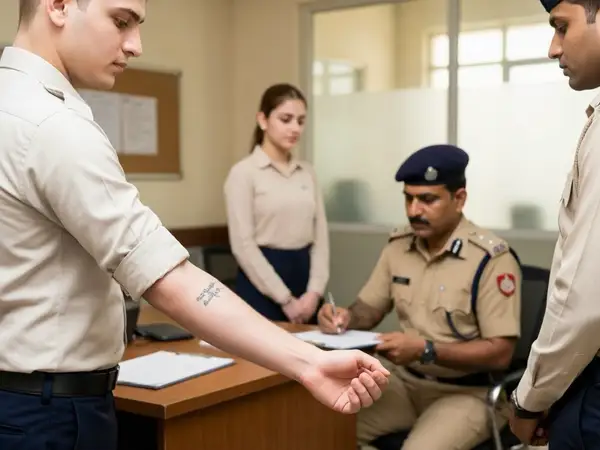
Understanding Tattoo Policies in Defence and Police Recruitment
The Indian Defence forces and Police departments have traditionally maintained strict grooming and appearance standards to uphold discipline and uniformity. Tattoos, being permanent marks on the body, are scrutinized closely during recruitment. However, with changing societal norms and increased acceptance of tattoos, some relaxation has been observed in recent years.
That said, tattoo rules vary across different services and posts. Some forces permit tattoos in specific locations, while others disallow tattoos entirely or in visible areas. The main concern is that tattoos should not affect the professional image, discipline, or operational effectiveness of personnel.
Allowed Tattoo Locations in Defence Jobs
Each branch of the Indian Defence—Army, Navy, and Air Force—has its own guidelines regarding tattoos. Here is a detailed look at the accepted tattoo locations as per the latest recruitment norms:
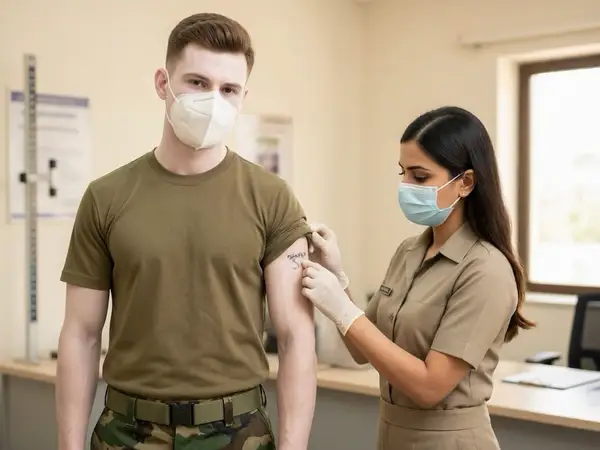
| Defence Branch | Allowed Tattoo Locations | Notes |
|---|---|---|
| Indian Army |
|
Tattoos on the face, neck, or hands are generally not allowed. Tattoos should not be obscene or religiously sensitive. |
| Indian Navy |
|
Visible tattoos on hands or neck may lead to disqualification. Tattoos must not be offensive. |
| Indian Air Force |
|
Face and neck tattoos are prohibited. Tattoos should be moderate in size and content. |
It is important to note that even if tattoos are located in allowed areas, their content and size matter. Offensive, religiously provocative, or politically sensitive tattoos can lead to rejection regardless of location.
Tattoo Guidelines in Police Jobs Across India
Police recruitment is state-specific, and tattoo policies may vary slightly depending on the state police force or central police organizations like CRPF, CISF, or BSF. However, some common rules apply:
- Visible Tattoos on Face and Neck: Almost all police forces disallow tattoos on the face and neck, as these are highly visible and may affect the professional image.
- Hand and Finger Tattoos: Tattoos on the palms, fingers, or dorsum of hands are generally prohibited.
- Allowed Areas: Tattoos on the upper arms, back, chest, and inner forearms are usually permitted, provided they are not offensive or large.
- Content Restrictions: Tattoos with religious symbols, political slogans, or obscene images are strictly banned.
For example, the Delhi Police recruitment guidelines explicitly mention that tattoos should not be visible while in uniform, which covers the arms and torso. Similarly, the Maharashtra Police allow tattoos only on the upper arms and back but disallow any visible markings on hands or neck.
Why Do Defence and Police Forces Regulate Tattoos Strictly?
The regulation of tattoos in these forces is driven by several practical and cultural reasons:
- Professional Image: Defence and Police personnel represent the state and are expected to maintain a disciplined, uniform appearance. Visible tattoos may be seen as unprofessional or distracting.
- Uniformity: Uniformity is critical for team cohesion and discipline. Tattoos can break the uniform look and create disparities.
- Operational Concerns: In some cases, tattoos may reveal sensitive information or affiliations, which could be exploited by adversaries.
- Cultural Sensitivity: India is a diverse country with multiple religions and cultures. Tattoos with offensive or provocative symbols can harm communal harmony.
- Medical and Health Reasons: Certain tattoos might indicate past medical conditions or lifestyle choices not compatible with service requirements.
Risk of Rejection Due to Tattoos in Recruitment
Tattoo-related disqualification is a common concern among aspirants. Here are the key factors that increase rejection risk:
- Visible Tattoos in Prohibited Areas: Tattoos on the face, neck, hands, or other visible parts are a major ground for disqualification.
- Offensive or Religious Tattoos: Tattoos containing offensive language, symbols, or religious imagery that could hurt sentiments are not tolerated.
- Large or Excessive Tattoos: Even if located in allowed areas, very large or excessive tattoos may be viewed negatively.
- Non-Disclosure: Failure to disclose existing tattoos during medical examination or document submission can lead to rejection or later dismissal.
It is advisable for candidates to be transparent about their tattoos during the recruitment process and consult official guidelines or recruitment notifications.
How to Prepare for Defence and Police Recruitment if You Have Tattoos
If you have tattoos and aspire to join Defence or Police jobs, here are practical steps to minimize rejection risk:
- Check Official Guidelines: Always refer to the latest recruitment notifications for tattoo policies related to your chosen service or state police.
- Location Matters: If possible, get tattoos in allowed locations such as inner forearms, upper arms, or back.
- Avoid Offensive Content: Refrain from tattoos with political, religious, or obscene imagery.
- Consider Removal or Cover-up: For visible tattoos in prohibited areas, consider laser removal or professional cover-up techniques before applying.
- Disclose Tattoos Honestly: During medical exams and interviews, disclose all tattoos to avoid future complications.
- Maintain Professionalism: Groom well and ensure tattoos do not affect your overall appearance and demeanor.
Future Trends: Will Tattoo Policies Relax Further?
With evolving societal attitudes, some relaxation in tattoo policies is expected in the coming years. Many armed forces worldwide are becoming more accepting of tattoos as long as they do not interfere with service ethos. In India, gradual changes have been observed, especially in non-combat roles and specialized units.
However, core principles of discipline, uniformity, and professionalism will continue to guide tattoo rules. Aspirants should stay updated through official recruitment portals and reliable sources like TrueJobs.co.in for the latest notifications and advice.
Checks to complete before you apply
Tattoos in Defence and Police jobs remain a sensitive topic in 2026. While some tattoos are allowed in specific locations like inner forearms, upper arms, and back, visible tattoos on the face, neck, and hands are generally prohibited. The content and size of tattoos also play a critical role in acceptance or rejection during recruitment.
Aspirants must carefully review the tattoo guidelines of their targeted service or police force and take necessary steps such as tattoo removal, cover-up, or honest disclosure to avoid disqualification. Staying informed and prepared will enhance your chances of success in these prestigious government jobs.
For more updates on Defence and Police recruitment, and other government job alerts, keep visiting TrueJobs.co.in.
Frequently Asked Questions
1. Are tattoos allowed in the Indian Army recruitment in 2026?
Yes, tattoos are allowed in certain locations such as the inner forearms, back, and shoulders. However, tattoos on the face, neck, and hands are not permitted and may lead to rejection.
2. Can visible tattoos on hands disqualify a candidate from police jobs?
Yes, most police forces disallow visible tattoos on hands and fingers. Such tattoos can be grounds for disqualification during medical examination or interview.
3. What types of tattoo content are not allowed in Defence and Police recruitment?
Tattoos containing offensive language, religious or political symbols, obscene images, or anything that could hurt community sentiments are strictly prohibited.
4. Is tattoo removal necessary before applying for Defence or Police jobs?
If you have tattoos in prohibited or visible areas, removal or professional cover-up is advisable to increase your chances of selection.
5. Where can I find official updates on tattoo policies for government job recruitments?
You can refer to official recruitment notifications on government websites and reliable job portals like TrueJobs.co.in for the latest guidelines and updates.
Related Resources
Related Government Job Resources
Continue with active job hubs and related government job pages on TrueJobs.
Tools for this recruitment topic
Use only the tools relevant to the dates, eligibility or documents discussed above.
TrueJobs Editorial Team
TrueJobs editorial desk
This article is prepared from the sources referenced in the guide and reviewed for clarity, links and dated information. Read our editorial and corrections policy.
Continue This Topic
Follow the closest earlier and newer coverage so older archive posts keep real contextual crawl paths.
Spectacles and Eye Power Rules 2026: Which Government Jobs Allow Which Limits
Learn about the updated spectacles and eye power rules for government jobs in 2026. Find out which jobs allow what vision limits to plan your application effectively.
Colour Blindness Rules in Government Jobs 2026: Posts That Disqualify Candidates
Explore the 2026 colour blindness rules in Indian government jobs. Understand which posts disqualify candidates and where relaxations apply for colour vision deficiency.
Read Next
Spectacles and Eye Power Rules 2026: Which Government Jobs Allow Which Limits

State Residency Rules in Police and Teaching Recruitments 2026: What Candidates Must Know

Height and Chest Relaxation 2026: Categories and Regions Eligible Explained

Colour Blindness Rules in Government Jobs 2026: Posts That Disqualify Candidates
Explore Topics
Perfect Your Resume
Use our AI-powered Resume Builder to create ATS-optimized resumes.
AI Resume Builder