
Recruitment guide
Signature Mismatch at Exam Center 2026: Verification — Explained
Facing a signature mismatch at your exam center in 2026? Understand the verification process, consequences, and tips to avoid issues during government exams.
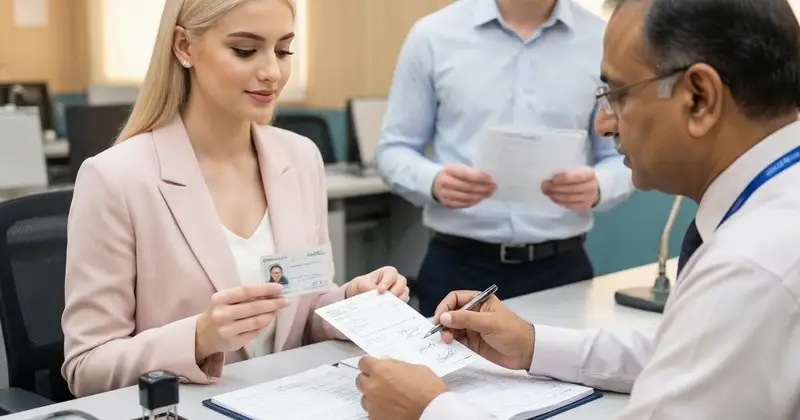
In the realm of government examinations, identity verification is a critical step to ensure the authenticity of candidates appearing for the test. One of the key elements in this verification process is the matching of a candidate’s signature. However, many candidates face issues related to signature mismatches during exams, which can lead to confusion, delays, or even disqualification. With the 2026 exam season approaching, it is important to understand what happens if there is a signature mismatch at the exam center, how verification is conducted, and what steps candidates can take to avoid or resolve such issues.
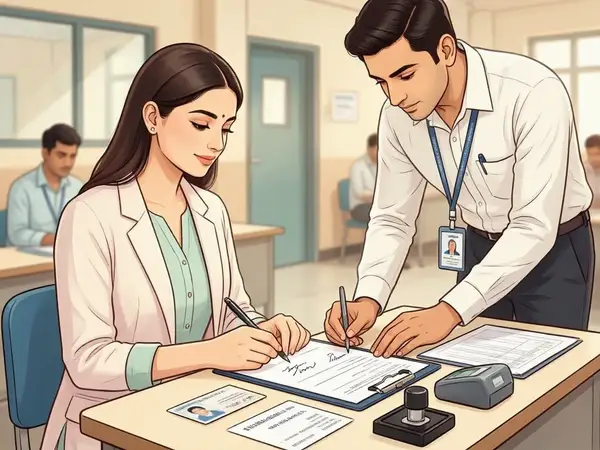
Understanding the Importance of Signature Verification in Exams
Signature verification is an essential security measure in government exams. It helps exam officials confirm the identity of candidates to prevent impersonation and fraud. Typically, candidates are required to provide a signature during the application process, on admit cards, and sometimes on the attendance sheets at the exam center. This signature is then compared with the one signed on the exam day.
Since signatures can vary slightly due to various factors like stress or pen type, exam officials look for reasonable consistency rather than exact matches. However, a significant mismatch can raise red flags, triggering further verification or even disqualification.
What Causes Signature Mismatch During Exam Verification?
Several factors can lead to a signature mismatch at the exam center. Understanding these causes can help candidates prepare better:
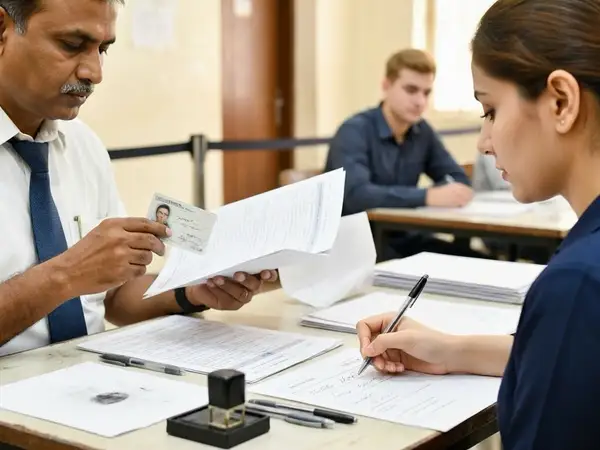
- Variation in Signature Style: Candidates may sign differently under pressure or due to nervousness, leading to variations.
- Use of Different Pens or Ink: Different writing instruments can affect the appearance of the signature.
- Age and Health Factors: Physical conditions like hand tremors or injuries can alter a candidate’s usual signature.
- Forgery or Impersonation: Attempts by someone else to impersonate the candidate can cause mismatches.
- Incomplete or Illegible Signature: Sometimes candidates sign hurriedly or incompletely, making comparison difficult.
- Changes Over Time: Some candidates may have altered their signature style since submitting their application.
How Signature Verification is Conducted at Exam Centers
During the exam day, invigilators and exam officials verify the candidate’s identity through multiple steps, including checking the signature. Here is a typical process:
- Initial Signature Check: Candidates are asked to sign on the attendance sheet or admit card. This signature is compared with the one on the application form or admit card.
- Visual Comparison: Invigilators visually compare the signatures for consistency in style, strokes, and overall appearance.
- Secondary Verification: If a mismatch is noticed, the candidate may be asked to provide additional identification documents such as photo ID cards (Aadhaar, PAN, Voter ID).
- Consultation with Senior Officials: The invigilator may escalate the matter to the exam center supervisor or senior officials for further judgment.
- Documentation: Officials may record the discrepancy and take photographs or notes for future reference.
- Decision Making: Based on the severity of the mismatch and supporting documents, officials decide whether to allow the candidate to continue or take further action.
Consequences of Signature Mismatch at Exam Centers
The implications of a signature mismatch can vary depending on the exam conducting authority and the specific circumstances. Some common consequences include:
- Delay in Exam Commencement: Verification procedures may delay the candidate from starting the exam on time.
- Additional Verification Required: Candidates may be asked to produce extra ID proofs or appear for a re-verification process.
- Warning Issued: Minor mismatches might result in official warnings but still permit the candidate to take the exam.
- Disqualification or De-registration: In severe cases, especially when impersonation or forgery is suspected, candidates may be disqualified immediately.
- Impact on Result Declaration: Signature mismatches can delay result processing or lead to rejection of the candidature during evaluation.
Steps to Take If You Face a Signature Mismatch Issue
If you encounter a signature mismatch during your exam verification, here are some practical steps to follow:
- Stay Calm and Cooperative: Do not panic. Cooperate politely with the exam officials and provide all requested documents.
- Provide Valid Identification: Carry multiple photo ID proofs to support your identity beyond your signature.
- Explain Your Signature Variations: If your signature has changed over time, explain this to the officials calmly.
- Request for Re-verification: Politely ask for a second verification or allow the senior official to examine the case.
- Document the Incident: If possible, request a written note or acknowledgment regarding the mismatch for future reference.
- Follow Up Post Exam: After the exam, contact the exam authority if you believe the mismatch might affect your results. Use official helplines or email IDs.
How to Avoid Signature Mismatch Issues in Upcoming Exams
Prevention is always better than cure. Here are tips to minimize the risk of signature mismatches in government exams:
- Practice Consistent Signature: Use the same signature style for all official documents, including application forms and admit cards.
- Sign Calmly and Clearly: Avoid rushed or illegible signatures, especially on exam day.
- Use Similar Writing Instruments: If possible, use a pen similar to the one used during application while signing at the exam center.
- Update Signature if Needed: If you have changed your signature, update it in all relevant documents before applying.
- Carry Multiple IDs: Always bring multiple valid photo identity proofs to the exam center.
- Inform Authorities in Advance: Some exam boards allow candidates to inform them about signature changes prior to the exam.
- Review Admit Card Details: Check your admit card and application forms carefully for signature accuracy.
Role of Technology in Signature Verification
With advancements in technology, many exam bodies are adopting digital verification methods to reduce errors related to signature mismatches. These include:
- Biometric Verification: Fingerprint or iris scans are increasingly used alongside signatures to confirm identity.
- Digital Signatures: Some exams accept digital signatures or use electronic verification methods.
- AI-based Signature Matching: Artificial Intelligence tools can analyze signature patterns more accurately than manual checks.
- Online Application Portals: Digital applications reduce the chances of signature variation by allowing candidates to upload scanned signatures.
However, despite technological improvements, traditional signature verification remains a vital part of the process, especially in centers with limited digital infrastructure.
What Candidates Should Know About Exam Rules and Signature Policies
Every government exam has specific rules regarding signatures and identity verification. Candidates should:
- Read Official Guidelines Carefully: Before the exam, review instructions related to signature requirements in the official notification or admit card.
- Understand Consequences: Be aware of the penalties for signature mismatches or forgery attempts.
- Keep Communication Channels Open: Stay updated through official websites and helplines for any changes in verification policies.
- Maintain Documentation: Keep copies of all submitted documents, application forms, and admit cards for reference.
Checks to complete before you apply
Signature mismatch at exam centers can be a stressful experience for candidates, but understanding the verification process and preparing accordingly can significantly reduce the risk. By maintaining a consistent signature, carrying valid identification, and cooperating with exam officials, candidates can navigate these challenges effectively. As the 2026 government exam season approaches, staying informed about signature verification protocols and exam rules is crucial for a smooth exam experience.
For more information on exam-related updates and admit card details, visit our /admit-card and check the latest /sarkari-result announcements.
Frequently Asked Questions
Q1: What happens if my signature does not match at the exam center?
If your signature does not match, exam officials may ask for additional ID verification or escalate the issue to senior staff. Depending on the severity, you may be allowed to continue or face disqualification.
Q2: Can I change my signature after submitting the application form?
Generally, changing your signature after application submission is not advised. If you must change it, inform the exam authorities well in advance and follow their instructions to avoid issues.
Q3: How can I prove my identity if my signature is questioned?
Carry multiple valid photo IDs such as Aadhaar Card, PAN Card, Passport, or Voter ID. These documents help verify your identity beyond your signature.
Q4: Will a minor difference in signature cause disqualification?
Minor differences are usually tolerated as officials understand variations due to stress or pen type. Only significant mismatches that raise suspicion may lead to disqualification.
Q5: Are digital signatures accepted in government exams?
While some exams are adopting digital signatures and biometric verification, most still rely on handwritten signatures. Check the specific exam guidelines for accepted formats.
Related Resources
- Exam Day Instructions: A Complete Checklist
- How to Fill Government Job Application Forms Correctly
- Top 10 Mistakes to Avoid in Government Exams
Related Government Job Resources
Continue with active job hubs and related government job pages on TrueJobs.
Tools for this recruitment topic
Use only the tools relevant to the dates, eligibility or documents discussed above.
TrueJobs Editorial Team
TrueJobs editorial desk
This article is prepared from the sources referenced in the guide and reviewed for clarity, links and dated information. Read our editorial and corrections policy.
Continue This Topic
Follow the closest earlier and newer coverage so older archive posts keep real contextual crawl paths.
Biometric Mismatch in Government Exams 2026: Fingerprint Failure, Iris Issues & Next Steps
Biometric mismatches in government exams 2026 cause fingerprint and iris scan failures. Learn causes, impacts, and steps to resolve these issues efficiently.
Address Mismatch in Govt Job Forms 2026: Permanent vs Correspondence Rules Explained
Address mismatch in govt job forms can cause delays and disqualification. Understand permanent vs correspondence address rules to ensure smooth application in 2026.
Read Next
Biometric Mismatch in Government Exams 2026: Fingerprint Failure, Iris Issues & Next Steps

Gender Correction in Exam Forms 2026: Steps to Rectify Mistakes Easily

PwBD Certificate for Govt Exams 2026: Format, Disability Range & Issuing Authority

Married Candidates Name Change 2026: Surname Update Rules for Govt Exams
Explore Topics
Perfect Your Resume
Use our AI-powered Resume Builder to create ATS-optimized resumes.
AI Resume Builder