
Recruitment guide
RRB NTPC Undergraduate Medical Test 2026 — Explained
This guide explains the RRB NTPC medical fitness rules for 2026. Learn the category-wise standards (A2, B1, B2, C1) for posts like Clerk, Goods Guard, and Station Master, key parameters assessed, and tips to prepare.

The Railway Recruitment Board (RRB) Non-Technical Popular Categories (NTPC) examination is one of the most sought-after government job opportunities in India. Lakhs of aspirants vie for various undergraduate and graduate posts, including Junior Clerk cum Typist, Accounts Clerk cum Typist, Junior Time Keeper, Trains Clerk, Commercial cum Ticket Clerk, Traffic Assistant, Goods Guard, Senior Commercial cum Ticket Clerk, Senior Clerk cum Typist, Junior Account Assistant cum Typist, Senior Time Keeper, Commercial Apprentice, and Station Master. While excelling in the Computer Based Tests (CBTs) is crucial, clearing the subsequent stages, especially the medical examination, is equally vital. The medical fitness test ensures that candidates are physically and mentally capable of performing the duties associated with their respective railway posts.
This comprehensive guide will delve into the category-wise medical fitness rules for the RRB NTPC Undergraduate Medical Test, helping you understand the requirements and prepare effectively for 2026 and beyond.
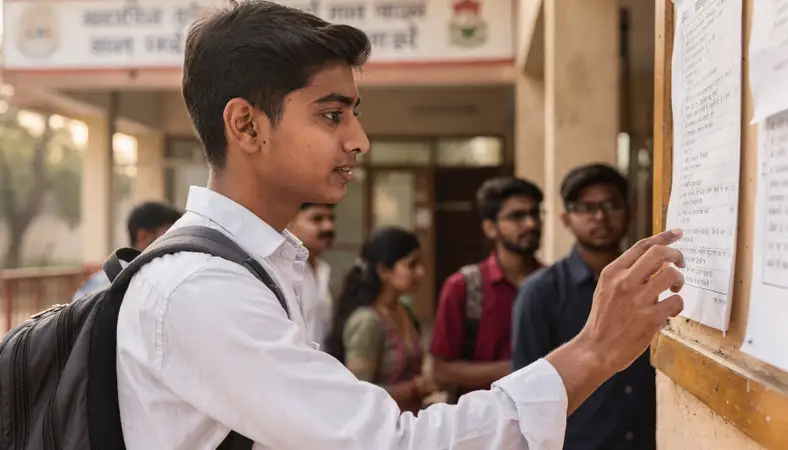
Understanding the RRB NTPC Medical Examination
The medical examination is a mandatory stage for all candidates provisionally shortlisted after the Document Verification (DV) round. Its primary objective is to assess a candidate's physical and mental fitness to perform the duties of the post they have been selected for. The Indian Railways has stringent medical standards to ensure the safety of railway operations and the well-being of its employees and passengers. These standards vary depending on the nature of the job, with operational posts requiring higher medical fitness levels. Candidates found medically unfit for their chosen post will not be offered an appointment, even if they have cleared all other stages.
It's important to note that the medical examination is conducted by railway medical authorities, and their decision is final. Candidates are advised to be aware of the specific medical standards applicable to the posts they have applied for, as these are clearly outlined in the official RRB NTPC notification. Understanding these requirements beforehand can help candidates address any potential issues or prepare themselves appropriately.
General Medical Standards for RRB NTPC Posts
While specific requirements vary by post category, there are some general medical standards that apply to all RRB NTPC candidates. These include:
- General Physical Fitness: Candidates must be physically fit in all respects. This includes a sound physique, absence of any chronic disease, mental illness, or physical disability that could hinder job performance.
- Vision: Eye sight is a critical component, especially for operational posts. Standards are specified for distant vision, near vision, and color vision.
- Hearing: Normal hearing ability is generally required.
- Speech: Clear speech without stammering or other impediments.
- Cardiovascular System: No evidence of heart disease, hypertension, or other circulatory disorders.
- Respiratory System: No signs of chronic respiratory diseases like asthma or tuberculosis.
- Nervous System: Absence of neurological disorders, epilepsy, or mental health issues.
- Musculoskeletal System: No deformities, amputations, or functional limitations that would impair duties.
- Hernia/Hydrocele: Candidates with hernia or hydrocele must undergo surgical correction before the medical examination.
- Other Conditions: Absence of any other condition that could make the candidate unsuitable for railway service.
The specific medical standards are categorized into A2, B1, B2, and C1, with A2 being the most stringent and C1 the most relaxed. Your eligibility will depend on the medical standard prescribed for the post you are selected for.
Category-Wise Medical Fitness Rules: Detailed Breakdown
The RRB NTPC posts are classified into different medical standards based on the demands of the job. It's crucial to understand which standard applies to your preferred posts. Here's a detailed explanation of each medical standard:
Medical Standard A2
This is the highest medical standard and is typically required for posts that involve direct operational duties, where safety and quick decision-making are paramount. Posts like Assistant Station Master (ASM) and Goods Guard usually fall under this category.
- Distant Vision: 6/9 without glasses, 6/9 without glasses. (No fogging test).
- Near Vision: Sn. 0.6, 0.6 without glasses.
- Colour Vision: Must pass the Ishihara test or other recognized tests for color vision.
- Binocular Vision: Must have normal binocular vision.
- Field of Vision: Must have a full field of vision.
- Night Vision: Must have good night vision.
- General Fitness: Physically fit in all respects. No evidence of any chronic disease, mental illness, or physical disability.
- Hearing: Normal hearing.
Candidates applying for A2 posts must have excellent vision without the aid of glasses, contact lenses, or any refractive surgery (like LASIK). Any form of visual aid or corrective surgery generally renders a candidate ineligible for A2 posts.
Medical Standard B1
This standard is slightly less stringent than A2 but still requires a good level of physical fitness, especially regarding vision. Posts such as Commercial cum Ticket Clerk, Senior Clerk cum Typist, and Junior Account Assistant cum Typist often require B1 medical fitness.
- Distant Vision: 6/9, 6/12 with or without glasses (power not exceeding 4D).
- Near Vision: Sn. 0.6, 0.6 with or without glasses.
- Colour Vision: Must pass the Ishihara test or other recognized tests for color vision.
- Binocular Vision: Must have normal binocular vision.
- General Fitness: Physically fit in all respects. No evidence of any chronic disease, mental illness, or physical disability.
- Hearing: Normal hearing.
For B1 posts, candidates are permitted to use glasses, but there's a strict limit on the power of the lenses (not exceeding 4 Dioptres). Color vision is still a mandatory requirement.
Medical Standard B2
This standard is applicable to posts like Junior Clerk cum Typist, Accounts Clerk cum Typist, and Trains Clerk. The visual requirements are a bit more relaxed compared to B1.
- Distant Vision: 6/9, 6/12 with or without glasses (power not exceeding 4D).
- Near Vision: Sn. 0.6, 0.6 with or without glasses.
- Colour Vision: Must pass the Ishihara test or other recognized tests for color vision.
- General Fitness: Physically fit in all respects. No evidence of any chronic disease, mental illness, or physical disability.
- Hearing: Normal hearing.
Similar to B1, glasses are allowed within the 4 Dioptres limit, and normal color vision is still required. The distinction between B1 and B2 often lies in the specific duties and the emphasis on visual acuity for certain tasks.
Medical Standard C1
C1 is the most relaxed medical standard among the NTPC categories, generally applicable to posts that do not involve direct operational duties or intense visual demands. Posts like Junior Time Keeper and certain clerical roles might fall under C1.
- Distant Vision: 6/12, 6/18 with or without glasses.
- Near Vision: Sn. 0.6, 0.6 with or without glasses.
- Colour Vision: Not strictly mandatory for all C1 posts, but generally preferred. Candidates with minor color vision defects might be considered for some C1 posts if it doesn't interfere with job duties.
- General Fitness: Physically fit in all respects. No evidence of any chronic disease, mental illness, or physical disability.
- Hearing: Normal hearing.
For C1 posts, the permissible power of glasses is more lenient, and the distant vision requirement is less strict. While color vision is still assessed, its importance might be lower for some specific C1 roles compared to A2 or B1.
Key Medical Parameters Assessed
Beyond the category-wise standards, the medical examination involves a thorough check of various health parameters:
- Eye Examination: This is arguably the most critical part. It includes distant vision, near vision, color vision, field of vision, binocular vision, and for some categories, a fogging test. The presence of squint, nystagmus, or any other eye disease will be thoroughly checked.
- Ear Examination: Hearing tests are conducted to ensure normal hearing ability. Any signs of chronic ear infections or hearing loss will be noted.
- Physical Examination: A general physical check-up to assess overall health. This includes checking height, weight, blood pressure, pulse, and examining for any deformities, amputations, or chronic illnesses.
- Systemic Examination: Examination of the cardiovascular, respiratory, nervous, and digestive systems to rule out any major organ diseases.
- Surgical History: Candidates with a history of major surgeries, especially those related to the abdomen or heart, will be carefully assessed. Conditions like hernia or hydrocele must be corrected.
- Urine Test: To check for conditions like diabetes (presence of sugar) or kidney issues (presence of protein).
- Blood Test: May be conducted to check for various parameters, though not always explicitly mentioned for all posts.
It is important to be completely honest about your medical history during the examination. Concealing information can lead to disqualification.
Tips for Preparing for the RRB NTPC Medical Test
While you can't change your fundamental medical condition overnight, you can certainly prepare to ensure you meet the standards and present yourself in the best possible light:
- Review Notification: Thoroughly read the official RRB NTPC notification for the specific medical standards applicable to your chosen posts.
- Preliminary Check-up: Consider getting a comprehensive medical check-up from a private doctor well in advance. This can help identify any potential issues (e.g., vision problems, high blood pressure) that you can address before the official test.
- Eye Care: If you wear glasses, ensure your prescription is up-to-date. If you are close to the vision limits, consult an ophthalmologist. Avoid excessive screen time leading up to the test.
- Healthy Lifestyle: Maintain a balanced diet, get regular exercise, and ensure adequate sleep. This contributes to overall physical and mental well-being.
- Avoid Unhealthy Habits: Refrain from smoking, excessive alcohol consumption, and drug use, as these can negatively impact your health parameters.
- Dental Hygiene: Good dental health is also part of overall fitness.
- Address Correctable Conditions: If you have conditions like hernia or hydrocele, plan for surgical correction well before the medical test date.
- Stay Calm: Anxiety can temporarily affect blood pressure and pulse rate. Try to remain calm and composed during the examination.
- Be Honest: Provide accurate information about your medical history.
Early preparation is key to avoiding last-minute stress and potential disqualification. For more preparation tips, keep an eye on our /exam-preparation">exam preparation guides.
What Happens After the Medical Test?
Once the medical examination is completed, the railway medical authorities will assess your fitness based on the standards prescribed for the post you have been provisionally selected for. The outcome will generally be one of the following:
- Fit: If you meet all the prescribed medical standards for the post, you will be declared medically fit.
- Unfit: If you do not meet the medical standards for the post, you will be declared medically unfit.
- Fit for Lower Medical Category: In some cases, if you are found unfit for a higher medical category post (e.g., A2) but fit for a lower medical category post (e.g., B1 or C1), and there are vacancies in those categories, the RRB might consider you for such a post, provided you had opted for it in your preference list. This is not guaranteed and depends entirely on vacancies and rules.
Candidates declared unfit generally have the option to appeal the decision to a higher medical authority within a stipulated timeframe, usually by submitting a medical certificate from a government doctor. However, the decision of the Appellate Medical Authority is final. Only medically fit candidates proceed to the final stage of appointment. You can check for updates on results and further processes on the respective RRB websites or our /sarkari-result">Sarkari Result section.
Checks to complete before you apply
The RRB NTPC medical examination is a critical hurdle that aspiring railway employees must clear. Understanding the category-wise fitness rules – A2, B1, B2, and C1 – is paramount for all candidates. From stringent vision requirements for operational roles to more relaxed standards for clerical positions, each category has specific parameters that must be met. By familiarizing yourself with these rules, undergoing a preliminary check-up, and adopting a healthy lifestyle, you can significantly increase your chances of being declared medically fit. Remember, success in RRB NTPC is not just about academic prowess but also about demonstrating the physical and mental resilience required for a demanding career in the Indian Railways.
Prepare diligently, stay informed, and approach the medical test with confidence. For all official updates, always refer to the RRB's official websites and trusted portals like TrueJobs.co.in.
Frequently Asked Questions
Q1: What are the main medical standards for RRB NTPC posts?
A1: The main medical standards for RRB NTPC posts are categorized as A2, B1, B2, and C1. A2 is the most stringent, typically for operational posts requiring excellent vision without glasses. B1 and B2 have slightly relaxed vision requirements, allowing glasses within certain power limits. C1 is the most relaxed, applicable to posts with less demanding visual requirements.
Q2: Can I wear glasses during the RRB NTPC medical examination?
A2: Yes, for medical standards B1, B2, and C1, you are generally allowed to wear glasses, but there are strict limits on the power of the lenses. For B1 and B2, the power should typically not exceed 4 Dioptres. For A2 posts, wearing glasses or having undergone corrective eye surgery usually renders a candidate ineligible
Related Resources
Related Government Job Resources
Continue with active job hubs and related government job pages on TrueJobs.
Tools for this recruitment topic
Use only the tools relevant to the dates, eligibility or documents discussed above.
TrueJobs Editorial Team
TrueJobs editorial desk
This article is prepared from the sources referenced in the guide and reviewed for clarity, links and dated information. Read our editorial and corrections policy.
Continue This Topic
Follow the closest earlier and newer coverage so older archive posts keep real contextual crawl paths.
RRB Group D Result 2026: CBT Score, Cut Off, and PET Shortlist Explained
Your complete guide to the RRB Group D Result 2026. Understand your CBT score, category-wise cut-off marks, and how to check if you are shortlisted for the Physical Efficiency Test (PET).
RRB NTPC Undergraduate DV 2026: Checklist, Formats & Common Mistakes
Your complete guide to RRB NTPC Undergraduate Document Verification 2026. Get the essential checklist, required document formats, and tips to avoid common disqualifying mistakes.
Read Next

RRB Group D Result 2026: CBT Score, Cut Off, and PET Shortlist Explained

RRB NTPC Undergraduate DV 2026: Checklist, Formats & Common Mistakes

RRB Group D Score Card 2026: Marks, Percentile & Login Guide

RRB NTPC Undergraduate Typing Skill Test 2026: Rules, Eligibility & Standards
Explore Topics
Perfect Your Resume
Use our AI-powered Resume Builder to create ATS-optimized resumes.
AI Resume Builder