
Recruitment guide
Central Government Teacher Jobs in India 2026: Your — Explained
Explore your complete guide to Central Government Teacher Jobs for 2026. Learn about vacancies in KVS, NVS, EMRS, eligibility criteria, salary, and how to prepare.

Teaching in a central government institution offers stability, competitive salaries, and a chance to shape the nation's youth. Thousands of aspiring educators across India aim for these coveted positions each year, from Kendriya Vidyalayas to Navodaya Vidyalayas and Eklavya Model Residential Schools. Understanding the diverse eligibility criteria, selection processes, and preparation strategies is crucial for securing a central government teaching role.
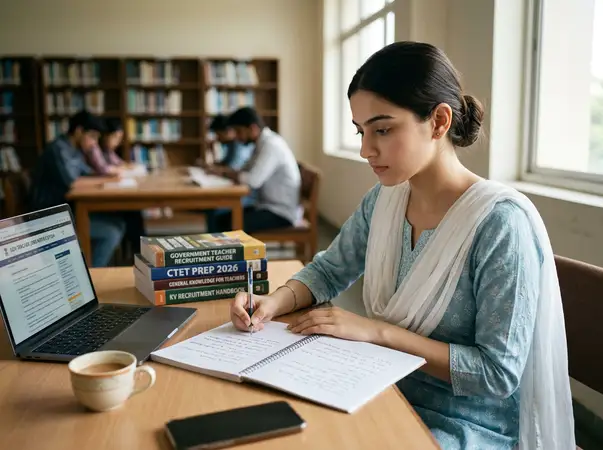
Quick Overview: Central Teacher Jobs
- Key Recruiters: KVS, NVS, EMRS, AEES, DSSSB (for Delhi).
- Common Eligibility: Bachelor's/Master's degree, B.Ed, CTET Paper I/II (mandatory for most).
- Expected Vacancies: Annually in thousands across various posts (PRT, TGT, PGT).
- Salary Range: Pay Level 6 (PRT) to Pay Level 8 (PGT), plus allowances.
- Selection Process: Written Exam (CBT), Interview, Document Verification.
- Official Notifications: Check respective organisation websites (e.g., kvsangathan.nic.in, navodaya.gov.in).
Which Central Government Bodies Recruit Teachers?
Several prominent central government organisations regularly recruit teachers across India. Each body has specific requirements and a unique work environment. Understanding these differences helps you target the right opportunities.
Kendriya Vidyalaya Sangathan (KVS)
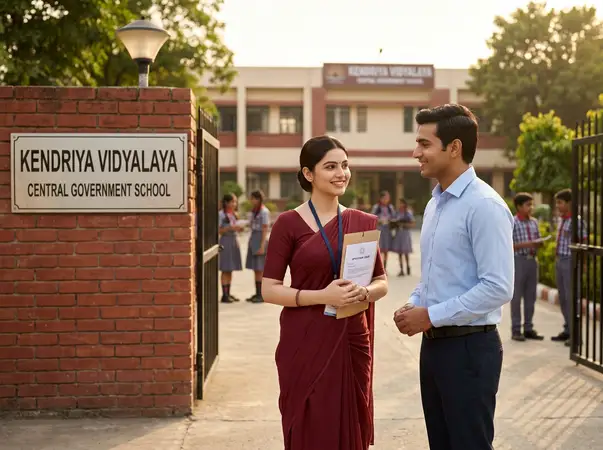
KVS operates over 1,200 schools across India and three abroad, catering primarily to children of central government employees. KVS recruits for Primary Teacher (PRT), Trained Graduate Teacher (TGT), and Post Graduate Teacher (PGT) roles. Vacancies are released periodically, attracting a large number of applicants due to KVS's pan-India presence and reputation.
Navodaya Vidyalaya Samiti (NVS)
NVS manages Jawahar Navodaya Vidyalayas (JNVs), residential schools in rural areas offering free education to talented children from economically weaker sections. NVS primarily recruits TGTs and PGTs for various subjects, along with Miscellaneous Category Teachers (Art, Music, PET). Working in NVS often involves residing on campus, offering a unique community experience.
Eklavya Model Residential Schools (EMRS)
EMRS are a relatively newer initiative by the Ministry of Tribal Affairs, providing quality education to ST children in tribal areas. Recruitment for EMRS teachers (PRT, TGT, PGT) has seen significant growth recently. These schools are residential, similar to JNVs, focusing on holistic development.
Atomic Energy Education Society (AEES)
AEES manages schools for the children of employees of the Department of Atomic Energy. These schools are located across various atomic energy sites in India. AEES recruits for PRT, TGT, and PGT positions, often with a focus on science and mathematics subjects due to the nature of the parent department.
Central Board of Secondary Education (CBSE)
While primarily an examination board, CBSE also manages a few schools directly. Additionally, many private schools affiliated with CBSE recruit teachers, though these are not central government jobs. However, CBSE's CTET qualification is vital for most central government teaching roles.
Delhi Subordinate Services Selection Board (DSSSB)
DSSSB recruits teachers for schools under the Government of NCT of Delhi and various autonomous bodies. While technically a state-level recruitment for Delhi, many aspirants consider it a central government-like opportunity due to Delhi's status and the large number of vacancies it often releases for PRT, TGT, and PGT posts.
What are the Eligibility Criteria for Central Government Teacher Jobs?
Eligibility requirements vary slightly by post and recruiting body, but some core qualifications remain consistent. Meeting these criteria is the first step towards a central government teaching career.
Educational Qualifications
- Primary Teacher (PRT): Typically, a Bachelor's degree with 50% marks and a 2-year Diploma in Elementary Education (D.El.Ed) or a B.Ed degree.
- Trained Graduate Teacher (TGT): A Bachelor's degree with 50% marks in the concerned subject combination and a B.Ed degree.
- Post Graduate Teacher (PGT): A Master's degree with 50% marks in the concerned subject and a B.Ed degree.
- CTET Qualification: Passing the Central Teacher Eligibility Test (CTET) conducted by CBSE is mandatory for PRT and TGT posts in KVS, NVS, EMRS, and AEES. CTET Paper I is for PRT, and Paper II is for TGT.
Age Limits (General Category)
Age limits vary significantly by post and organization. Here's a general overview, though specific notifications will have precise details:
| Post | Typical Age Limit (General) | Relaxations |
|---|---|---|
| Primary Teacher (PRT) | 30 years | OBC (3 years), SC/ST (5 years), Women (10 years for some posts/orgs), PwBD (10-15 years) |
| Trained Graduate Teacher (TGT) | 35 years | OBC (3 years), SC/ST (5 years), Women (10 years for some posts/orgs), PwBD (10-15 years) |
| Post Graduate Teacher (PGT) | 40 years | OBC (3 years), SC/ST (5 years), Women (10 years for some posts/orgs), PwBD (10-15 years) |
Note: Age calculation date is specified in the official notification. Candidates must always refer to the latest official notification for exact age limits and relaxations.
Nationality
Applicants must be citizens of India.
How is the Selection Process for Central Teacher Vacancies?
The selection process for central government teacher jobs is structured to assess both academic knowledge and teaching aptitude. It typically involves multiple stages.
- Written Examination (Computer Based Test - CBT): This is the primary stage for most recruitments. The exam pattern includes sections on General English, General Hindi, General Knowledge & Current Affairs, Reasoning Ability, Computer Literacy, and Pedagogy/Subject-Specific knowledge. The weightage for each section varies by post (PRT, TGT, PGT) and organization. Negative marking may also be applicable.
- Interview: Candidates who qualify the written exam are called for an interview. This stage assesses communication skills, personality, and teaching aptitude. For TGT/PGT, subject matter expertise is also evaluated.
- Demo/Skill Test: For some posts, particularly TGTs and PGTs, a teaching demonstration or skill test might be conducted. This evaluates a candidate's practical teaching abilities in a classroom setting.
- Document Verification: Shortlisted candidates undergo thorough verification of their educational qualifications, age, caste certificates, and other relevant documents.
- Medical Examination: A medical fitness test is usually required before final appointment.
What is the Salary and Benefits for Central Government Teachers?
Central government teacher positions offer attractive salary packages and a comprehensive range of benefits, making them highly desirable.
Salary Structure (7th Pay Commission)
Salaries are based on the 7th Pay Commission recommendations, categorized by Pay Levels:
| Post | Pay Level | Basic Pay (approx.) | In-hand Salary (approx. with allowances) |
|---|---|---|---|
| Primary Teacher (PRT) | Pay Level 6 | ₹35,400 - ₹1,12,400 | ₹45,000 - ₹55,000 per month |
| Trained Graduate Teacher (TGT) | Pay Level 7 | ₹44,900 - ₹1,42,400 | ₹55,000 - ₹65,000 per month |
| Post Graduate Teacher (PGT) | Pay Level 8 | ₹47,600 - ₹1,51,100 | ₹60,000 - ₹70,000 per month |
Note: In-hand salary varies based on city (HRA differs for X, Y, Z cities), DA rates, and other allowances.
Allowances and Benefits
- Dearness Allowance (DA): Revised periodically based on inflation.
- House Rent Allowance (HRA): Varies by city classification (X, Y, Z).
- Transport Allowance (TA): Provided for commuting.
- Medical Facilities: Central Government Health Scheme (CGHS) or similar medical benefits.
- Pension Scheme: Covered under the National Pension System (NPS).
- Leave Benefits: Earned leave, casual leave, maternity/paternity leave, etc.
- Promotional Avenues: Opportunities for promotion to senior teacher roles, headmaster, or administrative positions.
- Accommodation: Staff quarters are often provided, especially in KVS, NVS, and EMRS.
How to Prepare for Central Government Teacher Exams 2026?
A structured and consistent preparation strategy is key to cracking central government teacher recruitment exams. Start early and stay focused.
- Understand the Syllabus and Exam Pattern: Download the latest syllabus from the official notification. Analyze the weightage of each section (General Awareness, Reasoning, Pedagogy, Subject-Specific, etc.).
- Master CTET: If you haven't cleared CTET, prioritize it. Many central government teaching jobs require a valid CTET certificate. Understand the CTET syllabus thoroughly and practice previous year papers. /ctet-exam-preparation-guide
- Strong Foundation in Core Subjects: For TGT and PGT, a deep understanding of your chosen subject (Maths, Science, English, etc.) is critical. Revise NCERT textbooks from classes 6 to 12.
- Focus on Pedagogy and Child Development: These sections are common across all teacher exams. Study theories of learning, classroom management, inclusive education, and child psychology.
- General Awareness and Current Affairs: Stay updated with national and international events, especially those related to education. Read newspapers and magazines regularly.
- Practice Reasoning and Computer Literacy: Practice a variety of reasoning questions. For computer literacy, understand basic computer operations, MS Office, and internet concepts.
- Solve Previous Year Papers and Mock Tests: This familiarizes you with the exam environment, question types, and time management. Analyze your performance to identify weak areas.
- Develop Interview Skills: Practice answering common interview questions. Be prepared to discuss your teaching philosophy, classroom management strategies, and subject
Frequently Asked Questions (FAQs)
Related Resources
- Latest Sarkari Naukri Updates
- CTET Exam Notification
- Government Job Salary Scales
Reader questions: Interview
What is the basic eligibility for central government teacher jobs?
Generally, you need a Bachelor's or Master's degree in the relevant subject, a Bachelor of Education (B.Ed), and must have qualified the Central Teacher Eligibility Test (CTET).
Which are the main organisations that hire central government teachers?
The main recruiting bodies are Kendriya Vidyalaya Sangathan (KVS), Navodaya Vidyalaya Samiti (NVS), Eklavya Model Residential Schools (EMRS), and the Atomic Energy Education Society (AEES).
What is the typical salary for a central government teacher?
Salaries are based on the 7th Pay Commission. A Primary Teacher (PRT) typically starts at Pay Level 6 and a Post Graduate Teacher (PGT) at Pay Level 8, plus benefits like HRA and DA.
Related Government Job Resources
Continue with active job hubs and related government job pages on TrueJobs.
Tools for this recruitment topic
Use only the tools relevant to the dates, eligibility or documents discussed above.
TrueJobs Editorial Team
TrueJobs editorial desk
This article is prepared from the sources referenced in the guide and reviewed for clarity, links and dated information. Read our editorial and corrections policy.
Continue This Topic
Follow the closest earlier and newer coverage so older archive posts keep real contextual crawl paths.
Government School Teacher Salary in India 2026: A Detailed Guide by Post
Explore the detailed 2026 salary structure for government school teachers in India. This guide covers pay scales, allowances, and earnings for PRT, TGT, and PGT posts based on the 7th Pay Commission.
NVS Non-Teaching Recruitment 2026: Eligibility, Exam Pattern & Salary
NVS is expected to release its 2026 notification for non-teaching posts like JSA, Lab Attendant, and Mess Helper. Learn about eligibility, salary, and the selection process.
Read Next

Government School Teacher Salary in India 2026: A Detailed Guide by Post

NVS Non-Teaching Recruitment 2026: Eligibility, Exam Pattern & Salary

SSC CGL 2026: Notification, Eligibility, Vacancy, & Application Guide

CSIR NET 2026 Syllabus & Exam Pattern: Your Complete Guide
Explore Topics
Perfect Your Resume
Use our AI-powered Resume Builder to create ATS-optimized resumes.
AI Resume Builder